15 Research Mentorship Programs for High School Students

In high school, your time outside the classroom often feels like a pause from academics. But these periods can be much more than a break; they can be an opportunity to explore subjects in depth, build new skills, and challenge yourself intellectually. Experiences beyond the standard curriculum play a crucial role in personal growth, help you discover long-term academic interests, and strengthen your college applications. One of the most impactful ways to do this is by taking part in research mentorship programs for high school students.
Imagine working closely with a university professor, PhD scholar, or industry researcher on a real research question. You might design experiments, analyse data, review academic literature, or even contribute to a paper or presentation. These experiences allow you to move beyond textbook learning and understand how knowledge is produced across fields such as science, engineering, medicine, economics, and the humanities.
What kinds of Research Mentorship Programs for High School Students are there?
Finding high-quality research mentorship opportunities can be challenging. Some programs may sound impressive but offer limited interaction with mentors, while others might focus more on lectures than actual research. That’s why it’s important to understand the different types of research mentorship programs available, since not all of them provide the same level of depth or academic rigor.
Research mentorship programs for high school students come in several forms. These programs may focus on specific disciplines like STEM, social sciences, or interdisciplinary research, or they may allow students to pursue individualized projects. Depending on the program, you might engage in literature reviews, data collection, coding, lab work, policy analysis, or academic writing. You will be taught by expert instructors, participate in hands-on activities, and connect with like-minded peers.
No matter the format, research mentorship programs require commitment and curiosity. To simplify your search and help you find meaningful opportunities, we’ve curated a list of 15 Research Mentorship Programs for High School Students. We selected these programs for their strong mentorship models, academic depth, and the real research exposure they offer to motivated students.



15 Research Mentorship Programs for High School Students
1. Princeton University Laboratory Learning Program (LLP)
Location: Princeton University, Princeton, NJ
Cost/Stipend: Free to participate
Acceptance rate/cohort size: Highly competitive
Dates: ~5-6 weeks during the summer
Application Deadline: Student applications open from February 15th and close on March 15th
Eligibility: High school students 16 years or older by June 15th of the program year. Must be enrolled in a local NJ high school
The Laboratory Learning Program at Princeton University gives you the chance to join real research teams and contribute to active laboratory projects across the natural sciences and engineering. In this program, you’re placed directly into ongoing research, working under the supervision of faculty and research staff throughout the summer.
Each opportunity varies in topic and structure because projects depend on host research groups, but all involve hands-on experimental or analytical work that mirrors authentic scientific practice. You’ll complete a final research summary report that reflects your work and insights at the end of your placement. Because housing and travel aren’t provided, the program is particularly focused on students who live locally and can commute to campus each day.
Why it stands out: You get a true, in-person research role at an Ivy League university where you contribute to ongoing studies under real laboratory conditions.
2. Immerse Education’s Pre-University Summer School
Location: Boston, Cambridge, London, Oxford, Singapore, Sydney, Tokyo, and Toronto
Cost/Stipend: Varies; summer school scholarship available through their bursary programme
Acceptance rate/cohort size: Average of 7 participants per class
Dates: 2 weeks during the summer
Application Deadline: Multiple summer cohorts with rolling admissions
Eligibility: Students worldwide aged 13-18 currently enrolled in middle or high school
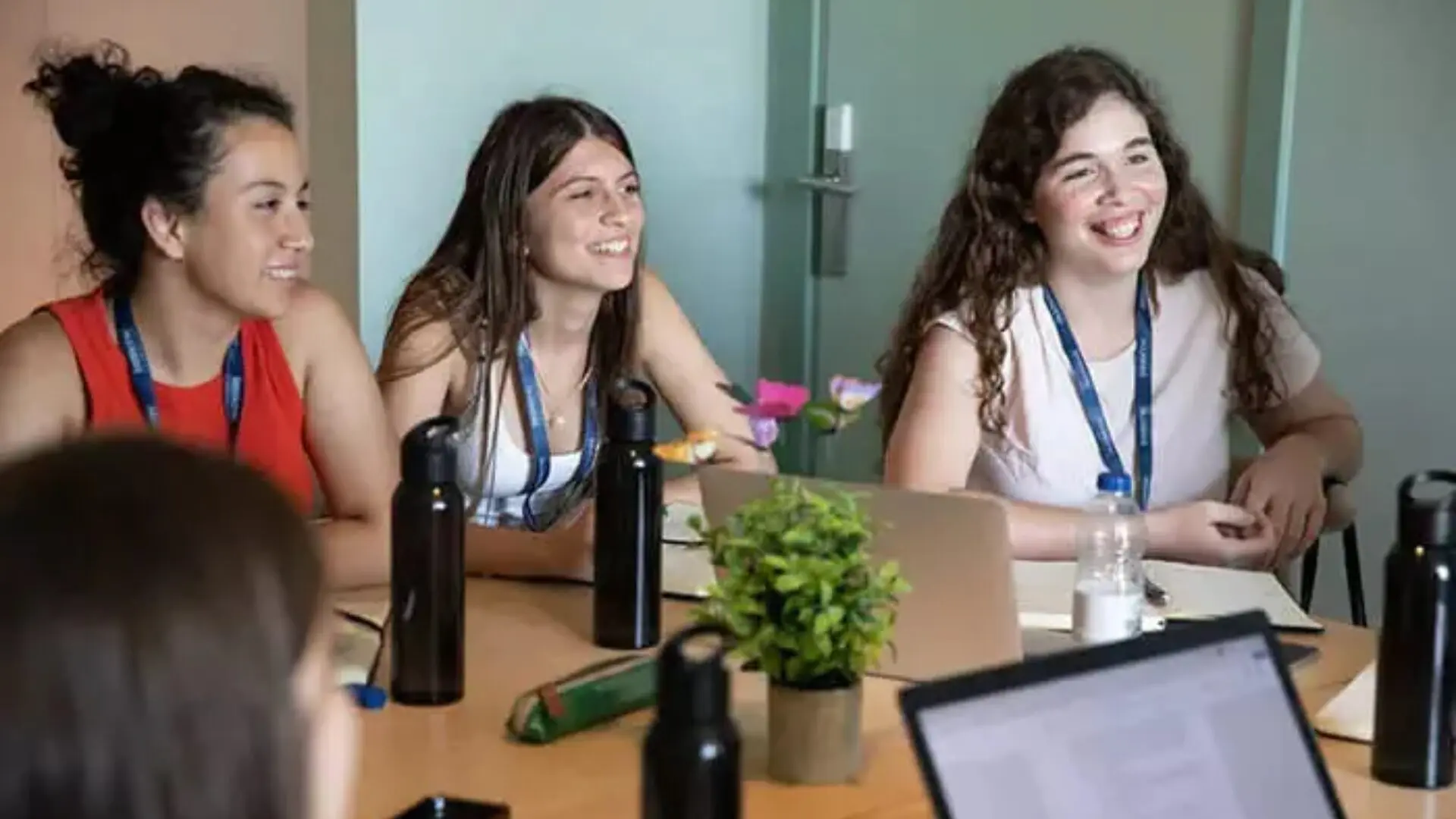
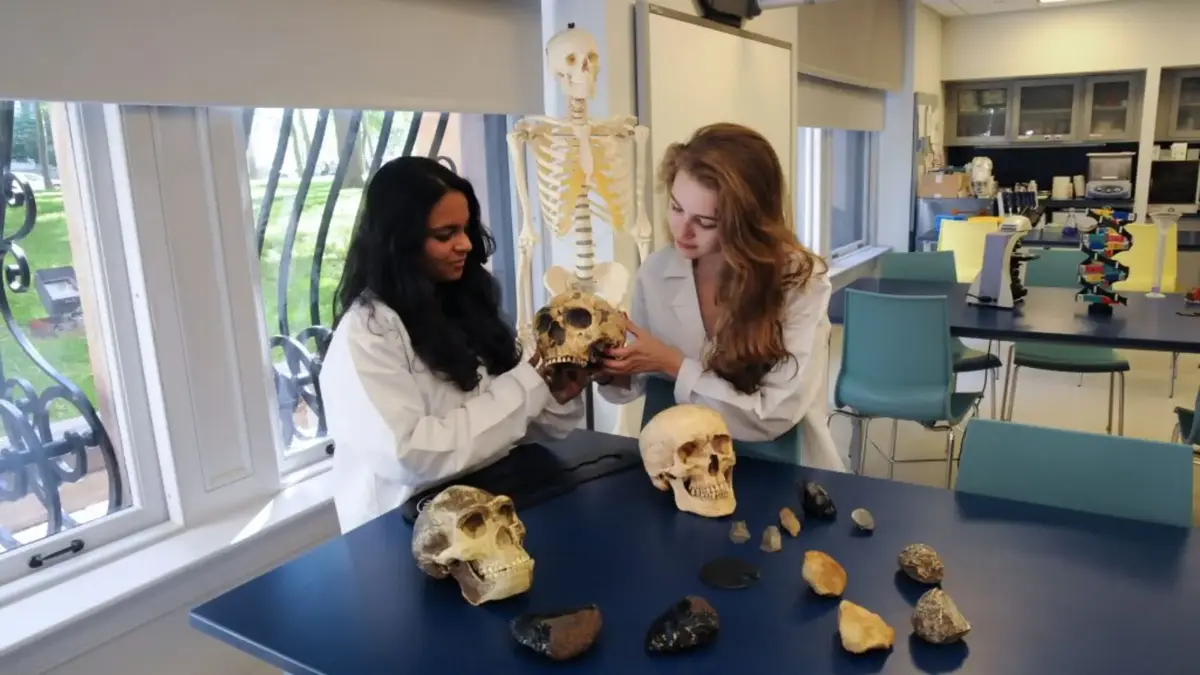
The Academic Insights Program provides you with an opportunity to attend undergraduate-level classes at universities around the world. As a participant, you’ll work with academics from universities like Oxford, Cambridge, and Harvard in classes of 4-10 students. The small class size allows for close observation and mentorship of participants by the tutors. You’ll attend university-style lectures; you’ll also be engaging in 1:1 weekly sessions with your tutor. The program includes practical experiences such as dissections in medicine, robotic arm building in engineering, or moot courts for law.
You can choose from over 20 subjects, including architecture, artificial intelligence, business management, computer science, economics, medicine, philosophy, and more. By the end of the program, you will complete a personal project (a research project, in tracks like economics) and receive written feedback and a certificate of completion. You can find more details about the application here.
Why it stands out: It provides a wide range of choices with regard to both courses and locations; it has provision for 1:1 sessions with the tutor/ mentor.
3. Stanford Institutes of Medicine Summer Research Program (SIMR)
Location: Stanford University, Stanford, CA
Cost/Stipend: Free to attend
Acceptance rate/cohort size: Highly selective
Dates: June 8th – July 30th
Application Deadline: February 21st
Eligibility: Current high school juniors or seniors, at least 16 years old by program start. Must be U.S. citizens or permanent residents
Stanford’s SIMR is one of the most intensive research mentorship programs for high school students in biomedicine, placing you in an eight-week internship alongside faculty, postdoctoral researchers, and graduate students. You build a stronger understanding of research practice from hypothesis formulation to data analysis, supported by structured lectures, safety training, and professional development that reinforces lab readiness and scientific thinking.
You wrap up your experience by presenting a research poster to peers, mentors, and the Stanford community, refining your ability to communicate complex work clearly. Because SIMR blends intensive hands-on research with expert mentorship and community engagement, it can be a powerful opportunity for you to build confidence and clarity about pursuing science or medicine.
Why it stands out: You get direct involvement in authentic biomedical research at a world-class university with expert mentors and a cohort of similarly driven peers.
4. Stony Brook University’s Simons Summer Research Program
Location: Stony Brook University, Stony Brook, NY
Cost/Stipend: No tuition; students receive a stipend upon completion
Acceptance rate/cohort size: Percentage of students admitted is about <5 percent
Dates: June 29th – August 7th
Application Deadline: February 5th
Eligibility: Current U.S. high school juniors aged 16+ by the start of the program
The Simons Summer Research Program gives you the chance to spend your summer fully immersed in hands-on scientific, math, or engineering research at Stony Brook University. You’ll be paired with a faculty mentor and integrated into an active research team where you help carry out real projects, learn laboratory techniques, and contribute to ongoing investigations across diverse disciplines.
Throughout the summer, you’ll attend weekly talks by researchers, participate in workshops and campus tours, and grow your professional perspective alongside peers who share your curiosity. Your work culminates in writing a research abstract and presenting a poster at a closing symposium, helping you sharpen both your communication skills and scientific confidence. This experience reflects what life is like in a university research setting, offering you a candid look at future academic paths.
Why it stands out: You get an opportunity to work with university researchers and produce a tangible research product that demonstrates your ability to engage in authentic scientific inquiry.
5. Rockefeller University’s Summer Science Research Program (SSRP)
Location: Rockefeller University, NYC
Cost/Stipend: Free to attend; need-based stipends available
Acceptance rate/cohort size: ~32 students per cohort (highly selective)
Dates: June 22nd – August 6th
Application Deadline: January 2nd
Eligibility: Current high school juniors or seniors from all around the world who will be at least 16 by the start of the program
The Summer Science Research Program at Rockefeller University places you in a real laboratory environment where you work alongside experienced scientists on cutting-edge biomedical research. The structure centers on small teams guided by research mentors, so you learn collaboratively and develop your own research insights under expert guidance.
Beyond the bench, you’ll attend elective workshops, guest lectures, and networking events that expand your scientific perspective and professional skills. At the end of the program, you present your findings at a symposium, gaining confidence in communicating research results. Since this experience blends hands-on work with academic enrichment, you leave with a clearer sense of what science research really involves.
Why it stands out: You get to do authentic, mentored biomedical research at one of the world’s leading institutions in a deeply immersive summer experience.
6. MIT’s Research Science Institute (RSI)
Location: Massachusetts Institute of Technology (MIT), Cambridge, MA
Cost/Stipend: Free
Acceptance rate/cohort size: 100 students
Dates: ~ 6 weeks during the summer
Application Deadline: Around December
Eligibility: Domestic and international high school juniors
The Research Science Institute is one of the most prestigious summer research programs, where you’ll begin with rigorous STEM coursework and seminars designed to deepen your understanding of contemporary research methods. Following that, you’ll be transitioning to five weeks of independent research under the guidance of experienced scientists and mentors. Throughout the program, you learn to read scientific literature, design research plans, perform experiments or theoretical work, analyze data, and complete your own scientific paper.
You’ll also attend evening talks by accomplished researchers, participate in structured academic activities, and present your final project at a symposium that showcases your accomplishments. The elite combination of coursework, mentorship, and original research makes RSI a transformative stepping stone for students passionate about STEM.
Why it stands out: You get an in-depth, holistic research experience embedded within the MIT ecosystem.
7. Young Scholars Summer STEMM Research Program at the University of Illinois
Location: University of Illinois Urbana-Champaign, Champaign, IL
Cost/Stipend: Free to participate; students are paid a fellowship
Acceptance rate/cohort size: Highly competitive
Dates: 6-week summer research session
Application Deadline: Applications open in February; subscribe for program notifications
Eligibility: Rising 10th through 12th graders residing in IL, IN, KY, MI, MO, IA, or WI
The program invites you to join a rigorous six-week research experience, where you work side-by-side with faculty, graduate students, and lab teams on authentic investigations in science, technology, engineering, mathematics, and medicine. You’ll engage deeply in hands-on research while attending professional development seminars that sharpen your skills in scientific communication, college readiness, and research poster preparation.
You’ll be matched with a research lab and another student, ensuring collaborative learning and tailored guidance throughout the program. At the end of the summer, you share your work at a research symposium, giving you a chance to present your findings and reflect on your growth.
Why it stands out: You get a true taste of university-level research with dedicated mentorship and professional development while contributing meaningfully to ongoing scientific work.
8. DSI Summer Lab
Location: University of Chicago, Chicago, IL
Cost/Stipend: Paid program with a $5,600 stipend
Acceptance rate/cohort size: Competitive
Dates: June 15th – August 7th
Application Deadline: January 12th
Eligibility: Current high school students (freshman–senior) living and attending school in the Chicago area
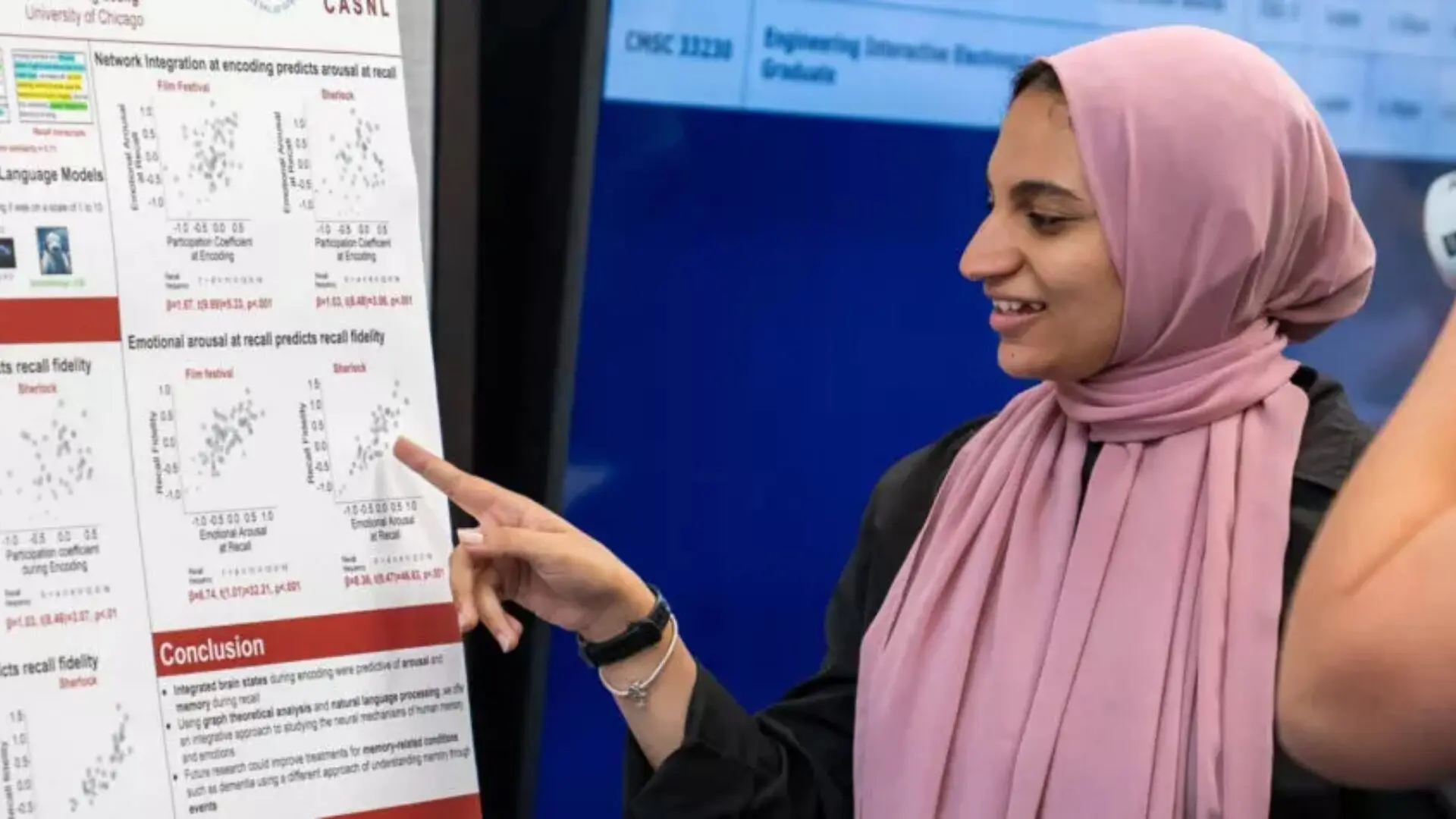
The Data Science Institute Summer Lab at the University of Chicago offers you an immersive eight-week research experience. In this program, you’ll collaborate with data science mentors on real projects spanning fields like computer and data science, social science, climate and energy policy, public policy, materials science, and biomedical research. You’ll work closely with faculty or research teams to build your technical skills, contribute to meaningful research tasks, and deepen your understanding of how data-driven research functions across disciplines.
You’ll prepare and communicate your findings via videos and presentations at a symposium that mirrors real research dissemination settings. This experience helps you not only gain hands-on research exposure but also see how computational thinking intersects with pressing real-world challenges. Here’s the application link.
Why it stands out: You engage in authentic data science research across multiple domains under expert mentorship.
9. Jackson Laboratory Summer Student Program
Location: Bar Harbor, ME, and Farmington, CT
Cost/Stipend: $7,000 stipend
Acceptance rate/cohort size: Highly competitive
Dates: May 30th – August 7th/ August 10th
Application Deadline: January 26th
Eligibility: Domestic U.S. high school seniors and undergraduate students aged 18+
The Jackson Laboratory’s Summer Student Program offers you a hands-on research journey into genetics and genomics, where you work with professional scientists on meaningful projects that shape real-world understanding of biological systems. Over approximately ten weeks, you’ll commit to a full-time research schedule in state-of-the-art labs on either the Bar Harbor or Farmington campus, gaining essential skills in laboratory methods, data analysis, and scientific communication.
With relevant mentorship, you’ll develop an independent research project, learn through structured professional development sessions, and participate in journal clubs that deepen your perspective on science careers. By the end of the summer, you’ll present your work to JAX researchers, peers, and family members, reinforcing your confidence in explaining your findings. Here’s the application link.
Why it stands out: Insights from mentor-guided genetics research at a world-renowned biomedical institution.
10. Fermilab Program for Research, Innovation, and STEM Mentorship (PRISM)
Location: Fermi National Accelerator Laboratory, Batavia, IL
Cost/Stipend: $500 weekly stipend
Acceptance rate/cohort size: Selective cohort
Dates: July 13th – August 7th
Application Deadline: March 1st
Eligibility: High school seniors or recent graduates; U.S. citizens enrolled in an Illinois high school with proof of medical insurance
The Fermilab Program for Research, Innovation, and STEM Mentorship (PRISM) offers you a four-week deep dive into several cutting-edge areas of science and technology in one of the United States’ premier national laboratories. Across the summer, you’ll engage with weekly thematic modules that explore fields like particle physics, quantum science, engineering design, and artificial intelligence, learning through a mix of hands-on projects, expert-led lectures, and guided tours of world-class research facilities.
You’ll work alongside Fermilab professionals and STEM mentors who help you grasp complex topics and build skills in problem solving, experimentation, and scientific reasoning. The program includes professional development and exposure to real laboratory environments, helping you connect academic interests with future career pathways. You’ll also prepare a research abstract, present your work in a final poster session, and reflect on your learning in ways that mirror real scientific communication.
Why it stands out: You explore advanced STEM topics weekly and gain authentic research exposure at a national laboratory.
11. Northeastern University’s Young Scholar Program (YSP)
Location: Northeastern University, Boston, MA
Cost/Stipend: Free of charge; students may receive a stipend
Acceptance rate/cohort size: Competitive
Dates: June 22nd – July 30th
Application Deadline: March 2nd
Eligibility: Current high school juniors who are based in Massachusetts are eligible
The Young Scholars Program at Northeastern University invites you to spend six weeks gaining hands-on research experience in authentic university laboratories while still in high school. You’ll work with faculty, graduate students, and researchers in fields like chemistry, engineering, biology, computer science, and health sciences, learning practical skills and tackling real scientific problems. Throughout the program, you also attend a seminar series that introduces different engineering disciplines and career pathways, enriching both your technical knowledge and professional understanding.
Field trips to local companies and research facilities give you a broader view of STEM in action, connecting classroom learning to real-world applications. Your summer culminates with final research presentations and poster sessions where you share your discoveries with your cohort and mentors. Here’s the application link.
Why it stands out: You get a well-rounded research experience that blends lab work, industry exposure, and career development in a supportive academic community.
12. Research Mentorship Program (UCSB)
Location: University of California, Santa Barbara, CA
Cost/Stipend: Tuition and program fees vary for the commuter and residential options
Acceptance rate/cohort size: Not specified
Dates: June 15th – July 31st
Application Deadline: March 9th
Eligibility: High school students from all over the world in 10th or 11th grade (exceptional 9th graders considered)
UCSB’s Research Mentorship Program is one of the most structured research mentorship programs for high school students, allowing you to work directly with graduate students, postdoctoral researchers, or faculty on a substantive project across disciplines from biology and physics to economics and media arts. You begin with a virtual orientation, then spend six weeks on campus immersed in academic life while building research skills through consistent mentor guidance.
Under mentor guidance, you explore research techniques, analyze data, and contribute to meaningful investigations, often producing a formal research paper or presentation by the program’s end. Beyond the lab, the program includes lectures, workshops, and social events that expand your perspective and connect you with peers who share your curiosity. You also have access to UCSB’s libraries, recreational facilities, and community activities, making the experience both educational and personally rich.
Why it stands out: You’ll get to choose a research project from a long list of disciplines and work on it under the guidance of a mentor.
13. Anson L. Clark Scholars Program
Location: Texas Tech University, Lubbock, TX
Cost/Stipend: $750 stipend
Acceptance rate/cohort size: ~12 students selected each year
Dates: June 21st – August 6th
Application Deadline: TBA; typically around February or March
Eligibility: Current high school juniors or seniors who are at least 17+ by the program start date. Must be a U.S. Citizen or Permanent Resident.
In the Anson L. Clark Scholars Program, you’ll be paired with experienced faculty mentors and contribute to meaningful research across diverse academic areas, from science and engineering to economics. You’ll be gaining real-world skills in analysis, experimentation, and scholarly inquiry. In addition to your research, the program includes weekly seminars, discussions, and field trips that broaden your academic perspective and help you connect with peers and professionals.
By the end of the summer, you’ll complete a written research report that showcases your work and reinforces your communication and critical thinking. The combination of rigorous research, mentorship, and collegiate atmosphere equips you with a stronger sense of your academic and career direction.
Why it stands out: You get an immersive research experience with hands-on faculty mentorship across disciplines in a small, focused cohort that fosters deep learning.
14. Boston University’s Research in Science & Engineering (RISE)
Location: Boston University, Boston, MA
Cost/Stipend: Program fee applies
Acceptance rate/cohort size: Competitive selection
Dates: June 28th – August 7th
Application Deadline: February 4th
Eligibility: U.S. students entering the senior year of high school during the fall
Boston University’s RISE program lets you spend six weeks immersed in university-level research across science and engineering fields alongside faculty, postdocs, and graduate mentors. You’ll either pursue independent laboratory research under mentorship (Internship track) or engage in structured group research with guided lectures and labs (Practicum track) in areas like computational neurobiology or data science.
Throughout the summer, you’ll spend your days gaining hands-on experience in cutting-edge methodologies while attending weekly professional development workshops designed to build both technical and academic skills. The program culminates in a Poster Symposium where you present your research results to peers and mentors, enhancing your ability to communicate scientific work. In addition to lab work, you’ll interact with local biotech and pharmaceutical partners, linking your research to real-world STEM practice. Here’s the application link.
Why it stands out: You get a university-level research experience in a leading STEM environment with options for both independent and structured group learning pathways.
15. NYU Tandon ARISE (Applied Research Innovations in Science and Engineering)
Location: New York University Tandon School of Engineering, NY
Cost/Stipend: Free to participate; students receive a $1,000 stipend upon completion
Acceptance rate/cohort size: Selective cohort
Dates: June 1st – August 14th
Application Deadline: Applications open on January 6th and close on February 21st
Eligibility: Rising high school juniors or seniors attending NYC schools
The ARISE program at NYU Tandon invites you to spend a summer deeply engaged in STEM research, blending foundational workshops with authentic lab work alongside university faculty and mentors. You begin with structured seminars on research methods, scientific ethics, lab safety, and communication skills before transitioning into hands-on research work where you contribute to ongoing projects.
ARISE also supports your professional growth with college readiness guidance and training in presenting your results. At the end of the summer, you’ll share your work at a formal presentation colloquium attended by peers, mentors, and academic professionals.
Why it stands out: You get a fully funded, immersive research experience in STEM at a major research university while contributing to meaningful scientific work and building skills.
Join the Immerse Education 2027 Essay Competition
Follow the instructions to write and submit your best essay for a chance to be awarded a 100% scholarship.
From Research Guidance To University Goals
Research mentorship changes how you engage with learning by placing collaboration and inquiry at the centre of your academic journey. You move from consuming information to shaping ideas with intention.
Well-structured programmes that pair students with experienced mentors offer something distinct. Research mentorship programs for high school students create space for sustained exploration, responsibility, and intellectual growth beyond standard coursework.
Through close guidance, you gain clarity about your interests, develop academic discipline, and understand what university-level research truly demands.
To turn this clarity into action, explore our University Preparation blogs for expert guidance on subject selection, application strategy, and building a strong academic pathway towards leading universities worldwide.






Unlock Inspiring Opportunities with the Immerse Education Newsletter
Join our newsletter to stay ahead with exclusive updates, exciting programme highlights, and expert insights from the world of immersive education.
Learn how Immerse can transform your life
An in-depth overview of our university and career preparation programmes
Get a glimpse into the life of an Immerse participant
Find the right programme for you with sample timetables, location showcases, and more