
 Русский (RU)
 Українська (UK)
 Türkçe (TR)
 Italiano (IT)
 Français (FR)
 Português (PT)
 中文 (中国) (ZH)
 Español (ES)
 日本語 (JA)
 ไทย (TH)
 Deutsch (DE)
 Ελληνικά (EL)
 Polski (PL)
 Bahasa Indonesia (ID)
 Nederlands (NL)
 العربية (AR)
 한국어 (KO)

If you’re a high school student eager to explore new academic interests, gain real-world experience, or meet like-minded peers, summer programs can be an incredible opportunity. However, the cost of many programs can sometimes feel like a barrier. That’s where fully funded summer programs come in: offering high-quality learning experiences without the financial burden, making them accessible.
Imagine spending your summer on a university campus or in a global learning environment, attending seminars, working on projects, or participating in research. Picture collaborating with peers from around the world, learning from experienced instructors, and immersing yourself in subjects like STEM, business, humanities, or the arts. Fully funded summer programs for high school students combine academic rigor with accessibility, opening doors to opportunities that might otherwise feel out of reach.
How do you choose the right fully funded summer programs for high school students?
With many options available, it’s important to identify programs that offer genuine academic depth and meaningful experiences rather than just basic enrichment. Some are highly selective and focus on research or leadership, while others emphasize cultural exchange, skill-building, or interdisciplinary learning. Careful research helps ensure you apply to programs that align with your interests and strengths.
Fully funded programs may include lectures, workshops, collaborative projects, and mentorship sessions. You might conduct research, develop a project, participate in discussions, or present your work in a final showcase. These experiences often mirror university expectations while providing strong support systems for students.
You’ll learn from experienced educators, collaborate with ambitious peers, and build confidence in new academic and social environments. Along the way, you’ll gain a clearer sense of your interests, strengthen key skills, and create connections that can last well beyond the summer.
To help you get started, we’ve curated a list of 15 Fully Funded Summer Programs for High School Students.
For adjacent opportunities, you can also have a look at free summer camps.
15 Fully Funded Summer Programs for High School Students
1. Summer Physics Camp (Los Alamos National Laboratory)
Location: Los Alamos, NM
Cost/Stipend: No cost / $350 stipend
Acceptance rate/cohort size: Selective; 20-40 students
Dates: June 8-19
Application Deadline: April 1st
Eligibility: High school students living in New Mexico or the East Hawaii tribal community must have completed Algebra I or high-level Math in school
High school students interested in STEM and energy security should participate in this two-week, free camp hosted by the Los Alamos National Laboratory. The program doesn’t consider your GPA, but rather your enthusiasm for these subjects.
At this free camp, you will explore physics, engineering, chemistry, computer programming, and cybersecurity through hands-on projects and real-world problem-solving. Moreover, you will also receive assistance in professional skills, such as learning how to write a resume and preparing for a job interview. This camp is 100% free.
Why it stands out: You’ll experience how physics research translates into real-world projects, which can be valuable for future studies.
2. Immerse Education Career Insights Summer School
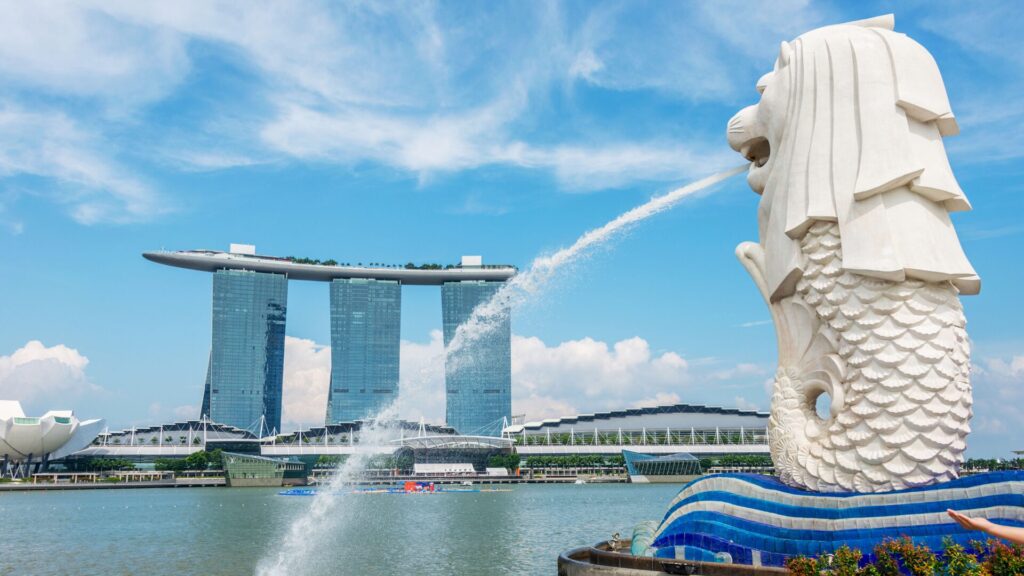
Location: Cambridge, London, New York, San Francisco, Singapore, Sydney, and Tokyo
Cost/Stipend: Varies by format; summer school scholarship available through our bursary programme
Acceptance rate/cohort size: Selective; small classes of around 7 participants per class
Dates: 2 weeks during the summer
Application Deadline: Multiple summer cohorts with rolling admissions
Eligibility: High school students worldwide aged 15-18
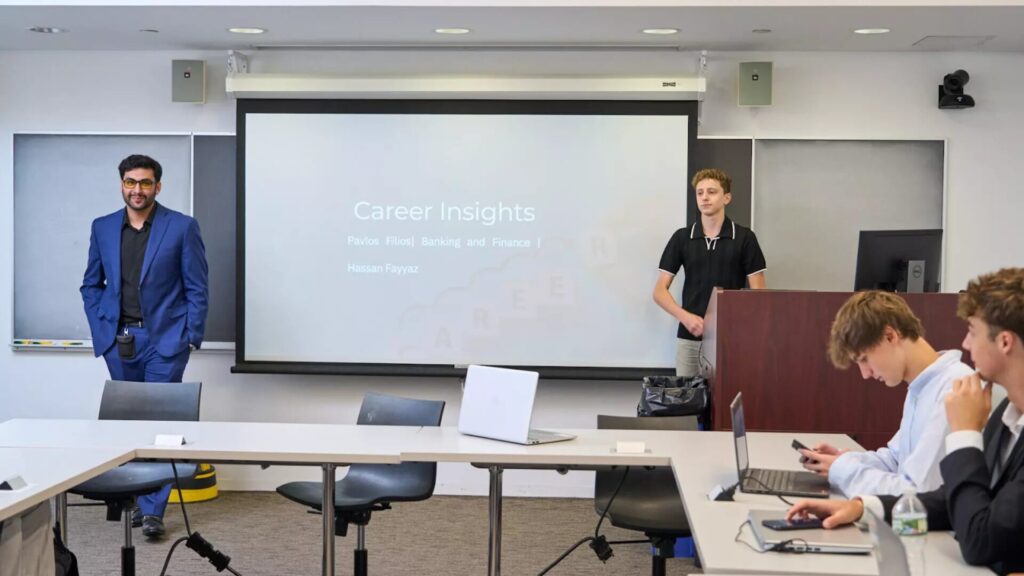
The Career Insights Program lets high school students explore careers in major global industry hubs. The Bursary Programme is designed especially for students from low-income backgrounds. Participants engage in project-based learning with established companies, attend interactive workshops, and visit offices, factories, and headquarters.
The program also includes in-person weekly 1:1 career coaching sessions and sessions where you will receive personalized feedback on your resume and overall profile. You’ll also present your findings to industry experts at the end of the program. You can find more details about the application here!
Why it stands out: It lets you explore practical, real-world applications of academic subjects and career fields, helping you see how professional pathways operate beyond the classroom.
3. University of Colorado Boulder Business Leadership Program
Location: Boulder, CO
Cost/Stipend: No cost / $1,000 scholarship given to the winning case competition team
Acceptance rate/cohort size: Highly selective; approximately 50-60 students
Dates: June 21-27
Application Deadline: March 13th
Eligibility: High school juniors, Colorado residents, or attending high school in Colorado, particularly first-generation or low-income students; seniors must plan on attending the Leeds School of Business
The program is designed to deliver a unique learning experience through a case competition, where you’ll work on a real-world marketing challenge for the opportunity to earn a $1,000 scholarship to the University of Colorado Leeds School of Business. You’ll learn directly from Leeds School of Business faculty through hands-on classes that emphasize practical business thinking.
You’ll also gain industry perspectives and career insights from leading business professionals. Throughout the week, you’ll connect with peers, build professional networks, and experience daily life on the University of Colorado Boulder campus. The program is supported by corporate partners such as EY, Deloitte, KeyBank, and other regional and national organizations.
Why it stands out: It offers a fully funded, residential experience where students gain a competitive edge by solving real-world corporate challenges alongside industry executives and top-tier faculty.
4. Princeton Summer Journalism Program (PJSP)
Location: Princeton University
Cost/Stipend: None
Acceptance rate/cohort size: Highly selective; 40 students
Dates: Late June – early August
Application Deadline: January 26th
Eligibility: High school juniors who live in the United States, plan to attend college there, have at least a 3.5 unweighted GPA, and meet at least one of the listed socioeconomic criteria
The Princeton Summer Journalism Program is one of the most prestigious fully funded summer programs for high school students from low-income families. In this program, you will attend online classes throughout July and finish with a 10-day residential intensive at Princeton University. You will live in undergraduate dorms and attend workshops and lectures led by world-renowned journalists.
You will get the chance to witness journalists in action as you tour through major news companies, produce digital content, attend a film workshop, and create your own newspaper, “The Princeton Summer Journal,” which will be published on the program’s last day.
Why it stands out: It gives you hands-on research involvement under faculty guidance, helping you see how scientific inquiry and engineering projects work in professional settings.
5. Broad Summer Scholars Program
Location: Cambridge, MA
Cost/Stipend: No cost / $3,600 stipend
Acceptance rate/cohort size: Highly selective; ~15-20 students
Dates: June 29th – August 7th
Application Deadline: January 21st
Eligibility: Rising high school seniors; U.S. citizens/permanent residents/non-US citizens with employment authorization, who attend high school in Massachusetts or are within commuting distance from the Broad Institute; a ‘B’ or better in science and math classes
The Broad Summer Scholars Program (BSSP) is a special program for high school students with a strong interest in science. For six weeks, you will be paired with a faculty mentor (Broad scientists), and you have to conduct one original project from subjects like clinical biology, psychiatric disease, chemical biology, infectious disease, and more.
The project should be translated into the form of a research poster that will be presented at the end of the summer program. You not only learn and prepare research posters, but get exposure with other participants through social and team-building activities.
Why it stands out: You’ll join cutting-edge genomics projects, giving you access to computational tools, lab technologies, and mentorship from world-class scientists.
6. NeuroCamp by UCLA
Location: Los Angeles, CA
Cost/Stipend: Free of charge
Acceptance rate/cohort size: Highly selective; 15–20 students
Dates: June 16-18; June 23-24 June; June 26-27
Application Deadline: April 27th
Eligibility: Highly motivated domestic high school students
NeuroCamp is a BRI high school outreach program that brings together up to 20 students in a course that introduces them to neuroscience. In this course, you will learn more about fundamental concepts of neuroscience and basic lab techniques. When you get accepted to the program, you will have to attend both weeks to pass the camp and to get a certificate of completion.
The overall goal of this program is to boost the interest of high school students in choosing careers in science and to provide a rewarding introduction to research in neuroscience to high school students.
Why it stands out: It offers an elite introduction to a world-class research environment where you perform advanced laboratory techniques like sheep brain dissections and molecular neurobiology experiments under the personal mentorship of UCLA Brain Research Institute scientists.
7. Brookes Engage
Location: Oxford, England
Cost/Stipend: None
Acceptance rate/cohort size: Competitive; approximately 100-150 students per year
Dates: Biomedical Science, Architecture, Business School Experience and Creative Industries streams: June 30th – July 2nd; Computer Science, Adult and Children’s Nursing, and Law streams: July 7-9
Application Deadline: Typically, mid-November
Eligibility: Students in the first year of a two-year Level 3 qualification (e.g. A Levels, BTEC, or equivalent); studying at a non-selective state school or college in England; England residents; aged 16 at the program’s start
The Brookes Engage program is designed for high school students who are preparing for college and seeking clarity about their academic direction through a work experience program in the UK. As part of a year-long pathway that begins in January, you get to explore your chosen subject through a combination of academic engagement, masterclasses, and structured mentorship.
During the summer phase, you can continue your studies on campus at Oxford Brookes University and gain familiarity with life in the city of Oxford. After returning to school in September, the program continues online with guided academic support. The experience concludes with a mini-graduation held at Oxford Brookes University the following March.
Why it stands out: It is a long-term, 18-month sustained support program that combines academic masterclasses and summer schools with personal mentoring from university students, specifically designed to bridge the gap to higher education for underrepresented students.
8. Summer Academy for Math and Science (SAMS)
Location: Pittsburgh, PA
Cost/Stipend: No cost / Stipend paid, amount not specified
Acceptance rate/cohort size: Highly selective; approximately 75-80 students
Dates: Virtual Jumpstart: June 15-16; Main program: June 20th – August 1st
Application Deadline: February 1st
Eligibility: High school juniors in 11th grade at the time of application submissions, are 16 years old by the program start date, are U.S. citizens or permanent residents
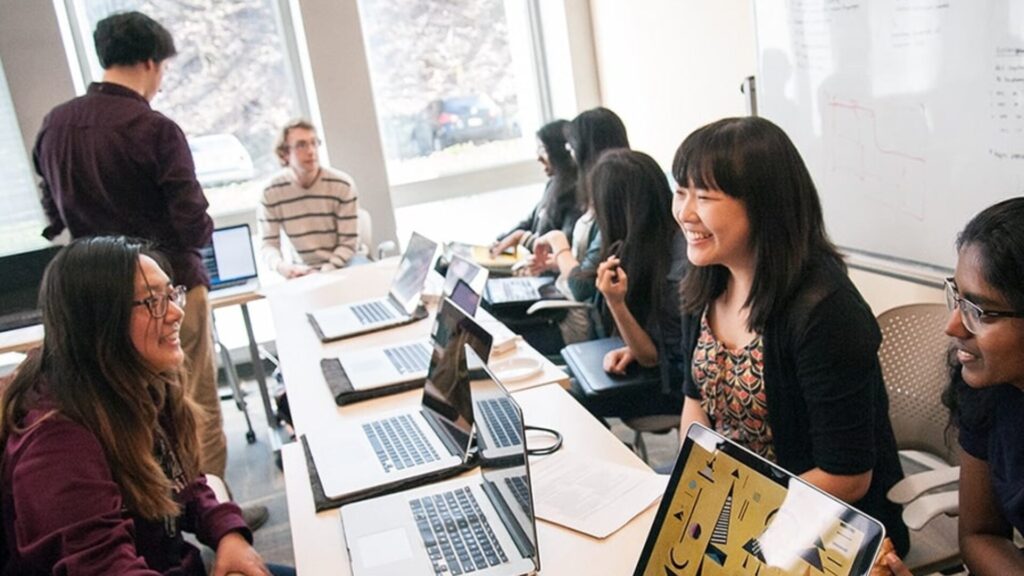
Students from underrepresented communities with a strong interest in STEM can apply to the SAMS program at Carnegie Mellon University. Recognized among elite fully funded summer programs for high school students, it allows you to build a deeper understanding of STEM subjects over six weeks through classroom seminars, hands-on projects, and professional mentoring.
SAMS is structured in three phases; the first phase starts with a required Virtual Jumpstart that focuses on foundational skills needed for the on-campus experience. This is followed by the six-week in-person residential program at Carnegie Mellon University. The final phase is a sustained support component, delivered both in person and online, that continues to guide you through key aspects of college preparation.
Why it stands out: It provides a fully funded, rigorous collegiate experience at Carnegie Mellon University that combines advanced STEM coursework with a collaborative research project and dedicated mentorship for students from underrepresented backgrounds.
9. Open City Accelerate
Location: Birmingham, UK
Cost/Stipend: None
Acceptance rate/cohort size: Highly competitive; typically 40-60 students per year
Dates: Workshops: October through April; Mentoring/Work Experience: Typically occurs during the February half-term; Summer Exhibition: July
Application Deadline: Late September
Eligibility: Students aged 16-18 years old attending a non-selective state school
Open City Accelerate is a free program in Birmingham dedicated to teenagers aged 14 to 18 years old to explore careers in architecture, landscaping, planning, engineering, and related fields. It includes a series of skill development courses and group mentoring sessions with an industry professional in the architecture, engineering, or landscaping industry.
This program also provides programs such as site visits to special locations around London, university visits to attend workshops (in partnership with university partners), and creative workshops to help you create your portfolio. Partner universities include UCL, University of the Arts London, Kingston University London, and Ravensbourne University London.
Why it stands out: It provides underrepresented students with an otherwise inaccessible gateway into the design industry through a year-long combination of expert-led portfolio workshops, university campus immersions, and direct work experience within architectural practices.
10. Kelley Women’s Leadership Institute
Location: Virtual and in-person at Bloomington, IN
Cost/Stipend: None
Acceptance rate/cohort size: Selective; typically 40-50 students per session
Dates: In-person: June 12th & 26th, July 10th & 24th; Virtual: April 22nd & 29th
Application Deadline: March 20th
Eligibility: Sophomores to seniors (virtual), rising juniors and seniors (in-person), cumulative GPA of 3.5 on a 4.0 scale; international students are welcome to apply
The Kelley Women’s Leadership Institute empowers the next generation by cultivating youth who drive innovation and excellence, and by cultivating leaders who lead with integrity and aspire to change. In this program, your skills will be honed through lectures, real-life business projects, leadership and communication classes, and preparation for your future by identifying which cause resonates most with you.
You can attend this program online (two-day event) or in person (one full day) at Indiana University. The program is free; however, if you choose the in-person program, you will need to cover your own transportation to and from the university.
Why it stands out: It empowers young women with foundational business and leadership skills, helping them build confidence in a top-ranked business environment.
11. Applied Research Innovations in Science and Engineering (ARISE)
Location: Brooklyn, NY
Cost/Stipend: No cost / $2,000 stipend
Acceptance rate/cohort size: Highly selective; ~60 students
Dates: Remote Workshops: June 1-25; In-person lab sessions: July 6th – August 14th
Application Deadline: February 27th
Eligibility: Rising high school juniors and seniors for the upcoming school year, only for full-time NYC residents attending NYC schools
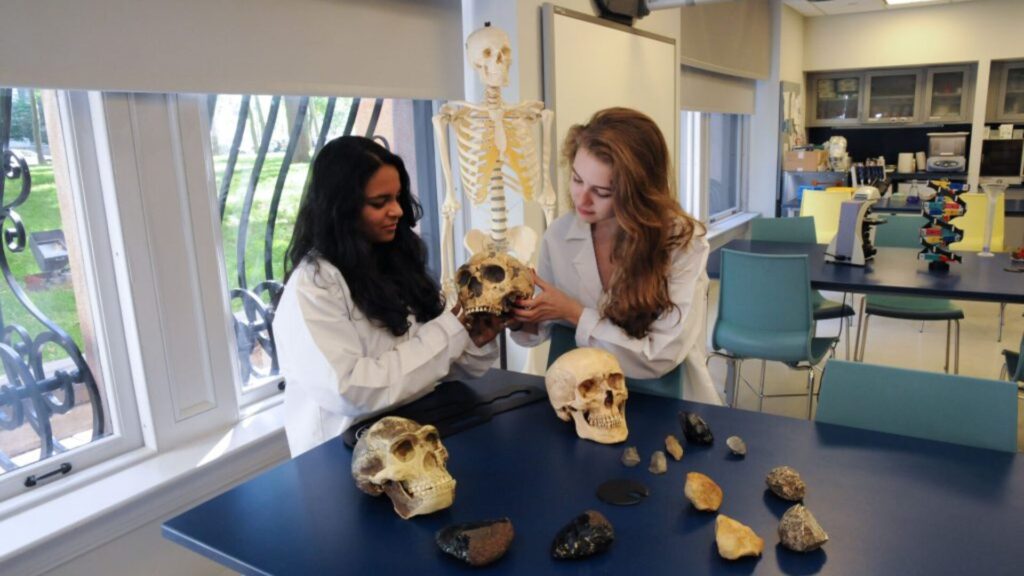
ARISE is a 10-week summer program funded by the Pinkerton Foundation. During the program, you will gain up to 150 hours of lab experience, develop public speaking skills, network with professionals, and present your research to the NYU community. For the first four weeks, you will be focused on safety training, college writing workshops, and research skills development.
For the remaining six weeks, you will work in NYU research labs to assist faculty with real-world research. Orientation happens in May, followed by two months of workshops and lab work. At the end of the program, you will have to present your academic poster at the AMNH Symposium.
Why it stands out: You’ll get access to NYU’s alumni network with jobs, internships, and research opportunities.
12. Summer Journalism Bootcamp by The Daily Free Press
Location: Virtual
Cost/Stipend: None
Acceptance rate/cohort size: Moderately selective; typically 30-50 students
Dates: August 5th, 12th, and 19th
Application Deadline: August 1st
Eligibility: Domestic high school students interested in journalism
If you are thinking of journalism as your career, applying to the Summer Journalism Bootcamp by the Daily Free Press is a great option. This two-week, free program is the chance for you to gain experience in journalism through workshops and panels. The workshop consists of three sessions in August, where in each workshop, you will work on an assignment that culminates as one piece of reporting at the end of the bootcamp.
You will also get 1:1 mentorship with editors of the FreeP. The assignment will culminate as a piece of reporting, which you can add as part of your portfolio, which may end up being published in the FreeP publication.
Why it stands out: It is a completely virtual and free program that provides aspiring high school and college journalists with direct one-on-one mentorship from editors of a leading independent student newspaper and the unique opportunity to have their reporting published for a global audience.
13. Asian American Journalists Association – J Camp
Location: Minneapolis, MA
Cost/Stipend: Free
Acceptance rate/cohort size: Highly competitive; around 30 students
Dates: June 20-26
Application Deadline: January 11th
Eligibility: Current high school sophomores and juniors; international applicants may apply
The JCamp by AAJA is a special camp for students interested in journalism. This six-day training brings everyone from the country, as well as international students, to learn from veteran journalists, sharpen their journalism skills, and work in a unique learning environment. The curriculum focuses on cross-cultural communication skills, fundamentals of leadership, diversity in the newsroom, journalism ethics, fostering connections, and building self-confidence.
It also includes field trips, practice anchoring TV newscasts, and trying breaking news live shots. Past alumni of JCamp have continued studying journalism in college and gotten jobs in local, national, and international news outlets such as CNN, NBC News, and Politico.
Why it stands out: It is an all-expenses-paid national program that brings together a multicultural cohort of high school students to produce professional-grade, multiplatform news packages under the direct mentorship of veteran journalists and leading media executives.
14. CDC Museum Disease Detective Camp
Location: Atlanta, GA
Cost/Stipend: Free
Acceptance rate/cohort size: Highly competitive; 27 students
Dates: June 23-27; July 21-25
Application Deadline: March 7th
Eligibility: Rising high school juniors and seniors around the world, at least 16 years of age by the first day of the chosen camp date
The CDC Museum Disease Detective Camp is a unique opportunity within the landscape of fully funded summer programs for high school students. This interdisciplinary program teaches participants about the CDC’s work, with topics ranging from global health and infectious diseases to public health law and outbreak investigations.
During this camp, you will experience cutting-edge activities such as recreating outbreaks, a mock press conference, a lab session, and short lectures from CDC scientists. This camp is for students interested in epidemiology and public health.
Why it stands out: It offers an elite experience where you simulate the role of a federal epidemiologist through hands-on outbreak investigations, mock press conferences, and direct interaction with the world’s leading public health scientists.
15. Connecticut Bar Association (CBA) Law Camp
Location: UCONN School of Law
Cost/Stipend: None
Acceptance rate/cohort size: Highly selective; approximately 30-40 students
Dates: July 6-10
Application Deadline: Late May
Eligibility: High school students interested in pursuing law, enrolled in a Connecticut high school for the next academic year; first-time participants
The Connecticut Bar Association (CBA) Law Camp allows you to step into the world of justice by meeting practicing attorneys and judges, observing real court proceedings, and receiving specialized advocacy training. The experience centers around a hands-on curriculum where you are split into teams to prepare for and litigate a two-round mock trial competition, often held in actual courtrooms.
Beyond just legal mechanics, the program serves as a community service initiative aimed at building a “pipeline” for future legal professionals, specifically prioritizing students from underrepresented backgrounds or those who would be first-generation lawyers.
Why it stands out: It offers a cost-free gateway into the justice system where students from underrepresented backgrounds litigate mock trials in actual courtrooms under the direct mentorship of sitting Connecticut judges and practicing attorneys.
From Summer Scholar To Top Tier University Applicant
Securing a spot in fully funded summer programs for high school students is the first major step toward an elite and successful college application.
These programs prove you have the academic drive and maturity to handle university-level research, leadership challenges, and high-pressure, fast-paced collaborative environments.
By transforming from a student into a scholar, you build the unique experiences and networking connections that differentiate top-tier applicants from everyone else.
Check out our University Preparation blogs to master admissions, ace your personal statements, and secure your place at a world-class institution today!