

 Русский (RU)
 Українська (UK)
 Türkçe (TR)
 Italiano (IT)
 Français (FR)
 Português (PT)
 中文 (中国) (ZH)
 Español (ES)
 日本語 (JA)
 ไทย (TH)
 Deutsch (DE)
 Ελληνικά (EL)
 Polski (PL)
 Bahasa Indonesia (ID)
 Nederlands (NL)
 العربية (AR)
 한국어 (KO)

Some students are naturally drawn to questions that do not have easy answers. Why do people disagree on morality? What counts as justice? How do we know something is true? Online philosophy programs for high school students offer a structured way to explore these ideas through logic, debate, close reading, and careful argument.
Imagine participating in conversations with students from other parts of the world, analyzing moral questions, or studying writings from different eras with people who can guide you through them. These programs give you space to work through complex ideas, improve your reasoning, and understand what studying philosophy at a more advanced level actually entails.
How do you choose the right online philosophy program as a high school student?
Selecting a program can feel daunting when you start. Some courses may not offer enough depth, while others might be too theoretical without providing real interaction. It helps to clarify what you want before making a decision.
Different institutions and platforms run online philosophy programs that vary in style and content. Some focus on core subjects like ethics, logic, and metaphysics, while others introduce you to areas like political philosophy or philosophy of science. You may find programs structured around live sessions, debates, and essays, while others emphasize independent work through recorded lectures and assigned readings.
No matter which option you select, be ready to be challenged. Philosophy asks for both effort and curiosity. To make your search easier, we have compiled a list of 15 online philosophy programs for high school students!
For adjacent opportunities, consider the in-person philosophy program and the philosophy, politics, and economics program.
15 Online Philosophy Programs for High School Students
1. Brown Pre-College Online (Philosophy Courses Available)
Location: Online
Cost: Varies by course length
Acceptance rate/cohort size: Not specified
Dates: June 15th – July 24th (varies by course duration)
Application Deadline: May 8th
Eligibility: Students aged 14-18 in grades 9-12 worldwide; open to international students
This program lets you explore philosophy through a wide range of course options. You can choose topics connected to philosophy, political thought, or history, depending on your interests. The format varies, so you might follow a mostly self-paced structure or join scheduled live sessions each week.
You can choose courses on topics such as happiness, logic and paradoxes, metaphysics, and ethical questions in modern society. Instructors also hold virtual office hours, giving you space to ask questions and refine your ideas. Here’s the application link.
Why it stands out: You get the flexibility of online learning combined with Ivy League-level academic exploration without grade pressure.
2. Immerse Education’s Online Philosophy Summer School

Location: Online
Cost: Varies; summer school scholarship available through our bursary programme
Acceptance rate/cohort size: Small groups; exact rate not specified
Dates: Flexible; varies by cohort
Application Deadline: Rolling admissions
Eligibility: High school students aged 13-18 worldwide; open to international students
If you want to explore philosophy beyond surface-level discussions, this program gives you a structured yet flexible entry point. You work closely with expert tutors from institutions such as Oxford and Cambridge, either in small groups or in one-on-one sessions. The curriculum introduces you to key philosophical ideas while pushing you to develop your own arguments and research project.
You will discover how early thinkers like Heraclitus and Pythagoras laid the foundations for Western philosophy, how Friedrich Nietzsche’s ideas challenge your views on conventional morality and truth, and how Sigmund Freud transforms your understanding of the mind through his theories of the unconscious. The experience is designed to mirror university-style learning, so you will spend time reading, debating, and presenting your ideas. By the end, you will have completed a research project that reflects your thinking and growth. You can find more details about the application here!
Why it stands out: You get personalized mentorship from top academics while producing an independent research project.
3. Portland State University Philosophy Summer Camp
Location: Online delivery via Zoom
Cost: 220 per 4-credit course (financial aid available)
Acceptance rate/cohort size: Not specified
Dates: Varies by session
Application Deadline: Not specified
Eligibility: High school students worldwide, typically rising juniors and seniors
For students comparing online philosophy programs for high school students, Portland State University’s Philosophy Summer Camp offers a discussion-heavy introduction that feels both structured and interactive. You join live online sessions where you explore topics such as political philosophy, ethics, philosophy of science, and even Indigenous philosophy.
The course emphasizes conversation, so you are expected to question ideas, respond to others, and refine your own arguments. You also work on a major project with guidance from a faculty member, which helps you go beyond surface-level understanding. Along the way, you build skills in academic writing and logical reasoning.
Why it stands out: You combine live discussion-based learning with a guided research project under university faculty.
4. Harvard Secondary School Program (SSP)
Location: Cambridge, MA; online option available
Cost: $4,180 (4 credits) or $8,160 (8 credits)
Acceptance rate/cohort size: Not specified
Dates: June 20th – August 8th (7 weeks)
Application Deadline: January 7th (early), February 11th (regular), April 1st (late)
Eligibility: High school students around the world aged 16-18
This program gives you access to actual Harvard coursework if you want to experience philosophy at a serious academic level.You choose from a wide range of subjects, including philosophy-focused classes, and study alongside college students and adult learners. The workload is demanding, with regular readings, assignments, and discussions that push you to think independently.
You can join online or on campus, depending on the format you select, which adds flexibility to your schedule. By the end, you earn college credit and gain a clearer sense of what higher education expects from you. Click here for more information.
Why it stands out: You take real Harvard courses for credit while engaging with a diverse, international student community.
5. Purdue University Summer College for High School Students (Online Track)
Location: Online
Cost: Varies
Acceptance rate/cohort size: Not specified
Dates: May 18th – August 7th (varies by course length)
Application Deadline: February 1st (priority), April 1st (final)
Eligibility: High school students aged 15-17 who have completed at least one year of high school; international students can enroll in online courses
This option gives you access to Purdue’s college-level courses online. You can choose subjects that connect to philosophy, such as ethics, critical thinking, or interdisciplinary courses. Classes follow a structured schedule, so you are expected to keep up with readings, assignments, and discussions just like a college student.
You also interact with instructors and sometimes peers through digital platforms, which keeps the experience engaging. By the end, you earn college credit and gain exposure to university-style expectations.
Why it stands out: You earn real college credit through a flexible online format while testing your readiness for advanced coursework.
6. PLATO (Philosophy Learning and Teaching Organization) Online Philosophy Classes
Location: Online
Cost: Varies by course; some free or low-cost options available
Acceptance rate/cohort size: Not specified; small class formats are common
Dates: Weekly sessions across the academic year (varies by course)
Application Deadline: Varies by course offering
Eligibility: High school students; open to domestic and international participants
If you are looking for a consistent way to study philosophy beyond a short summer course, this program gives you that continuity. You attend weekly online classes led by experienced instructors who focus on discussion rather than passive learning. The curriculum introduces you to central philosophical questions about knowledge, ethics, and existence, while also helping you engage with classic and modern thinkers.
Sessions are interactive, so you are expected to contribute ideas and respond to others regularly. Over time, you build confidence in expressing arguments and analyzing different viewpoints.
Why it stands out: You get a long-term, discussion-based philosophy experience instead of a short, intensive program.
7. Buddhism Through Its Scriptures (Harvard Online)
Location: Online
Cost: Free to audit; $149 for certificate
Acceptance rate/cohort size: Open enrollment; not specified
Dates: Self-paced; approximately 4 weeks
Application Deadline: Rolling enrollment
Eligibility: Open to learners worldwide, including high school students; no formal prerequisites; international students can enroll freely
If you want to approach philosophy through religion and lived ideas, this course offers a thoughtful entry point. You explore Buddhist teachings by reading and interpreting original scriptures rather than relying only on summaries. The course encourages you to reflect on how these ideas have evolved across cultures and time.
You also engage with artistic, literary, and devotional expressions, which makes the material feel more grounded. By the end, you begin to see how philosophical questions about meaning, suffering, and ethics play out in real traditions.
Why it stands out: You study philosophy through primary religious texts while learning to interpret ideas across cultures and contexts.
8. University of Edinburgh Free Online Philosophy Courses (MOOCs)
Location: Online
Cost: Free to audit; optional paid certificates
Acceptance rate/cohort size: Open enrollment; global participation
Dates: Self-paced; typically 4-6 weeks per course
Application Deadline: Rolling enrollment
Eligibility: Open to anyone worldwide, including high school students; no prior background required
If you want a broad yet structured introduction to philosophy, these courses give you access to university-level content without barriers. You can choose from topics like Introduction to Philosophy or Philosophy and the Sciences, each designed by Edinburgh faculty. The format is self-paced, so you move through video lectures, readings, and quizzes on your own schedule.
You explore core areas such as ethics, metaphysics, and philosophy of mind while learning how philosophers approach big questions. By the end, you gain a solid foundation across multiple branches of philosophy rather than focusing on just one theme.
Why it stands out: You get access to globally recognized philosophy courses with no cost barrier and complete flexibility.
9. Stanford Pre-Collegiate Summer Institutes (Online)
Location: Online
Cost: Varies by course; need-based aid available
Acceptance rate/cohort size: 16 students per class
Dates: June 15th – June 26th; July 6th – July 17th
Application Deadline: March 13th
Eligibility: Students in grades 8-11 worldwide; open to international students
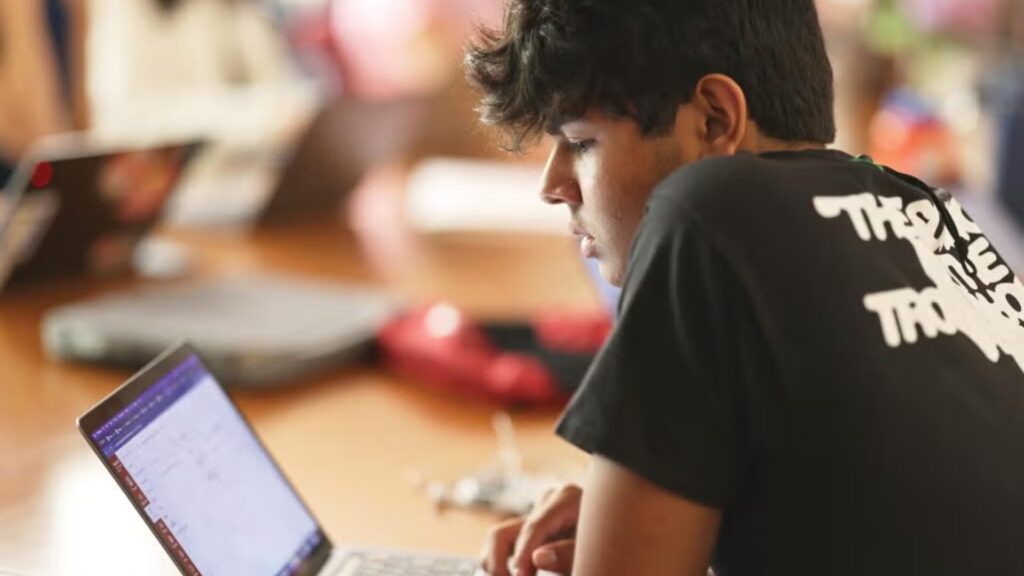
If you want to dive deep into philosophy without juggling multiple subjects, this program lets you focus on a single topic for two intensive weeks. You join live online classes each day, where discussion plays a central role, and you are expected to contribute actively. The small class size makes it easier to engage with both the instructor and your peers.
You can choose philosophy-focused courses that explore questions around identity, ethics, or emerging technologies like artificial intelligence. Outside class, you work on assignments that push you to think independently and refine your arguments.
Why it stands out: You get a highly focused, discussion-driven experience with small cohorts and no grade pressure.
10. Scholars Online Philosophy Courses
Location: Online
Cost: Varies by level
Acceptance rate/cohort size: Small class sizes; not specified
Dates: August-May (full academic year; shorter sessions may vary)
Application Deadline: Rolling admissions (early registration recommended)
Eligibility: Middle and high school students; open to international students with access to live online classes
If you want a structured, school-like approach to philosophy, this program gives you a full academic experience rather than a short course. You attend live online classes led by instructors who guide you through major philosophical questions and texts. The curriculum focuses on logic, ethics, and classical philosophy, helping you build both knowledge and reasoning skills.
The pace mirrors a traditional school year, so you develop your thinking gradually over time. By the end, you gain a deeper understanding of philosophical arguments and how to construct your own.
Why it stands out: You get a full-year, classroom-style philosophy experience with consistent guidance and interaction.
11. Columbia University Online Summer Program (Pre-College Program)
Location: Online
Cost: $2,867 (1-week); $4,017 (2-week) + $80 application fee
Acceptance rate/cohort size: Not specified
Dates: June 22nd – June 26th; July 6th – July 17th; July 20th – July 31st
Application Deadline: Rolling admissions
Eligibility: Students in grades 9-12 worldwide; open to international students
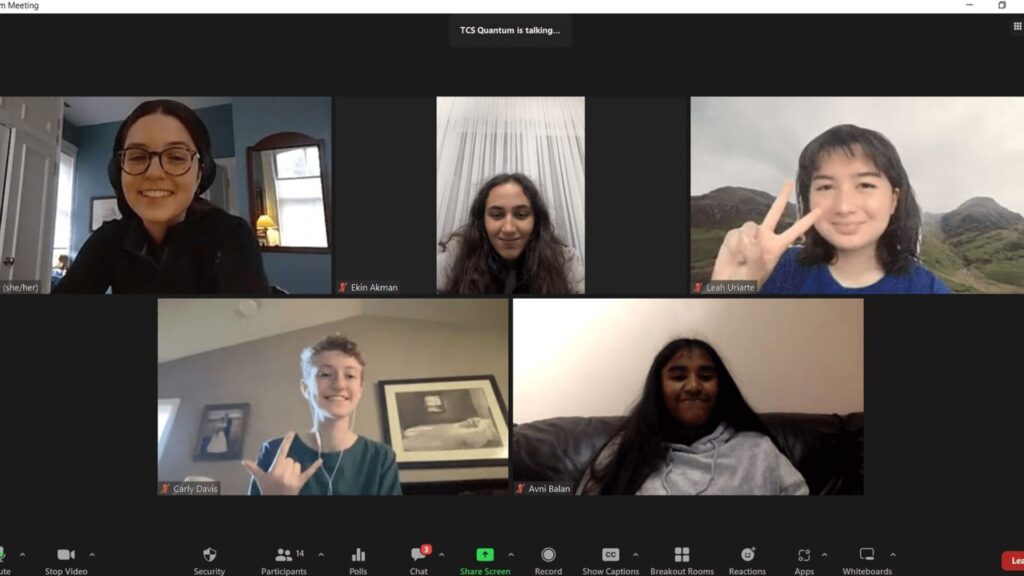
If you want to explore philosophy in a structured but flexible way, this program gives you access to a wide selection of courses from home. You choose from over 40 subjects, including options that connect to ethics, political thought, and critical reasoning. Classes run live on weekdays, so you engage in discussions, debates, and group work rather than passively watching lectures.
The pace is fairly intense, especially in the two-week format, which pushes you to stay consistent with readings and assignments. You also attend college readiness sessions that help you understand academic expectations beyond high school.
Why it stands out: You get a highly interactive Ivy League learning experience online while engaging in real-time discussions with a global cohort.
12. WTM Academy Ethics Course
Location: Online
Cost: Varies by course selection and registration
Acceptance rate/cohort size: Not specified
Dates: Varies by session (year-round enrollment options)
Application Deadline: Rolling admissions
Eligibility: Middle and high school students; open to domestic and international students through online enrollment
If you want a structured introduction to ethical thinking, this course gives you a classroom-style experience in an online setting. You explore core ideas such as moral reasoning, ethical frameworks, and how people make decisions in complex situations. The course is designed to be interactive, so you engage with instructors and participate in discussions rather than working entirely on your own.
You also encounter real-life scenarios that push you to apply ethical theories instead of just understanding them in theory. By the end, you will have built a stronger foundation in analyzing arguments and forming your own viewpoints.
Why it stands out: You get a guided, discussion-based introduction to ethics rather than a purely self-paced experience.
13. Outschool: Philosophy Semester – Morals, Metaphysics, Knowledge, Mind, AI, Critical Thinking
Location: Online
Cost: $20 per week
Acceptance rate/cohort size: Small groups; typically 5-10 students per class
Dates: Ongoing semester-style course (schedule varies by section)
Application Deadline: Rolling enrollment
Eligibility: Students aged 12-17 worldwide; open to international students
For students who prefer a longer, discussion-driven format, Outschool’s Philosophy Semester offers one of the more flexible online philosophy programs for high school students. You move through key areas like ethics, metaphysics, and epistemology, which form the core of philosophical thinking, while also exploring modern topics such as artificial intelligence and its ethical questions.
Classes are interactive, so you are expected to share ideas, respond to others, and think through arguments in real time. The pace is manageable since it meets weekly, making it easier to balance with school.
Why it stands out: You get a semester-long, discussion-focused philosophy experience that blends classic ideas with modern topics like AI.
14. American School Philosophy (Online Course via Learnamic)
Location: Online
Cost: $150
Acceptance rate/cohort size: Open enrollment; not specified
Dates: Self-paced; year-round enrollment
Application Deadline: Rolling admissions
Eligibility: High school students; open globally to learners seeking independent online study, including international students
If you prefer learning at your own pace, this course gives you a straightforward way to explore philosophy without a fixed schedule. You move through eight structured modules that introduce you to major thinkers and ideas from over 2,500 years of philosophical thought. Along the way, you encounter figures like Socrates and Descartes while reflecting on their questions in your own way.
The course does not require extra textbooks, which makes it easy to start without additional costs. By the end, you gain a broad understanding of how philosophical ideas shape how you see the world.
Why it stands out: You get a low-cost, fully self-paced introduction to philosophy that you can complete on your own schedule.
15. Philosophy for Teens
Location: Online
Cost: Not specified
Application Deadline: N/A
Program Dates: Scheduled cohorts starting in January, April, and September
Eligibility: Ages 12-18; international students are welcome to apply
The Thinker Hub’s Philosophy for Teens program introduces secondary school and college-age students to philosophy through structured discussion. Across a series of live sessions held online or in person, you explore philosophical questions connected to ethics, knowledge, existence, and reasoning while responding directly to the ideas of other students in the group. The sessions also introduce arguments from major philosophers, starting with the Ancient Greeks and moving into later philosophical traditions.
Since the program is built around conversation and collaborative inquiry, much of the learning happens through questioning, debating, and refining arguments together instead of memorizing theories. Courses are usually delivered as a six-session discussion series and are adapted depending on the age group involved.
Why it stands out: The program focuses heavily on live philosophical discussion and collaborative inquiry, making the sessions feel closer to guided intellectual conversations than traditional online classes.
Think Sharper, Read Further, Question Better
A good philosophy course should leave you with better questions, not just cleaner answers, especially when ideas around truth and morality become harder to ignore.
The 15 online philosophy programs for high school students in this article can help you practise debate, test arguments, study ethics, and approach difficult ideas patiently.
Once you have argued through justice, truth, morality, or knowledge, reading becomes the next step because books let you stay with those questions longer.
Ready for the next question worth wrestling with? Turn to our Philosophy Top Books Guide for titles that challenge assumptions and strengthen your reasoning.