



 Русский (RU)
 Українська (UK)
 Türkçe (TR)
 Italiano (IT)
 Français (FR)
 Português (PT)
 中文 (中国) (ZH)
 Español (ES)
 日本語 (JA)
 ไทย (TH)
 Deutsch (DE)
 Ελληνικά (EL)
 Polski (PL)
 Bahasa Indonesia (ID)
 Nederlands (NL)
 العربية (AR)
 한국어 (KO)

If you’re a high school student interested in engineering, Japan is one of the most exciting places in the world to explore the field. Known for robotics, electronics, automotive innovation, sustainable technology, and advanced manufacturing, the country offers a unique setting for hands-on STEM learning. Engineering summer programs in Japan for high school students can help you move beyond classroom theory and experience how engineering ideas are developed, tested, and applied in an international environment.
Imagine spending your summer building robotics projects, learning coding and automation techniques, exploring renewable energy systems, or studying engineering design in university labs alongside students from around the world. These programs combine technical learning with collaborative problem-solving, helping you understand how engineers approach real-world challenges.
Why should I attend an engineering summer program in Japan?
Of course, not all summer programs provide the same level of rigor or hands-on engagement. Some focus mainly on lectures and demonstrations, while others emphasize laboratory work, engineering projects, mentorship, and collaborative design challenges that allow students to actively apply what they learn. Finding the right program can make a major difference in both your learning experience and long-term interest in engineering.
Across Japan, universities and educational organizations now offer exceptional engineering summer opportunities designed specifically for high school students. Whether you’re exploring engineering for the first time or already considering a future STEM career, these programs can help you strengthen your technical foundation while experiencing innovation in one of the world’s leading technology hubs.
To help you explore the best opportunities, we’ve compiled a list of 15 Engineering Summer Programs in Japan for High School Students. They’ve been selected for their academic quality, hands-on STEM experiences, and cultural immersion.
For adjacent opportunities, consider the online engineering program and summer programs in Japan.
15 Engineering Summer Programs in Japan for High School Students
1. Sakura Science High School Program
Location: Multiple sites across Japan, including Tokyo, Tsukuba, and Aichi
Cost: Fully funded
Acceptance rate/cohort size: Not specified
Dates: Typically one week in summer; dates vary by hosting institution
Application deadline: Varies by partner institution nomination window
Eligibility: High-performing high school students nominated by schools or select science organizations from partner countries (typically in Asia)
The Sakura Science High School Program is one of the more research-focused engineering summer programs in Japan for high school students, introducing students to Japan’s research ecosystem through lectures, laboratory visits, and collaborative workshops. Engineering themes often include robotics, AI, materials science, environmental technology, and advanced manufacturing.
You will visit universities, national research institutes, and innovation centers to observe how engineering research moves from theory into application. Group discussions with Japanese students and researchers will help you build communication and teamwork skills in an international environment. Cultural activities are integrated throughout the program, offering a broader understanding of Japanese academic and scientific culture. This can be a concentrated, rigorous introduction to global STEM collaboration.
Why it stands out: You gain direct access to Japanese research institutions and advanced engineering laboratories through a fully funded international exchange model.
2. Immerse Education’s Tokyo Engineering Summer School

Location: Tokyo, Japan
Cost: Varies; financial aid available through our bursary programme
Acceptance rate/cohort size: Selective; an average of 7 participants per class
Dates: Two weeks during the summer
Application deadline: Multiple summer cohorts with rolling admissions
Eligibility: High school students worldwide, ages 13-18
Immerse Education’s programs allow high school students to experience university life firsthand. You will live on campus and study in small groups of 7 to 10 students, and learn from tutors from top universities. The engineering track offers two options: one focusing on engineering basics and the other on an advanced curriculum covering electronics, mechanics, and civil engineering.
During the two-week program, you will explore engineering through project-based learning, career skills development, workshops with experts, a personal project, one-on-one coaching, and industry visits. At the end of the program, you will complete the project and receive written feedback along with a certificate of completion. You can find more details about the application here.
Why it stands out: The program blends academic rigor with mentorship and research-style learning in a format designed to mirror undergraduate engineering study.
3. Okinawa Institute of Science and Technology STEM Experience, Exploration, and Discovery (OIST SEED) Program
Location: Okinawa Institute of Science and Technology (OIST), Onna-son, Okinawa, Japan
Cost: JPY 8,000/student/day
Acceptance rate/cohort size: ~20 participants recommended per session; larger groups can be accommodated with certain limitations.
Dates: Weekdays; no fixed dates, as programs can be set up on a rolling basis throughout the year, in single-day, half-day, and multi-day formats.
Application deadline: Applications must be submitted at least 3 months before the desired date; reservations can be made up to one year in advance.
Eligibility: Super Science High Schools (SSH) and high schools with science-oriented curricula in Japan; applications must be made by schools as organisations.
The SEED Program gives you a chance to visit the OIST campus, tour research labs, hear career talks from researchers and graduate students, and take part in hands-on science activities. A typical one-day schedule includes an introduction to OIST, a campus and lab tour, a lunch break, and a two-hour session of lectures or hands-on science and engineering experiments. The program is designed to introduce you to an academic research environment.
The content is tailored based on your school’s year level, group size, and areas of interest, and can be arranged as a half-day, full-day, or multi-day overnight programme. Through interactions with international students, researchers, and staff at OIST, the program offers you a sense of what a career in science might look like. Your school applies on your behalf, and the specific activities can be requested in advance through the application form.
Why it stands out: It places you within an active international research institute, letting you tour real working labs, interact with researchers from around the world, and explore a future in STEM.
4. Seisen Summer School
Location: Seisen International School, Tokyo, Japan
Cost: JPY 64,000 – 172,000 for high schoolers (depending on the number of courses) + JPY 10,000 registration fee + additional fees for meals and transportation
Acceptance rate/cohort size: Not specified
Dates: June 15th – July 3rd
Application deadline: May 6th; applications open on February 26th
Eligibility: Students in grades 2-12; international student eligibility not specified
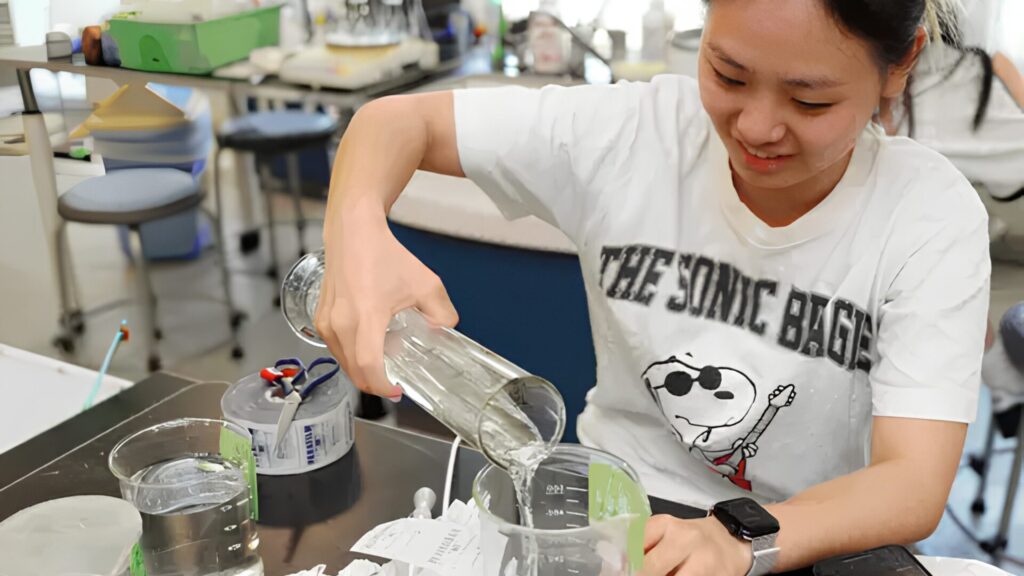
Seisen Summer School is a three-week summer program that lets students of all ages enroll in academic courses, spanning from language arts to STEM. You will spend the summer exploring new topics, completing your IB science requirements, conducting experiments in labs, and engaging in SAT-style problem-solving.
You can choose core science and math courses to build a foundation for future engineering academics. Challenges, group exercises, assignments, and simulations may be a part of the schedule.
Why it stands out: It offers laboratory exposure and specialized academic tracks in a focused, collaborative school environment.
5. Temple University Japan (TUJ) High School Summer Program
Location: Temple University Japan, Tokyo + trips to sites in Nikko and Tokyo
Cost: JPY 340,000 + JPY 20,000 registration fee; discounts available for early applicants
Acceptance rate/cohort size: Selective; limited spots
Dates: July 29th – August 6th
Application deadline: April 1st (for international applicants) | May 1st (domestic Japanese applicants)
Eligibility: Students entering grades 9-12 from around the world
Run by Temple University Japan, this summer program introduces high school students to university-style academics as part of an international cohort. While not exclusively engineering-focused, the program lets you engage in STEM workshops and collaborative academic projects that emphasize analytical thinking and communication. The program uses seminar-style teaching methods, letting you learn about college-level subjects through interactions, presentations, and discussion-based learning.
Living and studying in Tokyo can help you develop independence and cross-cultural adaptability. Excursions across the city and an overnight trip to Nikko offer a broader cultural context outside the classroom. The academic structure mirrors a condensed version of undergraduate study.
Why it stands out: You will study at a U.S.-accredited university campus in Tokyo while experiencing an international academic environment and collaborative STEM learning.
6. Aoba-Japan International School Summer School
Location: Various sites in Tokyo, Japan
Cost: Varies by site and track; session fee starts at JPY 90,000 + additional registration, lunch, after-school, and transportation fees apply
Acceptance rate/cohort size: Not specified
Dates: Multiple sessions between June 15th and August 7th
Application deadline: May 31st
Eligibility: Domestic and international students from kindergarten to the high school level
This summer school uses inquiry-based learning to introduce engineering, technology, and design through practical group projects. You will work on interdisciplinary challenges involving AI, science, innovation, and collaborative problem-solving. Rather than relying heavily on lectures, the program emphasizes experimentation, teamwork, and project development.
Small class sizes allow you to interact closely with instructors and receive personalized feedback throughout the program. Depending on the track selected, you may also create presentations, prototypes, or interdisciplinary showcase projects. The structure encourages collaboration among students from different educational and cultural backgrounds.
Why it stands out: It combines science-focused learning with fun summer camp-style experiences, allowing you to explore diverse interests.
7. Natsu-Gaku Summer School
Location: Tokyo, Japan
Cost: JPY 10,000; transportation subsidies and fee waivers available
Acceptance rate/cohort size: Not specified
Dates: August 8-10
Application deadline: June 13th
Eligibility: Female students in junior high school, high school, or technical college programs; international students are welcome to apply
This three-day residential STEM program introduces girls to science and engineering careers through workshops, experiments, and mentorship sessions. You will attend lectures led by researchers, engineers, and scientists working across multiple technical disciplines. Hands-on lab activities and poster exhibitions will expose you to the real-world applications of engineering and scientific research.
The program also includes career-planning sessions and small-group discussions designed to help students explore future academic interests. Interaction with female undergraduate and graduate students will offer you insight into university pathways and STEM careers in Japan.
Why it stands out: The program creates direct mentorship opportunities with women researchers and engineers while encouraging early exploration of STEM pathways.
8. Natsu Camp
Location: Tokyo, Japan
Cost: JPY 348,000; scholarships available
Acceptance rate/cohort size: Limited spots; small class sizes
Dates: August 1-7
Application deadline: March 1st
Eligibility: High school students worldwide, ages 15-19
Natsu Camp brings an interdisciplinary, project-based option to engineering summer programs in Japan for high school students, combining STEM, entrepreneurship, ethics, and collaborative research activities. Engineering-related themes typically include autonomous driving, sustainable development, and technology innovation.
You will explore STEM and work in teams with mentors from institutions such as Stanford, Keio University, and the University of Tokyo to develop solutions to real-world problems. The curriculum emphasizes research, design thinking, communication, and leadership alongside technical exploration. Guest speakers and field experiences will offer insights into both startup culture and emerging technology discussions in Japan.
Why it stands out: It lets you explore university-level STEM through social innovation and interdisciplinary problem-solving while connecting with researchers, entrepreneurs, and global mentors.
9. GTE® Summer School
Location: Mobara (Chiba Prefecture) and Tokyo, Japan
Cost: JPY 109,000
Acceptance rate/cohort size: ~40 students
Dates: July 28-31
Application deadline: June 26th
Eligibility: Junior high to high school students; international applicants should be able to communicate in basic Japanese and have intermediate English (B1 level or equivalent) fluency
This is a four-day residential summer program focused on entrepreneurship and science, where you will learn how startups work and how to build a business idea. You will attend lectures on topics like technology, finance, marketing, and problem-solving, and apply these concepts to team-based projects. During the program, you will work with other students from different backgrounds to develop a business plan, supported by college mentors and instructors.
Alongside academic sessions, you will take part in activities such as Yosakoi dance, BBQ, and group events, which will help you connect with peers and mentors. While not a strictly engineering-focused program, the summer school can help you explore the use of software engineering, design, and tech in business.
Why it stands out: This short summer school combines an intensive startup-focused curriculum with tech fundamentals and allows you to practice communicating your ideas during a pitch competition.
10. CyberAgent High School Visit Program
Location: CyberAgent, Inc. office, Tokyo, Japan (online or in-person)
Cost: None
Acceptance rate/cohort size: Not specified
Dates: Flexible; year-round availability
Application deadline: Applications accepted from two weeks to three months prior to the desired date via a school or group; school-based applications are accepted.
Eligibility: Junior high and high school students across Japan
This program allows you to explore CyberAgent’s workplace, either online or in person at its Tokyo office. You will learn about CyberAgent’s business, including within IT and engineering, and how the company operates through presentations and discussions with its employees. You will learn about the daily tasks within an internet company, which can help you explore potential roles and career paths in software engineering.
During the in-office visit, you will tour the workplace, including meeting rooms and creative areas. You can talk to the staff and ask questions during a dedicated Q&A session to learn more about the company. While not a traditional engineering program, this can be an opportunity to explore a real tech workplace in Japan.
Why it stands out: It lets you visit a real company office and interact with professionals to learn how tech businesses work and explore roles within Japan’s internet industry.
11. Life is Tech! English × IT CAMP
Location: Tokyo, Japan (commuter and residential formats)
Cost: JPY 132,000 – JPY 245,000 depending on format
Acceptance rate/cohort size: Open to the first 50 applicants
Dates: May 3-6
Application deadline: April 14th
Eligibility: Middle and high school students; international student eligibility not specified
This four-day program offers students exposure to programming, engineering design, entrepreneurship, and English-language communication in an immersive workshop format. You can choose from tracks such as iPhone app development, Unity game development, web design, or video production.
Rather than focusing solely on coding, the program encourages you to develop projects that solve real-world problems or communicate creative ideas. Team collaboration and final English presentations will help you strengthen technical and communication skills. Japanese and English-speaking staff will offer support throughout the program.
Why it stands out: It integrates coding, entrepreneurship, and English-language immersion into a compact engineering-focused project-based learning experience in Tokyo.
12. The Coding Lab Summer Holiday Camp
Location: Online or The Coding Lab’s Shirokanedai Campus, Tokyo, Japan
Cost: Varies depending on class format and duration
Acceptance rate/cohort size: Open enrollment; limited seats per workshop
Dates: June – September (multiple options available within this window)
Application deadline: Rolling admissions until seats fill
Eligibility: Students, ages 5-18; international students are eligible
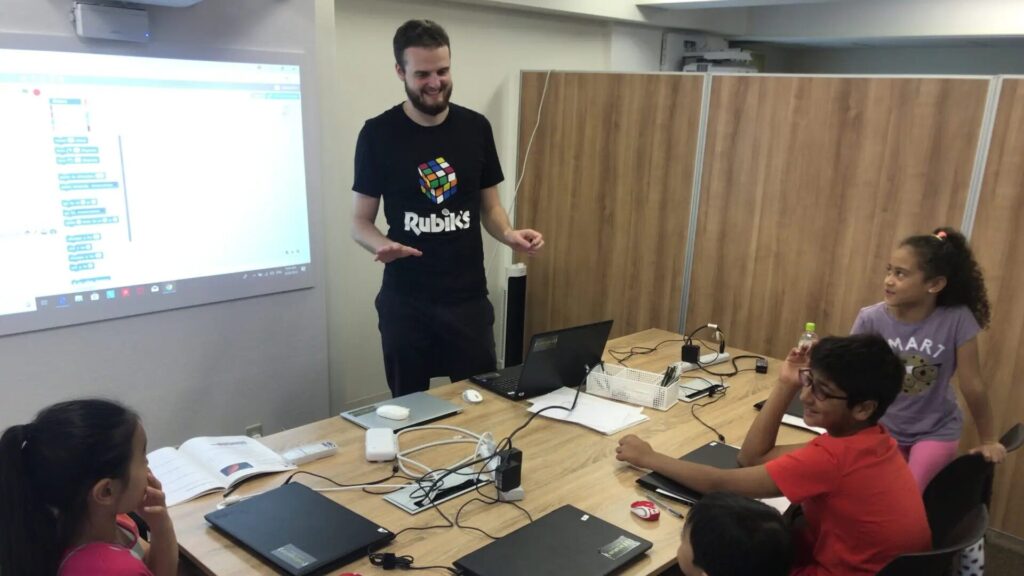
The Coding Lab Summer Holiday Camp introduces students to engineering and technology through practical, project-based workshops. Depending on the course selected, you may learn Python, Scratch, drone programming, Minecraft modding, or 3D printing. Classes focus on experimentation and collaborative building rather than lecture-heavy instruction, making the environment accessible to both beginners and experienced coders.
You will also explore how hardware and software interact through drone control systems and physical design projects. The program allows you to choose between single-day workshops or multi-day intensive camps based on experience level and schedule. Since all instruction is conducted in English and online participation is available, the program attracts a globally diverse student community.
Why it stands out: You will learn how to work with physical technologies like drones and 3D printers, connecting coding concepts to real-world engineering applications.
13. Northwestern University Pre-College Program – Engineering: Solving Problems Through Design
Location: Online
Cost: $1,895 (USD); need-based scholarships available
Acceptance rate/cohort size: Not specified
Dates: Multiple two- and four-week sessions available year-round
Application deadline: Typically, one week before each session begins
Eligibility: Students, ages 13 and up, from around the world
This online course, offered by Northwestern University, introduces students to how engineers approach real-world challenges using the engineering design process. Through case studies and projects, you will learn engineering thinking and design and explore various fields, including environmental, mechanical, civil, materials, and biomedical engineering.
You will also gain experience in applying the design process to solve engineering challenges. The course culminates in a project for which you will apply the design cycle to a problem aligned with a chosen engineering specialty.
Why it stands out: It lets you explore core engineering disciplines while accessing mentorship and guided project experience in a fully virtual format!
14. Tokyo Coding Club’s Code Quest Summer Camps
Location: Various sites in Japan
Cost: Varies by track; early registration discount of JPY 10,000 available
Acceptance rate/cohort size: Small-group classes with limited enrollment
Dates: Multiple week-long sessions throughout the summer holidays
Application deadline: Rolling admissions; early-bird deadline March 1st
Eligibility: Students, ages 5-18; international students are eligible
Tokyo Coding Club’s Code Quest summer camps stands out among the many engineering summer programs in Japan for high school students for combining engineering, robotics, and software development through hands-on technical project work over weeklong sessions. You will explore robotics, game design, coding, digital art, and hardware engineering using tools such as Python, Arduino, Raspberry Pi, Minecraft, and Roblox. You will focus on building working prototypes rather than solely studying technical theory.
Small cohorts allow instructors to provide individualized support as you start developing your coding portfolios. The curriculum also introduces practical engineering concepts like circuit systems, physical computing, and iterative design. As the classes are taught entirely in English, the program is accessible to both local and international students interested in STEM learning in Tokyo.
Why it stands out: The program combines software engineering with physical hardware building while letting you work directly with engineering tools like Arduino and Raspberry Pi systems.
15. Dream Seeds Weekend Camp
Location: Tokyo, Japan
Cost: JPY 16,500 or JPY 25,300, depending on the session you choose
Acceptance rate/cohort size: Limited enrollment per session
Dates: Various sessions from September to June
Application deadline: Rolling admissions; ticket sales available until June 28th
Eligibility: Students, ages 6-18; international students are eligible
Dream Seeds Weekend Camp introduces students to STEAM learning through long-term, workshop-based engineering and technology projects. You will explore robotics, coding, VR environments, digital design, AI tools, and 3D creative technologies through collaborative sessions conducted entirely in English. Rather than focusing solely on coding syntax, the sessions emphasize creative problem-solving and applied digital production.
You will also develop presentation and communication skills while building portfolio websites to showcase your projects and technical growth. The recurring weekend format allows you to gradually build more advanced skills over several months.
Why it stands out: It combines coding and engineering with portfolio development, AI literacy, and digital communication skills in a long-term project-based format.
Where Japan’s Innovation Can Take You
Japan gives engineering a real setting: trains, robots, electronics, sustainable systems, smart cities, and research labs all show technology in motion.
The engineering summer programs in Japan for high school students listed here let you build, code, test, design, and collaborate inside that innovation culture.
By the end, you may see engineering less as a subject and more as a direction, with possible routes into robotics, AI, sustainability, or product design.
Map your next move with our Study Abroad blogs, where destinations, subject choices, applications, and university pathways become much clearer.