
 Русский (RU)
 Українська (UK)
 Türkçe (TR)
 Italiano (IT)
 Français (FR)
 Português (PT)
 中文 (中国) (ZH)
 Español (ES)
 日本語 (JA)
 ไทย (TH)
 Deutsch (DE)
 Ελληνικά (EL)
 Polski (PL)
 Bahasa Indonesia (ID)
 Nederlands (NL)
 العربية (AR)
 한국어 (KO)

If you have always been curious about how discoveries are made, science internships in NYC for high school students can help you explore science beyond the classroom. These programmes let you apply ideas from biology, chemistry, physics, environmental science, and related subjects to real projects.
Depending on the programme, you could culture cells in a biomedical lab, study urban ecosystems, analyse research data, or use lab equipment to investigate important scientific questions.
Beyond technical skills, internships also help you understand what it means to be part of a scientific community. Working with researchers, graduate students, and motivated peers can strengthen your ability to design experiments, communicate results, and think critically about evidence.
Why choose New York City for a science internship?
New York City is certainly one of the most exciting places to be a science intern, as it has plenty of scientific organizations within its five boroughs. It is home to some world-class universities, research hospitals, museums, botanical gardens, and environmental organizations. More importantly, the city boasts an ecosystem where cutting-edge research meets education.
The geographical location of the city also makes it an excellent place for scientific exploration. You have the Hudson River estuary, forests in Staten Island, renowned laboratories in Manhattan, community biotech spaces in Brooklyn, and more. NYC is one of those places where you can immerse yourself in both fieldwork and laboratory research.
To help you get started, we’ve rounded up 15 science internships in NYC for high school students.
For related options, consider the online biology program, the online coding program, and the online chemistry program.
Key takeaways
- The NYSCI Explainer program requires a full one-year commitment and pays an undisclosed hourly rate, but is restricted to students who live in New York City.
- Immerse Education’s Engineering Summer Internship in New York runs two weeks in small classes averaging seven students and is open to students worldwide aged 13 to 18.
- The American Museum of Natural History’s Science Research Mentoring Program runs 10 months and pays a $2,500 stipend, but requires students to live and attend school in New York City.
- The Biorocket Research Internship Program at Genspace pays a $2,000 stipend over a six-month experience, restricted to students living or attending school within 45 minutes of the Brooklyn lab.
- BioBus’s High School Junior Scientist Internship pays $17 per hour and reports that 94 percent of alumni go on to major, minor, or work in a science-related field.
- The Woodland Ecology Research Mentorship at Wave Hill pays approximately $3,500 across three phases spanning roughly a year, and requires the physical ability to work outdoors and use heavy tools.
- The Alley Pond Environmental Center’s Field Biology Internship costs $200, with financial aid available, and is notably open to international students, unlike most other NYC science internships.
- Almost every science internship in NYC restricts eligibility to city residents, with Rockefeller’s SSRP and Alley Pond’s Field Biology Internship standing out as the main options open to international students.
15 Science Internships in NYC for High School Students
1. NYSCI Explainer
Location: New York Hall of Science, Queens, NY
Stipend: Paid, amount not disclosed
Dates: One-year commitment starting in either the Spring, Summer, or Fall cohort
Application Deadline: May 1st (Summer); September 1st (Fall); January 2nd (Spring)
Eligibility: Students who are currently enrolled in a high school or college in New York City and reside in NYC; not open to international students
In this program, you engage visitors and help educate preK–8th grade students on behalf of the museum. You will discuss STEM topics with the people who come to the museum and demonstrate science experiments to them. You will also work behind the scenes, helping the museum put together its exhibits and programming.
Explainers receive training from NYSCI to prepare for the role and also benefit from participation in other professional development activities. The program allows you to teach and inquire, thus enhancing your communication skills and knowledge of various STEM topics.
Why it stands out: As an NYSCI, you become part of its Science Career Ladder (SCL) initiative, which will introduce you to different STEM careers and college pathways.
2. Immerse Education’s New York Engineering Summer School
Location: Barnard College, Columbia University, New York
Cost: Varies; summer school scholarship available through our bursary programme
Application Deadline: Multiple cohorts with rolling admissions.
Program Dates: 2 weeks during the summer
Eligibility: Students around the world aged 13-18 currently enrolled in middle or high school
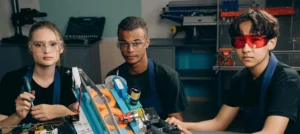
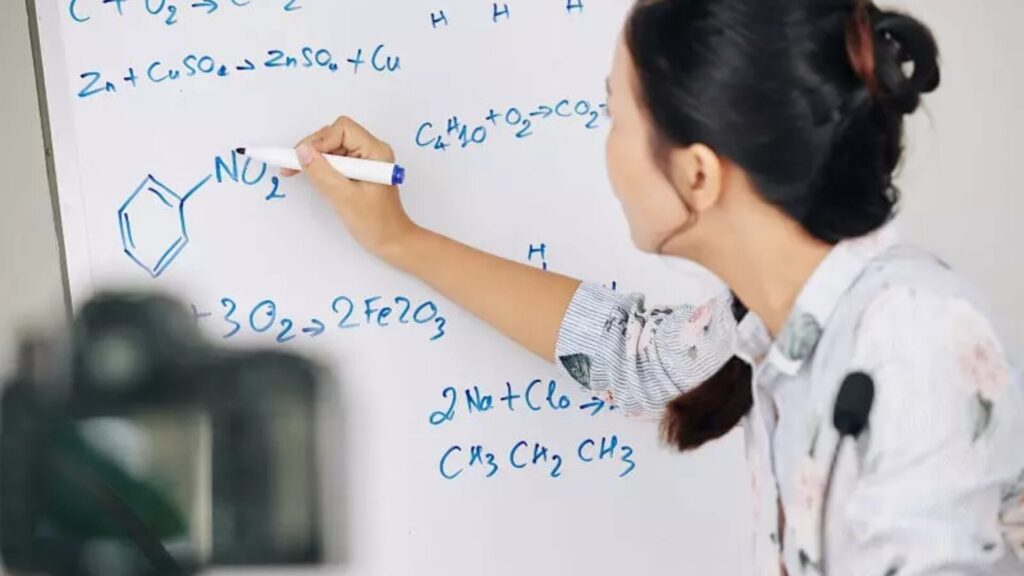
The Academic Insights Engineering Summer School is one of the most university-focused science internships in NYC for high school students, offering a structured way to learn about university-level engineering from top professors at schools like Oxford and Cambridge. The program combines theory with hands-on learning in small classes with an average of 7 students. The course teaches students aged 13 to 15 the basics of mechanics, forces, materials, and basic electronics. You learn how engineers solve problems through guided workshops and design tasks. For students ages 16 to 18, the curriculum moves on to mechanical systems, electrical circuits, sustainability, and applied engineering design.
You work on more independent projects and look at real engineering problems, which helps develop the reasoning skills expected of college students. Learning includes university-style lectures, problem-solving sessions, weekly one-on-one tutorials, and a personal engineering project that ends with written feedback and a certificate.
Why it stands out: Age-specific syllabi tailored to students’ academic stages, expert tutors from leading universities, small-group teaching that encourages discussion, and personalised feedback that supports meaningful academic growth and university readiness.
3. Natural Areas Conservancy (NAC) – Student Urban Nature (SUN) Internship Program
Location: Forest Park, Queens, NY, or Greenbelt Nature Center, Staten Island, NY
Stipend: $16.50 per hour
Dates: February to May (Virtual Professional Development Sessions), July 7th – August 15th (Site-based Internship)
Application Deadline: January 14th
Eligibility: Rising 11th and 12th graders who live and attend a high school in New York City and will be at least 16 years old by July 1st; attend school in either Queens or Staten Island, and live no more than one hour from the program locations in these boroughs; not open to international students
The Natural Areas Conservancy runs this program that encourages more high school students to consider careers in environmental stewardship. You will either be working in the Queens or Staten Island site, where you will learn why the ecosystem must have healthy forests, wetlands, and trails.
For this purpose, the program will engage you in different activities, such as examining and collecting data from forests and wetlands and conducting ecological research based on that data. You will also get to investigate the local ecosystem, monitor it for any changes, and help restore it. By the end of the program, you will also become familiar with identifying flora and fauna.
Why it stands out: You will benefit from professional development sessions that focus on helping you develop your resume and your speaking and networking skills.
4. American Museum of Natural History Science Communication Internship Program
Location: American Museum of Natural History, New York City, NY
Stipend: $2,000
Dates: July 6th – August 14th
Application Deadline: March 1st
Eligibility: NYC 10th graders in good academic standing who completed a qualifying AMNH program or attend a partner school; not open to international students
The American Museum of Natural History selects high school sophomores passionate about science. You would be expected to spread scientific information using the museum’s resources, such as its collections and interactive exhibits. To do this, AMNH will teach you about each collection in detail and share interesting stories behind it.
More importantly, the museum will train you to present the information in a fun and easy-to-digest manner for the different groups of visitors who come there. This experience will open up career opportunities in museums and science communication and engage you in career-preparedness activities.
Why it stands out: You help the museum achieve its mission of increasing scientific literacy and interest in the natural world among people.
5. American Museum of Natural History Science Research Mentoring Program
Location: American Museum of Natural History, New York City, NY
Stipend: $2,500
Dates: August – June (includes a 4-week Summer Institute in August, followed by a mentored research experience from September through June)
Application Deadline: March 1st
Eligibility: 10th and 11th graders who live and attend school in New York City and have passed the last three or more semesters; students should also be enrolled or have completed one of the courses listed here, or attend one of the partner schools or programs listed here; not open to international students
This 10-month program begins with a four-week summer institute, during which you receive training in data science. Following this period, you will join the researchers at the museum to work on their ongoing projects, spending four hours per week on it. You would typically conduct research in one of the following subject areas: astrophysics, anthropology, conservation biology, genetics, and genomics.
Under the professional researchers’ mentorship, you will develop your knowledge in experimenting with DNA in a lab setting, analyzing data collected with a space telescope, coding and analyzing data in Python, R, and other programming languages, and more.
Why it stands out: The research topic or question will be new, so you will gain genuine research experience rather than just copying existing work.
6. Woodland Ecology Research Mentorship
Location: Wave Hill, Bronx, NY
Stipend: Approximately $3,500
Dates: July – August (Phase I), September – June (Phase II), and July – August (Phase III)
Application Deadline: February 28th
Eligibility: High school students who are at least 15 years old by July 1st, reside in New York City, and are legally authorized to work in the U.S.; ability to work in unpaved natural areas, use heavy tools, and bend at the waist; not open to international students
Among science internships in NYC for high school students, this program lets you dive into the field of ecology through fieldwork and research. The program is divided into three phases. In the first phase, you will gain a basic understanding of restoration ecology, standard data collection methods, and essential tools for scientific analysis.
The second phase will engage you in projects, lessons, trips, workshops, and presentations that are all designed to enhance your knowledge in scientific research, ecological principles, “green careers,” and NYC urban green areas. In the final phase, you will join a small research group with a mentor and work on an ecology-themed research project. Over the duration of the program, you will have also completed three college courses.
Why it stands out: You will be working alongside local scientists and restoration practitioners who are currently doing on-field research with the aim of making the natural areas of NYC better.
7. RISE Shore Corps Summer
Location: RISE, Queens, NY
Stipend: Up to $1,000
Dates: July 7th – August 14th
Application Deadline: Early May
Eligibility: 9th to 11th graders who live and attend a school in the Rockaway Peninsula in New York; not open to international students
The RISE Shores Corps Summer program, organized by the Rockaway Initiative for Sustainability and Equity, is suitable for students planning to pursue careers in environmental stewardship, civic engagement, community planning, and similar roles. The program will allow you to work with local businesses or partner organizations.
One of the primary aspects of the program will be the project you will work on, typically in a subject area such as environmental science, civic engagement, food systems, and community planning. Through your involvement in the program, you will develop your leadership skills, become well-versed in water safety, and receive CPR training.
Why it stands out: By the end of the program, you have in-depth knowledge and a genuine appreciation for the Rockaway peninsula’s natural resources.
8. The Rockefeller University Summer Science Research Program
Location: The Rockefeller University, Manhattan, NY
Stipend: OMNY card and need-based stipends available
Dates: June 22nd – August 6th
Application Deadline: January 2nd
Eligibility: Current high school juniors or seniors at least 16 years old by program start; international students are welcome to apply, but visa assistance is not provided
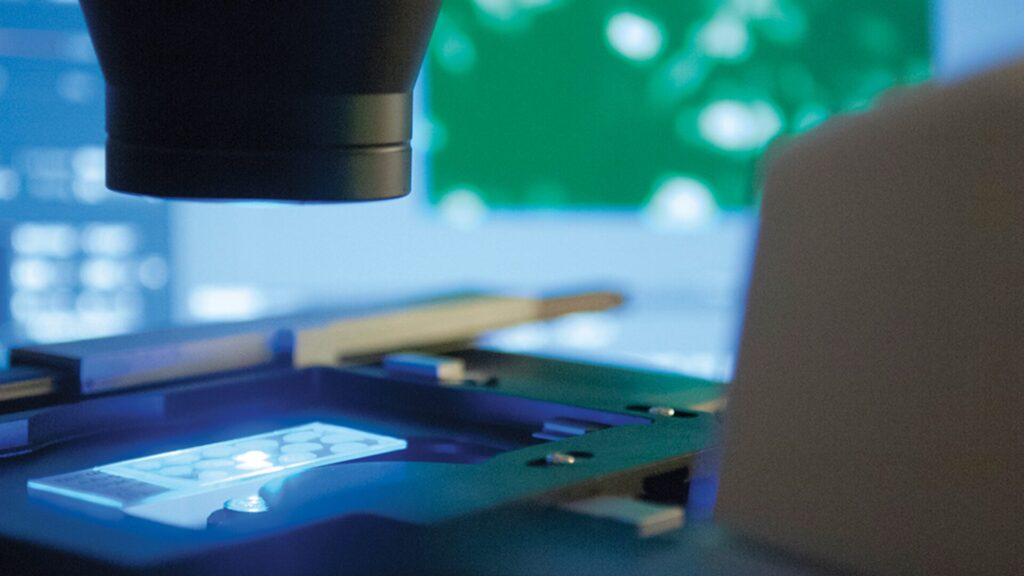
In this highly selective program, you will be part of a research team that consists of about 10 research scholars and a minimum of three mentors. You will work in one of the university’s RockEDU science outreach laboratories.
During the seven-week program, you spend the first week gaining an introduction to your team’s topic and learning research techniques and laboratory norms, the second week choosing a research question in line with the team’s topic, and conducting the research in the weeks to follow. You will also analyze your research data and present the outcomes in a poster.
Why it stands out: SSRP schedules elective courses, guest lectures, workshops, networking opportunities, and social events that further elevate your learning experience.
9. Biorocket Research Internship Program
Location: Genspace, Brooklyn, NY
Stipend: $2,000
Dates: February 25th – May 21st (Spring Session) and July 6th – August 14th (Summer Session)
Application Deadline: January 8th
Eligibility: High school students who will be at least 16 years old during program orientation and live or attend a NYC Public or Charter School within 45 minutes of Genspace; not open to international students
The Biorocket Research Internship Program is one of the most hands-on science internships in NYC for high school students, offering a six-month intensive experience at Genspace designed to immerse you in biotechnology and genetic engineering. Throughout the program, you will explore cutting-edge biological concepts and develop essential science communication abilities. You will engage in learning fundamental laboratory techniques, executing original research projects, taking field trips to professional biotech companies, and participating in specialized improv training.
The program features unique perks such as a $2,000 stipend, direct mentorship from professional scientists, and hands-on access to a genuine community biolab. Ultimately, you will learn practical skills like DNA extraction and bioinformatics, while also building critical thinking, problem-solving, and teamwork capabilities.
Why it stands out: It seamlessly blends rigorous, hands-on scientific research with innovative communication training like improv, all while paying high school students to learn in a real laboratory environment.
10. Brain Research Apprenticeships in New York at Columbia (BRAINYAC)
Location: Columbia University Zuckerman Institute, New York, NY
Stipend: Paid, amount not disclosed
Acceptance rate/cohort size: Highly competitive; around 20 students per year
Dates: Summer, June – August
Application Deadline: Typically, fall
Eligibility: NYC students in grades 10 and 11 enrolled in partner programs such as S-PREP, BioBus, Lang Youth Medical, Columbia Secondary School, or Double Discovery Center; not open to international students
The Brain Research Apprenticeships in New York at Columbia (BRAINYAC) offers you an immersive, paid summer research experience mentored directly by Columbia neuroscientists. You will explore core topics like neuroanatomy, basic Python coding, microscopy, neuroethics, and the responsible conduct of research. Throughout the program, you will actively engage in activities such as pipetting and staining tissues, analyzing behavioral data, reading academic papers, and designing a final scientific poster.
This unique apprenticeship blends intensive weekend spring training with a full-time, seven-week summer lab placement tailored to your specific interests. Through this hands-on work, you will learn essential skills including advanced wet-lab techniques, critical analysis, project management, and science communication.
Why it stands out: This initiative distinguishes itself by providing fully funded, one-on-one mentorship with professional scientists in state-of-the-art facilities, intentionally creating accessible STEM pathways for underrepresented local youth.
11. Alley Pond Environmental Center Field Biology Internship (FBI)
Location: Queens, NY
Cost/Stipend: Cost is $200; financial aid is available / No stipend
Dates: Several dates in Spring, Fall, and Summer
Application Deadline: January 2nd (Spring), May 1st (Summer), and August 1st (Fall)
Eligibility: High school students who are at least 14 years old; capable of 2+ hours outdoors; have independent transportation; open to international students
In this program, you will have the opportunity to study the different ecosystems within Alley Pond Park and some other areas in Queens. You will observe and gain first-hand exposure to the different biology concepts covered in high school in a real-world setting.
In addition to exploring local ecosystems, you will conduct biodiversity surveys, participate in bird watching, test soil and water quality, identify macroinvertebrates, and more. The program will also host classes taught by professional environmentalists. You will submit a final presentation at the end of the internship.
Why it stands out: The program ensures that you form a basic understanding of research and experimental design by the end of it.
12. BioBus – High School Junior Scientist Internship
Location: Harlem and the Lower East Side, New York City (in-person)
Stipend: $17/hour
Dates: Lower East Side and Harlem Science programs: July 6th – approximately June 15th; Harlem Women in STEM program: September – approximately June 15th
Application Deadline: March 15th
Eligibility: Currently in grades 9, 10, or 11; live and attend school in New York City; specific programs are further limited by neighborhood (Lower East Side/Chinatown) or by gender identity (female, gender non-conforming, or non-binary for the Women in STEM track); not open to international students
These internships blend hands-on scientific research with science communication in community labs in Harlem and the Lower East Side. You receive training and mentorship from research scientists while developing your own independent project using research-grade microscopes and lab equipment. You investigate real questions in the natural sciences, with past interns studying topics like microscopic worms, fruit fly behavior, soil contamination, river water quality, and noise pollution’s effect on plants.
You also gain teaching experience by co-instructing BioBus programs and presenting your findings to younger students and the public. Throughout, you build experimental design, laboratory, and science communication skills while strengthening your identity as a scientist.
Why it stands out: It is a paid, year-long research internship that lets NYC high schoolers design their own science projects with professional mentors while serving their own neighborhoods, with 94% of Junior Scientist alumni going on to major, minor, or work in a science-related field.
13. Memorial Sloan Kettering Cancer Center – Bridge to Biostats Summer Program
Location: Midtown Manhattan, New York City
Stipend: Paid, amount not specified
Dates: June 29th – August 14th
Application Deadline: February 20th
Eligibility: High school students ranging from rising sophomores to rising seniors; New York City residents who attend school in NYC; not open to international students
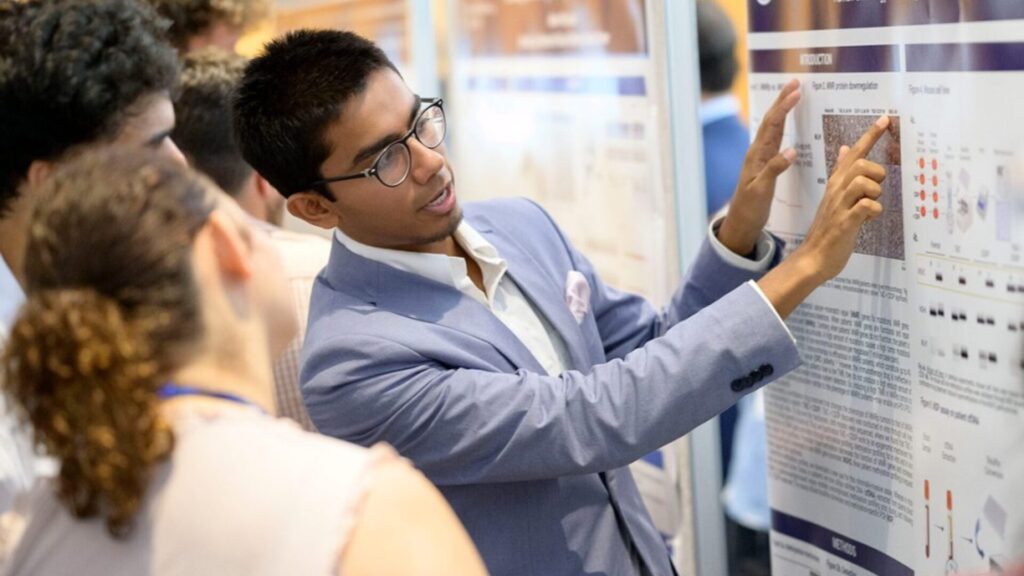
In this internship, you engage directly with quantitative methods used in real cancer research, making it a strong data-focused option among the many science internships in NYC for high school students. You learn the fundamentals of statistics, build basic programming skills in R, and attend “statistical thinking” sessions that explore concepts like sampling, data ethics, and correlation. You then apply these skills to a cancer data analysis project, working through real datasets before presenting your results to the cohort.
Throughout the program, you are mentored one-on-one by professional biostatisticians from MSK’s Department of Epidemiology and Biostatistics, gaining exposure to how data science informs medical and oncology research. You also attend SAT prep and college and academic development workshops that support your pathway toward further STEM study.
Why it stands out: It pairs New York City high school students with professional biostatisticians at a leading cancer center for hands-on training in R programming and real cancer data analysis, while adding college-readiness support at no cost to participants.
14. BEYOND ALBERT High School Research Program
Location: Montefiore Einstein Comprehensive Cancer Center, Bronx, NY
Stipend: $2,500
Dates: June through August (Summer Research Experience) and September through May (Academic Year Experience)
Application Deadline: January 12th
Eligibility: Rising 11th and 12th graders who will be at least 16 years old when the program starts; live and attend a high school in the Bronx; not open to international students
Part of the BEYOND ALBERT (Bronx Einstein Youth Oncology Network Dedicated to Academic Learning, Biomedical Education, and Research Training) initiative, this program allows you to explore scientific research. You will work alongside the industry experts at Montefiore Einstein Comprehensive Cancer Center.
These professionals, along with postdocs and students there, will conduct educational seminars and workshops. More importantly, you will gain firsthand experience in scientific research by working in the laboratory, where you will also work on your independent research project and make a presentation about it.
Why it stands out: The program engages you in workshops focused on career and professional development, thus supporting you in acquiring some essential job-related skills.
15. Summer Program Advancing Research Knowledge, Education and Development (SPARKED)
Location: Mount Sinai Tisch Cancer Center, New York City, NY
Stipend: Paid, amount not disclosed
Dates: July 13th – August 20th; the internship continues one or two afternoons weekly from November through May
Application Deadline: Between January and March
Eligibility: Rising 11th and 12th graders (aged 16-18) who have completed at least one high school science course; have an 80% GPA in science subjects; not open to international students
Organized by the Mount Sinai Tisch Cancer Center, SPARKED welcomes high school students passionate about science to gain hands-on research experience in the field of biomedicine. For students comparing science internships in NYC for high school students, you can either opt to work in the cancer center’s wet lab, where you conduct biology experiments, or spend time in the center’s data science labs exploring fundamental topics related to bioinformatics.
You get to present your research outcomes and discuss ideas with your peers in the program, thus improving your presentation and teamwork skills. SPARKED offers support with developing your educational and career path and has a team of co-directors to guide you through every step of the program
Why it stands out: It blends high-level, real-world laboratory research with personalized career mentorship and sustained support that continues well beyond the summer months.
Frequently asked questions: Science internships in NYC for high school students
Are science internships in NYC open to international students?
Most science internships in NYC restrict eligibility to city or tri-state residents, including BioBus, AMNH’s Science Research Mentoring Program, and the Biorocket Research Internship. A few exceptions exist: Rockefeller University’s Summer Science Research Program welcomes international applicants, though it doesn’t provide visa assistance, and the Alley Pond Environmental Center’s Field Biology Internship is explicitly open internationally. Immerse Education’s Engineering Summer Internship is also a strong global option, open to students worldwide aged 13 to 18.
Do science internships in NYC pay a stipend?
Many NYC science internships are paid, though amounts vary by program and duration. BioBus and the Woodland Ecology Research Mentorship both pay hourly or stipend amounts in the range of $17 per hour or roughly $3,500 total, while AMNH’s Science Research Mentoring Program and the Biorocket program pay $2,500 and $2,000 respectively. A few, like the Alley Pond Field Biology Internship, are unpaid and instead charge a program fee, though financial aid is available.
What is the difference between a lab-based and a field-based science internship in NYC?
Lab-based internships, like the Biorocket Research Internship Program at Genspace, have you working with lab equipment on projects like DNA extraction and bioinformatics inside a dedicated research space. Field-based internships, like the Woodland Ecology Research Mentorship or the Natural Areas Conservancy’s SUN program, instead take you outdoors to collect ecological data, monitor ecosystems, and conduct biodiversity surveys. Both types typically end with a final presentation, but the day-to-day work looks very different depending on which path you choose.
How competitive are science internships in NYC?
Selectivity ranges widely across programs. AMNH’s Science Research Mentoring Program and BRAINYAC at Columbia are highly competitive, admitting small cohorts through detailed nomination or application processes. Others, like the Alley Pond Field Biology Internship, operate more on a rolling registration basis with a program fee rather than a competitive review. Meeting every eligibility requirement, including residency radius and age minimums, matters just as much as the strength of your application.
Do NYC science internships run year-round or only in summer?
Both formats exist. BioBus’s Junior Scientist Internship and AMNH’s Science Research Mentoring Program run nearly year-round, pairing a summer intensive with ongoing sessions through the following spring. Others, like the Biorocket Research Internship Program, offer both spring and summer sessions as separate six-month commitments. If you’re looking for a shorter, summer-only experience, programs like the American Museum of Natural History’s Science Communication Internship run for about six weeks during the summer months.
What kind of research do NYC science interns actually do?
The work depends heavily on the host institution, but most programs place you on a real, ongoing project. AMNH interns might analyze data from a space telescope or extract DNA in a lab setting, while BioBus interns design independent projects studying topics like soil contamination or fruit fly behavior. Field-based programs like the Woodland Ecology Research Mentorship have you collecting ecological data in unpaved natural areas. Nearly every program ends with a poster session or final presentation of your findings.
Is Immerse Education a good option for exploring engineering or science before college?
Immerse Education’s Engineering Summer Internship in New York is a strong choice if you want structured, university-style exposure to engineering without needing NYC residency. The two week program uses age-specific curricula, covering basics like mechanics and electronics for students aged 13 to 15 and more advanced topics like electrical circuits and applied engineering design for students aged 16 to 18. With classes averaging seven students, you also complete a personal engineering project that ends with written feedback and a certificate.
Use Research Experience to Shape Applications
Science experience can help you move beyond classroom theory, whether you are exploring lab research, environmental fieldwork, biotechnology, data analysis, or science communication.
These science internships in NYC for high school students show how real projects can build confidence, sharpen skills, and clarify academic direction.
They also give you stronger material for future applications, from research questions and poster presentations to lab techniques, field observations, and mentor feedback.
Ready to turn your research experience into a stronger university application? Browse our University Preparation blogs for practical guidance on subjects, applications, and next steps.