
 Русский (RU)
 Українська (UK)
 Türkçe (TR)
 Italiano (IT)
 Français (FR)
 Português (PT)
 中文 (中国) (ZH)
 Español (ES)
 日本語 (JA)
 ไทย (TH)
 Deutsch (DE)
 Ελληνικά (EL)
 Polski (PL)
 Bahasa Indonesia (ID)
 Nederlands (NL)
 العربية (AR)
 한국어 (KO)

If you’re interested in medicine, healthcare, or patient care, clinical internships for high school students can help you explore the field beyond the classroom. Reading about diseases, treatments, and medical careers provides useful background, but observing professionals and experiencing clinical environments firsthand offers a clearer understanding of how hospitals, clinics, and healthcare teams operate each day.
You might shadow physicians, assist with healthcare projects, learn about patient care, or participate in medical workshops alongside peers who share your interests. These experiences can build practical skills, deepen your understanding of healthcare, and introduce you to potential career paths while providing structured preparation for future academic study.
How do you choose the right clinical internships for high school students?
Finding the right clinical internship can feel challenging. Some programs offer only brief exposure to healthcare settings, while others provide meaningful mentorship, hands-on learning opportunities, and deeper engagement with medical topics. Understanding these differences can help you identify the opportunities that best match your goals.
Many hospitals, universities, research centers, and healthcare organizations offer clinical internships designed specifically for high school students. Depending on the program, you may explore areas such as patient care, public health, biomedical research, nursing, or medical technology. Some internships focus on observation and career exploration, while others emphasize research, skill development, and professional networking.
No matter which program you choose, your experience will depend on the effort and curiosity you bring to it. To make your search easier, we’ve compiled a list of the 15 Clinical Internships for High School Students. These programs were selected for their educational value, exposure to healthcare environments, mentorship opportunities, and overall reputation.
For adjacent opportunities, consider the online medicine program.
Key takeaways
- Children’s Hospital Colorado’s Child Health Research Internship pays a $4,400 stipend to just 24 highly selected students over a nine week program restricted to Colorado residents.
- Immerse Education’s Medicine Summer School runs two weeks across locations including London, Tokyo, Singapore, Toronto, Sydney, Oxford, and Cambridge, admitting seven to 10 students per cohort and open to students worldwide aged 13 to 18.
- St. Jude Children’s Research Hospital’s High School Research Immersion Program pays a $4,800 stipend to approximately 32 students, restricted to the Memphis-Shelby County area with a minimum 3.0 GPA.
- The NIH Clinical Center’s Summer Internship Program embeds roughly 40 students directly in the nation’s primary clinical research hospital, but requires US citizenship or permanent residency and a September 30 age cutoff of 18.
- KP LAUNCH’s High School Program pays $24 per hour to 40 to 50 selected students, restricted to residents of designated Northern California Kaiser Permanente service areas.
- The Arthritis Foundation’s Summer Science Internship Program pays a $2,500 stipend to just 12 students at UCSF, focused specifically on rheumatology, immunology, and autoimmune disease research.
- Denver Health’s Medical Career Collaborative runs a full two-year pathway program starting in sophomore year, combining paid internships with mentorship, seminars, and college application support.
- Several clinical internships, including Boston Medical Center’s Junior Summer Volunteer Program, Johns Hopkins Hospital Volunteer Services, and Weill Cornell’s Pediatrics Summer Internship, stand out as options open to international students.
15 Clinical Internships for High School Students
1. Children’s Hospital Colorado – Child Health Research Internship
Location: Children’s Hospital Colorado and University of Colorado Anschutz Medical Campus, Aurora, CO
Stipend: $4,400 stipend
Acceptance rate/cohort size: Highly selective; 24 participants
Dates: June 1st – July 31st
Application Deadline: February 1st
Eligibility: High school seniors who are at least 18 years old before the program begins and are Colorado residents; not open to international students
The Child Health Research Internship is one of the most competitive clinical internships for high school students, offering a nine-week summer programme hosted by the Department of Pediatrics at the University of Colorado School of Medicine and the Colorado Child Health Research Institute at Children’s Hospital Colorado.
You’ll join a research lab and work alongside faculty from the Department of Pediatrics on projects related to child health. Throughout the summer, you’ll attend a weekly seminar series that introduces different areas of pediatric research and scientific discovery. The program also emphasizes communication skills, culminating in a formal presentation of your findings.
Why it stands out: You receive a substantial stipend while conducting real pediatric health research under the guidance of university and hospital faculty.
2. Immerse Education’s Medicine Summer School
Location: London, New York, Cambridge, Sydney, and Singapore
Cost: Varies; summer school scholarship available through our bursary programme
Application Deadline: Multiple summer cohorts with rolling admissions
Program Dates: 2 weeks during the summer
Eligibility: High school students across the globe aged 15-18
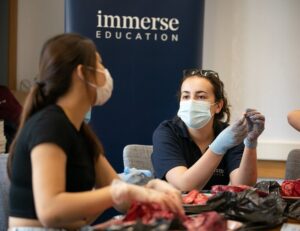
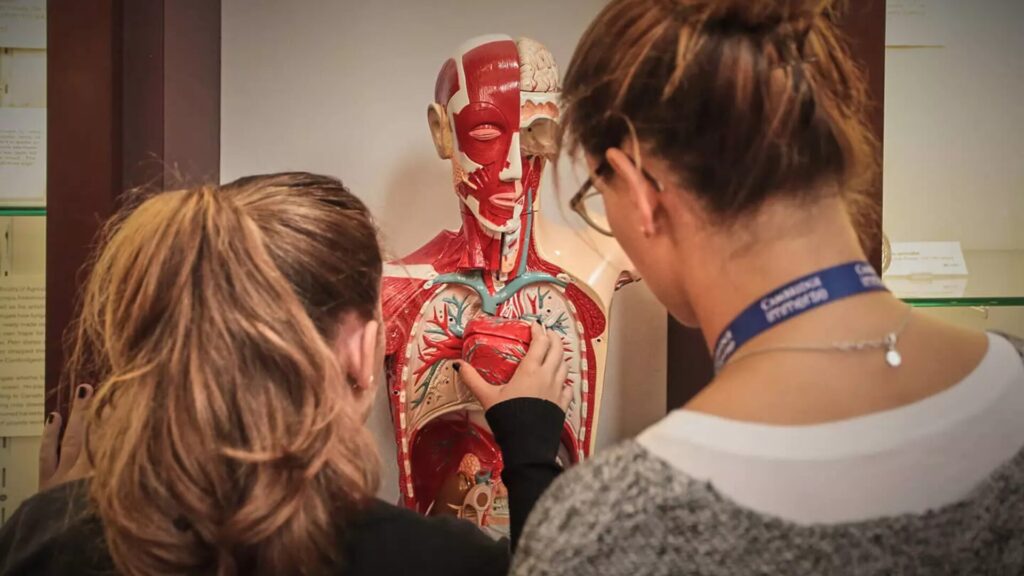
Immerse Education’s Medicine Career Insights Program lets high school students explore careers in major global industry hubs. You’ll participate in hands-on medical simulations, attend engaging classes, and participate in critical discussions. You’ll receive guidance from experienced medical professionals and gain both clinical and critical thinking skills. You’ll not only gain theoretical knowledge about a medical career but also understand the development of treatment plans.
Participants engage in project-based learning with established companies, attend interactive workshops, and visit offices, factories, and headquarters. The program also includes in-person weekly 1:1 career coaching sessions and sessions where you will receive personalized feedback on your resume and overall profile. You’ll also present your findings to industry experts at the end of the program. At the conclusion of the program, you’ll receive a certificate. You can find more details about the application here!
Why it stands out: You’ll explore university-level concepts in fields like medicine and psychology, giving you early exposure to the academic pathways behind real careers.
3. Fred Hutch Cancer Center – High School Internship Program
Location: Fred Hutchinson Cancer Center, Seattle, WA
Stipend: Paid, amount not specified
Acceptance rate/cohort size: Competitive; ~24 students
Dates: June 22nd – August 14th
Application Deadline: March 13th
Eligibility: Students entering their senior year who are 16 or older by the start and live in the greater Seattle area; not open to international students
The Fred Hutch Summer High School Internship Program is an eight-week, paid opportunity in Seattle, uniquely tailored for rising seniors from underrepresented backgrounds without prior research experience. Over the summer, you will explore complex topics like biomedical science, cancer biology, and laboratory safety. Your daily routine will involve activities such as preparing culture plates, preparing scientific solutions, and actively participating in regular laboratory meetings.
Through this work, you will build lab skills, including precise pipetting, DNA isolation, and polymerase chain reaction (PCR) amplification. Beyond daily benchwork, you will receive personalized mentorship and attend professional development workshops.
Why it stands out: It actively removes financial barriers by providing a stipend while giving marginalized students a rare chance to work inside a world-class biomedical laboratory.
4. Boston Medical Center Junior Summer Volunteer Program (JSVP)
Location: Boston Medical Center, Boston, MA
Stipend: None
Acceptance rate/cohort size: Selective; 70 students accepted annually
Dates: June 29th – August 21st
Application Deadline: March 9th (upon receiving 100 applications)
Eligibility: Rising high school juniors and seniors who can commit to the full eight-week programme; preference is given to Boston residents; open to international students
The Boston Medical Center Junior Summer Volunteer Program introduces you to the day-to-day workings of a major teaching hospital through a combination of volunteer service and professional learning. Over eight weeks, you’ll complete a recurring volunteer shift in an outpatient setting while attending weekly talks led by physicians, nurses, surgeons, social workers, and healthcare administrators.
Your placements may include pediatric clinics, ambassador services, and community support programs. Overall, you gain a clearer understanding of patient care and the many careers that support a healthcare system.
Why it stands out: You get sustained exposure to a hospital environment while learning directly from a wide range of healthcare professionals through a dedicated lecture series.
5. NIH Clinical Center – Summer Internship Program
Location: NIH Clinical Center, Bethesda, MD
Stipend: Paid, amount not disclosed
Acceptance rate/cohort size: Selective; approximately 40 students
Dates: June 15th – August 7th
Application Deadline: February 18th
Eligibility: U.S. citizens or permanent residents; enrolled in high school as a senior at the time of application; will be 18 by September 30th; not open to international students
In this internship, you step into the nation’s premier hospital devoted exclusively to clinical research for an immersive eight-week experience. You will explore a wide array of topics spanning biology, epidemiology, radiology, rehabilitation medicine, bioethics, nursing, social work, and bioinformatics. Throughout the summer, you work directly alongside leading scientists on active laboratory and clinical research projects.
You will also attend specialized career workshops and distinguished investigator lectures to deepen your understanding of research methodology and data management. Ultimately, you wrap up the internship by presenting your project at the NIH Summer Poster Day, walking away with valuable hands-on laboratory and scientific communication skills.
Why it stands out: It embeds you directly into the intramural research environment of the U.S. government’s primary medical agency, allowing you to actively contribute to real-world biomedical advancements.
6. KP LAUNCH High School Program
Location: Various Northern California Medical Centers and Offices, CA
Stipend: $24/hour
Acceptance rate/cohort size: Competitive; 40-50 students
Dates: June 15th – July 31st
Application Deadline: January 9th
Eligibility: Students must be 16-19 years old by June 1st, be current high school students or graduating seniors, reside in a designated Northern California Kaiser Permanente service area, and be legally authorised to work in the United States; not open to international students
The KP LAUNCH High School Program introduces you to healthcare through a paid summer internship in a Kaiser Permanente department. You’ll gain exposure to administrative and support roles that keep healthcare systems running effectively. You’ll also participate in weekly professional development workshops that build workplace and leadership skills.
Mentors and supervisors provide guidance on career pathways in healthcare and help you understand the expectations of a professional environment. You’ll also connect with peers and healthcare leaders through networking events, community projects, and workplace activities.
Why it stands out: You earn a competitive hourly wage while developing professional skills and exploring healthcare careers within one of the largest integrated health systems in the United States.
7. St. Jude Children’s Research Hospital – High School Research Immersion Program
Location: St. Jude Children’s Research Hospital, Memphis, TN
Stipend: $4,800
Acceptance rate/cohort size: Highly selective; ~32 students
Dates: June 1st – July 25th
Application Deadline: January 31st
Eligibility: Current high school juniors (16+ years old) from the Memphis-Shelby County area and immediate surrounding counties in TN, MS, and AR with a cumulative GPA of at least 3.0; not open to international students
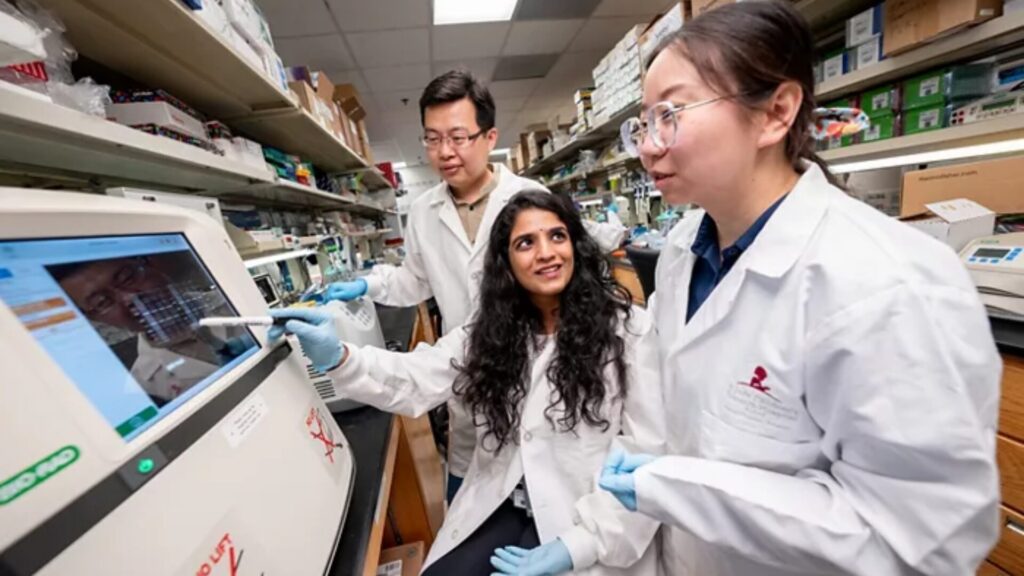
This program immerses you directly into the professional biomedical workforce, where you will explore diverse research topics encompassing basic and translational science, clinical research, psychology, epidemiology, laboratory science, and data analysis. You are paired with a high school partner and guided by both undergraduate and expert mentors to build your confidence in the lab.
Throughout the summer, you will conduct hands-on laboratory experiments, attend weekly professional development workshops, and analyze real-world clinical data. You conclude the program by presenting your findings at a community poster exhibition, walking away with concrete skills in advanced lab techniques, bioinformatics coding, and scientific communication.
Why it stands out: It bypasses the traditional observation-only model of high school internships, embedding you directly into active, world-class pediatric disease research while utilizing a unique team-based structure to prevent imposter syndrome.
8. Eve and Gene Black Summer Medical Career Program
Location: Multiple locations across LA/neighboring counties
Stipend: One participant receives a $500 scholarship at the end of the programme
Acceptance rate/cohort size: Selective; approximately 65-75 students
Dates: Virtual Cohort 1: July 6-16; Virtual Cohort 2: July 20-30; In-Person Cohorts: Varies by facility (typically 2-4 weeks spanning July to early August)
Application Deadline: February 13th
Eligibility: High school juniors and seniors from Los Angeles and adjacent counties; not open to international students
The Eve and Gene Black Summer Medical Career Program gives you a firsthand look at healthcare careers through a mentor-based experience. Depending on your placement, you may shadow professionals such as physicians, nurses, pharmacists, nutritionists, laboratory technicians, and therapists.
The program also offers presentations and interactive sessions led by pediatricians and medical specialists across a range of disciplines. By spending time with healthcare professionals in real clinical settings, you gain a clearer picture of what a future in medicine might involve.
Why it stands out: You can explore multiple healthcare professions through direct mentorship and clinical shadowing instead of being limited to one specialty.
9. Houston Methodist – High School Emerging Researcher Experience
Location: Houston Methodist Hospital, Texas Medical Center, Houston, TX
Stipend: None
Acceptance rate/cohort size: Highly selective; cohort size not specified
Dates: May 26th – July 31st
Application Deadline: Janary 30th
Eligibility: High school students who are at least 16 years old by the beginning of the programme and legally authorised to work in the United States; not open to international students requiring sponsorship
The High School Emerging Researcher Experience introduces you to translational medical research through a full-time summer placement at Houston Methodist. In this internship, you’ll work alongside undergraduate interns and faculty mentors while contributing to an active research project in a laboratory setting.
As the summer progresses, you’ll learn research methods, laboratory techniques, and the process of turning scientific discoveries into clinical applications. The program also includes seminars, lectures, networking events, and professional development sessions that help you prepare for future academic opportunities.
Why it stands out: You become part of an active research team and present your work at a professional research symposium.
10. Denver Health – Medical Career Collaborative (MC²)
Location: Multiple locations in Colorado
Stipend: Paid hourly, rate not disclosed
Acceptance rate/cohort size: Competitive; ~75 students
Dates: 2-year programme (academic years and summer, typically starting August of junior year through senior year)
Application Deadline: March 4th
Eligibility: Current high school sophomores attending school in the Denver metro area or Colorado Springs area who are legally authorised to work in the United States; not open to international students
The Medical Career Collaborative (MC²) is a two-year health careers pathway program hosted by Denver Health and Children’s Hospital Colorado. It is designed to introduce high school students to the medical field while building a diverse healthcare workforce. You’ll complete a paid internship in a hospital department while working closely with healthcare professionals. The program includes mentorship, weekly seminars, field trips, workshops, and health-related certifications.
You’ll also receive guidance on college applications, scholarships, and financial aid during your senior year. The program specifically recruits and supports youth from under-resourced, low-income, and underrepresented backgrounds in the Denver Metro and Colorado Springs areas.
Why it stands out: MC² combines paid clinical exposure, mentorship, college support, and career development across multiple years.
11. CYCE High School Summer Internship Program
Location: Cleveland Clinic Center for Youth and College Education (CYCE), Cleveland, OH
Stipend: $15 per hour
Acceptance rate/cohort size: Competitive; cohort size not specified
Dates: June 8th – July 28th
Application Deadline: February 2nd
Eligibility: Students in 9th, 10th, 11th, or 12th grade at the time of application; at least 15 years of age by June 1st; U.S. citizens, noncitizen nationals, or legal permanent residents who live and attend school in Cuyahoga, Geauga, Lake, Lorain, Medina, Portage, Stark, or Summit County; not open to international students
The CYCE High School Summer Internship Program allows you to explore healthcare through paid work experience in clinical, nonclinical, or advanced technology settings. Depending on your placement, you may work alongside professionals in areas such as nursing, pharmacy, radiology, behavioral health, artificial intelligence, data science, or healthcare administration.
The program also emphasizes career readiness through professional skill development and workplace learning. You’ll build communication, teamwork, and project management skills while gaining exposure to one of the nation’s leading healthcare systems.
Why it stands out: Few high school internships offer paid pathways across both patient-facing healthcare roles and emerging fields like AI, data science, and healthcare technology.
12. Arthritis Foundation Summer Science Internship Program
Location: University of California, San Francisco (UCSF) and affiliated research institutions, San Francisco, CA
Stipend: $2,500
Acceptance rate/cohort size: Highly competitive; 12 students
Dates: June 1st – August 28th
Application Deadline: March 9th
Eligibility: High school juniors, high school seniors, and college undergraduates interested in rheumatology, immunology, arthritis, and autoimmune diseases; applicants must be at least 17 years old by June 1st; live in or attend school in Northern California; not open to international students
The Arthritis Foundation Summer Science Internship Program is a paid, eight-week intensive research experience that places high school juniors, seniors, and college undergraduates directly into leading clinical and research labs at the University of California, San Francisco (UCSF) and its affiliated institutions. It places you in active research environments where scientists are investigating arthritis and related autoimmune diseases.
Depending on your placement, you may contribute to bench research, clinical epidemiology projects, translational studies, or bioinformatics research. Throughout the internship, you work closely with physicians and researchers at UCSF and affiliated institutions. The experience goes beyond observation, allowing you to participate in ongoing scientific investigations and learn how research informs patient care.
Why it stands out: You gain direct exposure to rheumatology and immunology research while working alongside leading scientists at one of the country’s top medical research institutions.
13. Johns Hopkins Hospital Volunteer Services Program
Location: Johns Hopkins Hospital, Baltimore, MD
Stipend: None
Acceptance rate/cohort size: Highly competitive; limited capacity
Dates: 7 weeks in the summer
Application Deadline: February
Eligibility: Students ages 16-18; requires a 100-hour commitment and occupational health screenings; open to international students
Through the Johns Hopkins Hospital Volunteer Services Program, you can contribute to one of the nation’s leading academic medical centers while gaining insight into healthcare delivery. Volunteer placements span a variety of departments and focus on improving patient and visitor experiences rather than clinical shadowing.
Depending on your role, you may assist with patient support, navigation services, spiritual care initiatives, or other hospital programs. The experience includes formal training, orientation, and ongoing supervision to help you build professional skills in a healthcare setting.
Why it stands out: This program offers sustained exposure to hospital operations through long-term service in a world-renowned medical center.
14. Stanford Clinical Summer Internship (CSI)
Location: Stanford University School of Medicine, Stanford, CA
Cost/Stipend: $6,580 (on-campus programme); $4,580 (virtual programme) + $95 application fee | Fall Intensive: $2,480 + $75 application fee; application fee waivers are available for eligible low-income U.S. applicants / No stipend
Acceptance rate/cohort size: Highly selective; ~24 students per class
Dates: Summer on campus: July 13-24; Summer Virtual Learning: July 27th – August 7th; Fall Virtual Intensive: 10 weeks between September – November
Application Deadline: February 1st for Summer programmes; June 1st for Fall programme
Eligibility: Rising high school juniors, seniors, and undergraduate premedical students who are at least 16 years old; open to international students
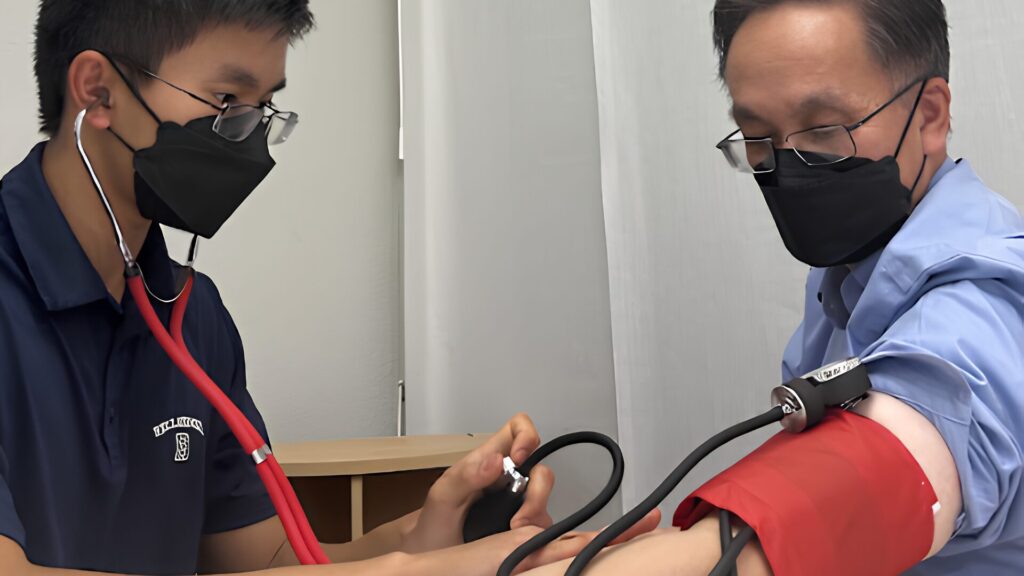
The Stanford Clinical Summer Internship (CSI) is an intensive, two-week summer program (with a 10-week virtual fall alternative) designed to introduce high school students to the art and science of practicing medicine. The program aims to empower and energize diverse learners by giving them a foundational understanding of clinical skills and a realistic look into a career as a physician.
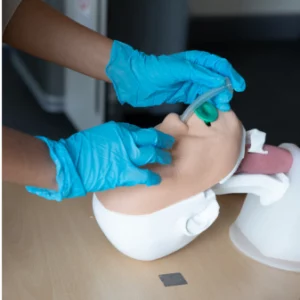
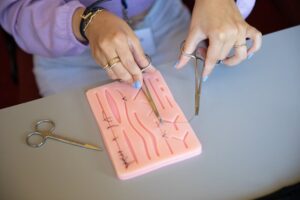
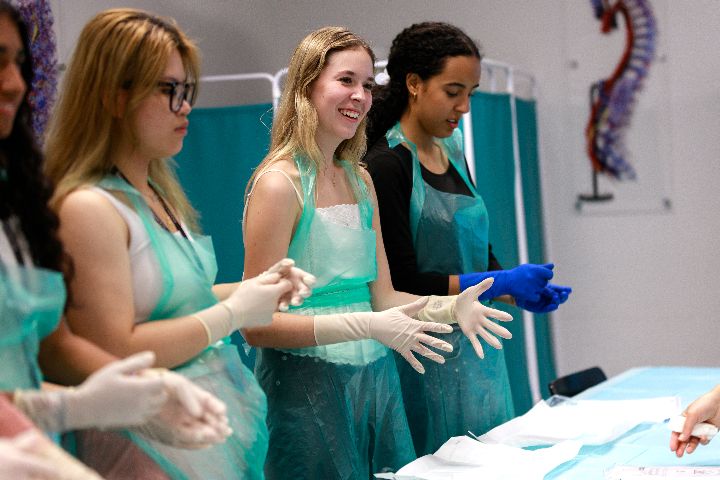
Over two weeks, you’ll explore topics ranging from anatomy and patient assessment to diagnostic reasoning and medical ethics. The curriculum includes practical exercises such as suturing, injections, dissections, and clinical simulations that mirror aspects of medical school training. The program emphasizes active participation and case-based learning.
Why it stands out: You get exposure to medical-school-style clinical training through hands-on workshops that are rarely available to high school students.
15. Weill Cornell Department of Pediatrics Summer Internship
Location: Weill Cornell Medicine, New York, NY
Stipend: Paid, amount not disclosed
Acceptance rate/cohort size: Highly selective; ~20 interns
Dates: June 1st – August 7th
Application Deadline: January 5th
Eligibility: Current high school juniors and seniors, college students, college graduates, and medical students; open to international students
The Weill Cornell Department of Pediatrics Summer Internship allows you to explore pediatric medicine through research, clinical quality improvement, education, advocacy, and administrative projects. It offers an immersive look into how child health is shaped through clinical care, academic research, and public policy.
You can apply to up to two programs that align with your interests, ranging from pediatric neurology and infectious diseases to patient safety and health policy. Each intern works closely with faculty mentors. Depending on your placement, you may gain experience with laboratory research, data analysis, community engagement, or clinical operations.
Why it stands out: The program lets you choose from a wide range of pediatric research, clinical, and policy-focused experiences under expert mentorship.
Frequently Asked Questions
Are clinical internships for high school students open to international students?
Most competitive, paid clinical research internships, including St. Jude’s Research Immersion Program, the NIH Clinical Center’s Summer Internship, and KP LAUNCH, require US citizenship or permanent residency, closing them off to international students. A few exceptions exist: Boston Medical Center’s Junior Summer Volunteer Program, Johns Hopkins Hospital’s Volunteer Services Program, and Weill Cornell’s Pediatrics Summer Internship all welcome international applicants. Immerse Education’s Medicine Summer School is also explicitly open worldwide to students aged 13 to 18.
Do clinical internships for high school students pay a stipend?
Many of the most competitive research-based programs do pay a stipend, though amounts vary considerably. St. Jude’s Research Immersion Program pays $4,800, Children’s Hospital Colorado pays $4,400, and KP LAUNCH pays $24 per hour. Volunteer-oriented programs, like the Boston Medical Center’s JSVP and Johns Hopkins Hospital’s Volunteer Services Program, offer no stipend at all, since they’re structured around service and observation rather than paid lab work. Check each program’s stipend status carefully, since paid and unpaid opportunities are often mixed together in search results.
What is the difference between a clinical shadowing program and a clinical research internship?
Clinical shadowing programs, like the Eve and Gene Black Summer Medical Career Program or Johns Hopkins Hospital’s Volunteer Services Program, have you observing healthcare professionals and assisting with patient-facing tasks rather than conducting original research. Clinical research internships, like St. Jude’s Research Immersion Program or the Arthritis Foundation’s Summer Science Internship, instead place you in an active lab where you contribute to a real research question, often culminating in a poster presentation. If you’re unsure which path fits your interests, shadowing programs offer lower-commitment exposure, while research internships suit students who already know they want lab experience.
How selective are clinical internships for high school students?
Selectivity varies considerably. Highly funded research programs like St. Jude’s Research Immersion Program and the Arthritis Foundation’s Summer Science Internship are extremely competitive, admitting just 12 to 32 students from large applicant pools. Volunteer-based programs, like Boston Medical Center’s JSVP, admit a larger cohort of around 70 students annually. Regardless of selectivity, meeting specific eligibility details, like GPA minimums or regional residency requirements, matters just as much as application quality.
Do clinical internships require prior healthcare experience?
Most don’t require prior experience, since many programs are explicitly designed to build clinical or research skills from scratch. The Fred Hutch Cancer Center’s High School Internship Program is specifically tailored for students without prior research experience, and St. Jude’s program pairs you with mentors precisely to build your confidence in the lab. A few programs, like Houston Methodist’s Emerging Researcher Experience, expect you to work alongside more experienced undergraduate interns, so some baseline science coursework can be helpful even when it’s not formally required.
Is Immerse Education a good option for exploring medicine before college?
Immerse Education’s Medicine Summer School is a strong choice if you want structured, small-group exposure to medical science without needing US residency or prior research experience. The two week program, offered across seven global locations including London, Tokyo, and Cambridge, covers anatomy, physiology, and clinical reasoning through case-based learning that mirrors undergraduate medical education. With just seven to 10 students per cohort, you’ll complete an academic project and receive detailed feedback, giving you a clearer sense of what studying medicine at a top university actually involves.
Discover Careers Across the Healthcare Field
Not every healthcare career begins with a clear plan; sometimes, one meaningful placement reveals the direction that fits you best.
The 15 clinical internships for high school students in this article let you compare patient-facing roles, laboratory research, public health, technology, and administration.
Use the differences in setting, responsibility, mentorship, and programme length to recognise where your strengths, interests, and values align most naturally.
Ready to explore what comes after your first clinical experience? Visit our Career Exploration blogs for practical guidance, role comparisons, and fresh ideas that can help you make confident, well-informed choices about your future in healthcare.