
 Русский (RU)
 Українська (UK)
 Türkçe (TR)
 Italiano (IT)
 Français (FR)
 Português (PT)
 中文 (中国) (ZH)
 Español (ES)
 日本語 (JA)
 ไทย (TH)
 Deutsch (DE)
 Ελληνικά (EL)
 Polski (PL)
 Bahasa Indonesia (ID)
 Nederlands (NL)
 العربية (AR)
 한국어 (KO)

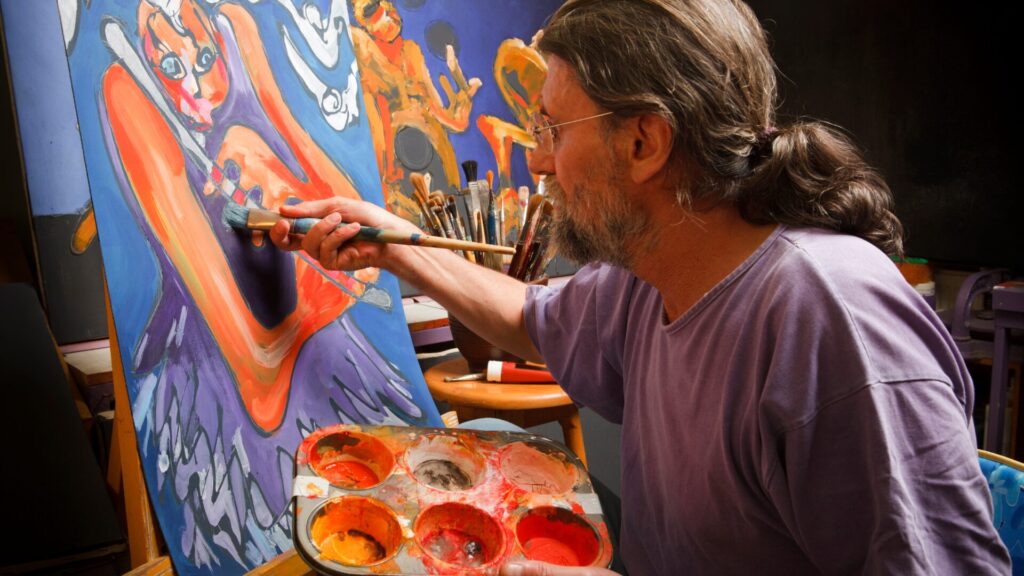
Applying to art school is different from applying to most other university programmes because your portfolio can matter just as much as your grades. Pre-college art programs for high school students give you the time, guidance, and studio experience needed to create more purposeful work while discovering what university-level art education involves.
You might spend the summer filling sketchbooks, producing larger studio pieces, experimenting with new media, and receiving constructive critiques from artists and professors. Working alongside equally creative peers can also challenge your ideas, broaden your perspective, and help you develop a clearer artistic voice.
How do you choose the right pre-college art program for high school students?
The first question to ask is what kind of artist you want to become right now. Some programs focus on drawing and portfolio preparation, while others explore illustration, painting, sculpture, photography, digital media, or mixed-media practice. Looking through the curriculum is often more useful than looking at the program title alone.
You should also consider how much time you’ll spend making art. The strongest pre-college programs usually revolve around studio work, critiques, and one-on-one feedback because those experiences are often the closest reflection of what you’ll encounter in an art school environment.
To help you explore your options, we’ve compiled a list of 15 pre-college art programs for high school students!
For adjacent opportunities, consider the design program.
Key takeaways
- Pratt Institute’s Summer PreCollege costs $8,192 for residential students or $5,452 for commuters and awards four college credits over a four week program running July 6 to July 31.
- Immerse Education’s Fine & Digital Art Internship takes place at University College London for two weeks and is open to high school students worldwide aged 15 to 18, with bursary support available.
- FIT’s Summer High School Classes cost $550 for a single 10-day class and are open to international students who meet participation requirements.
- RISD’s Pre-College Residential Summer Immersive costs $12,495 for residential students, runs five weeks from June 27 to August 1, and draws more than 500 students annually.
- California State Summer School for the Arts costs $5,174 for California residents and $10,475 for out-of-state and international students, though financial aid is restricted to California residents.
- Cooper Union’s Summer Art Intensive limits classes to 16 students and offers a full-tuition Gural Scholarship for eligible NYC public school students, though the program does not award college credit.
- CCNY’s City Art Lab is a free, 12-week after-school program running from February through May, but it is not open to international students.
- Cornell’s Precollege Architecture Summer Program costs $18,402 for residential students and runs six weeks, giving students access to Cornell’s architecture facilities and model-making resources.
15 Pre-College Art Programs for High School Students
1. Pratt Institute – Summer PreCollege
Location: Pratt Institute, Brooklyn, New York
Cost: Residential: $8,192; Commuter: $5,452
Acceptance Rate/Cohort Size: Selective; cohort size and acceptance rate are not publicly available
Dates: July 6-31
Application Deadline: May 1st; scholarship deadline: February 1st; international deadline: April 1st
Eligibility: High school students aged 16-18 by December 31st; U.S. citizens, permanent residents, and international students with a valid F-1 visa may apply
Pratt Institute’s Summer PreCollege lets you spend four weeks studying in the same studio environment as undergraduate art and design students. You will take two college-level courses, complete studio projects, participate in critiques, and earn four college credits after successfully finishing the programme.
Daily classes are paired with independent studio work, giving you time to develop ideas beyond scheduled instruction. Living on Pratt’s Brooklyn campus also gives you a feel for life at an art and design college. The programme is centered on creating portfolio-quality work while following a college studio schedule.
Why it stands out: You earn college credit while building portfolio-ready work in a residential art-school setting.
2. Immerse Education’s Fine & Digital Art Summer School
Location: University College London, London, UK
Cost/Stipend: Varies by programme; summer school scholarships are available through the bursary programme
Dates: Two weeks during the summer
Application Deadline: Multiple summer cohorts with rolling admissions
Eligibility: High school students worldwide aged 15-18
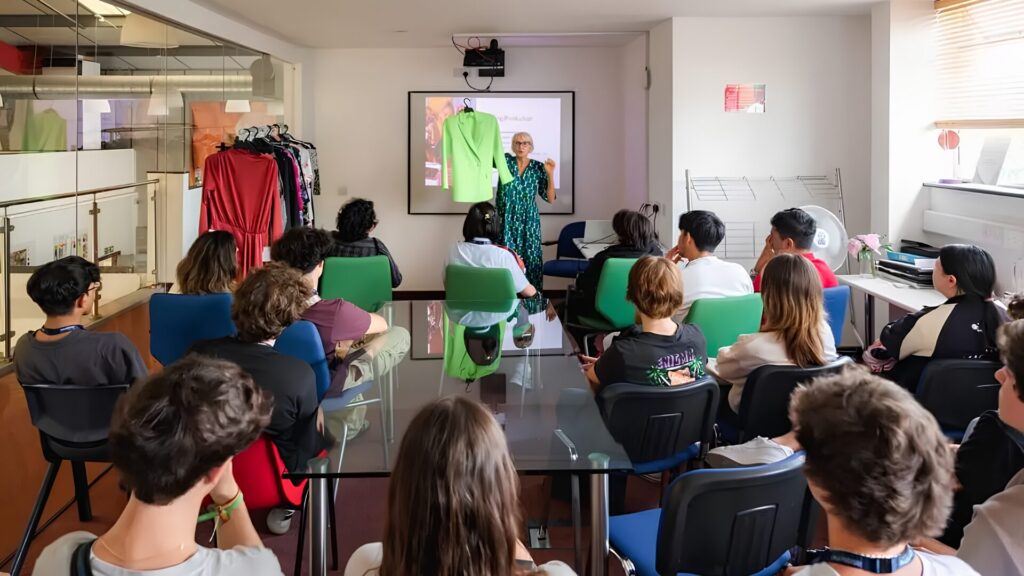
The Fine & Digital Art Summer School by Immerse Education is designed for students who want structured exposure to both traditional studio practice and contemporary digital creation before pursuing higher education in the arts. You explore drawing, painting, sculpture, and mixed media alongside digital art tools and software, building technical skills and visual thinking through studio sessions, art history discussions, and computer-based projects.
Guided by professional artists, the program combines individual mentorship, portfolio development, and expert critique to help you refine your artistic voice. Through its Career Insights Pathway, you also engage in workshops and exhibition visits that introduce you to the professional landscape of fine and digital art, offering a clearer understanding of creative career pathways.
Why it stands out: A balanced program that integrates classical fine art training with digital practice and portfolio-focused mentorship.
3. Fashion Institute of Technology (FIT) – Summer High School Classes
Location: Fashion Institute of Technology, New York City, New York
Cost: $550 for one 10-day class
Acceptance Rate/Cohort Size: Open registration; places may fill
Dates: July 6-9, 13-16, and 20-21
Application Deadline: Registration opens February 4th and closes June 10th
Eligibility: Students in Grades 9-12 as of the autumn term; open to international students who meet participation requirements
FIT’s Summer High School Classes let you choose short creative courses across art, design, fashion, communication, and related subjects. Each class meets for three hours over ten sessions, and you can combine a morning and afternoon course if you want a full-day schedule.
Depending on your selection, you may build portfolio pieces, strengthen drawing and design skills, or explore other creative disciplines taught at FIT. The small course format lets you focus on one subject without committing to a month-long programme. Every class is taught inside FIT’s specialist art and design college environment.
Why it stands out: You can explore FIT subjects through flexible, short-format precollege classes in New York City.
4. UAL International Summer School (University of the Arts London)
Location: University of the Arts London, London, UK
Cost: Starts at £3,670 ($4,890); accommodation is optional and costs £99 per night
Acceptance Rate/Cohort Size: Selective; 15-20 students per class
Dates: Three-week summer course; exact dates vary by course
Application Deadline: Rolling enrolment until courses are full
Eligibility: Students aged 11-18, with separate options for ages 11-15 and 16-18; open to international students
UAL’s Pre-College Summer School brings high school students into a studio-based learning environment across its London campuses. You will work on creative projects, experiment with different materials and techniques, and receive feedback from tutors throughout the three-week course.
Studio sessions are supported by visits around London’s museums, galleries, and creative spaces, giving you new ideas for your own work. Separate courses are available for different age groups, with subjects varying across art and design disciplines. The programme focuses on building a portfolio while experiencing how creative courses are taught at UAL.
Why it stands out: You build portfolio work while experiencing UAL’s art-college environment in London.
5. New York University (NYU) Steinhardt – High School Summer Art Intensive
Location: New York University, New York City, New York
Cost: $7,360, including $4,800 tuition, $1,764 housing, and $796 for meals
Acceptance Rate/Cohort Size: Selective; 54 students across three cohorts of 18
Dates: Four weeks from July to August
Application Deadline: Varies by programme cycle
Eligibility: High school students; international eligibility may vary by programme format
NYU Steinhardt’s High School Summer Art Intensive is a four-week residential programme built around college-level studio practice. You will spend your days creating artwork in the studio, attending artist talks, visiting museums, and taking part in critiques with faculty and classmates.
Guided studio time gives you space to develop larger projects while experimenting with different materials and techniques. The programme also includes visits to artists’ studios, connecting classroom learning with New York City’s art scene. Your summer concludes with a portfolio of work developed throughout the intensive.
Why it stands out: You study studio art in New York while gaining exposure to museums, artists, and college-level creative practice.
6. Parsons Summer Academy
Location: Parsons School of Design, New York City, New York
Cost: $1,720 plus fees for students in Grades 9-12; no stipend listed
Acceptance Rate/Cohort Size: Registration-based; courses fill on a first-come, first-served basis
Dates: July 27th – August 7th
Application Deadline: July 15th
Eligibility: Students in Grades 3-12; high school courses are open to students in Grades 9-12; international student eligibility is not specified
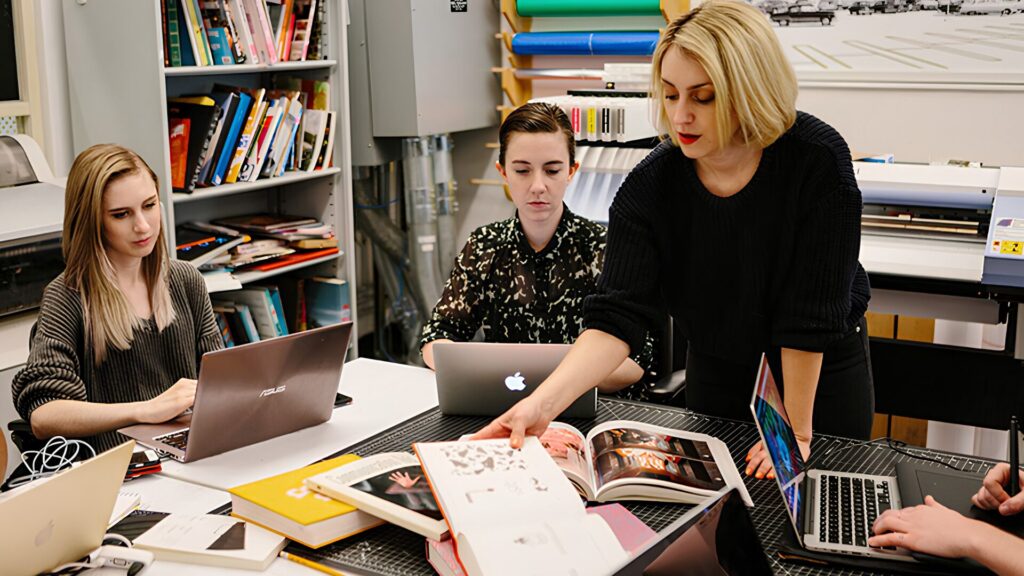
Parsons Summer Academy brings high school students onto the university’s Greenwich Village campus for two weeks of studio-based learning. You can choose from subjects such as drawing, painting, fashion, digital photography, or interior design, depending on the summer schedule.
Classes run throughout the day and focus on creative projects, studio practice, and instructor feedback instead of traditional lectures. The programme lets you experience how Parsons teaches art and design while exploring different creative fields. Each course is designed around building practical skills through studio work and discussion.
Why it stands out: You study art and design on Parsons’ New York campus through a short, studio-based summer format.
7. Royal Conservatoire of Scotland Summer Schools
Location: Royal Conservatoire of Scotland, Glasgow, Scotland
Cost: Tuition varies by course, from £335 to £370; financial support is available for eligible students
Acceptance Rate/Cohort Size: Course-based admission; cohort size and acceptance rate vary by summer school
Dates: Multiple courses run from June 29th – August 7th
Application Deadline: Varies by course; places are subject to availability
Eligibility: Courses are available for children, teenagers, adults, and residential students; age requirements vary by course, with several options for students aged 12-18; international students are welcome to apply
The Royal Conservatoire of Scotland offers short summer courses across creative fields, including set and costume design, filmmaking, stage production, music production, drama, and musical theatre. You will spend most of your time in workshops and practical sessions where you’ll create, rehearse, design, or produce work with guidance from conservatoire tutors.
Depending on the course, you may also collaborate with others on production-based projects that mirror professional creative practice. Since every course focuses on one discipline, you can explore the area that interests you most. The programme concludes with completed creative work developed during your chosen course.
Why it stands out: You gain practical creative training in a specialist performing arts institution with options across production, film, music, and design.
8. California State Summer School for the Arts (CSSSA)
Location: Cal Poly Pomona, Pomona, California
Cost: $5,174 for California residents; $10,475 for out-of-state and international students; financial aid is available only to California residents
Acceptance Rate/Cohort Size: Selective; approximately 500 California students attend, with limited places for out-of-state and international students
Dates: July 4th – August 1st
Application Deadline: February 28th for both programme and scholarship applications
Eligibility: High-school-age students from rising freshmen through recent graduates; open to out-of-state and international students, although financial aid is restricted to California residents
CSSSA is a four-week residential arts program run by the State of California for students interested in visual, literary, performing, and media arts. You can apply to departments such as Animation, Architecture and Environmental Design, Dance, Film, Music, Theater, Visual Arts, or Writing.
The program includes intensive studio or discipline-specific training, residential campus life, and interaction with working artists and arts educators. Because CSSSA is structured like a pre-professional arts environment, it can help you understand the level of focus and critique expected in college arts programs. Students who complete the program are recognized as California Arts Scholars.
Why it stands out: You receive intensive arts training through a state-supported residential program with strong financial aid access for California students.
9. Rhode Island School of Design (RISD) – Pre-College Residential Summer Immersive
Location: Rhode Island School of Design, Providence, Rhode Island
Cost: Residential: $12,495; Commuter: $9,595
Acceptance Rate/Cohort Size: Selective; more than 500 students attend annually
Dates: June 27th – August 1st
Application Deadline: Rolling admissions until the programme is full
Eligibility: Students aged 16-18 who have completed Grade 10 or 11; open to international students who meet programme requirements
RISD’s Pre-College programme lets you spend five weeks living and studying on campus while following the same studio rhythm as undergraduate art students. You will choose one major, work on projects every day, attend critiques, and receive regular feedback from RISD faculty as your portfolio develops.
Studio work is supported by exhibitions, campus events, and opportunities to meet other young artists from around the world. The programme follows a demanding creative schedule that reflects RISD’s undergraduate teaching style. Your work is presented in the end-of-summer exhibition on campus.
Why it stands out: You build portfolio work while experiencing RISD’s residential studio-learning environment.
10. Summer of Art Program – Otis College of Art and Design
Location: Otis College of Art and Design, Los Angeles, California
Cost: Commuter: $4,390 for the full-day programme or $2,690 for an individual class; scholarships are available
Acceptance Rate/Cohort Size: Open enrolment with limited places
Dates: July 6-31
Application Deadline: June 23rd
Eligibility: Students aged 14.5-18; open to domestic and international students
Otis College’s Summer of Art is a four-week pre-college program for students interested in art and design. You choose a concentration such as Drawing and Painting, Digital Media, Fashion Design, Graphic Design, Illustration, Game and Entertainment Design, or Animation.
The program emphasizes studio practice, portfolio development, critiques, and project-based learning taught by Otis faculty and creative professionals. Students can earn college credit while experiencing the pace and expectations of a creative college environment. The program can help you explore potential majors while strengthening your portfolio for future applications.
Why it stands out: You can earn college credit while building portfolio-ready work in a specialized art and design program.
11. School of Visual Arts (SVA) Pre-College – Fashion Photography & Design
Location: School of Visual Arts, New York City, New York
Cost: $3,400 for the summer session
Acceptance Rate/Cohort Size: Registration-based; places are limited
Dates: Summer session dates vary by course
Application Deadline: Rolling registration until courses are full
Eligibility: High school students aged 14-18; open to international students
SVA’s Pre-College Program allows high school students to take college-level art and design courses before graduating from high school. You can choose from subjects such as drawing, painting, animation, illustration, photography, design, cartooning, and visual storytelling. Classes are taught by practicing artists and designers and focus on creative exploration, technical skill-building, and portfolio development.
Students who complete eligible courses may earn college credit while gaining exposure to SVA’s studio-based learning environment. The program can help you understand the expectations of undergraduate art education while developing work for future applications.
Why it stands out: You can earn college credit while learning from practicing artists and building portfolio-ready work in New York City.
12. CCNY’s City Art Lab
Location: City College of New York, New York City, New York
Cost: Free
Acceptance Rate/Cohort Size: Selective; cohort size and acceptance rate are not publicly available
Dates: 12-week after-school programme, typically running from February to May
Application Deadline: Varies by annual cycle
Eligibility: Teenagers based in New York City; no previous art experience is required; not open to international students
City Art Lab is a free after-school programme where you will explore different art materials, techniques, and creative processes on the CCNY campus. Working with graduate students from CCNY’s Art Education program, you will experiment with painting, drawing, mixed media, and other studio activities while developing your own projects.
The programme welcomes teens with or without previous art experience, making it accessible to anyone interested in creating art. Sessions encourage creative exploration while helping you build work for a future portfolio. Throughout the semester, you’ll work alongside other young artists from across New York City.
Why it stands out: You gain free art instruction and portfolio support on a college campus through CCNY’s Art Education program.
13. Carnegie Mellon – Pre-College Art Program
Location: Carnegie Mellon University, Pittsburgh, Pennsylvania
Cost: Tuition-based; financial aid is available; no stipend listed
Acceptance Rate/Cohort Size: Selective; cohort size and acceptance rate are not publicly available
Dates: Three-week option: June 20–July 11; six-week option: June 20–August 1
Application Deadline: February 1 for early, scholarship, and international applications; final deadline: March 1
Eligibility: Students must be aged 16 by June 20 and entering Grade 11 or 12; open to international students
Carnegie Mellon’s Pre-College Art Program introduces you to the School of Art through intensive studio classes, critiques, workshops, and portfolio development. You can choose either a three-week or six-week programme while working closely with faculty in a college-level studio setting.
Studio assignments focus on both technical skills and conceptual thinking, encouraging you to develop ideas as well as finished artwork. Workshops and critiques reflect the same creative process used by undergraduate art students at Carnegie Mellon. Residential and commuter options are available for both programme lengths.
Why it stands out: You build portfolio work while experiencing CMU’s School of Art through a selective pre-college studio program.
14. Cooper Union Summer Art Intensive
Location: The Cooper Union, New York City, New York
Cost: Tuition-based; a full-tuition Gural Scholarship is available to eligible New York City public school students
Acceptance Rate/Cohort Size: Open enrolment for paid places; scholarship selection is competitive; classes are limited to 16 students
Dates: July 13–August 6
Application Deadline: Scholarship deadline: April 12; enrolment deadline: July 5
Eligibility: Students aged 15–18 who are rising sophomores through rising seniors, or the equivalent; out-of-area and international students may attend, but housing and visa support are not provided
Cooper Union’s Summer Art Intensive is a four-week commuter program for high school students preparing for art and design college applications. You choose one concentration, such as Drawing, Animation, Painting, Graphic Design, or Studio Practice, and spend the day working in structured studio classes.
The program includes museum, gallery, and artist studio visits, along with weekly workshops and a final exhibition of student work. You learn from professional working artists, with support from Cooper Union undergraduate teaching assistants. It does not offer college credit, but you may request a proof of completion letter.
Why it stands out: You build portfolio-ready work in Cooper Union studios while learning from working artists in New York City.
15. Cornell Precollege Architecture Summer Program – College of Architecture, Art, and Planning (AAP)
Location: Cornell University, Ithaca, New York
Cost: Residential: $18,402; Commuter: $11,807
Acceptance Rate/Cohort Size: Selective; cohort size and acceptance rate are not publicly available
Dates: June 22–July 31
Application Deadline: May 5
Eligibility: High-achieving and high-potential high school students interested in architecture and related design disciplines; international students may apply if they meet Cornell’s precollege requirements
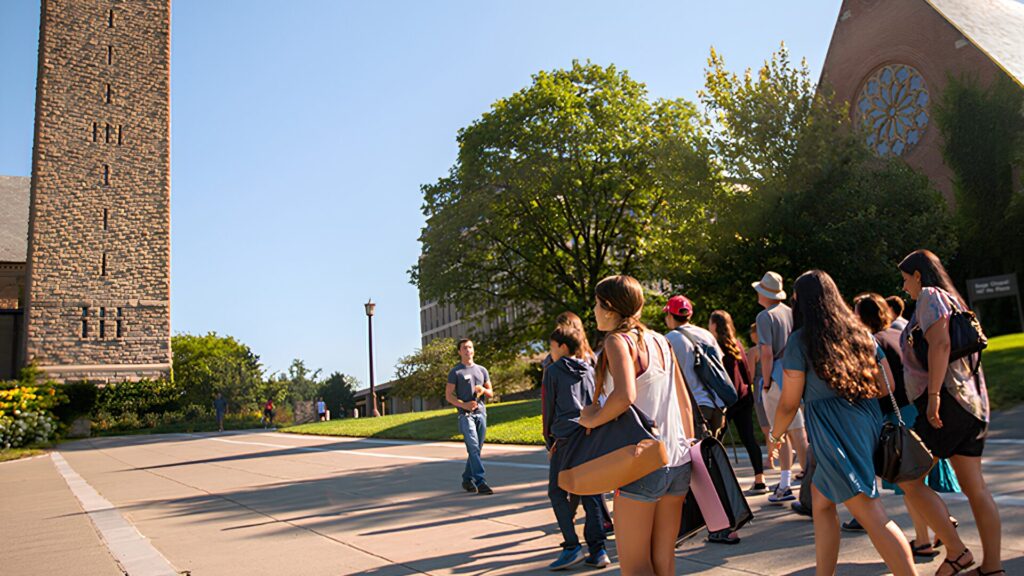
Cornell’s Introduction to Architecture and Design Precollege Program is a six-week summer program hosted by the College of Architecture, Art, and Planning. You study design studio and architecture lectures while exploring design at multiple scales, from objects and installations to buildings and landscapes.
The program introduces core architectural concepts such as space, form, function, technology, design history, theory, and visual analysis. You work in Cornell’s architecture facilities, use model-making resources, and receive feedback through faculty and guest reviews. The final design project helps you understand whether architecture or a related design field fits your college plans.
Why it stands out: You experience Cornell architecture studio culture while building foundational design and portfolio skills.
Frequently asked questions: Pre-college art programs for high school students
What is the difference between a pre-college art program and a college art program?
The terms are often used interchangeably, but pre-college art programs are specifically designed to introduce high schoolers to studio-level work before they apply to art school, often with a stronger focus on portfolio development. Programs like RISD’s Pre-College Residential Summer Immersive and Cooper Union’s Summer Art Intensive are built around producing finished, application-ready work through daily studio time, critiques, and faculty feedback, rather than simply exposing you to college-level academics more broadly.
Are pre-college art programs open to international students?
Most pre-college art programs do accept international students, though a few have restrictions. RISD, Carnegie Mellon, Pratt Institute, FIT, and Immerse Education’s Fine & Digital Art Internship all welcome students from outside the US. A notable exception is CCNY’s City Art Lab, which is limited to NYC teens. Immerse Education’s program is open worldwide to students aged 15 to 18 and includes bursary support for eligible students.
How much do pre-college art programs cost?
Costs vary based on length and whether housing is included. Free options exist, like CCNY’s City Art Lab, while short courses like FIT’s Summer High School Classes cost $550 for a single 10-day session. Longer residential programs cost significantly more: RISD’s Pre-College Residential Summer Immersive runs $12,495, and Cornell’s Precollege Architecture Summer Program costs $18,402 for residential students. Financial aid, scholarships, and bursary support are available for many of these programs.
Do pre-college art programs offer college credit?
Some do, but not all. Pratt Institute’s Summer PreCollege awards four college credits, and Otis College’s Summer of Art also offers credit options. Cooper Union’s Summer Art Intensive does not offer college credit but provides a proof of completion letter instead. If earning transferable credit is important to you, confirm this directly with each program, since policies differ even among similarly structured studio programs.
What should you look for when choosing a pre-college art program?
Focus on how much time you’ll actually spend making art, since programs built around daily studio work, critiques, and one-on-one feedback tend to give the most realistic preview of art school. Also consider program length, cost, location, and whether the curriculum matches your specific interest, whether that’s fine art, digital media, fashion, or architecture. Programs like Carnegie Mellon’s Pre-College Art Program and RISD’s immersive both mirror undergraduate studio culture closely, helping you evaluate fit before applying to a full degree program.
Is Immerse Education a good option for a pre-college art experience?
Immerse Education’s Fine & Digital Art Internship suits students who want exposure to both traditional studio practice and digital art tools before applying to art school. The two week program, open to students worldwide aged 15 to 18, combines studio sessions and art history discussions with individual mentorship and expert critique. Its Career Insights Pathway also includes workshops and exhibition visits, giving you a clearer picture of professional pathways in fine and digital art alongside the technical training.
Turn Studio Practice Into Art School Preparation
Strong art applications grow from concrete evidence: finished portfolio pieces, critique experience, technical range, and the ability to explain how your ideas evolved.
The 15 pre-college art programs for high school students featured here include Pratt’s four-credit studio experience, RISD’s five-week intensive, and Cooper Union’s final exhibition.
Cornell’s architecture programme adds model-making and design reviews, while FIT’s short classes offer focused practice before you invest in a longer residential experience.
Which option best strengthens your portfolio and application strategy? Explore our University Preparation blogs for guidance on portfolios, personal statements, interviews, and course selection with confidence.