
 Русский (RU)
 Українська (UK)
 Türkçe (TR)
 Italiano (IT)
 Français (FR)
 Português (PT)
 中文 (中国) (ZH)
 Español (ES)
 日本語 (JA)
 ไทย (TH)
 Deutsch (DE)
 Ελληνικά (EL)
 Polski (PL)
 Bahasa Indonesia (ID)
 Nederlands (NL)
 العربية (AR)
 한국어 (KO)
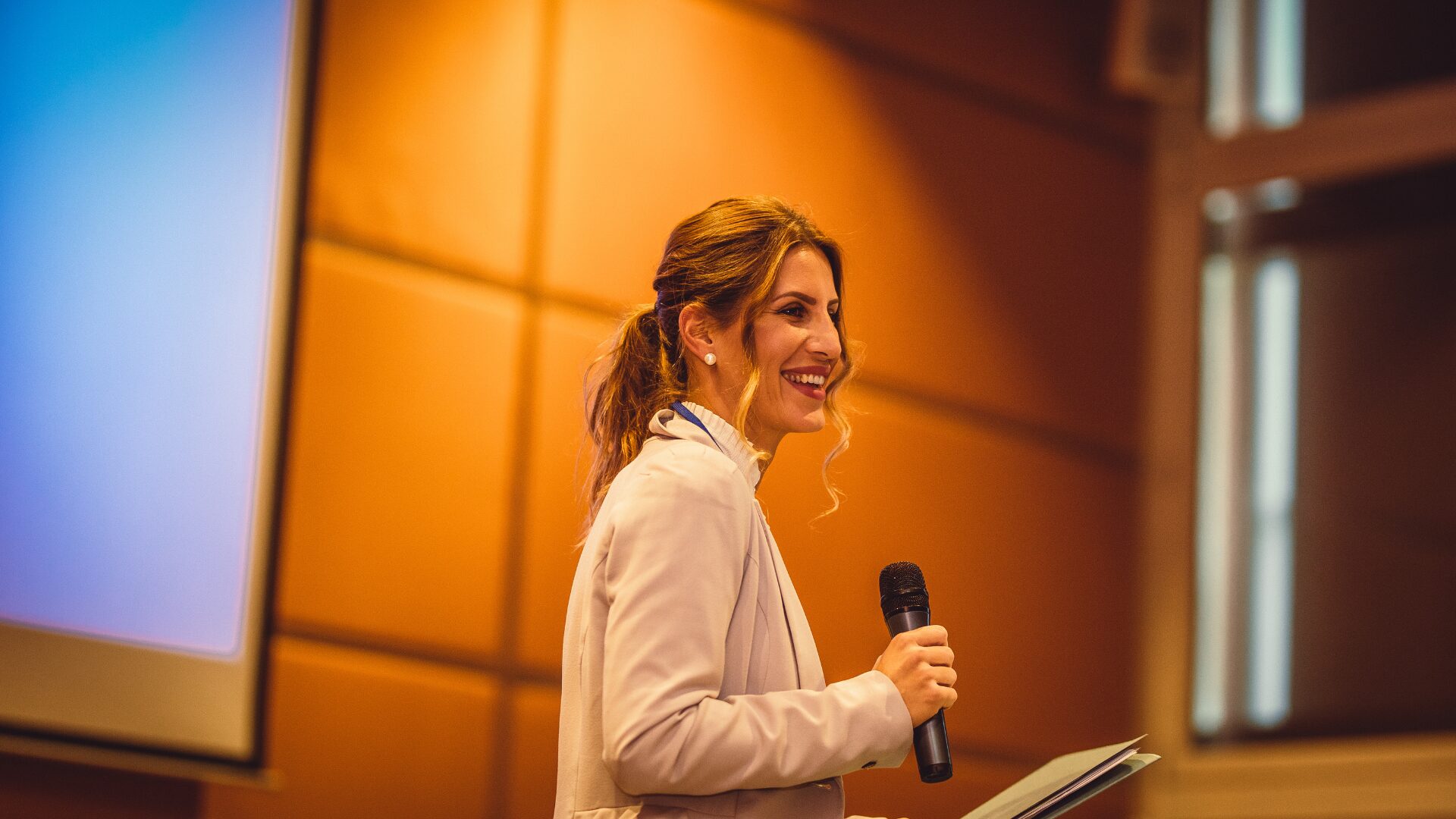
You’ve probably seen a young leader who wants to create real change go from local impact to speaking at the UN and wondered how they got that opportunity in the first place. The One Young World Summit is one form of preparation.
The One Young World Summit is a global gathering that brings together young leaders who are already driving change in their communities.
In this article, we’ll break down what the Summit really is, how people get selected, what scholarships look like, and how you can start getting involved.
Let’s turn that curiosity into a plan.
What Is the One Young World Summit?
The One Young World Summit is a global leadership event that brings together young changemakers from around the world. It typically welcomes over 2,000 young leaders from 190+ countries for four days of talks, workshops and cultural exchange.
At its core, the Summit connects people who are already creating impact in their communities. Delegates explore urgent global issues, share practical solutions, and build partnerships that continue long after the Summit ends.
It’s a selective gathering, with many delegates attending through scholarships, organisational sponsorships, or independent delegate routes. Each year, One Young World hosts the Summit in a different major city as the flagship event for its global community.
That community supports ambassadors leading projects that aim to create measurable change around the world.
Where Is the One Young World Summit Held?
One Young World hosts the Summit in a different city each year. The organisation selects host cities through a formal bid process. In 2025, it will hold the Summit in Munich from 3 to 6 November 2025.
In 2026, it moves to Cape Town on 3–6 November 2026. If you’re planning to attend, always double-check the latest details on the official Summit and FAQ pages. Dates can change, so confirm before booking travel.
Who Organises One Young World?
One Young World is organised by One Young World Limited, a UK-registered charity founded in 2009. It was co-founded by Kate Robertson and David Jones, who still play leading roles in the organisation’s direction and governance. With a formal leadership team and Board oversight, it has the kind of structure that helps the Summit stay stable, credible, and trusted over time.
That structure matters because the One Young World Summit is not a standalone event. It’s the flagship moment within a wider, year-round organisation that supports a global community of ambassadors long after the four-day gathering ends. Delegates return home, but the network continues, helping participants stay connected and build momentum for the work they take forward.
The Mission and Vision
One Young World backs young leaders who are working towards a fairer, more sustainable future. The mission shapes the Summit’s agenda and yearly themes, and encourages delegates to create practical change. It aims to turn ideas into action.
It also treats young people as leaders now, not someday, giving youth voices space alongside established global figures.
Global Partners and Counsellors
Global partners, from businesses to foundations, sponsor delegates and fund scholarships, widening access and opening networks.
Counsellors, often leaders in politics, business, activism, and science, join sessions to challenge thinking, mentor, and engage directly with delegates.
Communication & Public Speaking
In-person
Find your voice and build on your public...
Communication & Public Speaking
In-person
Develop ideas with impact in New York, a...
Who Can Attend the One Young World Summit?
Sound excited about joining the One Young World Summit and meeting people who care about real-world change? We can’t blame you, because it’s one of the few spaces where young leaders are treated like leaders now, not “someday”.
Here’s who can join the One Young World Summit:
Age Requirements
You must be at least 18 when the Summit starts. One Young World says it can’t accept applications from anyone who will be under 18 at the time of the Summit.
Most delegates tend to be aged between 18 and 30. One Young World also notes that 30 is not a hard limit, so eligibility can extend beyond that depending on your background and route.
Too Young for One Young World? Start Here Instead
The One Young World Summit is an incredible goal, but you must be at least 18 to attend. If you’re still in high school, it can feel frustrating to wait.
If you want to build your skills early and maximise your chances of joining One Young World later, here are alternatives you can start now.
- Immerse Education – TED Summer School: A focused two-week programme in virtual and residential formats where you shape an idea, learn to tell it with clarity, and practise delivering it with real presence, building towards a TED-style talk you can be proud of.
- Immerse Education – Business Management Summer School: A flexible online and in-person programme for ages 13–18 where you explore strategy, marketing, finance, and leadership through interactive workshops, real-world case studies, and group projects, building practical management skills and earning a recognised certificate.
Delegates
Delegates are the core participants at the Summit. You’ll spend your days in speeches, panel discussions and workshops, alongside young leaders from many countries and sectors.
The most common route is attending through an organisation. Many businesses, NGOs, universities and foundations partner with One Young World and sponsor delegations, which means your organisation may nominate or select you internally.
If you’re not sponsored, scholarships are a major pathway. One Young World describes scholarships as a way to support young leaders who might not otherwise be able to attend.
You can also attend as an independent delegate, which usually means paying the delegate fee yourself and organising travel and logistics.
Ambassadors
If you attend the Summit, you become part of the One Young World Ambassador community afterwards. This matters because the Summit is designed as a starting point, not a finish line.
Ambassadors stay connected through the wider community, where people share projects, opportunities and collaborations beyond the host city. For many delegates, this ongoing network is where long-term momentum and support happens.
Many Ambassadors return to future Summits too, including through Returning Ambassador options that One Young World lists as a distinct route.
Corporate and NGO Representatives
One Young World builds its work around partnerships, so organisational representatives also take part. These may include leaders who accompany delegations, support scholarship programmes, or contribute expertise and perspective alongside young delegates.
That mix can be powerful. It gives your work and ideas visibility among people with resources, influence and decision-making power, turning a good conversation into a genuine opportunity.
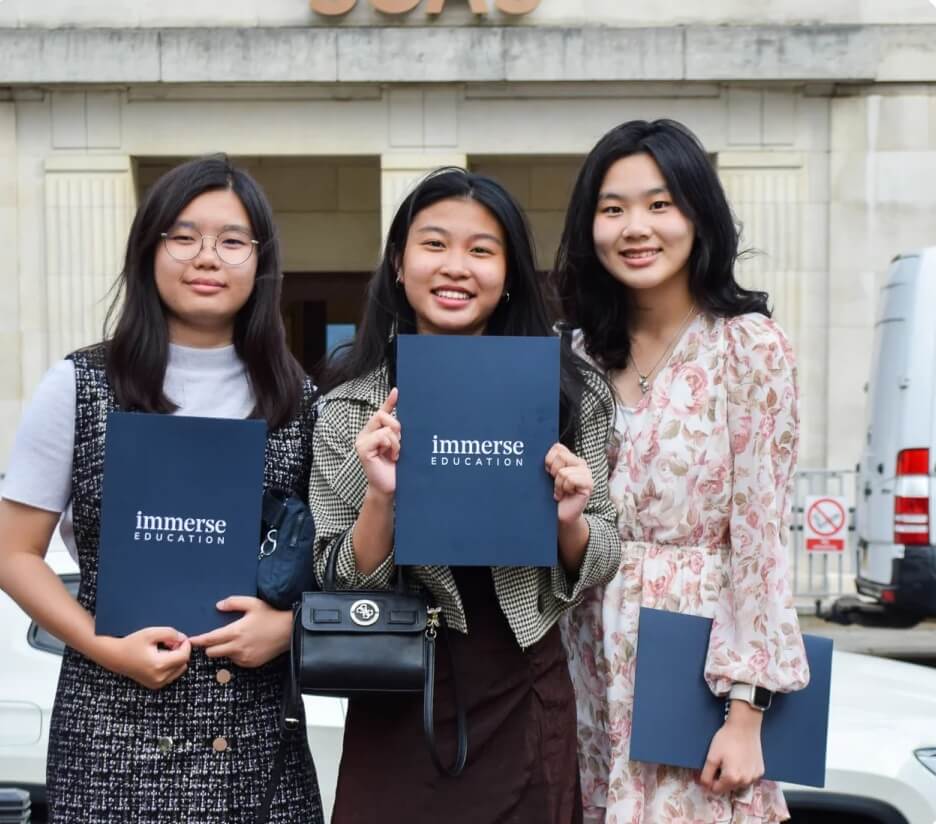
Join the Immerse Education 2025 Essay Competition
Follow the instructions to write and submit your best essay for a chance to be awarded a 100% scholarship.
How Does the One Young World Summit Work?
The One Young World Summit runs over four days and delivers a fast-paced, high-energy, interactive experience. You’re not just sitting in the audience, you’re moving between big plenary moments and smaller sessions where real conversation happens.
Across the programme, the format blends speeches, panel discussions, workshops and networking. The goal is to help you learn from others, pressure-test your ideas, and leave with connections you can use.
Here’s how the experience typically unfolds across those four days.
Opening Ceremony and Flag Procession
The experience usually begins with an Opening Ceremony that sets the tone for the week and highlights the scale and diversity of the community gathered in one place.
One of the most recognisable moments is the flag-bearing procession, where delegates represent their countries. It’s symbolic, but powerful, reminding you you’re part of a global network, not just a single event.
Plenary Sessions and Keynote Speakers
Plenary sessions are where everyone comes together. These are the headline moments, featuring keynote speeches and high-level conversations around major global challenges.
Young leaders are not just attendees, they’re central voices. Delegates can apply to speak, and youth perspectives sit alongside established global figures.
Counsellors also take part. They are recognised leaders from politics, business, activism or science who share their experience and challenge ideas in the room.
Breakout Sessions and Workshops
If plenaries spark big ideas, workshops are where those ideas become practical. Smaller sessions allow for deeper discussion, collaboration and hands-on problem-solving.
One Young World shapes the agenda through consultation with its community, so the themes reflect what young leaders say matters most.
This is often where meaningful learning happens. You compare strategies, test assumptions, and leave with clearer next steps.
Networking and Cultural Events
Connection is a core part of the Summit design. Structured networking sessions sit alongside informal gatherings, giving you multiple ways to build relationships.
Cultural and social events are woven into the schedule. These moments make space for conversation without the pressure of a formal stage.
If you approach the Summit with intention, even a simple goal like meeting people working on similar issues, the four days can open doors that last beyond the host city.
What Topics Are Covered at One Young World?
One Young World shapes its themes through its Global Consultation Process, gathering input from young leaders worldwide.
For the 2025 Summit in Munich, it set five plenary challenges: the Circular Economy, Anti-Hate, Responsible Tech, Education, and Peace and Security.
1. The Circular Economy
In 2025, the Summit frames its climate-focused plenary challenge around the circular economy, asking how circular systems can accelerate climate action. The idea is simple: move away from “take, make, dispose” and keep materials in use for longer.
Yet global circularity fell from 9.1% in 2018 to 7.2% in 2023. Only 35% of young leaders felt very confident about circularity, with 24% saying they barely understood it.
2. Anti-Hate
The Anti-Hate challenge asks what actions are needed to tackle hate in society, not just condemn it. The backdrop is worrying: hate-related crime is rising in multiple countries, and social media often fuels division.
In the consultation results, young leaders also scored governments poorly on equality efforts, including racial and gender equality, with LGBTQ+ equality rated even lower. This plenary pushes practical responses: community tolerance, stronger systems, and accountability online and offline.
3. Responsible Tech
Responsible Tech explores how organisations can use AI and new technologies safely and ethically. Consultation results show mixed feelings: 31% of respondents worry AI could replace their jobs within five years, yet 24% think people should not hinder AI at all, a sharp rise from the previous year.
Young leaders also rated education and employers low for AI readiness, with average scores of 2.3 and 2.5 out of five. Expect debates on regulation, skills, and harms.
4. Education
The Education challenge asks how to spread and accelerate access to education for all, especially for marginalised groups. It highlights barriers linked to poverty, conflict, disability, and gender.
The consultation also points to inclusion gaps: 56% felt education systems accommodated disabilities, but only 42% believed systems supported neurodiverse learners well. This theme is about access, yes, but also about quality, safety, and whether learning truly works for different needs.
5. Peace and Security
Peace and Security asks how young leaders can drive global cooperation for a safer world. The consultation suggests shifting fears: 20% of young leaders named nuclear war as the biggest threat facing humanity, and the Doomsday Clock context reinforces that anxiety.
At the same time, optimism rose. Fifty percent said they felt more optimistic about peace in their region, and 65% expressed confidence in international organisations like the UN to prevent nuclear catastrophe. The focus becomes action, not headlines.
2026 Plenary Challenges
One Young World has already outlined the themes shaping the 2026 Summit in Cape Town, giving you a clear sense of what the biggest conversations will focus on. Here are the 2026 plenary challenges that will be tackled during the Summit.
- Agriculture and the Global Food Crisis: Exploring food security and the systems needed to feed communities fairly and sustainably.
- Intelligent Jobs: Looking at AI, automation, and what the future of work means for opportunity, skills, and fairness.
- Gender-Based Violence and Safety: Focusing on prevention, protection, and what safer systems should look like in real life.
- Future of Africa: Centring Africa’s growth, leadership, and the choices shaping the continent’s next chapter.
- Peace and Security: Asking how young leaders can strengthen cooperation and help build a safer world.
One Young World Scholarships: What They Are and Who They’re For
If you’re keen to attend but don’t have an organisation sponsoring you, scholarships are one of the most realistic routes in. One Young World positions its scholarships as a way to widen access and representation for high-impact young leaders around the world.
With that said, here are some of the scholarships offered for the 2026 Summit in Cape Town that you can apply for:
| Scholarship | Who it’s aimed at | What it covers | Eligibility (summary) | Deadline |
| Generation Regen Challenge (Presented by BMO) | Young leaders advancing regenerative or sustainable agriculture in Canada or the US. | Grant funding for winners and finalists, plus full Summit 2026 scholarship including flights and accommodation. | Aged 18–35; leading a registered non-profit or social enterprise operating in Canada or the US for at least one year. | 23rd February 2026 |
| Enterprising Futures Scholarship (Dutch Ministry of Foreign Affairs) | Young entrepreneurs running scalable start-ups or SMEs with social or environmental impact in eligible countries. | Summit access, pre-programme events, hotel accommodation, flights, visa support, catering, local transport, and access to leadership programmes. | Aged 18–35; founder or senior leader of an impact-driven enterprise; citizen and resident of an eligible country; strong English. | 9th March 2026 |
| dsm-firmenich Progress Foundation Scholarship | Entrepreneurs tackling malnutrition, strengthening community resilience, or restoring ecosystems in Africa, Asia-Pacific, or Latin America. | Summit access, hotel stay, return flights, catering, ground transport, and participation in pre- and post-programmes. | Aged 18–30 (30+ considered); 3–5 years business experience; leading impact aligned to one of the three focus areas. | 23rd March 2026 |
| Capital City of Podgorica Scholarship | One outstanding young leader living in Podgorica, Montenegro. | Summit access, hotel accommodation, flights, catering, local transport, visa costs, and leadership programme access. | Montenegrin national living in Podgorica; aged 18–30; strong English; available for full Summit dates. | 23rd March 2026 |
| Hauwa Ojeifo Scholarship | Young leaders improving women’s and girls’ wellbeing across Africa, Asia, and the Middle East. | Summit access, flights, hotel, catering, local transport, leadership programmes, plus potential grant funding up to $25,000. | Aged 18–30 (30+ considered); leading initiatives in gender equality, mental health, disability rights, child protection or related fields. | 27th March 2026 |
How to Apply
Applying for a One Young World scholarship is straightforward, but it does require intention. All applications are submitted through the official One Young World website via their scholarships page.
Start by reviewing the full list of available scholarships and choosing the one that genuinely aligns with your work, location, and impact area. Each scholarship has its own criteria, focus theme, and deadline, so read the details carefully before applying.
Once you’ve identified the right fit, you apply directly through the online application portal linked on that scholarship’s page. Most applications will ask about your leadership experience, measurable impact, motivation for attending, and how you plan to use the Summit to grow your work.
The most important step is simple: choose strategically, apply directly, and meet the deadline.
How Much Does One Young World Cost?
If you’re planning to attend without a scholarship, understanding the ticket structure is essential. One Young World offers different pricing tiers depending on your role and whether you need accommodation included.
Here’s a breakdown of the main ticket tiers available for the Summit.
Delegate
Delegate tickets are designed for first-time attendees. Prices are £3,850 with private accommodation or £3,190 without accommodation.
The fee includes full Summit access, meals during Summit days, ground transport between venues, and lifetime Ambassador membership. You must arrange and cover international travel and visa costs separately, as the programme does not include them.
Returning Ambassador
Returning Ambassador tickets are for past attendees who want to come back. Pricing is £2,400 with accommodation or £1,740 without accommodation.
You receive full Summit access, catering during the event, and continued engagement within the Ambassador community. This lower-cost tier supports those who want to deepen existing relationships and continue ongoing projects.
Partner Executive
Partner Executive tickets are intended for senior leaders attending alongside organisational delegations. Prices are £2,900 with accommodation or £2,240 without accommodation.
This tier includes Summit access and curated networking opportunities, including dedicated partner spaces. It suits leaders in CSR, sustainability, HR, or strategy roles supporting sponsored delegates.
Does One Young World Help With University or Career Applications?
Yes, it sure can, especially if you use it to prove real leadership rather than simply listing it. Being selected through a scholarship or delegation already signals credibility, initiative, and impact.
For university applications, it gives you strong material for personal statements. You can show what you’ve built, who it helped, and how the Summit sharpened your academic direction. Specific outcomes always land better than name-dropping.
For career applications, it strengthens your profile in a practical way. You gain experience speaking about your work, meeting peers and leaders from different sectors, and building partnerships that can support your next steps.
The key is what you do with it. If you can clearly explain your impact before the Summit and the action you took after it, One Young World becomes a standout part of your story.
Our Tips for Standing Out in Your Application
A strong One Young World application feels like a real person wrote it. Clear, specific, and backed by proof.
Here’s what to focus on:
- Start with the problem you’re solving: Say what’s broken, who it affects, and why it matters.
- Explain what you’re doing, in plain language: Avoid big slogans. Describe your actions so someone outside your field can understand.
- Prove your impact with evidence: Use numbers where possible. People reached, sessions delivered, funds raised, jobs created, policy shifts, results over time.
- Make your personal role obvious: Don’t hide behind “we”. Say what you led, what you built, and what you decided.
- Add the story behind your motivation: One or two lines is enough. Help them understand why this issue is personal to you.
- Match your application to the scholarship: If the scholarship focuses on a theme, make your examples fit that theme. Don’t force a connection.
- Show how the Summit helps you scale: Be practical. Mention what you’ll do after the Summit and how this network or platform supports that next step.
- Prepare your answers before you open the form: Draft in a separate document first, then paste in. It keeps your work safe and helps you edit properly.
- Double-check every link you include: Use links that prove your work: your organisation site, LinkedIn, media coverage, awards, project pages.
- Apply early if you can: Some scholarships review applications as they come in, so earlier can be better.
- If you apply for more than one scholarship, be strategic: Only apply where your work genuinely fits. You can only be selected for one.
Most importantly, write in your own voice. They’re looking for the person behind the impact, not perfect wording.
FAQs
Do you need to be a founder to win a scholarship?
No. Some scholarships welcome team members or leaders within an organisation, as long as you show clear responsibility and impact.
Can you attend if your work is local, not international?
Yes. Local impact is valued, especially when you can show results and explain how your approach could scale or be shared.
Do you need public speaking experience to participate?
No. You don’t need to speak on stage to benefit. Being able to explain your work clearly in conversations matters more.
Can you attend One Young World if you’re self-employed?
Yes. As long as you meet age requirements, you can apply for scholarships or attend as an independent delegate.
Conclusion
The One Young World Summit can be a turning point if you treat it as more than a line on your CV, and commit to real follow-through.
It works best when it connects to the impact you’re already creating and helps you scale it through learning, relationships, and fresh perspective.
Whether you apply through scholarships, a partner delegation, or an independent ticket, success comes from clarity, evidence, and a believable next step.
Know the problem you’re solving, prove what has changed because of your work, and leave with a plan you can act on immediately.