
 Русский (RU)
 Українська (UK)
 Türkçe (TR)
 Italiano (IT)
 Français (FR)
 Português (PT)
 中文 (中国) (ZH)
 Español (ES)
 日本語 (JA)
 ไทย (TH)
 Deutsch (DE)
 Ελληνικά (EL)
 Polski (PL)
 Bahasa Indonesia (ID)
 Nederlands (NL)
 العربية (AR)
 한국어 (KO)

As new industries emerge and familiar paths shift, students need stronger guidance for navigating a career landscape that no longer follows a predictable route.
The challenge is no longer just helping them choose a profession, but helping them weigh options, recognise opportunities and build confidence in their decisions.
In this article, you will explore what modern career guidance looks like, why it matters more in 2026 and how you can support better career decisions through practical, future-focused strategies.
Let’s get into it.
What Is Career Guidance for Students?
Career guidance for students is no longer just about helping a young person pick a job or a degree. In practice, it is about helping them make sense of a future that feels much wider, less linear and often more confusing than it did even a decade ago.
As an educator, you are often one of the first people students look to when they start asking bigger questions about their future. It can show up in subject choices, uncertainty about university or changing interests.
That is why effective career guidance needs to do more than match students to job titles. It should help them understand their strengths, reflect on what matters to them and explore possible pathways with more confidence and less pressure.
For high school students, this matters at exactly the point when small decisions can start shaping bigger opportunities. A strong approach helps them ask better questions, explore more widely and move forward with purpose.
How Career Guidance for High School Students Differs From Traditional Advice
Just as education has changed over the years, you have likely seen how career guidance has changed with it, becoming broader, less linear and more complex for the students you support.
Here is how modern career guidance for high school students differs from traditional advice.
| Traditional Advice | Modern Career Guidance |
| Encourages students to choose one job or degree early | Helps students explore a range of possible pathways before committing |
| Assumes career paths are clear and linear | Recognises that career paths are more flexible and evolving |
| Pushes students towards certainty | Gives students room to explore with guidance and structure |
| Focuses on familiar professions and standard routes | Introduces emerging industries and less traditional pathways |
| Gives students fixed answers | Helps students ask better questions about their future |
| Treats career planning as a one-time decision | Treats career development as an ongoing process |
| Focuses on the final destination | Focuses on building adaptability, confidence and informed decision-making |
Why Career Guidance Is More Important Than Ever
Career guidance matters more now because your students are entering a faster-changing world with more options and earlier decisions.
Here are some of the main reasons this support now matters more than ever.
- Technological Innovation: Students are hearing constant discussion about AI, automation and digital change, but they often lack clear guidance on which roles are shifting, which skills remain valuable and where real opportunities are emerging.
- More Education Pathways: University is no longer the only route students are considering, which means many now face a far more complicated set of choices involving apprenticeships, specialist programmes and other less familiar options.
- Emerging Career Fields: Sectors such as data science, sustainability, biotechnology and digital media can sound exciting, but students often struggle to understand what these careers involve beyond the label or headline trend.
- Global Career Opportunities: Even students who stay close to home may enter workplaces shaped by international teams, global industries and cross-border collaboration, which makes broader career awareness more important than ever.
- Less Predictable Career Paths: Many young people will not follow one fixed route from education into a single long-term profession, so they need support that builds adaptability rather than early certainty alone.
For educators, this means career guidance is no longer just about helping students choose a job. It is about helping them understand a changing landscape and respond to it with more confidence.
Communication & Public Speaking
In-person
Find your voice and build on your public...

Communication & Public Speaking
In-person
Develop ideas with impact in New York, a...
Key Trends Shaping the Modern Career Landscape
The career landscape your students are preparing for is very different from the one you may have entered, with more emphasis on transferable skills, digital literacy and less linear career paths.
With that in mind, here are the key trends shaping the modern career landscape.
The Growing Importance of Transferable Skills
Transferable skills matter more because they stay valuable even as roles, industries and career paths continue to change. As an educator, you are not only preparing students for their first step, but for a future that will expect them to adapt, collaborate and think across different contexts.
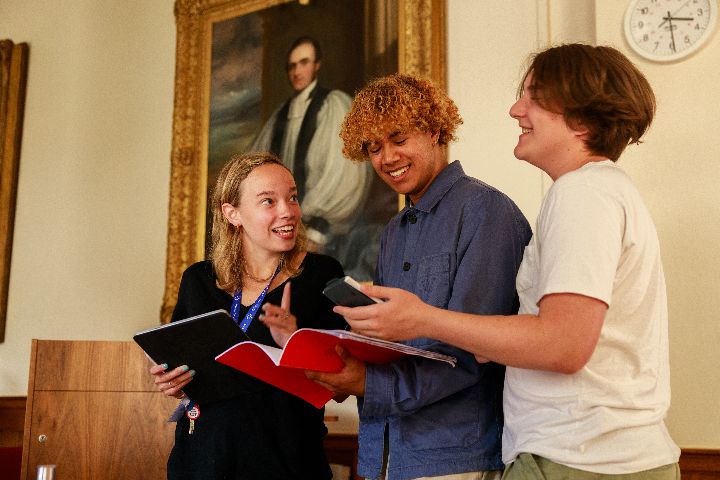
Skills such as communication, critical thinking, problem-solving and teamwork are now valued across almost every sector. That is why opportunities such as Immerse Education’s TED Summer School in partnership with TED can be so valuable for students who are still exploring, as the two-week programme builds confidence through communication, storytelling, self-expression and critical thinking, ending with each participant delivering their own TED-style talk.
The Rise of Interdisciplinary Careers
Many of the roles your students are preparing for no longer sit within one clear subject area. A career in sustainability can combine environmental science, economics and policy, while work in artificial intelligence may require technical knowledge alongside ethics, communication and critical thinking.
You can see the same pattern in digital marketing, where creativity, data and commercial awareness often overlap, or in healthcare innovation, where biology, technology and design increasingly work together. For educators, this matters because career guidance should help students see how different subjects, skills and interests can connect in ways that reflect the real world.
Why Digital Literacy Is Now Essential
Just as note-taking has shifted from pens and notebooks to tablets and iPads, the workplace has changed in ways that make digital literacy essential across almost every profession. Your students are entering a world where everyday work may involve Zoom meetings, Google Workspace collaboration or tools such as SketchUp.
For educators, digital literacy is no longer a useful extra. It is part of career readiness because students need to understand how technology shapes work and the skills employers expect.
The Shift Away From a Single Lifelong Career
Unlike the past, when students were often expected to study one subject, qualify in that area and stay in the same profession for life, many are now entering a world where career paths are far less fixed. A student might study psychology and move into marketing, begin in law and later work in policy, or start in science and shift into healthcare innovation.
For educators, that changes what career guidance needs to do. It should help students build confidence, adaptability and decision-making skills, not just commit too early to one long-term path.
Join the Immerse Education 2025 Essay Competition
Follow the instructions to write and submit your best essay for a chance to be awarded a 100% scholarship.
5 Steps to Support Career Guidance for High School Students
By high school, career questions often show up through subject choices, university uncertainty and hesitation about what comes next, which is where your guidance starts to matter most.
Here are five steps that can help you respond with more clarity.
Step 1: Start With Self-Discovery
Students often reach high school able to name subjects they like, but not what those preferences might actually suggest.
Your role is to help them spot patterns, whether that is enjoying debate, solving problems, leading group work or working independently, so career conversations start from something more useful than vague interests or whatever job happens to sound impressive.
Step 2: Introduce a Wide Range of Career Pathways
Career ideas often feel limited simply because the same few professions are repeated most often at home, such as doctor, lawyer or engineer. That can leave careers such as UX design, speech therapy, climate policy or product management completely outside a student’s field of view.
One of the most useful things you can do is widen that frame, so decisions are shaped by awareness.
Step 3: Build in Real-World Career Exposure
Students can express interest in finance, medicine or law without really understanding what those fields look like day to day. That is why exposure matters.
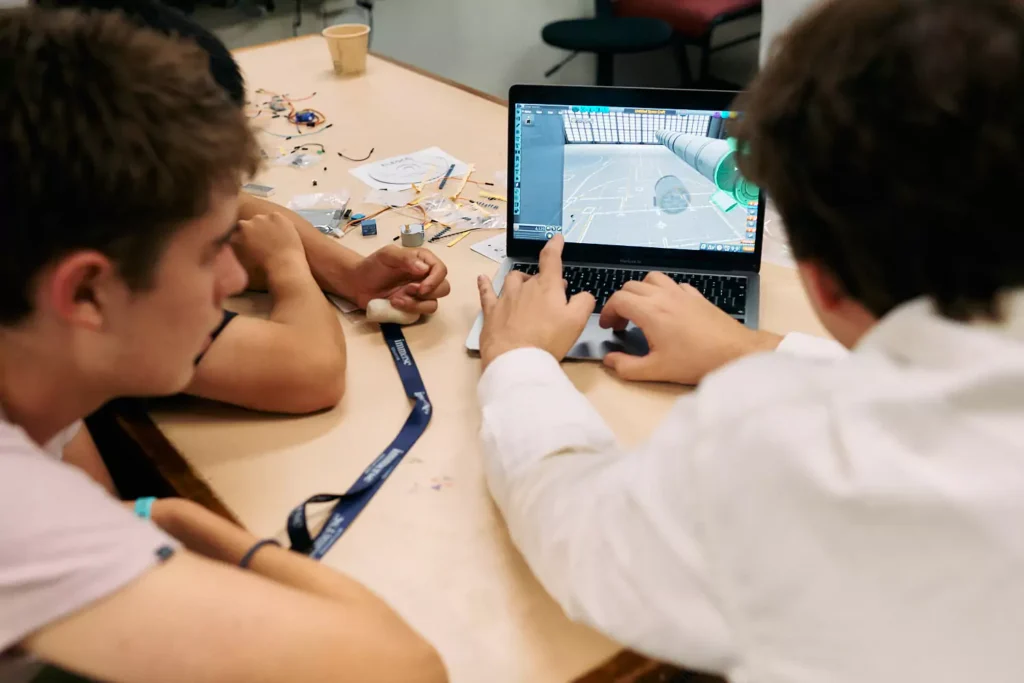
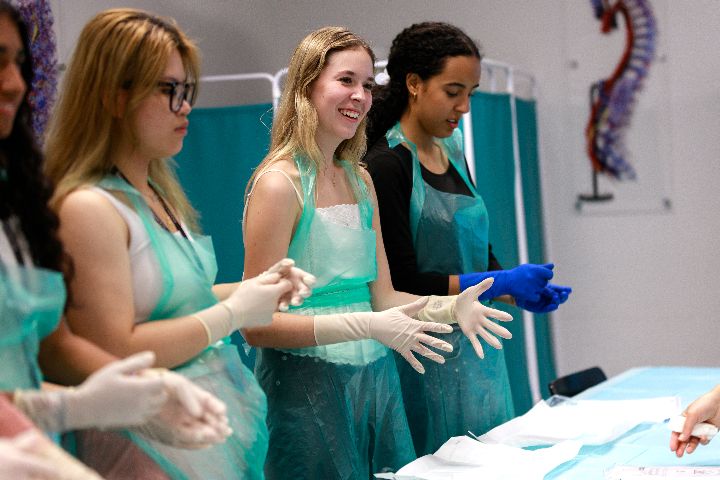
Guest speakers, short placements, mentoring, virtual work experience and industry-based projects can all help students test assumptions early, before they start building plans around a version of work they do not yet fully understand.
Step 4: Use Technology to Support Exploration
Without structure, online career research can quickly become a mix of vague listicles, polished job content and shallow advice.
As an educator, you can make technology far more effective by guiding students towards tools that compare pathways, show labour market trends, offer virtual work experience or break down what a role actually involves beyond its title.
Step 5: Encourage Reflection and Informed Decision-Making
Exposure on its own is not enough if students never stop to process what they have seen. After a university fair, mentoring session or work experience placement, the more useful question is not just what they did, but what they noticed, what challenged them and what felt worth exploring further.
Reflection makes those moments more meaningful, helping students make decisions based on clearer thinking rather than first impressions alone.
The Role of Technology in Modern Career Guidance
Technology has made career guidance more accessible, especially for students exploring options beyond what they see at school or home. Used well, it can widen access, personalise exploration and make unfamiliar pathways feel more concrete.
It can support career guidance in several practical ways:
- Career exploration platforms: These can suggest roles based on interests, strengths and subject preferences.
- Labour market insight: Students can see which sectors are growing and where demand is shifting.
- Virtual work experience: Simulations and online projects can show what different professions involve day to day.
- Skills development: Online courses can introduce areas such as coding, digital marketing or entrepreneurship.
- Professional exposure: Digital platforms can connect students with mentors, speakers and industry voices they may not otherwise meet.
Technology can do a lot, but it should not replace professional judgement. Students still need your guidance to interpret what they find and reflect on what actually fits.
Why Real-World Experience Still Matters
Ed-tech tools can widen access to career information, but researching what it means to be a doctor is still not the same as hearing about the role from an actual one. The same applies across law, engineering, finance and many other fields, where day-to-day realities are often far more nuanced than students expect.
That is why real-world experience still matters. Direct exposure to professionals and industry projects gives students a clearer understanding of workplace culture, expectations and required skills. For many, that kind of exposure is what turns a vague interest into a more informed decision.
Building Transferable Skills for Future Careers
Modern career guidance for students emphasises transferable skills because they stay valuable even as industries evolve and career paths shift.
The most important ones often include:
- Communication: presenting ideas clearly and engaging different audiences
- Critical thinking: analysing information and weighing different perspectives
- Collaboration: working effectively with people across backgrounds and disciplines
These skills are built through practice, not theory alone. That is also why our TED Summer School fits naturally here, as students are guided by TED-trained tutors and can develop these abilities through a two-week experience in London, New York or Singapore.
Preparing Students for an Unpredictable Future
No educator can tell students exactly what the job market will look like in ten years, which is why career guidance now needs to prepare them for change, not certainty. The goal is not to predict one perfect path, but to help students stay curious, adaptable and confident as industries shift.
That means encouraging them to explore widely, build transferable skills and see career development as something that keeps evolving. When students understand that change is part of working life, they are more likely to meet new opportunities with resilience.
Conclusion
Effective guidance now needs to do more than point students towards one job title as the future keeps changing.
For educators, that means combining reflection, exposure and real-world insight to support better decisions without pushing students too soon.
Career guidance for students is most valuable when it helps young people understand themselves, explore possibilities and approach the future with confidence.
For students ready to move beyond abstract career advice, our Career Insights programme offers hands-on projects, site visits, expert coaching and global city experiences that turn curiosity into real direction.