



 Русский (RU)
 Українська (UK)
 Türkçe (TR)
 Italiano (IT)
 Français (FR)
 Português (PT)
 中文 (中国) (ZH)
 Español (ES)
 日本語 (JA)
 ไทย (TH)
 Deutsch (DE)
 Ελληνικά (EL)
 Polski (PL)
 Bahasa Indonesia (ID)
 Nederlands (NL)
 العربية (AR)
 한국어 (KO)

If you’re a high school student interested in banking, investing, or how financial systems operate, you may already be curious about how money moves through markets and how major financial decisions are made, which is exactly why banking and finance summer internships for high school students can be such a valuable next step. They offer a more direct way to explore a field that goes far beyond numbers, involving analysis, strategy, risk management, and real-world decision-making.
Imagine spending your summer working with financial firms, startups, or structured internship programmes where you analyse market trends, assist with research, or learn how investment decisions are made. Picture collaborating with professionals, contributing to projects, and gaining insight into areas like investment banking, asset management, or financial consulting. These experiences offer hands-on exposure to how the financial world operates.
How do you choose the right banking and finance summer internships for high school students?
With many options available, it’s important to distinguish between internships that offer meaningful, project-based experience and those that are more observational. Some programs are highly structured with mentorship, training sessions, and workshops, while others place you directly into real-world environments. Thoughtful research helps ensure you find an opportunity that aligns with your interests and skill level.
Banking and finance internships may involve working with financial institutions, participating in investment simulations, or joining structured programs that focus on business and finance. You might analyze data, assist with research, build mock portfolios, or present insights, gaining a practical understanding of how financial decisions are made.
You’ll learn from experienced professionals, collaborate with motivated peers, and develop essential skills such as analytical thinking, problem-solving, and communication. Along the way, you’ll build confidence, strengthen your resume, and gain a clearer understanding of what pursuing finance at the university level might truly involve.
To help you get started, we’ve curated a list of 15 Banking and Finance Summer Internships for High School Students.
For adjacent opportunities, you can consider finance summer programs and online economics programs.
15 Banking and Finance Summer Internships for High School Students
1. TIP Intern Program – Federal Reserve Bank of Boston
Location: Boston, MA
Cost/Stipend: Paid, amount not specified
Acceptance rate/cohort size: Highly selective; approximately 20-30 interns per year
Dates: July – August, with potential for year-round extension
Application Deadline: Typically, early Spring
Eligibility: High school students aged 16-18 who have completed their sophomore year in a Boston Public School; U.S. citizens or permanent residents; not open to international students
The TIP Intern Program stands out among banking and finance summer internships for high school students because it places you inside a major financial institution where you begin to understand how banking, economics, and public-facing financial systems connect in practice. During the experience, you take on a job assignment while also participating in workshops that build workplace communication, problem-solving, and technical skills.
Depending on your placement, you may support teams connected to finance, accounting, research, or operations, giving you exposure to how a central bank functions day to day. Mentorship is a built-in part of the structure, so you learn how professionals approach their roles over time. The program also includes career development sessions.
Why it stands out: Few high school internships offer direct exposure to a Federal Reserve setting with the possibility of multi-year continuation.
2. Immerse Education’s Banking and Finance Summer School

Location: London, and New York
Cost/Stipend: Varies; summer school scholarship available through our bursary programme
Acceptance rate/cohort size: Selective; an average of 7 participants per session
Dates: 2 weeks during the summer
Application Deadline: Multiple summer cohorts with rolling admissions
Eligibility: High school students aged 15-18; open to international students
The Career Insights Program lets high school students explore careers in major global industry hubs. The Banking and Finance Summer track is designed to provide students with direct exposure to real-world Banking and Finance Summer workflows and professional environments.
Participants engage in project-based learning with established companies, attend interactive workshops, and visit offices, factories, and headquarters. The program also includes weekly 1:1 career coaching sessions and personalized feedback on your resume and overall profile. You’ll present your findings to industry experts at the end of the program. You can find more details about the application here.
Why it stands out: It allows you to explore practical, real-world applications of academic subjects and career fields, helping you see how professional pathways operate beyond the classroom.
3. KPMG U.S. Empower High School Experience
Location: Available in 11 U.S. cities, including New York City, Chicago, Washington D.C., and Boston. Participants must live within commuting distance of a participating office
Cost/Stipend: Paid hourly, rate not disclosed
Acceptance rate/cohort size: Competitive; approximately 200 participants across all 11 U.S. markets annually
Dates: Typically 3 weeks during July
Application Deadline: Usually mid-April
Eligibility: Rising high school juniors and seniors (ages 16-18) who live within commuting distance of a participating office; authorized to work in the U.S.; not open to international students
In this program, you will explore core corporate topics like fundamental accounting principles, auditing procedures, tax concepts, and advisory services. You will actively participate in interactive skill-building workshops, collaborate with peers to solve real-world case studies, attend business etiquette classes, and network directly with industry experts.
By tackling these hands-on assignments, you will develop essential workplace skills, including critical thinking, complex problem-solving, teamwork, and relationship management. What makes this program truly unique is its deep financial investment in participants; it accepts only about 200 students across 11 U.S. markets and provides a generous hourly wage alongside dedicated clothing and transportation stipends.
Why it stands out: It breaks down traditional barriers to corporate entry by offering comprehensive financial support and direct mentorship at a premier accounting firm before you even finish high school.
4. CLA High School Internship Program
Location: Various locations across the U.S.
Cost/Stipend: $18-$20/hr
Acceptance rate/cohort size: Selective; 60-70 students
Dates: Mid-June – August
Application Deadline: Typically early January
Eligibility: Current high school juniors or seniors who are between the ages of 16-18 and authorized to work in the U.S. without the need of an employment visa; not open to international students
CLA’s High School Internship Program gives you early exposure to accounting, finance, and professional services through a summer placement inside a working firm. You may take part in case studies, team projects, documentation work, and shadowing experiences that show how client-facing financial services are delivered.
The internship is useful if you want to understand how accounting and advisory work supports decision-making for businesses and organizations. The program introduces you to multiple service areas and the way different teams connect across a firm. Mentorship is a core aspect, helping you translate what you observe into a clearer understanding of possible college and career paths.
Why it stands out: It gives you a broad view of how a professional services firm operates, not just a narrow introduction to one finance role
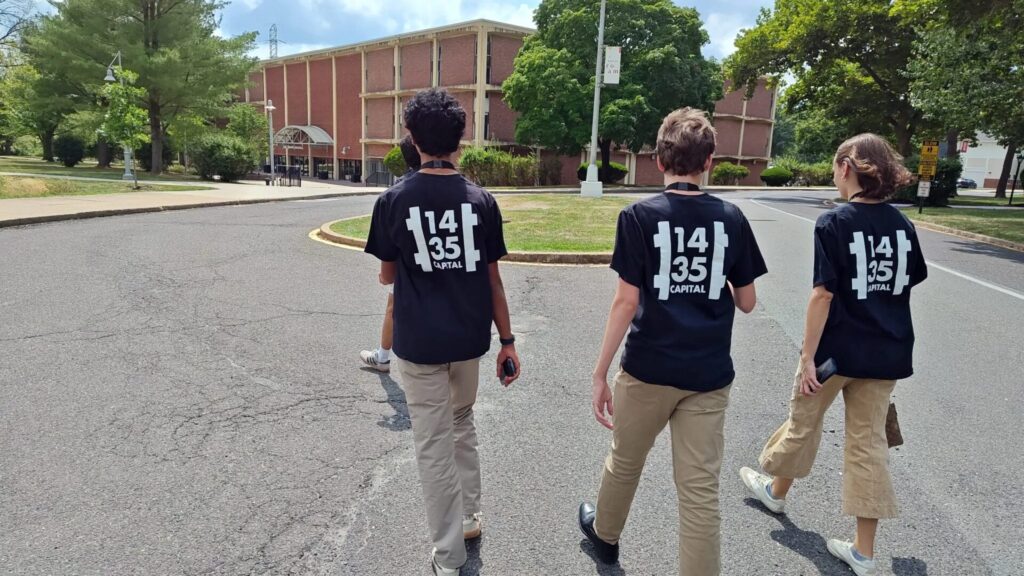
5. 1435 Capital Management LLC High School Venture Analyst Internship
Location: Hybrid, with in-person work at Princeton, NJ
Cost/Stipend: Paid, amount not specified
Acceptance rate/cohort size: Highly selective; about 3-4 high school interns
Dates: 10 weeks during the summer between June and August
Application Deadline: Rolling basis
Eligibility: Rising high school juniors and seniors who are at least 16 years old, authorized to work in the U.S. without sponsorship, and able to commute to Princeton; not open to international students
1435 Capital Management’s Venture Analyst Internship introduces you to finance through the lens of venture capital, where market research, startup analysis, and investment thinking all come together. You may spend your time researching companies, studying industry trends, reviewing growth potential, and helping organize information used in decision-making. These activities give you a sharper sense of how investors evaluate risk, opportunity, and long-term business potential.
The work sits at the intersection of finance and entrepreneurship, so the internship can also help you understand how funding shapes innovation.In addition to analytical tasks, you may support presentations and internal operations, which builds professional communication alongside research skills.
Why it stands out: It is an unusually selective high school opportunity in venture capital, a field that most students do not access until much later.
6. Chicago Summer Business Institute
Location: Chicago, IL
Cost/Stipend: Paid, amount not disclosed
Acceptance rate/cohort size: Highly selective; ~125 students each year
Dates: 6 weeks during the summer, between June – August
Application Deadline: March 31st
Eligibility: High school sophomores and juniors with a family income of $80,000 or less per year and who are residents of Chicago; GPA of B or 3.0; not open to international students
The Chicago Summer Business Institute combines a workplace placement with weekly professional development, giving you exposure to how business and finance operate beyond the classroom. During the internship portion, you may support an employer in areas tied to office operations, financial services, or public-sector administration, depending on your assignment.
The added seminar component lets you step back from the job site to build skills in resume writing, communication, and financial literacy. You also gain experience navigating expectations in a formal work setting while still having room for guided reflection and support.
Why it stands out: It pairs a paid internship with a consistent seminar series, so you get both workplace exposure and structured business training.
7. Futures and Options Internship Program
Location: Multiple locations across NYC with hybrid/remote options available
Cost/Stipend: $17/hr
Acceptance rate/cohort size: Selective; approximately 400-600 interns annually
Dates: 6 weeks in July-August
Application Deadline: January/February
Eligibility: High school juniors and seniors (ages 16-19) who reside in and attend school in the five boroughs of New York City; have valid US work authorization; not open to international students
Futures and Options places you in a paid internship after a required preparation process that helps you enter the workplace with stronger professional habits and clearer expectations. Placements vary, but students interested in banking, finance, and business can be matched with organizations where they see how office-based teams operate and make decisions.
In addition to your internship hours, you participate in workshops on communication, interviewing, resume development, and financial literacy. You are also supported by a program coordinator who helps you navigate the experience and address challenges as they come up. Some internship sites include career exploration trips or additional employer engagement.
Why it stands out: It combines individualized placement support with strong pre-professional training and ongoing mentorship throughout the summer.
8. Air Academy Credit Union (AACU) High School Internship Program
Location: Multiple locations across CO with initial training at HQs, Colorado Springs, CO
Cost/Stipend: Paid hourly, rate not disclosed
Acceptance rate/cohort size: Selective; cohort size not disclosed
Dates: June 8-16 or July 13-21 (7-day initial training); work continues through the school year
Application Deadline: April 12
Eligibility: High school students age 16 or older who will be in the 11th or 12th grade during the upcoming school year in an AACU-serviced school (check here for the qualifying school districts); not open to international students
The Air Academy Credit Union (AACU) High School Internship Program is a professional development opportunity for students in Colorado, focusing on the financial services industry. It places you in a member-facing financial environment where you learn how banking services work at the branch level.
After initial training, you begin supporting day-to-day operations that may include processing transactions, handling routine procedures, and assisting with service-related tasks. The program gives you practical exposure to how financial institutions manage accuracy, trust, and customer interaction. You also benefit from mentorship and periodic feedback, which helps you improve throughout the internship.
Why it stands out: It extends beyond the summer, giving you sustained experience inside a real credit union rather than a short observational placement.
9. OneAmerica Financial Junior Fellows Program
Location: Indianapolis, IN
Cost/Stipend: Paid hourly, rate not disclosed
Acceptance rate/cohort size: Selective; ~6 students
Dates: Typically mid-June through mid-July (5 weeks)
Application Deadline: January
Eligibility: High school juniors and seniors who reside in or near Indianapolis (Central Indiana); not open to international students
OneAmerica Financial’s Junior Fellows Program introduces you to the financial services industry through a short-term summer experience built around shadowing, projects, and workplace training. You rotate through different parts of the company, which helps you see how multiple functions contribute to a large financial organization.
Along the way, you work with peers on collaborative assignments and attend sessions designed to strengthen problem-solving, interviewing, and professional communication. Job-shadowing adds another layer by showing you how professionals actually spend their time and make decisions.
Why it stands out: Its rotational format helps you explore several parts of the financial services world in a single internship experience.
10. NCDOT High School Budgeting and Civil Finance Internship
Location: Division 10 Offices & Field Sites, Charlotte, NC
Stipend: Paid, amount not specified
Acceptance rate/cohort size: Highly selective; cohort size depends on annual budget allocations
Dates: Year–round, including a 10-week summer internship between June – August
Application Deadline: May 1st
Eligibility: Currently enrolled high school students in North Carolina; at least 16 years old at the time of employment; minimum overall GPA of 2.3 (on a 4.0 scale); not open to international students
This NCDOT internship introduces you to finance from a public infrastructure perspective, showing how budgeting and resource planning support large transportation systems. Your work may include tracking expenditures, organizing financial information, or assisting with tasks tied to project management and state operations.
The internship is connected to real public-sector projects, so you learn to understand how funding decisions influence infrastructure, timelines, and service delivery. The program also allows room for customization with hiring managers, which can make your experience more aligned with your interests. Over time, you build valuable practical skills in communication, organization, and data handling.
Why it stands out: It offers a less common angle on finance by connecting budgeting directly to infrastructure and state government operations.
11. United States Liability Insurance (USLI) Company High School Student Program
Location: Wayne, PA
Stipend: $17/hr
Acceptance rate/cohort size: Selective; part of a larger cohort of ~150-175 students
Dates: Year-round or Summer (typically June – August)
Application Deadline: January 31st
Eligibility: Current high school juniors planning to enter the workforce after graduating high school; they should have good math and typing skills for the accounting track; open to international students (F-1 visa holders with CPT/OPT or other work authorization)
USLI’s High School Student Program gives you a practical introduction to business operations through departments such as accounting and claims. In the accounting track, you may help with audit-related data, reporting updates, and documentation that supports internal financial processes. In the claims track, you see how records, communication, and cost tracking support a company built around risk management.
Either route helps you understand how finance-related work supports a larger business system rather than existing in isolation. The program also emphasizes transferable workplace skills, including communication, time management, and professional organization.
Why it stands out: It gives you a strong early look at how insurance companies use accounting, documentation, and risk systems to run core operations.
12. Fidelity Investments Asset Management High School Summer Internship
Location: Boston, MA and Merrimack, NH
Stipend: Paid hourly, rate not disclosed
Acceptance rate/cohort size: Highly competitive; ~50 students per site
Dates: 5 weeks from July-August
Application Deadline: Typically early March
Eligibility: Rising high school seniors legally authorized to work in the U.S. without sponsorship; not open to international students
Fidelity’s Asset Management High School Summer Internship introduces you to investment services inside a major financial institution through team-based projects and structured learning. As an intern, you may support research, presentations, or assignments that help you understand how market-focused work is organized. The internship also includes sessions with other students, which build workplace communication and financial literacy alongside your day-to-day responsibilities.
Exposure to mentors and professionals helps you understand how roles differ across a large firm and how decisions connect to broader market activity. The final presentation also gives you practice communicating what you learned in a professional setting.
Why it stands out: It places you inside a major asset management environment, offering early exposure to investment work that is hard to access in high school.
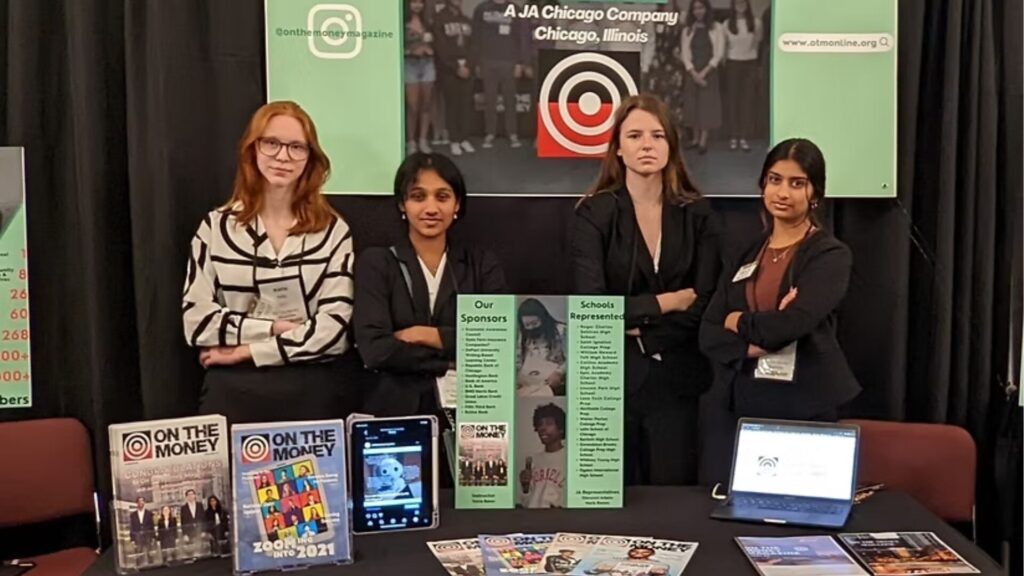
13. On the Money (OTM) Paid Internship – Economic Awareness Council (Chicago)
Location: Chicago, Illinois (hybrid: rotating in-person and virtual)
Stipend: $17.05/hr
Acceptance rate/cohort size: Selective; approximately 20-40 students per semester/summer session
Dates: June 15th – July 31st
Application Deadline: April 17th
Eligibility: High school students who are City of Chicago residents and aged 14-18; not open to international students
In this internship, you explore essential topics including basic economics, personal finance, and entrepreneurship. Your primary activities involve researching and writing finance articles for a teen-focused magazine, collaborating on community projects, networking with business professionals, and leading financial education presentations for your peers.
A unique feature of this program is its “by teens for teens” model, allowing you to directly impact your community while earning an hourly wage and obtaining a formal financial literacy certification. By participating, you develop capabilities in financial management, journalistic writing, public speaking, and peer mentoring.
Why it stands out: It blends financial education with journalism and community leadership, empowering you to become a paid financial mentor for other youth rather than just a passive learner.
14. San Antonio Sports Finance Internship
Location: San Antonio, TX (San Antonio Sports Offices / Event Sites)
Stipend: Paid weekly, amount not disclosed
Acceptance rate/cohort size: Selective; generally 1-3 interns
Dates: Year-round (Flexible schedules; often aligned with Summer, Fall, or Spring semesters)
Application Deadline: Rolling basis
Eligibility: High school students (Ages 16-19); must reside in the San Antonio area and provide own transportation; not open to international students
The San Antonio Sports Finance Internship puts you right in the middle of the daily financial operations for a major sports non-profit. Throughout this year-round program, you cover core finance topics like basic accounting, transaction documentation, and non-profit budgeting.
You will directly help the finance department by handling everyday tasks like doing data entry, organizing digital files, and preparing journal entries. You will also earn high school credit while seeing exactly how community sports leagues and events are funded. By the end, you walk away with practical bookkeeping skills, a sharp eye for financial details, and experience working in a real office environment.
Why it stands out: It offers high schoolers a rare chance to get actual, hands-on accounting experience rather than just participating in a standard observational shadow program.
15. Headquarters Student Internship Program – U.S. Treasury
Location: Washington, D.C.
Stipend: None
Acceptance rate/cohort size: Highly competitive; cohort size varies by semester
Dates: Summer: May – August
Application Deadline: Varies by semester
Eligibility: High school students in the U.S. who are enrolled or accepted at an accredited institution; 16+; minimum 2.0 GPA; not open to international students
The U.S. Treasury’s Headquarters Student Internship Program is one of the most distinctive banking and finance summer internships for high school students, giving you a direct look at how finance, economics, and public policy intersect inside the federal government. Based on your office, you may help organise information, research current issues, prepare briefing materials, or support projects tied to economic and fiscal priorities.
The experience is less about routine clerical work and more about understanding how financial decisions are developed, communicated, and managed at a national level. You also gain visibility into how different offices collaborate on policy, operations, and public-sector strategy.
Why it stands out: It offers rare high school access to finance and policy work inside a cabinet-level federal agency.
From Trading Floors to Future Career Choices
Finance feels different when you step inside real workplaces and see how decisions, risk, research, and strategy shape markets, companies, and everyday economic life today.
The banking and finance summer internships for high school students featured here show how early exposure can build practical insight, confidence, and sharper career direction.
As you analyse markets, support research, follow financial operations, or observe client work, you begin to understand where your interests could lead next in finance.
Step into our Career Exploration blogs to discover exciting pathways, useful industry insights, and study routes that can help shape your future with purpose today.