


 Русский (RU)
 Українська (UK)
 Türkçe (TR)
 Italiano (IT)
 Français (FR)
 Português (PT)
 中文 (中国) (ZH)
 Español (ES)
 日本語 (JA)
 ไทย (TH)
 Deutsch (DE)
 Ελληνικά (EL)
 Polski (PL)
 Bahasa Indonesia (ID)
 Nederlands (NL)
 العربية (AR)
 한국어 (KO)

In high school, summer is often seen as a break from structured academics. However, it can also be used as a focused period to explore fields like banking and finance, build quantitative and analytical skills, and develop a deeper understanding of global markets. Banking and finance summer programs for high school students provide structured environments where you can engage with real-world financial concepts while experiencing the expectations of university-level study.
You will explore topics such as financial markets, investment strategies, corporate finance, banking systems, and economic principles. These programs often include lectures, case studies, simulations, and projects that mirror introductory finance coursework. You will also develop essential skills such as data interpretation, critical thinking, financial analysis, and structured decision-making within economic contexts.
What kinds of banking and finance summer programs for high school students are there?
Finding strong programs requires attention to academic rigor, structure, and the depth of financial content offered. Some programs focus on introductory financial literacy and market awareness, while others provide more intensive coursework resembling undergraduate finance modules.
Universities and institutions offer banking and finance summer programs covering areas such as investment banking, asset management, financial analysis, and global economics. You will engage in lectures, simulations, case discussions, and applied assignments designed to reflect real financial decision-making processes. These programs help you understand how financial systems function, how risks are evaluated, and how investment decisions are made.
No matter the program, you will be expected to participate actively, complete assignments, and engage critically with financial concepts. To make selection easier, we’ve curated a list of 15 Banking and Finance Summer Programs for High School Students. They’ve been selected based on academic structure, institutional credibility, subject focus, and level of intellectual engagement.
For adjacent opportunities, consider the online economics program.
15 Banking and Finance Summer Programs for High School Students
1. Texas McCombs Summer Programs (MFEA / Subiendo / DYNAMC)
Location: Austin, TX
Cost: Free (tuition, accommodation, and meals covered)
Program Dates: May 31st – June 26th (program-specific dates within this range)
Deadline: January 31st
Eligibility: High school sophomores and juniors; Subiendo is limited to Texas high school juniors; open to domestic students (international eligibility not specified)
You’ll examine core areas of business and leadership through immersive, short-term academic programs. The experience emphasizes exposure to business disciplines such as accounting, management, and leadership development. You’ll apply these skills by engaging in real-world problem-solving scenarios and presenting ideas in competitive settings.
The curriculum includes mentorship from university students, networking with corporate representatives, and structured academic sessions. You’ll gain exposure to campus life through residential living and interaction with peers from diverse backgrounds. By the end of the program, you’ll develop a clearer understanding of business pathways and strengthen your leadership and academic interests.
Why it stands out: Fully funded residential experience combining business education, leadership training, and real college immersion.
2. Immerse Education’s Banking and Finance Summer School
Location: London and New York
Cost: Varies; summer school scholarship available through our bursary programme
Application Deadline: Multiple summer cohorts with rolling admissions
Program Dates: 2 weeks during the summer
Eligibility: High school students worldwide aged 15-18
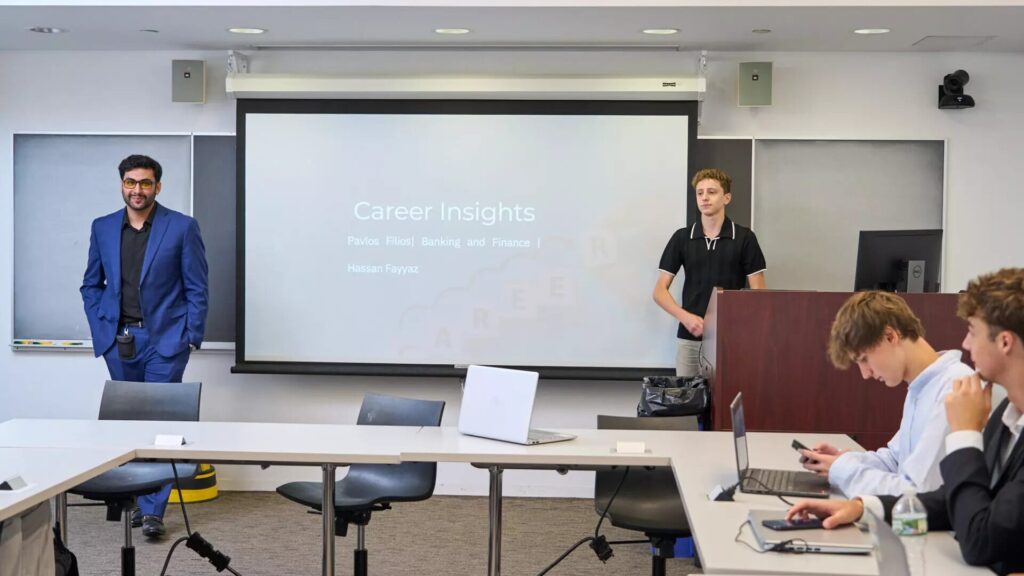
As one of the more career-focused Banking and Finance Summer Programs for High School Students, Immerse Education’s Banking and Finance Summer School lets you explore the industry in major global hubs like London and New York. You’ll gain exposure to real-world finance workflows and professional environments through project-based learning, interactive workshops, and visits to offices, companies, and headquarters.
The program also includes weekly 1:1 career coaching sessions and personalized feedback on your resume and overall profile. You’ll present your findings to industry experts at the end of the program. You can find more details about the application here.
Why it stands out: You’ll gain direct industry exposure, build a professional network, and receive a certificate you can include in your college applications and work profile.
3. Georgetown Pre-College Courses in Finance and Law
Location: Online
Cost: Enrichment $1,895 | College Credit $3,995
Program Dates: Multi-length courses available throughout the year
Deadline: Rolling admissions; varies by course availability
Eligibility: For students ages 13 and up; international students are eligible, as the programme is fully online and does not require travel or residency
You’ll examine foundational and applied concepts in banking, finance, and law through structured online coursework designed by Georgetown University faculty. The program offers two tracks: enrichment and college credit, each focusing on academic depth and applied learning. The program emphasizes independent learning supported by mentors or teaching assistants who provide feedback on structured tasks and a final capstone project.
You’ll apply frameworks from finance and legal studies to academic scenarios and analytical exercises. By the end, you’ll gain exposure to university-level expectations and develop clarity in subject specialization and academic direction.
Why it stands out: Dual pathway structure combining finance and law coursework with university-level academic credit options.
4. Finance: Creating and Building Wealth – Course for High School Students
Location: Online
Cost: $1,795
Program Dates: 2- and 4-week sessions available; next start date May 3rd – May 31st
Deadline: Rolling deadlines depending on session; for example, April 26 for the next intake
Eligibility: For students ages 13 and up; international students are eligible since the programme is fully online and does not require in-person participation
You’ll examine core financial concepts such as investing, budgeting, risk management, and wealth creation through a structured online course. The program emphasizes understanding financial decision-making using real-world scenarios, including analysis of the wealth gap and personal financial planning.
You’ll build skills in evaluating assets and liabilities, managing debt, and applying risk-return frameworks to investment decisions. You’ll also gain exposure to behavioral finance and practical tools used in financial planning. By the end, you’ll develop structured financial reasoning and applied knowledge of personal and corporate finance principles.
Why it stands out: Capstone-driven finance course focused on applied wealth-building frameworks and financial decision-making.
5. Investing: The Future of Finance – Online Course for High School Students
Location: Online
Cost: $1,595
Program Dates: Multiple 1-, 2-, and 4-week sessions available; next start window May 3rd – May 31st
Deadline: Rolling deadlines depending on selected session; for example, April 26 for the next intake
Eligibility: For students aged 13 and above; international students are eligible as the programme is fully online and does not require physical attendance
You’ll examine how modern financial markets operate, with emphasis on investing, capital markets, and emerging financial technologies. The program focuses on how companies raise capital through IPOs, bonds, private equity, and venture capital. You’ll build understanding of financial instruments, equity markets, ESG investing, and decentralized finance systems such as blockchain and cryptocurrencies.
You’ll apply analytical thinking through case-based learning and structured exercises that simulate financial decision-making. The course includes insights from industry professionals in trading, investment banking, and asset management. By the end of the program, you’ll develop a structured understanding of market behavior and foundational investment analysis skills used in finance roles.
Why it stands out: Industry-informed investing curriculum covering traditional markets, FinTech disruption, and digital finance systems.
6. Wall Street, Investing & Trading – Online High School Finance Program
Location: Online
Cost: $200 per hour
Program Dates: 2-week programme; multiple sessions available across June – August
Deadline: Rolling enrolment, depending on session availability
Eligibility: For high school students; international students are eligible as the programme is delivered fully online with live virtual instruction
You’ll examine foundational and applied concepts in financial markets with a focus on Wall Street operations, investing, and trading practices. The program is structured into two sequential modules covering market structure, stocks, bonds, IPOs, and portfolio management. You’ll build skills in financial analysis, stock research, technical and fundamental analysis, and risk management using simulated trading environments.
The course emphasizes applied learning through live instruction and guided exercises that mirror entry-level finance workflows. You’ll gain exposure to how economic indicators, interest rates, and market events influence trading decisions. By the end, you’ll develop practical investing literacy and structured analytical skills relevant to finance and economics pathways.
Why it stands out: Live trading-focused curriculum with simulated portfolios and step-by-step exposure to Wall Street-style financial analysis.
7. Entrepreneurship: From Ideas to Impact in Fintech
Location: Online (Rice University Precollege Online Program)
Cost: $1,795
Program Dates: Multi-length courses available throughout the year; 2-week and 4-week sessions
Deadline: Rolling admission; varies by session
Eligibility: For students ages 13 and up; open to international students, delivered fully online
You’ll study how fintech entrepreneurship reshapes traditional financial systems through digital disruption, with a focus on payments, lending, blockchain, and algorithmic finance. You’ll examine how firms such as PayPal, Venmo, and Apple Pay scale financial services and how regulatory frameworks influence innovation. You’ll build understanding of debt structures, robo-advising, and data-driven financial decision-making.
You’ll also develop a basic business plan that considers market size, revenue models, and technology integration. By the end, you’ll gain structured exposure to fintech strategy, financial analysis, and early-stage venture thinking.
Why it stands out: Structured fintech entrepreneurship training combining case studies, applied finance, and venture planning within a university-designed online format.
8. Introduction to Business, Finance, and Economics
Location: Columbia University Pre-College Programs, in-person and online
Cost: $4,018, online
Program Dates: Summer A: June 29th – July 17, 2026; Summer B: July 21st – August 7, 2026; in-person and online options vary
Deadline: Summer A deadline closed; Summer B deadline: May 25th
Eligibility: Students in high school; international students are not explicitly restricted
You’ll examine how firms make financial and economic decisions under constraints of capital, risk, and market behavior. The course focuses on the valuation of firms, securities, and investments, along with models used to identify viable investment opportunities. You’ll study financial markets, including stocks and bonds, and understand how capital is raised through different instruments.
You’ll apply microeconomic frameworks to analyze firm behavior and market interactions. You’ll also explore risk sources and the historical development of financial markets. Through case studies and independent work, you’ll build structured analytical skills in finance, economics, and investment decision-making.
Why it stands out: University-level exposure to financial markets, valuation models, and applied economic analysis through case-based and independent study learning.
9. Pre-College Enrichment Montreal – On the Campus of McGill
Location: McGill University, Montreal, Canada
Cost: $5,799 + airfare; commuter option: $1,999
Program Dates: July 6th – July 19th
Deadline: Rolling basis
Eligibility: Grades 9-12; international students are eligible for this study-abroad pre-college programme in Canada
You will study on the McGill University campus in Montreal through a 14-day pre-college enrichment program that combines academic coursework with structured experiential learning. You will choose from morning and afternoon classes in subjects such as psychology, business entrepreneurship, sports management, forensic science, social justice, communication, and global affairs.
The program emphasizes applied learning through case studies, group discussions, and a business plan development component in entrepreneurship. By the end of the program, you will have worked on practical assignments, collaborative projects, and presentations that reflect introductory university-level expectations and help you assess your academic interests.
Why it stands out: Combines McGill campus immersion with multi-disciplinary applied coursework and structured experiential learning.
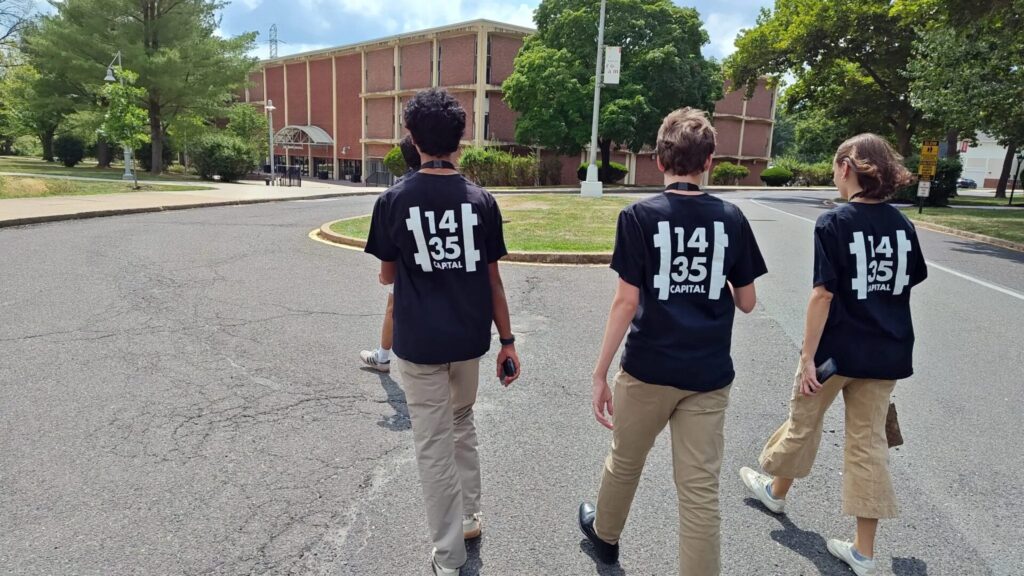
10 Venture Analyst Internship – 1435 Capital Management
Location: Princeton, NJ (hybrid with in-person attendance required)
Cost: Free
Program Dates: Not mentioned
Deadline: Rolling admissions
Eligibility: High school students aged 16-18; open to domestic students (international eligibility not specified)
You’ll examine venture capital processes, including startup evaluation and investment strategy development. The program emphasizes applied finance through direct exposure to private market investing workflows. You’ll apply these skills by engaging with early-stage companies and understanding how investment decisions are structured.
The curriculum includes hands-on experience with real-world financial processes and exposure to entrepreneurial ecosystems. You’ll gain insight into how venture capital firms assess risk, growth potential, and innovation. By the end of the program, you’ll develop foundational knowledge of venture investing and clarity on finance and entrepreneurship pathways.
Why it stands out: Provides direct exposure to venture capital operations and startup evaluation within a real firm environment.
11. Investment Portfolio Management – Columbia University (NYC Summer Program)
Location: Columbia University, New York City, USA
Cost: ~$6,381 (commuter) / ~$12,838 (residential, 3 weeks)
Program Dates: Summer A: June 29th – July 17th; Summer B: July 21st – August 7, 2026
Deadline: Rolling (course fills quickly)
Eligibility: High school students (grades 9-12); international students are eligible
Investment Portfolio Management at Columbia University is a 3-week, intensive course that introduces students to how professional investors build and manage diversified portfolios. You’ll explore asset classes including stocks, bonds, ETFs, cryptocurrency, real estate, futures, and options, while learning how valuation, diversification, and risk management shape real investment decisions.
Alongside this, you’ll analyze investor behavior, study common pitfalls, and evaluate performance using industry-standard metrics. This is a quantitatively rigorous course, requiring comfort with math and analytical thinking. By the end, you’ll have a working understanding of portfolio construction, investment strategy, and how financial markets function in practice.
Why it stands out: A simulation-driven investing course that mirrors real portfolio management, combining multi-asset exposure with live decision-making, performance tracking, and insights from industry professionals.
12. Fidelity Boundless High School Internship
Location: Boston, MA; Merrimack, NH
Cost: No cost
Program Dates: 5-week program
Deadline: Applications closed; opens in Spring (window unspecified)
Eligibility: Female high school students; open to domestic students (international eligibility not specified)
You’ll examine core functions within financial services through structured exposure to industry roles and workflows. The program emphasizes observational learning, workplace immersion, and career exploration within a corporate setting. You’ll build foundational knowledge by shadowing professionals and engaging with teams across different functions.
The curriculum includes interaction with Fidelity associates, offering insight into daily responsibilities and decision-making processes. You’ll gain exposure to workplace communication and professional expectations in finance environments. By the end of the program, you’ll develop clarity on finance careers and build early-stage professional awareness.
Why it stands out: Focuses on real workplace immersion through job shadowing and structured exposure to financial services roles.
13. Finance and Investing Institute – Wake Forest University
Location: Wake Forest University Reynolda Campus, Winston-Salem, North Carolina, USA
Cost: $3,500
Program Dates: June 14-19, 2026 or June 21-26, 2026
Deadline: Rolling admissions (waitlist for 2026)
Eligibility: High school students (grades 9-12); international eligibility: Available
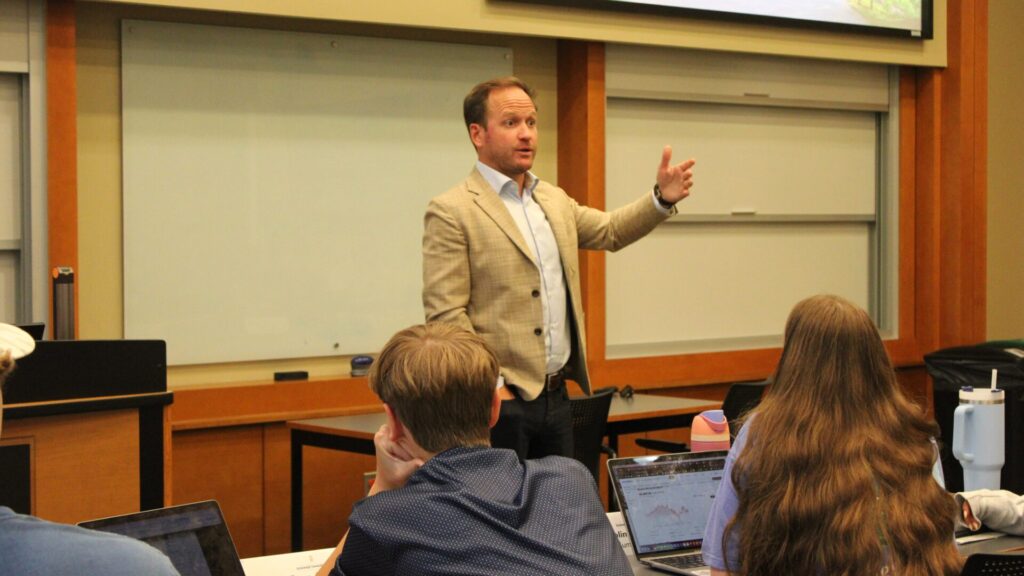
The Finance and Investing Institute at Wake Forest University is a 1-week, residential program focused on core principles of finance, investing, and market analysis. You’ll explore how financial markets operate, learn investment strategies across assets like stocks and bonds, and understand concepts such as valuation, risk, and the time value of money.
The program combines classroom instruction with applied learning, including financial statement analysis, market discussions, and exposure to real-world financial environments. You’ll also develop professional skills through activities like pitching investment ideas and participating in a mock investment competition. By the end, you’ll gain a foundational understanding of finance, build a sample investment portfolio, and explore career pathways in financial services.
Why it stands out:
Combines practical investing experience with exposure to industry professionals, including hands-on portfolio building and a live-style investment pitch environment.
14. Youth Entrepreneurship Program (YEP)
Location: Kansas City, MO
Cost: Paid (hourly compensation + $2,500 scholarship upon completion)
Program Dates: June 2nd – June 27th; July 7th – August 1st
Deadline: February 1st
Eligibility: High school students (specific grade/age not specified; domestic focus implied)
You’ll examine entrepreneurship through direct placement within high-growth startups. The program emphasizes experiential learning by embedding students in real business environments and operational workflows. You’ll build skills in problem-solving, communication, and startup dynamics by working alongside founders and teams.
The curriculum includes weekly company visits to explore different industries and entrepreneurial ecosystems. You’ll gain exposure to how startups scale, raise capital, and navigate challenges in early-stage growth. By the end of the program, you’ll develop practical business experience and a clearer understanding of entrepreneurial career pathways.
Why it stands out: Combines paid startup internships with structured exposure to multiple companies and a strong alumni network.
15. FAME Camp: Personal Finance Summer Institute
Location: Portland, ME
Cost: Free
Program Dates: July 15th – July 19th
Deadline: Applications open May 23rd
Eligibility: Maine high school students; preference for classes of 2025 and 2026
You’ll examine core principles of personal finance through a structured, short-term intensive program. The course emphasizes practical financial literacy, including budgeting, credit management, taxes, saving, and investing. You’ll build skills in managing money and understanding economic concepts that impact everyday financial decisions.
The curriculum includes instructor-led sessions and real-world financial scenarios designed to strengthen decision-making. You’ll gain exposure to how financial systems function at both personal and broader economic levels. By the end of the program, you’ll develop a foundational understanding of personal finance and improve your financial planning skills.
Why it stands out: Focuses on practical financial literacy with a structured service project component for continued learning.
From Market Simulations To Career Pathways
Every balance sheet, pitch deck, and market movement tells a story about how people make choices with money, risk, and opportunity.
In the banking and finance summer programs for high school students featured here, you practise reading those stories through simulations, case studies, and projects.
You may discover an interest in analysing companies, building portfolios, exploring fintech, studying global markets, or understanding how capital supports new ideas.
Curious where that could lead next? Explore our Career Exploration blogs to compare finance careers, key skills, industry insights, and study routes.