
 Русский (RU)
 Українська (UK)
 Türkçe (TR)
 Italiano (IT)
 Français (FR)
 Português (PT)
 中文 (中国) (ZH)
 Español (ES)
 日本語 (JA)
 ไทย (TH)
 Deutsch (DE)
 Ελληνικά (EL)
 Polski (PL)
 Bahasa Indonesia (ID)
 Nederlands (NL)
 العربية (AR)
 한국어 (KO)

If you’re a high school student interested in cancer research, you’ve probably realised that curiosity alone isn’t enough. Reading about breakthroughs in immunotherapy or genetics can spark your interest, but cancer research programs for high school students can help you understand how research actually happens, from designing experiments and analysing data to working towards treatments that could change lives.
Imagine spending your summer studying cancer biology in a university lab, learning how researchers investigate tumour growth, or discussing bioethics and clinical trials with scientists and mentors. These experiences give you more than academic exposure; they introduce you to the real process of scientific discovery and the challenges researchers face in advancing medicine.
How do you pick the best cancer research program for high school students?
But not all research opportunities provide the same level of mentorship or meaningful engagement. Some focus mainly on lectures, while others immerse students in active research projects and lab-based learning. That’s why choosing the right program matters.
Across universities, hospitals, and research institutions, high school students can now access programs that introduce them to laboratory techniques, data analysis, scientific writing, and contemporary challenges in oncology and biomedical science. Along the way, you’ll learn from researchers and medical professionals, collaborate with motivated peers, and develop analytical and problem-solving skills that extend far beyond the lab.
Cancer research is one of the most demanding and rapidly evolving fields in science, but finding the right starting point shouldn’t be difficult. To help you explore your options, we’ve compiled a list of 15 Cancer Research Programs for High School Students. They’ve been selected for their academic rigor, mentorship opportunities, and exposure to real-world scientific research.
For adjacent opportunities, consider the biology summer program and the online medicine program.
15 Cancer Research Programs for High School Students
1. UW Carbone Cancer Center ARISE Summer Research Internship
Location: Program starts with a meeting at the University of Wisconsin–Madison, but research lab locations will depend on student interest and mentor lab placements
Stipend: $15 per hour
Acceptance rate/cohort size: Selective
Dates: June 15th – August 7th
Application Deadline: February 6th
Eligibility: Must have completed sophomore year; Must be age 16+ at start of program; international eligibility not disclosed
The ARISE Summer Research Internship gives you early exposure to cancer research inside a mentor-led biomedical lab. You spend a considerable part of the program learning laboratory techniques, observing research workflows, and contributing to a project connected to your mentor’s work. Alongside lab training, you take part in career development sessions that introduce fields such as nursing, pharmacy, pathology, and medical ethics.
The program also helps you build scientific communication skills through presentation workshops and enrichment activities. By the end, you gain a clearer sense of how cancer research connects to healthcare careers and receive a certificate recognizing your research experience.
Why it stands out: Combines consistent lab immersion with structured career exploration, helping you connect hands-on cancer research to a wide range of healthcare pathways early on.
2. Immerse Education’s Medicine Summer School
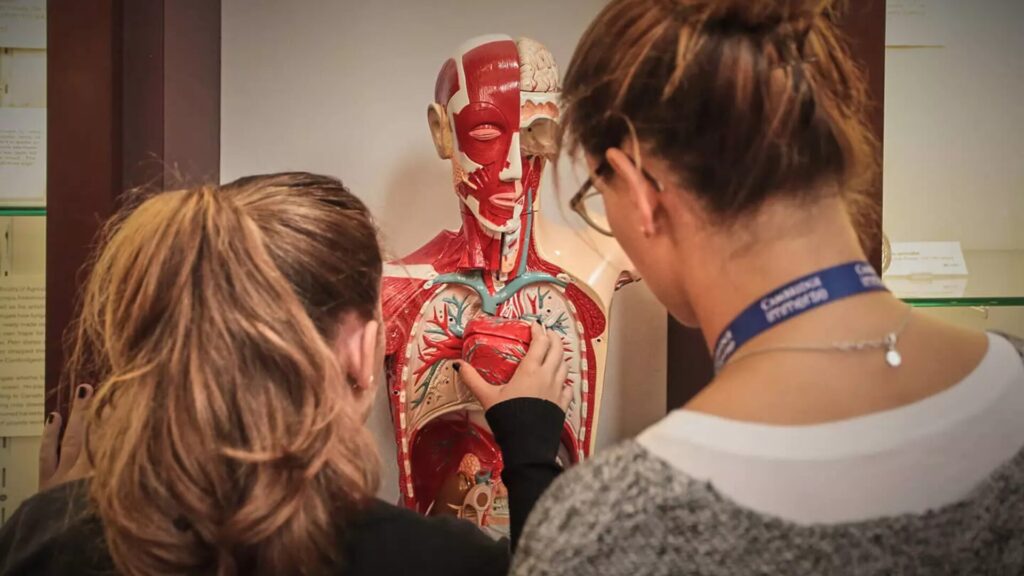
Location: Cambridge, Oxford, Toronto, London, Singapore, Tokyo, and Sydney
Cost: Varies; summer school scholarship available through our bursary programme
Acceptance rate/cohort size: Selective; an average of 7 participants per class
Application Deadline: Multiple summer cohorts; rolling admissions
Program Dates: 2 weeks during the summer
Eligibility: Students worldwide aged 13-18 currently enrolled in middle or high school
The Immerse Education Medicine Summer School gives you the opportunity to explore medicine through hands-on learning, clinical case studies, and university-level scientific discussions. For students interested in cancer research, the programme introduces topics such as genetics, immunology, diagnostics, and modern cancer treatments, helping you understand how diseases develop and how therapies are designed. You also examine areas like epigenetics, biomarkers, and personalised medicine while learning from medical researchers and practitioners.
Through research projects and collaborative workshops, you build critical thinking, analytical, and scientific communication skills that are essential in the medical and cancer research fields. The programme combines academic learning with practical applications, allowing you to explore how laboratory discoveries translate into real patient care and treatment strategies. By the end, you gain a stronger understanding of modern medicine and a deeper insight into the scientific challenges involved in cancer diagnosis, prevention, and treatment.
Why it stands out: You’ll study under expert academics, be guided daily by a university student mentor, complete a project you can show in future applications, and experience genuine university college life, with other campuses worldwide as alternatives.
3. University of Texas MD Anderson Cancer Center – Carl B. & Florence E. King Foundation High School Summer Program
Location: MD Anderson Cancer Center, Houston, TX
Stipend: $6,800
Acceptance rate/cohort size: Highly selective; Small cohort
Dates: June 1st – August 7th
Application Deadline: January
Eligibility: Current Texas public, private, or charter high school seniors; At least 18 years old by the program start; U.S. citizen or permanent resident
The Carl B. & Florence E. King Foundation High School Summer Program places you in one of the country’s leading cancer research environments for intensive biomedical training. Interns work under the guidance of MD Anderson faculty on an active research project, gaining experience with laboratory discipline, data collection, and scientific investigation.
Faculty seminars expand your exposure to different areas of cancer science and allied health careers. You also build communication skills through abstract writing, poster work, and short research presentations. The program concludes with a final presentation experience.
Why this stands out: Offers full-time placement at a leading cancer center, giving you a realistic understanding of the pace, discipline, and expectations of professional biomedical research.
4. Emory University’s Winship Cancer Institute’s Summer Scholars Research Program
Location: Emory University’s Winship Cancer Institute, Atlanta, GA
Stipend: $2,400
Acceptance rate/cohort size: 10-12 students
Dates: June 8th – July 17th
Application Deadline: February 6th
Eligibility: Rising and graduating high school seniors who are U.S. citizens or permanent residents and 16 or older when the program begins
Winship’s Summer Scholars Research Program gives you direct exposure to cancer research through a one-on-one mentorship model. Participants are paired with a Winship physician or laboratory-based researcher and contribute to an ongoing project in cancer biology, oncology, or patient care. Faculty lectures help you understand the breadth of cancer research, from lab discoveries to clinical applications.
The program also includes field experiences and discussions that introduce you to medical facilities, cancer treatment, and survivor perspectives. Throughout the internship, you develop research, collaboration, and presentation skills while working alongside professionals in the field. At the end, you present your project at a symposium attended by researchers, doctors, graduate students, and invited guests.
Why this stands out: The one-on-one mentorship model, combined with clinical exposure and site visits, gives you a well-rounded view of both research and patient-centered oncology work.
5. University of Chicago: Chicago EYES on Cancer
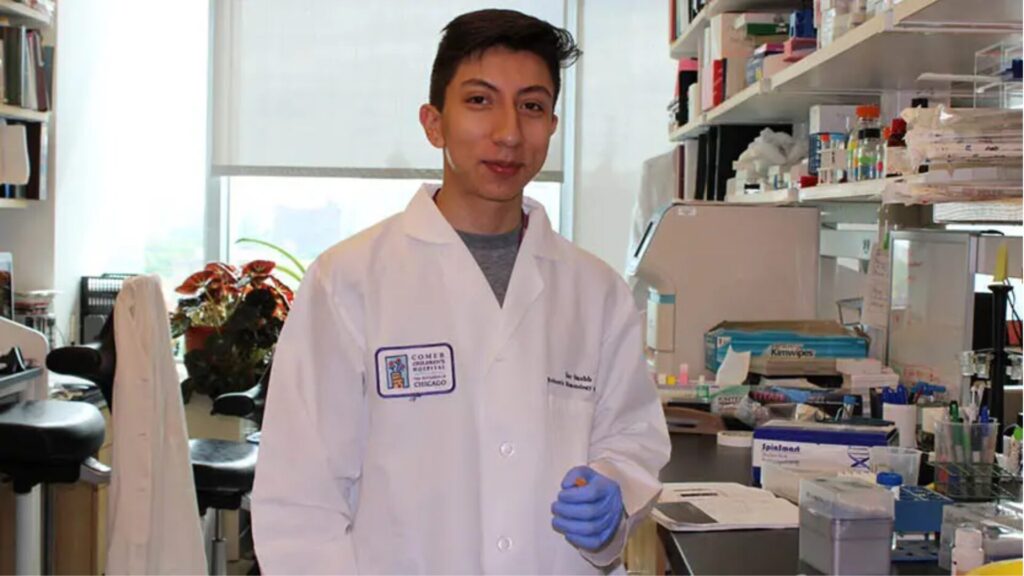
Location: University of Chicago, Chicago, IL
Stipend: $5,000
Acceptance rate/cohort size:Competitive
Dates: Two 8-week summer sessions (June – August) + Monthly enrichment activities
Application Deadline: Varies (released each fall)
Eligibility: High school sophomores, juniors, or seniors, or college freshmen/sophomores ages 16+; High school applicants must be residents of Cook, Lake, Will, or DuPage counties in Illinois or Lake County in Indiana
Chicago EYES on Cancer is designed for students who want sustained exposure to cancer research rather than a one-time summer experience. You’ll work in university research labs across areas such as basic science, translational research, clinical studies, and population health. The program combines hands-on lab work with a cancer-focused lecture series, helping you connect research techniques to larger questions in medicine and public health.
Year-round workshops support your academic planning, communication skills, and career development. Ongoing mentorship from faculty, research professionals, and peers gives the experience more continuity than a standard short-term internship. You conclude the program with participation in a research symposium where you present your work and reflect on your growth as a young researcher.
Why this stands out: Extends beyond a single summer with continued mentorship and programming, making it one of the few options that support long-term development in cancer research.
6. Future Scientist Program at IU Simon Comprehensive Cancer Center
Location: Indiana University Melvin and Bren Simon Comprehensive Cancer Center, Indianapolis, IN
Stipend: Paid
Acceptance rate/cohort size: Small, competitive cohort
Dates: 8 weeks in the summer
Application Deadline: Not specified
Eligibility: High school juniors from Marion County public schools with a minimum 3.0 GPA
The Future Scientist Program introduces you to oncology research through paid, hands-on work in a university lab. You spend the summer working with scientists on projects related to cancer biology, molecular changes, prevention, and treatment.
Your mentor helps you understand how experiments are designed, how data is interpreted, and how research teams move from a scientific question to meaningful findings. The program is especially useful if you are curious about biomedical careers but want to see what research looks like beyond classroom science. You also gain experience with lab routines, documentation, and collaboration with researchers.
Why it stands out: Provides a fully immersive, paid lab experience that introduces you to the realities of oncology research while building foundational lab and collaboration skills.
7. University of Illinois CHESS – Cancer Health Equity Summer Scholars
Location: University of Illinois Cancer Center, Chicago, IL
Stipend: $3,000
Acceptance rate/cohort size: Not specified
Dates: June 15th – August 7th
Application Deadline: January 19th
Eligibility: High school sophomores, juniors, and seniors who are residents of Cook County
CHESS combines cancer research training with a strong focus on health equity, making it a valuable option if you are interested in both science and healthcare access. Scholars are matched with a UIC faculty lab based on their interests and may work on topics ranging from molecular biology to computation or biostatistics. Through your independent project, you build skills in research methods, data collection, analysis, and scientific interpretation.
Lectures and workshops add context around professional development, academic pathways, and research communication. The program also encourages you to think about how social, environmental, and structural factors shape cancer outcomes. You conclude the experience by presenting your work at a student research symposium.
Why this stands out: Integrates cancer research with a strong focus on health disparities, helping you understand how scientific findings intersect with real-world healthcare challenges.
8. University of Illinois College of Medicine – Summer Science Internship
Location: University of Illinois College of Medicine, Rockford
Stipend: Stipend is sponsored by Thermo Fisher Scientific
Acceptance rate/cohort size: 7 students each year
Dates: June 15th – August 7th (tentative)
Application Deadline: April 17th
Eligibility: High school students who are at least 16 years old by May 1st; View the list of eligible high schools here
The Summer Science Internship at the University of Illinois College of Medicine Rockford gives you the chance to work alongside biomedical scientists in active research labs. Projects may connect to cancer, vaccine development, drug discovery, or other disease-focused areas, allowing you to see how lab science supports medical progress.
You learn practical lab skills while contributing to ongoing studies and observing how research teams organize experiments. The program also includes career-building training in areas such as resumes, interviewing, leadership, teamwork, and presentations. It ends with opportunities to share your work through oral and poster-style communication.
Why this stands out: Combines lab research with structured professional development, giving you both technical skills and practical preparation for future academic and career steps.
9. UCSF Summer Student Research Program
Location: San Francisco and Oakland, CA
Stipend: $3,000
Acceptance rate/cohort size: Very selective; ~35-40 students per year
Dates: June 15th – July 31st
Application Deadline: February 14th
Eligibility: High school juniors or seniors | Age 16+ by June 1st | At least one year of completed math and biology; must be U.S. citizens or permanent residents
The UCSF Summer Student Research Program places you in a clinical or biomedical research environment with close mentor support. Depending on your placement, you may contribute to work involving cancer genetics, treatment development, patient outcomes, pediatric care, or other health science topics.
Weekly seminars, workshops, and journal clubs help you understand how research is planned, reviewed, and applied in medical settings. You also build scientific writing skills through components such as research proposals, abstracts, and project summaries. The program concludes with poster and oral presentations at a formal research symposium.
Why this stands out: Places you in a clinical research environment with direct mentorship from practicing clinicians and researchers, offering insight into how research translates into patient care.
10. Research Science Institute (RSI) – Medicine/Oncology Focus
Location: Massachusetts Institute of Technology, Cambridge, MA
Cost/Stipend: None
Acceptance rate/cohort size: ~2.5%; 100 students/year
Dates: June 28th – August 8th
Application deadline: December 10th
Eligibility: High school juniors worldwide who meet the RSI academic prerequisites
RSI is one of the most rigorous research programs for high school students interested in advanced STEM fields, including medicine and oncology. You begin with intensive coursework in scientific theory and research practices before moving into an independent project under expert mentorship.
If your placement connects to cancer research, you may explore topics such as genomics, tumor biology, computational medicine, or cancer-related data analysis. The program expects you to engage with current literature, design a research plan, and carry out your work with a high level of independence. You also develop formal scientific communication skills through a written paper and conference-style oral presentation.
Why this stands out: One of the most selective programs globally, it expects you to complete the full research cycle independently, from literature review to final presentation, at a near college-research level.
11. Stanford Institutes of Medicine Summer Research Program (SIMR) – Cancer Biology Placement
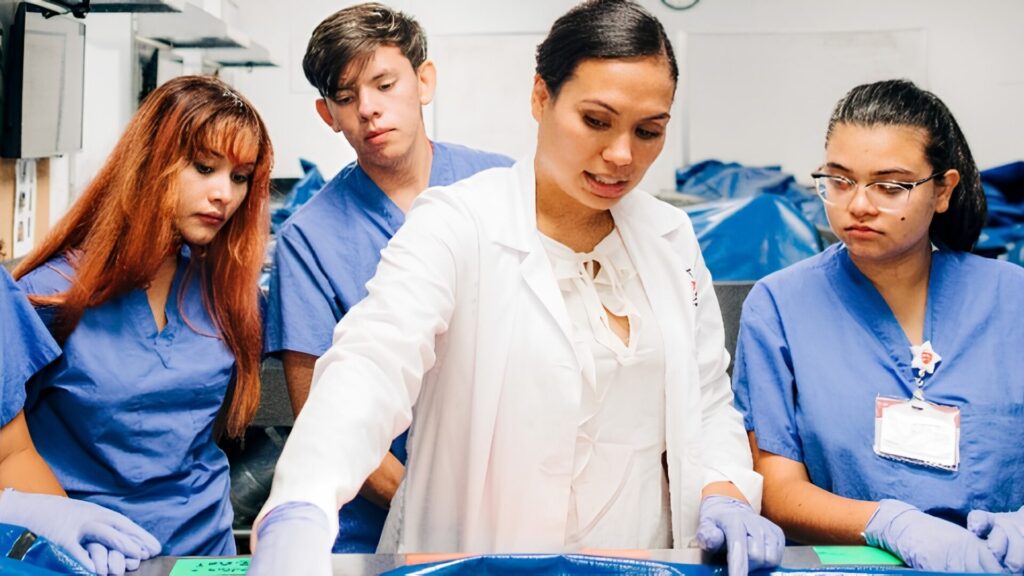
Location: Stanford University, Stanford, CA
Stipend: Limited stipends provided
Acceptance rate/cohort size: Very selective; ~50 students
Dates: June 8th – July 30th
Application Deadline: February 21st
Eligibility: Current 11th and 12th graders aged 16+; Must be a US citizen or permanent resident and attend school in the US. Bay Area students are prioritized
As one of the more specialised cancer research programs for high school students, SIMR gives you the opportunity to work in a Stanford medical research lab while focusing on areas such as cancer biology, immunology, stem cells, or related biomedical fields. After being matched to an institute, you complete a mentored research project under the guidance of a faculty member, graduate student, or postdoctoral researcher.
Your day-to-day work may involve lab techniques, data collection, analysis, and regular discussions about your project’s direction. Seminars and professional development sessions help you understand broader careers in science and medicine. The cancer biology placement is especially relevant if you want exposure to research on disease mechanisms, treatment development, or prevention. Toward the end, you prepare a research poster that communicates your findings clearly and professionally.
Why this stands out: Gives you access to Stanford’s research ecosystem with close mentorship, allowing you to contribute to active biomedical projects while building a strong technical foundation.
12. The Anson L. Clark Scholars Program – Cancer Biology or Cancer Bioimaging Placement
Location: Texas Tech University, Lubbock, TX
Stipend: $750 + $25 application fee
Acceptance rate/cohort size: Very selective; 12 students
Dates: June 21st – August 6th
Application Deadline: February 16th
Eligibility: Current 11th and 12th graders ages 17+; Must be a US citizen or permanent resident
The Clark Scholars Program is one of the more selective cancer research programs for high school students, giving you the chance to pursue independent research in a faculty-mentored setting. If you choose a cancer-focused placement, your work may fall within cancer biology or cancer bioimaging, allowing you to approach oncology through either biomedical science or engineering-based methods.
You work closely with a Texas Tech faculty mentor to develop, conduct, and refine a project tied to your research interests. Weekly lectures, discussions, and field experiences broaden your exposure beyond your specific lab or discipline. The program also puts focus on final written work, which helps you practice formal academic communication.
Why this stands out: Offers flexibility to approach cancer research through both biological and engineering perspectives while working closely with faculty on an independent project.
13. UChicago Medicine – SHE (Summer Healthcare Experience) in Oncology
Location: Virtual
Stipend: $500 taxable stipend
Acceptance rate/cohort size: 20 trainees
Dates: July 13-25
Application Deadline: Not specified
Eligibility: High school students in Cook, Lake, Will, or DuPage counties in Illinois or Lake County, Indiana
SHE in Oncology is a focused virtual program that introduces you to cancer science, patient care, and biomedical career pathways. You work on genetics-based research activities and patient case study projects that help you understand both the biological and clinical sides of oncology. Faculty lectures and daily discussions cover cancer diagnosis, treatment, research methods, and healthcare decision-making.
Skill-building workshops help you develop scientific interpretation, communication, and collaboration skills. Panels with professionals also give you insight into the range of careers connected to cancer medicine and research. The program ends with presentations where you share your project work with mentors and peers.
Why this stands out: Combines research concepts with clinical case analysis in a virtual format, making cancer science accessible while still emphasizing collaboration and application.
14. Simons Summer Research Program (SSRP)
Location: Stony Brook University, Stony Brook, NY
Cost/Stipend: No tuition, but a residential fee of $2,450 applies to students who need university housing | Paid
Acceptance rate/cohort size: Very selective; <5% acceptance rate
Dates: June 29th – August 7th
Application Deadline: February 5th
Eligibility: Rising seniors aged 16+ who are US citizens or permanent residents aged 16+ | Students must be nominated by their high school; each high school may nominate up to 2 students
The Simons Summer Research Program places you in a Stony Brook research group where you contribute to a faculty-led project in science, mathematics, or engineering. If matched to a medical or oncology-related area, your work may involve tumor biology, pharmacology, biochemical informatics, or cancer-related mechanisms.
You learn how research teams investigate complex questions while developing technical skills specific to your placement. You also prepare a written abstract and research poster based on your project. The closing symposium gives you a formal platform to present your findings and demonstrate what you gained from the apprenticeship.
Why this stands out: Provides a highly selective, mentor-driven research placement with strong emphasis on independent work and formal scientific communication.
15. University of Florida Student Science Training Program (SSTP)
Location: University of Florida, Gainesville, FL
Cost: $5,500; financial aid available for Florida students
Acceptance rate/cohort size: Very selective; <15% acceptance rate for 90-student cohort
Dates: June 7th – July 25th
Application Deadline: March 25th
Eligibility: Rising 12th grade students living locally aged 16+
University of Florida’s SSTP is one of the few cancer research programs for high school students that combines rigorous research experience with academic coursework and structured mentorship. Participants join a UF lab and contribute to ongoing research, which may involve clinical science, bench research, engineering, computer-based work, or medical topics such as cancer biology. The program teaches you how to read scientific literature, follow lab procedures, use equipment, and implement a research plan under faculty guidance.
Alongside lab work, you attend a daily lecture series and take part in a small UF Honors seminar, with past topics including Cancer Biology and Therapeutics. Weekly lab notes, research writing, oral presentations, and poster work help you build strong scientific communication habits.
Why this stands out: Integrates lab research with a formal honors-level academic course, giving you both practical experience and structured academic learning in one program.
You’re right. Here’s a more article-specific version that ties back to cancer biology, lab placements, clinical exposure, genetics, treatment development, posters, and research mentorship.
Turning Cancer Research Exposure Into Deeper Learning
Cancer research can start with a summer lab placement, but it often leads to bigger questions about diagnosis, treatment, prevention, and patient care.
Through these 15 cancer research programs for high school students, you can study areas like genetics, immunology, tumour biology, bioethics, and clinical research methods.
Whether you collect data, attend faculty seminars, prepare a poster, or discuss oncology careers, each experience can sharpen your understanding of medicine.
Want to keep learning after the lab? Read our Medicine Top Books Guide for books that deepen your understanding of science, doctors, and patient care.