
 Русский (RU)
 Українська (UK)
 Türkçe (TR)
 Italiano (IT)
 Français (FR)
 Português (PT)
 中文 (中国) (ZH)
 Español (ES)
 日本語 (JA)
 ไทย (TH)
 Deutsch (DE)
 Ελληνικά (EL)
 Polski (PL)
 Bahasa Indonesia (ID)
 Nederlands (NL)
 العربية (AR)
 한국어 (KO)

Computer science continues to shape nearly every industry, from healthcare and finance to entertainment, robotics, and artificial intelligence. For students interested in technology, Computer science internships in California for high school students offer an opportunity to move beyond classroom learning and gain practical experience in real-world computing environments.
These internships allow students to apply programming, computational thinking, and problem-solving skills while working alongside researchers, engineers, faculty members, and industry professionals. Depending on the program, you may contribute to software development projects, conduct computational research, analyse datasets, explore machine learning applications, or investigate emerging technologies that are influencing the future of computing.
What kinds of computer science internships are available in California?
Computer science internships for high school students in California vary in focus, structure, and level of technical rigor. Some programs place students in university research laboratories where they contribute to ongoing computational projects, while others provide industry-focused experiences involving software development, engineering workflows, or emerging technologies.
Universities, national laboratories, research centers, and technology-focused organizations across California offer opportunities that expose students to areas such as artificial intelligence, machine learning, software engineering, cybersecurity, data science, robotics, and computational research. You often work alongside faculty mentors, researchers, engineers, and technical professionals while developing practical skills through project-based learning and guided mentorship.
To make your search easier, we’ve curated a list of 15 computer science internships in California for high school students.
For related options, have a look at summer internships in California.
Key takeaways
- SEAP places students in Department of Navy laboratories with a stipend of $4,000 for new participants or $4,500 for returning participants over an eight week internship, though it is not open to international students.
- Immerse Education’s Software Development and AI Summer Internship in San Francisco averages seven participants per class and is open to high school students worldwide aged 15 to 18, with bursary support available.
- Meta Summer Academy is a paid, six week program limited to 10th graders who are full-year residents of East Palo Alto, Belle Haven, or Redwood City.
- UCSD’s Research Experience for High School Students gives students hands-on access to the Expanse supercomputer for AI, machine learning, and parallel computing work, though it is unpaid and restricted to Southern California residents.
- Berkeley Lab’s Experiences in Research program pays $500 per week for a highly competitive six week placement working on Department of Energy computational projects.
- The AFRL Scholars Program pays a base stipend of $874.62 plus a $269 weekly travel stipend and $1,129 in one-time transport costs, but requires participants to be at least 18 years old.
- Genesys Works pays approximately $10,000 to $13,000 during senior year following an eight week summer training program, combining paid corporate work with college and career coaching.
- Nearly all computer science internships in California listed here are restricted to US citizens or permanent residents, with Immerse Education’s Software Development and AI Summer Internship standing out as one of the few options open to international students.
15 Computer Science Internships in California for High School Students
1. Science and Engineering Apprenticeship Program (SEAP)
Location: Various Department of the Navy Laboratories, United States
Stipend: $4,000 (new participants) or $4,500 (returning participants)
Dates: Eight-week summer internship (with the possibility of extending up to two additional weeks)
Application Deadline: November 1st
Eligibility: High school students who have completed at least Grade 9, are currently enrolled in high school, and are at least 16 years old by the internship start date. G. Primarily for U.S. citizens, though some laboratories may make exceptions for permanent residents, dual citizens, or age or grade requirements; not open to international students
The Science and Engineering Apprenticeship Program (SEAP) is a summer research internship that places high school students in Department of the Navy laboratories. You’ll work alongside scientists and engineers on active research projects in science, technology, engineering, and related fields. The program emphasizes hands-on research experience, technical problem-solving, and mentorship from laboratory professionals.
You’ll examine real-world scientific challenges and observe how research supports technological development within the Navy. You’ll gain exposure to professional laboratory environments while developing research and analytical skills. By the end of the program, you’ll have a clearer understanding of STEM careers and applied scientific research.
Why it stands out: You’ll contribute to active Department of the Navy research projects while receiving direct mentorship from working scientists and engineers.
2. Immerse Education’s San Francisco Software Development & AI Summer School
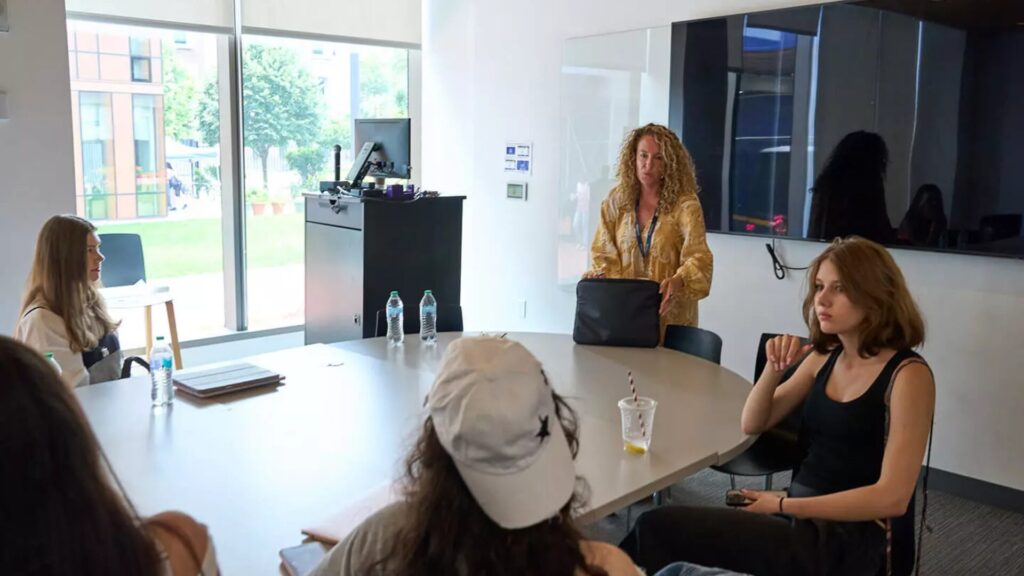
Location: University of California, Berkeley, San Francisco, California
Cost: Varies; summer school scholarship available through our bursary programme
Acceptance rate/cohort size: Selective; an average of 7 participants per class
Dates: Multiple summer cohorts available
Application Deadline: Varies based on cohort
Eligibility: High school students worldwide aged 15-18; open to international students
Immerse Education’s Software Development and AI Summer Internship is a residential program for students aged 15–18 interested in programming and game development. In this program, you’ll attend classes that cover core topics in software development, including coding and basic AI concepts.
The program includes projects where you build simple applications or game-based systems. Sessions also include discussions and insights from professionals working in the tech industry. You will work in small groups and complete tasks across the duration of the program.
Why it stands out: It gives you location-based exposure to Silicon Valley, along with project-based work in software and game development.
3. America On Tech (AOT) TECH360: Intro to AI
Location: Los Angeles
Stipend: $500
Dates: June 15th – July 2nd (Cycle 1); July 13-30 (Cycle 2)
Application Deadline: May 24th
Eligibility: Rising high school juniors and seniors (15-19 years old) who attend a public or public charter high school meeting the AOT Economic Needs Index in NYC, LA, Miami, or Atlanta; not open to international students
TECH360: Intro to AI is a summer bootcamp that introduces high school students to artificial intelligence and its real-world applications. You’ll examine how generative and predictive AI models are developed while exploring the data science and machine learning concepts behind them. The program emphasizes responsible AI use, ethical decision-making, and practical technology skills. You’ll apply your learning through structured activities, discussions, and collaborative problem-solving exercises.
Most sessions are delivered virtually, with required in-person meetings in Los Angeles. You’ll build communication and teamwork skills through a final group project focused on designing an AI-powered solution. By the end of the program, you’ll gain a stronger understanding of AI technologies and technology career pathways.
Why it stands out: You’ll develop and pitch an AI-powered solution while learning how artificial intelligence is built, applied, and evaluated in practice.
4. Meta Summer Academy
Location: East Palo Alto, Belle Haven, and Redwood City, California, United States
Stipend: Paid, amount not disclosed
Dates: Six weeks, typically beginning the third Monday of June
Application Deadline: February 14th
Eligibility: Tenth-grade students who are full-year residents of East Palo Alto, Belle Haven, or Redwood City; minimum cumulative GPA of 2.0; not open to international students
As one of the most well-known computer science internships in California for high school students, Meta Summer Academy is a six-week career exploration program designed to introduce students to technology and related career pathways. You’ll examine coding, financial literacy, art and media, networking, and professional development through structured learning activities. The program focuses on career exploration alongside technical and interpersonal skill development.
You’ll gain exposure to different roles within the technology sector while interacting with Meta employees, executives, guest speakers, and program mentors. The curriculum includes opportunities to build coding knowledge, strengthen communication skills, and reflect on future academic and career interests. You’ll also participate in networking activities that connect classroom learning with industry perspectives.
Why it stands out: You’ll explore both technical and non-technical careers in the technology industry while engaging directly with Meta employees and professionals.
5. AEOP High School Internships
Location: Multiple participating sites in California
Stipend: Paid, amount not disclosed
Dates: 5-10 weeks, typically running between June and August
Application Deadline: Varies by location; usually fall between late February and March
Eligibility: High school students who are at least 14 years old; U.S. citizens or legal permanent residents; additional requirements may vary by position; not open to international students
AEOP High School Internships are paid research experiences that place students in Army-sponsored research laboratories and university partner labs. You’ll work alongside professional scientists and engineers while contributing to research in fields such as cybersecurity, biology, materials science, and engineering.
They involve learning, scientific inquiry, and mentorship within active research environments, where you’ll apply classroom knowledge to real-world challenges while developing technical and professional skills. Internships are typically full-time and provide opportunities to engage with laboratory equipment, research methods, and STEM career pathways. You’ll also gain access to training resources, workshops, networking opportunities, and career guidance.
Why it stands out: You’ll conduct research with Army and university scientists while receiving mentorship, professional development support, and a paid stipend.
6. The Intern Project (TIP)
Location: Los Angeles County, California, United States
Stipend: Paid, amount not specified
Dates: June – August (8 weeks)
Application Deadline: Varies annually; typically between late February and late March
Eligibility: Students in 10th, 11th, or 12th grade who attend a public school in Los Angeles County; must be at least 16 years old; not open to international students
The Intern Project (TIP) is a paid internship program that connects high school students with organizations across Los Angeles County. You’ll gain exposure to career fields such as engineering and technology, business, healthcare, media and entertainment, government, and nonprofit organizations. The program emphasizes workplace learning through remote or on-site internships with partner companies and institutions.
You’ll apply professional skills in real work environments while receiving career development support and mentorship. Internship placements are matched based on your interests, experience, and location. You’ll build workplace communication, collaboration, and professional readiness skills while earning college credit.
Why it stands out: You’ll complete a paid internship with industry partners while earning college credit and gaining direct workplace experience.
7. Stanford SHTEM (Science, Humanities, Technology, Engineering and Mathematics) Internship
Location: Stanford University, Stanford, California, United States
Cost/Stipend: $95 application fee / No stipend
Dates: June 22nd – August 14th
Application Deadline: February 1st
Eligibility: Current high school juniors or seniors (Grades 11-12) during the application year and be at least 14 years old by June 21st; U.S. citizens or permanent residents; not open to international students
In this program, you’ll work in small research groups on projects that combine fields such as computer science, engineering, biology, neuroscience, psychology, linguistics, design, and the humanities. It involves research exploration beyond traditional subject boundaries while exposing you to new academic disciplines. You’ll examine research questions, contribute to collaborative projects, and learn from Stanford faculty, staff, and student mentors.
Most of your time will be spent conducting research and developing project outcomes within your assigned team. No prior research experience is required, making the program accessible to students who are new to academic research. By the end of the internship, you’ll gain research experience, interdisciplinary exposure, and a clearer understanding of university-level inquiry.
Why it stands out: You’ll participate in interdisciplinary Stanford research projects that intentionally connect STEM fields with the humanities, design, and human-centered inquiry.
8. UCSD Research Experience for High School Students (REHS)
Location: San Diego, California
Cost/Stipend: None
Dates: June 8th – July 31st
Application Deadline: March 15th
Eligibility: Southern California residents; completed most recent semester of high school in grade 10, 11, or 12; at least 16 years of age by June 15th of the application year; minimum 3.0 cumulative GPA; not open to international students
In this program, one of the more technically advanced computer science internships in California for high school students, you will collaborate alongside experienced computational research scientists on data-driven technology projects. You will gain foundational knowledge in high-performance computing by running computer jobs on the Expanse supercomputer using the Slurm workload manager. Throughout your workplace responsibilities, you will engage in tasks such as parsing text-based data in Python, developing interactive Jupyter Notebooks, and making Python-based API calls to commercial large language models.
This professional experience allows you to build a non-trivial natural language dataset while mastering artificial intelligence, machine learning, and parallel computing concepts. You will conclude your internship by designing a scientific poster to present your computational research findings at a celebratory final showcase.
Why it stands out: It provides rare high school access to the National Science Foundation-funded Expanse supercomputer for direct, hands-on execution of artificial intelligence and parallel computing workflows.
9. AFRL Scholars Program
Location: Edwards Air Force Base
Stipend: $874.62 + travel stipend of $269 per week + $1,129 for one-time transport (to and from the internship)
Dates: Typically 8-12 weeks during the summer
Application Deadline: January 10th
Eligibility: High school students must be at least 18 years old; enrolled in an educational institution; U.S. citizens; not open to international students
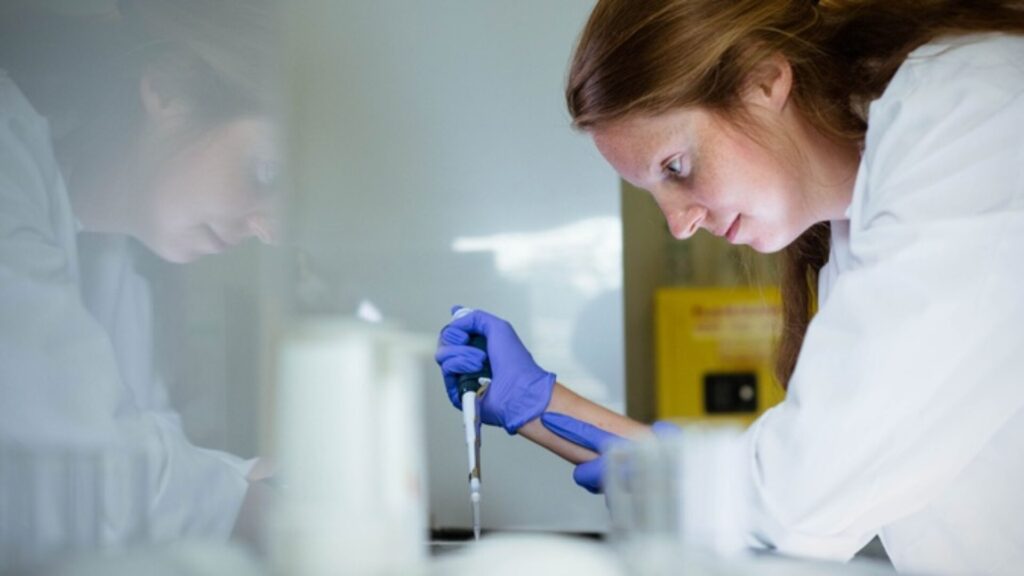
The AFRL Scholars Program is a paid research internship that places students in Air Force Research Laboratory environments. You’ll gain exposure to scientific and engineering research through full-time participation in laboratory projects. The program emphasizes applied research, technical problem-solving, and collaboration with research mentors, where you’ll examine real-world challenges related to science, engineering, and advanced technologies while working in a professional research setting.
You may contribute to ongoing projects and learn how research supports national defense and technological development. The internship also introduces students to research processes, workplace expectations, and scientific communication.
Why it stands out: You’ll work within an Air Force research environment and gain direct exposure to applied scientific and engineering research.
10. SLAC Summer Internship Program
Location: SLAC National Accelerator Laboratory. Menlo Park
Stipend: Paid hourly, rate not disclosed
Dates: Up to 12 weeks between May and September
Application Deadline: Rolling; varies by internship position
Eligibility: High school students aged 18+ who are authorized to work in the U.S.; must pass a basic background check; open to international students if they already possess valid, legal authorization to work in the U.S.
The SLAC Summer Internship Program allows you to work alongside scientists, engineers, and professionals at one of the United States’ leading national research laboratories. Throughout the internship, you’ll apply technical and analytical skills in a professional research environment while collaborating with SLAC researchers and staff.
Project responsibilities vary by department and may include data analysis, programming, laboratory work, engineering design, scientific experimentation, technical problem-solving, or administrative support. By the end of the internship, you’ll have strengthened your technical experience, professional communication skills, and understanding of how scientific research is translated into real-world applications.
Why it stands out: It offers paid, hands-on experience within a major U.S. national laboratory, allowing you to contribute to active research and technology projects while working directly with scientists, engineers, and industry professionals.
11. Scripps Research Translational Institute – Student Research Internship Program
Location: La Jolla, California
Stipend: Paid, amount not disclosed
Dates: June 1st – August 7th OR June 15th – August 7th
Application Deadline: March 30
Eligibility: High school students at least 16 years old; not open to international students
Among computer science internships in California for high school students with a biomedical focus, this internship lets you immerse yourself in the intersection of computer science, digital medicine, and genomics. You work alongside top scientists to analyze large-scale biomedical datasets using computational biology tools and statistical software. Your workplace responsibilities include writing code in Python or R to process clinical data, developing machine learning models, and interpreting information gathered from wearable health sensors.
You gain practical professional experience by actively participating in laboratory meetings, designing computational workflows, and presenting your research findings at a concluding symposium. Through this mentorship, you build highly technical programming skills while contributing directly to precision medicine initiatives. This rigorous environment offers an unparalleled introduction to modern bioinformatics and digital health research.
Why it stands out: It places you at the forefront of digital medicine by having you apply computer science algorithms to real wearable sensor data alongside leading genomic researchers.
12. Genesys Works High School Internship Program
Location: Bay Area(San Francisco, Oakland, San Jose)
Stipend: Approximately $10,000 – $13,000 during senior year
Dates: Summer training followed by a year-long senior-year internship (exact dates vary by location)
Application Deadline: Varies by location and application cycle
Eligibility: High school juniors who are on track to graduate, authorized to work in the U.S.; attending a Genesys Works partner school; on track to graduate high school; able to adjust the senior-year schedule to accommodate roughly 20 hours per week of afternoon internship work; not open to international students
As one of the career-focused computer science internships in California for high school students, this program begins with an eight-week summer training program focused on workplace communication, interview preparation, resume development, teamwork, public speaking, and technical skills relevant to business and technology roles. After training, you may be placed in a paid internship with a corporate partner, working approximately 20 hours per week during your senior year.
The program emphasizes professional responsibility, workplace collaboration, and practical experience in real business environments. Alongside the internship, you’ll receive college and career coaching, including support with applications, financial aid, and post-secondary planning. You’ll also gain access to a long-term alumni network that continues beyond high school graduation.
Why it stands out: The program combines paid corporate work experience, professional skills training, and college coaching throughout an entire academic year rather than only during the summer.
13. Stanford Institutes of Medicine Summer Research Program (SIMR)
Location: Stanford University School of Medicine, Stanford, CA
Cost/Stipend: $50 application fee applies; waivers are available / Very limited number of need-based stipends are available
Acceptance rate/cohort size: Highly selective; approximately 50-60 students
Dates: June 8th – July 30th
Application Deadline: February 21st
Eligibility: Current juniors and seniors who are 16 or older by the start date, attend high school in the U.S., and are U.S. citizens or permanent residents; not open to international students
This program offers an immersive eight-week bioinformatics and bioengineering track tailored just for you. You will explore cutting-edge topics like computational genetics, machine learning applications in healthcare, biological data mining, and database management. You will engage in hands-on activities such as reviewing scientific literature, writing code to analyze complex genomic datasets, building predictive models, and ultimately presenting your findings at a concluding poster symposium.
By collaborating directly with Stanford faculty and graduate mentors, you will develop critical technical communication, statistical analysis, and computer programming skills. The program fundamentally elevates your understanding of how algorithmic problem-solving can directly solve real-world medical anomalies.
14. Sandia National Laboratories Internships & Co-ops
Location: Livermore
Stipend: Paid hourly, rate not disclosed
Dates: Summer: 10-12 weeks (May to August); Year-Round: Ongoing part-time during academic terms and full-time during breaksCo-Op: 3-8 months during the academic term
Application Deadline: Rolling admissions
Eligibility: At least 16 years old; enrolled full-time in high school; minimum 3.0 GPA; U.S. citizens; not open to international students
In this program, you’ll work alongside scientists, engineers, and technical professionals on projects related to energy security, advanced materials, software development, engineering design, cybersecurity, and national security research. The program emphasizes practical application through project-based work, mentorship, and professional development activities. You’ll gain experience using advanced laboratory equipment, research tools, and industry-standard technologies.
Depending on your academic level and interests, you may participate through summer internships, year-round internships, or co-op placements. Many internships are part of the Intern Institute Program, which provides structured mentorship and networking opportunities. By the end of the experience, you’ll develop technical skills, workplace experience, and a clearer understanding of STEM careers in national laboratories.
Why it stands out: Sandia combines paid research experience, structured mentorship, and exposure to large-scale national security and engineering projects.
15. Berkeley Lab – Experiences in Research (EinR)
Location: Berkeley, California
Stipend: $500 per week
Acceptance rate/cohort size: Highly competitive; small cohort
Dates: June 15th – July 24th
Application Deadline: March 22nd
Eligibility: High school juniors or seniors; at least 16 years old by the program start date; U.S. citizen or permanent resident; not open to international students
The Experiences in Research internship stands out among computer science internships in California for high school students by placing you directly into the computational environment at Lawrence Berkeley National Laboratory. You collaborate alongside leading scientists on active Department of Energy projects requiring robust computer science solutions. Throughout the program, your workplace responsibilities include writing Python code, analyzing large-scale datasets, and developing algorithms to support scientific research.
You gain practical professional experience using complex digital systems, data visualization tools, and high-performance computing frameworks. Mentorship from established researchers helps you build critical computational workflows and problem-solving skills necessary for modern STEM careers. This engagement ensures you leave the laboratory with advanced programming capabilities and a deep understanding of applied technological innovation.
Why it stands out: It integrates high school students directly into national laboratory research groups, providing rare early exposure to supercomputing environments and federally funded computational science.
Frequently asked questions: Computer science internships in California for high school students
Are computer science internships in California open to international students?
Most computer science internships in California are not open to international students, since programs like SEAP, Meta Summer Academy, Stanford SIMR, and Sandia National Laboratories Internships require US citizenship or permanent residency. SLAC’s Summer Internship Program is a partial exception, accepting international students who already hold valid US work authorization. If you’re looking for a globally accessible option, Immerse Education’s Software Development and AI Summer Internship in San Francisco welcomes high school students worldwide aged 15 to 18 and offers bursary support.
Do computer science internships in California pay a stipend?
Many computer science internships in California are paid, though amounts vary widely by program. SEAP offers $4,000 to $4,500, Berkeley Lab’s Experiences in Research pays $500 per week, and Genesys Works can pay $10,000 to $13,000 across a senior year internship. Some programs, like Stanford’s SHTEM Internship and UCSD’s REHS, offer no stipend at all, and a few even charge an application fee. Always check the stipend and cost details for each program individually, since they differ significantly even among similarly structured research placements.
What grade level do you need to be in for a computer science internship in California?
Eligibility varies by program, with most requiring students to be in a specific grade range or a minimum age rather than accepting any high schooler. AEOP High School Internships accept students as young as 14, while Stanford SIMR and Berkeley Lab’s EinR require students to be current juniors or seniors and at least 16 years old. Meta Summer Academy is limited specifically to 10th graders. Reviewing each program’s exact grade and age requirements before applying can save you time on internships you may not yet qualify for.
How competitive are computer science internships in California?
Competitiveness varies significantly across programs. National laboratory placements like Berkeley Lab’s Experiences in Research and Stanford’s SIMR are highly selective, admitting small cohorts of around 50 to 60 students or fewer. Community-based or workforce development programs, like The Intern Project or AEOP, tend to have broader eligibility and larger cohorts. Meeting every eligibility requirement precisely and applying early both improve your odds regardless of how selective a given program is.
Can you do a computer science internship in California if you live outside the state?
Some computer science internships in California accept students from outside the state, but many restrict eligibility to state or even county residents. UCSD’s REHS is limited to Southern California residents, and JBEI’s iCLEM program requires residency in specific Bay Area counties. Immerse Education’s Software Development and AI Summer Internship, held in San Francisco, is open to students worldwide, making it a strong option if you live outside California entirely.
What kind of work do computer science interns in California actually do?
The work varies by host institution, but most programs place you on a real project rather than having you shadow professionals. UCSD’s REHS interns run computing jobs on the Expanse supercomputer and build natural language datasets, while Sandia National Laboratories interns contribute to software development and cybersecurity projects. Scripps Research interns write code in Python or R to process clinical data and build machine learning models. Most programs conclude with a poster session, final presentation, or showcase of your work.
When should you apply for a computer science internship in California?
Application timelines vary considerably, so it helps to begin researching in the fall or winter before your intended summer. Stanford’s SIMR and SHTEM programs have February 1 deadlines, while AFRL Scholars closes on January 10 and Berkeley Lab’s EinR closes on March 22. Because deadlines, required materials, and eligibility windows differ across every program, confirm exact dates directly on each program’s website well ahead of your target summer.
From California Labs To Tech Careers
California’s tech and research spaces can help you see how classroom coding connects to real software, data, AI, and computing challenges.
The 15 computer science internships in California for high school students listed here show routes through national labs, university research, corporate placements, and AI projects.
Some internships offer stipends and mentorship, while others focus on supercomputing, cybersecurity, software development, biomedical data, or long-term career coaching.
Ready to explore where your technical interests could lead? Visit our Career Exploration blogs for role guides, industry insights, and next steps.