

 Русский (RU)
 Українська (UK)
 Türkçe (TR)
 Italiano (IT)
 Français (FR)
 Português (PT)
 中文 (中国) (ZH)
 Español (ES)
 日本語 (JA)
 ไทย (TH)
 Deutsch (DE)
 Ελληνικά (EL)
 Polski (PL)
 Bahasa Indonesia (ID)
 Nederlands (NL)
 العربية (AR)
 한국어 (KO)

Criminology is often reduced to stories about crime, but the field itself is much more analytical. It looks at patterns, causes, and systems rather than just individual cases. If you’re interested in crime, law, or human behaviour, criminology summer programs for high school students can help you see how these areas are studied together in a more structured way, giving you a clearer and more connected understanding of the subject.
Picture yourself examining a case from multiple angles, discussing how different factors contribute to an outcome, or analysing how evidence is used to support a conclusion. You might look at criminal behaviour, justice systems, or investigative processes while taking part in discussions and guided sessions. The focus is not just on what happened, but on how to think about it.
What exactly is a criminology summer program?
A criminology summer program is a short academic program that introduces you to how the subject is studied beyond the school level. These programs are usually hosted by universities or academic institutions and combine lectures with discussion-based and case-driven learning.
You may explore topics such as criminal psychology, law, policing, or social influences on crime. Learning often takes place through case studies, group discussions, and sometimes written or research-based tasks. The aim is to help you understand how different perspectives come together in the study of crime.
Over time, you begin to engage with the subject more critically. You question assumptions, evaluate arguments, and develop your own perspective. Even within a short program, that shift can give you a more realistic sense of what criminology involves at the university level.
To help you move forward, we’ve narrowed down 15 criminology summer programs for high school students that offer strong academic exposure and a realistic preview of college-level study.
For adjacent opportunities, you can check out the law summer program and the online law program.
15 Criminology Summer Programs for High School Students
1. Florida Atlantic University – Criminal Justice Summer Camp
Location: Florida Atlantic University, Boca Raton, FL
Cost: $950 registration fee (Limited need-based assistance is available through the Criminal Justice Summer Camp Fund)
Acceptance rate/cohort size: 25 students per session
Dates: June 14-19 | July 12-17
Application Deadline: Rolling registration until sessions are full
Eligibility: Students worldwide entering grades 9-12
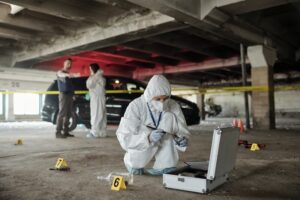
Florida Atlantic University’s Criminal Justice Summer Camp introduces you to multiple parts of the justice system through a mix of campus instruction, practical activities, and off-site visits. You learn how crime scene investigation works by practicing basic evidence collection and studying how forensic methods support criminal cases.
The camp also gives you exposure to operational law enforcement through demonstrations from specialized units, helping you understand how different divisions contribute to public safety. Beyond investigation, the program looks at how courts, corrections, and medical examination fit into the larger justice process. Site visits and guided activities help connect classroom concepts to the professionals and institutions that handle real cases. The program concludes with a certificate that documents your participation and academic engagement.
Why it stands out: It gives you a broad introduction to criminal justice by combining forensic activities, courtroom exposure, and access to specialized law enforcement units in a single short program.
2. Immerse Education’s Criminology Summer School

Location: Cambridge, and Oxford
Cost: Varies; summer school scholarship available through our bursary programme
Acceptance rate/cohort size: Selective; an average of 7 participants per class
Application Deadline: Multiple summer cohorts; rolling admissions
Dates: Two-week sessions in the summer
Eligibility: Students worldwide, ages 13-18, currently enrolled in middle or high school
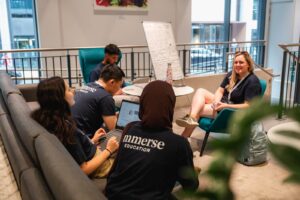
The Academic Insights Program allows high school students to experience university life firsthand. You will live on campus and study in small groups of 7 to 10 students, and learn from tutors from leading universities like Oxford and Cambridge. In the criminology track, you will explore criminological theories, learn about criminal justice systems, and study forensic science through case studies, fieldwork, and interactive lectures.
You will also work on projects and team challenges to develop problem-solving, investigative, and critical thinking skills. At the end of the program, you will complete a personal project and receive written feedback along with a certificate of completion. You can find more details about the application here.
Why it stands out: You study in small groups with tutors from top universities and get detailed feedback on your work, which is rare. The mix of case-based learning, projects, and a residential setup makes it feel close to how subjects like criminology are studied at leading colleges.
3. University of South Florida – Justice Quest
Location: University of South Florida, Tampa, FL, and USF, St. Petersburg, FL
Cost: $695
Acceptance rate/Cohort size: Selective; 30 students/session
Dates: USF Tampa Session I: June 22-26 | USF Tampa Session II: July 20-24 | USF St. Petersburg: July 6-10
Application Deadline: Rolling deadlines; Registration opens on February 1st
Eligibility: Rising 9th-12th graders from around the world
Justice Quest at the University of South Florida introduces you to criminology through a combination of workshops, case studies, and practical exercises that connect theory to real investigative work. The program examines criminal behavior from psychological, social, and environmental perspectives. You also explore forensic methods through activities focused on evidence analysis, including techniques such as fingerprint and impression examination.
Faculty and industry professionals guide the sessions, giving you exposure to both academic and applied perspectives on justice. Visits to working institutions add another layer to the experience by showing how courts and forensic labs operate outside the classroom.
Why it stands out: It balances the study of criminal behavior with hands-on forensic work, giving you exposure to both the causes of crime and the methods used to investigate it.
4. Stony Brook University – Explorations in Forensics Camp
Location: Stony Brook University, Stony Brook, NY
Cost: $750
Acceptance rate/cohort size: Selective
Dates: July 13-17
Application Deadline: May 1st
Eligibility: Applicants must have completed 9th grade and not yet taken a formal Forensics course; international students are welcome to apply
Stony Brook’s Explorations in Forensics Camp introduces you to forensic science through a sequence of interactive lessons that build toward processing a mock crime scene. Early sessions focus on the major branches of forensics, helping you understand how disciplines such as anthropology, toxicology, and DNA analysis contribute to criminal investigations. As the week progresses, you strengthen your reasoning through activities in logic, memory, and evidence interpretation, which are central to sound investigative work.
The program also examines how forensic methods have been used in notable historical cases, giving you examples of how science and legal questions intersect in practice. Hands-on exercises in fingerprinting, blood typing, bloodstain interpretation, and crime scene processing allow you to apply what you learn rather than only study it in theory.
Why it stands out: It covers an unusually wide range of forensic subfields in one week while still building toward a full mock crime scene investigation.
5. Marist University Summer Pre-College – Crime and Justice Studies
Location: Marist University, Poughkeepsie, NY
Cost: $3,700 per session or $6,660 for students who participate in both sessions
Acceptance rate/cohort size: Selective
Dates: July 12-25
Application Deadline: Rolling admissions on a space-available basis
Eligibility: Primarily rising juniors and seniors; Rising sophomores and graduating seniors considered if space allows; international students are welcome to apply
Marist University’s Crime and Justice Studies pre-college course is one of the more policy-focused criminology summer programs for high school students, introducing criminal justice as a connected system made up of policing, courts, and corrections. Through lectures and guided discussions, you examine how public safety, civil liberties, sentencing, and accountability shape debates across the field.
You are encouraged to move beyond surface-level ideas about crime by asking how justice systems balance order, rights, and fairness. A key part of the program is the individual specialty project, which allows you to explore one issue in greater depth and organize your thinking around a focused topic. Site-based sessions and meetings with professionals help connect academic study to possible career paths in local, state, and federal settings.
Why it stands out: It is especially strong for students who want to study the criminal justice system as a full civic and institutional framework, not only through a forensic or investigative lens.
6. Quinnipiac University – Forensic Science: Crime Scene Investigation
Location: Quinnipiac University, Hamden, CT
Cost: Residential: $3,700 | Commuter: $2,700 (need-based financial aid available)
Acceptance rate/cohort size: 30 students
Dates: July 6-17
Application Deadline: June 1st
Eligibility: Current high school students worldwide aged 15 to 18
Quinnipiac University’s Forensic Science: Crime Scene Investigation program introduces you to the methods professionals use to examine crime scenes and interpret evidence. Working through mock investigations, you learn how to approach a scene systematically, collect information carefully, and apply scientific reasoning to what you observe.
The instruction highlights both the technical and analytical sides of the field, with topics such as evidence handling, victim profiling, and investigative interpretation. Faculty and industry practitioners help explain how modern forensic work relies on precision, sound judgment, and attention to procedural detail. The experience also strengthens habits that matter beyond forensics, including observation, data interpretation, and problem-solving.
Why it stands out: It offers a focused introduction to crime scene analysis that emphasizes investigative process and scientific reasoning in equal measure.
7. NYU’s Career Edge – Criminal Justice: From the Crime Scene to the Courtroom and Beyond
Location: New York University, New York, NY
Cost: Application Fee: $50 + Tuition: $2,579 + Housing and dining fees (optional add-on): $684
Acceptance rate/cohort size: Not specified
Dates: Session 1: June 29th – July 2nd | Session 2: July 6-10 | Session 3: July 13-17 | Session 5: July 27-31 | Session 6: August 3-7
Application Deadline: International student deadline: March 14th | Residential student deadline: April 29th | Commuter student deadline: June 12th
Eligibility: High school students around the world who have completed grades 9-11
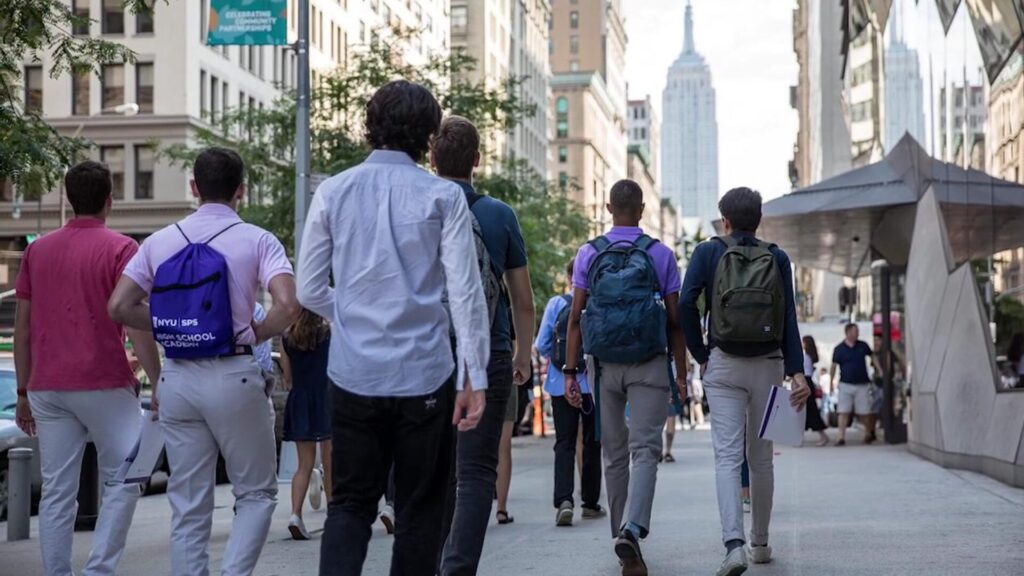
NYU’s Criminal Justice course introduces you to the major institutions and ideas that shape the American criminal justice system, from investigation through adjudication and correction. You study how policing, courts, and corrections function while also examining the criminological theories that help explain criminal behavior. The course moves beyond basic overview material by exploring constitutional questions, evidentiary rules, trial processes, and the policy debates that surround modern justice systems.
Case studies tied to current events help you connect abstract concepts to real social and legal controversies, especially in areas involving race, incarceration, and institutional power. You also learn about the investigative side of the field, including crime scene analysis, evidence interpretation, and reconstruction of events.
Why it stands out: It is a solid option for students who want a wider academic view of criminal justice, including constitutional issues and policy questions alongside investigation.
8. University of New Haven – Crime Scene Investigation Academy
Location: University of New Haven, West Haven, CT
Cost: Day program fee: $900 + on-campus housing fee: $1,500
Acceptance rate/cohort size: Not specified
Dates: July 6-10 | July 13-17
Application Deadline: Rolling; Open enrolment
Eligibility: High school students from all nationalities entering grades 10-12
The Crime Scene Investigation Academy at the University of New Haven gives you a practical introduction to forensic science through hands-on training in evidence-based investigation. You study the role of physical evidence in criminal cases and practice core procedures such as fingerprint processing, footwear impression casting, scene documentation, and evidence preservation.
The program is built around simulated investigations, so you are expected to apply forensic principles in realistic scenarios rather than only observe them. Sessions also focus on professional standards, showing how forensic work depends on method, accuracy, and accountability. As the program progresses, you organize your findings and prepare to explain and present your conclusions to a panel of practitioners.
Why it stands out: It takes you through the full arc of a crime scene investigation, from processing evidence to presenting findings before professionals.
9. Purdue University Northwest – Forensic Science Summer Camp
Location: Purdue University Northwest, Hammond, IN
Cost: None
Acceptance rate/cohort size: Not specified
Dates: June 15-19
Application Deadline: Not specified
Eligibility: Students worldwide aged 14-17
Purdue University Northwest’s Forensic Science Summer Camp introduces you to forensic investigation by having you work through a crime from scene processing to final case resolution. You begin by examining a simulated scene and collecting the physical evidence needed to move the case forward. From there, the program shifts into laboratory-based analysis, where you learn how scientific techniques are used to interpret what was found.
As the camp follows the evidentiary process step by step, you gain a more complete sense of how scientific work supports criminal investigations. The experience also reinforces careful observation and logical reasoning as you narrow possibilities and build conclusions. By the end of the week, you will use the evidence you have processed to solve the mock case.
Why it stands out: It is built around a single case-solving arc, which makes it especially effective if you want to see how evidence moves from collection to conclusion.
10. Stockton University – CSI Summer Camp
Location: Stockton University, Galloway, NJ
Cost: Early registration: $995 | Regular: $1,095
Acceptance rate/cohort size: Not specified
Dates: Camp 1: June 28th – July 2nd | Camp 2: July 12-16 | Camp 3: July 19-23
Application Deadline: Rolling deadlines
Eligibility: High school students around the world
Stockton University’s CSI Summer Camp turns the idea of criminology summer programs for high school students into a full case experience, placing you inside a simulated homicide investigation that extends from the initial crime scene through a mock criminal trial. You work with professors, law enforcement personnel, forensic experts, and legal professionals as you collect evidence, analyse findings, question witnesses, and prepare a case file.
Training in witness interviews and courtroom preparation helps you understand that solving a case involves both scientific analysis and persuasive presentation. Field visits to professional sites add context by exposing you to spaces where criminal justice and corrections operate in practice.
Why it stands out: It stands out for showing you the full chain from homicide investigation to trial preparation, not just the forensic part of the process.
11. Sam Houston State University – Criminal Justice Summer Camp
Location: Sam Houston State University, Huntsville, TX
Cost: $725
Acceptance rate/cohort size: Not specified
Dates: Session 1: June 14-18 | Session 2: July 5-9
Application Deadline: April 15th
Eligibility: High school students around the world aged 15-17
Sam Houston State University’s Criminal Justice Summer Camp introduces you to the field through direct interaction with practitioners and applied investigative activities. A central part of the experience is the mock crime scene, where you begin to understand how evidence, observation, and procedure come together in an investigation. The program is strengthened by sessions with representatives from major federal, state, and local agencies, which gives you exposure to a wide range of criminal justice roles.
Conversations with experts help you see how different agencies collaborate and where their responsibilities differ. The experience also helps you gain a clearer picture of the day-to-day realities behind careers that often get simplified in media portrayals.
Why it stands out: It offers especially strong practitioner exposure, with input from multiple major agencies that help you compare different criminal justice pathways in one setting.
12. University of Pennsylvania – Forensic Science Academy
Location: University of Pennsylvania, Philadelphia, PA
Cost: $6,700 (need-based scholarships are available for select PA students)
Acceptance rate/cohort size: Not specified
Dates: July 11-25
Application Deadline: May 1st
Eligibility: Current 10th and 11th-grade students who have completed at least one year of a lab-based science course before the start of the program; international students are welcome to apply
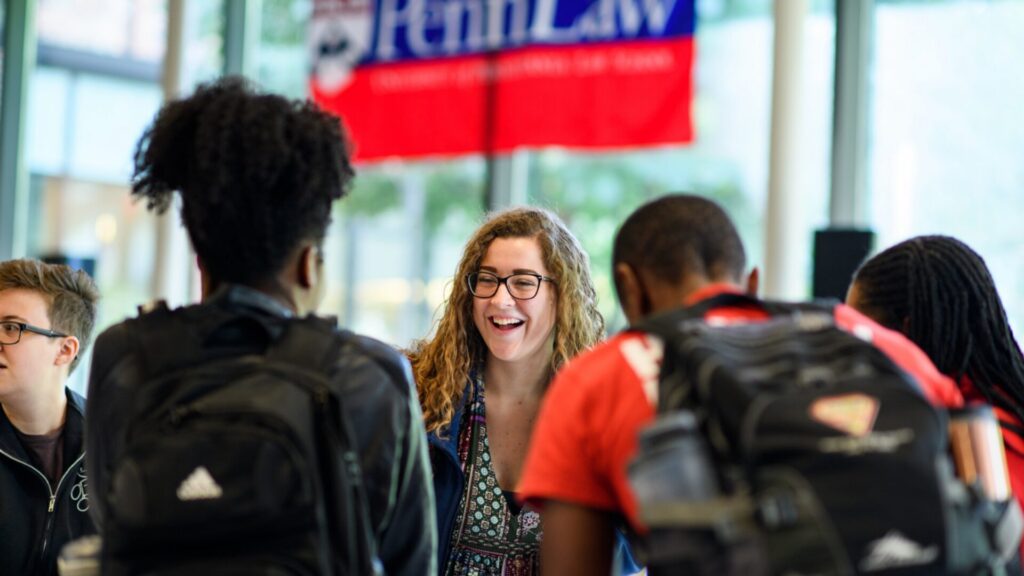
The University of Pennsylvania’s Forensic Science Academy introduces you to the scientific foundations of forensic investigation through laboratory work, case studies, and simulated crime scene analysis. You examine how evidence is collected, tested, and interpreted across fields such as toxicology, fingerprint analysis, DNA work, and trace evidence examination. The curriculum emphasizes the role of biology, chemistry, physics, and mathematics in legal contexts, helping you see forensic science as an interdisciplinary academic field.
You also study how credibility, documentation, and standards shape the value of evidence in investigative and courtroom settings. Interaction with specialists from areas such as anthropology, ballistics, and investigative science adds depth to the program, while journal discussions and analysis further develop your ability to evaluate evidence and communicate your conclusions clearly.
Why it stands out: It is especially strong for students who want a rigorous, science-forward introduction to forensics with clear interdisciplinary depth.
13. Brown University – Forensic Science: CSI Providence
Location: Brown University, Providence, RI
Cost: Residential: $5,786 | Commuter: $4,483
Acceptance rate/cohort size: Not specified; Enrollment is course-capacity based
Dates: June 22nd – July 2nd
Application Deadline: Rolling admissions until courses reach capacity
Eligibility: High school students worldwide completing grades 9-12; proficiency in Algebra I and basic biology/chemistry lab skills required
Brown’s CSI Providence course brings a more scientific angle to criminology summer programs for high school students, introducing forensic science through biology, chemistry, maths, and investigative reasoning. You practise evidence collection and comparison methods such as fingerprint analysis, footwear examination, and material identification while learning how scientific principles guide those processes.
One distinctive element is the inclusion of virtual reality simulations, which allow you to explore crime scene processing and bloodstain analysis in a more immersive format. Throughout the course, accuracy, documentation, and interpretation remain central, reinforcing that forensic work depends on disciplined scientific habits.
Why it stands out: It combines hands-on lab work with virtual reality simulations, giving you a more technologically enhanced introduction to forensic investigation than most similar programs.
14. Xavier University’s Forensic Science Camp
Location: Xavier University, Cincinnati, OH
Cost: $395 | Late registration: $445
Acceptance rate/cohort size: Not specified
Dates: June 15-19
Application Deadline: April 30th (recommended deadline to avoid late fees)
Eligibility: High school students all over the world in grades 10-12
Xavier University’s Forensic Science Camp introduces you to crime scene investigation through a week of hands-on learning in classroom and laboratory settings. You work through a simulated case using professional-style tools and methods, which helps you understand how forensic evidence is identified, collected, and interpreted. Activities include fingerprint development, evidence packaging, impression analysis, hair examination, blood typing with synthetic samples, and forensic entomology.
The program includes both discussion-based instruction and practical exercises, so you are able to connect scientific procedures to the reasoning investigators use when evaluating a case. The camp also encourages collaborative work, giving you opportunities to solve problems with peers as you move through the evidence. University lab access adds another layer to the experience.
Why it stands out: It introduces you to a notably varied set of evidence-analysis techniques in a compact format, including entomology alongside more familiar forensic methods.
15. Georgetown University – Forensic Investigation Academy
Location: Georgetown University, Washington, D.C.
Cost: Residential: $6,465 | Commuter: $5,075 (need-based financial aid available)
Acceptance rate/cohort size: Not specifiedf
Dates: June 14-26
Application Deadline: Early bird: January 31st | Final: April 15th
Eligibility: High school students worldwide with at least a 2.0 GPA
Georgetown’s Forensic Investigation Academy is one of the broadest criminology summer programs for high school students, introducing criminal investigation through lectures, simulations, discussions, case studies, and field-based learning. You study topics such as crime scene analysis, evidence collection, forensic documentation, ballistics, bloodstain interpretation, interrogation methods, and courtroom testimony.
The curriculum also expands into areas such as geographic profiling, terrorism investigations, and medical examinations, showing that forensic inquiry reaches beyond standard crime scene work. Through hands-on exercises and scenario-based reasoning, you strengthen your ability to interpret evidence and think critically about how cases are built.
Why it stands out: It offers one of the broadest topic ranges on the list, covering traditional evidence work alongside profiling, terrorism investigations, and courtroom applications.
From Case Studies to Compelling Personal Statements
Criminology summer programs for high school students can help you move from curiosity about crime to analysing evidence, justice systems, and criminal behaviour.
Across these programmes, you might process mock crime scenes, examine fingerprints, discuss sentencing, study forensic science, or explore courts and corrections.
These details can give you stronger material for personal statements, interviews, and supercurricular reflections because they show focused academic interest.
Ready to turn casework into application confidence? Explore our University Preparation blogs for personal statements, interviews, entry requirements, and supercurricular ideas.