
 Русский (RU)
 Українська (UK)
 Türkçe (TR)
 Italiano (IT)
 Français (FR)
 Português (PT)
 中文 (中国) (ZH)
 Español (ES)
 日本語 (JA)
 ไทย (TH)
 Deutsch (DE)
 Ελληνικά (EL)
 Polski (PL)
 Bahasa Indonesia (ID)
 Nederlands (NL)
 العربية (AR)
 한국어 (KO)

If you enjoy writing, following current affairs, creating videos, interviewing people, or analysing how stories spread online, journalism and media might already be closer to your interests than you realise. But media work looks very different once you step outside school assignments or personal content creation. A huge part of journalism involves research, verification, editing, interviewing, deadlines, and figuring out how to tell stories clearly under pressure. Media and journalism summer internships for high school students can give you early exposure to that environment before college.
Imagine spending your time helping with article research, sitting in editorial meetings, editing short videos, preparing interview questions, or assisting with social media coverage during live events. You may work alongside reporters, editors, photographers, or digital content teams while learning how stories are planned, reported, and published.
How do you choose the right media and journalism programs for high school students?
Not all journalism internships offer the same level of involvement. Some mainly focus on lectures or shadowing, while stronger programs usually allow students to actively participate in reporting, production, editing, or content creation.
Most media and journalism internships include a mix of mentorship, workshops, collaborative projects, newsroom-style assignments, and portfolio development. You may explore news writing, feature reporting, video editing, podcast production, photography, or digital storytelling, depending on the program structure.
You should also think carefully about the kind of journalism that interests you. Some students enjoy political reporting and investigative work, while others are more drawn toward culture writing, multimedia storytelling, documentary filmmaking, or digital media. Exploring that early can help you make better academic and career decisions later.
To help you explore your options, we’ve curated a list of 15 media and journalism summer internships for high school students worth considering!
For more opportunities, consider the online writing program.
15 Media and Journalism Summer Internships for High School Students
1. Immerse Education’s Media and Journalism Summer School

Location: University College London, London, UK
Cost: Varies; summer school scholarship available through our bursary programme
Acceptance rate/cohort size: Small class sizes; 1-on-1 tutoring
Dates: 2 weeks during the summer
Application Deadline: Rolling admissions
Eligibility: High school students worldwide aged 15-18
The Career Insights Program lets you explore careers in major global industry hubs. The Media and Journalism Summer track is designed for you to explore journalism through a mix of structured learning and hands-on work in a global media setting. Across two weeks, you engage with topics like reporting, media ethics, and digital storytelling while working on practical projects. Sessions are led by journalists and academics who bring real industry insight into the classroom.
You take part in workshops, group discussions, and a personal project that lets you develop your own voice. The small class size means you receive consistent feedback and guidance. By the end, you build both confidence and a clearer understanding of how modern media operates. You can find more details about the application here.
Why it stands out: You’ll gain direct industry exposure, build a professional network, and receive a certificate you can include in your college applications and work profile.
2. L.A. Times High School Insider Summer Internship
Location: El Segundo, CA
Cost: A stipend is paid; hourly rate varies
Acceptance rate/cohort size: ~8 students per cohort
Dates: June 22nd – August 1st
Application Deadline: April 16th
Eligibility: High school students graduating in this year or the next two years who live in Los Angeles County or Orange County and are authorized to work in the United States; not open to international students
As one of the more hands-on media and journalism summer internships for high school students, the L.A. Times High School Insider Summer Internship lets you step into a working newsroom where your ideas turn into published stories. Over six weeks, you report on issues that matter to young people while learning how professional journalists operate. You pitch ideas, conduct interviews, and produce multimedia stories with guidance from experienced mentors.
The program follows a hybrid format, so you balance in-office collaboration with independent work. Training sessions and workshops help you refine your writing and reporting style. By the end, your work is published, giving you a strong and credible portfolio.
Why it stands out: You publish real stories with a major newsroom while gaining hands-on reporting experience.
3. Asian American Journalists Association (AAJA) JCamp
Location: Minneapolis, MN; location varies each year
Cost: Free; travel, housing, and meals covered
Acceptance rate/cohort size: 30 students; highly selective
Dates: Varies by year
Application Deadline: Typically around January
Eligibility: High school sophomores and juniors; open to international students, though travel may need to be arranged from within the US
In this program, you step into an intensive newsroom-style environment where learning happens fast and through doing. You explore reporting, broadcasting, and multimedia storytelling while working with experienced journalists. You attend workshops, go on field visits, and collaborate with peers from different backgrounds.
The program pushes you to think critically about representation and ethics in the media. You also produce your own stories, gaining hands-on exposure to how news is created. By the end, you leave with stronger skills and a clearer sense of your role in shaping narratives.
Why it stands out: You get an immersive experience that focuses on diversity and real newsroom training.
4. UGA Grady Summer Media Academy
Location: University of Georgia, Athens, GA
Cost: $530 (day camp); $1,255 (residential); limited financial aid available
Acceptance rate/cohort size: ~20 students per session
Dates: June 8th – June 12th; June 15th – June 19th
Application Deadline: Rolling admissions; financial aid deadline March 20th
Eligibility: Students aged 13-17; primarily open to domestic students; international participation not clearly specified
UGA’s Grady Summer Media Academy introduces you to journalism through focused media tracks like broadcast journalism and multimedia storytelling. Across the week, you work through reporting exercises, interviews, editing sessions, and production workshops that reflect how stories move through real media environments. Students spend most of the day actively creating content, whether that means scripting broadcasts, recording interviews, or building multimedia projects.
Guest speakers from the industry also join sessions throughout the program, giving students a closer look at careers inside newsrooms and digital media. Since cohorts stay small, instructors are able to give detailed feedback on assignments and reporting work throughout the week.
Why it stands out: You get to specialize early by choosing a focused media track and building a tangible final project.
5. Medill-Northwestern Journalism Institute (Cherubs)
Location: Northwestern University, Evanston, IL
Cost: $5,000; financial aid available
Acceptance rate/cohort size: ~84 students; selective, with around 230 applicants
Dates: June 28th – July 24th
Application Deadline: March 2nd
Eligibility: High school juniors; rising seniors; open to international students
Medill Cherubs places you inside an intensive four-week journalism environment at Northwestern University, where the pace feels close to an actual newsroom. You will attend reporting labs, workshops, lectures, and editing sessions while producing regular assignments across print, broadcast, and digital journalism.
The reporting work is constant, so most days involve interviewing sources, revising stories, pitching ideas, and responding to editor feedback. Faculty and professional journalists work closely with students throughout the session, especially during one-on-one mentoring and editing conversations.
Why it stands out: You experience an intensive, college-level journalism environment with close mentorship and real reporting practice.
6. Project Write Now Teen Internship Program
Location: Project Write Now, Red Bank, NJ
Cost: Unpaid; earns community service hours
Acceptance rate/cohort size: Limited spots; 8-10 per track
Dates: July training sessions; internship runs through summer; flexible schedule
Application Deadline: Rolling; first-come, first-served
Eligibility: High school students aged 15-18; some tracks require being local to New Jersey; limited virtual options available; international participation possible only for virtual roles
Project Write Now’s Teen Internship adds a community publishing angle to the various media and journalism summer internships for high school students, blending journalism, storytelling, and flexible summer internship tracks. You can choose areas connected to editorial work, interviews, teaching, or literary publishing, depending on your interests.
The program begins with training sessions focused on interviewing, editing, narrative writing, and content development before students move into real publishing projects. Throughout the summer, interns contribute work to youth-centered literary and media platforms while staying connected to mentors and peer editors.
Why it stands out: You gain real publishing experience while earning community service hours in a flexible setup.
7. Princeton Summer Journalism Program (PSJP)
Location: Princeton, NJ
Cost: Free; all expenses covered
Acceptance rate/cohort size: ~40 students per year
Dates: Late June-Early August
Application Deadline: January; exact date varies each year
Eligibility: High school juniors from low-income backgrounds living in the United States or Puerto Rico; not open to international students or students studying abroad
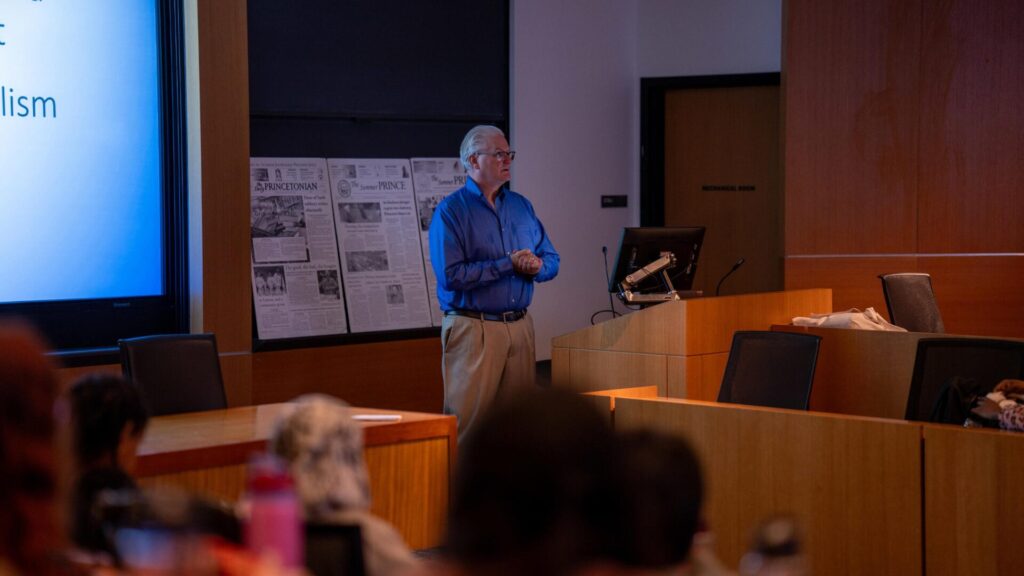
In this program, you take part in a demanding yet rewarding program that blends journalism with college preparation. The experience begins with virtual workshops and builds toward a residential stay on Princeton’s campus. You attend sessions led by journalists and professors while working on reporting assignments tied to real-world issues.
Throughout the program, you interview sources, write stories, and collaborate on a final publication. You also receive one-on-one college advising, which adds a practical edge beyond journalism. By the end, you produce published work and gain clarity on both media careers and college pathways. Here’s the PSJP contact form.
Why it stands out: You get a fully funded experience that combines journalism training with long-term college guidance.
8. NYU Urban Journalism Workshop
Location: New York University, New York, NY
Cost: Free
Acceptance rate/cohort size: 20 students
Dates: July 12th – July 18th
Application Deadline: March 18th
Eligibility: High school students aged 16+ who live and study in the New York City metropolitan area (NY, NJ, CT); not open to international students
NYU’s Urban Journalism Workshop teaches journalism through direct reporting assignments tied to New York City and its media environment. During the week, you will work with NYU faculty and journalists while learning interviewing, reporting, multimedia production, and story development through daily assignments. The program also includes visits to major news organizations across the city, giving students a firsthand look at how reporting and newsroom production operate professionally.
Since you will have to live on campus during the workshop, the experience also includes a short introduction to college life and newsroom culture at the same time. By the end of the program, students publish stories developed during the workshop itself.
Why it stands out: You report and publish stories while gaining direct exposure to top New York newsrooms.
9. Columbia Scholastic Press Association (CSPA) Summer Journalism Workshop
Location: Columbia University School of Professional Studies, New York City, NY
Cost: $1,100–$3,000 depending on format
Acceptance rate/cohort size: 115 students total; classes of 20-25
Dates: June 21st – June 26th; June 28th – July 3rd; virtual sessions July 6th – July 24th
Application Deadline: May 21st (residential); June 1st (commuter); June 30th (virtual)
Eligibility: High school students entering grades 9-12; open to international students attending schools that follow an American curriculum
CSPA’s journalism workshop lets you focus on one area of student media through specialized tracks like reporting, digital media, editorial leadership, or publication design. The structure moves quickly, with students spending each day writing, editing, planning content, and participating in newsroom-style exercises connected to their track.
Workshops are held on Columbia’s campus and also include media visits and journalism-related activities outside the classroom during residential sessions. Since students come from school newspapers, magazines, and yearbook programs across different regions, discussions often revolve around real editorial challenges and publication work happening at their schools. Here’s the registration link.
Why it stands out: You get specialized training across multiple journalism tracks while studying on Columbia’s campus.
10. Stanford Daily Pre-Collegiate Summer Workshops: Journalism Track
Location: The School of The New York Times, New York City, NY
Cost: $2,180; partial and full need-based scholarships are available
Acceptance rate/cohort size: Moderately selective; small class sizes; exact cohort size not specified
Dates: June 15th – August 7th
Application Deadline: June 1st
Eligibility: High school students aged 15-18 in grades 10-12 or graduating seniors; open to international students with English proficiency requirements
This journalism workshop is led by editors from The Stanford Daily and walks you through the full reporting process over several weeks. You pitch stories, interview sources, revise drafts, and build pieces across news, feature, and opinion writing formats while receiving editorial feedback throughout the program. The schedule combines newsroom discussions, lectures, mentoring sessions, and one-on-one editing conversations with student editors.
Since the workshop runs online, you manage assignments independently while still attending regular live discussions and editorial meetings. Guest speakers from journalism and media also join sessions to talk through reporting, editing, and newsroom work.
Why it stands out: You gain long-term mentorship while producing a full journalism portfolio in a real editorial workflow.
11. The School of The New York Times Summer Academy
Location: The School of The New York Times, New York City, NY
Cost: $6,195 (day) to $7,695 (residential); no stipend
Acceptance rate/cohort size: Moderately selective; small class sizes
Dates: Term 1: June 7-19; Term 2: June 21st – July 3rd; Term 3: July 5-17; Term 4: July 19-31
Application Deadline: Rolling; priority deadlines vary
Eligibility: High school students aged 15-18 in grades 10-12 or graduating seniors; open to international students with English proficiency requirements
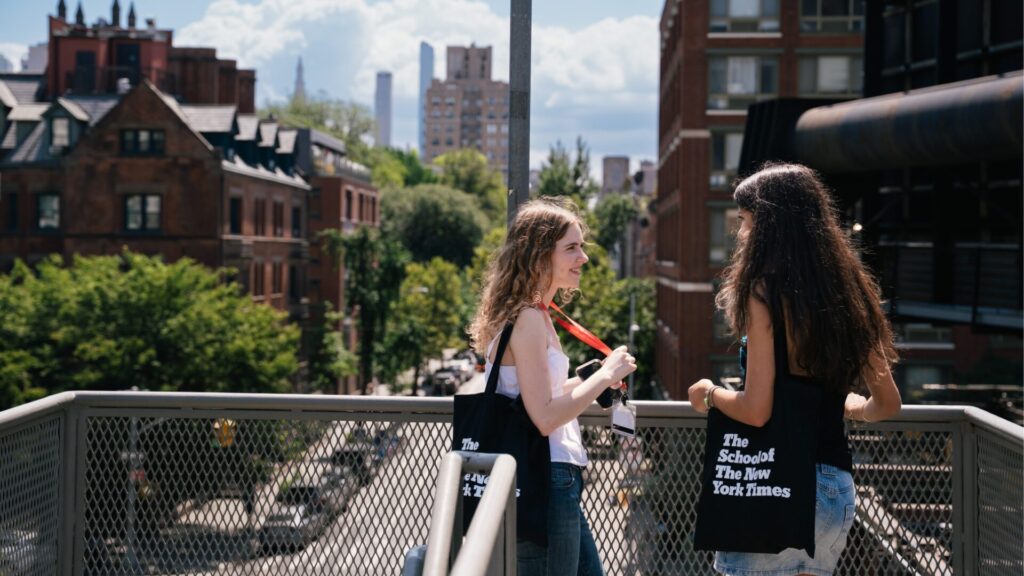
At the New York Times Summer Academy, you learn journalism through practical reporting assignments tied directly to New York City and current media conversations. Each two-week term focuses on a different area, like investigative reporting, opinion writing, or photojournalism, with classes led by working journalists and editors.
You spend your time interviewing sources, developing stories, experimenting with multimedia formats, and discussing how journalists approach major news events and public issues. Since many assignments connect directly to places and events around New York, the city becomes part of the reporting experience itself. Here’s the application link.
Why it stands out: You learn directly from working journalists while using New York City as your extended newsroom.
12. Dow Jones News Fund High School Workshops
Location: Various partner universities and organizations across the U.S.
Cost: Free or low-cost; many workshops funded through grants
Acceptance rate/cohort size: Varies by host program; generally selective
Dates: Summer sessions; dates vary by program
Application Deadline: Varies by individual workshop
Eligibility: High school students, especially those from underrepresented or underserved communities; most programs are U.S.-based and may not be open to international students
The Dow Jones News Fund supports multiple journalism workshops hosted through universities and nonprofit organizations across the U.S., so the experience changes depending on the program you attend. Some workshops focus on reporting and writing, while others move into photography, video journalism, health reporting, or community storytelling.
Most programs are highly hands-on, meaning you spend the session producing stories, interviewing sources, and learning multimedia skills directly from journalists and educators. Many workshops are also designed to support people from underserved or underrepresented backgrounds entering journalism spaces.
Why it stands out: You can choose from multiple funded workshops while gaining hands-on experience across different journalism formats.
13. EnergyMag Internship
Location: Virtual/Remote
Cost: Free
Acceptance rate/cohort size: Limited spots; not specified
Dates: 2-8 weeks in summer, approximately 20 hrs/week, or 1-9 months year-round, approximately 8 hrs/week
Application Deadline: Rolling admissions
Eligibility: High school sophomores, juniors, and seniors with strong academics; GPA ~3.25+ preferred; open to international students since the program is fully virtual
At EnergyMag, you work on long-form research projects connected to renewable energy, energy storage, and sustainability-focused industries. The internship is less about daily news reporting and more about investigating companies, technologies, and market trends through structured research and analysis.
You gather information from reports, research papers, and industry sources, then turn your findings into a publishable written report. Part of the process also involves reaching out to experts and professionals for interviews or additional insight connected to your topic. Throughout the internship, you stay in contact with a mentor who reviews your drafts and helps shape the final piece.
Why it stands out: You produce a publishable research report while working remotely with expert mentorship.
14. National Student Leadership Conference (NSLC) Journalism & Broadcasting Program
Location: National Student Leadership Conference, Columbia University, New York City, NY
Cost: $4,495; residential; scholarships available; no stipend
Acceptance rate/cohort size: Selective; not specified
Dates: July 8th – July 16th; July 20th – July 28th
Application Deadline: Rolling admissions
Eligibility: Students aged 14-18 who have completed at least one year of high school; open to international students
NSLC’s Journalism & Broadcasting program introduces you to reporting, interviewing, fact-checking, and media production through a structured residential experience in New York City. During the program, you work through different storytelling formats, including broadcast journalism, investigative reporting, and photojournalism, while attending workshops and newsroom-style activities throughout the session.
Guest speakers and media visits also give you a closer look at how major journalism organizations and broadcast operations function professionally. Alongside the reporting work, the schedule includes leadership-focused sessions connected to communication, decision-making, and public influence in media spaces.
Why it stands out: You combine journalism training with leadership development while learning directly from industry professionals.
15. The Daily Free Press Summer Journalism Bootcamp
Location: Remote
Cost: Free
Acceptance rate/cohort size: Not publicly specified
Dates: Three-week period in August; typically sessions on Aug. 5th, Aug. 12th, and Aug. 19th
Application Deadline: August 1st
Eligibility: High school and college students located anywhere in the country; no prior affiliation required
The Daily Free Press Summer Journalism Bootcamp is a remote intensive designed to give aspiring journalists direct experience working with editors at an independent student newspaper. Instead of a traditional classroom structure, you attend weekly instructional sessions and panels, then spend the time between meetings completing real reporting assignments.
The workflow mirrors an actual newsroom, teaching you the foundational skills needed to pitch ideas, structure articles, and refine your work based on editorial feedback. By the end of the bootcamp, your final reporting piece can be added to your portfolio, with top work being selected for actual publication in the FreeP.
Why it stands out: You get to build a professional portfolio and potentially publish your work with an independent news organization, entirely for free and from home.
From First Byline to Career Clarity
A first article, interview, edit, or media project can show you how storytelling feels when real deadlines and audience expectations are involved.
The 15 media and journalism summer internships for high school students mentioned in this article help you test reporting, research, production, and storytelling.
That experience can clarify whether you prefer newsroom writing, broadcast media, documentary work, social content, photography, investigative reporting, or another media path.
Ready to connect your first byline with a bigger career plan? Check out our Career Exploration blogs for pathways, skills, and next steps.