
 Русский (RU)
 Українська (UK)
 Türkçe (TR)
 Italiano (IT)
 Français (FR)
 Português (PT)
 中文 (中国) (ZH)
 Español (ES)
 日本語 (JA)
 ไทย (TH)
 Deutsch (DE)
 Ελληνικά (EL)
 Polski (PL)
 Bahasa Indonesia (ID)
 Nederlands (NL)
 العربية (AR)
 한국어 (KO)

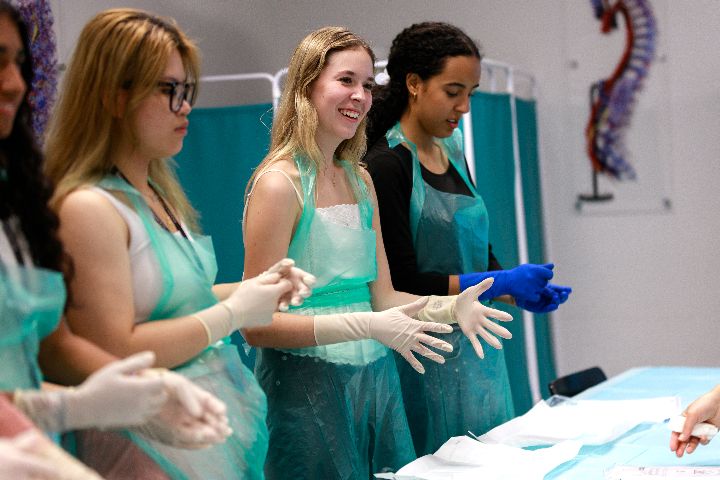
Summer can be a break, but it can also be a turning point. Medicine summer internships in Australia for high school students give you the chance to step into university settings where learning feels more active, practical, and real. You might enter lecture halls, labs, and discussion spaces where ideas are explored through questions, cases, and hands-on activities alongside students who share your curiosity.
During the experience, you move beyond school-level understanding. You begin to explore human biology, disease, and healthcare through a more practical lens. You work through case-based discussions, develop clinical thinking, and sometimes step into lab environments where concepts come alive. These programmes also help you ask better questions, analyse information, and communicate your thoughts clearly.
What are medicine summer internships for high school students in Australia?
Medicine summer internships in Australia are short academic programs designed to introduce you to the medical field while you are still in high school. They are structured to challenge you without expecting prior expertise.
During these internships, you take part in lectures, interactive sessions, and practical activities. You might explore topics like anatomy, physiology, and disease, or work through case studies that show how medical decisions are made. Some programs also include lab exposure or simulated clinical exercises.
You are not limited to one area. These internships often give you a glimpse into different branches of medicine, from research to patient care. Along the way, you build skills like critical thinking, teamwork, and communication. Some programs may feel surface-level or overly general, which is why choosing carefully is essential. The right internship offers depth, mentorship, and meaningful academic engagement.
To make your search easier, we have put together a list of 15 Medicine Summer Internships in Australia for High School Students.
For adjacent opportunities, consider summer internships in Australia and the online medicine program.
15 Medicine Summer Internships in Australia for High School Students
1. Kickstart Science
Location: University of Sydney, Sydney, NSW, Australia
Cost/Stipend: AUD 38.50 per student (per 2.5-hour workshop)
Acceptance rate/cohort size: Up to 30 students per session
Dates: Workshops are available in two key blocks in February and June each year
Application Deadline: Not specified
Eligibility: Primarily for Year 12 students (HSC level); typically, school-nominated groups
You step into a real university lab and start working with tools most schools simply do not have. In the biology stream, you explore topics like genetics, disease, and biotechnology through hands-on experiments. You practice techniques such as micropipetting and gel electrophoresis, which are commonly used in medical research.
The sessions are guided by science communicators who connect theory to practice. Even in a short format, you get a sense of how experimental science supports medicine. It feels less like a class and more like a preview of how research actually works. If this intrigues you, here’s the link to express your interest.
Why it stands out: You gain early exposure to real lab techniques used in medical and biomedical research.
2. Immerse Education’s Sydney Medicine Summer School

Location: Sydney, NSW, Australia
Cost/Stipend: Varies; summer school scholarship available through our bursary programme
Acceptance rate/cohort size: Selective; and average of 7 participants per class
Dates: July 5th – July 18th
Application Deadline: Rolling admissions
Eligibility: Open to students aged 15-18; international students can apply
You spend two weeks exploring medicine in a setting that feels close to real clinical environments. Through case-based learning and guided simulations, you begin to understand how diagnoses are formed and how patient care is approached. Sessions introduce you to anatomy, medical ethics, and emerging healthcare technologies, all taught by professionals who have worked in the field. You also visit research spaces and innovation centres, which help you see how medicine evolves beyond textbooks.
Small class sizes make discussions more engaging, so you are constantly thinking, questioning, and contributing. You’ll receive a certificate that you may include in college applications and work profiles. By the end, you walk away with a clearer sense of how medicine works in practice and where your interests lie. You can find more details about the application here.
Why it stands out: You get direct exposure to real medical professionals and clinical-style learning in a small, focused cohort.
3. Victor Chang Cardiac Research Institute Work Experience
Location: Victor Chang Cardiac Research Institute, Sydney, NSW, Australia
Cost/Stipend: Free
Acceptance rate/cohort size: Limited placements; small cohorts
Dates: Varies (typically 1-week placements arranged with schools)
Application Deadline: Varies
Eligibility: Open to high school students (typically Year 10); primarily for students enrolled in Australian schools through formal work experience programs
You spend your time inside a leading cardiac research institute where science feels immediate and purposeful. Instead of structured classes, you observe how researchers work, from lab routines to ongoing experiments. You are introduced to lab safety, basic techniques, and the ethics that guide medical research.
Throughout the placement, you shadow scientists and PhD students, gaining insight into how discoveries are made and translated into real treatments. You also explore how different research areas connect, from molecular biology to cardiovascular health. Overall, you begin to understand how research drives modern medicine. Here’s the LinkedIn link for the latest updates.
Why it stands out: You get rare behind-the-scenes access to real cardiac research in one of Australia’s top medical institutes.
4. QIMR Berghofer High School Work Experience Program
Location: QIMR Berghofer Medical Research Institute, Brisbane, QLD, Australia
Cost/Stipend: Free
Acceptance rate/cohort size: Highly competitive; limited spots with hundreds of applicants
Dates: September 21st – September 23rd
Application Deadline: August 3rd
Eligibility: Open to Australian students in Years 11-12 studying at least two science subjects
You step into a working medical research institute where learning feels immediate and hands-on. The program begins with training in a dedicated lab, where you are introduced to essential techniques and safety practices. You then spend time alongside scientists, observing how research unfolds across areas like cancer, infection, and mental health.
You follow real workflows and see how experiments connect to real health outcomes. You also gain insight into how different research fields come together to solve complex problems. In just a few days, you begin to understand how medical research shapes modern healthcare.
Why it stands out: You get direct exposure to live research labs and work alongside scientists in a leading institute.
5. Future Doctors Australia
Location: Multiple locations including Sydney (NSW), Brisbane (QLD), Melbourne (VIC), Perth (WA), Australia
Cost/Stipend: AUD 2,490
Acceptance rate/cohort size: Limited seats per session; small cohorts (exact size not specified)
Dates: Multiple intakes
Application Deadline: Rolling admissions
Eligibility: Open to students aged 14-18; international students can apply
You spend four days immersed in what a future in medicine could actually look like. You interact directly with medical students, junior doctors, and experienced clinicians. Each day introduces you to different specialisations, helping you understand how varied the field really is.
You take part in hands-on workshops, ask questions freely, and build a clearer picture of medical pathways, including admissions and entrance exams. The program also focuses on communication and teamwork, which are essential in healthcare. By the end, you leave with both practical insight and a more defined direction.
Why it stands out: You engage directly with a wide range of medical professionals in a short, intensive format that covers both careers and skills.
6. St John Youth Program (St John Ambulance Australia)
Location: Nationwide across multiple states, including NSW, VIC, QLD, WA, SA, TAS, ACT, NT, Australia
Cost/Stipend: Typically, an annual membership fee (AUD 220-300)
Acceptance rate/cohort size: Open enrollment; varies by local division
Dates: Ongoing (weekly sessions, camps, and events throughout the year)
Application Deadline: Rolling admissions
Eligibility: Open to students aged ~12-17 (varies slightly by region); primarily for Australian residents
You build your foundation in healthcare by learning skills that matter in real situations. Through regular sessions, you train in first aid, emergency response, and basic patient care, all under the guidance of experienced mentors. The program also introduces you to leadership roles, teamwork, and community service, which are essential in medical fields.
You take part in camps, competitions, and public events, applying what you have learned in practical settings. Over time, you gain confidence in handling emergencies and supporting others.
Why it stands out: You develop real, life-saving skills while actively serving your community, not just observing healthcare.
7. UQ Science High School Activities

Location: University of Queensland, Brisbane, QLD, Australia
Cost/Stipend: Varies by program (many low-cost or school-funded; some free)
Acceptance rate/cohort size: Not specified; varies by activity
Dates: Multiple sessions across the year
Application Deadline: Varies by program
Eligibility: Primarily open to Australian high school students (Years 10-12)
You explore science through short, focused programs that mirror how subjects are studied at university. In biology-focused sessions like Experience Genetics or Biology Winter School, you work through real concepts such as DNA, disease, and lab-based analysis.
The format blends lectures with practicals, so you are not just listening but actively applying what you learn. You also get exposure to research tools and techniques that connect directly to medicine. Even in a few days, you begin to understand how scientific thinking supports medical study.
Why it stands out: You get multiple short, university-led experiences that build real lab and research skills tied to medicine.
8. University of Sydney Medicine & Health High School Outreach Program
Location: University of Sydney, Sydney, NSW, Australia
Cost/Stipend: Free
Acceptance rate/cohort size: Not specified
Dates: Varies (campus visits and sessions scheduled throughout the year, including summer)
Application Deadline: Rolling
Eligibility: Open to high school students (Years 9-12), typically through partnered schools in Australia; international students generally not eligible
You step into a university environment where medicine is introduced through real experiences rather than lectures alone. Depending on the activity, you might visit advanced teaching spaces, explore neuroscience workshops, or walk through hospital settings like Westmead.
You also attend interactive sessions that connect directly to what you study in school, making complex ideas easier to grasp. Along the way, you meet researchers, medical students, and academics who give you insight into both study and career pathways.
Why it stands out: You experience both campus life and real medical environments, including hospital-linked training spaces.
9. JCU Heroes in Health
Location: Various locations including Townsville, Cairns, Mackay, Mount Isa, Rockhampton, QLD, Australia
Cost/Stipend: Free
Acceptance rate/cohort size: Limited spots; selective
Dates: Varies by location (May 14th – May 15th; May 26th – May 27th; June 9th – June 10th; July 14th – July 15th; August 24th – August 25th)
Application Deadline: Varies by location
Eligibility: Open to Year 11-12 students, primarily from North Queensland; international students are generally not eligible
You spend two days stepping into the daily reality of healthcare rather than just learning about it. The program takes you behind the scenes in hospitals, where you observe how different professionals work together. You try practical activities like suturing, CPR, and checking vital signs, which makes the experience feel active from the start.
You also interact directly with doctors, nurses, and allied health professionals, hearing how they built their careers. The exposure is wide, covering multiple roles within healthcare instead of just one pathway. By the end, you start to understand what working in medicine actually involves day to day.
Why it stands out: You get hands-on clinical exposure inside real hospital settings, not just a classroom simulation.
10. Bond University Health Experience Day
Location: Bond University, Gold Coast, QLD, Australia
Cost/Stipend: Free
Acceptance rate/cohort size: Not specified; limited seats per session
Dates: April 18th; June 6th
Application Deadline: Rolling
Eligibility: Open to high school students worldwide (typically Years 10-12)
You spend the day stepping into the role of a healthcare professional rather than just observing one. You work with simulated patients and collaborate with a team to understand symptoms, assess needs, and suggest treatment plans. Along the way, you interact with professionals from different fields, including doctors, physiotherapists, and biomedical scientists.
The experience is built around real scenarios, so you are constantly thinking, discussing, and making decisions. You also gain insight into how different specialties work together in patient care. By the end, you start to see healthcare as a team effort rather than a single career path.
Why it stands out: You actively manage patient cases in a simulation, making it far more immersive than a typical one-day program.
11. Australian Red Cross Youth Programs (ACT)
Location: Australian Red Cross (ACT), Canberra, ACT, Australia
Cost/Stipend: Free (volunteer-based participation)
Acceptance rate/cohort size: Open participation; varies by program and initiative
Dates: Ongoing programs; some workshops run over ~10 weeks
Application Deadline: Rolling (varies by activity)
Eligibility: Open to young people across Australia; some programs are for under 18s
You take a different path into healthcare by focusing on the human side of it. Through youth-led initiatives and workshops, you explore real issues like mental health, inequality, and community wellbeing. You join sessions where ideas turn into action, often working with peers to design small-scale projects that create impact.
Some experiences introduce you to leadership tools, problem-solving methods, and ways to mobilise others. While it is not a clinical program, it builds a strong foundation in understanding people and communities, which sits at the heart of medicine.
Why it stands out: You develop a real-world understanding of community health and humanitarian work, not just textbook medicine.
12. MedSummit Summer School
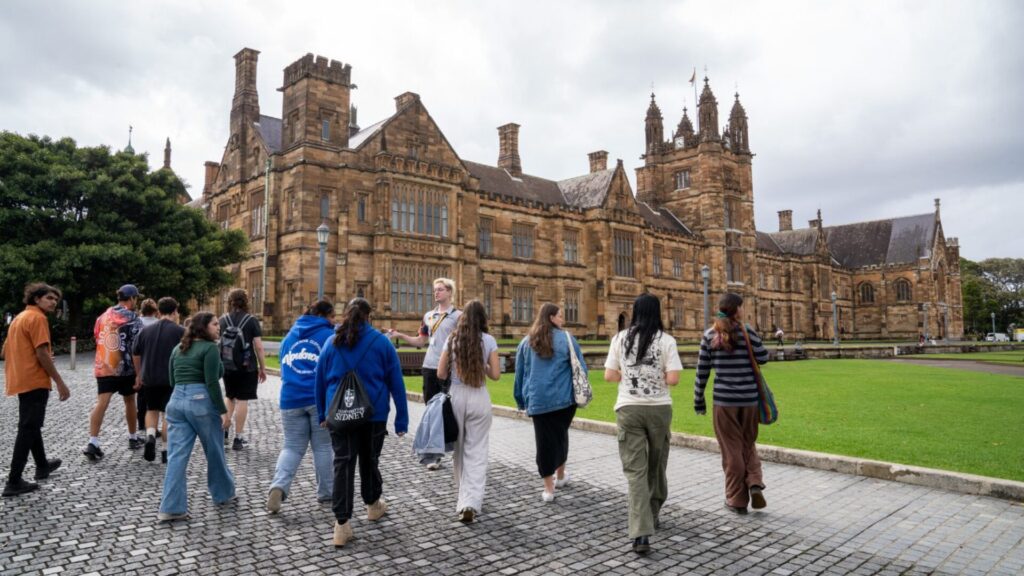
Location: University College (near University of Melbourne), Melbourne, VIC, Australia; St Andrew’s College (within University of Sydney), Sydney, NSW, Australia
Cost/Stipend: AUD 3,745
Acceptance rate/cohort size: Limited enrolment; small, selective cohorts
Dates: January 13th – January 16th (Melbourne); January 20th – January 23rd (Sydney)
Application Deadline: Not specified (early registration recommended)
Eligibility: Open to high school students (typically Years 10-12); international students can apply
MedSummit Summer School stands out among the various medicine summer internships in Australia for high school students because it combines clinical exposure with medical school preparation. Over four days, you explore clinical skills, medical concepts, and real patient scenarios while also learning about UCAT strategies, interview practice, and admissions pathways.
Sessions are led by doctors and medical students who share insights that go beyond theory. Living on campus adds to the immersion, as you balance academic sessions with group discussions and informal learning.
Why it stands out: It combines clinical exposure with direct medical school preparation, giving you both skills and strategy in one experience.
13. Griffith Health Student Experience Programs
Location: Griffith University, Gold Coast & Brisbane, QLD, Australia
Cost/Stipend: Free
Acceptance rate/cohort size: Not specified; varies by event or workshop
Dates: Multiple sessions across the year
Application Deadline: Varies by event
Eligibility: Open to high school students (typically Years 10-12); primarily for Australian students through school engagement programs
You get a glimpse of healthcare training in a setting that feels close to real clinical practice. Through campus visits, workshops, and simulations, you explore how different health fields connect, from nursing to biomedical science. You step into advanced labs, virtual simulation spaces, and even anatomy learning environments where real-world scenarios are recreated.
The focus is on learning by doing, so you actively engage with tools, case-based situations, and collaborative tasks. You also interact with current students and faculty, which gives you a clearer sense of academic pathways.
Why it stands out: You experience advanced simulation labs and clinical-style training spaces usually reserved for university students.
14. Queensland Biology School
Location: University of Queensland, Brisbane, QLD, Australia
Cost/Stipend: AUD 165
Acceptance rate/cohort size: Limited places available
Dates: June 29th – June 30th
Application Deadline: May 24th
Eligibility: Open to Year 12 students; interstate and international students can apply
You spend two days diving into biology in a way that feels far more advanced than school. You explore topics like genetics, evolutionary biology, and biochemistry through interactive lectures and practical sessions. Instead of passively listening, you work through data, interpret results, and sharpen your scientific thinking.
The program is closely aligned with senior biology curricula, so what you learn connects directly to your studies while still going deeper. You also learn from researchers and current university students, which adds perspective to how biology is studied beyond school.
Why it stands out: You engage with university-level biology content that directly supports both medical pathways and academic performance.
15. UWA Rural High School Program
Location: University of Western Australia (Rural Clinical School of WA), Perth & regional sites, WA, Australia
Cost/Stipend: Free
Acceptance rate/cohort size: Not specified; targeted support program for eligible students
Dates: Ongoing support across the year
Application Deadline: Varies (for example, UCAT booking deadline May 15th; TISC applications September 30th)
Eligibility: Open to Year 11-12 students from rural or regional Western Australia; international students are not eligible
You approach medicine from a pathway-focused angle rather than a classroom setting. The program supports you step by step, from understanding entry routes to preparing for key requirements like the UCAT and interviews. You receive guidance on applications, deadlines, and subject choices, which helps you stay on track early.
Mentorship is a central part, with current medical students sharing their experiences and advice. You also get support with travel and logistics, making opportunities more accessible if you are based in remote areas. Over time, you build clarity about how to move from school into a medical career.
Why it stands out: It focuses on long-term mentorship and real access support, not just short-term exposure to medicine.
Build Your Medical Curiosity Beyond Internships
Medicine feels more real when you connect ideas to practice, from genetics workshops and anatomy sessions to simulations, suturing, and hospital-linked learning.
For students comparing medicine summer internships in Australia for high school students, the strongest options offer mentorship, case-based thinking, lab exposure, meaningful reflection, and direction.
These experiences help you notice what excites you most, whether that is cardiac research, rural medicine, patient care, public health, biomedical science, or ethics.
To keep building that insight after your internship, explore our Medicine Top Books Guide for thoughtful reads that sharpen curiosity, understanding, and confidence.