



 Русский (RU)
 Українська (UK)
 Türkçe (TR)
 Italiano (IT)
 Français (FR)
 Português (PT)
 中文 (中国) (ZH)
 Español (ES)
 日本語 (JA)
 ไทย (TH)
 Deutsch (DE)
 Ελληνικά (EL)
 Polski (PL)
 Bahasa Indonesia (ID)
 Nederlands (NL)
 العربية (AR)
 한국어 (KO)

If you’ve ever found yourself wondering why people commit crimes or how a single piece of forensic evidence can sway a courtroom, you’re already thinking like a criminologist. Online criminology programs for high school students offer a focused way to explore how law, sociology, psychology, psychiatry, and history shape the way societies define and respond to crime.
You will dive deep into gripping case studies, explore the intricacies of crime analysis, and learn hands-on social research methods. You’ll also learn to navigate complex legal frameworks, giving you a powerful, analytical lens to view the world.
Evaluating different ways of thinking about these subjects can be challenging without real exposure to them. An online criminology programme can help you make sense of those theories and practise applying them to actual cases.
How can high school students benefit from attending an online criminology program?
One major advantage of virtual programs is that they remove travel and accommodation costs while still providing world-class academic mentorship. Online criminology programs for high school students typically include interactive seminars, mock legal exercises, and independent research projects that mirror university-level expectations.
You might find yourself analyzing crime patterns in a data science lab at the University of Chicago, debating criminal law during a free week at the Miami School of Law, or writing your first undergraduate-level research paper guided by an Oxford doctoral candidate. These experiences help you determine whether criminology, law, public policy, or forensic science is a path you want to pursue further, all from the comfort of your home.
To help you get started, we’ve narrowed down the list to the top 15 online criminology programs for high school students based on prestige and student outcomes.
For adjacent opportunities, have a look at the in-person criminology program and the in-person law summer program.
15 Online Criminology Programs for High School Students
1. Youth for Innocence Online Summer Internship
Location: Online
Cost/Stipend: None
Acceptance Rate/Cohort Size: Selective; cohort size determined by the number of active cases being processed
Dates: June 22nd – August 16th
Application Deadline: June 1st
Eligibility: High school and college students; open to international students
In this program, you’ll work remotely with a small team, analyzing case files, summarizing court transcripts, and drafting discovery motions for real cases. Interns spend approximately 20 hours per week on asynchronous tasks, which offers flexibility around other summer commitments. As you dig deeper into a case, you’ll contact witnesses, evaluate new evidence, and help build arguments for potential exoneration.
At the end of the internship, your team will present its findings to the organization or a wrongful convictions attorney, and the case may be taken up for further legal action. Prior legal knowledge is not required, and the program’s training will teach you everything you need to gain hands-on experience before choosing a college major.
Why it stands out: You’ll work directly on real wrongful conviction cases, collaborating with peers to assist pro bono attorneys.
2. Immerse Education’s Online Law Summer School

Location: Online
Cost: Varies according to program; summer school scholarship available through our bursary programme
Acceptance Rate/Cohort Size: Selective; an average of 7 participants per class
Dates: Multiple 2-week cohorts throughout the year
Application Deadline: Rolling admissions
Eligibility: Students ages 13-18; open to international students
Immerse Education’s Online Law Summer School gives this list of online criminology programs for high school students a law-focused route, specialising in criminal law, human rights, and legal theory at the level of a first-year law undergraduate. In small online seminars capped at 10 students, you’ll examine real landmark cases, develop legal arguments, research case law, and complete written assignments reviewed individually by your tutor.
The syllabus is shaped by the programme’s Academic Advisory Panel, comprising senior fellows from Oxford, Cambridge, and Ivy League schools, so the content stays aligned with university humanities standards. You finish the course with a research portfolio, a certificate, and a written evaluation from your tutor.
Why it stands out: You receive 1:1 supervision from a University of Oxford, Cambridge, or Ivy League law tutor.
3. Power and Privilege in the Criminal Justice System – Harvard University
Location: Online
Cost: $4,180 for 4 credits/1 course to $8,160 for 8 credits/2 courses, plus a non-refundable $75 application fee; need-based scholarships are available for U.S. students
Acceptance Rate/Cohort Size: Selective; small class sizes
Dates: June 20th – August 8th
Application Deadline: April 1st
Eligibility: Students graduating high school in the program year or one to two years after; must be at least 16 years old by June 20th and not turn 19 before July 31st; open to international students
In Harvard’s “Power and Privilege in the Criminal Justice System” program, you critically explore the psychological and systemic factors driving criminal behavior and societal responses. You dive into topics such as structural inequality, the psychology of crime, and how privilege dictates outcomes throughout the legal system. Throughout the course, you analyze real-world case studies, debate modern policy controversies, evaluate historical court decisions, and research systemic disparities.
A unique feature of this class is its psychological approach, examining the nuanced power dynamics behind criminal justice rather than just basic legal mechanics. Ultimately, you develop vital skills in critical thinking, socio-legal analysis, and persuasive argumentation, preparing you to tackle complex criminological issues.
Why it stands out: It challenges high school students to move beyond basic civics and directly confront the psychological and structural biases embedded within the American legal system.
4. University of Brighton Criminology Summer School
Location: Online
Cost: None
Acceptance Rate/Cohort Size: Selective; limited cohort sizes
Dates: July 20-23
Application Deadline: July 17th
Eligibility: Year 12 / first-year college students from any country; open to international students
The University of Brighton offers a fully online summer school that lets you experience criminology alongside sociology and psychology. You’ll participate in live taster sessions on killers and their victims, intersectionality, and freedom of speech, each led by university lecturers.
Throughout the week, you’ll work on a project that could be a mini-essay, a poster, or a presentation, which you can later use to strengthen your university personal statement. Current students and university staff are available for informal discussions about degree programs and campus life. The entire four‑day programme is free of charge for any student, regardless of location, and every participant receives written feedback on their project.
Why it stands out: A zero‑cost, four‑day introduction to university‑level criminology with a subject‑specific project.
5. Forensic Science (CHE 113) Summer College Online – Syracuse University
Location: Online
Cost: $3,905; discounts and scholarships are available
Acceptance Rate/Cohort Size: Selective; 20-24 students
Dates: July 6-13
Application Deadline: May 1st
Eligibility: Rising high school juniors or seniors; minimum cumulative 3.0 GPA; at least 15 years old; open to international students
Few online criminology programs for high school students place as much emphasis on forensic science as Syracuse University’s Summer College Online course. You will learn how physical evidence is analysed to reconstruct criminal events, covering DNA profiling, toxicology, blood spatter analysis, forensic anthropology, virtual crime scene processing, fingerprint collection, and at-home experiments involving glass fragmentation and entomology.
The program is unique for being a formal 4-credit university course taught by Syracuse faculty, providing a much higher level of rigor than typical summer camps. Through these sessions, you will develop professional skills in microscopic investigation, data interpretation, and scientific inquiry that are vital for future careers in criminal justice.
Why it stands out: It offers an authentic college-level academic environment where you can earn four transferable credits and an official transcript while still in high school.
6. Columbia University Pre-College Programs: True Crime – Introduction to Forensic Psychology
Location: Online
Cost: $4,018 per 2-week session, plus $80 nonrefundable application fee; limited need-based scholarships are available
Acceptance Rate/Cohort Size: Selective; approximately 20-24 students per class section
Dates: July 6-17
Application Deadline: Rolling admissions
Eligibility: Students in grades 8-12; open to international students
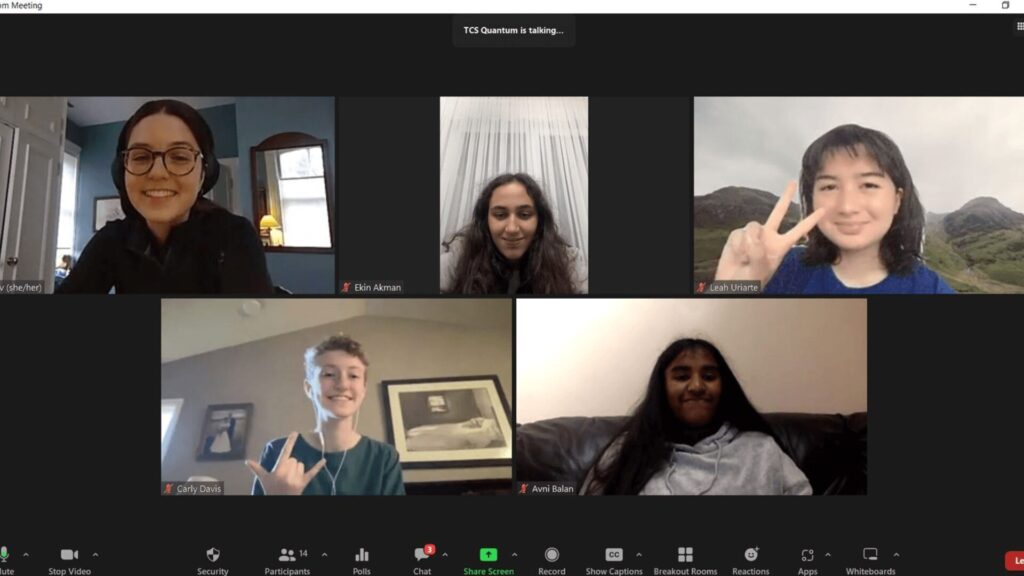
This course offers a practical introduction to forensic psychology, covering the psychological principles, research methods, and legal decision-making behind criminal investigations. You will work through case studies and news stories to understand topics like criminal profiling, witness testimony, and rehabilitative practices.
The intensive two‑week format includes daily live online classes, discussions, and group projects that mirror university‑level teaching. You will earn a Columbia University Certificate of Participation and a personalized evaluation letter from your instructor to use as a writing sample or add to your college‑application portfolio.
Why it stands out: You will explore the intersection of criminal justice and psychology through real case studies, taught by Columbia’s expert instructors.
7. Early College Summer Program: Criminal Justice/Pretrial Justice – Fairleigh Dickinson University
Location: Online
Cost: $799
Acceptance Rate/Cohort Size: Selective; 5 seats
Dates: June 30th – August 11th
Application Deadline: Rolling admissions
Eligibility: Rising sophomores, juniors, and seniors in high school with strong academic standing; open to international students
In this program, you will investigate the pretrial phase of criminal justice, covering topics like cash bail history, preventive detention, national reform debates, and comparative international perspectives. This program is unique for its specific focus on the pretrial stage and its direct instruction from a criminological expert.
Through these sessions, you will build critical thinking skills and learn to navigate the ethical and legal constraints faced by justice professionals. You will ultimately gain a sophisticated understanding of how early legal decisions impact both individuals and the broader justice system.
Why it stands out: It is a rare, credit-bearing opportunity for high schoolers to dissect the complex sociological and legal mechanics of the bail system alongside a dedicated academic expert.
8. Brown University: Comparative Legal Systems & International Criminal Justice

Location: Online
Cost: $3,364; financial aid is available
Acceptance Rate/Cohort Size: Moderately selective; approximately 15-20 students per course
Dates: June 29th – July 10th
Application Deadline: May 8th
Eligibility: High school students who have completed grades 9-12, ages 14-18; open to international students
In this program, you will explore how different nations define and punish crime by examining global incarceration patterns and human rights through Brown’s international lens. The curriculum covers the UN Sustainable Development Goals, the International Criminal Court, and the core differences between adversarial and inquisitorial legal systems.
Throughout the session, you’ll engage in activities like analyzing real-world case studies, debating legal ethics, and comparing international crime statistics. A distinct feature is the move away from a US-only perspective, helping you view criminology as a complex global challenge. You’ll walk away with sharpened skills in legal research, critical analysis, and cross-cultural communication.
Why it stands out: It requires you to deconstruct your own biases and understand that justice is not a universal concept, but one shaped by local history and culture.
9. University of Memphis – Dual Enrollment Criminal Justice (CJUS 1100)
Location: Online
Cost: $200 per credit hour; financial aid is available
Acceptance Rate/Cohort Size: Selective; limited cohort sizes
Dates: Fall: August 24th – December 17th; Summer: June 1st – August 7th; Spring: starts mid-January
Application Deadline: Fall: August 1st; Spring: December 1st; Summer: May 1st
Eligibility: Students who have completed sophomore year; minimum cumulative 3.0 GPA; minimum 19 ACT composite score or 990 SAT; recommendation from a high school principal or counsellor; not open to international students
In this program, you will explore the core pillars of the American justice system, such as policing, the courts, and corrections, while examining how crime is defined and managed. The syllabus covers topics ranging from historical English common law to modern theories of criminal behavior and juvenile justice. As you progress, you’ll participate in digital discussion boards, analyze complex case studies, and complete research papers on systemic legal issues.
This program is uniquely offered as a 100% asynchronous course, allowing you to earn three university credits while still in high school. You will walk away with sharpened critical thinking skills, a better grasp of constitutional law, and the ability to analyze crime from a professional perspective.
Why it stands out: It provides high schoolers with a fully asynchronous path to earn three hours of permanent university credit at a heavily discounted tuition rate.
10. Arizona State University (ASU) Universal Learner – CRJ 100: Introduction to Criminal Justice
Location: Online
Cost: $425 total per course
Acceptance Rate/Cohort Size: Open enrolment; no fixed cohort size
Dates: Session-based and on-demand; Summer: starts May 19th; Fall A: starts August 18th; Fall B: starts October 13th; On-demand: available to start at any time
Application Deadline: No formal deadline
Eligibility: All high school students; open to international students
Through ASU’s CRJ 100, you’ll explore the structural pillars of the American legal system while investigating the core theories behind why crime occurs. The curriculum covers foundational topics like law enforcement history, judicial processes, and diverse criminological perspectives on human behavior. Throughout the course, you will analyze real-world case studies, participate in conversational reports, and complete weekly projects that apply theoretical concepts to current justice challenges.
This program is unique for its “Earned Admission” model, allowing you to start college-level work asynchronously without traditional application hurdles or upfront tuition risks. By finishing, you’ll be able to critically evaluate social policies and understand the complex data used to measure crime trends.
Why it stands out: It offers a truly risk-free pathway to college credit, as you only pay the full tuition cost if you are satisfied with your final grade and wish to add it to your official transcript.
11. Liberty University Online Academy – Criminology Course
Location: Online
Cost: $549; discounts and financial aid are available
Acceptance Rate/Cohort Size: Non-selective; student-teacher ratio is approximately 39:1
Dates: Flexible; students can start on any Monday of the year
Application Deadline: Rolling basis
Eligibility: Grades 9-12 for the high school elective; Grades 11-12 for the Dual Enrollment college credit version; open to international students
In this online elective, you will explore the psychological and sociological causes of crime by analyzing major frameworks like the classical, positivist, and Marxist theories. You will complete practical activities such as writing a Christian Worldview Paper, engaging in peer discussions, and submitting two research projects in professional APA format. The program is unique for its commitment to blending standard criminological study with a faith-based perspective on justice and rehabilitation.
Through these modules, you develop strong skills in critical analysis, academic research, and the ethical evaluation of social policy. This curriculum prepares you for future law studies by synthesizing historical crime data with moral philosophy.
Why it stands out: It allows you to earn college credit while evaluating the complexities of the criminal justice system through an explicitly Christian moral lens.
12. Grand Canyon University (GCU) – Criminal Behavior and Victimology
Location: Online
Cost: $52.50 per credit, plus approximately $110 digital materials fee
Acceptance Rate/Cohort Size: Non-competitive; typically 15-30 students
Dates: 7-week duration; courses start nearly every Monday throughout the year
Application Deadline: Rolling basis; students should apply at least 2-3 weeks before their desired start date
Eligibility: High school sophomores need a 3.25 unweighted GPA; juniors and seniors need a 3.0 unweighted GPA; open to international students
In Grand Canyon University’s (GCU) Criminal Behavior and Victimology program, you will dive into the psychological and sociological drivers of crime and the resulting impact on victims. Your coursework covers topics including choice theory, trait theory, differential association, and developmental theories of crime. You will gain hands-on experience by analyzing criminology case studies, profiling criminal patterns, and evaluating restorative justice scenarios.
This online program combines rigorous college-level content with a Christian perspective on ethics and human rehabilitation. By participating, you’ll develop the strong analytical reasoning and critical thinking skills essential for any career in the legal or behavioral health fields.
Why it stands out: It offers high schoolers a rare opportunity to earn four transferable college credits while analyzing the root causes of crime through both a scientific and faith-based lens.
13. South Texas College – Dual Enrollment Criminal Justice Academy (DECJA)
Location: Online
Cost: Applies; financial aid is available
Acceptance Rate/Cohort Size: Selective; typically 20-30 students per campus/cohort
Dates: Two-year program; runs year-round, with Fall, Spring, and Summer sessions
Application Deadline: March 31st
Eligibility: High school juniors, applying in 10th grade; must meet TSI college-readiness standards in Reading, Writing, and Math; not open to international students
In the South Texas College DECJA program, you’ll explore the roots of criminal behavior through focused courses like Crime in America and Juvenile Justice. Over two years, you will study criminal law, police practices, and the corrections system while earning a full Associate degree. Your experience involves participating in regional field trips to justice institutions, attending guest lectures from law enforcement professionals, and completing specialized research assignments.
This academy bridges high school and a career by immersing you in real-world legal theory year-round. Through this path, you will sharpen your critical thinking and gain the skills needed to analyze complex judicial processes and legal structures.
Why it stands out: It provides an opportunity to earn a university-recognized Associate of Arts degree before you even graduate from high school.
14. Milwaukee Area Technical College (MATC) Dual Enrollment Academy: Criminal Justice
Location: Online
Cost: None
Acceptance Rate/Cohort Size: First-come, first-served; typically 15–25 students per pathway
Dates: August – May
Application Deadline: March 1st
Eligibility: High school senior status; 2.0+ GPA; 90% attendance record; open to international students
In this program, you explore the core of criminology by studying the psychological and social factors that drive criminal behavior. Your curriculum includes diverse topics like the American legal system, juvenile justice, and specialized fitness training. To gain practical experience, you will process mock crime scenes, handle forensic evidence, and engage in high-tech police simulation drills.
A standout feature is the ability to earn nearly 30 college credits, effectively completing your first year of a degree while still in high school. It prepares you to analyze crime patterns and master the communication techniques used by law enforcement professionals.
Why it stands out: It provides a debt-free path to finish your entire first year of college coursework while gaining hands-on experience at a state-of-the-art protective services training center.
15. Central Piedmont Community College – Career and College Promise (CCP) Criminal Justice Technology Pathway
Location: Online
Cost: None, except Technology Fee: $48/semester; Student Activity Fee: $26 – $35/semester; course materials vary by class
Acceptance Rate/Cohort Size: Non-competitive; typically 20-30 students per class
Dates: Fall Semester: starts August 17th; Spring Semester: starts January 11th
Application Deadline: Fall: July 20th; Spring: November 30th
Eligibility: High school juniors or seniors; minimum 2.8 unweighted GPA or qualifying benchmark scores on approved tests; requires high school principal or designee recommendation; not open to international students
In this pathway, you will dive into the foundational theories of criminal behavior and the operational mechanics of the American legal system. Your studies cover essential topics like criminology, juvenile justice, constitutional law, and investigative principles. You will engage in hands-on activities such as conducting basic investigations, analyzing crime scene evidence, and evaluating the societal causes of crime.
This program offers tuition-free college credits while you are still in high school, providing a head start on an Associate degree. Through your coursework, you will develop skills in ethical decision-making, analytical reasoning, and legal literacy.
Why it stands out: It allows high school students to earn accredited, career-ready college credits at no tuition cost, effectively bridging the gap between secondary education and a professional criminal justice degree.
From Crime Analysis to University Preparation
Start with the case file, then follow the questions: what happened, why did it happen, and how should justice respond?
That is the value of the online criminology programs for high school students featured here, from wrongful conviction research and forensic psychology to bail reform, victimology, and international justice.
Each option helps you practise university-style thinking, whether you’re building evidence-based arguments, writing research papers, comparing legal systems, or analysing crime through psychology and sociology.
Bring that same focus to your next step with our University Preparation blogs, built to help you choose smarter, apply stronger, and feel ready before university begins.