



 Русский (RU)
 Українська (UK)
 Türkçe (TR)
 Italiano (IT)
 Français (FR)
 Português (PT)
 中文 (中国) (ZH)
 Español (ES)
 日本語 (JA)
 ไทย (TH)
 Deutsch (DE)
 Ελληνικά (EL)
 Polski (PL)
 Bahasa Indonesia (ID)
 Nederlands (NL)
 العربية (AR)
 한국어 (KO)
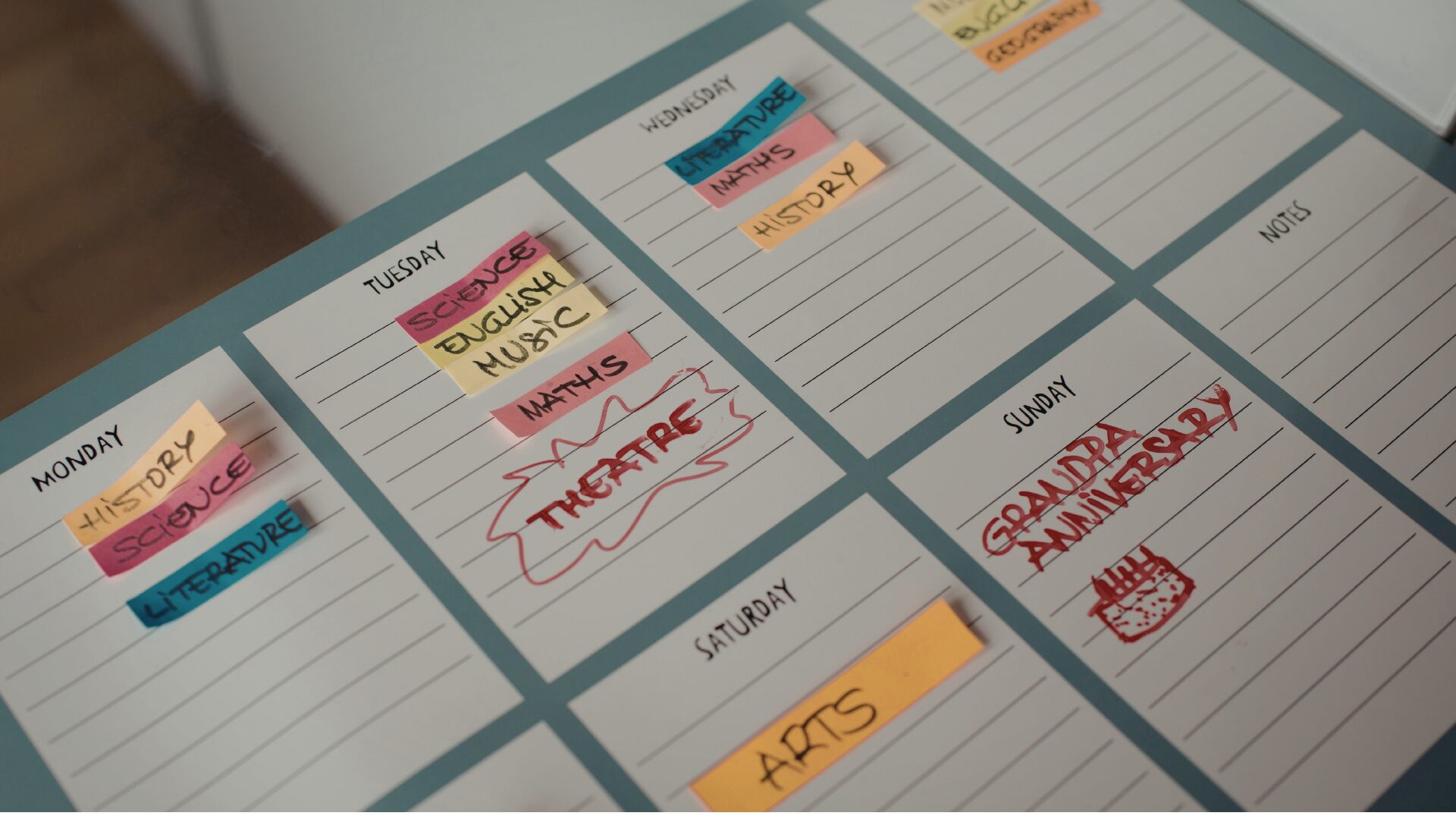
Ever had a day where you started out organised, then suddenly it’s evening, revision hasn’t happened, the sink is full, and a reminder pops up for an assignment you completely forgot about? Without a plan, the day disappears quickly. Time management techniques for students help you regain control before pressure builds.
You can manage your time effectively by creating a clear schedule, setting priorities, and using proven study techniques like the Pomodoro Technique, time blocking, and structured task planning.
Thoughtful planning also supports how your brain learns. Smaller tasks, clear goals, and regular review reduce overload and improve retention.
The sections below explore how these strategies work and how you can apply them confidently.
The Cognitive and Behavioural Foundations of Time Management
Time management works because planning reduces cognitive load and improves how efficiently your brain processes information. When you decide what you will study in advance, you remove the constant pressure of choice, allowing your attention to stay focused on understanding rather than organisation.
Task segmentation strengthens learning further. Breaking complex academic work into smaller, purposeful steps makes it easier to begin and sustain effort. Research into effective learning strategies shows that structured study sessions, guided by clear priorities, lead to stronger recall and deeper learning outcomes over time.
High school students that find behavioural insights like these interesting could enjoy exploring the subject further on our Cambridge Psychology summer school.
Here, you engage with topics including cognitive psychology, reasoning and decision-making, and experimental design, while managing preparatory reading, academic sessions, and a personal project. This structure encourages you to apply planning, prioritisation, and reflection in real academic contexts.
Cambridge is an exceptional setting for this exploration. Its long-standing research culture, academic libraries, and emphasis on evidence-led thinking create an environment where understanding how the brain learns feels both practical and relevant.
7 Research-Backed Time Management Techniques for Students
From the Pomodoro Technique to the Time Blocking Method, you can use a range of time management techniques for students to improve focus and bring structure to your study routine.
Here are the 7 different methods you can try.
1. Pomodoro Technique
You use the Pomodoro Technique by working in short, focused bursts, then taking a planned break before you restart. Set one clear task, work for 25 minutes without switching tabs or checking messages, then take a five-minute break.
After four cycles, take a longer break of 15 to 30 minutes. If 25 minutes feels too long at first, start with 15 and build up as your concentration improves.
Practical tip: Use a simple timer or a Pomodoro app, and keep your phone on Do Not Disturb for the full focus block.
2. Eisenhower Matrix
The Eisenhower Matrix helps you sort tasks by urgency and importance using the Do, Decide, Delegate, Delete framework. Begin by listing everything you need to complete, then act immediately on tasks that are both urgent and important.
Schedule important but not urgent work for later, delegate low-value urgent tasks where possible, and remove tasks that add no academic value. This approach shifts your focus from staying busy to making real progress.
Practical tip: Review your matrix at the end of each day and move unfinished “Decide” tasks into tomorrow’s schedule.
3. Time Blocking Method
Instead of reacting to tasks as they appear, time blocking asks you to plan your day deliberately. For example, block 9:00–10:00 for maths revision, 10:00–10:15 for a break, and 10:15–11:00 for essay planning.
Adding short buffer periods between blocks helps absorb delays, limit distractions, and prevent work from taking over your entire day.
Practical tip: Treat each block like an appointment and start when the timer hits.
4. Getting Things Done (GTD)
Instead of trying to remember everything, the Getting Things Done method asks you to offload tasks into a trusted system. You write down everything you need to do, then define the very next physical action for each task.
For example, “read psychology chapter” becomes “read ten pages”. This clarity reduces mental clutter, improves follow-through, and keeps your attention on one task at a time.
Practical tip: Keep a single running task list and, each evening, rewrite tomorrow’s top three next actions by hand.
5. Eat That Frog
When your day starts with avoidance, this method changes the order. Eat That Frog means identifying your most difficult or important task and completing it first. For example, you might begin the morning by drafting the hardest section of an essay before reviewing notes or replying to messages.
Finishing demanding work early reduces stress, builds momentum, and makes the rest of your workload feel more manageable.
Practical tip: Choose your “frog” the night before and start it within the first 30 minutes of your day.
6. Pareto Analysis (80/20 Rule)
Pareto Analysis is built on the principle that roughly 20 percent of your decisions drive 80 percent of your academic outcomes. In practice, this means identifying what truly moves your grades.
For example, focusing on exam questions that carry the most marks often delivers more progress than revising every topic evenly. By concentrating effort on high-impact work, you improve results without increasing study hours.
Practical tip: Review past papers and prioritise topics that appear most often or carry the highest marks.
7. Parkinson’s Law
Parkinson’s Law states that work expands to fill the time you give it. Instead of leaving tasks open-ended, you set firm, realistic deadlines.
For example, giving yourself 45 minutes to revise a topic often leads to better focus than allowing an entire afternoon. Clear time limits encourage urgency, reduce procrastination, and help you complete work more efficiently.
Practical tip: Decide your time limit first, set a countdown timer, and write the deadline at the top of your page before starting.
Psychology
In-person
Uncover the complexities of human behaviour in Cambridge,...

Psychology
Online
In their projects, participants will explore specific elements...

Everyday Time Management Habits That Help Students Stay Organised
Strong time management techniques for students are built through daily habits. How you plan and prioritise each day shapes your focus, organisation, and consistency over time.
Here are some everyday time management habits you can use to bring structure and clarity to your study routine.
- Create a realistic schedule that reflects how you actually work: Block study time around lessons and activities, schedule hardest subjects in peak focus hours, and review your calendar every Sunday to adjust blocks that consistently overrun.
- Set priorities clearly before each study session begins: Write down one task you must finish this session, define what completion looks like, and do not open notes or apps unrelated to that single goal.
- Break academic work into small, clearly defined actions: Split assignments into steps like outlining three points, reading five pages, or writing one paragraph. Small actions reduce hesitation and make starting work far easier.
- Reduce distractions by focusing on one task at a time: Put your phone in another room, close all tabs except one, and set a 30-minute timer so attention stays on the same task throughout.
- Plan breaks and flexibility to maintain long-term consistency: Schedule five to ten-minute breaks between study blocks and leave one empty buffer block daily to absorb delays without derailing your entire plan.
Join the Immerse Education 2025 Essay Competition
Follow the instructions to write and submit your best essay for a chance to be awarded a 100% scholarship.

How Structured Learning Environments Reinforce Effective Scheduling
Structured learning environments demonstrate how fixed timetables support focus, discipline, and steady academic progress.
When your day is clearly organised, you spend less time deciding what to do next and more time engaging deeply with academic work. This consistency helps build reliable study habits and sustained momentum.
Immersive academic programmes are especially effective because they model productive routines in real time. At our Cambridge summer school, daily schedules are built around academic sessions, preparatory reading, discussion-based learning, and independent projects.
These structured routines mirror university-level expectations and show you how focused study blocks, deadlines, and reflection periods work together to support strong academic performance.
Flexible Scheduling Models for Contemporary Learners
Flexible scheduling recognises that you do not learn in exactly the same way every day. Instead of following a rigid routine, adaptable frameworks help you plan around your energy, pace, and subject demands while keeping structure in place.
Weekly planning grids are a simple starting point. They allow you to map deadlines, study blocks, and personal commitments across the week so nothing clusters unexpectedly. Workload mapping builds on this by helping you visualise how demanding each task is, not just when it is due. This makes it easier to balance intensive subjects with lighter work and avoid burnout.
Task batching adds another layer of flexibility. By grouping similar activities, such as reading, problem-solving, or writing, you reduce context switching and protect concentration. This approach works well if you prefer longer focus periods or want to study deeply without constant interruptions.
Flexible time management also supports different learning styles. Some learners benefit from extended study blocks, while others perform better with shorter, repeated sessions spread across the day.
At our online summer school, structured timetables are paired with flexible study windows. This combination supports accountability, encourages self-management, and helps you take ownership of your academic routine while working independently.
Practical Tools and Reflective Strategies
You can elevate your time management techniques for students by using practical tools that turn good intentions into action, helping you plan with confidence, stay focused, and build routines that actually last.
Here are some tools you can use to plan your time, stay focused, track progress, and reflect on your routines more effectively.
- Planners and digital calendars: Google Calendar, Apple Calendar, Fantastical
- Self-monitoring templates and trackers: Notion, Google Sheets, Todoist
- Focus and scheduling apps: Forest, Focus To-Do, TickTick
- Routine review and reflection tools: Notion, Day One, Evernote
Using these tools regularly encourages review and reflection. By evaluating what worked each week and adjusting where needed, you strengthen planning habits and turn time management techniques into long-term academic skills.
Conclusion
Disciplined planning habits strengthen your academic readiness by improving focus, balance, and sustained performance. When you plan with intention, pressure feels manageable rather than overwhelming.
Mastering these time management techniques for students gives you more than better grades. It gives you control. You stop reacting to deadlines and start shaping your academic life with purpose, clarity, and confidence.
Over time, effective planning helps you organise effort, maintain momentum, and perform consistently across subjects. These habits matter long after individual assessments end.
If you want to build these habits early and feel prepared for university life, explore our Immerse programmes where you’ll develop confidence, independence, and strong planning skills before expectations rise.