
 Русский (RU)
 Українська (UK)
 Türkçe (TR)
 Italiano (IT)
 Français (FR)
 Português (PT)
 中文 (中国) (ZH)
 Español (ES)
 日本語 (JA)
 ไทย (TH)
 Deutsch (DE)
 Ελληνικά (EL)
 Polski (PL)
 Bahasa Indonesia (ID)
 Nederlands (NL)
 العربية (AR)
 한국어 (KO)

As a high school student curious about technology, coding, or problem-solving, computer science can feel both exciting and intimidating. You might already be learning to code on your own or through school classes, yet still wonder what computer science really looks like beyond basic syntax and short projects. One of the best ways to truly understand it is by taking part in a computer science program designed specifically for high school students.
Imagine spending your time learning in a university-style environment, collaborating with peers to build applications and design algorithms. Picture working through real coding challenges, attending lectures led by experienced instructors, and getting a glimpse of what studying computer science at the college level actually feels like. These programs offer a structured yet exploratory way to develop both technical and analytical skills.
How do you choose the right computer science programs for high school students?
With so many options available, finding the right fit can be challenging. Some programs focus only on introductory coding, while others introduce more advanced topics like machine learning, cybersecurity, or software engineering. That’s why thoughtful research matters, so you can identify programs that align with your interests.
Across universities, tech organizations, and educational institutions, computer science programs for high school students are increasingly hands-on and rigorous. You may explore programming languages, computational thinking, data analysis, and emerging technologies through projects, labs, and collaborative assignments. Programs range from beginner-friendly introductions to selective experiences that mirror university-level coursework.
You’ll learn from experienced instructors, take part in coding workshops and problem-solving sessions, and collaborate with motivated peers who share your interests. Along the way, you’ll build confidence, strengthen your technical foundation, and gain a clearer sense of whether computer science is the right path for you.
To help you get started, we’ve curated a list of 15 Computer Science Programs for High School Students. They’ve been selected for their academic quality, practical learning opportunities, and the insight they provide into studying technology at a higher level.
15 Computer Science Programs for High School Students
1. MITES Summer – Massachusetts Institute of Technology (MIT)
Location: Massachusetts Institute of Technology, Cambridge, MA
Cost: Free (travel, housing, and meals covered)
Dates: Late June – Early August (6 weeks)
Application Deadline: February 15th
Eligibility: U.S. citizens or permanent residents currently enrolled as high school juniors
MITES Summer lets you immerse yourself in a six-week residential STEM curriculum designed for high school juniors interested in science and engineering. You’ll take advanced coursework across math, science, computer science, and humanities. You will study electives like machine learning, genomics, or computing. Daily lectures, recitations, and laboratory tours at MIT give you a first-hand look at how researchers and engineers at leading institutions work.
You’ll also receive a written evaluation from your instructors and gain access to college admissions-preparation support. Finally, by living on campus and working with classmates who share your interests, you’ll develop both technical skills and a better understanding of what undergraduate STEM education may look like.
Why it stands out: It provides a comprehensive six-week STEM curriculum with advanced coursework in science, engineering, and humanities, offering hands-on experience at MIT and college admissions support for high school juniors.
2. Immerse Education’s Computer Science Summer School

Location: Cambridge or Oxford (campus‑based, UK)
Cost: Varies; summer school scholarship available through their bursary programme
Dates: 2 weeks during the summer
Application Deadline: Multiple cohorts with rolling admissions
Eligibility: Students worldwide aged 13-18 currently enrolled in middle or high school
Immerse Education’s Computer Science Summer School places you in an academically structured environment where you study foundational and advanced computing concepts with expert tutors from leading universities. You cover important topics like algorithms, data structures, programming languages, and software engineering principles, as well as applications like machine learning and artificial intelligence. Small classes let you get personalized feedback and talk to tutors and classmates from all over the world on a regular basis.
When you go to a place like Cambridge or Oxford in person, you also get to experience campus life and structured activities that are similar to how you would study at a university. By completing this summer school, you gain clearer insight into how computer science is studied at the tertiary level and develop technical skills that support future academic and career decisions in computing fields. You can find more details about the application here.
Why it stands out: You’ll be taught by top faculty, work on an independent project, and live on campus, giving you a complete experience of future university life.
3. NYU Tandon School of Engineering – SPARC (Summer Program for Automation, Robotics, and Coding)
Location: Brooklyn, NY
Cost: $3,300
Dates: 2 weeks during the summer
Application Deadline: Rolling until filled
Eligibility: Domestic and international high school students with an interest in robotics or CS
SPARC introduces students to robotics, automation, and programming through hands-on lab sessions and guided instruction by NYU Tandon faculty. You gain knowledge of fundamental ideas in robot navigation, microcontrollers, and sensor integration. Workshops for designing, constructing, and testing robotic devices are part of the program.
Basic control algorithms and Python are covered in coding instruction. The curriculum places a strong emphasis on practical engineering skills and project-based learning. By the end, you feel more comfortable with robots’ hardware and programming, which are frequently used in engineering courses at universities.
Why it stands out: It offers a hands-on robotics and coding experience, focusing on microcontrollers, sensor integration, and Python programming, providing you with practical skills in automation and robotics for future engineering studies.
4. Columbia University – SHAPE (Summer High School Academic Program for Engineers)
Location: Columbia University, New York, NY
Cost: Residential fee – $10,705, commuter fee – $5,880
Dates: Typically late June – Mid-August (Multiple 3-week sessions)
Application Deadline: March 2nd
Eligibility: Rising 10th-12th grade students; U.S. citizens/permanent residents preferred
SHAPE introduces you to engineering through project-based coursework in fields such as computer science, electrical engineering, cybersecurity, and robotics. While you listen to lectures from Columbia Engineering instructors and graduate students, you carry out planned experiments that use engineering principles. Prototyping, programming, and testing are encouraged through team projects.
Technical writing, engineering problem-solving, and college preparedness courses are all part of the curriculum. You are exposed to university-level learning during sessions held inside Columbia engineering labs. SHAPE is well-suited for students interested in a short but intensive engineering experience at a top engineering school. By the end of the program, you will have a completed project and a stronger understanding of engineering as a discipline.
Why it stands out: It provides hands-on engineering experience through team projects in areas like robotics and cybersecurity, while working in Columbia’s labs, giving you a taste of university-level engineering.
5. MIT Women’s Technology Program (WTP)
Location: Massachusetts Institute of Technology (MIT), Cambridge, MA
Cost: Free for students with family income less than $120,000; scale up to $20,000
Dates: June 27th – July 25th
Application Deadline: December 15th
Eligibility: Rising high school seniors who are female or gender-minority students with little or no prior engineering experience. Applicants must live in the U.S. year-round
The Women’s Technology Program (WTP) is a highly selective academic experience focused on introducing you to mechanical engineering, electrical engineering, and computer science. This program is designed for students who are very good at math and science but haven’t had much experience with engineering. You do challenging, hands-on projects, solve problems, and work in teams, just like you would in college at MIT.
This very competitive, free program is great for young women and minority students who want to build a technical foundation and gain confidence in a supportive, challenging academic setting. The experience includes guest lectures by faculty and visits to research labs, which will give you a wider view of the research opportunities that are available to you in the future.
Why it stands out: It introduces young women and gender minorities to mechanical and electrical engineering through challenging hands-on projects, offering a supportive academic environment at MIT.
6. STFC Summer Work Experience Program
Location: Rutherford Appleton Laboratory, Oxfordshire, UK
Cost/Stipend: Not specified
Dates: 1-2 weeks between June 29th and July 24th
Application Deadline: February 28th
Eligibility: Students living in the UK and in full-time education in Years 10-13 in England and Wales, S4-S6 in Scotland, and Years 11-14 in Northern Ireland.
During the STFC Summer Work Experience Program, you will spend 1-2 weeks working on a project, either independently or in a group. The project will be relevant to your interests and will include both solo work and sessions led by your supervisor.
Your research could be in a variety of fields, with a concentration on laser physics, neutrons, space, computing, technology, and more. There are about 100 placements and 50 projects available. Students have previously worked on projects involving data analysis, website design, code programming, and more.
Why it stands out: It offers real-world research experience at a renowned laboratory, where you work on cutting-edge projects in fields like laser physics and space, providing hands-on learning in an interdisciplinary setting.
7. Princeton AI4ALL
Location: Princeton, NJ
Cost: Free
Dates: July 9th – July 30th
Application Deadline: April 9th
Eligibility: Rising 11th graders from the US/Puerto Rico.
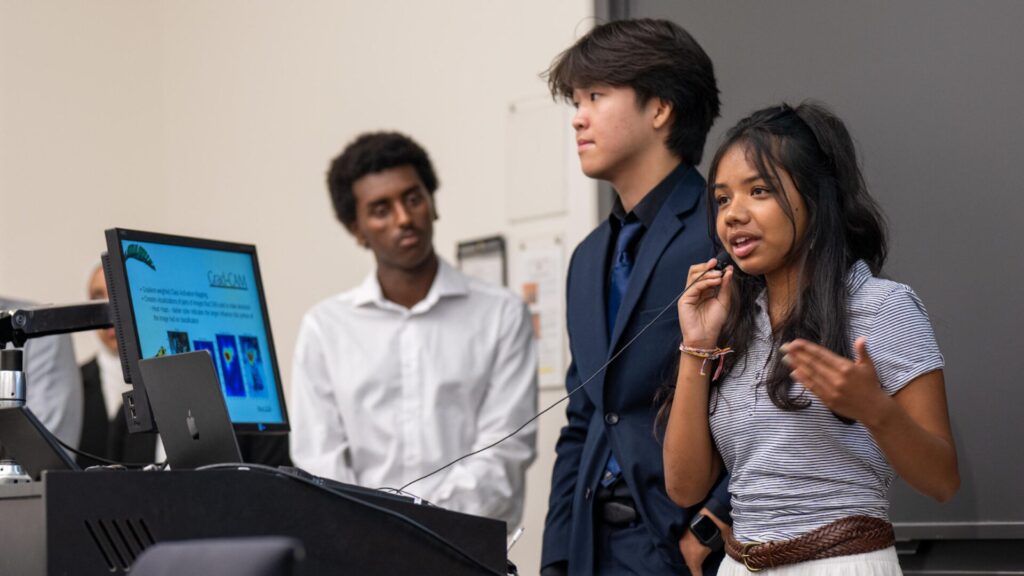
Princeton AI4ALL is a three‑week, fully funded residential computer science and artificial intelligence program that brings high school students to campus to study core concepts in AI, technology, and their societal implications. Every day, you listen to lectures from Princeton professors, work on group projects with the help of graduate student mentors, and talk about the moral, social, and policy issues surrounding AI.
At the end of the program, you present your work. The curriculum also includes workshops for professional development and activities for building community with peers and mentors. An educational trip to Washington, D.C., gives you a chance to see how AI, public policy, and society all come together. By the end of the summer, you gain a multifaceted understanding of how AI works in practice, how computational thinking applies to concrete problems, and the broader contours of technology policy and ethics.
Why it stands out: It offers a fully funded, immersive AI experience, where you learn coding, explore AI’s societal impacts, and work on real-world projects, with the opportunity to visit Washington, D.C., to see AI’s role in public policy.
8. Oxford Saïd Teen Technology and Innovation Summer Academy (University of Oxford)
Location: Saïd Business School, University of Oxford, Oxford, England
Cost/Stipend: Up to $11,802
Dates: July 18-31
Application Deadline: Early spring (tentatively)
Eligibility: Ambitious teens from around the world aged 15 to 18
This program’s main goal is to empower the next generation of innovators by delving deeply into technology-driven topics and their real-world applications. The rigorous, project-based curriculum covers topics like biotech, sustainable tech, tech entrepreneurship, and artificial intelligence. Reputable academics and business professionals will instruct you.
You will hone your technical and persuasive communication abilities while working in groups to investigate and present technology solutions to a panel of experts. The course validates your study and achievement in a highly relevant topic by awarding you with an official University of Oxford diploma.
Why it stands out: It combines technology and entrepreneurship, where you work on real-world projects and learn from academics and business professionals at Oxford, culminating in presenting tech solutions to industry experts.
9. Changemakers in Computing (CiC)—University of Washington, Paul G. Allen School of Computer Science & Engineering
Location: University of Washington, Seattle, WA (in‑person on campus)
Cost/Stipend: Free; no tuition or fees for accepted participants.
Dates: July 6th - July 30th (meets Monday–Thursday with orientation and group sessions)
Application Deadline: April 1st (application opens earlier in March)
Eligibility: Rising high school juniors and seniors currently enrolled in Washington State high schools; U.S. citizens, permanent residents, DACA, or Employment Authorization Document holders
Changemakers in Computing (CiC) is a free, four-week summer program at the University of Washington’s Allen School that teaches you basic technology concepts through structured group work and discussion. You work in small groups with undergraduate mentors and learn coding through project-based learning that is relevant to real-world computing situations and ethical issues.
The curriculum includes both technical lessons and lessons on social justice, career exploration, and computer science pathways after high school. Since your mentors are college students studying computer science, you also learn about how college students are expected to do well in school and how to study. By the end of the program, you will have built practical coding experience and a clearer sense of how computing coursework and community operate within a major public research institution.
Why it stands out: It teaches coding and social justice in computing, where you work on group projects with mentors to solve real-world problems using technology while exploring career pathways in computer science.
10. Texas Tech University’s Anson L. Clark Scholars Program
Location: Texas Tech University, Lubbock, TX
Cost: Free
Dates: June 21st – August 6th
Application Deadline: February 16th
Eligibility: High school juniors and seniors who are at least 17 by the start date and are U.S. citizens/permanent residents
The Anson L. Clark Scholars Program is a highly selected, faculty-mentored research program that immerses you in a university research setting for an extended summer term. You work one-on-one with a Texas Tech faculty mentor to do innovative, hands-on research in your chosen field, which might be artificial intelligence, computer science, engineering, or a related topic.
The program emphasizes research technique, academic writing, and autonomous investigation through extensive lab or project work. Aside from research, you participate in weekly seminars, discussions, and field trips to better understand how academic research relates to real-world concerns. The program concludes with a formal written research report and presentation of your findings.
Why it stands out: It offers one-on-one faculty mentorship for in-depth research in STEM fields, providing a real university research experience while living on campus and working on hands-on projects.
11. University of Chicago Data Science Institute (DSI) Summer Lab
Location: University of Chicago, Hyde Park Campus – Chicago, IL
Cost: Free to participate; paid internship with stipend support (no tuition or fees for accepted students)
Dates: June 15th – August 7th
Application Deadline: January 12th
Eligibility: High school students who live/attend school in the Chicago area (freshmen through seniors) and can commute to campus
The University of Chicago’s Data Science Institute Summer Lab is an eight-week, paid summer research internship for high school students. They work with faculty and graduate students on campus. You work with real data in research groups on topics like computer science, data science, public policy, climate and energy studies, materials science, and biomedical research. Interns do research methods, computer tasks, and group work that are similar to what university research teams do.
The program ends with the presentation of research through final videos shown at a summer symposium. This gives you practice presenting your findings in a way that is similar to how they are done in academic settings. By participating, you gain firsthand exposure to how data science and computational research operate in a top research university.
Why it stands out: It offers a paid internship in data science research, where you work with faculty on real projects in areas like public policy and climate science, culminating in a final symposium presentation.
12. Stony Brook University’s Simons Summer Research Program
Location: Stony Brook University, Stony Brook, NY
Cost: Free
Dates: June 29th – August 7th
Application Deadline: February 5th
Eligibility: Students in their junior year of high school (11th grade) who are at least 16 years old by the start of the program. Must be US citizens and/or permanent residents
Through the Simons Summer Research Program, you can work in a faculty-led research group on novel STEM initiatives, such as data science and artificial intelligence. You receive practical expertise with research techniques like coding, data analysis, visualization, and experimental design while working directly with a faculty mentor at Stony Brook.
Participants in the program are introduced to the culture and standards of academic research through weekly lectures and professional development seminars. In order to present your study at a formal symposium, you draft an abstract and build a poster throughout the summer. Upon completing the program, participants receive a stipend.
Why it stands out: It provides hands-on research in STEM, where you work with faculty mentors on projects like AI and data science, gaining practical experience and presenting your findings at a formal symposium.
13. Carnegie Mellon University AI Scholars
Location: Carnegie Mellon University, Pittsburgh, PA
Cost: Free
Dates: June 20th – July 18th
Application Deadline: February 1st
Eligibility: High school juniors who are at least 16 years of age and U.S. citizens, permanent residents, or registered with DACA can apply. No prior coding experience is required.
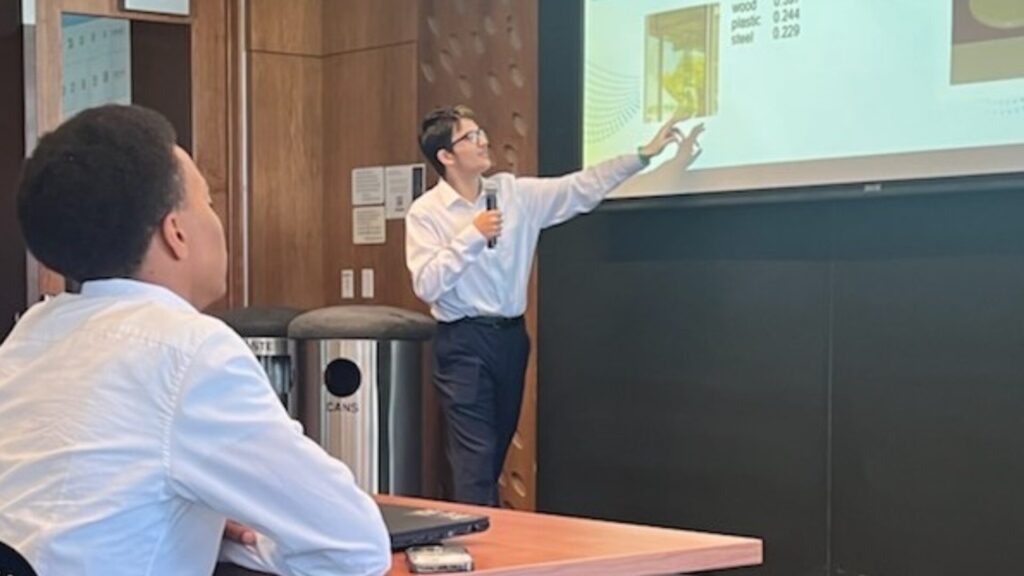
Through a combination of group research projects and classroom teaching, Carnegie Mellon’s AI Scholars program offers students a fully supported opportunity to investigate artificial intelligence.
While working on group projects that tackle real-world issues, you will attend lectures given by CMU experts and master the fundamentals of robotics, machine learning, and computational thinking. Additionally, the program offers seminars on college preparation and chances to network with senior executives in the IT sector.
Why it stands out: It provides hands-on AI learning through group research projects, lectures by CMU experts, and seminars on college preparation and career pathways in AI, all while gaining exposure to university-level learning.
14. UCLA’s Computer Science Summer Institute (Introductory Track)
Location: University of California, Los Angeles, CA
Cost: To be announced
Dates: June – July
Application Deadline: June 14th
Eligibility: High school students worldwide in grades 9-12 can apply. All participants must be at least 15 years of age by the first day of Summer Sessions.
For high school students interested in computer science and related majors, the Computer Science Introductory Track offers a combination of coding and lab tours along with UCLA coursework. Through UCLA’s computer programs, you will learn how to use computers as instruments for problem-solving, creativity, and discovery.
Using Python, a programming language, UCLA’s Computer Science Summer Institute simulates what it would be like to enroll in a college-level computer science course and introduces students to both programming and the broader field of computing. Since on-campus housing is not an option, this opportunity is only open to students who can travel to UCLA’s campus.
Why it stands out: It gives an introduction to computer science through Python coding and UCLA coursework, offering hands-on experience with programming in a college-level setting.
15. UT Austin Computer Science Summer Academies
Location: Gates Dell Complex & UT Austin campus, Austin, TX
Cost: Free for Academy for All and Academy for Women; tuition‑based open‑enrollment academies
Dates: Multiple one‑week sessions in June and July (e.g., June 7th – June 13th for Academy for All; June 14th – June 19th for Machine Learning Edition)
Application Deadline: Registration typically opens in late fall/early winter
Eligibility: Students entering Grades 11-12 in the upcoming academic year; open to U.S. and international applicants in many cases
The UT Austin Computer Science Summer Academies program includes a suite of residential and open‑enrollment summer academies designed to introduce high school students to core areas of computing and technology. Free residential academies such as Academy for All and Academy for Women provide one‑week experiences where you learn foundational programming concepts, teamwork, and problem‑solving while living on campus.
Tuition-based open-enrollment academies focus on specific areas like machine learning, robotics, game development, or iOS app development. You do structured coding exercises, work on projects, and have discussions that are similar to what you would do in a college-level computer science class. By the end of the academy, you gain hands‑on experience with computing tools and languages and a clearer understanding of how foundational CS concepts are explored in a university environment.
Why it stands out: It offers free and tuition-based academies in various computing areas, including machine learning and robotics, with hands-on labs, lectures, and campus life experience, providing insight into university-level computer science education.
Preparing for a Rapidly Evolving Tech World
Technology evolves quickly, and early exposure helps you understand how problem-solving, logic, and creativity intersect in real computational environments.
By working through structured challenges, collaborative projects, and guided instruction, you develop adaptable thinking rather than memorizing tools that soon change.
The computer science programs for high school students featured in this article provide context for algorithms, data, and systems while clarifying academic expectations at higher levels.
To explore emerging trends, teaching approaches, and how education adapts to innovation, visit our Educational Innovation blogs for insights that help you stay informed and future-ready.