
 Русский (RU)
 Українська (UK)
 Türkçe (TR)
 Italiano (IT)
 Français (FR)
 Português (PT)
 中文 (中国) (ZH)
 Español (ES)
 日本語 (JA)
 ไทย (TH)
 Deutsch (DE)
 Ελληνικά (EL)
 Polski (PL)
 Bahasa Indonesia (ID)
 Nederlands (NL)
 العربية (AR)
 한국어 (KO)
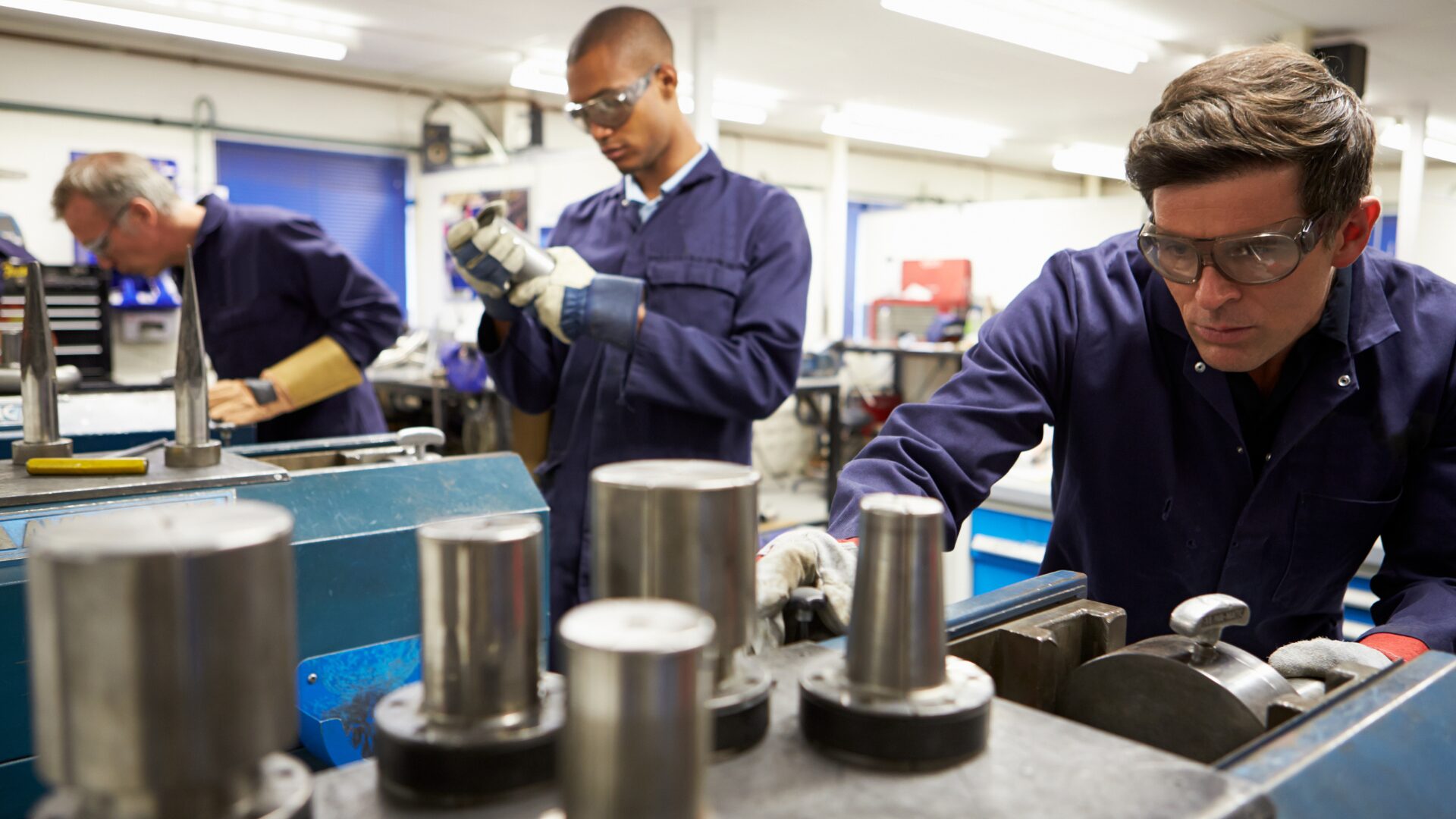
If you are a high school student thinking about engineering, summer can be more than a break from school. It can be a test run. A few focused weeks in an engineering summer school in Australia can show you what studying engineering at university actually feels like. You get to move beyond classroom theory and try solving real problems in a structured, fast-paced setting.
Engineering summer schools are short academic programs held during the summer months. They are designed to help you build advanced skills in a specific area, whether that is mechanical design, coding, robotics, civil systems, or electrical engineering. You might attend lectures during the day, work in labs or design studios, and spend evenings refining a project with your team. The format is intensive, but that is the point. In a short span of time, you experience the rhythm and expectations of university-style study.
What kind of engineering summer schools are available for high school students in Australia?
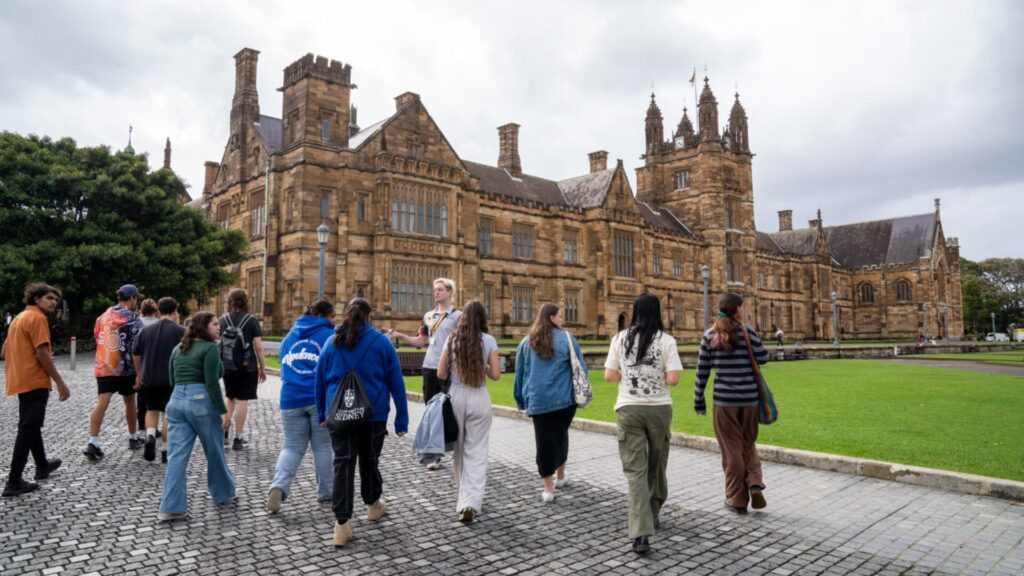
Studying in Australia adds another layer to the engineering summer school experience. The city is home to leading institutions such as the University of Sydney. Spending your summer in a rigorous academic environment, even briefly, can give you early academic and residential exposure to what an engineering major abroad might demand.
Not every summer program offers the same depth. Some introduce you to engineering briefly, while others expect you to think, design, test, and present like a first-year engineering student. Choosing carefully is necessary for a realistic preview of the field.
To make that easier, we’ve put together a list of 15 Engineering Summer Schools for High School Students in Australia. Each offers structured learning, rigorous exposure, and a clear glimpse of what studying engineering at university involves.
For more subject choices, you can explore summer schools in Australia.
15 Engineering Summer Schools in Australia for High School Students
1. Immerse Education’s Sydney Engineering Summer School
Location: St Paul’s College, University of Sydney, Sydney
Cost/Stipend: Varies; summer school scholarship available through our bursary programme
Acceptance rate/cohort size: Selective; average of 7 participants per class
Dates: 2 weeks during the summer
Application Deadline: Varies based on cohort
Eligibility: Students worldwide aged 13-18 currently enrolled in middle or high school
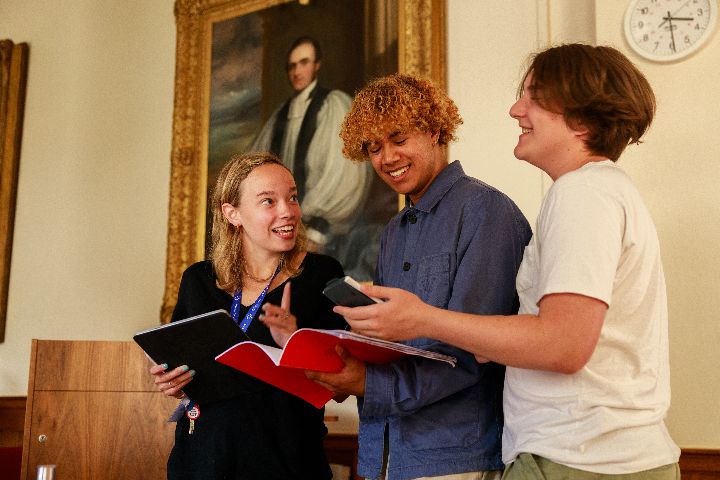
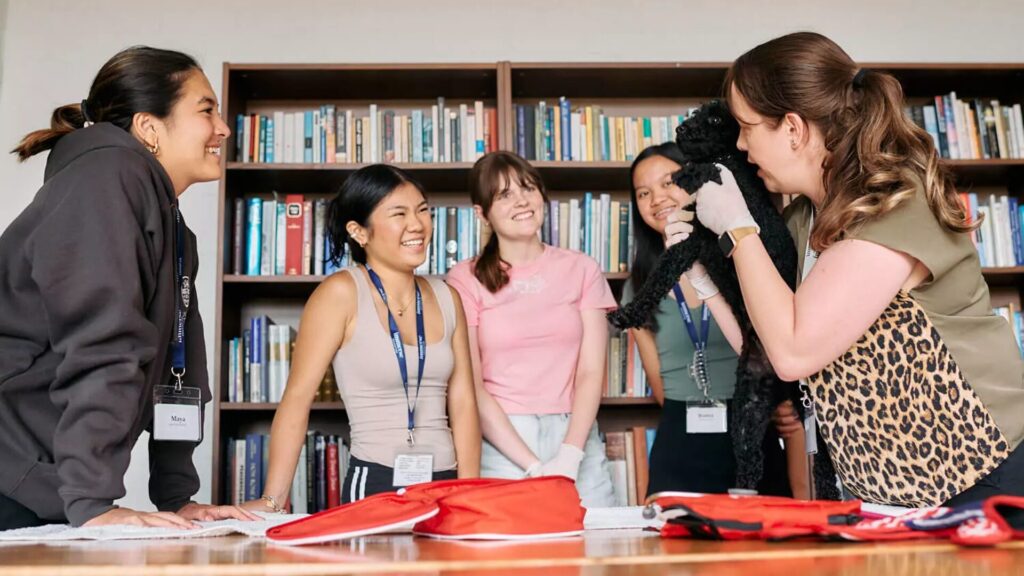
Immerse Education’s Sydney Summer School is one of the most academically immersive engineering summer school in Australia, allowing high school students to experience university-level study while spending time at the University of Sydney. You attend classes taught by academic tutors, combining lectures, seminar discussions, and weekly one-to-one tutorials. During the program, you also complete an independent project and receive written feedback along with a certificate of completion.
Outside the classroom, the schedule includes visits to major city landmarks such as the Sydney Harbour Bridge, Sydney Opera House, and Bondi Beach. Time is also set aside to explore museums, markets, and historic neighborhoods around the city, giving students a broader sense of life in Sydney. For more details about the application, check here.
Why it stands out: The program offers a rigorous university study experience with cultural exploration, allowing you to experience Australia’s academic and social life in one of the world’s most dynamic cities.
2. UTS U@Uni Academy – Summer School
Location: Virtual + in-person at University of Technology, Sydney
Cost/Stipend: Free
Acceptance rate/cohort size: Selective
Dates: Two-year program, June 23rd is Academy Orientation Day, check the full schedule here
Application Deadline: Applications open in March
Eligibility: Year 11 students from partner schools, not open to international students
The U@Uni Academy is a two-year pre-university pathway run by the University of Technology Sydney for students starting in Year 11 at partner schools. Instead of focusing on a single summer session, the program runs across Years 11 and 12 and mixes on-campus events with online workshops. Students attend activities such as an orientation day, a winter school, and two “Experience UTS” campus visits during school holidays.
Throughout the program, you’ll complete online UniPrep workshops on personal storytelling, university planning, and career pathways. Students who complete the full program receive an offer to study an undergraduate course at UTS.
Why it stands out: It offers academic skill-building and university exposure for underrepresented students, helping you grow confidence and preparedness for future study.
3. UNSW Young Women in Engineering Pathway Program
Location: Virtual + in-person at UNSW, Sydney
Cost/Stipend: $10 non-refundable registration fee, limited number of fee-waived spots for students eligible for the Gateway Admission Pathway
Acceptance rate/cohort size: 120 students
Dates: February 27th – March 31st
Application Deadline: January 30th
Eligibility: Year 11 and 12 women, non-binary, and gender diverse students completing their studies at an Australian or New Zealand school, who will be applying for an eligible engineering degree at UNSW Sydney and expecting an ATAR within the FEAS eligibility range
The Young Women in Engineering Pathway Program at UNSW Sydney is a five-week pre-university program for Year 11 and 12 students planning to apply to engineering degrees through the Faculty of Engineering Admissions Scheme (FEAS). Over February and March, participants work in small teams on an engineering challenge designed by one of the university’s eight engineering schools.
Each team is guided by a lead academic and mentored by Women in Engineering student ambassadors. Students spend a few hours each week developing their project and meeting with their mentor. Students who complete the challenge and submit a reflection may be considered for FEAS when applying to engineering at UNSW.
Why it stands out: Completing the engineering challenge can help you qualify for engineering admission through UNSW’s FEAS pathway.
4. Australian Youth Aerospace Forum (AYAF)
Location: Brisbane, Queensland
Cost/Stipend: Tuition-based; fees typically cover accommodation, meals, and program activities
Acceptance rate/cohort size: Selective; limited by residential capacity
Dates: December 1st – December 5th
Application Deadline: Rolling until the program is full
Eligibility: Year 10 and Year 11 students worldwide
The Australian Youth Aerospace Forum (AYAF) is a five-day residential program that introduces high school students to career pathways in Australia’s aerospace sector. Over the week, you explore areas such as aviation systems, spacecraft technology, aeronautical engineering, and defense-related aerospace work through seminars, workshops, and demonstrations.
You’ll go on site visits and interact with professionals from industry, government, and universities. Activities include building model rockets or tackling aerodynamic design challenges. Sessions also outline university routes into aerospace fields, including options through institutions such as the Australian Defence Force Academy.
Why it stands out: The program is an immersion in aerospace engineering, satellite technology, and aviation technologies, helping you explore career possibilities.
5. START QUT STEM Intensive
Location: QUT Gardens Point Campus, Brisbane
Cost/Stipend: Free tuition; AU$1,000 regional bursaries available
Acceptance rate/cohort size: Limited spots; first-come, first-served
Dates: January 12th – January 23rd (excluding weekends)
Application Deadline: August 1st – October 31st; enrolment cut-off November 28th
Eligibility: High-achieving Year 11 students entering Year 12, in a Queensland-based school; some units have gender- or attribute-based eligibility criteria
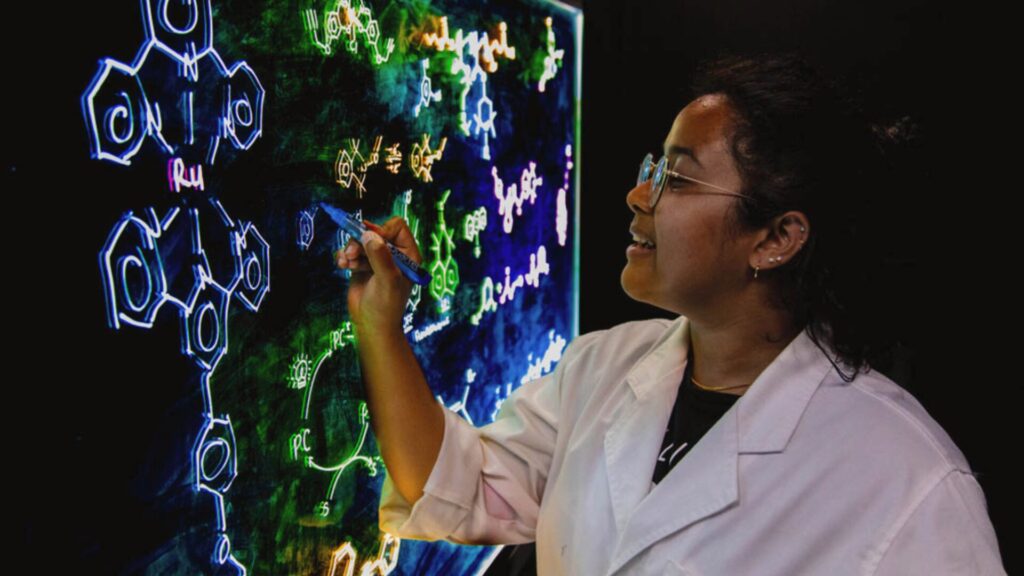
START QUT (STEM Intensive) allows high-achieving high school students to complete a first-year STEM unit through a two-week, in-person summer program. You attend lectures, tutorials, laboratory sessions, and assessments taught by academics at Queensland University of Technology, with guidance from current undergraduate mentors.
Unit options include engineering design, chemical sciences, and computer systems. If you complete the unit successfully, you may earn advanced standing toward a future degree at QUT. The program also offers financial and logistical support for regional and Indigenous Australian students, including bursaries and accommodation assistance.
Why it stands out: It offers accelerated STEM workshops and real engineering/science challenges, helping you strengthen your technical abilities early.
6. CREATE STEM Program – Edith Cowan University
Location: ECU School of Engineering, Joondalup Campus, WA
Cost/Stipend: Free (transport to campus not included)
Acceptance rate/cohort size: Competitive
Dates: July 15th, 16th, & 17th
Application Deadline: July 7th
Eligibility: Open to high school students, not open to international students
The CREATE (Creating Real Engineering and Technology Experiences) STEM Program at Edith Cowan University is one of the most hands-on engineering summer school in Australia, introducing high school students to engineering through practical, curriculum-linked activities. It aligns with the Western Australia Year 11 and 12 STEM curriculum. You’ll participate in sessions across mechanical, electrical, civil, and chemical engineering, and explore robotics, automation, and data processing.
Mathematics is integrated throughout the activities, reflecting its role across engineering disciplines. Sessions are led by ECU engineering staff with support from undergraduate and postgraduate students, giving participants direct exposure to university-level engineering study.
Why it stands out: The program gives you early exposure to multiple engineering disciplines through activities led by university faculty and students.
7. STEM Community Partnerships Program – CSIRO, NSW
Location: New South Wales (Western Sydney & Blue Mountains, Central Coast, Central West, Dubbo, Albury, Queanbeyan-Yass)
Cost/Stipend: Free
Acceptance rate/cohort size: Selective
Dates: Flexible, projects scaled to student timetables throughout the school year
Application Deadline: No deadline to participate, your school will need to commit one teacher from any STEM subject area for the professional learning day, and at least one class to work on STEM-based inquiry projects. Contact generationstem@csiro.au
Eligibility: Open to students in Years 7 to 10 from participating government, independent, and Catholic high schools within specified NSW regions
The CSIRO STEM Community Partnerships Program connects high school students with real-world STEM projects developed with their teachers, local industries, and community organizations. You may work on inquiry-based projects that involve site visits, short work placements, or STEM tasters offered through TAFE NSW. Activities are designed to show how science, technology, and engineering skills are used across different workplaces.
Projects typically run between 15 and 100 hours, giving you time to investigate a problem, collaborate with partners, and document your work. By the end, you will have practical experience with STEM problem-solving and a clearer sense of how these fields operate outside the classroom.
Why it stands out: You work directly with community and industry partners on local STEM challenges, gaining exposure to real workplaces while still in high school.
8. Indigenous Australian Engineering School (IAES)
Location: Curtin University, Bentley campus, and sites around the Perth metro
Cost/Stipend: No cost
Acceptance rate/cohort size: Selective
Dates: July 12-18
Application Deadline: May 3rd
Eligibility: First Nations students in Years 9-12 who have an interest in STEM and further study, in Western Australia (WA), Northern Territory (NT), and South Australia (SA)
The Indigenous Australian Engineering School (IAES) is a week-long residential program held during the July school holidays at Curtin University in Perth. You spend the week on campus and at nearby facilities exploring how engineering is applied in communities.
There are practical engineering challenges, campus tours, and sessions with practicing engineers who discuss their work and career paths. You’ll also meet and interact with Indigenous university students who support the program and share their experiences.
Why it stands out: The program is designed specifically for First Nations students and combines engineering with mentorship from Indigenous engineers and university students.
9. Girls+ in STEM: Girls+ Engineering Tomorrow (GET) Network
Location: Curtin University, Bentley
Cost/Stipend: Not specified
Acceptance rate/cohort size: Not publicly disclosed
Dates: May 2nd – September 12th
Application Deadline: April 5th
Eligibility: Girls and non-binary students worldwide in Years 11 & 12
The GET Network Program at Curtin University is a series of engineering workshops for Year 11 and 12 students interested in pursuing STEM at university. Across ten weekend sessions held during Terms 2 and 3, you attend workshops that introduce engineering concepts and practical problem-solving.
The program also includes networking opportunities with industry professionals and mentoring from current engineering students. Sessions often focus on study strategies, exploring STEM degrees, and exploring engineering careers. The program concludes with a final celebration event where participants reflect on their experience and connect with peers from across the cohort.
Why it stands out: Instead of a short camp, this program runs across multiple weekends, giving you consistent mentorship and time to explore engineering pathways in more depth.
10. Professor Harry Messel, International Science School (ISS)
Location: University of Sydney, Sydney, New South Wales
Cost/Stipend: Free
Acceptance rate/cohort size: 110 students
Dates: July 6-19
Application Deadline: TBA
Eligibility: High school students in Years 11 or 12; Australian students apply directly by merit criteria through the University, while international students are selected through ISS partner organisations in countries including India, the USA, China, Japan, Singapore, Thailand, New Zealand, and the United Kingdom
The Professor Harry Messel International Science School (ISS) is a two-week residential program hosted at the University of Sydney for high school students in Years 11 and 12. You’ll attend lectures delivered by scientists from universities and research institutions worldwide.
There are laboratory visits, experiments, and workshops on physics, chemistry, engineering, and bioscience. You’ll participate in group activities, discuss scientific ethics, and engage in a STEM design challenge. The program also includes guided tours of university research facilities and museum collections. Outside academic sessions, you’ll participate in organized social activities across the campus and the city.
Why it stands out: You’ll join a diverse global cohort that connects you directly with leading scientists and STEM peers in an inspiring university environment.
11. Residential Indigenous Science Experience (RISE)
Location: University of Melbourne, Parkville Campus (Woi-wurrung Wurundjeri Country), Victoria
Cost/Stipend: Free; all expenses covered, including flights, accommodation, meals, and activities
Acceptance rate/cohort size: Selective; limited cohort size
Dates: Late in the year, around summer
Application Deadline: Applications open mid-year
Eligibility: Aboriginal and Torres Strait Islander students in Years 9-10 from across Australia
The RISE (Residential Indigenous Science Experience) at the University of Melbourne is a residential STEM program for Aboriginal and Torres Strait Islander students in Years 9 and 10. Held on the university’s Parkville campus, the experience introduces participants to current topics in science, technology, engineering, and mathematics through workshops, presentations, and conversations with researchers.
You take part in activities while learning how scientific ideas are applied in real research settings. The program also highlights the role of First Nations knowledge and innovation in shaping modern STEM practices.
Why it stands out: It combines hands-on STEM learning with direct exposure to First Nations scientists and Indigenous knowledge systems while living on campus at the University of Melbourne.
12. IGNIS Mission Student Interns Program
Location: ECU Joondalup campus
Cost/Stipend: Free; no cost to schools or students
Acceptance rate/cohort size: Highly selective; schools nominate 4-6 students per cohort
Dates: 5 days spread across the calendar year (dates determined in consultation with schools)
Application Deadline: March 27th
Eligibility: Students in Years 8-11 enrolled at Western Australian schools; participation via school nomination
The IGNIS Mission Student Interns Program invites Year 8 to 11 students from Western Australia to explore space and engineering through a series of STEM activities. If selected, you’ll work with ECU engineering staff and space industry professionals to examine how real engineering problems are investigated and solved across five days scheduled throughout the year.
You’ll be introduced to areas connected to the IGNIS research mission and the broader aerospace sector. Through collaborative tasks and discussions, you practice analytical thinking, technical problem solving, and teamwork while connecting with students from other schools.
Why it stands out: You’ll participate in a space-focused outreach program connected to the IGNIS research mission, where you work directly with engineers and industry professionals.
13. NYSF Year 12 Program – National Youth Science Forum
Location: Australian National University, Canberra; University of Queensland, Brisbane
Cost/Stipend: AU$3,065 program fee plus AU$70 non-refundable application fee; scholarships available
Acceptance rate/cohort size: Competitive; limited residential places
Dates: January 6th – January 14th (Canberra) | January 13th – January 21st (Brisbane)
Application Deadline: Applications open in April
Eligibility: Students entering Year 12, Australian citizens or residents, and/or studying full-time in an Australian school
The National Youth Science Forum (NYSF) Year 12 Program is a residential summer program designed for high school students who want to explore pathways in science, technology, engineering, and mathematics. During the program, you visit research laboratories and technology facilities, attend sessions on current scientific work, and interact with scientists, researchers, and industry professionals.
You also learn about university programs and STEM careers through talks, discussions, and networking opportunities. Alongside the academic sessions, you take part in team activities and meet students from across Australia who share similar interests in STEM.
Why it stands out: The program combines residential campus immersion with research facility tours and sustained engagement with scientists, industry partners, and a large national alumni network.
14. The Science Experience
Location: University of Melbourne, Parkville Campus, Victoria
Cost/Stipend: Paid (tuition-based; fee varies by program)
Acceptance rate/cohort size: Limited cohort; capacity varies by session
Dates: January 19th – January 21st
Application Deadline: December 1st
Eligibility: Year 9 and Year 10 students from Victoria
The Science Experience is a three-day program at the University of Melbourne designed to introduce Year 9 and 10 students to university-level science. You’ll attend lectures, participate in laboratory activities, and attend demonstrations led by university academics across several STEM areas. During the program, you may participate in experiments such as extracting DNA, studying genetics, examining fossils and minerals, or observing physics demonstrations that use lasers and optical systems.
Workshops also include sessions in mathematics, coding, and applied problem-solving through small group activities. Over the three days, you explore different scientific fields while getting a brief look at how science is studied and practiced in a university setting.
Why it stands out: The program compresses a wide range of laboratory experiences across biology, physics, earth science, and computing into a short, three-day campus experience led directly by university researchers.
15. Bluestamp Engineering Remote Program
Location: Remote
Cost/Stipend: $2400. Includes all parts, tools, equipment, and live, remote instruction. Need-based financial aid is available upon application. Shipping internationally may incur additional shipping costs for parts and tools
Acceptance rate/cohort size: Open enrolment
Dates: June 8-26, June 29th – July 17th, July 20th – August 7th
Application Deadline: Rolling admissions
Eligibility: Incoming 9th – 12th graders worldwide
The BlueStamp Engineering Remote Program is a live, online engineering experience where students design and build a hardware project from home. At the start of the program, you review a project catalog and meet with an instructor to select a build that interests you. The required components and tools are shipped directly to you.
During the program, you’ll assemble your project, practice core electronics skills, and document your work in an engineering portfolio. After completing the base build, you can modify or expand the design with your own improvements. The program concludes with a Demo Night where you’ll present the finished project.
Why it stands out: Students receive physical engineering kits at home and build a complete project while documenting their work in a portfolio they can use for future applications.
From Future Engineers to Future Sydney Students
Exploring engineering early can change how you think about study, problem-solving, and your future, turning curiosity into something more practical, focused, and ambitious.
The right engineering summer school in Australia can give you direct exposure to design challenges, university-style learning, and the realities of engineering beyond the classroom.
That kind of experience helps you understand what excites you most, what skills you want to build, and what studying engineering at university might really involve.
If Sydney is even slightly on your radar, open our Ultimate Guide to University of Sydney now and start turning that interest into a real plan.