
 Русский (RU)
 Українська (UK)
 Türkçe (TR)
 Italiano (IT)
 Français (FR)
 Português (PT)
 中文 (中国) (ZH)
 Español (ES)
 日本語 (JA)
 ไทย (TH)
 Deutsch (DE)
 Ελληνικά (EL)
 Polski (PL)
 Bahasa Indonesia (ID)
 Nederlands (NL)
 العربية (AR)
 한국어 (KO)
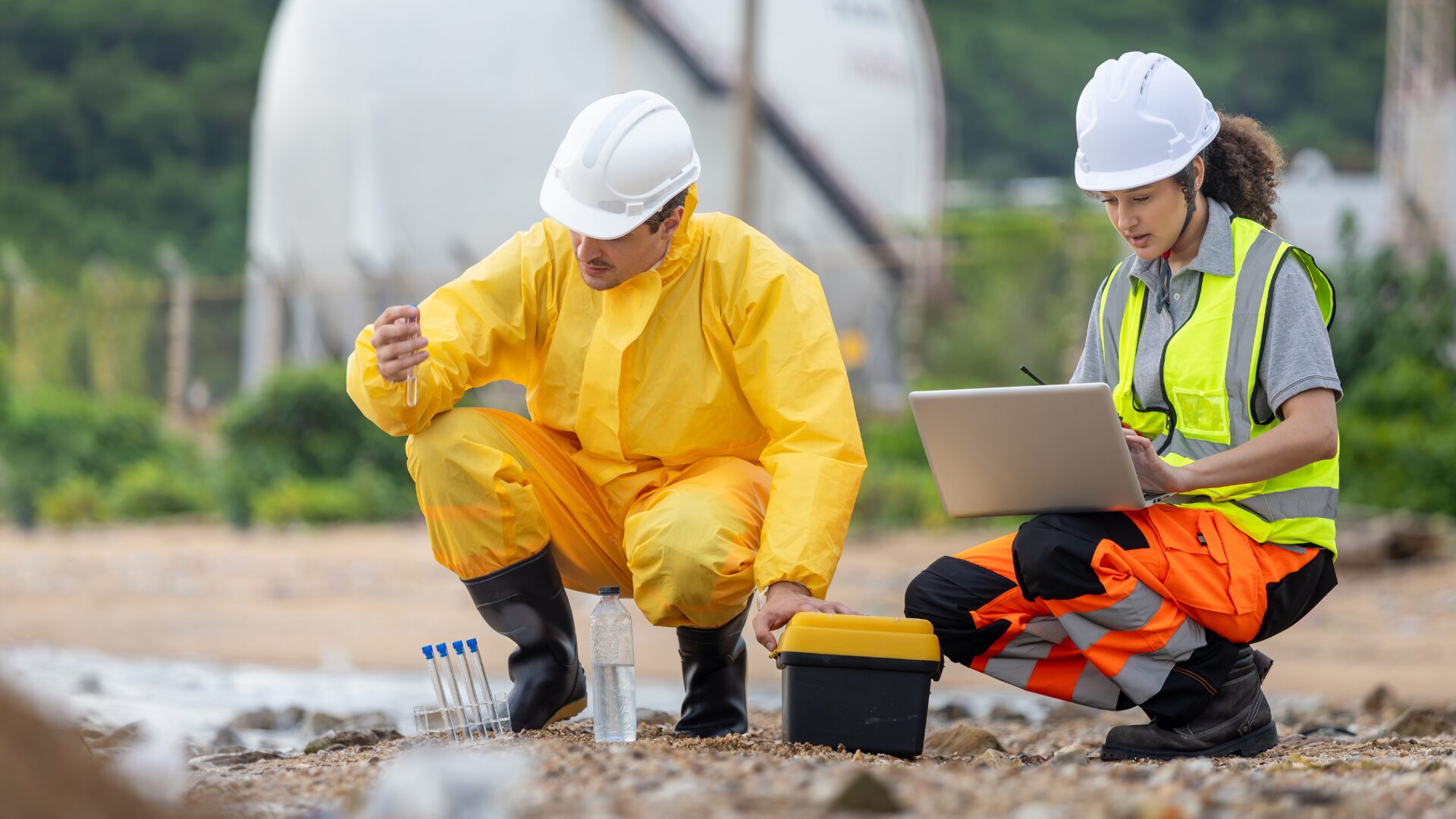
Environmental science overlaps with biology, chemistry, geography, and even economics and policy. That’s part of what makes it interesting, but also what makes it harder to grasp fully in school. You might understand individual concepts, but seeing how they interact in real-world situations is a different step altogether. Environmental science summer schools for high school students are designed to make that step a bit clearer by bringing these elements together in one place.
Picture yourself working through an environmental problem from different angles. You might start by understanding the science behind it, then move into data, and finally look at how decisions are made around it. Some sessions could involve fieldwork, others might focus on analysis or discussion. You’re not just told what’s happening, you’re asked to figure out why, and what the implications are.
What exactly is an environmental science summer school?
An environmental science summer school is essentially a short-term academic program that introduces you to how the subject is studied beyond the school level. Most of these programs are run by universities or academic organisations and are structured to include a mix of teaching, discussion, and practical work.
You may explore topics like ecosystems, climate change, sustainability, and environmental policy, depending on the focus of the program. Learning often happens through a combination of lectures, case studies, group work, and sometimes field-based activities. In certain programs, you might collect data or work on small projects, while in others, the emphasis is on analysis and understanding complex systems.
What changes most is the approach. You’re expected to think more independently, ask better questions, and engage with material more deeply. Even over a short duration, that shift gives you a more realistic idea of what studying environmental science at a higher level involves.
To help you get started, we’ve put together a list of 15 environmental science summer schools for high school students!
For more subject options, you can have a look at STEM research opportunities and online STEM programs.
15 Environmental Science Summer Schools for High School Students
1. Immerse Education’s Environment & Sustainability Summer School
Location: Tokyo
Cost: Varies; summer school scholarship available through our bursary programme
Acceptance rate/cohort size: Selective; an average of 7 participants per class
Dates: 2 weeks during the summer
Application Deadline: Multiple summer cohorts; rolling admissions
Eligibility: High school students worldwide aged 15-18 years old
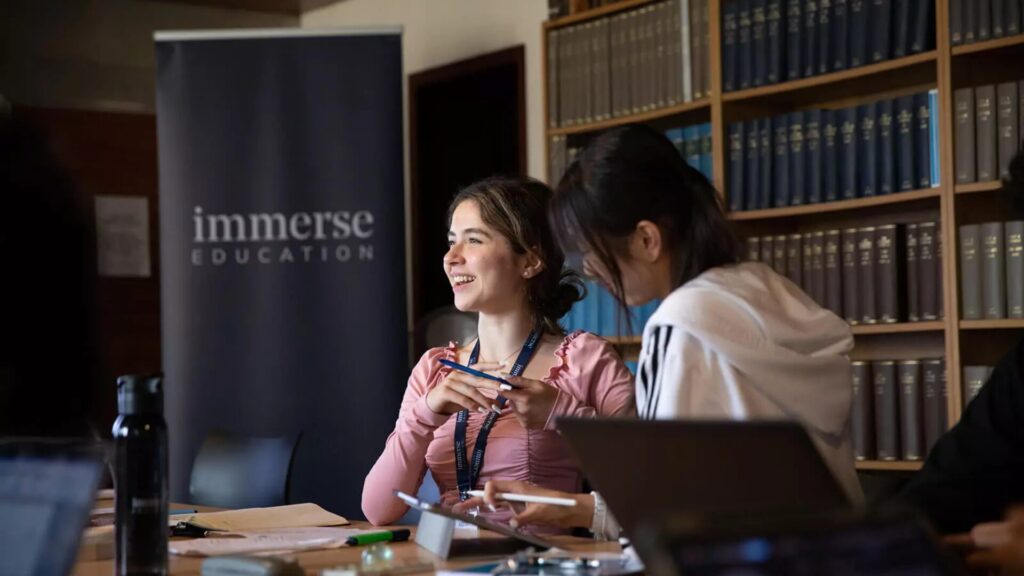
The Immerse Education Environment & Sustainability Summer School is a two-week program designed for high school students interested in sustainability and environmental issues. You’ll attend classes and workshops, examine real-world challenges, and learn how sustainable practices are applied across different sectors.
You will work on projects that connect environmental topics to social and economic systems, building a broader view of global issues. You’ll go for industry visits, interact with professionals, and explore different roles in the field. By the end of the program, you will have completed an independent project and received detailed feedback on your work.
Why it stands out: You get both academic and industry exposure, which helps you see how sustainability work operates beyond the classroom.
2. University of Chicago’s Young Innovators Climate & Energy Program
Location: University of Chicago, Chicago, IL
Cost: Free for income <$125k; $2,500 for others; financial aid is available
Acceptance rate/cohort size: Highly selective
Dates: July 12-17
Application Deadline: March 12th
Eligibility: Current U.S. grade 11 students who are at least 15 years old
The Climate and Energy Policy Program is a one-week residential program at the University of Chicago, designed for high school students interested in climate science, policy, and energy systems. You attend discussion-based classes and lectures led by faculty from institutes such as EPIC, the Becker Friedman Institute, and the Climate Impact Lab.
You work through readings and group projects that focus on current challenges in energy access, sustainability, and environmental impact. During the week, you also visit industry spaces in Chicago, including a session with professionals at Invenergy, where you learn how energy projects are developed and managed.
Why it stands out: The program helps you have a clearer view of how policy, research, and industry intersect in the energy sector.
3. Rockaway Initiative for Sustainability and Equity (RISE): Environmentor
Location: RISE, 58-03 Rockaway Beach Boulevard, Far Rockaway, NY
Cost: No cost; students receive up to a $1,200 stipend for their research work and participation
Acceptance rate/cohort size: 12-15 high school students are accepted each year
Dates: June through mid-August
Application Deadline: Applications typically close in May
Eligibility: Students in grades 9-11 who live or attend school in or near the Rockaway peninsula
Environmentor is a summer research mentorship designed for high school students interested in environmental science. You’ll conduct independent research on topics related to Jamaica Bay and the Rockaway shoreline, under the guidance of scientists from local universities and research institutions.
The program begins with workshops and training sessions, then moves into several weeks of hands-on research where you develop and carry out your own project. You learn practical skills such as water safety, CPR, and field-based activities like kayaking and biking. You also participate in community service events connected to local environmental work. You can view past research projects here.
Why it stands out: The program gives you adequate experience as you complete a research project and gain experience working in a coastal field setting.
4. Conservation Corps North Carolina Youth Conservation Crews
Location: Various sites across North Carolina
Cost: None; stipend provided starting at $15 per hour
Acceptance rate/cohort size: Less competitive
Dates: 3-6 weeks during June, July, and August, depending on the crew
Application Deadline: Applications are accepted on a rolling basis
Eligibility: North Carolina high school students between the ages of 15 and 18
The Youth Conservation Crews program is a summer initiative in North Carolina, designed for high school students interested in environmental work and conservation. You will join a small team and work on projects in trail building, habitat restoration, and invasive species removal, under the leadership of crew leaders.
Sites include city parks, community land sites, or national forests, where you’ll work with conservation professionals. You can either choose day programs or camping on-site for the full duration of the session. Either way, you’ll be working on a full-time schedule through consistent, hands-on fieldwork.
Why it stands out: You will contribute to real conservation projects and develop practical skills in land management.
5. Alleypond’s Field Biology Internships (FBI)
Location: Alley Pond Environmental Center, Douglaston, NY
Cost: $200; financial aid available
Acceptance rate/cohort size: Moderately competitive
Dates: June – August; 6 sessions
Application Deadline: Summer semester: May 1st
Eligibility: Applicants must be at least 14 years old and currently enrolled in high school; must be U.S. residents
The Field Biology Internship (FBI) is a summer program in New York City, designed for high school students interested in environmental science and field research. You’ll study local ecosystems by visiting sites like Alley Pond Park and other areas across Queens.
You will collect and record field data, learning to track changes in flora and fauna across different urban habitats. Apart from this, you’ll work on a research project and prepare a final presentation based on your findings. You’ll interact with environmental professionals and build connections with mentors and peers in the program.
Why it stands out: The program gives you hands-on experience in field biology and a clearer sense of how ecological research is conducted.
6. Brown Environmental Leadership Labs (BELL)
Location: Multiple sessions in Alaska, the Florida Keys, and the Brown University campus in Rhode Island
Cost: Varies by programme, between $4,708 and $7,642, plus a $65-$100 application fee; financial aid is available
Acceptance rate/cohort size: Competitive
Dates: Varies by location; more details here
Application Deadline: May 9th
Eligibility: Rising high school juniors and seniors from around the world
The Brown Environmental Leadership Labs (BELL) program is a summer experience designed for high school students interested in environmental issues and leadership. Throughout the program, you’ll move between classroom sessions and fieldwork, studying climate science, sustainability, environmental policy, and social justice.
You’ll participate in ecological research, group sustainability projects, and guided explorations of local ecosystems, as well as workshops led by experts. Each site offers a different setting and focus; check here.
Why it stands out: The program helps you connect environmental work with social, political, and economic systems, and places a strong emphasis on building a collaborative community throughout the experience.
7. Geoscience and Environmental Health Internships (Geo-Health)
Location: University of North Carolina at Chapel Hill, Chapel Hill, NC, and University of North Carolina at Pembroke
Cost: Free; housing provided in summer; Visa gift cards for interns
Acceptance rate/cohort size: Medium selectivity; exact cohort size not publicly available
Dates: June 15th – July 17th
Application Deadline: May 1st
Eligibility: High school students from Robeson County, NC; summer interns must be 18+
The Geo-Health Interns program is a multi-week summer program at UNC-Pembroke and UNC-Chapel Hill, designed for high school students interested in geoscience and STEM. You spend the program working with scientists based in North Carolina, learning how they study environmental and health-related issues. You take part in field trips and hands-on activities that help you investigate the natural world and collect data.
You also work alongside other students with similar interests, building a small learning community over the course of the program. Across the weeks, you gain exposure to different STEM pathways and how they connect to real-world problems. By the end, you will have experience working in both field and academic settings.
Why it stands out: You learn directly from local scientists while working across two university campuses, which gives you a broader view of how geoscience research and careers develop.
8. Hutton Junior Fisheries Biology Program
Location: Based on your locality; Hutton aims to match students within a 45-minute commute of your home
Cost: Fully funded; a stipend of $3,000 is provided to interns, plus a fully funded trip to the Hutton Scholars Summit at the University of Arkansas
Acceptance rate/cohort size: Around 25-30 students are selected annually; highly selective
Dates: June – August; 8 weeks in the summer
Application Deadline: January 25th
Eligibility: Current high school sophomores, juniors, and seniors who are at least 16 years old and live and have residency in the United States, Mexico, or Canada
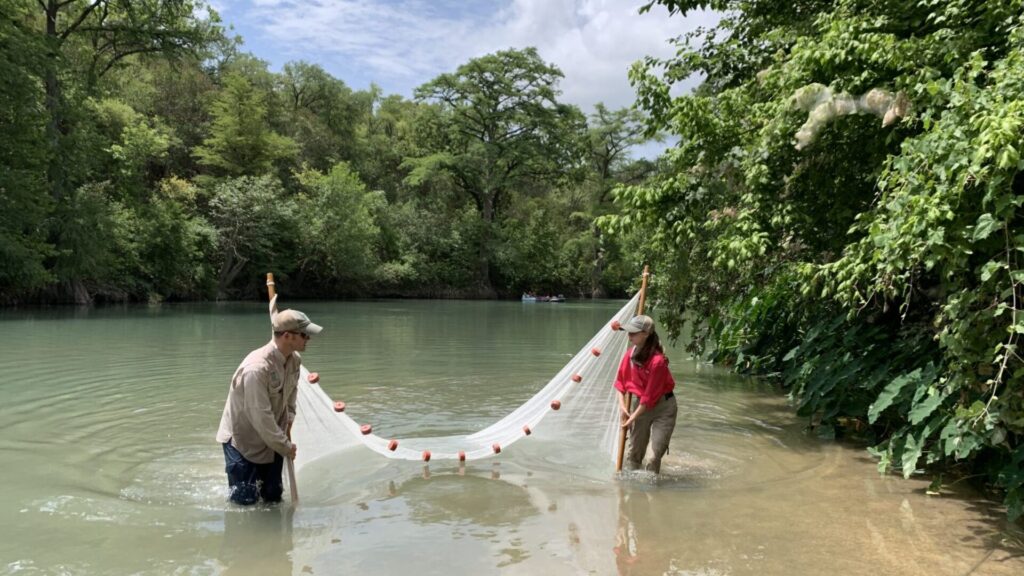
The Hutton Junior Fisheries Biology Program is an eight-week paid summer internship, designed for high school students interested in fisheries and aquatic science. You will work with a professional mentor near your home, following a weekly schedule you plan together before the program begins.
You might be involved in field research, water analysis, habitat studies, or lab work in fish hatcheries. Depending on your placement, you might collaborate with other students working on related projects in different locations. Throughout the internship, you gain experience studying aquatic ecosystems of rivers, lakes, and coastal areas.
Why it stands out: You get to work directly with professionals and build practical skills in conservation and fisheries science.
9. Environmental Studies Summer Youth Institute (ESSYI)
Location: Hobart and William Smith Colleges, Geneva, NY
Cost: $4,300; covers tuition, room, and board
Acceptance rate/cohort size: 50 students selected annually
Dates: July 12-25
Application Deadline: Applications open early in the year and are reviewed before summer
Eligibility: High school students worldwide entering junior or senior year, or recent high school graduates
The Environmental Studies Summer Youth Institute (ESSYI) is a two-week residential program at Hobart and William Smith Colleges, designed for high school students interested in environmental studies. You’ll participate in a college-level course that introduces environmental issues through scientific, social, economic, and political perspectives.
You will work in groups to study real-world problems, including field-based exploration in the Adirondack region of New York. You’ll collaborate on projects, analyze environmental data, and share your findings through presentations. Faculty and current college students guide discussions and support your work.
Why it stands out: You complete a credit-bearing college course while working on field-based projects, which gives you both academic and practical experience in environmental studies.
10. STEM Enhancement in Earth Science (SEES) High School Summer Intern Program
Location: University of Texas at Austin, Austin, TX
Cost: $2,000; includes housing, meals, tours, and local transportation; travel not included; full scholarships and travel support available; virtual participation is free
Acceptance rate/cohort size: Nationally competitive; exact cohort size not publicly specified
Dates: May 15th – July 21st; distance learning: May 15th – July 1st; on-site: July 5th – July 18th; symposium: July 20-21
Application Deadline: February 22nd
Eligibility: Current high school sophomores or juniors, rising juniors or seniors, age 16+ by July 5th, U.S. citizens, no prior SEES participation, must complete required pre-program online modules
The SEES Summer Intern Program is a competitive STEM research program hosted by the University of Texas Center for Space Research, designed for high school students interested in space science and engineering. You’ll begin with virtual modules and remote project work, then move into an on-site internship working with NASA scientists and other experts.
You’ll join a team working across areas such as aerospace, astronomy, remote sensing, or Earth systems, using real mission data to guide work. Throughout the program, you collaborate with mentors and teammates while building technical and communication skills. The program ends with a science symposium where you present your research.
Why it stands out: The program offers you the rare opportunity of working directly with NASA-related research teams, giving you exposure to real aerospace projects and current scientific work.
11. Student Conservation Association (SCA) Internships
Location: Various SCA agencies around the world
Cost: None; expenses are covered, and typical positions include a one-time travel allowance and weekly living allowance; many positions also include housing or a housing stipend
Acceptance Rate: Moderately selective
Dates: Varies depending on the internship opportunity
Application Deadline: Applications are accepted on a rolling basis
Eligibility: For the paid internship, you must be at least 18 years old; youth programmes are available for students 18 and younger; international students are welcome to apply
The Student Conservation Association (SCA) offers short-term internships for high school students interested in outdoor work and environmental conservation. You are placed at sites such as national parks, urban green spaces, or wildlife areas, where you contribute to ongoing conservation efforts.
You might be involved in restoring habitats, removing invasive species, planting trees, or monitoring ecosystem changes. You might have the chance to interact with local communities to support sustainability initiatives. Depending on the program, you may join a local day crew or travel to a residential site in a different region.
Why it stands out: You spend most of your time doing hands-on conservation work in real environments rather than classroom-based learning.
12. Johns Hopkins Bloomberg School of Public Health – Summer Institute in Environmental Health and Engineering
Location: Johns Hopkins Bloomberg School of Public Health, East Baltimore, MD; housing available
Cost: $1,458 per credit
Acceptance rate/cohort size: Not specified
Dates: Late May – Mid June; courses range from 1 day to 2 weeks
Application Deadline: May 24th; tentative
Eligibility: All high school students and non-degree learners
The Johns Hopkins Bloomberg School of Public Health’s Summer Institute in Environmental Health and Engineering is an academic program designed for students interested in environmental health and engineering. You can enroll in focused courses such as Environmental Health or Drinking Water and Water Policy, taught by Bloomberg School faculty.
Through these classes, you study how environmental factors impact human health at both individual and population levels. The program structure allows you to concentrate on specific topics over a short period.
Why it stands out: You take specialized courses taught by public health faculty, which gives you a focused introduction to environmental health at a university level.
13. Bronx Zoo’s Project Teens Researching Urban Ecology (TRUE)
Location: Bronx, NY
Cost: None; stipend of $750 + MetroCard or $16/hour via SYEP in summer; approximately $350 in fall, tentative based on previous years
Acceptance rate: Not specified
Dates: Summer program: Late June – August; fall: weekly meetings from September to December
Application Deadline: Typically early March
Eligibility: High school sophomores or juniors who are Bronx residents
Project TRUE (Teens Researching Urban Ecology) is a summer research program in New York City, designed for high school students interested in ecology and environmental science. You’ll conduct field research across urban sites in the Bronx, studying topics like wildlife distribution, water quality, and invasive species.
You’ll work in small teams paired with undergraduate mentors, alongside support from program staff. At the end of the summer, you present your research to peers, scientists, and the public. The program continues into the fall, where you build on your work through additional sessions and activities.
Why it stands out: You conduct real ecological research in an urban setting while working closely with near-peer mentors, giving you both field experience and ongoing support.
14. Stanford Young Investigators – Doerr School of Sustainability
Location: Stanford University, Stanford, CA
Cost: None; honorarium available for eligible students
Acceptance rate/cohort size: 6-30 scholars selected annually from ~175-300+ applicants
Dates: Third Tuesday in June – first Thursday in August; tentative
Application Deadline: March 15th
Eligibility: High school students who have completed at least one year of high school and live and attend school within 25 miles of Stanford University; San Francisco Bay Area only
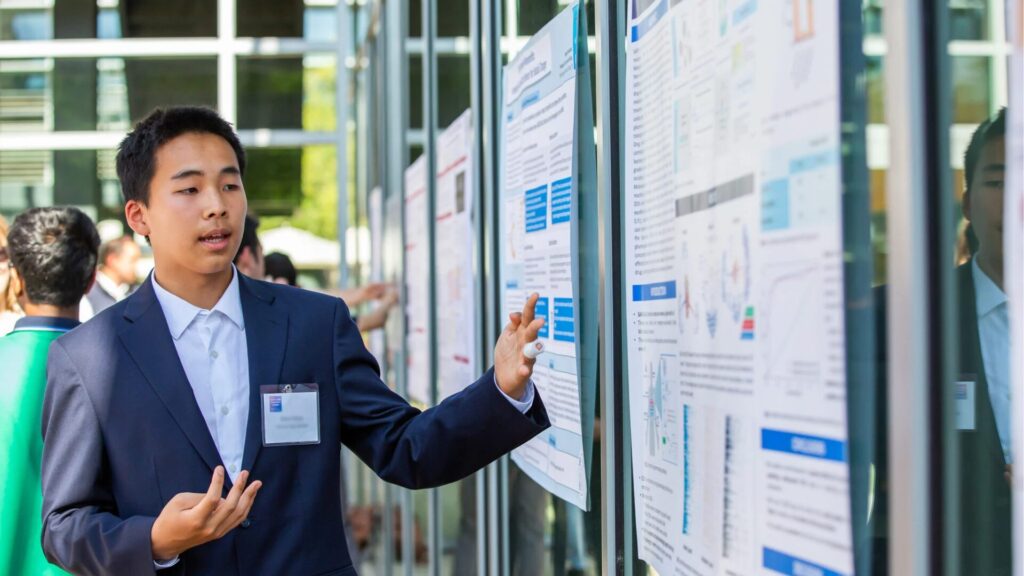
The Stanford Young Investigators Program is a summer research program at the Stanford Doerr School of Sustainability, designed for high school students interested in environmental and earth sciences. You work in research labs on Stanford’s campus, either in small teams or one-on-one with scientists, depending on your track.
Your work may involve analyzing fossils, studying ocean systems, exploring geology, or working on projects in energy, environmental science, agriculture, or social science. You are guided by graduate students, postdocs, and lab staff on ongoing research projects. Twice a week, you’ll attend group sessions that include lectures, lab tours, and field trips.
Why it stands out: You work directly inside active research labs on real projects, with the flexibility to choose a focus area and level of independence in how you engage with the work.
15. University of Connecticut: Earth and Environmental Sciences
Location: University of Connecticut, Storrs, CT
Cost: $2,250 early bird cost, plus $50 application fee
Acceptance rate/cohort size: Medium selectivity; cohort size not publicly listed
Dates: July 12-18
Application Deadline: Rolling; early application recommended as spots fill quickly
Eligibility: High school students from around the world, typically rising 10th-12th graders
The Earth and Environmental Sciences Summer Course is a one-week program at the University of Connecticut, designed for high school students interested in earth science and environmental studies. You’ll attend lectures and interactive sessions on geology, climate systems, and natural hazards. You’ll engage in both field and laboratory work with faculty and researchers.
You’ll also learn how scientists study Earth’s history and interpret environmental data. Guest sessions with faculty expose you to different areas within the field. By the end of the program, you will have hands-on experience with the methods used in earth and environmental science.
Why it stands out: The program combines fieldwork, lab analysis, and faculty-led sessions in a condensed format, giving you a broad introduction to how Earth science research is conducted.
From Climate Questions to Stronger Applications
Environmental science becomes clearer when you connect climate change, biodiversity loss, water quality, sustainability, and policy to real field or lab work outside the classroom.
The 15 environmental science summer schools for high school students in this article include research projects, conservation crews, NASA-linked data work, and sustainability workshops.
Through coastal studies, fisheries biology, climate policy, ecology, and environmental health, you can collect evidence for your interests before university applications begin with sharper confidence and purpose.
Ready to turn that evidence into a standout application? Explore our University Preparation blogs for personal statements, interviews, academic writing, entry requirements, and supercurriculars.