
 Русский (RU)
 Українська (UK)
 Türkçe (TR)
 Italiano (IT)
 Français (FR)
 Português (PT)
 中文 (中国) (ZH)
 Español (ES)
 日本語 (JA)
 ไทย (TH)
 Deutsch (DE)
 Ελληνικά (EL)
 Polski (PL)
 Bahasa Indonesia (ID)
 Nederlands (NL)
 العربية (AR)
 한국어 (KO)

When you’re in high school, summer often feels like a well-earned break from classes, exams, and routines, but it can also be the perfect time to explore something more meaningful. Biomedical summer programs for high school students give you the chance to go beyond your usual school subjects, take on new challenges, and discover interests you may not have considered before.
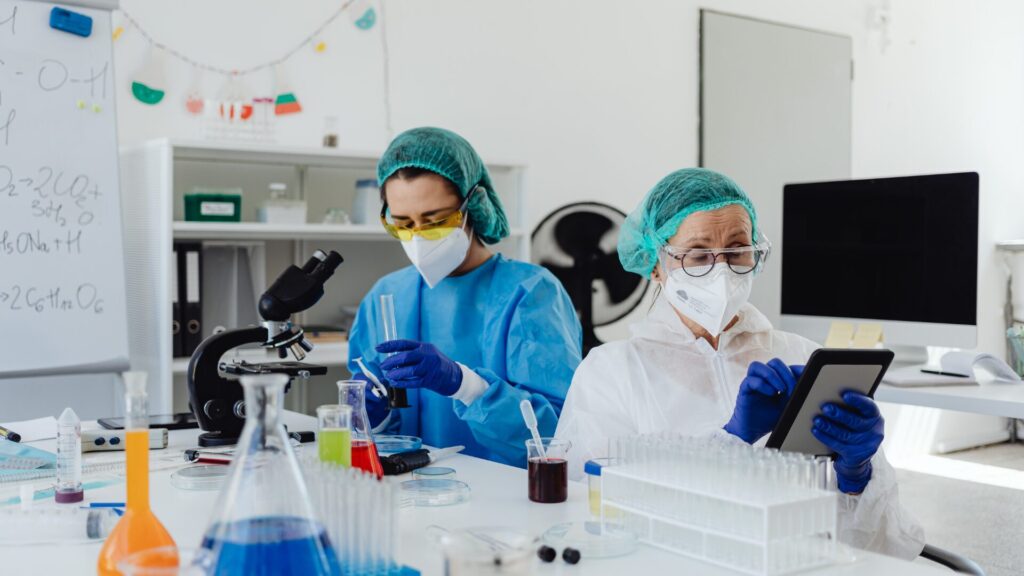
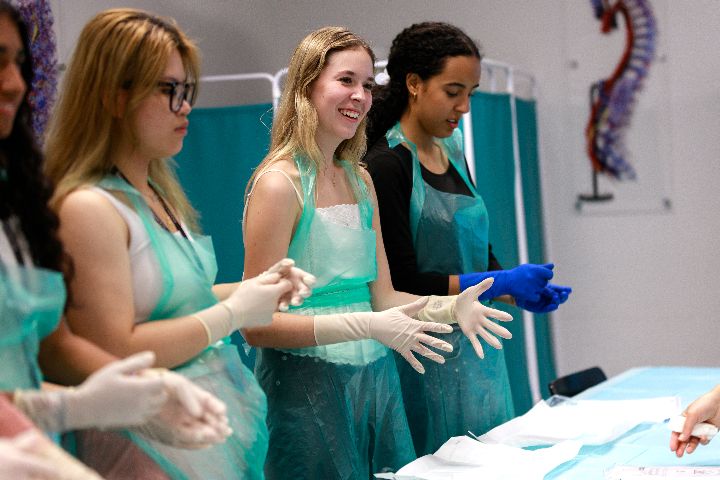
Picture yourself stepping into the world of biomedical science. You could be learning how diseases are studied, observing lab techniques, or working through real-world medical case scenarios. Some programs place you in research settings where you get a glimpse of how discoveries are made, while others introduce you to areas like genetics, neuroscience, or public health. You are not just learning from textbooks; you are engaging with ideas that connect directly to human health and innovation.
What kinds of biomedical summer programs for high school students are there?
Finding the right biomedical program can take some effort, especially when many options seem similar at first glance. You want something that goes beyond basic lectures and gives you a meaningful, hands-on experience. Not every program offers the same depth or exposure, so understanding the different types can help you choose wisely.
Biomedical summer programs for high school students come in several forms. These experiences are designed to be engaging and challenging, helping you grow both academically and personally. Some are research-focused, where you spend time in labs learning techniques such as data analysis, microscopy, or basic experimentation. Others are more academically structured, introducing you to subjects such as human anatomy, molecular biology, and disease mechanisms through guided lessons and projects.
To make your search easier, we have put together a list of 15 Biomedical Summer Programs for high school students. Each one has been selected for its learning opportunities, depth of experience, and the value it can add to your journey.
In addition to summer programs, you can also take a look at medical internships for high school students and medical summer programs for high school students.
15 Biomedical Summer Programs for High School Students
1. Immerse Education’s Medicine Summer School
Location: Multiple locations, including London, Oxford, New York, Toronto, Cambridge, Singapore, Sydney, and Tokyo
Cost: Varies; financial aid available through our bursary programme
Acceptance rate/cohort size: Selective; an average of 7 participants per class
Dates: 2 weeks
Application Deadline: Multiple summer cohorts; rolling admissions
Eligibility: Students worldwide aged 13-18 currently enrolled in middle or high school
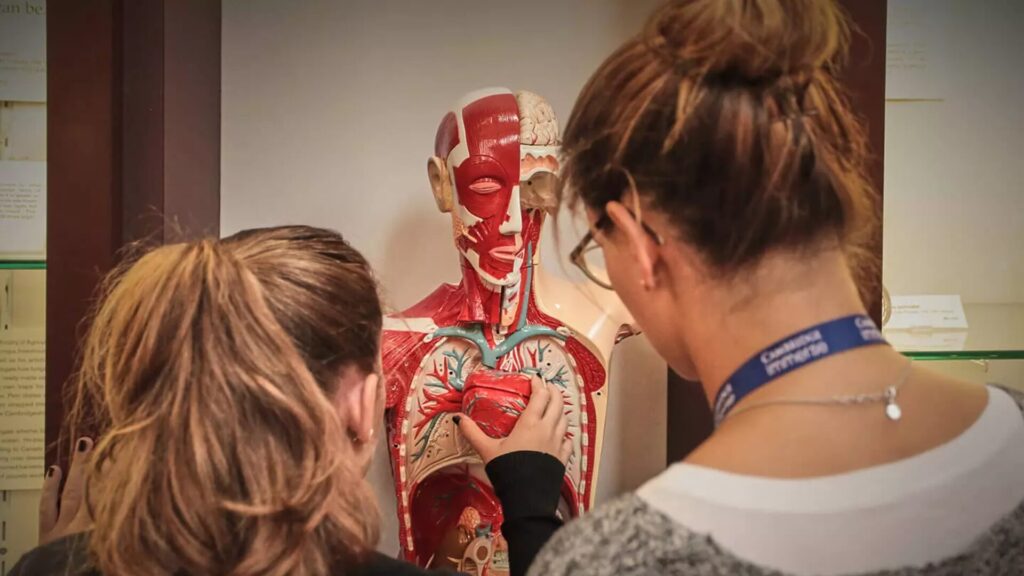
The Immerse Education Medicine Summer School gives you a structured introduction to medicine through both academic study and practical exploration. You will attend small-group seminars, work on a personal research project, and engage in case-based discussions that mirror real clinical thinking. The program exposes you to topics like diagnostics, medical ethics, and research methods while helping you build analytical and communication skills.
You also receive guidance from mentors with experience at leading universities, which adds perspective to your learning. In-person options include workshops, excursions, and collaborative activities with peers from around the world. By the end, you gain a clearer sense of medical pathways and expectations. You can find more details about the application here.
Why it stands out: You get a mix of academic depth and global campus exposure across multiple top-city locations.
2. Stanford Institutes of Medicine Summer Research Program (SIMR)
Location: Stanford School of Medicine, Stanford, CA
Cost: Free; stipend provided
Acceptance rate/cohort size: Highly selective
Dates: June 8th – July 30th
Application Deadline: February 21st
Eligibility: High school juniors and seniors (age 16+) who are U.S. citizens or permanent residents studying in the U.S.
The Stanford Institutes of Medicine Summer Research Program places you directly inside a real biomedical lab, where you work one-on-one with a mentor on an active research project. You can choose from fields like cancer biology, neuroscience, genetics, or bioengineering, which help you explore a specific interest in depth.
Throughout the program, you learn how to read scientific literature, design experiments, and present your findings clearly. You also attend lectures and workshops that introduce you to current challenges in medicine and research. By the end, you present your work at a poster session, gaining experience similar to that of early-stage researchers. Here’s the link to SIMR’s mission statement.
Why it stands out: You get rare, hands-on research experience at Stanford with direct mentorship in a real lab setting.
3. Rockefeller University Summer Science Research Program (SSRP)
Location: The Rockefeller University, New York City, NY
Cost: Free; need-based stipends and transit support available
Acceptance rate/cohort size: Not specified
Dates: June 22nd – August 6th
Application Deadline: January 2nd
Eligibility: Open to high school juniors and seniors aged 16+; students from outside the U.S. can apply
The Rockefeller SSRP lets you step into a real biomedical research environment where you learn by actively participating in lab work. You are placed in a small research group guided by scientists, where you explore a focused scientific question and build experimental skills.
Throughout the program, you attend lectures and discussions that connect your work to broader advances in biology and medicine. You also collaborate with peers, which helps you develop scientific communication and teamwork. Ultimately, you present your findings in a formal poster session, gaining experience similar to professional researchers.
Why it stands out: You work in one of the world’s leading biomedical research institutes with direct exposure to real scientific inquiry.
4. Houston Methodist High School Emerging Researcher Experience
Location: Houston Methodist Hospital, Texas Medical Center, Houston, TX
Cost: Free
Acceptance rate/cohort size: Not specified
Dates: June 8th – July 31st
Application Deadline: January 30th
Eligibility: U.S. high school juniors and seniors (age 16+) with a strong academic record (minimum 3.5 GPA)
The Houston Methodist High School Emerging Researcher Experience introduces you to translational medicine through direct exposure to hospital-based research. You work alongside undergraduate interns and researchers, which places you in a fast-paced and collaborative scientific environment.
You’re paired with a mentor who guides you through a project aligned with their lab’s focus, helping you learn core techniques and research thinking. The experience ends with a research poster presentation, giving you a chance to showcase your work.
Why it stands out: You explore how research directly impacts patient care within a leading hospital setting, not just a university lab.
5. Fred Hutch Summer High School Internship Program (SHIP)
Location: Seattle, WA
Cost: Free; paid internship with stipend and transportation support
Acceptance rate/cohort size: Highly selective
Dates: June 22nd – August 14th
Application Deadline: March 13th
Eligibility: Open to rising high school seniors (age 16+) living in the Greater Seattle area
The Fred Hutch Summer High School Internship Program places you inside an active biomedical research environment where you learn by doing. You begin with hands-on training in lab safety and core techniques, which prepares you for real research work.
After this, you join a research group and work closely with a mentor on ongoing projects in areas like cancer biology or epidemiology. Alongside lab work, you attend seminars, career workshops, and discussions that deepen your understanding of science in practice. The program also builds your communication skills through a final presentation of your research.
Why it stands out: You train first, then step into real research at a leading cancer center, which makes the experience feel authentic from start to finish.
6. Simons Summer Research Program (SSRP)
Location: Stony Brook University, New York, NY
Cost: Free; stipend awarded upon completion
Acceptance rate/cohort size: Highly selective
Dates: June 29th – August 7th
Application Deadline: February 5th
Eligibility: Open to high school juniors (11th grade) who are at least 16 years old and are U.S. citizens or permanent residents
The Simons Summer Research Program places you in a real university lab where you work closely with faculty mentors on an independent research project. You join an active research group and contribute to ongoing work in areas like biology, chemistry, engineering, or computational science.
You learn lab techniques, research methods, and how to think through complex scientific problems. Weekly lectures and workshops expose you to different research fields and help you connect your work to broader scientific questions. You’ll conclude with a formal research abstract and poster presentation.
Why it stands out: You take ownership of a real research project while working alongside faculty at a major research university.
7. Magee-Womens Research Institute High School Summer Internship Program
Location: Pittsburgh, PA
Cost: Free; stipend ($1,800) available for eligible students
Acceptance rate/cohort size: Not specified
Dates: June 15th – July 24th
Application Deadline: Typically around February
Eligibility: Open to high school sophomores and juniors aged 16+ who live in southwestern Pennsylvania
The Magee-Womens High School Summer Internship Program gives you a focused introduction to biomedical research through hands-on lab experience. You work on your own research project under the guidance of scientists studying areas like reproductive biology, women’s health, and infant health.
Alongside lab work, you attend informal sessions where researchers share their career paths and insights into the field. You also build skills in data analysis and scientific communication. The program concludes with a formal presentation where you share your findings with peers and faculty.
Why it stands out: You explore biomedical research through the lens of women’s and reproductive health, a niche not widely covered in high school programs.
8. Eugene and Ruth Roberts Summer Student Academy
Location: City of Hope, Duarte, CA
Cost: Free; stipend ($4,500) provided upon completion
Acceptance rate/cohort size: Highly selective
Dates: 10 weeks, typically June to August
Application Deadline: March 11th
Eligibility: High school and undergraduate students aged 16+ who are U.S. citizens or permanent residents
The Eugene and Ruth Roberts Summer Student Academy places you inside a full-time biomedical research setting where you actively contribute to ongoing scientific work. You are matched with a lab based on your interests and spend the summer investigating a research question.
Throughout the program, you attend seminars and workshops. You also participate in weekly discussions where you share your progress and learn from others’ projects. Mentorship is a core part of the experience, giving you insight into both research and career pathways. The program concludes with a formal poster presentation.
Why it stands out: You work full-time on original research and may even contribute to publishable scientific work, which is rare at the high school level.
9. Stanford Medical Youth Science Program (SMYSP)
Location: Stanford University, CA
Cost: Free
Acceptance rate/cohort size: 24 students (highly selective)
Dates: June 22nd – July 26th
Application Deadline: March 23rd
Eligibility: Open only to low-income, first-generation high school juniors who live in Northern California
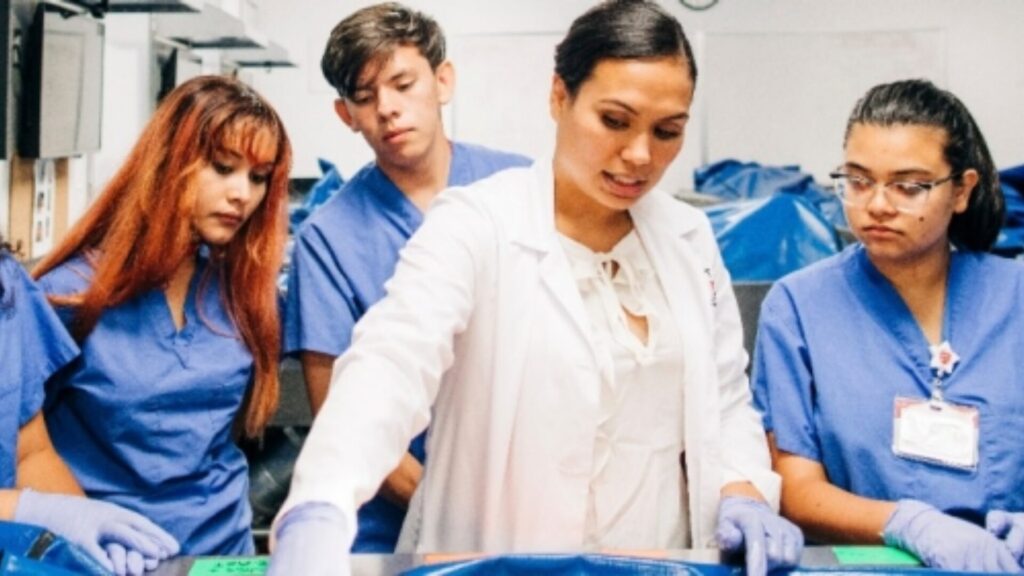
The Stanford Medical Youth Science Program introduces you to medicine through a mix of academic learning, clinical exposure, and research. You attend lectures in anatomy and public health while also taking part in a hospital internship where you observe healthcare professionals in action.
A key part of the program is a group research project focused on health disparities, which helps you explore real-world medical issues. By the end, you build both scientific understanding and confidence in navigating future opportunities.
Why it stands out: You combine hospital exposure, research, and college guidance in one fully funded program designed for underrepresented students.
10. Jackson Laboratory Summer Student Program (SSP)
Location: Bar Harbor, Maine & Farmington, CT
Cost: Free; stipend $7,000-$7,500
Acceptance rate/cohort size: 40 students (highly selective)
Dates: May 30th – August 7th/ August 10th
Application Deadline: January 26th
Eligibility: Open to graduating domestic high school seniors
The Jackson Laboratory Summer Student Program immerses you in full-time genetics and genomics research within a professional lab setting. You are paired with a mentor and contribute to an active research project, gradually building independence in experimental design and data analysis.
Throughout the program, you attend workshops on topics like scientific communication, data visualization, and research ethics. The experience concludes with a formal presentation of your research findings.
Why it stands out: You receive a generous stipend with fully funded housing while working on advanced genomics research at a leading institute.
11. Boston Medical Center Junior Summer Volunteer Program (JSVP)
Location: Boston Medical Center, Boston, MA
Cost: Free
Acceptance rate/cohort size: 70 students accepted (competitive)
Dates: June 29th – August 21st
Application Deadline: March 9th
Eligibility: Students entering grades 11-12 (age 16+), with preference for Boston-area residents
The Boston Medical Center Junior Summer Volunteer Program introduces you to healthcare through direct patient-facing and support roles in a hospital setting. You complete weekly volunteer shifts in areas like outpatient clinics, patient support, or administrative services, which helps you understand how hospitals function day to day.
Alongside this, you attend a weekly lecture series led by professionals, including physicians, nurses, and administrators. You also build communication and responsibility through consistent interaction with staff and patients.
Why it stands out: You explore medicine through real hospital service and patient interaction rather than lab-based research.
12. Ragon Institute Summer Experience (RISE)
Location: Ragon Institute, Cambridge, MA
Cost: Free; paid internship (~$17/hour for high school students)
Acceptance rate/cohort size: 8 students (highly selective)
Dates: June 22nd – August 7th
Application Deadline: February 15th
Eligibility: Rising high school seniors (age 16+) from specific Greater Boston-area schools, especially students from underrepresented or economically disadvantaged backgrounds
The Ragon Institute Summer Experience introduces you to biomedical research through a structured internship focused on immunology. You begin with a training boot camp that helps you understand lab practices, workplace expectations, and the broader goals of the institute.
After that, you are placed in a research lab where you work on a project under the guidance of experienced mentors. The program also includes field trips and collaborative activities that expand your understanding of scientific work. You conclude by presenting your research to the wider community, building both confidence and communication skills.
Why it stands out: You explore immunology in depth while being mentored inside a top research institute connected to Harvard, MIT, and Mass General.
13. Broad Summer Scholars Program (BSSP)
Location: Broad Institute (MIT and Harvard), Cambridge, MA
Cost: Free; $3,600 stipend
Acceptance rate/cohort size: Small cohort (highly selective; exact size not specified)
Dates: June 29th – August 7th
Application Deadline: January 21st
Eligibility: Open to rising high school seniors who attend school in Massachusetts within commuting distance of the Broad Institute
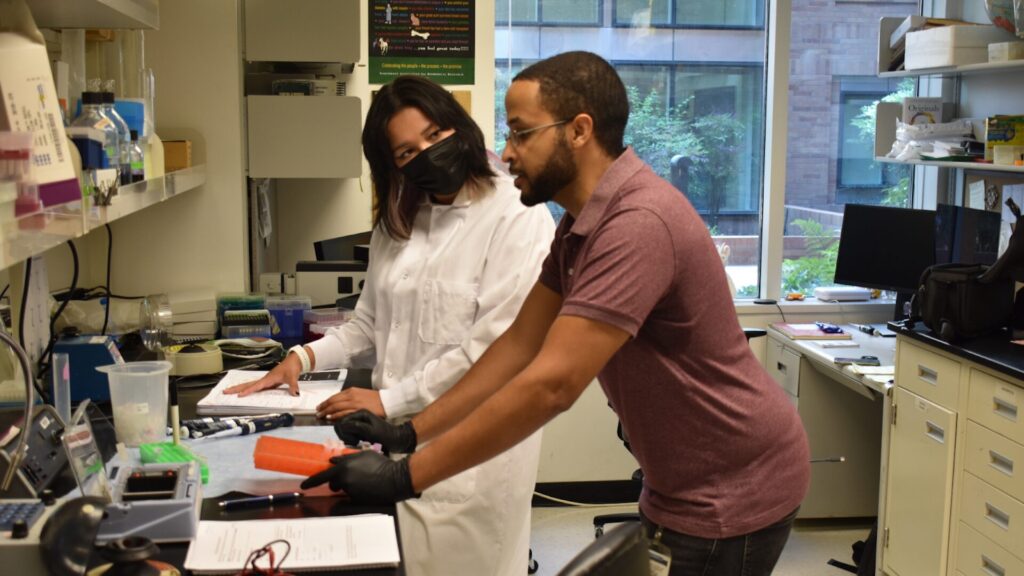
The Broad Summer Scholars Program places you in a cutting-edge research environment where you work directly with scientists on active biomedical projects. You are matched with a lab based on your interests and explore areas such as cancer biology, infectious disease, or computational biology.
Alongside your research, you attend scientific talks and workshops. The program also supports you with guidance on presenting research and communicating ideas effectively. You collaborate with a small cohort of peers who share strong interests in science.
Why it stands out: You conduct original research at a top MIT and Harvard–affiliated institute while being fully funded and mentored closely.
14. Rutgers Institute for Translational Medicine and Science (RITMS) Summer Research Program
Location: Rutgers Institute for Translational Medicine and Science, New Brunswick, NJ
Cost: Free
Acceptance rate/cohort size: Not specified
Dates: 8 weeks (third week of June to second week of August)
Application Deadline: February 1st
Eligibility: High school students aged 16+ entering sophomore, junior, or senior year with a strong academic record in science; international students may apply
The RITMS Summer Research Program gives you a direct introduction to translational biomedical research by placing you in an active lab environment. You work as part of a research team where you help plan experiments, carry them out, and analyze results.
Along the way, you gain exposure to how scientific discoveries connect to real clinical applications, which adds depth to your understanding of medicine. You also attend sessions that guide you through scientific thinking, research ethics, and presentation skills.
Why it stands out: You experience translational research firsthand, seeing how lab work directly connects to patient-focused medical advances.
15. Harvard Medical School Project Success
Location: Harvard Medical School, Boston, MA
Cost: Free; paid internship
Acceptance rate/cohort size: Not specified
Dates: June 29th – August 14th
Application Deadline: February 4th
Eligibility: High school juniors and seniors (age 16+) who live in Boston or Cambridge
As one of the most prestigious biomedical summer programs for high school students, Harvard’s Project Success places you inside a biomedical research lab where you work closely with scientists on ongoing projects. You spend your days learning how to ask research questions, design experiments, and interpret results in a real lab setting.
Alongside this, you attend seminars, site visits, and workshops that introduce you to careers in medicine and science. Mentorship plays a key role, giving you guidance not just on research but also on academic and career planning.
Why it stands out: You get paid to conduct hands-on research at Harvard while receiving structured mentorship and career guidance throughout the program.
Where Summer Research Meets Medical Insight
Biomedical research can feel distant until you step into it yourself, seeing how careful questions, lab work, and evidence all shape medical progress.
That is what biomedical summer programs for high school students make possible, turning curiosity into experience through experiments, mentorship, and a closer view of discovery.
Long after the programme ends, what often stays with you is a sharper sense of medicine, stronger scientific confidence, and better questions for the future.
Open our Medicine Top Books Guide and discover the titles that challenge your thinking, deepen your perspective, and make medicine feel even more worth pursuing.