
 Русский (RU)
 Українська (UK)
 Türkçe (TR)
 Italiano (IT)
 Français (FR)
 Português (PT)
 中文 (中国) (ZH)
 Español (ES)
 日本語 (JA)
 ไทย (TH)
 Deutsch (DE)
 Ελληνικά (EL)
 Polski (PL)
 Bahasa Indonesia (ID)
 Nederlands (NL)
 العربية (AR)
 한국어 (KO)

If you’re a high school student interested in biology, the subject can feel both fascinating and overwhelming, especially when you begin to realise how much more there is beyond the school curriculum, which is exactly why university-level biology programs for high school students can be such a valuable next step. They allow you to move beyond theory and start exploring biology through lab work, research, and a more practical understanding of how living systems function in the real world.
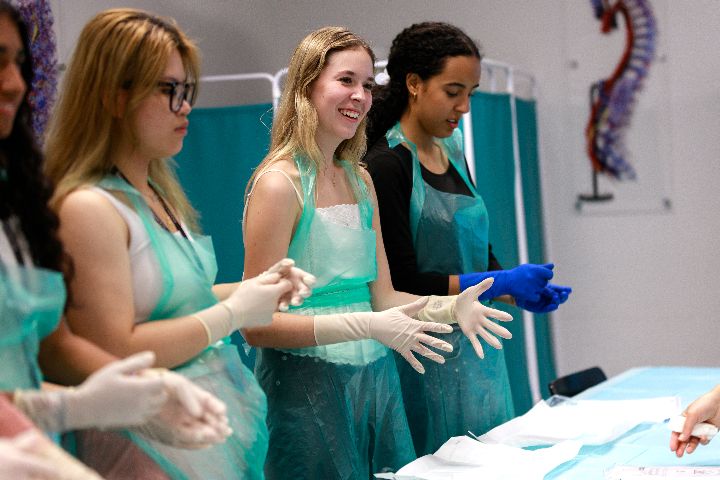
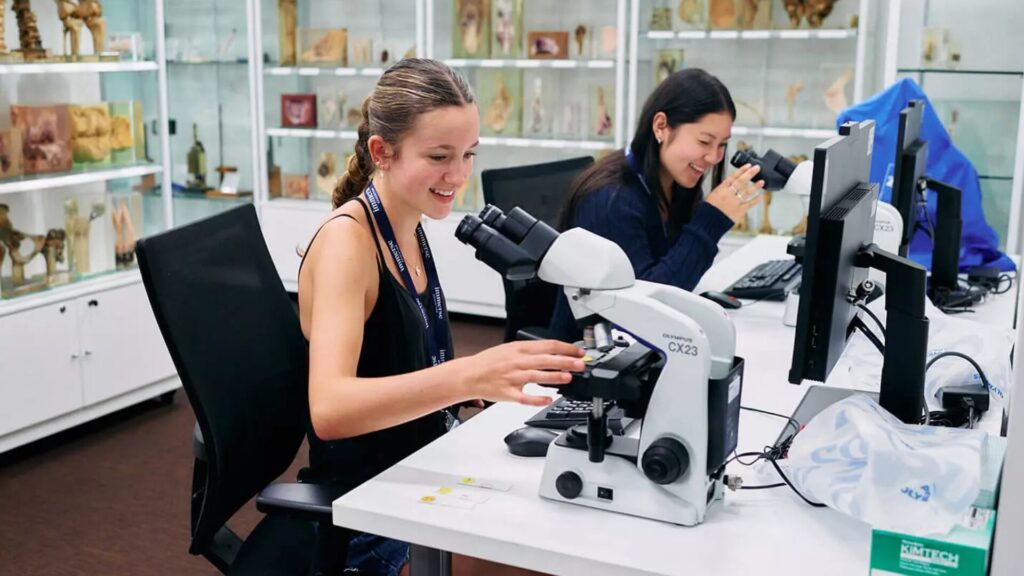
Picture yourself working in a laboratory, handling real samples, and learning directly from experienced researchers and scientists. You might spend your time studying cells under a microscope, analysing data, or exploring areas like neuroscience, genetics, or ecology. By spending your summer studying biology, you’ll gain hands-on experience, learn how research actually works, and begin to see the subject in a completely different way.
How do you choose the right university-level biology programs for high school students?
With so many options available for learning the subject, it can be difficult to decide which program is the right fit for you. Some might be too basic, while others may feel too advanced or not offer enough real-world experience. That’s why it helps to have some guidance when exploring your program options.
Many universities offer biology programs that are hands-on, structured, and focused on real learning. You’ll explore areas like biomedical research, genetics, neuroscience, ecology, and more. You’ll learn through lab work, research projects, group discussions, and mentorship from experts. Some programs are closer to actual university research, while others aim to build your fundamental knowledge through a guided approach.
Once the program starts, you’ll have to put in the effort. For now, though, we’ve made things easier. To help you choose, here’s a list of the 15 best university-level biology programs for high school students. These are selected for their research opportunities, hands-on activities, and expert-led learning experience.
For adjacent opportunities, you can consider biology research opportunities and online biology programs.
15 University-Level Biology Programs for High School Students
1. Stanford Institutes of Medicine Summer Research Program SIMR
Location: Stanford University School of Medicine, Stanford, CA
Cost/Stipend: Free; A stipend is paid
Dates: June 8th – July 30th (tentative)
Application Deadline: February 21st
Eligibility: High school juniors and seniors living and attending school in the U.S.; Must be U.S. citizens or permanent residents
Stanford Institutes of Medicine Summer Research Program SIMR is an eight-week learning opportunity for high school students. The program encourages participation from students from a wide range of backgrounds and experiences. You’ll engage in basic research with postdoctoral candidates, Stanford faculty, researchers, and students while working on a medically-oriented project.
You’ll explore and choose from eight specific research areas, including immunology, neurobiology, cardiovascular biology, genetics and genomics, bioengineering, cancer biology, stem cell and regenerative medicine, and bioinformatics. You’ll receive expert one-on-one mentorship, gain hands-on learning experience, and enjoy field trips and attend social events.
Why it stands out: You work in active biomedical research labs at Stanford University School of Medicine with mentorship from researchers and gain solid experience in lab methods.
2. Immerse Education’s Biology Summer School
Location: Oxford, Cambridge, and Online
Cost/Stipend: Varies by format; summer school scholarship available through our bursary programme
Dates: 2 weeks during the summer
Application Deadline: Multiple summer cohorts
Eligibility: Students all over the world, ages 16-18
Immerse Education’s Biology Programme will allow you to explore the fundamental biology concepts and develop a strong foundation of the subject. You’ll receive guidance from experienced biologists, work on collaborative projects, and participate in engaging discussions.
You’ll explore different areas of study within biology, including genetic engineering, medical research, and medical conservation, while gaining in-depth knowledge about concepts like ecology, cellular biology, natural selection, evolution, and more. The program offers University-style learning through seminars, real-world challenges, and the opportunity to develop professional skills like scientific writing, critical thinking, and problem-solving.
Why it stands out: It blends foundational biology concepts with case studies and lab discussions, helping you build strong conceptual understanding before college.
3. Lawrence Livermore National Laboratory Biotech Summer Experience
Location: Livermore, California
Cost/Stipend: Free
Dates: July 13-24
Application Deadline: February 26th
Eligibility: Rising 11th-12th grade students; Minimum age: 16 years; Must be U.S. citizens and attending a Northern California high school
Lawrence Livermore National Laboratory Biotech Summer Experience offers a two-week hands-on learning experience to high school students. You’ll work on isolating and studying the DNA of Landoltia punctata (duckweed) through practicing different lab techniques, including gel electrophoresis, polymerase chain reaction (PCR), and restriction digests.
You’ll apply bioinformatics tools to analyze gene sequences. You’ll receive mentorship and share a final presentation of your work as the program concludes.
Why it stands out: It places you in a national lab setting working with cutting-edge biotech tools, helping you understand how advanced biological research is conducted in high-impact environments.
4. Hutton Junior Fisheries Biology Program
Location: Multiple locations across the U.S.
Cost/Stipend: Free; $3,000 stipend is paid
Dates: Eight weeks during the summer
Application Deadline: January 25th
Eligibility: High school students; Residents of the United States, Canada, and Mexico
Hutton Junior Fisheries Biology Program is an eight-week paid learning opportunity for high school students. The program is sponsored by the American Fisheries Society and allows you to receive guidance from experienced fisheries professionals. Along with fisheries, you’ll explore your interest in areas like aquatics and environmental science.
You’ll interact with nature from up-close, understand the work of fisheries scientists, and sometimes engage in outdoor work in the field, laboratory settings, or on a boat. You’ll participate in many different activities, including the collection of fish population surveys, snorkeling, data processing, water quality testing, and more.
Why it stands out: It immerses you in fisheries biology and ecological fieldwork, giving real-world exposure to conservation, marine biology, and environmental research.
5. Max Planck Florida Institute for Neuroscience Summer Internship
Location: Jupiter, Florida
Cost/Stipend: Free; $14/hour stipend is paid
Dates: June 22nd – July 31st
Application Deadline: February 8th
Eligibility: Rising high school juniors and seniors living in Palm Beach or Martin County, and have U.S. work authorization; Minimum age: 16 years
The Max Planck Florida Institute for Neuroscience Summer Internship is a six-week learning opportunity for high school students. You’ll gain knowledge about human brain structure, function, and development, along with advanced imaging techniques applied in Neuroscience.
You’ll learn wet-lab techniques such as microscopy, genetic engineering, histological staining, and microbiology preparations. You’ll work on laboratory research projects with MPFI scientists, write a scientific abstract based on your research work, and share a presentation at the conclusion of the program. You’ll develop independent thinking and problem-solving skills.
Why it stands out: It introduces you to world-class biomedical and ecological research, helping you understand how international science institutions operate and collaborate.
6. Summer Student Program at Memorial Sloan Kettering
Location: New York City, NY
Cost/Stipend: Free
Dates: June 29th – August 21st
Application Deadline: February 6th
Eligibility: High school juniors who meet these criteria
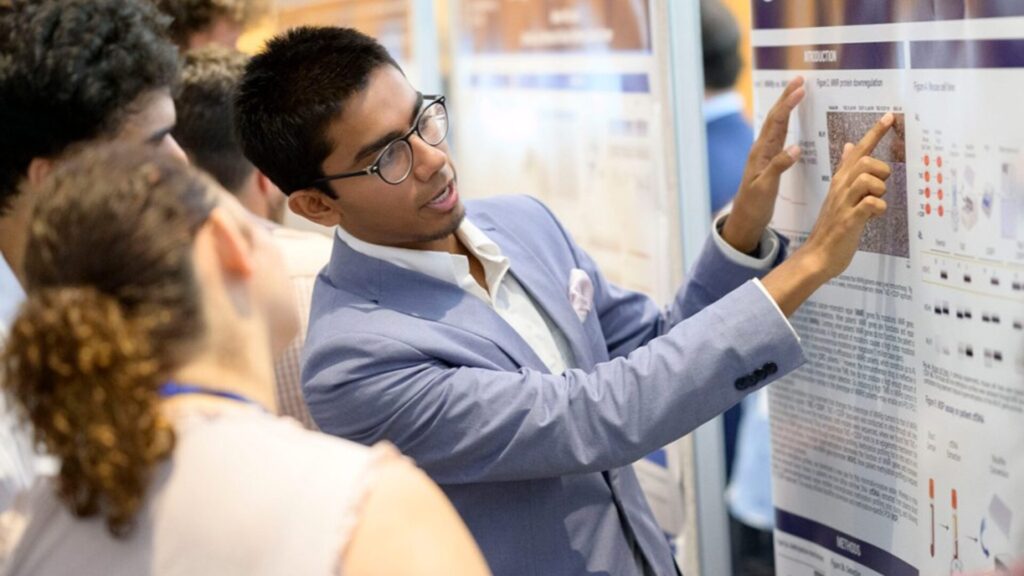
The Summer Student Program at Memorial Sloan Kettering is one of the most research-intensive university-level biology programs for high school students, offering an eight-week learning opportunity for students interested in biomedical sciences. The programme focuses on independent research along with professional and personal development. You’ll participate in hands-on laboratory work at a Memorial Sloan Kettering (MSK) research lab.
Some of the areas of research offered by the program include structural biology, immunology, cell and molecular biology, developmental biology, and many more. You’ll receive one-on-one guidance from a research mentor, and work on an independent project supporting the overall research objectives of the Principal investigator. You’ll attend lab sessions and meetings, develop technical skills, and interact with people sharing similar interests.
Why it stands out: It immerses you in cancer research under active faculty mentorship, helping you gain lab skills rarely available to high schoolers.
7. UCSF Benioff Children’s Hospital Summer Student Research Program (SSRP)
Location: UCSF Benioff Children’s Hospital, Oakland, CA
Cost/Stipend: Free; a $3000 stipend is paid
Dates: June 15th – July 31st
Application Deadline: February
Eligibility: Grades 10th-12th high school students; Must be U.S. citizens or permanent residents. More information here
UCSF Benioff Children’s Hospital Summer Student Research Program (SSRP) allows high school students from diverse backgrounds to participate in active biomedical research. You’ll attend workshops, seminars, and receive training and one-on-one mentorships from experienced researchers and healthcare providers.
The program will allow you to engage in simulations, along with the opportunity to build your professional network. You’ll work on a clinical or science research project and share your findings in a formal research symposium through poster and oral presentations. The program encourages participation from underrepresented students to explore their interests in health sciences.
Why it stands out: You’ll work on a biomedical research project with one-on-one mentorship and present your findings at a final research symposium.
8. Fred Hutch Summer High School Internship Program
Location: Fred Hutchinson Cancer Centre, Seattle, WA
Cost/Stipend: Free; A stipend is paid (amount not specified)
Dates: June 22nd – August 14th
Application Deadline: March 13th
Eligibility: Rising high school seniors ages 16 and above; Residents of Greater Seattle or surrounding areas
The Fred Hutch Summer High School Internship Program offers an eight-week competitive learning opportunity to high school students. You’ll receive hands-on training in lab safety and techniques for two weeks and work in a Fred Hutch research group for the remaining six weeks. You’ll receive mentorship, engage in research seminars, and participate in professional development workshops focused on careers and college.
Along with the academic research experience, you’ll also enjoy social activities and interact with peers sharing similar interests. You’ll share your work through presentations to family, friends, and the Fred Hutch Community as the program culminates.
Why it stands out: It immerses you in cancer and infectious disease research, helping you build technical skills while learning how large research centers operate.
9. Science & Nutrition Summer Research Program
Location: City of Hope Medical Centre, Duarte, CA
Cost/Stipend: Free
Dates: Multiple sessions. More information here
Application Deadline: March 9th
Eligibility: Grade 9th-12th high school students worldwide
The Science & Nutrition Summer Research Program is a four-week learning opportunity for high school students. You’ll understand the role of different macromolecules, including proteins, carbohydrates, and fats, while exploring the importance of a balanced diet on our overall well-being. You’ll gain knowledge about the fundamental concepts in health and nutrition, engage in discussions through real-world examples, and participate in applied learning exercises.
The program will help you analyse the relationship between food systems, community, and environment, and their impact on the health of individuals and populations. The program includes a final project where you’ll work in small groups, develop or refine a scientific question, read peer-reviewed literature texts, and share your findings publicly.
Why it stands out: It immerses you in integrative research at a premier cancer and diabetes center, helping you see how scientific inquiry informs real-world health outcomes.
10. Monell Science Apprenticeship Program
Location: Monell Chemical Senses Centre, Philadelphia, PA
Cost/Stipend: Free; A stipend is paid (amount not specified)
Dates: June 15th – July 31st
Application Deadline: January 14th
Eligibility: High school students meeting these criteria
Monell Science Apprenticeship Program offers a seven-week paid learning opportunity to high school students. You’ll work with a Monell scientist and engage in structured research on examining the relationship between smell and taste and health and nutrition. You’ll have the opportunity to share your work with scientific staff, friends, and family through a public conference.
The program offers a range of enrichment activities, including scientific lectures, sessions on public speaking and written communication, and learning the ethical principles related to human and animal research. You’ll also have the chance to explore careers in science and medicine.
Why it stands out: It gives you hands-on mentorship in chemosensory science, helping you explore how smell and taste research connect to neuroscience and human behavior.
11. Geosciences Bridge Program – UMES
Location: Princess Anne, MD
Cost/Stipend: Free; a $500/week stipend is paid
Dates: June to August
Application Deadline: May 31st
Eligibility: Graduating domestic high school seniors
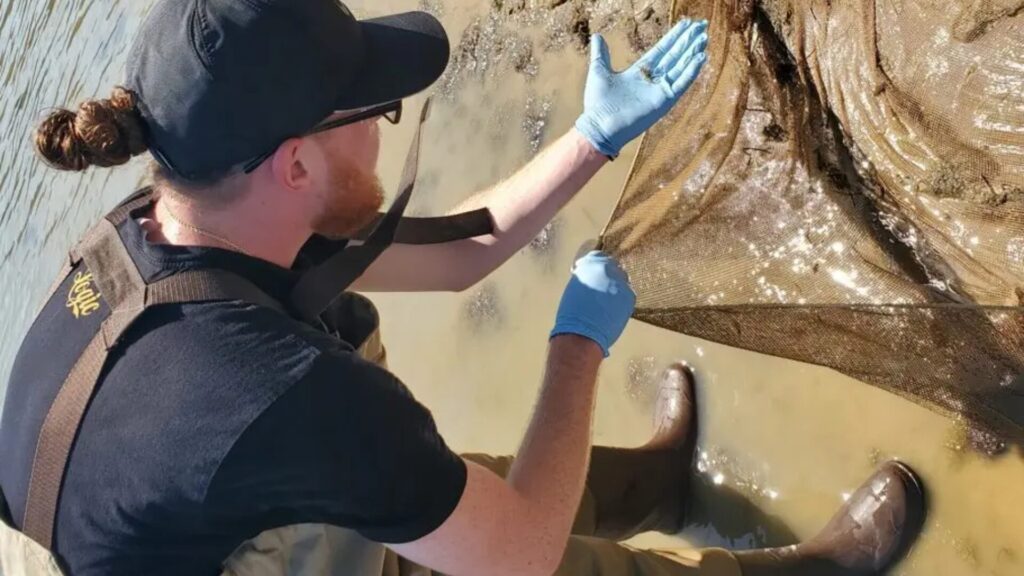
Geosciences Bridge Program – UMES offers a six-week summer learning experience to high school students. You’ll attend lectures and engage in hands-on activities in a range of areas of Geoscience, including environmental engineering, atmospheric science, marine biology, marine geology, remote sensing/ GIS, and biogeochemistry.
You’ll have a chance to build a strong network with faculty and staff and receive guidance on internship opportunities at The Woods Hole Partnership Education Program (PEP), one of the program partners for the University of Maryland Eastern Shore. The program offers a bi-weekly stipend and is a great learning experience if you’re interested in the field of Geoscience.
Why it stands out: It gives you exposure to Earth science and geoscience research; helpful if you’re interested in geology, climate, or environmental science early on.
12. Rockefeller University Summer Science Research Program (SSRP)
Location: New York, NY
Cost/Stipend: Free
Dates: June 22nd – August 6th
Application Deadline: January 2nd
Eligibility: High juniors and seniors; Minimum age: 16 years; Open to international students
The Rockefeller University Summer Science Research Program (SSRP) is a mentored research program for high school students. You’ll engage in a team-based learning experience, engage in hands-on laboratory research, and receive guidance from the Rockefeller, MSK, and WCMC scientific trainees. Each team will have access to their independent resources and space in the RockEDU teaching labs.
You’ll attend guest lectures, participate in workshops, join elective courses, and have the opportunity to grow your professional network. The program also includes engaging social activities for you to explore beyond the academic and research-based learning.
Why it stands out: You’ll work in a team on hands-on lab research, learn from scientific mentors, and build skills through workshops and lectures.
13. SUNY Oneonta Summer Research Internship
Location: Oneonta, NY
Cost/Stipend: Free; a $3,000 stipend is paid
Dates: Eight weeks during the summer
Application Deadline: March 26th (tentative, based on previous years)
Eligibility: High school students residing in New York; Ages 16 and above
SUNY Oneonta Summer Research Internship offers an eight-week learning opportunity to high school students. The program will allow you to work on your individual projects on some days, while on others, you’ll provide assistance and help to other interns and faculty. You’ll engage in a range of field-related activities, including water sampling, fisheries surveys, plant surveys, and more.
You’ll participate in laboratory analyses, attend weekly seminars, and explore topics related to the ecology of Otsego Lake and the hydrology of its watershed. You’ll receive a monetary stipend while learning through internship offerings that vary every year.
Why it stands out: You’ll work on your own research project, take part in fieldwork like water and plant surveys, and analyze samples in the lab while earning a stipend.
14. City Of Hope Cancer Center Eugene and Ruth Roberts Summer Student Academy
Location: City of Hope, Duarte, C
Cost/Stipend: Free; a $4,500 stipend is paid
Dates: June 1st – August 7th
Application Deadline: March 11th
Eligibility: High school students ages 16 and above; Must be U.S. citizens or permanent residents who have taken courses in biology and chemistry
City of Hope Cancer Center Eugene and Ruth Roberts Summer Student Academy allows you to explore science through scientific research opportunities. You’ll engage in a 10-week program working with a biomedical research team as a full-time member. You’ll join courses, attend weekly seminars, and share your research findings with peers.
You’ll receive mentorship and cover a range of topics through workshops, including poster presentations, grant writing, and college and graduate school preparation. The program also offers an opportunity to have your name mentioned in published research papers while also getting the inventions developed with your mentors to be sold or patented.
Why it stands out: You’ll work full-time on a biomedical research team, attend seminars, and present your findings while gaining real research experience.
15. Johns Hopkins University Internship in Brain Science (JHIBS)
Location: Johns Hopkins School of Medicine, Baltimore, MD. Virtual
Cost/Stipend: Free; $15/hour stipend is paid
Dates: In-person: June to August; Virtual: July to August
Application Deadline: March 1st (tentative, based on previous years)
Eligibility: High school juniors and seniors living in Baltimore City
Johns Hopkins University Internship in Brain Science (JHIBS) encourages participation from talented underrepresented students to explore medicine and science. You’ll engage in laboratory work, experiments, and learn the application of research tools. You’ll gain knowledge about a range of topics, including clinical neurobiology, brain development, brain imaging, and more.
You’ll participate in data analysis, engage in patient care activities, and attend weekly seminars while working with fellow participants and mentors. The program concludes with an oral and poster presentation where you’ll share your work with others.
Why it stands out: You’ll work in a lab, analyze data, and study topics like brain imaging while presenting your research at the end of the program.
From Biology Research to University Readiness
Biology starts to feel different when you step beyond the classroom and begin working with real samples, research questions, and the methods scientists use every day.
The university-level biology programs for high school students featured in this article show how early lab experience, scientific thinking, and academic challenge can come together.
As you explore genetics, neuroscience, ecology, or biomedical science, you also begin to understand the pace, independence, and curiosity university study will expect from you.
Ready to turn that experience into a stronger next step? Explore our University Preparation blogs for practical advice, smart strategies, and the confidence to approach university with purpose.