


 Русский (RU)
 Українська (UK)
 Türkçe (TR)
 Italiano (IT)
 Français (FR)
 Português (PT)
 中文 (中国) (ZH)
 Español (ES)
 日本語 (JA)
 ไทย (TH)
 Deutsch (DE)
 Ελληνικά (EL)
 Polski (PL)
 Bahasa Indonesia (ID)
 Nederlands (NL)
 العربية (AR)
 한국어 (KO)

Imagine stepping into the shoes of an attorney before you have even finished high school. For students considering law summer programs in Canada for high school students, that means entering a world of justice through immersive academic experiences that combine university life with practical skill-building. You also begin developing the kind of advanced legal thinking that can set you apart in the future.
You will learn how to dig deep into legal research, break down complex arguments through detailed case analysis, explore the core rules of constitutional frameworks, and confidently argue your side using persuasive mock trial techniques. Ultimately, it is a unique chance to transform a budding curiosity about the law into a hands-on, confident passion.
These experiences help you understand legal reasoning, courtroom processes, and advocacy techniques while developing critical thinking and analytical skills. They also offer a valuable first look at what university life can feel like before you enrol.
What kinds of Canadian law summer programs are available for high school students?
Finding suitable programs can be challenging. Some may focus on academic lectures alone, while others emphasize hands-on legal practice. Guidance is important because programs vary in approach, intensity, and focus.
Various universities, law schools, and legal organizations in Canada offer programs concentrating on criminal law, human rights, business law, international law, and advocacy skills. You could deepen an existing interest or explore a new area of law. You will be taught by experienced tutors and practicing legal professionals, participate in interactive sessions, engage in mock trials, and collaborate with peers interested in law from across the country.
No matter which program you choose, you will be actively applying legal principles and honing analytical and communication skills. To simplify your search, we’ve compiled a list of 15 law summer programs in Canada for high school students.
For adjacent opportunities, check out online law programs and summer law internships.
15 Law Summer Programs in Canada for High School Students
1. Immerse Education’s Toronto Law Summer School

Location: University of Toronto, Toronto, Canada
Cost: Varies; summer school scholarship available through our bursary programme
Dates: 2 weeks during the summer
Application Deadline: Multiple summer cohorts; rolling admissions
Eligibility: Students aged 15-18 currently enrolled in middle or high school; open to international students
Among the more immersive law summer programs in Canada for high school students, this programme lets you examine Canadian and international legal systems through small-group seminars, case analysis, and mock trials while building skills in legal reasoning, argumentation, and interpretation of legislation. The programme emphasizes practical application with personal research projects, one-to-one tutoring, and exposure to courtroom procedures. You’ll gain experience analysing ethical dilemmas, constitutional law, and human rights.
By the end of the program, you’ll develop critical thinking, academic writing, and public speaking abilities. You’ll also gain insight into studying law as an international student and explore potential careers in policy, advocacy, and corporate legal practice. Residential participants will experience university life at the University of Toronto.
Why it stands out: It combines academic rigor and practical legal experience in a university setting.
2. UBC Future Global Leaders – International Criminal Law
Location: Vancouver, Canada
Cost: Canadian and Permanent Residents: $1,940 (~$1,401) | International Students: $5,270 (~ $3,806)
Dates: August 3-14
Application Deadline: Rolling basis
Eligibility: Students aged 15-18 who have completed Grade 10; open to international students
In this program, you’ll examine the foundations of international criminal law with a focus on genocide and crimes against humanity. You’ll study historical legal developments, including the International Military Tribunal at Nuremberg, and analyze their relevance to current global conflicts. The program emphasizes legal reasoning within international law, policy, and political frameworks. You’ll apply concepts through a structured mock trial, working in prosecution or defense teams.
You’ll research indictments, construct legal arguments, and present cases in a simulated courtroom setting. You’ll gain exposure to intersections between law, international relations, and human rights. By the end of the program, you’ll develop skills in legal analysis, argumentation, and case preparation.
Why it stands out: It combines historical legal analysis with a structured international criminal law mock trial.
3. Introduction to Canadian Law – Ashbury Summer Program
Location: Ottawa, Canada
Cost: $700 (~$506)
Dates: June 15-19
Application Deadline: Rolling basis
Eligibility: Students aged 14-18 as of December 31st; should be entering grades 10-12 in September; open to international students
This program examines foundational areas of Canadian law, with a focus on how legal systems are applied to everyday life. You’ll study the Youth Criminal Justice Act, civil liberties, contract law, employment law, and sports law. The program focuses on practical legal awareness, including rights as a student, interactions with law enforcement, and legal responsibilities upon reaching the age of 18.
You’ll apply concepts through role-play, group activities, and case-based discussions. You’ll gain exposure to real legal environments through visits to courts and legal landmarks. You’ll analyze how technology and social media influence contemporary legal issues.
Why it stands out: It provides applied legal literacy using everyday scenarios, court visits, and includes interactive activities to make law tangible and relevant for students.
4. Camp Justice – Summer Legal Program
Location: Vancouver, Canada
Cost: $400 (~$289); financial support is available
Dates: Session 1: July 6-10; Session 2: July 13-17; Session 3: July 20-24; Session 4: July 27-31; Session 5: August 10-14; Session 6: August 17-21
Application Deadline: To be posted
Eligibility: Students aged 14-19; open to international students
Camp Justice stands out among law summer programs in Canada for high school students because it examines foundational concepts of law and justice through a structured short-term format. You’ll study legal processes, negotiation strategies, and advocacy within real-world legal contexts. The programme emphasizes practical skill development through observation and participation, and you’ll apply concepts by watching court proceedings and engaging in negotiation exercises.
You’ll interact with justice professionals and gain exposure to legal career pathways, and explore how legal decisions are made and how arguments are structured in practice. You’ll gain exposure to courtroom procedures and professional legal environments, and build an understanding of how legal systems operate in practice.
Why it stands out: It provides direct exposure to court proceedings combined with hands-on legal skill development, offering structured mentorship and interaction with practicing legal professionals.
5. KPMG Black High School Student Scholarships and Internship Program
Location: KPMG offices across Canada (National program, including major cities like Toronto, Vancouver, Calgary, and Montreal)
Cost/Stipend: No cost / Stipend paid, amount not disclosed
Dates: Six-week summer internship, generally running from early July through mid-August
Application Deadline: Late April and early May
Eligibility: Black secondary school students nationwide in Canada (typically those in their final year/Grade 12) who are planning to pursue post-secondary education; not open to international students
This program offers you an opportunity to experience corporate environments, including summer placements tailored to your interest in legal and advisory services. Throughout this six-week placement, you explore practical topics like business law fundamentals, regulatory compliance, and corporate governance.
You will actively engage by shadowing legal professionals, participating in skills development workshops, and attending internal networking panels. A unique feature of this initiative is that it combines a paid internship with a post-secondary scholarship and guarantees you an interview for future KPMG roles. By completing this program, you will build skills in critical thinking, professional communication, and analytical reasoning.
Why it stands out: It provides high schoolers with both upfront financial support and a guaranteed professional pathway into a highly competitive corporate environment.
6. Frederick Phillips Summer Program – McGill Law
Location: Montreal, Quebec, Canada
Cost: None
Dates: Mid-July
Application Deadline: April/May
Eligibility: Black high school and CEGEP students in Montreal near the end of their studies; not open to international students
In this program, you will explore the legal field through interactive activities, lectures, and field visits at McGill Law. You’ll work on a personal project outlining your path to law school or higher education and develop critical thinking, oral advocacy, writing, and research skills.
The program emphasizes teamwork, mentorship, and exposure to legal systems, where you’ll gain insight into the academic and professional expectations of law, understand the process of pursuing legal education, and build foundational skills for future studies in law. By the end of the program, you’ll have clarity on your educational pathway and practical experience in legal thinking and advocacy.
Why it stands out: It provides a structured introduction to law with mentorship and project-based learning for Black students in Montreal.
7. University of Toronto Youth Summer Program (Law)
Location: Toronto, Canada
Cost: $1,175 CAD + $98 CAD registration fee (~$849 + $71)
Dates: Varies as per module between July 6th and August 21st
Application Deadline: Rolling basis
Eligibility: Students in grades 10-12; open to international students
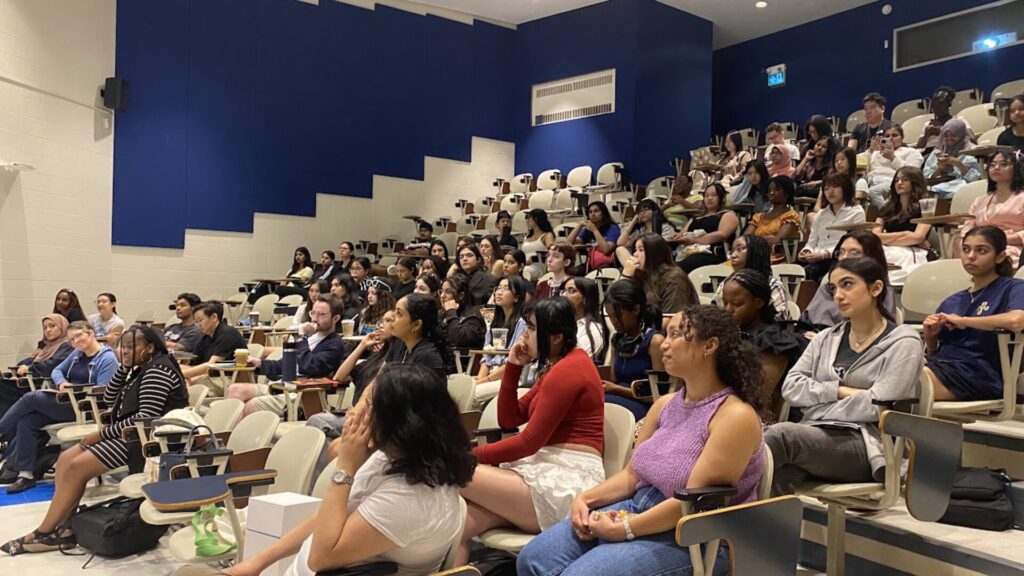
In this program, you’ll examine core areas of law through structured academic modules at a university law faculty. You’ll study topics such as corporate law, criminal litigation, international law, and law in relation to artificial intelligence. The program emphasizes legal reasoning, case analysis, and understanding institutional frameworks within the Canadian legal system.
You’ll apply concepts through simulations, including mock trials, negotiations, and policy discussions, and engage with legal professionals and explore real-world legal environments through field visits. You’ll gain exposure to how legal arguments are constructed and evaluated. By the end of the program, you’ll develop foundational skills in legal thinking, advocacy, and academic inquiry.
Why it stands out: It involves structured legal modules combined with simulations and direct exposure to legal professionals.
8. LAWS (Law in Action Within Schools) Summer Job Program
Location: Toronto, Ontario (Placements occur at law firms, courts, legal clinics, and justice sector offices across the city)
Cost/Stipend: No cost / Stipend paid, amount not disclosed
Dates: 4 weeks during July and August
Application Deadline: Early April
Eligibility: Grade 10, 11, and 12 students who are currently enrolled in a LAWS partner high school in Toronto and are active in the LAWS Core or Newcomer programs; open to international students
Among the more practice-based law summer programs in Canada for high school students, the LAWS Summer Job Program gives you a paid placement working directly inside Toronto’s legal sector. Unlike typical summer camps, this initiative immerses you in actual legal workplaces to explore topics like access to justice, corporate law, and court procedures. During the summer, you will shadow practising lawyers, handle administrative office tasks, conduct basic legal research, and observe live court proceedings.
Through this hands-on work, you build practical skills in professional communication, document organization, and workplace networking. Ultimately, this job gives you a behind-the-scenes look at the daily realities of legal careers before you even finish high school.
Why it stands out: It breaks down systemic barriers by offering high school students a rare, fully paid opportunity to gain practical experience and build professional networks inside top-tier law firms and legal clinics.
9. Federal Student Work Experience Program (FSWEP) – Justice Placements
Location: Various locations across Canada. Placements are available in any city where the Department of Justice has an office, including Ottawa (NCR), Vancouver, Edmonton, Winnipeg, Toronto, Montreal, and Halifax
Cost/Stipend: No cost / $17.75/hr stipend
Dates: Year-round; summer placements typically run from May to August
Application Deadline: Ongoing
Eligibility: Full-time student in a secondary (high school) institution; returning to full-time studies in the next academic term; meet the minimum age to work in the province/territory of the placement (usually 15 or 16); not open to international students
In the Federal Student Work Experience Program (FSWEP) Justice Placements, you get a paid, hands-on introduction to Canada’s legal and public safety systems. You will explore topics like federal justice administration, public policy, and government legal support.
During your placement, you will complete practical activities such as organizing legal case files, drafting administrative correspondence, managing data entry for court records, and assisting staff with basic research. The program’s unique feature is its continuous, year-round intake that places you directly inside real federal departments instead of a simulated classroom environment.
Why it stands out: It provides teenagers with paid, legitimate civil service employment rather than just an academic or camp simulation.
10. Youth in Policing Initiative (YIPI)
Location: Various municipalities across Ontario, Canada (e.g., Toronto, Peel, York, Durham, Ottawa, Niagara, London, and the Ontario Provincial Police)
Cost/Stipend: No cost / $17.60/hr stipend
Dates: Summer: 8 weeks (typically early July to late August)
Application Deadline: Toronto: April 26th; Kingston: April 27th; York/Peel/Ottawa: Typically January-February
Eligibility: Registered high school student aged 15-18 returning to school in September; reside in the jurisdiction of the police service; successfully pass a background/security check; legally eligible to work in Canada; not open to international students
The Youth in Policing Initiative (YIPI) offers you a paid job to experience Canadian law enforcement and the criminal justice system firsthand. You dive into practical topics like community policing, civic engagement, and crime prevention strategies. You actively shadow officers, organize community safety events, deliver public presentations, and assist with station administration.
This initiative is unique because it specifically hires teens from priority neighborhoods, creating direct, paid mentorships with active-duty police. Through these hands-on experiences, you build strong, lifelong skills in conflict resolution, public speaking, teamwork, and leadership.
Why it stands out: It actively breaks down the barriers between law enforcement and local youth, turning a standard summer job into a powerful opportunity for community building and career development.
11. Richmond Royal Canadian Mounted Police (RCMP) Youth Academy
Location: A local secondary school in Richmond, BC (exact venue provided to accepted candidates)
Cost: $200; need-based financial aid is available
Dates: August 10-15
Application Deadline: April 7th
Eligibility: Students in grades 10-12 registered in a Richmond high school. Must pass a physical fitness test, background check, and interview; not open to international students
In this program, you immerse yourself in a rigorous environment that closely simulates the actual training real officers receive. You will study fundamental law enforcement topics, including the Canadian Criminal Code, arrest procedures, and the legal limits of police authority.
Throughout the intensive camp, you will participate in physical drills, practice defensive tactics, process mock crime scenes, and run through simulated traffic stops. This high-pressure, day-and-night operational setting sets it apart from standard summer educational camps. By navigating these intense legal and physical challenges, you develop vital real-world skills like disciplined teamwork, rapid conflict resolution, and practical legal application.
Why it stands out: It forces you to apply classroom legal knowledge under the stressful, high-adrenaline conditions of a fully simulated police academy.
12. Wake Forest University Pre-College Online – Understand How Criminal Law Works
Location: Online
Cost: $1,595; need-based scholarships are available
Dates: Year-round cohorts
Application Deadline: One week before a session starts
Eligibility: Students aged 13 and above; open to international students
This online course teaches you the step-by-step timeline of a criminal case. You will learn about police search rules, how to use evidence, what happens during a trial, and the daily jobs of judges and lawyers. To practice, you will look at crime scene clues, test your skills at questioning witnesses, write legal requests to throw out bad evidence, and build a final project judging a real court decision.
A unique feature of this class is that you can watch the video lessons whenever you want while getting help from a personal mentor. By the end, you will build strong problem-solving, speaking, and logical thinking skills.
Why it stands out: It lets you explore the legal field and learn from a real law professor at your own pace without ever having to travel.
13. William & Mary Pre-College Online Program – Constitutional Law: We The People
Location: Online
Cost: $1,595 per course; need-based scholarships available
Dates: Year-round; sessions available in 1, 2, or 4-week formats
Application Deadline: One week before the session starts
Eligibility: Students aged 13 and up; open to international students
This online program gives you an inside look at how legal professionals utilize the U.S. Constitution. You will explore core topics including the Constitution’s creation, methods of legal interpretation, the judiciary’s role, state versus federal conflicts, and the Bill of Rights.
Throughout the course, you will actively engage with video lectures, analyze historical Supreme Court cases, examine legal precedents, and play the role of a Supreme Court Justice for your final project. By completing these modules, you will develop highly practical skills in constitutional interpretation, analytical reasoning, and structured legal argumentation.
Why it stands out: It allows you to complete a university-level legal portfolio project on your own flexible schedule.
14. Columbia University Pre-College Programs Online – Legal Reasoning: Thinking Like A Lawyer
Location: Online
Cost: $4,018; need-based scholarships are available
Dates: Summer A: July 6-17; Summer B: July 20-31
Application Deadline: Summer Session A: May 18th; Summer Session B: June 1st
Eligibility: Students entering grades 9 through 12 or their freshman year of college in the fall; open to international students
As one of the most accessible law summer programs in Canada for high school students, this Columbia University online course introduces you to the American legal system by teaching you how to look at problems exactly like a first-year law student. During the programme, you will learn about the U.S. Constitution, how judges make decisions, how to read laws, and the basics of civil and criminal courts.
To practice these ideas, you will read and summarize real court cases, write your own legal arguments, debate tough ethical issues, and answer direct questions from your teacher during class. By the end, you will build strong skills in reading closely, thinking logically, and speaking clearly in front of others.
Why it stands out: It uses the exact same intensive teaching methods found in top law schools, giving you a completely honest preview of what studying law is really like.
15. Georgetown University Pre-College Online Program – Law: Analyze, Argue, and Advocate Like a Lawyer

Location: Online
Cost: Enrichment/Non-credit: $1,895; College Credit: $3,995; need-based scholarships are available
Dates: Year-round cohorts are available with flexible lengths (1, 2, or 4 weeks for enrichment; 6, 8, or 12 weeks for credit)
Application Deadline: One week before the course starts
Eligibility: Students ages 13 and up; open to international students
This course helps you explore the fundamental themes of justice and the legal system. Throughout the program, you will cover essential topics like foundational legal concepts, constitutional rights, and dispute resolution. You will participate in several engaging activities, including examining real case studies, watching video lessons from Georgetown faculty, and analyzing a legal scenario for your capstone project.
The program features a highly flexible online format, allowing you to study at your own pace while receiving personalized feedback from a dedicated mentor. By participating, you will develop practical courtroom skills such as conducting direct and cross-examinations, building structured arguments, and advising clients.
Why it stands out: It allows you to learn directly from renowned Georgetown professors while maintaining the flexibility to complete the coursework on your own schedule.
From Courtroom Practice to Campus Confidence
Law begins to feel more real when you move beyond textbooks and start testing arguments, analysing cases, and speaking with clarity under pressure.
The law summer programs in Canada for high school students featured in this article show how legal study can build confidence, sharpen reasoning, and introduce you to university-level expectations.
Whether you are exploring human rights, constitutional law, criminal justice, or mock trials, you begin to understand how legal thinking connects with academic challenge and future ambition.
Take the next step with our University Preparation blogs, where you can find practical guidance, smart strategies, and insider advice to help you approach university with confidence.