
 Русский (RU)
 Українська (UK)
 Türkçe (TR)
 Italiano (IT)
 Français (FR)
 Português (PT)
 中文 (中国) (ZH)
 Español (ES)
 日本語 (JA)
 ไทย (TH)
 Deutsch (DE)
 Ελληνικά (EL)
 Polski (PL)
 Bahasa Indonesia (ID)
 Nederlands (NL)
 العربية (AR)
 한국어 (KO)
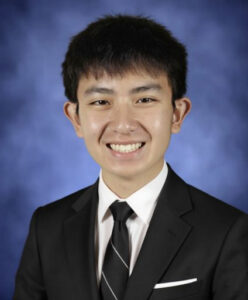
My name is Daniel Zhang, and I’m a junior at Canyon Crest Academy in San Diego, California. I do cancer biology research, run a nonprofit called STEAMLabs International, and play piano at senior homes through a network I help lead. People sometimes ask how all of that fits together, and honestly, the answer usually surprises them.
When I saw the essay questions for this competition, I was drawn immediately to the one about AI and bias. It wasn’t random. A big part of my research involves working with large biological datasets, and I’d started noticing something uncomfortable: the same way biased training data can quietly corrupt a machine learning model, historically skewed datasets can corrupt scientific conclusions. I wanted to explore what that looked like when the stakes were even higher, when the model wasn’t predicting a gene expression pattern but deciding someone’s risk of reoffending, or screening their job application.
What I found was both troubling and fascinating. The COMPAS algorithm. Amazon’s hiring tool. Buolamwini and Gebru’s work on facial recognition disparities. These weren’t fringe cases or hypotheticals. They were systems deployed at scale, making real decisions about real people, and the bias embedded in them was often invisible because it looked like math. I tried to write an essay that treated fairness not as a solved problem but as a genuinely contested one, and that took seriously both the technical and the structural dimensions of the issue.
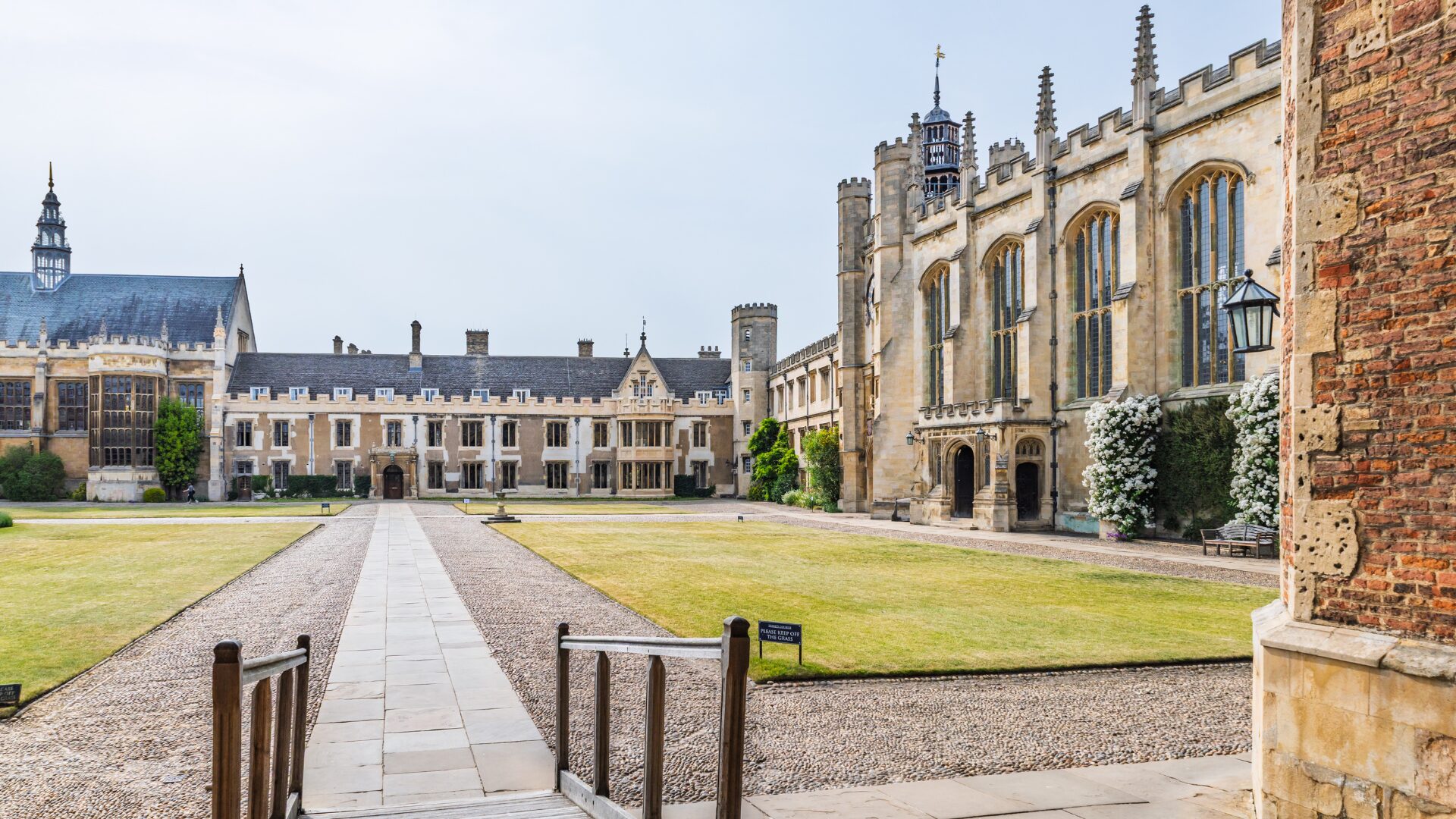
I chose the Creative Writing programme at Cambridge for what might seem like an odd reason. I’ve spent years getting better at scientific writing, the kind that’s precise and well-cited and built on evidence. But I keep running into moments where the most rigorous argument in the world lands quietly if it isn’t told well. I want to learn how to close that gap. I’m genuinely excited to work on narrative, structure, and how to write about hard things in a way that pulls people in.
Finding out I’d won was a strange moment. I’m used to working in spaces where you don’t often get a clear signal about whether something was good. An email saying you placed first out of 4,300 entries is not that. I sat with it for a while before it felt real.
This competition landed in an unexpected place for me. My long-term goal is to work in cancer medicine and research, which means I’ll spend a lot of my life explaining difficult ideas to people who need to understand them and act on them. I think the ability to write well, to make something true also feel urgent, is going to matter as much as anything else I learn along the way. Cambridge this summer feels like a good place to start figuring that out.
Artificial Intelligence
In-person
Shape the future of Artificial Intelligence in Cambridge,...

Creative Writing
In-person
Reach your full writing potential against the stunning...

Join the Immerse Education 2025 Essay Competition
Follow the instructions to write and submit your best essay for a chance to be awarded a 100% scholarship.