
 Русский (RU)
 Українська (UK)
 Türkçe (TR)
 Italiano (IT)
 Français (FR)
 Português (PT)
 中文 (中国) (ZH)
 Español (ES)
 日本語 (JA)
 ไทย (TH)
 Deutsch (DE)
 Ελληνικά (EL)
 Polski (PL)
 Bahasa Indonesia (ID)
 Nederlands (NL)
 العربية (AR)
 한국어 (KO)
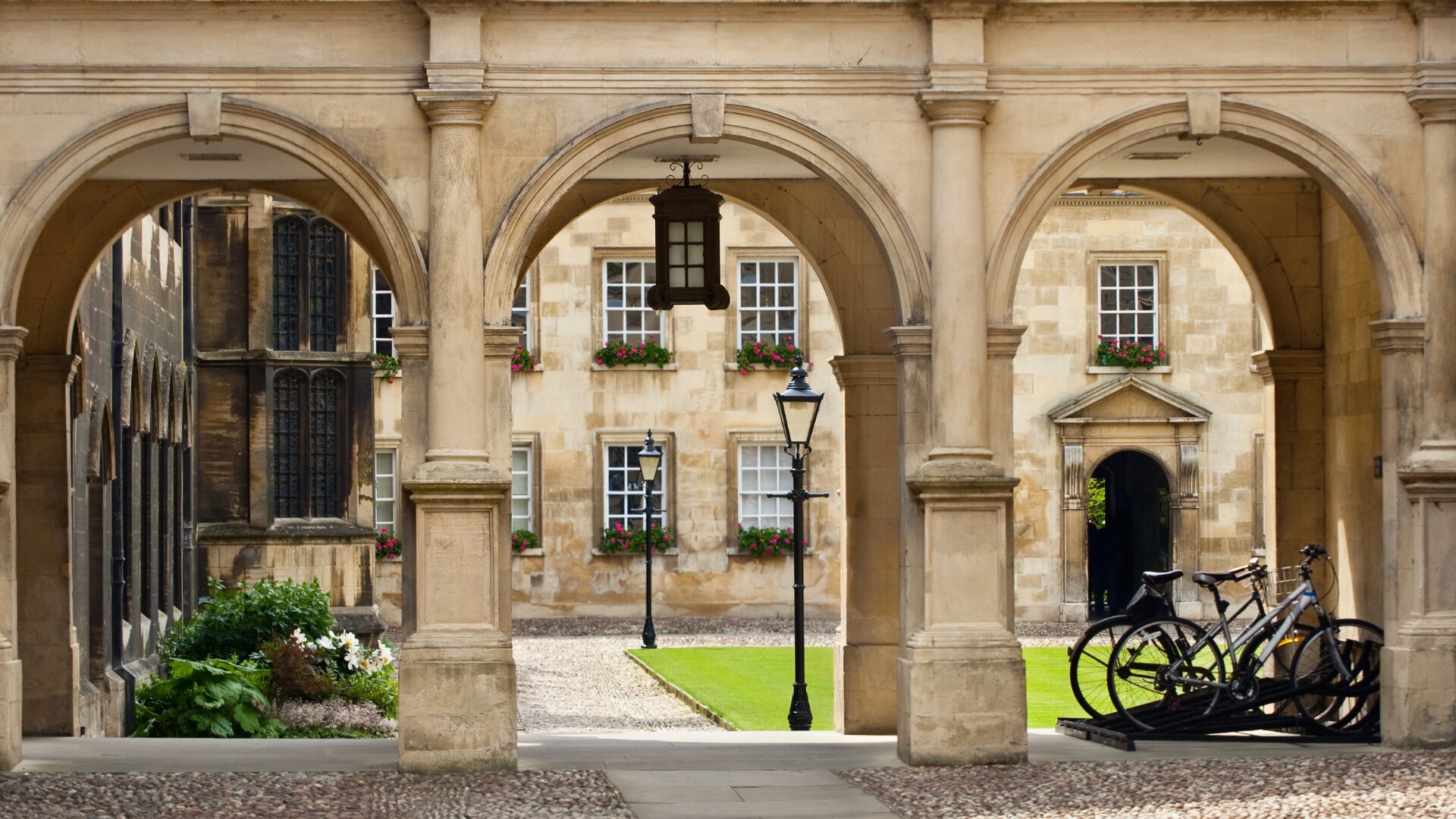
At the University of Cambridge, teaching Biological Natural Sciences focuses on shaping thinking as much as sharing knowledge. The course structure, deeply rooted in the Natural Sciences Tripos, offers a unique perspective for educators.
Having supervised undergraduates in this system for 10+ years, I have identified several key lessons that can greatly benefit pre-university learners preparing for advanced science studies.
1. Depth begins with intellectual breadth
A key feature of Cambridge’s Natural Sciences course is its emphasis on breadth before specialization. Students explore various fields—genetics, physiology, biochemistry, and even some mathematics and physical sciences—before choosing a specialised subject.
This is intentional and reflects a fundamental truth: scientific breakthroughs often occur across disciplines. Pre-university students frequently feel pressured to choose early—to define themselves as a biologist, chemist, or medic.
However, the most successful undergraduates are those who stay intellectually flexible. Exposure to multiple disciplines helps students recognize patterns and transfer ideas between fields. For example, a student who grasps key concepts in chemical kinetics may find it easier to understand enzyme dynamics later. The lesson is clear: avoid premature specialization. Curiosity in various disciplines is not a distraction; it is an advantage.
2. Learning is an active, not passive process
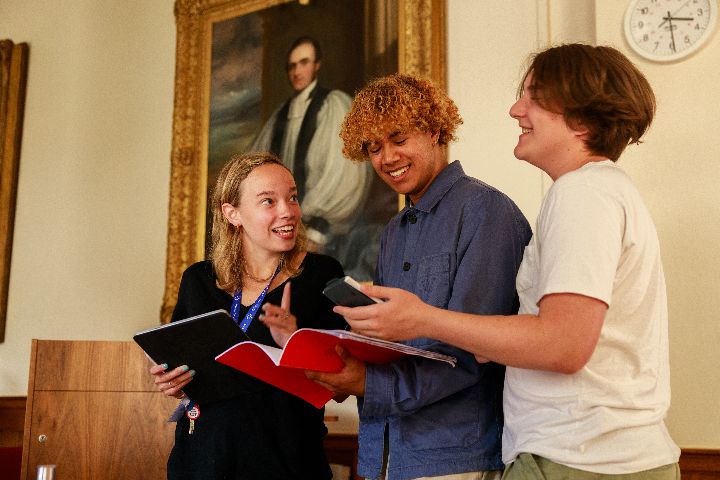
One of the most distinctive aspects of teaching at Oxford and Cambridge is the supervision system, which consists of small-group sessions (typically three to five students) where ideas are rigorously examined. In these sessions, students earn recognition for reasoning rather than memorization. They must defend their answers, uncover assumptions, and refine arguments on the spot.
For many new undergraduates, this can be uncomfortable. Silence is hard to hide in a small room. Yet this discomfort is what drives intellectual growth. Pre-university learners can start building this habit now.
Instead of asking, “What is the answer?” try asking, “Why must this be true?” Instead of rereading notes, attempt to explain concepts out loud or teach them to someone else. True understanding shows in how well you can communicate ideas, not just in recognizing them.
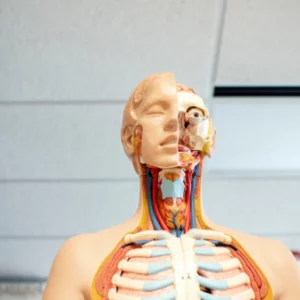
Biology
In-person
Uncover life’s mysteries in Cambridge, where groundbreaking biological...
Biology
In-person
Unravel life’s complexities in Oxford, home to groundbreaking...
3. Errors are the source of mastery
In supervisions, mistakes are not only accepted; they are vital. A poorly reasoned answer can lead to the most productive discussions. It highlights gaps in knowledge and opens doors to deeper understanding.
This is different from many school situations where mistakes are discouraged, making students afraid to take risks. At Cambridge, taking intellectual risks is encouraged. The aim is progress, not perfection. For budding scientists, this means shifting your mindset.
Treat each incorrect answer as a clue. Ask: what assumption was wrong? What concept didn’t make sense? This analytical view of mistakes turns setbacks into learning opportunities.
Join the Immerse Education 2025 Essay Competition
Follow the instructions to write and submit your best essay for a chance to be awarded a 100% scholarship.
4. Integration matters more than accumulation
Undergraduates often come with a lot of factual knowledge. However, what sets the strongest students apart is not how much they know, but how well they weave ideas together.
The Natural Sciences framework is specifically designed to promote this integration, blurring the lines between sciences and fostering interdisciplinary thinking. This involves recognizing how molecular processes relate to entire organisms or how principles of evolution influence modern genetics. Pre-university learners should move beyond studying isolated topics.
When conducting a deep dive into a subject, think about how it connects to others. How does thermodynamics tie into metabolism? How does structure inform function? These links are the bedrock of scientific insight.
5. Independence is cultivated, not assumed
Finally, one major transition for new undergraduates is the expectation of independence. Lectures, practicals, and supervisions set the stage, but most intellectual growth happens outside formal classes.
Students need to learn how to manage their time, recognize their weaknesses, and actively seek resources. While academic support is available—from Directors of Studies and supervisors—the responsibility ultimately rests with the student.
For pre-university learners, this is perhaps the most crucial preparation of all. Start taking charge of your learning now. Read beyond what’s on the syllabus. Explore topics that excite you. Develop the self-discipline to study with less external guidance.
Transitioning to studying Biological Natural Sciences at Cambridge is about transforming how you approach learning. Breadth, curiosity, resilience, and independence are essential. For those getting ready to start this journey, the message is clear: strive not just to know more, but to think better.