
 Русский (RU)
 Українська (UK)
 Türkçe (TR)
 Italiano (IT)
 Français (FR)
 Português (PT)
 中文 (中国) (ZH)
 Español (ES)
 日本語 (JA)
 ไทย (TH)
 Deutsch (DE)
 Ελληνικά (EL)
 Polski (PL)
 Bahasa Indonesia (ID)
 Nederlands (NL)
 العربية (AR)
 한국어 (KO)

As a high school student curious about global affairs, you may find international relations both fascinating and complex. You might already follow world news, wonder how countries negotiate, or think about the forces shaping global conflicts and cooperation. Still, it can be hard to move beyond headlines and truly understand how diplomacy, policy, and international systems work in practice. International relations programs in Canada for high school students can help you explore these ideas through structured academic learning and real-world discussion.
Imagine yourself debating global issues in a classroom that brings together students from different countries, analysing real policy challenges, or learning directly from professors and practitioners. By spending time in a structured programme, you can sharpen your critical thinking, improve your communication skills, and see how politics, economics, history, and law connect in real-world contexts.
How do you choose the right international relations programs in Canada for high school students?
Choosing the right program can feel confusing at first. Some options may seem too broad, while others might focus on areas that do not match your interests. That is why it helps to think carefully about what you want to gain from the experience and how each program aligns with your goals.
Many Canadian universities and academic organizations offer programs that combine theory with practical learning. You might explore topics such as global security, diplomacy, international law, trade, and environmental policy. Some programs emphasize discussions and debates, while others include simulations, research projects, or writing assignments. There are also differences in duration, level of difficulty, and teaching style.
No matter which option you choose, you will need to stay engaged and open to new ideas once the program begins. For now, though, your focus is on finding the right fit. To make that process easier, we’ve prepared a list of 15 International Relations Programs in Canada for High School Students. The programs have been selected for their academic quality, learning opportunities, and overall experience.
For more opportunities, consider the online international relations program.
15 International Relations Programs in Canada for High School Students
1. Future Ready Summer Experience Program
Location: Renison University College, University of Waterloo, ON
Cost/Stipend: CAD 4,150 for international students; CAD 3,500 for domestic students
Acceptance rate/cohort size: Not specified
Dates: July 6-17
Application Deadline: April 15th
Eligibility: Open to students ages 15-17, including international students with at least a high-intermediate level of English proficiency.
If you want to study global issues in a collaborative university setting, Future Ready offers an interdisciplinary experience that blends innovation, communication, and international thinking. You’ll examine topics tied to the United Nations Sustainable Development Goals while participating in workshops, simulations, and team-based projects.
The program also introduces you to areas connected to international relations, including cross-cultural communication and global problem-solving. Outside class, you’ll stay on campus, join excursions around Ontario, and meet students from different countries.
Why it stands out: You get to explore international issues through a mix of design thinking, cultural exchange, and university-level collaboration.
2. Immerse Education’s Toronto International Relations Summer School
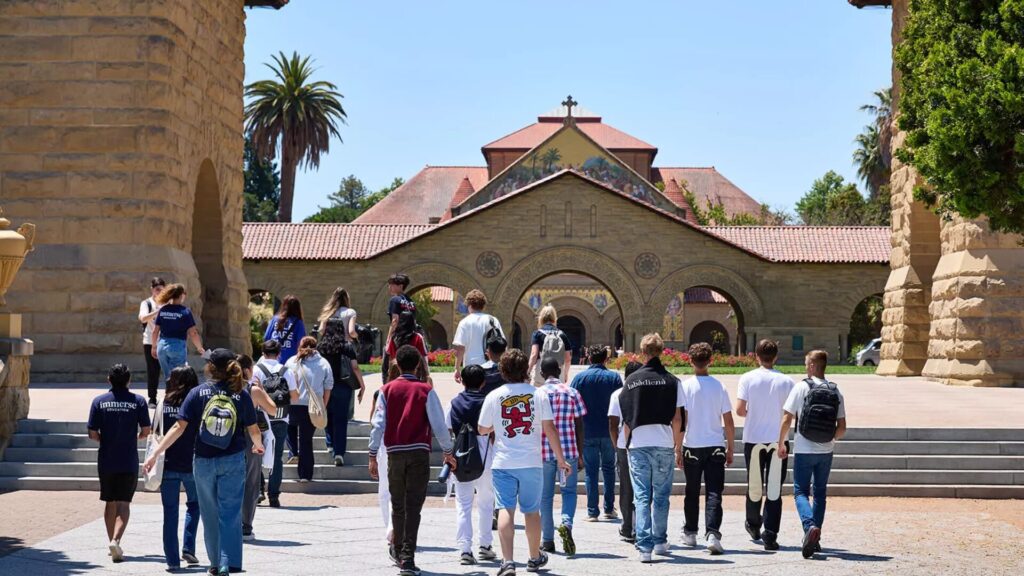
Location: Trinity College, University of Toronto, Toronto, Canada
Cost/Stipend: Varies; summer school scholarship available through our bursary programme
Acceptance rate/cohort size: Small cohorts; an average of 7 participants per class
Dates: Multiple sessions; dates vary by location
Application Deadline: Rolling admissions
Eligibility: Open to students ages 13-18, including international students
If you want to explore diplomacy, geopolitics, and global policy before university, Immerse Education’s Toronto programme is one of the more academically rigorous international relations programs in Canada for high school students. You’ll take part in seminars, debates, simulations, and independent projects while learning from tutors connected to leading universities. The small class size means discussions feel personal, and you’re encouraged to challenge ideas rather than simply absorb information.
Depending on your campus, you may also experience college-style living, formal dinners, and excursions. The curriculum moves beyond textbook theory and asks you to think critically about modern global issues. It works especially well if you enjoy discussion-heavy learning and collaborative academic environments. You can find more details about the application here.
Why it stands out: You get a close-knit classroom experience with mentorship and university-style teaching across globally recognized academic cities.
3. Canadian High Schools Model United Nations (CAHSMUN)
Location: Sheraton Vancouver Wall Centre, Vancouver, BC
Cost/Stipend: CAD 300-365, depending on registration period; financial aid available through bursaries
Acceptance rate/cohort size: Over 1,000 participants annually
Dates: In early April; exact dates vary by year
Application Deadline: Registration closes once capacity is reached; deadlines vary by registration tier
Eligibility: Open to high school students from Canada and abroad. International delegations and first-time Model UN participants are welcome
If you enjoy debating global issues and thinking through international conflicts from multiple perspectives, CAHSMUN gives you a fast-paced introduction to diplomacy and international relations. You’ll represent countries or political figures in committee simulations focused on topics ranging from global security to economics and media.
The conference pushes you to research deeply, negotiate with other delegates, and defend your country’s position in real time. You also gain experience in public speaking, crisis management, and policy writing. Overall, the conference encourages you to think critically about global affairs.
Why it stands out: You get the experience of a large-scale international Model UN conference while learning in a student-led environment built around diplomacy and leadership.
4. Southern Ontario Model United Nations Assembly (SOMA)
Location: University of Toronto, ON
Cost/Stipend: Delegate fees vary by delegation size and registration period; financial assistance may be available for select schools
Acceptance rate/cohort size: Hosts hundreds of high school delegates annually
Dates: Typically around February
Application Deadline: Registration deadlines vary by delegation type and committee selection period
Eligibility: Open to high school students from Canada and other countries
If you are interested in diplomacy, negotiation, and international politics, SOMA gives you the chance to step into the role of a global decision-maker. You’ll debate current world issues in committee sessions designed to mirror real United Nations discussions and international negotiations.
The conference encourages you to research policies carefully, collaborate with delegates, and respond to evolving crises under time pressure. Because committees range from beginner-friendly to highly specialized, you can choose an experience that matches your confidence level.
Why it stands out: You experience fast-moving diplomatic simulations at one of Canada’s largest student-run Model UN conferences.
5. Introduction to the Global Political Economy
Location: University of British Columbia, Vancouver, BC
Cost/Stipend: CAD 1,940 for domestic students; CAD 2,620 for international students; optional residence fee: CAD 2,650
Acceptance rate/cohort size: Small class format; exact cohort size not specified
Dates: July 6th – July 17th
Application Deadline: Varies
Eligibility: Open to high school students ages 15-18 who have completed Grade 10 or equivalent, including international students
If you are interested in the intersection of politics, economics, and global power, this UBC course offers a thoughtful introduction to international political economy before university. You’ll explore topics such as globalization, international trade, development, multinational corporations, and financial systems through seminar-style classes and discussions.
The course encourages you to examine how governments and markets shape global inequalities and political decisions. Because lessons connect theory with current international issues, discussions often feel practical and engaging rather than purely academic.
Why it stands out: You study global political economy through a first-year university learning experience that blends politics, economics, and international affairs.
6. ISOW Model United Nations
Location: Balsillie School of International Affairs, Waterloo, ON
Cost/Stipend: Free to attend
Acceptance rate/cohort size: Around 150 student delegates participated in the previous conference
Dates: April 8th
Application Deadline: February 20th
Eligibility: Open to high school students, including international participants and students new to Model UN conferences
If you want a more accessible introduction to diplomacy and international negotiations, ISOW Model United Nations offers a thoughtful and mission-driven experience. You’ll debate topics connected to humanitarian crises, refugee rights, conflict, and global education while representing different countries in committee sessions.
The conference encourages collaboration and policy-based problem-solving rather than purely competitive debate. Since the event is hosted at the Balsillie School of International Affairs, you also get exposure to a professional academic setting connected to global policy studies.
Why it stands out: The conference combines hands-on diplomatic simulations with a strong focus on humanitarian advocacy and global education access.
7. University of Toronto Law Youth Summer Program (YSP)
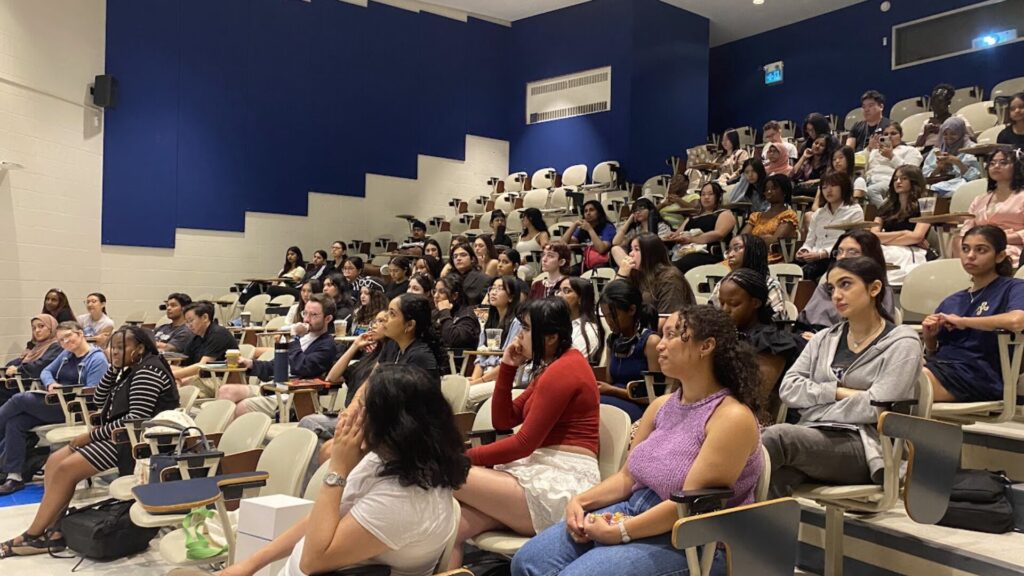
Location: University of Toronto Faculty of Law, ON
Cost/Stipend: CAD 1,175 per summer module plus a CAD 98 registration fee; scholarships available for eligible students
Acceptance rate/cohort size: Up to 60 students per module; admission is first-come, first-served
Dates: July 27th – July 31st (International Law Module)
Application Deadline: No fixed deadline; applications remain open until modules fill
Eligibility: Open to students currently in Grades 10-12, including international students from outside Canada
If you are curious about diplomacy, human rights, and international law, the University of Toronto’s Law YSP gives you a direct introduction to legal thinking in a university environment. You can choose specialized modules such as International Law, where you examine global norms, legal systems, and international disputes through interactive workshops and simulations.
The program combines lectures with courthouse visits, legal debates, and collaborative exercises that encourage you to think like a law student rather than simply memorize information.
Why it stands out: You explore international law inside one of Canada’s top law schools while learning through simulations, debates, and real legal case studies.
8. Discover Your Future Summer Institute
Location: University of Guelph, ON
Cost/Stipend: Cost varies by program selection; details released during registration
Acceptance rate/cohort size: Not specified
Dates: Summer sessions available; dates vary by program
Application Deadline: Varies depending on course and intake period
Eligibility: Open to high school students, including international students
If you want an early introduction to global studies and university-level social science learning, the University of Guelph’s high school opportunities give you room to explore those interests in a flexible setting. You can take enrichment courses connected to politics, development studies, anthropology, and global issues while experiencing what university academics feel like before graduation.
You also get exposure to campus life, collaborative activities, and intercultural exchange through summer institutes and online learning formats. Because many courses are offered asynchronously, you can balance academics with your regular schedule.
Why it stands out: You can explore international and political themes through real university coursework while still in high school.
9. Introduction to Global Politics
Location: University of British Columbia, Vancouver, BC
Cost/Stipend: CAD 1,940 for domestic students; CAD 2,620 for international students. Optional residence add-on: CAD 2,650
Acceptance rate/cohort size: Small class format; exact cohort size not specified
Dates: July 20th – July 31st
Application Deadline: Varies
Eligibility: Open to high school students ages 15-18, including international students
If you want to understand how global politics shapes international conflict, diplomacy, and cooperation, this UBC course gives you a strong academic foundation before university. You’ll study international relations theories, globalization, human rights, governance, and global political economy through university-style seminars and discussions.
The program encourages you to move beyond current events and think critically about the systems that influence world affairs. Alongside classes, you’ll attend pre-university workshops that help you build communication and academic skills.
Why it stands out: You explore international relations through a true first-year university learning experience while living and studying on the UBC campus.
10. University of Toronto Model United Nations (UTMUN)
Location: University of Toronto, ON
Cost/Stipend: CAD 110-140, depending on registration period; financial aid available for eligible delegates
Acceptance rate/cohort size: Approximately 900-1,350 delegates attend annually
Dates: January 29th – February 1st
Application Deadline: Registration deadlines vary by tier, with late registration closing January 6th
Eligibility: Open to high school students from Canada and around the world. Independent delegates and school delegations are both accepted
If you want to experience international relations in a highly competitive academic setting, UTMUN delivers one of the most established high school Model UN conferences in North America. You’ll debate global policy issues in committees that range from traditional UN bodies to crisis simulations and specialized agencies.
The conference pushes you to think strategically, negotiate under pressure, and defend policy positions through fast-paced debate. Since delegates come from different countries and schools, conversations often expose you to a wide range of perspectives on global affairs.
Why it stands out: You engage in large-scale diplomatic simulations with hundreds of delegates at one of Canada’s most recognized high school Model UN conferences.
11. UBC Future Global Leaders
Location: University of British Columbia, Vancouver, BC
Cost/Stipend: CAD 1,940-2,855 depending on course type and residency status; optional residence add-on costs CAD 2,650. Limited bursaries available for eligible students
Acceptance rate/cohort size: Not specified; classes are designed in small-group formats
Dates: July 6th – August 14th (multiple sessions available)
Application Deadline: Varies
Eligibility: Open to high school students ages 15-18 who have completed Grade 10 or equivalent, including international students
If you want to experience university-level international relations and political studies before college, UBC Future Global Leaders gives you a flexible and academically rich environment to do that. You can choose courses such as Introduction to Global Politics or Introduction to the Global Political Economy, both taught by UBC professors and affiliated instructors.
Classes encourage discussion, analytical thinking, and collaborative learning rather than test-heavy coursework. Outside academics, you’ll participate in workshops, campus activities, and social events with students from around the world.
Why it stands out: You get access to university-level global politics courses while building an international network in a residential campus setting.
12. Ontario Model United Nations (OMUN)
Location: Upper Canada College, Toronto, ON
Cost/Stipend: CAD 55-65, depending on registration period
Acceptance rate/cohort size: Not specified; recognized as one of Canada’s largest student-led Model UN conferences
Dates: Typically 2-day events in April
Application Deadline: Early registration closes March 1st; regular registration closes March 31st
Eligibility: Open to high school students, with middle school delegates also permitted; international participants and independent delegates may register
If you are looking for a fast-moving introduction to diplomacy and international negotiations, OMUN creates an energetic environment where debate and collaboration happen constantly. You’ll represent countries in committees that examine current global challenges, ranging from security and climate policy to economic development and human rights.
The conference encourages you to think strategically, negotiate under pressure, and defend your position through formal debate. Because OMUN is entirely student-led, the atmosphere feels ambitious yet approachable for newer delegates.
Why it stands out: You experience one of Canada’s largest student-run Model UN conferences while developing diplomacy and leadership skills in a highly interactive setting.
13. Dalhousie Summer Academy
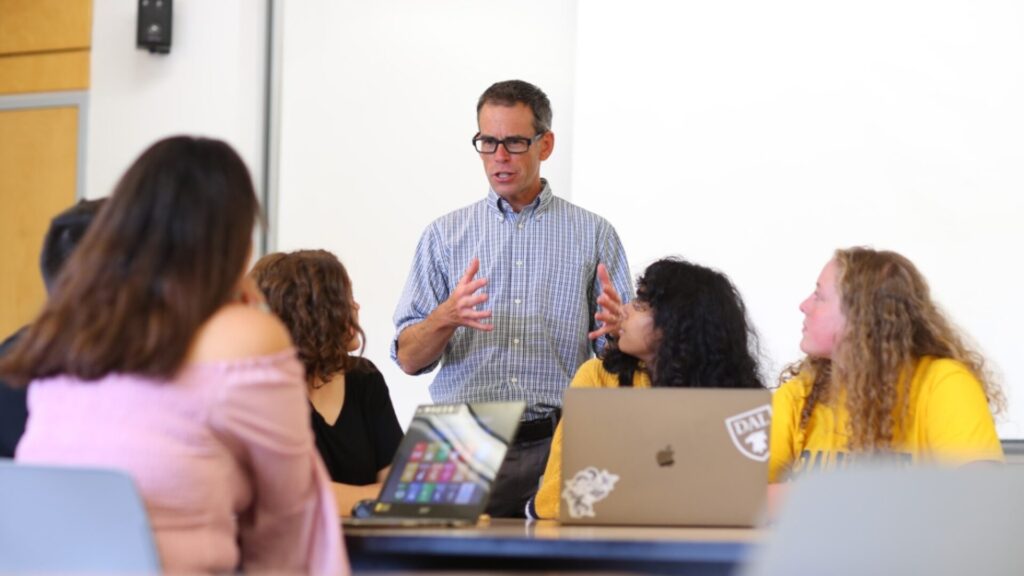
Location: Dalhousie University, Halifax, NS
Cost/Stipend: CAD 5,200 for on-campus students; CAD 3,000 for off-campus students
Acceptance rate/cohort size: Not specified
Dates: June 7th – June 25th and July 12th – July 30th
Application Deadline: March 15th for the June cohort; April 15th for the July cohort
Eligibility: Open to motivated high school students from Canada and around the world, including international students
If you want to strengthen your understanding of global issues while preparing for university life, the Dalhousie Summer Academy offers a balanced mix of academics and intercultural learning. You can choose the Global Competency Skills stream, where you explore communication, intercultural awareness, and critical thinking through real-world case studies and collaborative activities.
The program also includes sessions connected to management, innovation, and leadership, helping you understand how global challenges intersect with business and society.
Why it stands out: You build global competency and leadership skills while experiencing residential university life at one of Canada’s internationally connected universities.
14. McGill Model United Nations (McMUN)
Location: McGill University, Montreal, QC
Cost/Stipend: Varies; financial aid available for eligible delegations
Acceptance rate/cohort size: Not specified
Dates: January conference dates vary annually
Application Deadline: Varies for priority registration and regular registration
Eligibility: Open to undergraduate and CEGEP students ages 16-23, including international participants; high school students are not eligible unless enrolled in a qualifying CEGEP program
If you are looking for a highly advanced Model UN experience connected to international policy and diplomacy, McMUN offers one of the most academically demanding conferences in Canada. You’ll participate in committees that simulate UN bodies, crisis cabinets, and specialized agencies focused on current geopolitical issues.
The conference pushes you to think quickly, negotiate strategically, and adapt to evolving political scenarios in real time. Since delegates travel from across North America and beyond, committee discussions often feel intellectually intense and globally informed.
Why it stands out: You experience complex diplomatic simulations and specialized crisis committees at one of Canada’s most prestigious university-run Model UN conferences.
15. Canada International Model United Nations (CAIMUN)
Location: Sheraton Vancouver Wall Centre, Vancouver, BC
Cost/Stipend: CAD 189-345 depending on registration type and timing; financial aid available for eligible delegates
Acceptance rate/cohort size: Nearly 1,000 participants attend annually
Dates: Conference dates vary annually; typically held over a three-day weekend in the spring term
Application Deadline: Registration closes once committee capacity is reached; late registration generally ends in early February
Eligibility: Open to secondary school students ages 12-19, including international and independent delegates
If you want to experience diplomacy on a larger international stage, CAIMUN offers one of the most expansive Model UN conferences in Canada. You’ll participate in committee debates that cover international security, humanitarian crises, economics, and global governance while representing countries in simulated negotiations.
Because the conference welcomes delegates of all experience levels, you can challenge yourself without feeling out of place as a beginner. The event also includes crisis committees that require quick thinking and strategic collaboration under pressure.
Why it stands out: You get the experience of a large-scale international diplomatic conference while debating alongside nearly a thousand student delegates from around the world.
Turning Diplomacy Practice Into Global Insight
Diplomacy starts with listening closely, asking sharper questions, and understanding why countries, communities, and leaders make different choices under pressure.
The 15 international relations programs in Canada for high school students listed here can introduce you to Model UN, policy debates, global law, security, and human rights.
These experiences can make world affairs feel less abstract, giving you a stronger foundation for reading, questioning, and interpreting international events.
Turn to our International Relations Top Books Guide next for books that can deepen your perspective and make global politics impossible to ignore.