
 Русский (RU)
 Українська (UK)
 Türkçe (TR)
 Italiano (IT)
 Français (FR)
 Português (PT)
 中文 (中国) (ZH)
 Español (ES)
 日本語 (JA)
 ไทย (TH)
 Deutsch (DE)
 Ελληνικά (EL)
 Polski (PL)
 Bahasa Indonesia (ID)
 Nederlands (NL)
 العربية (AR)
 한국어 (KO)

If you’re serious about pursuing a competitive academic field in college, gaining research experience in high school can be one of the most valuable investments you make. Research allows students to move beyond coursework and engage directly with the process of asking questions, gathering evidence, and developing new insights. One of the smartest ways to do that is through university research programs for high school students.
Imagine spending your summer working with a professor, graduate researcher, or academic mentor on a topic that interests you. You might study cancer biology, artificial intelligence, public policy, psychology, climate science, economics, or another specialised field while learning how researchers approach complex questions. These experiences often provide a level of academic engagement that is difficult to find in a traditional high school environment.
How do you choose the right university research programs for high school students?
The first thing to consider is the type of research experience a program offers. Some programs place students into existing university research projects, while others guide students through the process of developing their own research questions and producing independent work. Both models can be valuable, but they often lead to very different experiences.
Mentorship is another important factor. The strongest programs provide consistent access to researchers who can offer feedback, challenge your thinking, and help you navigate unfamiliar academic territory. Research is rarely a solo activity, and good mentorship can significantly improve both the experience and the outcome.
You should also pay attention to what students produce at the end of the program. Some opportunities culminate in research papers, presentations, posters, or symposiums where students share their findings. These final projects often provide tangible evidence of the work completed during the program and can become solid additions to future applications.
With that, here are 15 university research programs for high school students worth considering!
For related options, consider the online research program.
15 University Research Programs for High School Students
1. Stanford Institutes of Medicine Summer Research Program (SIMR)
Location: Stanford, California (University-based research program)
Cost: A summer stipend is provided to all accepted students
Acceptance rate/cohort size: Approximately 50 students are selected each year
Program Duration: June 8th – July 30th
Application Deadline: Application opens in December; final deadline is February 21st
Eligibility: Open to high school juniors and seniors who are at least 16 years old by the program start date. Applicants must be U.S. citizens or permanent residents currently living in and attending high school in the United States
Stanford’s Institutes of Medicine Summer Research Program (SIMR) places you inside a Stanford research group for eight weeks. You’ll work on projects in areas such as neuroscience, cancer biology, stem cell research, genetics, bioengineering, immunology, and cardiovascular science. Your work is guided by graduate students, postdoctoral researchers, and faculty mentors who introduce you to how research questions are developed and tested.
Depending on your lab, you may analyze data, review scientific literature, assist with experiments, or contribute to ongoing investigations. Alongside research, you’ll attend lectures and seminars that introduce current topics in medicine and biomedical science. The programme concludes with a poster session where you present your work to the Stanford community.
Why it stands out: You become part of a real Stanford research group while exploring some of the university’s most active biomedical research areas.
2. Immerse Education’s Pre-University Summer School
Location: Cambridge, London, Oxford, Singapore, Sydney, Tokyo, and Toronto
Cost: Varies; summer school scholarship available through our bursary programme
Application Deadline: Multiple summer cohorts; rolling admissions
Program Dates: 2 weeks during the summer
Eligibility: Students aged 13-18 currently enrolled in middle or high school; open to international students
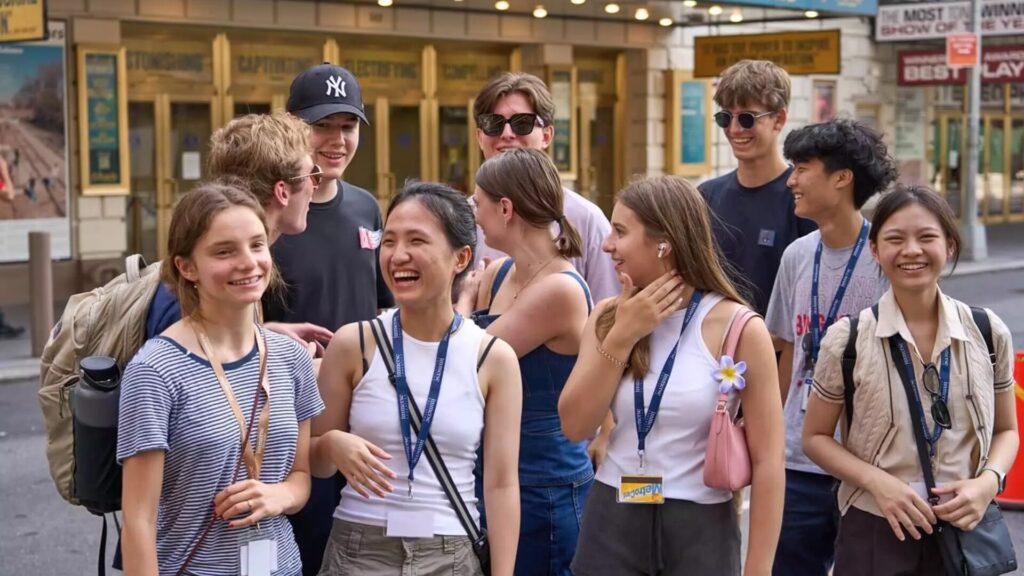
The Academic Insights Program lets high school students experience university life firsthand. You will live on campus and study in small groups of 7–10, learning from tutors from top universities like Oxford and Cambridge. You can explore over 20 subjects, including Architecture, AI, Business Management, Computer Science, Economics, Medicine, Philosophy, and more.
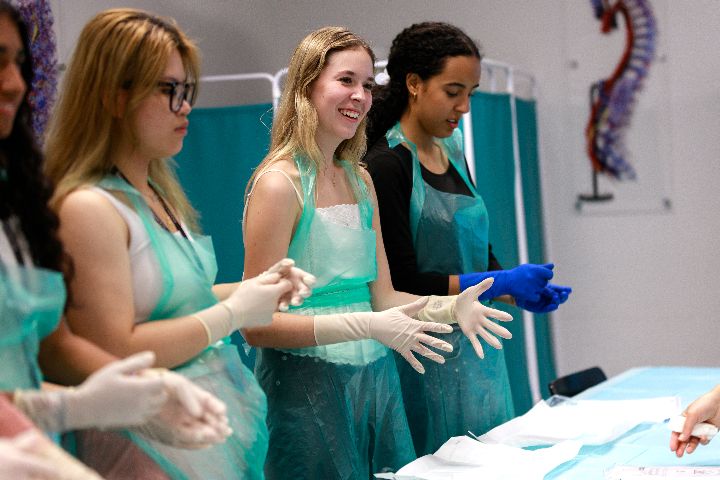
The courses are experiential and hands-on — you may find yourself conducting dissections in medicine, designing a robotic arm in engineering, participating in a moot court for law, or building creative writing portfolios and business case studies. By the end of the program, you’ll complete a personal project, receive written feedback, and receive a certificate of completion. You can find more details about the application here.
Why it stands out: You’ll study under expert academics, be guided daily by a university student mentor, complete a project you can show in future applications, and experience genuine university college life — with other campuses worldwide as alternatives.
3. Rockefeller University Summer Science Research Program (SSRP)
Location: New York City, New York (The Rockefeller University)
Cost: Free to attend; need-based stipends may be available for students experiencing financial hardship
Acceptance rate/cohort size: Approximately 32 students are accepted each summer and are divided into small research teams. The program does not publicly report an acceptance rate
Program Duration: June 22nd – August 6th
Application Deadline: Applications open in October and close January 2nd; letters of recommendation are due January 5th
Eligibility: Open to current high school juniors and seniors who are at least 16 years old by the start of the program. International students are eligible to apply, although the university does not assist with visas, housing, or travel arrangements
Rockefeller University’s Summer Science Research Program (SSRP) introduces you to biomedical research through small research teams led by scientists and research trainees, giving it a strong place among university research programs for high school students. Early in the programme, you’ll learn laboratory methods, research practices, and the scientific background needed for your project. Once that foundation is in place, you’ll help investigate a research question, collect and analyze data, and work alongside mentors throughout the process.
The programme also includes scientific talks, workshops, and discussions that expose you to current research and different career paths in science. Teamwork is a major part of the experience, reflecting how research is conducted in professional laboratories. At the end of the summer, you’ll present your findings through a scientific poster at the programme symposium.
Why it stands out: The research is done in teams, giving you a closer look at how modern scientific laboratories actually operate.
4. Simons Summer Research Program at Stony Brook University
Location: Stony Brook, NY (In-person; residential or commuter options)
Cost: Participants receive a stipend upon successful completion of the program and presentation of their research project
Acceptance rate/cohort size: Approximately 5% acceptance rate; cohort size varies annually
Program Duration: June 29th – August 7th
Application Deadline: Application window opens in late November; school nomination deadline January 30th; final student application deadline February 5th
Eligibility: Open to students who are currently in 11th grade at the time of application and will be at least 16 years old by the start of the program; international student eligibility not specified
The Simons Summer Research Program at Stony Brook University matches you with a faculty mentor and research group working in fields such as biology, neuroscience, biochemistry, environmental science, and related disciplines. Throughout the summer, you’ll contribute to ongoing research while learning how scientists develop questions, interpret evidence, and communicate results. Regular meetings with mentors and research teams help you understand both the technical side of the project and the broader scientific goals behind it.
The programme also includes faculty research talks and workshops that introduce current developments across STEM fields. As your project progresses, you’ll prepare a research abstract and create a scientific poster explaining your findings. The experience mirrors many of the steps involved in undergraduate research.
Why it stands out: You complete both a research abstract and a formal poster presentation, just like many university researchers do.
5. Research Mentorship Program (RMP) at UC Santa Barbara
Location: In-person commuter or residential at UCSB
Cost: $5,675-$13,274 (offers 8 college credits). Limited need-based financial aid is available
Acceptance rate/cohort size: Highly selective; Approx. 75-100 students
Program Duration: June 15th – July 31st
Application Deadline: Application window: December 15th – March 9th; final deadline: March 9th
Eligibility: Open to high school students in grades 10-11, with exceptional 9th-grade students considered on a case-by-case basis. Applicants must have a minimum weighted GPA of 3.8. International students are eligible to apply
UC Santa Barbara’s Research Mentorship Program (RMP) combines independent research with formal instruction in research writing and scientific communication. You’ll work with graduate students, postdoctoral researchers, and faculty mentors while investigating a topic in fields such as biology, neuroscience, ecology, marine science, biochemistry, or environmental science.
Alongside your project, you’ll learn how to read academic literature, develop research questions, analyze results, and communicate findings effectively. Regular mentor meetings help guide the research process and provide insight into academic careers. Throughout the summer, you’ll work toward a formal research paper and prepare presentations based on your findings. The programme is designed to show you not only how research is conducted but also how it is shared with others.
Why it stands out: Research and scientific writing receive equal attention, making the experience feel closer to a full university research project.
6. Garcia Summer Research Program
Location: Stony Brook University, Stony Brook, New York (Residential, on campus)
Cost: Approximately $4,000 laboratory usage fee (optional room/board package is $2,599)
Acceptance rate/cohort size: Highly selective; acceptance rate is not officially published
Program Duration: June 24th – August 7th
Application Deadline: Applications typically open in the winter; the final deadline is generally in early March
Eligibility: Open to high school students who are at least 16 years old by July 4th. Applicants must have a minimum unweighted GPA of 95/100 (3.8/4.0), standardized test scores at or above the 60th percentile, and coursework in at least three of the following subjects: English, Chemistry, Mathematics/Calculus, Physics, and Biology. International students may apply
The Garcia Summer Research Program places you in a research team working on questions in polymer science, materials science, engineering, and related fields. You’ll help investigate a scientific problem alongside faculty members, graduate students, postdoctoral researchers, and research staff. Much of the summer is spent designing experiments, collecting data, discussing results, and adjusting your approach when the evidence points in a new direction.
Research meetings become a regular part of the experience as you learn how scientists collaborate and share ideas. You’ll also gain exposure to advanced research techniques that are commonly used in university laboratories. Many students continue developing their projects after the programme ends through competitions, publications, or ongoing mentorship.
Why it stands out: The research often continues beyond the summer, giving you opportunities that extend well past the programme itself.
7. NASA SEES (University of Texas at Austin)
Location: Hybrid (remote learning + 2-week on-site residency at UT Austin)
Cost: None
Acceptance rate/cohort size: Approximately 215 students selected from about 2,000 applicants (roughly 11% acceptance rate)
Program Duration: June – July 21st
Application Deadline: Application window: typically opens in the fall; final application deadline: February 22nd. Recommendation forms are due March 1st
Eligibility: Open to current high school sophomores and juniors who will be rising juniors or seniors. Students must be at least 16 years old by the start of the program; international student eligibility not specified
NASA’s STEM Enhancement in Earth Science (SEES) Program gives you the chance to work with real NASA datasets while investigating questions related to Earth and space science. As one of the most sought-after university research programs for high school students, this option stands out for connecting data analysis with Earth science, remote sensing, environmental monitoring, and planetary research.
Team meetings focus on analyzing data, developing research findings, and learning how scientists approach large datasets. Throughout the summer, you’ll use many of the same computational methods employed in professional research settings. The programme concludes with a virtual symposium where teams present their work.
Why it stands out: You conduct research using authentic NASA data while working directly with scientists connected to NASA projects.
8. NYU Tandon ARISE Program
Location: Brooklyn, New York (NYU Tandon School of Engineering)
Cost: Free to participate; students who complete the program receive a $2,000 stipend
Acceptance rate/cohort size: Highly selective; approximately 60-65 students are admitted each summer
Program Duration: June 1st – August 14th
Application Deadline: Applications open January 15th and close February 27th
Eligibility: Open to rising juniors and seniors (students entering grades 11 or 12) who are full-time New York City residents attending NYC schools
NYU Tandon’s ARISE Program begins with a training phase that introduces you to research methods, scientific ethics, laboratory safety, data analysis, and academic writing. After that, you’ll join a research group and work alongside NYU faculty members, graduate students, and researchers on projects in fields such as bioengineering, life sciences, engineering, and computer science. As the summer progresses, you’ll contribute to research activities, analyze findings, and learn how scientists communicate results within research communities.
Workshops and discussions help strengthen your presentation and research skills while exposing you to university-level expectations. You’ll also spend time working closely with mentors who guide the project. The programme ends with a research colloquium and poster presentation.
Why it stands out: The structured training phase helps you build research skills before stepping into a university research environment.
9. University of Chicago Data & Computing Summer Lab
Location: University of Chicago Data Science Institute
Cost: Paid program; participants receive a stipend of approximately $5,600
Acceptance rate/cohort size: Highly selective; exact acceptance rate is not publicly reported. Cohort size varies each year and includes both undergraduate students and a limited number of eligible high school students
Program Duration: June 15th – August 7th
Application Deadline: Applications open in the fall; final deadline is January 12th
Eligibility: Open to current high school students residing in the Chicago area
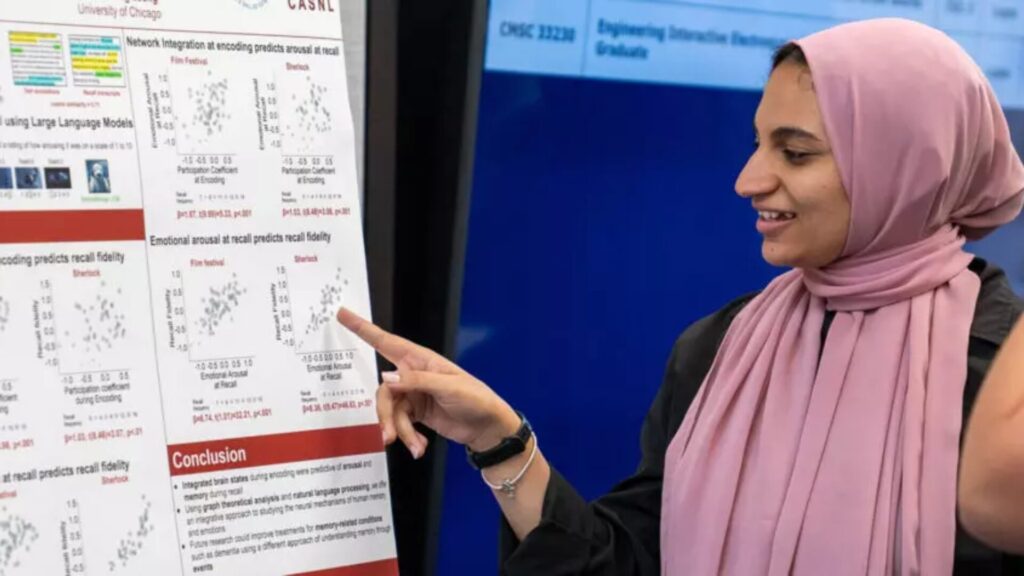
The University of Chicago’s Data & Computing Summer Lab introduces you to research through projects that rely heavily on data, programming, and computational methods. You’ll join a research group working in areas such as computer science, climate science, public policy, biomedical research, or the social sciences. Working alongside mentors, you’ll analyze datasets, develop technical skills, and contribute to ongoing investigations that use data to answer real-world questions.
Regular feedback sessions help you refine your work and understand how research teams collaborate. At the end of the summer, you’ll present your work through project videos and research presentations at a symposium.
Why it stands out: You see how data science is applied across many different disciplines instead of studying it in isolation.
10. Anson L. Clark Scholars Program
Location: Lubbock, Texas (Texas Tech University)
Cost: No program fee; students receive a $750 stipend upon successful completion of their research project report. A $25 application fee applies
Acceptance rate/cohort size: Approximately 12 students are selected each year; the acceptance rate is estimated to be around 2-3%
Program Duration: June 21st – August 6th
Application Deadline: Applications typically open in the fall and close in mid-February; final deadline: February 16th
Eligibility: Applicants must be at least 17 years old by the program start date and be rising high school seniors or recent high school graduates; international student eligibility not specified
The Anson L. Clark Scholars Program gives you seven weeks to work closely with a Texas Tech faculty mentor on a research project that matches your interests. For students comparing university research programs for high school students, its extremely small cohort and direct faculty mentorship make it especially distinctive. Much of your time is spent reading academic literature, analyzing data, discussing ideas with researchers, and gradually developing an independent project.
Weekly seminars introduce work happening across different departments and expose you to research beyond your own field. Because the cohort is extremely small, you’ll have frequent interaction with faculty members and fellow scholars. The summer ends with a formal research report based on the work you’ve completed.
Why it stands out: With only a handful of students admitted each year, you’ll receive an unusual amount of direct faculty mentorship.
11. Princeton University Laboratory Learning Program (LLP)
Location: Princeton University, Princeton, New Jersey, USA
Cost: Free
Acceptance rate/cohort size: Not publicly disclosed; selection is competitive with a small cohort of high school participants each cycle
Program Duration: June – August (exact dates vary annually by cohort)
Application Deadline: Applications typically open in winter and close in early spring (usually February – March)
Eligibility: Primarily open to high school students, often those in grades 10-11, with preference for students enrolled in New Jersey schools
Princeton’s Laboratory Learning Program places you inside a research lab where you’ll learn by participating in ongoing scientific work. Depending on the lab you’re matched with, your experience may involve biology, chemistry, environmental science, or another area of research. You’ll spend time learning laboratory techniques, observing how experiments are designed, collecting information, and discussing results with researchers.
Faculty members, graduate students, and postdoctoral researchers help guide students through the research process while explaining why particular methods are used. The programme emphasizes learning through direct involvement rather than classroom instruction. By the end of the experience, you’ll typically complete a project or presentation summarizing your work.
Why it stands out: The learning happens inside active research labs, giving you an early look at how university research is conducted day to day.
12. Stanford SHTEM Summer Internship
Location: Virtual (Stanford University, USA)
Cost: Free
Acceptance rate/cohort size: Not publicly disclosed; the program is highly selective with a small cohort
Program Duration: June – August
Application Deadline: Applications typically open in winter and close around March (exact dates vary)
Eligibility: Open to high school students worldwide, generally grades 9-12. No formal prerequisites are required, but applicants are expected to demonstrate a strong interest in STEM research, including computer science, engineering, or interdisciplinary studies
Stanford’s SHTEM Summer Internship brings together students interested in science, technology, engineering, humanities, and mathematics through interdisciplinary research projects. Working in small teams, you’ll investigate topics that often combine areas such as neuroscience, data science, engineering, linguistics, computing, and social science. Most projects focus on computational research rather than laboratory experiments, so you’ll spend time reviewing literature, analyzing information, designing studies, and discussing findings with mentors.
Weekly meetings and seminars guide while exposing students to current research questions being explored through the Stanford Compression Forum. Throughout the programme, you’ll develop skills in research design, technical communication, and data analysis. The internship ends with a final paper, presentation, or digital project based on your work.
Why it stands out: The projects are intentionally interdisciplinary, bringing together fields that are often studied separately.
13. George Mason University ASSIP
Location: Fully online/virtual (George Mason University, Fairfax, Virginia, USA)
Cost: No tuition fee. Participants receive a stipend upon completion of the program
Acceptance rate/cohort size: The program is highly competitive, with an estimated cohort of around 150-170 students annually. Official acceptance rate is not published
Program Duration: Late June – early August
Application Deadline: Applications typically open in January and close in mid-February (final deadline in February)
Eligibility: Open to high school students who are at least 15 years old. Applicants must generally be U.S. citizens or permanent residents, with preference often given to students in Northern Virginia and surrounding regions
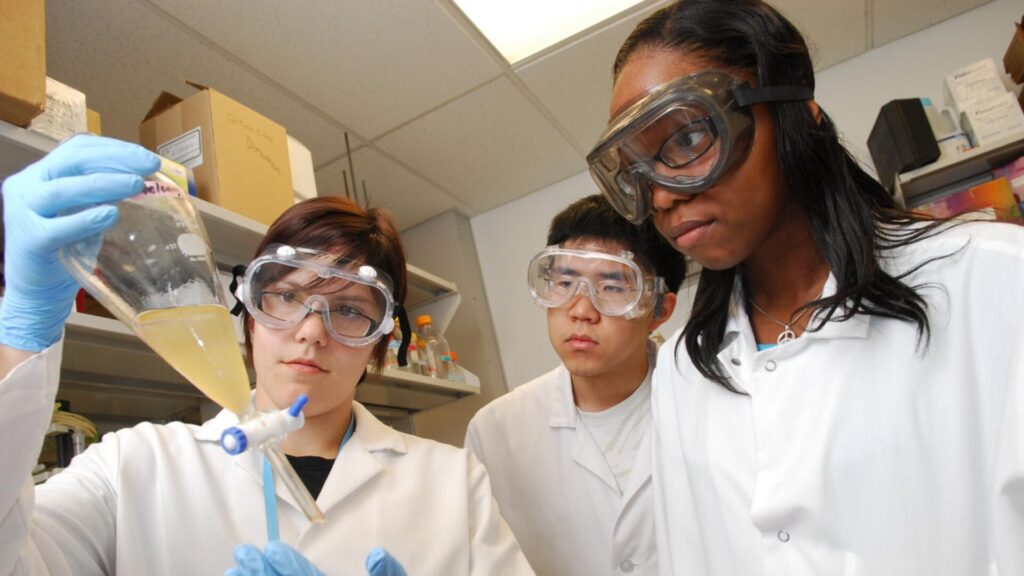
George Mason University’s ASSIP programme matches you with a faculty mentor and gives you the chance to contribute to a university research project over the summer. Research opportunities span biology, engineering, computer science, environmental science, mathematics, and several other STEM fields. Depending on your project, you may spend your time analyzing data, reviewing scientific literature, developing research questions, or helping design investigations.
Regular mentor meetings and seminars help students understand both the technical details of their projects and the broader research process. The programme encourages independent thinking while still providing structured support throughout the summer. At the end, you’ll present your findings in a symposium-style setting similar to those used at universities.
Why it stands out: The programme offers research opportunities across a remarkably wide range of STEM fields, making it easier to find a project that closely matches your interests.
14. Research Science Institute (RSI)
Location: Massachusetts Institute of Technology (MIT), Cambridge, Massachusetts (University-hosted research program)
Cost: Free of charge for accepted students (covers tuition, room, and board). There is a $75 application fee, with need-based fee waivers available
Acceptance rate/cohort size: Approximately 100 students are selected each year. The acceptance rate is exceptionally competitive, hovering around 2.5%
Program Duration: June 28th – August 8th (6 weeks)
Application Deadline: December 10th
Eligibility: Open to high school juniors (rising seniors) from around the world who demonstrate superior academic achievement in STEM fields
The Research Science Institute (RSI), collaboratively sponsored by the Center for Excellence in Education (CEE) and hosted on the MIT campus, is widely regarded as the most prestigious summer research program for high schoolers. During this intensive experience, scholars participate in the entire research cycle from start to finish. The first week consists of fast-paced, graduate-level STEM coursework taught by accomplished professors. Over the next five weeks, students are matched one-on-one with leading scientific mentors at MIT, Harvard, or local corporate and university laboratories.
Under this tutelage, you will design and execute an original, individual research project in fields like physics, biology, chemistry, computer science, or engineering. The program culminates in a rigorous final week where students write a formal research paper and present their scientific findings through oral presentations to their peers and a panel of expert judges.
Why it stands out: It is a completely free, highly prestigious residential program that places you at MIT alongside the world’s most brilliant young minds, culminating in a graduate-level research paper.
15. UC Santa Cruz Science Internship Program (SIP)
Location: University of California, Santa Cruz (University-hosted research program)
Cost: $4,250 tuition, plus a $68 application fee and a $750 deposit. On-campus housing and meals are available separately in the Crown College dormitories (with both weekly and full-week options). Full and partial need-based scholarships are available
Acceptance rate/cohort size: Highly selective; the program has served roughly 2,400 students since its founding in 2009
Program Duration: June 15th – August 8th (8 weeks total; consisting of 1 week of online prep followed by 7 weeks of in-person research)
Application Deadline: Applications open on January 16th and close on February 27th; the academic reference deadline is March 6th
Eligibility: Open to high school students who are between 14 and 17 years of age for the duration of the program. Students who have already graduated from high school are ineligible; international student eligibility not specified
UC Santa Cruz’s Science Internship Program (SIP) invites academically driven high schoolers to work on authentic, open-ended research projects. While it carries “Science” in its name, the program has expanded to offer real-world research opportunities across all five of UCSC’s academic divisions, including the Arts, Engineering, Humanities, Physical & Biological Sciences, and Social Sciences. SIP interns are paired with UCSC-affiliated mentors (graduate students, postdocs, and researchers) to actively contribute to ongoing, active university research.
The internship begins with a week of remote distance learning before students transition to seven weeks of intensive, in-person lab work on campus. You will learn advanced research methodologies, analyze complex datasets, and present your final projects during a hybrid (in-person and online) Presentation Day at the end of the summer.
Why it stands out: It lets you complete real, non-scripted research alongside active university scientists across a diverse array of fields, spanning everything from observational astronomy to digital research ethics.
Turn Academic Curiosity Into Application Strength
Research begins with curiosity, but it becomes more powerful when you turn questions into evidence, analysis, and original academic work.
Through university research programs for high school students, you can experience mentorship, independent projects, lab work, data analysis, and university-style presentations.
Those outcomes can give you stronger examples for essays, interviews, subject choices, and future academic conversations.
Want to make that curiosity count when you apply? Head to our University Preparation blogs for personal statements, interviews, academic writing, supercurriculars, and admissions guidance.