
 Русский (RU)
 Українська (UK)
 Türkçe (TR)
 Italiano (IT)
 Français (FR)
 Português (PT)
 中文 (中国) (ZH)
 Español (ES)
 日本語 (JA)
 ไทย (TH)
 Deutsch (DE)
 Ελληνικά (EL)
 Polski (PL)
 Bahasa Indonesia (ID)
 Nederlands (NL)
 العربية (AR)
 한국어 (KO)

In high school, summer is often seen as a time to rest, but it can also help you explore biology, medicine, and healthcare beyond the classroom. Biomedical research opportunities for high school students can open the door to understanding how science is applied in real-world settings, from lab work to disease research.
Imagine spending your time working in a laboratory, analysing genetic data, studying disease mechanisms, or collaborating on research projects alongside scientists and mentors. These programs introduce you to core skills such as data analysis, lab techniques, scientific writing, and research design, while also exposing you to tools like bioinformatics platforms, microscopy, and programming languages. You are not just learning concepts, but you are actively participating in the process of scientific discovery.
What kinds of biomedical research opportunities for high school students are there?
With so many options available, it can be difficult to identify which programs offer meaningful, hands-on experience rather than surface-level exposure. That’s why having the right guidance is important when choosing where to invest your time.
Many of these opportunities are hosted by universities and research institutions, allowing you to experience lectures, lab work, and mentorship that reflect real academic environments. You may also present your findings through research posters or symposiums, building both confidence and communication skills.
These programs can act as a strong foundation for your college journey, giving you a taste of what university life is like at a top institution through immersive, in-person, or structured research experiences. To help you get started, this article highlights 15 biomedical research opportunities for high school students that combine academic depth, practical skills, and real-world exposure
For adjacent opportunities, consider the biology program and the medicine program.
15 Biomedical Research Opportunities for High School Students
1. Carl B. and Florence E. King Foundation High School Summer Program in Biomedical Sciences
Location: University of Texas MD Anderson Cancer Center
Cost/Stipend: Students will get a US$ 7200 stipend by the end of the 10-week program, or US$ 6480 if participating for only 9 weeks out of 10 weeks
Acceptance rate/cohort size: 6 students
Dates: June 1st – August 7th
Application Deadline: January 14th
Eligibility: Students enrolled as senior-level high school students in Texas during the Spring semester prior to the start of the program, aged at least 18 years old by the start of the program, US citizens/permanent residents, or work-eligible visa holders. International students are not allowed
The Carl B. and Florence E. King program in Biomedical Sciences gives you the opportunity to step into a real research environment if you are interested in Allied Health. This program is highly selective, with only six students accepted each year. Throughout the experience, you will work in the MD Anderson laboratories five days a week, gaining direct exposure to biomedical research.
Most of your time will be spent doing hands-on work to help you better understand career pathways in biomedical sciences, while the rest includes attending seminars led by faculty members and participating in activities such as poster creation and elevator pitch competitions. By the end of the program, you will feel more prepared and confident for your college applications. The program concludes with a research presentation followed by a closing luncheon.
Why it stands out: It places you in cancer research labs at a leading NCI-designated center, helping you build real-world biomedical research skills.
2. Immerse Education’s Medicine Summer School
Location: New York, Cambridge, Oxford, London, Toronto, Singapore, Sydney, Tokyo, and Online
Cost: Varies; summer school scholarship available through our bursary programme
Acceptance rate/cohort size: Selective; an average of 7 participants per class
Dates: Flexible; multiple cohorts in a year
Application Deadline: Rolling admissions
Eligibility: Students worldwide aged 13-18 years old
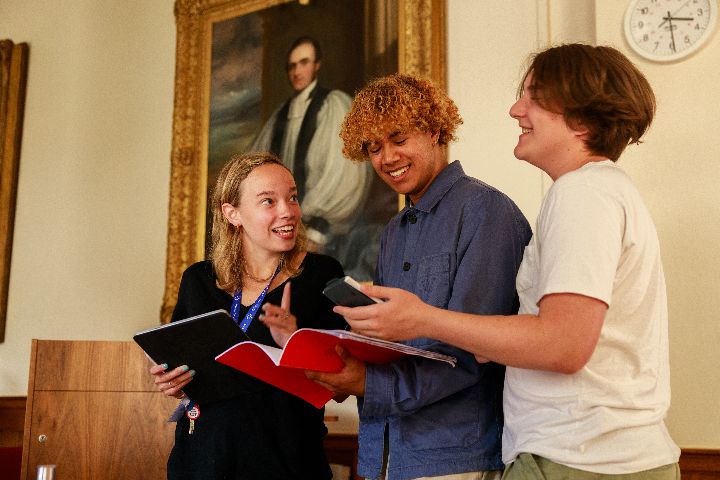
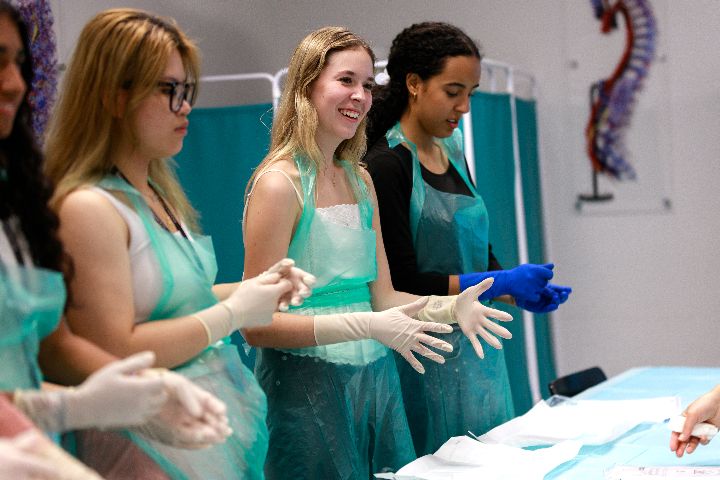
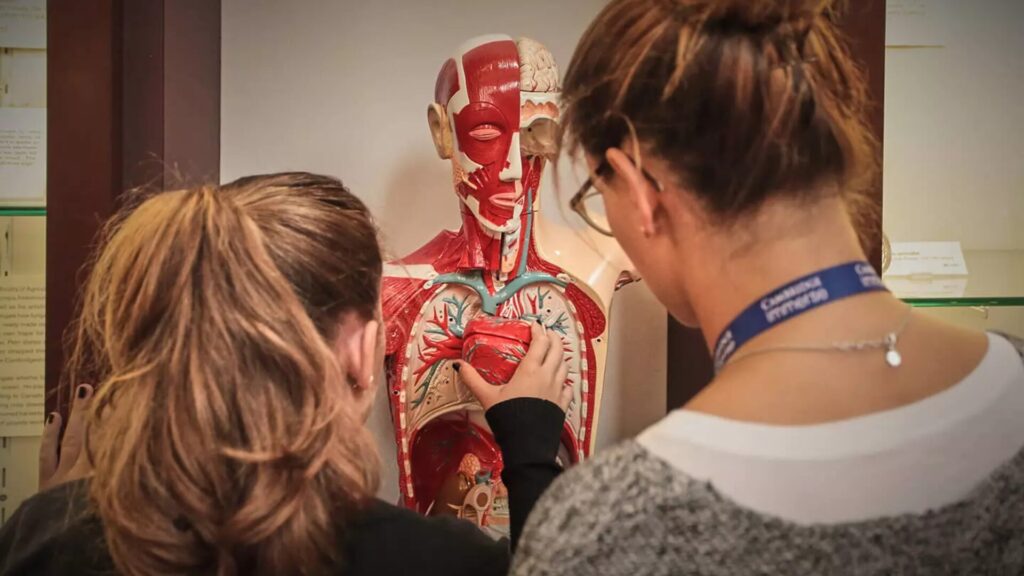
Immerse Education brings teenagers to big cities like London, Tokyo, Singapore, and Sydney to study university-level medical science through their Medicine Summer School. You join small classes containing 7 to 10 students to learn directly from expert tutors holding advanced degrees. You practice human anatomy, clinical ethics, and diagnostic procedures using simulation-based medical scenarios.
Each scholar completes a personal research project under the direct guidance of a professional mentor. The curriculum involves 40 total hours of teaching and coaching over exactly 2 weeks. At the end of the program, you receive a formal academic certificate and a detailed evaluation report to include in your future university applications. You can apply here!
Why it stands out: Studying medicine across global cities adds a layer of real-world perspective that goes beyond what a single campus experience can offer.
3. High School Bioinformatics Summer Camp
Location: Virtual
Cost/Stipend: Free
Acceptance rate/cohort size: Not disclosed
Dates: July 6th – August 1st
Application Deadline: Rolling admission until 31st March
Eligibility: High school students with a GPA above 3.0, at least one high school biology credit, and a strong internet connection. Eligible for high school students worldwide
The High School Bioinformatics Summer Camp, organised by the RNA Institute at the University of Albany, is an online program designed for those of you interested in biology and life sciences. As the name suggests, the focus is on training you to analyse RNA sequencing data through daily live lectures and an independent research project centred on neurodegenerative diseases.
At the end of the virtual camp, you will be invited to attend an in-person closing event called RNA Day, where you will present your project as a research poster. Upon successfully completing both the coursework and the presentation, you will receive a Certificate of Completion along with a digital badge in Introduction to Bioinformatics Skills.
Why it stands out: It introduces you to computational biology and data analysis, helping you understand how biology and technology intersect in research.
4. Broad Summer Scholars Program
Location: Cambridge, MA
Cost/Stipend: Free, and students will get a stipend of US$ 3600
Acceptance rate/cohort size: Not disclosed
Dates: June 29th – August 7th
Application Deadline: January 21st
Eligibility: Rising seniors in high school, US citizens/permanent residents/non-US citizens with employment authorization, who attend high school in Massachusetts or are within commuting distance from the Broad Institute. International students may not apply
The Broad Summer Scholars Program (BSSP) is a six-week research program designed for high school students with a strong interest in science. During the program, you will be paired with a Broad Institute scientist as your mentor and work on an original research project in areas such as clinical biology, psychiatric disease, chemical biology, or infectious disease.
Your research will be developed into a formal poster that you will present at the end of the program. In addition to your project work, you will also take part in social and team-building activities with other participants.
Why it stands out: You’ll join cutting-edge genomics projects, giving you access to computational tools, lab technologies, and mentorship from world-class scientists.
5. Jackson Laboratory Summer Student Program
Location: Bar Harbor, Maine, and Farmington, Connecticut
Cost/Stipend: Free, and students will get a stipend of US$ 7000 (including room, board, tuition, and travel costs)
Acceptance rate/cohort size: Not disclosed
Dates: Bar Harbor: May 30th – August 7th, Farmington: May 30th – August 10th
Application Deadline: January 26th
Eligibility: Graduating high school seniors (Bar Harbor program only) must be 18 years old by the start of the program. Only for local US students
The JAX Summer Student Program is one of the more genetics-focused biomedical research opportunities for high school students, designed for graduating high school seniors who want to explore genomics in more depth. Over the course of 10 weeks, you will develop essential skills such as genetic analysis, data visualisation, scientific communication, and peer review. The program also includes sessions led by JAX scientists and professionals who share insights into careers in the field.
At the end of the program, you will present your research to JAX staff and family members. This program is available at two locations: the Jackson Laboratory in Bar Harbor, Maine, and the Jackson Laboratory for Genomic Medicine in Farmington, Connecticut.
Why it stands out: You’ll be working alongside scientists whose research shapes national standards and fuels international collaborations, and gain hands-on experience with techniques ordinarily reserved for undergraduates.
6. Stanford SIMR
Location: Stanford University
Cost/Stipend: Free
Acceptance rate/cohort size: Approximately 50 students
Dates: June 8th – July 30th
Application Deadline: January 21st
Eligibility: High school students in junior or senior year, must be 16 years old or older at the start date of the program, must attend high school in the USA. International students may not apply
The Stanford Institute of Medicine Summer Research Program is one of the most prestigious biomedical research opportunities for high school students who want to explore careers in biology or medicine. You can choose from eight research areas, including Immunology, Neurobiology, Cancer Biology, Bioengineering, Stem Cell and Regenerative Medicine, Cardiovascular Biology, Bioinformatics, and Genetics and Genomics.
No matter which track you select, you will engage in hands-on research, attend interactive lectures, and work closely with a mentor in a one-on-one setting. At the end of the program, you will present your research findings to an audience that includes family members, teachers, and the Stanford community.
Why it stands out: Its deep connections to Silicon Valley make it easier to transition to interdisciplinary courses such as biomedical entrepreneurship or AI-driven health research.
7. RIKEN BDR Hands-On Life Science Workshop
Location: RIKEN Center for Biosystems Dynamics Research (BDR), Kobe Campus, Kobe, Japan
Cost: Free; participants pay for their own transportation
Dates: 1 day during the summer, usually in August
Application Deadline: Details not available on the official website
Eligibility: High school students residing in Japan; international students living outside the country are ineligible because the programme requires physical attendance and all activities are conducted strictly in Japanese
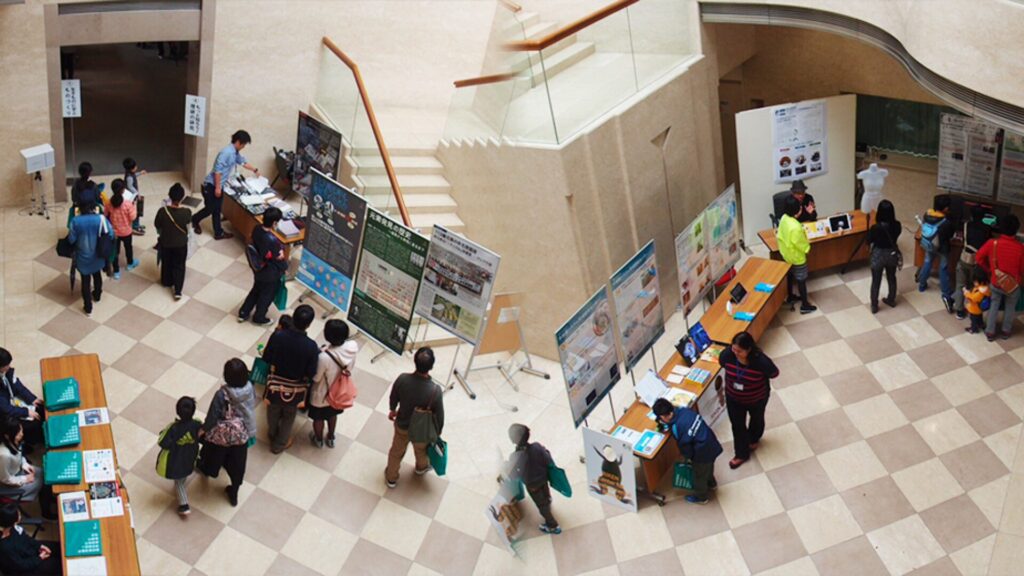
The RIKEN Center for Biosystems Dynamics Research invites you to spend a full day exploring life sciences in a professional government laboratory setting. During the workshop, you will extract and analyse your own DNA to examine traits such as your body’s ability to process alcohol.
You will also use advanced laboratory equipment, including PCR machines and microscopes, under the supervision of experienced scientists. The experience concludes with an open discussion session where you can speak directly with researchers about potential academic paths and careers in biology.
Why it stands out: Local teenagers spend a full day conducting real genetic tests on their own DNA inside an official government biology laboratory.
8. Keio University Medical Science Education Project
Location: Keio University School of Medicine, Yokohama/Tokyo Campuses, Japan
Cost: Free
Dates: 1-year program, starting from August
Application Deadline: July 31st
Eligibility: High school/vocational school students aged 15 to 18 residing in Japan
Keio University offers an intensive program in medical and life sciences aimed at developing future researchers and science communicators. The first stage includes 50 selected participants who take part in foundational lectures, laboratory training, and sessions focused on reading academic papers in English.
From this group, 15 students are selected to continue into advanced research within Keio’s medical laboratories, with the goal of producing publishable work or presenting at international conferences. The program also includes discussions on topics such as global health, big data in medicine, and public health systems.
Why it stands out: High schoolers gain unprecedented early access to one of Japan’s top private medical schools, learning everything from basic wet-lab skills to complex medical data analysis.
9. Year 12 Work Experience
Location: London, England
Cost/Stipend: Free
Acceptance rate/cohort size: Limited number of spaces
Dates: June 29th – July 3rd
Application Deadline: March 6th
Eligibility: High school students in year 12 and enrolled in a state, non-paying school. Not open for international students
For UK students looking at short-term biomedical research opportunities for high school students, the Imperial Year 12 Work Experience Programme offers a one-week, non-residential introduction to research and careers in higher education. You can choose from a range of departments, including Bioengineering, the Grantham Institute for Climate Change and the Environment, Materials, Mathematics, Physics, Chemical Engineering, Biomedical Research, and the National Heart and Lung Institute.
The program is structured to simulate a real working environment, where you commute daily, collaborate with peers, and meet deadlines. You will also have access to laboratories, research facilities, and workshops, depending on your chosen department. In addition, you will attend sessions focused on university preparation, such as writing strong personal statements.
Why it stands out: It places you in functioning labs, divides you into research groups, and prepares you for presenting at a formal academic conference, mirroring how academia works.
10. Medical Schools Council (MSC) Medical Summer Schools
Location: Various UK cities, including London
Cost/Stipend: Free
Acceptance rate/cohort size: Not disclosed
Dates: To be confirmed
Application Deadline: 30th November
Eligibility: Students in years 11 and 12 from underrepresented families. International students are ineligible to apply
The Medical Schools Council (MSC) program is designed to give you a realistic insight into what studying medicine involves. Through this program, you will experience university-style teaching methods and prepare for the transition from sixth form to higher education. You will explore the professional values and behaviours expected of medical students and healthcare practitioners, while also learning about a variety of career pathways within medicine.
Activities are designed to build your confidence, strengthen teamwork skills, and connect you with both peers and academic staff. You will also receive guidance on applications, interviews, and admissions tests, along with opportunities to build a supportive network.
Why it stands out: It allows interactions with healthcare professionals and focuses heavily on mentorship, so you’ll have ample guidance on applying to medical schools.
11. Taipei Medical University MedAspire Summer Program
Location: Taipei, Taiwan
Cost: NT$ 158,600 (~US$ 5,038); cash payment and group discounts are available
Acceptance rate/cohort size: Selective; 30 participants
Dates: July 7-20
Application Deadline: Late April
Eligibility: High school students who would like to pursue medicine as a career; open to international students
Taipei Medical University offers the MedAspire Summer Program for those of you interested in pursuing medical school. Before the in-person program begins, you will attend a three-hour online orientation. Throughout the program, you will study topics such as Foundations of Medicine and Biomedical Sciences, Clinical Exposure and Medical Simulation Training, Medical Innovation and AI, Global and Public Health, and Cultural and International Medical Perspectives, while also receiving mentorship.
At the end of the program, you will earn a certificate of completion, a BLS Certification, an OSCE Examination Certificate, and gain experience presenting a professional academic poster.
Why it stands out: You don’t just learn about medicine, you leave with certifications and a real academic presentation experience.
12. University of Macau – Health Sciences Summer Camp
Location: Macau
Cost: None
Acceptance rate/cohort size: Selective; approximately 70 students
Dates: July 30th – August 1st; August 6-8
Application Deadline: June 3rd
Eligibility: Form 5 and 6 students currently enrolled in Macao secondary schools. International students are ineligible to apply
The Faculty of Health Sciences at the University of Macau runs a three-day residential summer camp designed to introduce you to key areas of health science. You will explore topics such as Health Sciences, Biological Techniques, Cell and Molecular Biology, and Pharmaceutical Science.
The program also features a field trip on the final day before departure. Through this experience, you will strengthen your understanding of medical science while connecting with peers who share similar interests.
Why it stands out: In just three days, you dive into multiple areas of health science through packed, hands-on learning sessions.
13. High School Health Careers Program (HSHCP) UMass
Location: North Worcester, MA
Cost/Stipend: Free, and participants will get a US$600 stipend at the end of the program
Acceptance rate/cohort size: Not disclosed
Dates: June 28th – July 24th
Application Deadline: March 2nd
Eligibility: Must be a US citizen or permanent resident, a current high school sophomores and juniors, a Massachusetts resident, and go to a Massachusetts high school, at least 16 years old on June 15th. Not for international students
The High School Health Careers Program (HSHCP) at the University of Massachusetts is a free four-week program designed to introduce you to careers and college pathways in biomedical research and healthcare. The curriculum is built around five key areas: Science/Biology, English, Mathematics, Communication Skills, and Information Technology.
During the program, you will attend guest lectures on healthcare topics and complete a Health Equity Research Project, where you investigate real-world healthcare challenges within a community. By the end of the program, you will have a clearer interest in biomedical fields and greater confidence in planning your academic future.
Why it stands out: You don’t just learn about healthcare, you actively investigate real community health issues while building both academic and practical skills across multiple disciplines.
14. University of Edinburgh Pre-University Life Science Program
Location: Edinburgh, Scotland
Cost/Stipend: £5250, £750 deposit
Acceptance rate/cohort size: Not disclosed
Dates: Courses fall between June 29th and July 10th
Application Deadline: May 19th
Eligibility: Students aged 16 to 18 years old worldwide
The University of Edinburgh offers a two-week Summer School for high school students aged 16 to 18 from around the world. You can choose from five subject areas, including Design, Humanities, Life Sciences, Social Science, and English Language. If you select Life Sciences, you will explore topics such as biochemistry, molecular and cellular biology, and biodiversity.
Classes are delivered through a combination of mini-lectures, tutorials, discussions, and laboratory sessions. Outside of academics, you can participate in activities such as trips to Stirling Castle and St Andrews, Afternoon Tea, exploring the city, and workshops like Scottish dance.
Why it stands out: It integrates city-based observations into university work, letting history and humanities students gain a deeper understanding. STEM students benefit from Edinburgh being a biomedical and data science hub, as education is influenced by ongoing research.
15. AIMI Summer Research Internship
Location: Virtual
Cost: US$ 2,400 + US$ 45 application fee; financial aid is available
Acceptance rate/cohort size: Highly selective; around 25 students
Dates: Session A: June 15-26, Session B: July 6-17
Application Deadline: February 20th
Eligibility: Students who are entering grades 9-12 in the fall, are at least 14 years old, and U.S. citizens, residents, or valid visa holders; not open to international students
For students interested in AI-driven medicine, AIMI stands out among biomedical research opportunities for high school students by showing how machine learning can improve healthcare through medical images and patient data. You will attend technical lectures, take part in coding sessions, and collaborate with Stanford mentors on a group research project. A key focus of the program is “AI for social good,” where you examine how data science can address health inequities.
Throughout the experience, you will build skills in Python programming, data analysis, and research communication. The program concludes with a virtual symposium where you present your findings to Stanford researchers. This experience also helps you understand ethical challenges in technology while building a strong foundation in biomedical research.
Why it stands out: It offers high schoolers the rare opportunity to apply advanced computer science skills directly to real-world medical challenges under the direct mentorship of Stanford clinicians and engineers.
Prepare For Medicine With Stronger Foundations
Strong biomedical research experience helps you see medicine as investigation, not memorisation, where data, lab technique, and careful questioning shape real healthcare progress.
The 15 biomedical research opportunities for high school students featured here span cancer labs, bioinformatics, genetics, AI in medicine, clinical exposure, and poster presentations.
Use these experiences to notice which scientific questions excite you most, from disease mechanisms and genomic data to public health, diagnostics, and innovation.
Ready to build sharper medical insight? Explore our Medicine Top Books Guide for essential reading that strengthens your curiosity before applications begin and helps you think like a future clinician.