
 Русский (RU)
 Українська (UK)
 Türkçe (TR)
 Italiano (IT)
 Français (FR)
 Português (PT)
 中文 (中国) (ZH)
 Español (ES)
 日本語 (JA)
 ไทย (TH)
 Deutsch (DE)
 Ελληνικά (EL)
 Polski (PL)
 Bahasa Indonesia (ID)
 Nederlands (NL)
 العربية (AR)
 한국어 (KO)
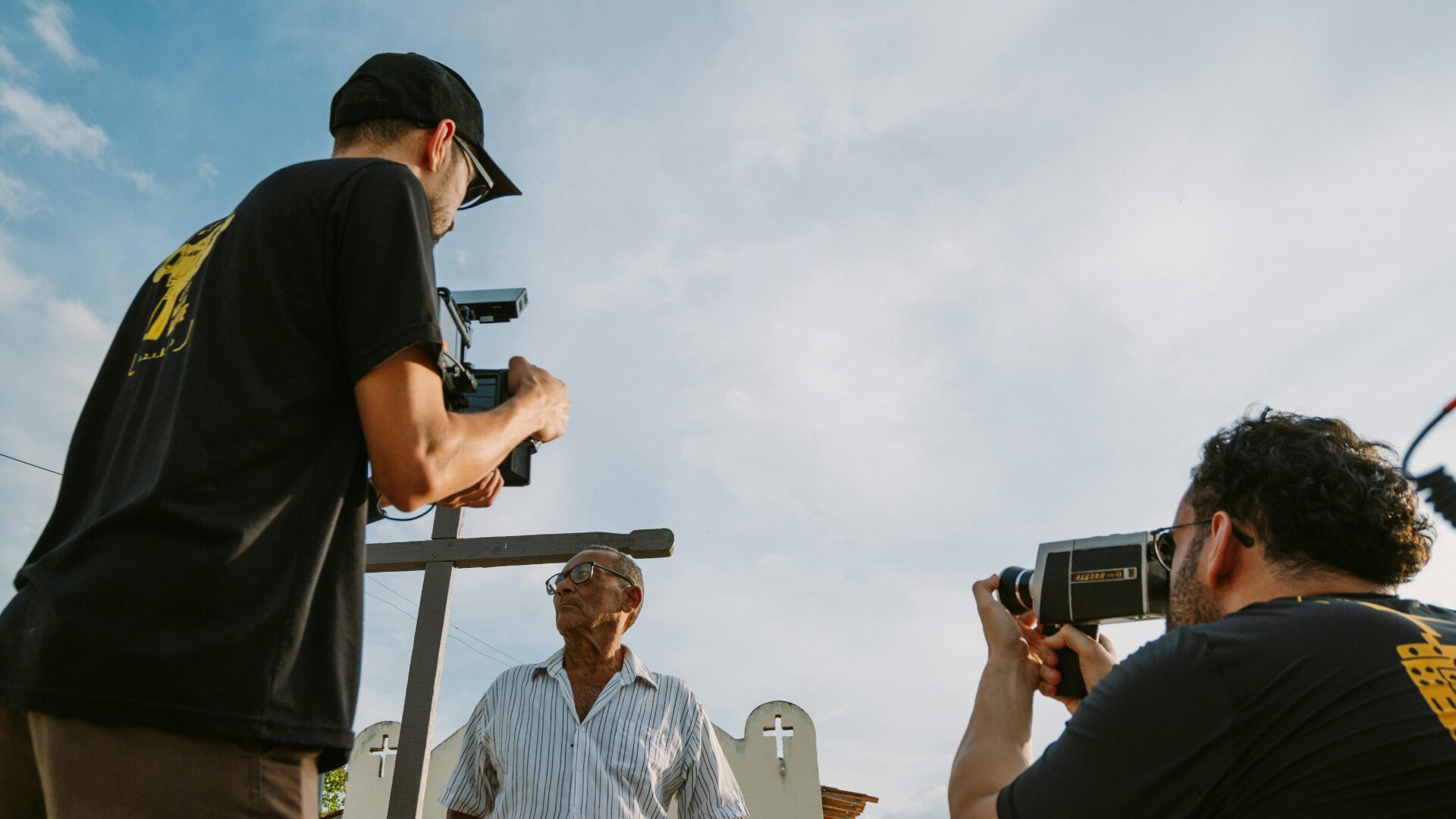
If you are in high school, summer can be a great time to explore your interests, build new skills, and make meaningful connections. This is why many universities and organisations run structured programmes designed to introduce students to academic and career-focused subjects. If you are drawn to fields like film, design, fashion, or visual arts, creative industries summer programs for high school students give you a chance to move beyond curiosity and experience the work more directly. As a participant, you will not only learn key concepts, but also complete projects, experiment with industry tools, and follow creative processes used across professional fields.
Depending on the programme, that could mean developing a short film from script to edit, designing an art piece, building a collection of creative work, constructing models, or curating an exhibition. You will also become familiar with critique-based learning, where feedback helps shape how your ideas develop over time. Because many of these programmes take place on university campuses, you can experience structured studio classes, longer work sessions, and a level of independence that closely reflects college expectations.
What kinds of creative industries summer programs are available for high schoolers?
Creative industries summer programs include pre-college course-based experiences, focused summer academies, and camps. All of these programs let you explore one or more creative fields of choice, such as visual arts, design, animation, filmmaking, or game development, through project work. These programs also offer an early look at what studying these fields in college actually feels like. Many of these experiences are conducted in-person in an academic setting, allowing you to interact with faculty and collaborate with peers from different backgrounds while assessing which disciplines fit your interests and working style.
However, each program offers a distinct experience; for instance, a given program may focus on concept-driven work or technical production, independent projects or collaborative builds, and fast-paced studio environments or research-based exploration. With plenty of options available, it is important to find an opportunity that aligns with your goals.
To make your options clearer, we have identified 15 creative industries summer programs for high school students. We have focused on options that offer practical experience and a closer look at life in a creative field.
For adjacent opportunities, you can check out design internships and fashion internships.
15 Creative Industries Summer Programs for High School Students
1. Cornell’s Art Summer Program for High School Students
Location: Online or Cornell University, Ithaca, NY
Cost: $5,820 – $$22,282 (depending on the session length and format); financial aid available
Acceptance rate/cohort size: Highly selective; 10-18 students per section
Dates: Varies by course and format (typically, June to August); check details here
Application deadline: Varies as per course and format
Eligibility: Online: Students, ages 15-19 | Residential: Students, ages 16-18 years | Commuter: Students, ages 16-19; applicants must have completed their sophomore year of high school. International students are also eligible
Cornell’s Art Summer Program is one of the most intellectually rigorous creative industries summer programs for high school students, placing you in intensive studio courses that treat art-making as both technical practice and conceptual inquiry. Depending on the course you choose, you may explore drawing, painting, printmaking, sculpture, photography, or transmedia through sustained project development. Courses such as Art as Experience expose you to multiple media while integrating readings, critiques, and guest lectures that help place your work in a broader contemporary context.
Other studios focus more directly on material processes, whether that means developing representational skills, exploring experimental print methods, or working with digital and interactive tools. Close critique and faculty feedback are built into the structure, so you will be constantly refining both what you make and how you talk about it. The program is also credit-bearing, offering you a clearer sense of the expectations that come with university-level arts study.
Why it stands out: It offers credit-bearing studio courses combined with in-depth critique and conceptual exploration, helping you explore both the technical and creative aspects of fine arts.
2. Immerse Education’s Creative Industries Summer School
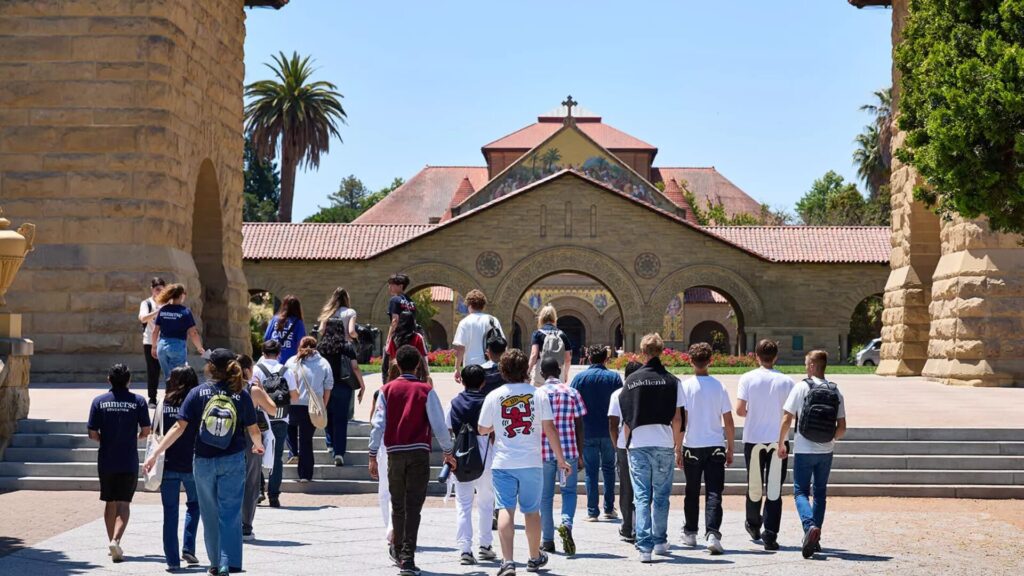
Location: Cambridge, San Francisco, London, and Singapore
Cost: Varies by format; summer school scholarship available through our bursary programme
Acceptance rate/cohort size: Varies; cohort split into groups of around 7 participants
Dates: Two weeks during the summer
Application deadline: Multiple summer cohorts with rolling admissions throughout the year
Eligibility: Students, ages 13-18, currently enrolled in middle/high school; international students can apply
The Immerse Education Creative Industries Summer School introduces you to the fast-evolving world of media, design, and digital storytelling through hands-on, career-focused learning. You explore areas such as branding, content creation, advertising, and visual storytelling while working on real-world projects and creative challenges. Guided by industry professionals, you develop key skills in collaboration, communication, and creative thinking that are essential across modern creative sectors.
You also complete a personal portfolio project, helping you build tangible work that reflects your ideas and abilities. Through workshops, case studies, and industry insights, you gain a clearer understanding of how creative industries operate and evolve globally. By the end, you develop both practical skills and a stronger sense of direction for future academic and career pathways in creative fields.
Why it stands out: It offers exposure to university-level academics and a field of your choice on a university campus.
3. Early College Program in Art History and Curatorial Studies @ Spelman College
Location: Spelman College, Atlanta, GA + other sites in Atlanta like the Atlanta University Center and the High Museum of Art
Cost/Stipend: None
Acceptance rate/cohort size: Competitive; small cohorts
Dates: June 20th – July 17th
Application deadline: May 1st
Eligibility: Rising junior and senior high school students of color; international student eligibility not specified
Spelman’s Art History and Curatorial Studies Early College Program introduces you to the academic and professional work behind interpreting, preserving, and presenting art. Through a credit-bearing undergraduate course, you will study African American and Western art while examining how museums, archives, and libraries shape public understanding of visual culture. Coursework moves beyond lectures by asking you to analyze collections, engage with primary sources, and think through the choices curators make when building exhibitions.
Learning takes place across campus, at the Atlanta University Center, and in major art spaces such as the High Museum. The program also explores questions of audience, representation, and diversity within museums and collections. Written, oral, and project-based assignments will help you strengthen both critical analysis and public-facing communication.
Why it stands out: This program combines a credit-bearing college course with direct exposure to museum spaces and collections, making it one of the few opportunities where you actively work on exhibition-focused projects rather than only studying art theory.
4. New York Film Academy: 6-Week Summer Film Camp for Teens
Location: New York Film Academy, New York, NY, or NYFA, Los Angeles, CA
Cost: $7,325 + a $25 non-refundable application fee
Acceptance rate/cohort size: Selective
Dates: June 28th – August 8th
Application deadline: Open enrollment year-round
Eligibility: High school students, ages 14-17, from around the world
NYFA’s 6-Week Summer Film Camp offers a structured introduction to filmmaking, from image-based storytelling to dialogue-driven final product. In the first half, you will focus on continuity, montage, and visual narrative, learning how to communicate emotion and story without relying on spoken lines. The second half builds on that foundation by introducing scene writing, directing actors, professional sound recording, and the added complexity of on-screen dialogue.
The instruction also covers directing, camera operation, lighting, editing, producing, and sound, so you gain experience with both creative decisions and production logistics. You will also rotate through crew roles, working on classmates’ projects, and getting a more realistic view of how a set functions collaboratively.
Why it stands out: This filmmaking camp follows a progressive curriculum, moving from basics to complex concepts, helping you build skills in a structured sequence instead of tackling everything together.
5. Carnegie Mellon Pre-College Program: Art track
Location: Carnegie Mellon University, Pittsburgh, PA
Cost: Six weeks: $12,204 (Residential); $9,039 (Commuter) | Three weeks: $7,945 (Residential); $6,184 (Commuter) + Application Fee: $50; need-based financial aid and merit scholarships are available
Acceptance rate/cohort size: Not specified
Dates: June 20th – July 11th | June 20th – August 1st
Application deadline: Early: February 1st | Final: March 1st
Eligibility: Students, ages 16 and up, between grades 10 and 11 or between grades 11 and 12; international students can also apply.
Carnegie Mellon’s School of Art pre-college programme is one of the most concept-driven creative industries summer programs for high school students, combining studio practice with deeper artistic inquiry. You will work across areas such as drawing, sculpture, animation, painting, printmaking, and photography, but the curriculum is anchored by a Concept Studio, where the emphasis shifts toward process, experimentation, and the ideas driving the work.
That means you will not just be producing finished pieces, but also spend time reading, writing, collaborating, and developing a more deliberate artistic approach. Access to fabrication spaces and different media will push you to test how a concept changes across forms and materials, while one-on-one portfolio reviews will help you understand how your work is being received in a college admissions context. The program ends with a gallery exhibition.
Why it stands out: The inclusion of the program’s Concept Studio shifts the focus from technical skill alone to idea-driven work, helping you develop a more intentional and conceptual approach to art that aligns with contemporary practices.
6. Vogue Summer School
Location: Vogue College of Fashion, New York, NY
Cost: $6,195 (day program) | $7,695 (residential program) + non-refundable $50 application fee; scholarships available
Acceptance rate/cohort size: Not specified
Dates: June 7-19 | June 21st – July 3rd | July 5-17 | July 19-31
Application deadline: Priority: February 27th; Regular Round 1: March 13th; Regular Round 2: April 10th; rolling admissions starting from April 13th
Eligibility: Students in grades 10-12 who are at least 15 years old; international students can apply, but must demonstrate English proficiency
Vogue Summer School introduces you to the fashion industry through a mix of classroom learning, site-based observation, and direct contact with professionals working in fashion, media, and lifestyle spaces. Courses focus on areas such as fashion business, styling, and media, giving you a sense of how creative and strategic decisions come together inside the industry.
The program uses New York City as an extended learning environment through visits to studios, stores, museums, and brand spaces. Instruction from Vogue and Condé Nast professionals will provide a current industry perspective on what you are learning. The program concludes with a certificate and written feedback to help you reflect on your strengths and next steps.
Why it stands out: It offers direct exposure to industry spaces and professionals in New York City to help you observe how fashion operates beyond the classroom and explore both creative and business aspects of fashion and design.
7. NYU’s High School Summer Art Intensive: Curating Fashion
Location: New York University’s Steinhardt School of Culture, Education, and Human Development, New York City, NY
Cost: $2,600; scholarships available
Acceptance rate/cohort size: 18 slots
Dates: July 5-25
Application deadline: Financial aid and international applicant deadline: March 15th; Final: April 15th
Eligibility: High school students, ages 15-18, entering grades 10-12; international students can apply, but must submit proof of English language proficiency and have an F-1 Visa
NYU’s Summer Art Intensive: Curating Fashion program focuses on fashion not as retail or styling alone, but as an object of research, interpretation, and public display. You will learn about garments and textiles as cultural artifacts, exploring how fashion can be read through historical, social, political, and ethical lenses. Much of the work centers on building a fashion exhibition, helping you develop skills in research, theme development, selection, display strategy, and audience experience.
Faculty from NYU’s Costume Studies program will lead the course, while guest speakers and museum visits help you understand how these ideas operate in professional curatorial settings. The collaborative structure also requires you to listen closely, negotiate ideas, and make shared decisions about how a story should be presented. The program concludes with a group-curated show in NYU gallery spaces.
Why it stands out: The program centers on building an actual exhibition, so you experience the full curatorial process from research to display, rather than only studying fashion history or theory.
8. Parsons’ Summer Intensive Studies
Location: Parsons School of Design’s NYC Greenwich Village campus, New York City, NY
Cost: $5,610 + $265 university fees + $2,180 housing for three weeks; scholarships available for U.S. students
Acceptance rate/cohort size: Not specified
Dates: Session 1: June 8-26 | Session 2: July 6-24
Application deadline: Session 1: May 8th for domestic students and April 1st for international students | Session 2: June 1st for domestic students, April 1 for international students, and May 8th for students applying for university housing
Eligibility: High school students, ages 16-18, from the U.S. and abroad
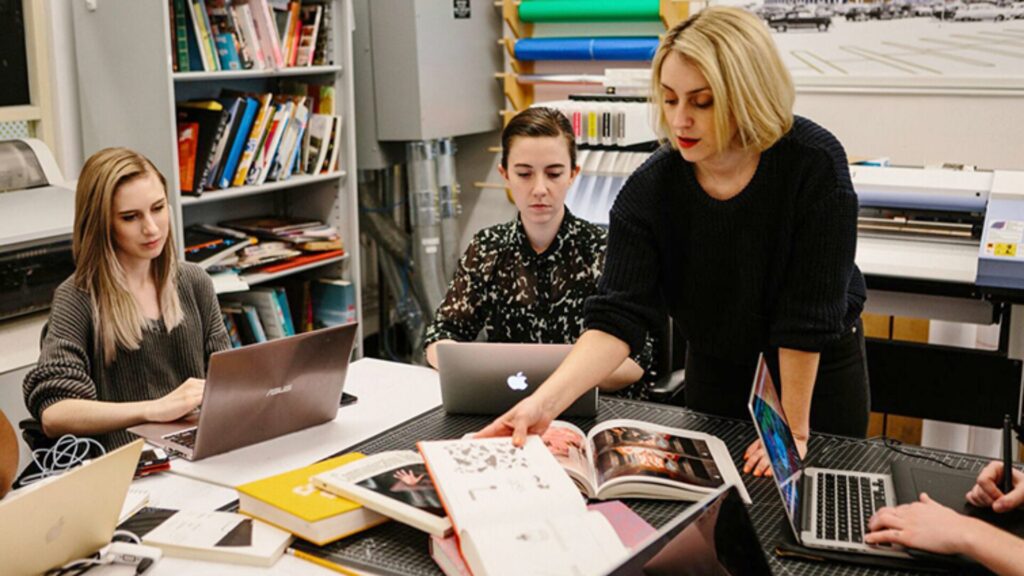
Parsons’ Summer Intensive Studies condenses the pace and expectations of a college design course into a three-week experience built around full-day studio learning. You take a credit-bearing class led by Parsons faculty, with projects that emphasize making, revision, critique, and the development of ideas through process.
The coursework is paired with field trips and industry exposure in New York City, which helps connect classroom assignments to the design and art worlds beyond campus. Portfolio development is woven into the experience, with small classes making room for more direct faculty feedback and discussion around your work. Outside the classroom, supervised activities and city-based programming reinforce the sense of being part of a temporary college community.
Why it stands out: It lets you earn college credit while working through a fast-paced, studio-heavy curriculum that closely reflects Parsons’ undergraduate experience, offering exposure to the academics of a competitive design school.
9. The Game, Cinema, & Animation Summer Academy @ DePaul University
Location: DePaul University’s Loop Campus, Chicago, IL
Cost: $900 (including $150 deposit)
Acceptance rate/cohort size: Not specified
Dates: July 13-17
Application deadline: Priority: May 20th; Final: June 1st
Eligibility: Students who have completed their freshman year of high school by July 1st; Graduating seniors are also eligible
DePaul’s Game, Cinema, and Animation Summer Academy gives you a compact introduction to creative production through track-based, hands-on learning. The program offers tracks in film and TV production, screenwriting, sound design, game development, and animation, each exploring how visual storytelling connects to various media fields.
Over the course of a week, you will work in groups to develop short projects, which may involve creating short films, writing for film, designing 3D games, or working with sound editing tools alongside peers. Faculty members will guide the work through demonstrations, feedback sessions, and studio instruction. In the process, you will gain familiarity with tools and technologies used in the creative industries.
Why it stands out: It lets you explore multiple creative roles within a short timeframe, making it a practical entry point if you are still deciding between areas like filmmaking, animation, or game design.
10. Moore College of Art & Design’s Summer Art & Design Institute
Location: Moore College campus, Philadelphia, PA
Cost: $6,755 (including tuition, room, and board); financial aid is available
Acceptance rate/cohort size: Not specified
Dates: July 12th – August 7th
Application deadline: Deposit deadline: April 15th; Tuition Deadline: May 1st
Eligibility: High school students in grades 10-12; international students with strong English-language skills can also apply
Moore’s Summer Art & Design Institute places you in a studio-based residential setting, making it a strong choice for students comparing creative industries summer programs for high school students with a clear focus on technical development and portfolio-building. The programme begins with foundational work such as drawing and anatomy, then expands through concentration options ranging from animation and illustration to fashion design, filmmaking, photography, and game design.
You will spend some time developing projects through critiques, demonstrations, and independent studio work. The residential format also offers a preview of college life, along with studio access, organized activities, and exposure to Philadelphia’s museums and cultural spaces. Field trips and screenings bring in examples of professional practice that support what you are doing in class.
Why it stands out: The combination of studio coursework, portfolio development, and a residential college setting gives you both skill-building and a realistic preview of daily life as an art and design student.
11. Rhode Island School of Design (RISD) Pre-College Program
Location: Rhode Island School of Design, Providence, RI
Cost: Residential: $12,495 | Commuter: $9,595 + $60 non-refundable application fee (additional costs may apply); limited needs-based scholarships available
Acceptance rate/cohort size: Typically, ~500 students/year
Dates: June 27th – August 1st
Application deadline: First-come, first-served registration starting from November 5th
Eligibility: 10th and 11th graders between 16 and 18 years old; international students can also apply
RISD’s Pre-College Program is designed to mirror the rhythm of a first-year undergraduate experience in art and design. You will spend five weeks balancing foundation courses in drawing, design, and critical studies with a major studio of your choice.
The foundation sequence pushes you to test materials, study composition, strengthen observation, and articulate the ideas behind your work. In the major studio, you will focus more deeply on a field such as animation, architecture, film, fashion design, photography, or graphic design while building pieces that can contribute to a portfolio. The session concludes with an exhibition that will showcase the work you developed across the program.
Why it stands out: The structure mirrors a full undergraduate semester, so you experience the intensity, independence, and critique culture typical of top-tier art schools while building a substantial portfolio.
12. SCAD Rising Star
Location: Savannah College of Art and Design campuses in Savannah, GA, and Atlanta, GA
Cost: $6,620
Acceptance rate/cohort size: Selective
Dates: June 28th – July 24th
Application deadline: Not specified; payment is due on May 29th, and the application opens on September 21st
Eligibility: Rising high school seniors; international students are also eligible
SCAD Rising Star places you in actual college courses, helping you experience what creative study feels like at the university level. You will enroll in two classes and complete assignments using the same kinds of studios, labs, and production spaces SCAD students use during the academic year. Depending on your course choices, your work may involve film production, fashion design, animation, graphic design, acting for the camera, motion media, or other creative disciplines tied to professional practice.
You will develop projects through critique, revision, and regular faculty guidance, with the experience structured around both process and output. The residential format adds another layer by immersing you in campus routines and peer interaction. You will leave with completed coursework, portfolio material, and a better understanding of college-level expectations.
Why it stands out: You will take real college courses for credit while accessing professional-grade facilities, which makes the experience closer to a trial run of college than a typical summer program.
13. FIT High School Summer 10-Day Courses
Location: Fashion Institute of Technology (FIT), New York, NY
Cost: $550/10-day course; scholarships are available
Acceptance rate/cohort size: Not specified
Dates: July 6th, 7th, 8th, 9th, 13th, 14th, 15th, 16th, 20th, and 21st
Application deadline: June 10th
Eligibility: Students in grades 9 through 12 and graduating high school seniors; international students are eligible and can attend on a B-2 tourist visa or via the visa waiver program.
This 10-day in-person summer program at FIT offers a hands-on introduction to college-level academics in fashion, business, design, and the creative industries. Courses are modeled after FIT first-year undergrad classes and cover subjects like photography, fashion design, illustration, marketing, toy design, animation, interior design, film, and more, all taught by FIT faculty, alumni, and professionals.
Classes are conducted within FIT’s studios, design labs, and sewing rooms, and some tracks include visits to on-campus resources like the Museum at FIT. You will leave with portfolio-worthy pieces, an official transcript, and direct experience of life at FIT.
Why it stands out: The program offers creative exposure and portfolio preparation support without any prior experience, making it an accessible entry point to a college-level creative industries program.
14. SVA Pre-College Program
Location: Online or School of Visual Arts (SVA), New York, NY
Cost: In-person courses: $3,400 | online courses: $2,800 + a non-refundable $75 registration fee + optional housing costs; merit-based President’s Scholarships are available through portfolio submission.
Dates: July 13-31
Application deadline: No formal application deadline; open until spots fill
Eligibility: Students, ages 14-18, who are entering or currently enrolled in grades 9-12; international students are eligible if they meet English proficiency requirements
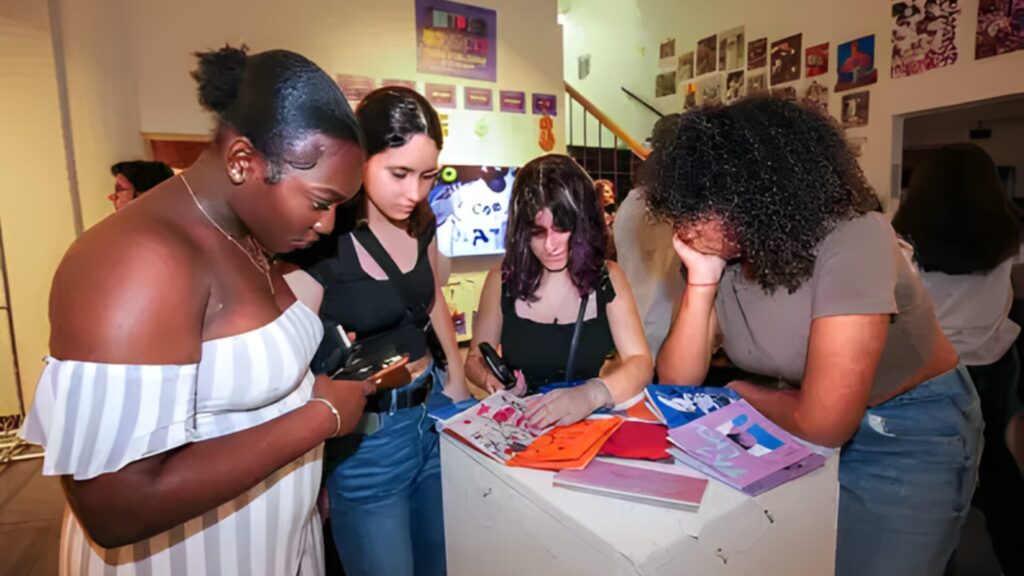
This three-week in-person summer program lets you enroll in one college-level studio course taught by faculty who lead SVA’s undergraduate programs. You can take courses in comics, film, game cinematics, graphic design, fine arts, animation, ceramics, illustration, interior design, photography, or screenwriting.
Each track covers core concepts and offers opportunities to refine your technical skills. You will earn three college credits upon completing the course. Beyond the classroom, you will join extracurricular activities including museum visits, Broadway shows, and city tours. If you choose the residential format, you will stay in the SVA dorms and get to explore New York City in your free time.
Why it stands out: It is taught entirely by the working professional faculty who teach SVA’s undergraduate students, offering you a real college-level studio experience.
15. National High School Institute (NHSI) Film & Video Program @ Northwestern University
Location: Northwestern University, Evanston, IL
Cost: $8,000 (including tuition, fees, room, and board) + $50 application fee; financial aid available
Acceptance rate/cohort size: Not specified
Dates: June 28th – August 1st
Application deadline: Early: January 9th; Regular: March 13th
Eligibility: Students currently enrolled in their sophomore or junior year of high school who rank academically in or near the top 30% of their high school class; international students can apply
Northwestern’s NHSI Film & Video Program brings a collaborative filmmaking focus to this list of creative industries summer programs for high school students, introducing you to performance arts, production, and screenwriting as connected parts of the same creative process. You will choose a concentration from three options: acting on camera, production, or screenwriting, and then spend your mornings exploring the chosen area through focused instruction and guided practice.
Electives will broaden the experience by introducing other parts of the film pipeline, from cinematography and editing to directing actors and television writing. The curriculum covers how a story moves from concept to production, allowing you to work with students across concentrations on shared final projects. The program ends with a public showcase of completed work at the Festival of First Cuts.
Why it stands out: It offers opportunities for peer collaboration across distinct filmmaking roles, so you will explore how acting, writing, and production intersect in real projects.
Explore Creative Career Paths Before Choosing One
Choosing the right creative path starts with experience, not guesswork, and summer programmes can help you test your interests with purpose.
Creative industries summer programs for high school students offer practical insight into fields like design, film, fashion, animation, visual storytelling, and digital media.
Through projects, feedback, and collaboration, you can understand your strengths, build confidence, and make clearer decisions about future academic pathways.
Where could your creative interests take you next? Explore our Career Exploration blogs to uncover exciting careers, study routes, essential skills, and future pathways.