
 Русский (RU)
 Українська (UK)
 Türkçe (TR)
 Italiano (IT)
 Français (FR)
 Português (PT)
 中文 (中国) (ZH)
 Español (ES)
 日本語 (JA)
 ไทย (TH)
 Deutsch (DE)
 Ελληνικά (EL)
 Polski (PL)
 Bahasa Indonesia (ID)
 Nederlands (NL)
 العربية (AR)
 한국어 (KO)

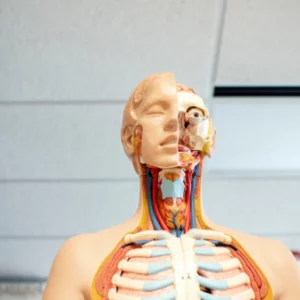
Neuroscience is often introduced in schools through diagrams of the brain and basic explanations of behavior, but the field itself is far more complex in practice. As a high school student, you might study topics like neural systems or cognition, yet still find it difficult to see how this field actually works. Neuroscience summer internships for high school students help bridge this gap by offering exposure to actual research environments and scientific workflows.
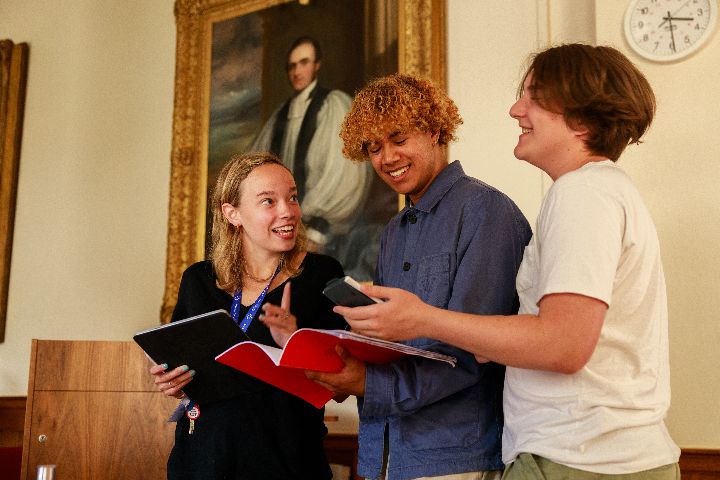
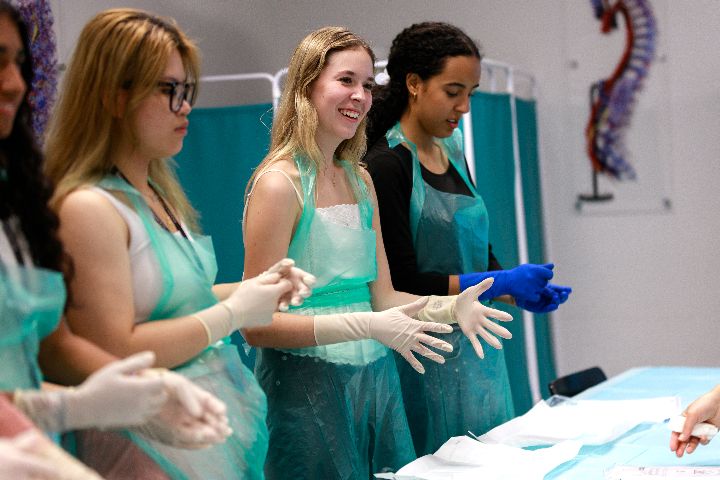
Picture yourself observing how experiments are set up, assisting with simple lab tasks, or discussing findings with researchers and peers. You might review data, examine case studies, or follow how a research question develops into a testable study. By stepping into this environment, you begin to see how theoretical concepts connect to actual scientific work.
How do you choose the right neuroscience summer internship for high school students?
Choosing the right internship can take some thought. Some opportunities may be largely observational or lack structured learning, while others provide clearer guidance, defined tasks, and closer exposure to how neuroscience research is conducted. That’s why having the right information matters, so you can identify internships that align with your interests and level of experience.
Many universities, research labs, and institutions offer neuroscience internships designed for high school students. These programs may include lab exposure, research discussions, and guided tasks that introduce you to areas like cognitive neuroscience, brain development, or neurological disorders. You’ll learn how research is carried out while working alongside mentors and peers with similar interests.
To help you navigate your options, we’ve compiled a list of 15 neuroscience summer internships for high school students! These are selected for their research depth, structure, and overall learning experience.
For adjacent opportunities, you can explore psychology summer programs.
15 Neuroscience Summer Internships for High School Students
1. Max Planck Florida Institute (MPFI) High School Internship
Location: Max Planck Florida Institute for Neuroscience, Jupiter, FL
Cost: None. Students earn a stipend of $14/hour
Acceptance rate/cohort size: Highly selective; 6-8 students
Dates: June 22nd – July 31st
Application Deadline: February 8th
Eligibility: Rising juniors and seniors (must be 16+ years old); must reside in Palm Beach or Martin Counties
The Max Planck Florida Institute for Neuroscience offers one of the most hands-on neuroscience summer internships for high school students, with a six-week experience focused on laboratory research in neuroscience. Based in Jupiter, Florida, the institute conducts research on neural circuits involved in vision, motor control, learning, and memory, giving you exposure to how brain function is studied at a cellular level. You can choose from tracks in neuroscience, scientific programming, or mechanical engineering, depending on your interests, with each pathway linked to real research or lab instrumentation.
Alongside experimental work, you engage with scientific literature and receive training in reading, writing, and presenting research, helping you build core academic skills. The experience concludes with a formal presentation, where you share your work with the institute.
Why it stands out: You will work in a lab-based research setting at a neuroscience institute, choose from specialized tracks, and present your findings, giving you direct experience in how scientific research is conducted and communicated.
2. Immerse Education’s Biology Summer School
Location: Oxford, Cambridge, and Online
Cost: Varies by format; summer school scholarship available through our bursary programme
Acceptance rate/cohort size: Selective; an average of 7 participants per class
Dates: 2 weeks during the summer
Application Deadline: Multiple summer cohorts with rolling admissions
Eligibility: High school students aged 15-18, open to international students
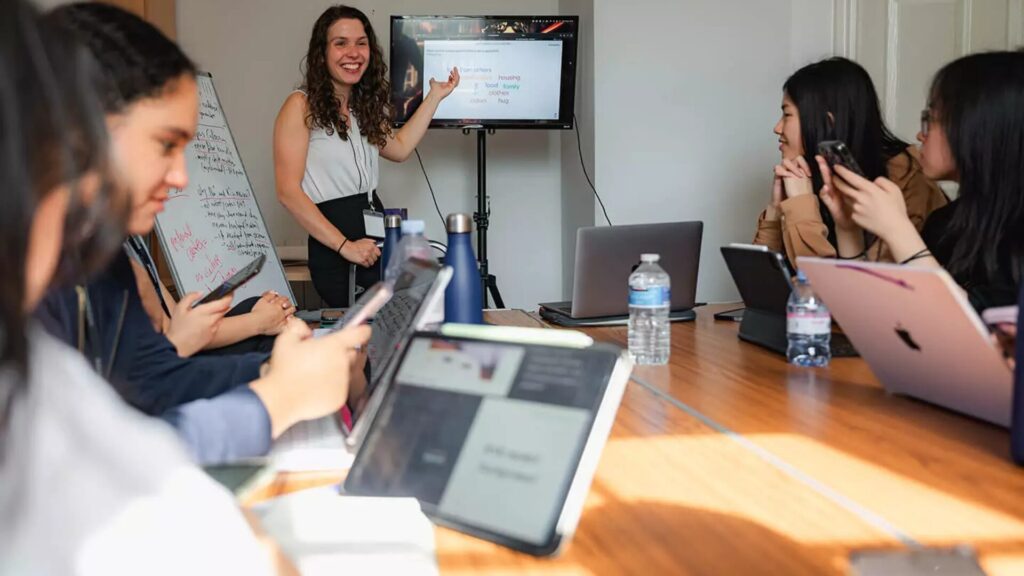
The Immerse Education Biology Summer School introduces high school students to university-style study in the biological sciences through expert-led lessons, discussions, and practical academic projects. You will explore key areas such as cellular biology, genetics, ecology, molecular biology, and human biology while developing your scientific writing, problem-solving, and analytical skills.
Available in Oxford, Cambridge, and online, the programme offers small-group learning, personalised feedback, and a personal research project that helps you build confidence for future study. You can find more details about the application here.
Why it stands out: You’ll study biology in a structured academic environment, receive expert mentorship, complete a project for future applications, and gain insight into university-level biological sciences.
3. Stanford Institutes of Medicine Summer Research Program (SIMR)
Location: Stanford University, Stanford, CA
Cost: No program cost; $50 application fee with fee waivers available for students with family income under $80,000 or special circumstances; limited needs-based stipends may be available
Acceptance rate/cohort size: Highly selective; the program typically enrolls around 50 students
Dates: June 8th – July 30th
Application Deadline: Applications open in December; deadline is February 21st
Eligibility: High school juniors or seniors who are at least 16 years old by the start of the program; international students are not eligible unless they are attending a U.S. high school
SIMR is an 8-week research internship where you work in a Stanford lab under the guidance of an individual mentor, gaining direct exposure to biomedical research. You can apply to one of several focus areas, including neuroscience, making it especially relevant if you are interested in studying behavior, cognition, or the brain from a scientific perspective. The program combines hands-on lab work with lectures, workshops, and research training that introduce you to how scientific inquiry is conducted in a university setting.
Instead of simulated exercises, you collaborate with active research teams, giving you insight into the pace and expectations of real academic research. Over the course of the program, you develop technical and analytical skills while learning how to interpret and present scientific findings. The experience concludes with a research poster presentation, where you communicate your work in a formal academic format.
Why it stands out: You’ll work in a Stanford research lab with one-to-one mentorship and complete a formal project, helping you understand how neuroscience and biomedical research operate in a university setting.
4. SHTEM: Summer Internships for High Schoolers at Stanford University
Location: Stanford University, Stanford, CA
Cost: Free
Acceptance rate/cohort size: Highly selective
Dates: June 22nd – August 14th (subject to change)
Application Deadline: February 1st
Eligibility: Current U.S. high school juniors and seniors who are at least 14 years old
SHTEM is an eight-week research internship where you collaborate in small interdisciplinary teams on real-world projects guided by Stanford faculty, students, and research staff. You work at the intersection of fields such as engineering, biology, neuroscience, and data science, alongside areas like psychology and linguistics, gaining exposure to how different disciplines connect in research.
The program emphasizes research design, data analysis, and scientific communication, helping you understand how projects are structured and developed from start to finish. Instead of working individually, you contribute to team-based research, which reflects how many academic and industry projects are conducted. The experience concludes with a group presentation, where you communicate your findings in a structured academic format.
Why it stands out: It helps you work on interdisciplinary research projects in teams, combining neuroscience with fields like data science and engineering, while building skills in research design and collaboration.
5. Southwestern Medical Center – High School Student Internship
Location: Virtual (UT Southwestern Medical Center)
Cost: Free
Acceptance rate/cohort size: Selective; cohort size not publicly specified
Dates: 2 weeks in June
Application Deadline: Early February
Eligibility: Rising grades 10-12 from the U.S.
UT Southwestern’s High School Student Internship places you in a virtual research setting where you engage with ongoing projects in areas such as genetics, neuroscience, biochemistry, and clinical research. You learn how experiments are designed and conducted through exposure to laboratory protocols, research discussions, and guided activities. Daily interaction with scientists and trainees helps you understand how research questions are developed, tested, and refined in an academic medical center.
The program also includes seminars that introduce you to careers in medicine and biomedical research, providing insight into professional pathways. You gain familiarity with how basic science connects to clinical applications, particularly in translational research settings. By the end, you develop foundational research skills and a clearer understanding of how large research institutions operate.
Why it stands out: You will engage with research in a virtual academic medical setting and interact with scientists, helping you understand how scientific and clinical research are connected.
6. Columbia University – BRAINYAC (Brain Research Apprenticeships in New York at Columbia)
Location: Columbia University Irving Medical Center, New York, NY
Cost: No cost; stipend provided
Acceptance rate/cohort size: Highly selective; limited cohort (exact acceptance rate not publicly available)
Dates: Multi-week summer program (typically July – August; exact dates vary)
Application Deadline: Varies by the cohort (Typically late October for summer)
Eligibility: High school students (primarily from New York City public schools); not open to international students
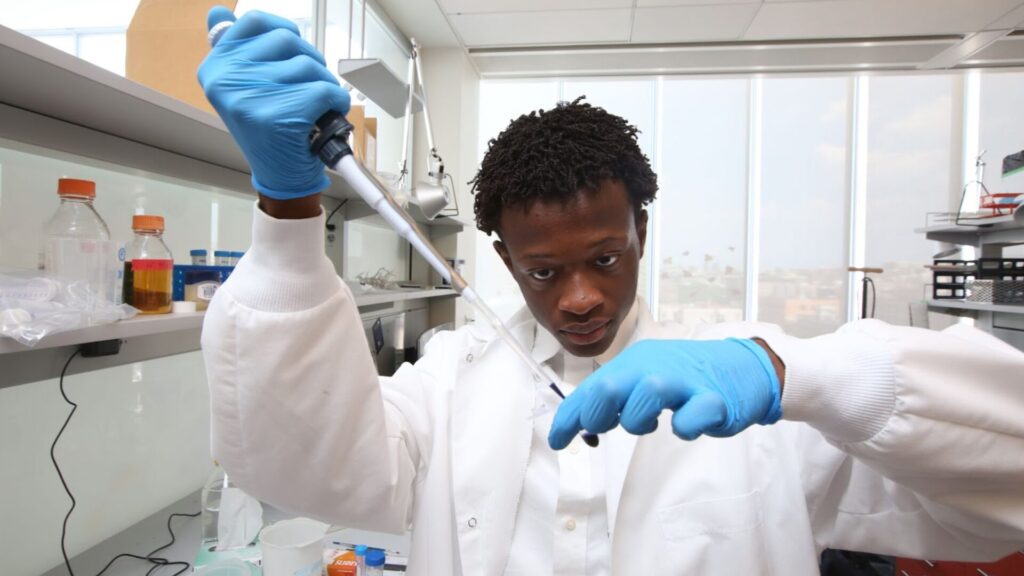
Among neuroscience summer internships for high school students, BRAINYAC stands out for its direct connection to brain science, neurology, and mental health research at Columbia. The programme begins with a seminar series that introduces you to core concepts in neuroscience, including brain structure, cognition, and neurological disorders. You are then matched with a research lab, where you assist with ongoing projects, gaining exposure to experimental methods, data collection, and analysis.
You engage in real lab-based work within a medical research setting, which allows you to see how neuroscience research is conducted in clinical and academic environments. The experience concludes with a research presentation, where you communicate your findings and reflect on your work.
Why it stands out: You’ll be placed in a medical research lab and work on neuroscience projects with mentorship, helping you understand how research is conducted in both academic and clinical environments.
7. Barrow Neurological Institute Summer High School Internship Program
Location: Barrow Neurological Institute, Phoenix, AZ
Cost: Free
Acceptance rate/cohort size: Highly selective; limited cohort
Dates: June 5th – July 9th
Application Deadline: Applications typically close by February 10th
Eligibility: High school students (U.S. students; specific residency requirements may apply)
The Barrow Neurological Institute Summer High School Internship Program is a five-week, fully funded research experience where you work directly in a neuroscience laboratory. You are placed with researchers working on areas such as neuro-oncology, stroke, neuroimaging, or neurorehabilitation, allowing you to engage with active scientific projects.
Alongside lab work, you attend weekly seminars, technical workshops, and boot camps that introduce tools and methods used in neuroscience research. You also develop skills in experimental design, data analysis, and scientific communication, often culminating in a final research presentation or symposium. The program provides a structured introduction to how research is conducted in a clinical and laboratory setting.
Why it stands out: It provides direct lab-based research experience at a leading neurological institute, combined with structured mentorship and a final research symposium.
8. Johns Hopkins University – Internship in Brain Sciences (IBS)
Location: Johns Hopkins University, Baltimore, MD
Cost: Free; stipend provided
Acceptance rate/cohort size: Highly selective; small cohort
Dates: Typically June – August (8-10 weeks)
Application Deadline: Applications usually close in March
Eligibility: High school juniors and seniors (U.S. students; must meet age and residency requirements)
The Internship in Brain Sciences at Johns Hopkins University brings the structure of neuroscience summer internships for high school students into a university laboratory setting, where you work under the guidance of faculty and researchers. You are involved in ongoing projects that may include areas such as neurobiology, cognition, or neurological disorders, giving you exposure to real research environments.
In addition to lab work, you attend seminars, workshops, and lab meetings that introduce current developments in neuroscience. You develop skills in experimental methods, data analysis, and scientific communication while learning how research is conducted in a university setting. The program typically concludes with a final presentation where you share your research findings.
Why it stands out: It combines full-time lab research with mentorship from leading scientists, offering a rigorous introduction to neuroscience within a top-tier research university.
9. Rockefeller University – Summer Neuroscience Program (SNP)
Location: Rockefeller University, New York, NY
Cost: Free; stipend provided
Acceptance rate/cohort size: Highly selective; small cohort (8 students)
Dates: August 10th – August 21st
Application Deadline: March 15th
Eligibility: Open to New York City public high school students who are at least 16 years of age at the start of the program
The Rockefeller University Summer Neuroscience Program (SNP) is a two-week course where you study how the brain works through a mix of lectures and lab-based activities. You explore topics like memory, brain cells, sleep, neurological diseases, and how the brain processes senses. You read a scientific research paper and present it in a journal-style discussion, then design your own neuroscience experiment with guidance from mentors.
The program also includes hands-on work like dissecting a brain and visiting active research labs on campus. You interact directly with scientists and see how real neuroscience research is conducted. By the end, you present your experiment and findings, similar to an introductory research experience.
Why it stands out: It offers full-time lab placement with scientists in a highly selective, stipend-supported program, making it one of the most rigorous neuroscience research internships available to high school students.
10. Mass General – Youth Neurology Education and Research Program (YNEP)
Location: Massachusetts General Hospital / Harvard Medical School, Boston, MA
Cost: Free
Acceptance rate/cohort size: Highly selective; small cohort
Dates: Typically July – August (approx. 6 weeks)
Application Deadline: Applications usually close in March
Eligibility: High school students (primarily U.S. students; preference often given to local applicants)
The Youth Neurology Education and Research Program (YNEP) at Massachusetts General Hospital introduces you to neuroscience through a structured combination of research exposure and clinical learning. You participate in lab-based activities, observe clinical environments, and attend lectures led by neurologists and researchers.
The program covers topics such as brain disorders, neuroanatomy, and current research methods, helping you understand how neuroscience is applied in medical settings. You also engage in group projects and discussions that build skills in scientific reasoning, data interpretation, and communication. Mentorship from clinicians and researchers provides insight into academic and professional pathways in neuroscience and medicine.
Why it stands out: It combines research exposure with clinical observation at a leading hospital, offering insight into both the scientific and medical sides of neuroscience.
11. Monell Science Apprenticeship Program
Location: Philadelphia, Pennsylvania, USA (Monell Chemical Senses Center)
Cost: None; stipend provided
Acceptance Rate/Cohort Size: Selective; cohort size not publicly specified
Dates: June 15th – July 31st
Application Deadline: January 9th
Eligibility: High school students from the greater Philadelphia area; must be authorised to work in the U.S.; strong interest in science; underrepresented groups strongly encouraged to apply
The Monell Science Apprenticeship Program allows you to explore the science of taste and smell through hands-on research in a specialized laboratory setting. Over seven weeks, you work with researchers to conduct experiments, analyze data, and understand how chemosensory studies are designed and applied.
The program also includes seminars, safety training, and discussions, helping you become familiar with lab practices and the broader implications of sensory science in areas like health and behavior. You engage with scientific literature and gain insight into how research connects to real-world issues such as nutrition and human perception. In addition, sessions on college pathways and STEM careers help you understand academic and professional trajectories in science.
Why it stands out: Provides hands-on mentorship in a specialized field of sensory science, connecting research on taste and smell to neuroscience, health, and human behavior.
12. University of California, Santa Barbara – Research Mentorship Program (RMP)
Location: University of California, Santa Barbara (UCSB), Santa Barbara, CA (with a required virtual component)
Cost: Commuter option: $5,675; Residential option: $13,274 (includes housing and meals arranged through the residential partner)
Acceptance rate/cohort size: Selective
Dates: June 15th – July 31st
Application Deadline: December 15th – March 9th (rolling admissions)
Eligibility: Typically open to students worldwide in Grades 10-11 with a minimum 3.8 weighted GPA; highly qualified Grade 9 students may be considered on a case-by-case basis
The UCSB Research Mentorship Program is a selective summer research experience where you work on an interdisciplinary project under the guidance of a graduate student, postdoctoral researcher, or faculty mentor. You choose from a rotating set of research topics each year, with options spanning engineering, computer science, psychology, economics, chemistry, and marine science.
Alongside your research, you enroll in two UCSB summer courses that provide 8 units of university credit, focused on writing, analyzing, and communicating research. The program also includes structured lectures and GRIT Talks, which introduce you to ongoing work across different departments.
Why it stands out: It pairs students with UCSB researchers to work on interdisciplinary projects, providing hands-on research experience and college-level courses that culminate in a formal research paper and presentation, helping you understand how real university research operates.
13. The Science Internship Program
Location: University of California, Santa Cruz, CA
Cost: $4,250; need-based financial aid is available
Acceptance rate/cohort size: Selective
Dates: June 15th – August 8th
Application Deadline: February 27th
Eligibility: High school students worldwide aged 14-17 on the programme start date are eligible to apply
UC Santa Cruz’s Science Internship Program (SIP) allows you to work on research projects related to psychology, cognition, and human behavior under the guidance of faculty, researchers, and graduate students. After an initial week of online training, you transition into a lab or research group, where you contribute to ongoing projects that may involve data analysis, experimental design, or studying behavioral and cognitive processes.
The program emphasizes hands-on involvement, giving you insight into how psychological research is conducted in a university setting. You also attend guest lectures and skill-building workshops that introduce you to research methods and academic pathways in psychology and related fields. The program concludes with a Final Research Symposium, where you present your work to peers and family members.
Why it stands out: Provides a research-focused introduction to psychology within an active university lab environment, culminating in a formal presentation at a university-level symposium.
14. Simons Summer Research Program
Location: Stony Brook University, Long Island, New York
Cost: None
Acceptance rate/cohort size: Selective
Dates: June 29th – August 7th
Application Deadline: February 7th
Eligibility: Open to U.S. high school juniors
The Simons Summer Research Program connects you with faculty mentors at partner universities, where you take part in ongoing research across fields like biology, neuroscience, and chemistry. You attend lab meetings, learn experimental methods, and engage with scientific readings to build a strong foundation for your project. The structure encourages you to think critically and shape your own research questions, rather than following preset instructions.
Over time, you develop a clearer understanding of how studies are designed and carried out in academic settings. The experience concludes with a presentation of your work to peers and faculty, helping you build confidence in scientific communication and analysis.
Why it stands out: You’ll work with faculty mentors on active research projects and develop your own study, helping you understand how scientific ideas evolve into structured research.
15. Rockefeller University – Summer Science Research Program (SSRP)
Location: Rockefeller University, New York, NY
Cost: Free; stipend provided
Acceptance rate/cohort size: Highly selective; 32 students in small teams
Dates: June 22nd – August 6th
Application Deadline: January 2nd
Eligibility: Current high school juniors and seniors worldwide; must be at least 16 years old by the start of the program; must commit to full attendance for the entire seven weeks.
The Rockefeller University Summer Science Research Program (SSRP) is a mentored research program for high school students. You’ll engage in a team-based learning experience, engage in hands-on laboratory research, and receive guidance from the Rockefeller, MSK, and WCMC scientific trainees. Each team will have access to its independent resources and space in the RockEDU teaching labs.
You’ll attend guest lectures, participate in workshops, join elective courses, and have the opportunity to grow your professional network. The program also includes engaging social activities for you to explore beyond the academic and research-based learning.
Why it stands out: You join a structured research team mentored by scientists from three world-class institutions, choose your own research question, and work full-time in a dedicated teaching laboratory.
From Neural Pathways to University Pathways
Neuroscience can feel abstract until you see how research questions become experiments, data, and discoveries in real scientific settings.
Neuroscience summer internships for high school students give you a clearer view of brain science, from lab techniques to clinical applications.
By working with mentors, presenting findings, and exploring specialist topics, you can build academic confidence before choosing your next step.
Ready to strengthen your university journey? Explore our University Preparation blogs for expert advice on applications, interviews, academic writing, requirements, and supercurriculars.