

 Русский (RU)
 Українська (UK)
 Türkçe (TR)
 Italiano (IT)
 Français (FR)
 Português (PT)
 中文 (中国) (ZH)
 Español (ES)
 日本語 (JA)
 ไทย (TH)
 Deutsch (DE)
 Ελληνικά (EL)
 Polski (PL)
 Bahasa Indonesia (ID)
 Nederlands (NL)
 العربية (AR)
 한국어 (KO)

As a high school student interested in coding, the subject can feel both exciting and hard to pin down. Online coding courses for high school students can help you move beyond tutorials and YouTube videos, giving you a clearer sense of what serious programming involves, from algorithms and data structures to problem-solving, software design, and real project-building.
Picture yourself working through a Python project with a university instructor, debugging a web app you built from scratch, or learning how machine learning models are actually trained. Through an online course, you’ll develop skills that go well beyond what any classroom covers, including computational thinking, version control, and applied logic. You’ll build academic experience that matters and get a real preview of what studying computer science at university looks like.
How do you choose the right online coding course?
It can be hard to tell good programs apart from bad ones. Some are too surface-level, some are poorly structured, and some just aren’t worth your time. That’s where the right guidance helps.
Various universities and edtech platforms offer online coding courses that are rigorous, project-based, and taught by real instructors.
Depending on the program, you’ll explore areas like web development, Python programming, data science, game design, cybersecurity, and artificial intelligence. You’ll learn through hands-on assignments, peer collaboration, and sometimes even one-on-one mentorship. Programs range from beginner-friendly introductions to advanced, college-level coursework.
Once you’re in, you’ll have to put in the effort. But for now, we’ve done the research for you. Here are 15 online coding courses for high school students, chosen for their academic quality, instructor credentials, and real learning outcomes.
For adjacent opportunities, consider the in-person coding course, the online computer science course, and the online AI course.
15 Online Coding Courses for High School Students
1. CS50x – Harvard University
Location: Online
Cost/Stipend: Free to audit; verified certificate available via edX
Program Dates: Self-paced
Application Deadline: December 31st
Eligibility: Open to all; best suited for ages 12 and up; no prior experience required; open to international students
As one of the most recognised online coding courses for high school students, CS50x is Harvard University’s introduction to computer science, free to take online at your own pace. The course covers C, Python, SQL, HTML, CSS, and JavaScript across eleven weeks, giving you exposure to multiple languages and how they connect rather than stopping at one. You’ll work through problem sets drawn from real fields like the arts, social sciences, and humanities, and wrap up by designing and building a final project of your own.
The course is designed to teach you not just how to code, but how to think computationally and pick up new programming languages on your own which is honestly the more lasting skill. There are no individual assignment deadlines, so you can move at your own pace as long as everything is submitted before December 31.
Why it stands out: You’ll leave knowing how to learn any language on your own not just the ones covered in class.
2. Immerse Education’s Online Coding Summer School
Location: Fully remote
Cost: Varies; summer school scholarships available through our bursary programme
Application Deadline: Rolling admissions; multiple dates throughout the year
Program Dates: Flexible; multiple cohorts in a year
Eligibility: Students worldwide aged 13-18 (accredited options require age 14+)
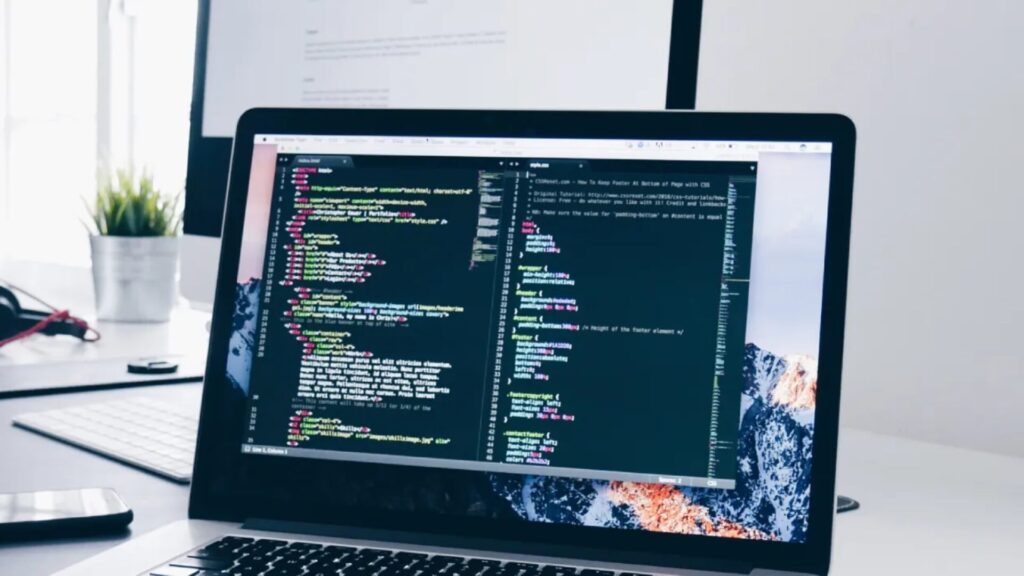
The Online Research Programme allows you to explore coding through an independent, university-style research project guided by a personal tutor from Oxford, Cambridge, or an Ivy League university. On the coding and computer science pathways, you’ll investigate areas such as programming languages, algorithms, data structures, software development, or applied computing, developing analytical and problem-solving skills used in real technical fields. You may also choose to explore encryption and cybersecurity topics, examining how cryptographic techniques protect digital information and how security principles are applied in modern systems.
Delivered through one-to-one or small-group tutoring, the programme mirrors undergraduate research and is available across more than 20 subjects. Depending on the pathway, you can earn recognised college or UCAS credits. By the end, you’ll complete a full academic research paper, receive detailed written feedback, and have the opportunity to publish your work or present it at the Immerse Online Symposium.
Why it stands out: You experience authentic Oxford-style tutorials online, work closely with leading academics, and produce an assessed research paper — with the option to earn UCAS points or US college credit if you are aged 14 or above.
3. Stanford Code in Place
Location: Online
Cost/Stipend: Free
Program Dates: April – May, 6 weeks
Application Deadline: Early spring each year
Eligibility: Open to anyone worldwide; no prior programming experience required
Code in Place is Stanford University’s Python course, built around the first half of CS106A, one of the most popular courses on campus. Over six weeks, you’ll cover control flow, loops, conditionals, variables, graphics, and lists and dictionaries, finishing with a creative final project you design yourself. For every 10 students, Stanford recruits and trains a dedicated volunteer section leader, so you meet weekly in a small group — making this more like a real class than a typical self-paced platform.
You’ll finish with a portfolio of your projects hosted by Stanford, which you can share publicly. Applications open once a year in early spring. Check the next cohort and apply here. Why it stands out: The small-group section format means you’re getting real weekly feedback from a teacher, not just watching videos and hoping for the best.
4. Johns Hopkins CTY’s Online Coding Courses
Location: Online
Cost/Stipend: Tuition
Program Dates: Multiple terms, Fall (starting September), Spring (starting January and March), Summer (starting June and July)
Application Deadline: Varies by term
Eligibility: Academically advanced high school students; specific eligibility listed per course; open to international students
The Johns Hopkins Center for Talented Youth offers online coding courses for high school students who want to go further than what school typically covers. Two strong options on the coding side are Creative Coding: Drawing with Python and Data Structures and Algorithms. In Creative Coding, you’ll use Python’s Turtle graphics library to build animations, colorful patterns, and interactive digital designs in a genuinely hands-on way to develop programming through creative work.
Data Structures and Algorithms is built for students with some prior experience who want to understand how computers organize, store, and process data at a deeper level. Expert instructors teach both courses and provide personalized feedback throughout.
Why it stands out: Courses run year-round across multiple terms, so you can work coding into your schedule without waiting for summer.
5. University of Michigan’s Joy of Coding
Location: Online
Cost/Stipend: $149
Program Dates: Start anytime after June 17th; complete at your own pace by August 28th
Application Deadline: Open enrollment; start anytime after June 17th
Eligibility: Age 13 and older; students should have completed Algebra and understand basic functions and variables; open to international students
Joy of Coding is a self-paced program from the University of Michigan’s School of Engineering, built specifically for those with no prior coding experience. The core course, Intro to Coding & Computational Thinking, teaches Python through a 6-week curriculum tied to apps and platforms students actually use, Snapchat, TikTok, Instagram, and Siri and by the end, you’ll have coded your own Snapchat lens.
Two additional 8-week courses are also available: Intro to Data Visualization & AI, which covers data analysis and core AI concepts, and Intro to Training, Evaluating & Fine-tuning an AI, which walks you through how machine learning models actually learn from data. Students who complete the course receive a University of Michigan certificate of accomplishment for their college applications.
Why it stands out: You’ll earn a University of Michigan certificate upon completion, one you can directly add to your college application.
6. Girls Who Code – Pathways
Location: Online
Cost/Stipend: Free
Program Dates: Summer session runs 6-7 weeks; Fall session also available
Application Deadline: Fall applications open May 28th
Eligibility: Girls and non-binary students in grades 9-12, including rising 9th graders and graduating seniors; open to international students
Girls Who Code Pathways is a free program for high school girls and gender-expansive students who want to build real technical skills while connecting with a global community. You’ll choose from curriculum tracks in game design, data science, AI, cybersecurity, or web development, and complete hands-on projects at your own pace over 6–7 weeks.
Beyond the coding itself, you’ll attend corporate partner events, career panels, and advisor-led workshops where you can meet engineers and entrepreneurs working in tech.
Why it stands out: The program combines coding curriculum with real access to people working in the industry, so you leave with both skills and connections.
7. Kode With Klossy
Location: Online
Cost/Stipend: Free
Program Dates: June 1-12 | July 6-17 | July 20-31 | August 3-14
Application Deadline: Rolling applications
Eligibility: Young women and gender-expansive teens, ages 13-18; no prior coding experience required; open to international students
Kode With Klossy is a virtual coding camp for young women and gender-expansive teens, running across four sessions throughout the summer. Scholars pick from one of three exclusive curricula: AI/Machine Learning, Data Science, or Web Development.
In the AI track, you’ll work through algorithms, data sets, and natural language processing, and train a chatbot using Python. Data Science uses SQL, Python, and visualization tools to help you pull real insights from data, while Web Development covers JavaScript, HTML, and CSS with a focus on UI/UX and accessible design.
Why it stands out: The curriculum was built from the ground up for this program, not repurposed from somewhere else, which shows in how specific and practical the projects are.
8. Code.org’s AI & Computer Science Courses
Location: Online
Cost/Stipend: Free
Program Dates: Self-paced; available year-round
Application Deadline: None; start anytime
Eligibility: Ages 11 and up; courses designed for grades 6-12; open to international students
Code.org is a free online platform with self-paced coding courses, interactive tools, and AI-focused curriculum for middle and high school students. The standout options include self-paced modules in Python Lab, Game Lab (JavaScript animations and games), App Lab (interactive apps with JavaScript), and Web Lab, which lets you build websites using HTML, CSS, and JavaScript with AI support.
There’s also an Artificial Intelligence Foundations course that introduces the core principles and real-world applications of AI and computer science, and a Computer Science Principles curriculum that can be taken as an AP course. The platform lets you jump between tools freely; you can try Python Lab, build a game in Game Lab, and explore AI concepts all without committing to a single track.
Why it stands out: It’s completely free, self-paced, and includes AP-aligned curriculum, so there’s genuinely no barrier to getting started.
9. NextGen Bootcamp – Java Programming Summer Program
Location: Online
Cost/Stipend: From $1,699
Program Dates: June 29th – July 17th | July 20-30 | August 3-13 | Self-paced: start anytime
Application Deadline: Rolling enrollment
Eligibility: High school students; no prior coding experience required; open to international students
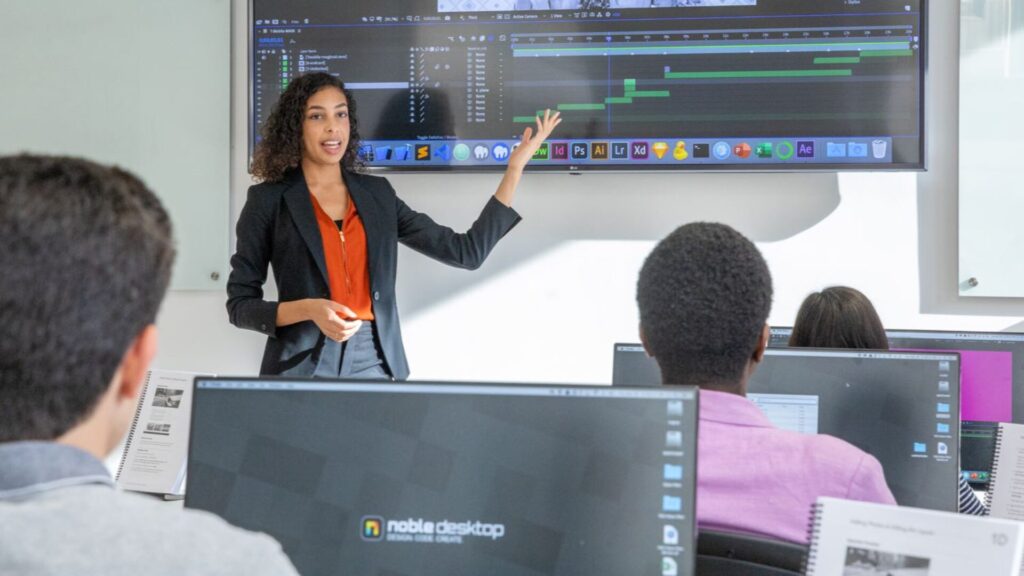
NextGen Bootcamp’s Java Programming Summer Program is a live, online course designed for high school students who want to learn one of the most widely used languages in university computer science programs. You’ll go from the basics of Java syntax through advanced topics like object-oriented programming and recursion, finishing by building a portfolio-ready project in Java.
The course covers the same topics tested in AP Computer Science A, so you’ll come out with both a project and a meaningful head start on that exam. The curriculum also connects Java to modern AI development, giving you context for why these skills matter beyond the classroom.
Why it stands out: The course content maps directly to AP Computer Science A, making it one of the few summer programs that doubles as genuine exam prep.
10. NextGen Bootcamp – Python for Data Science & AI Machine Learning
Location: Online
Cost/Stipend: From $1,699
Program Dates: June 29th – July 17th | July 20-30 | August 3-13 | Self-paced: start anytime
Application Deadline: Rolling enrollment
Eligibility: High school students; no prior coding experience required; open to international students
NextGen Bootcamp’s Python for Data Science & AI Machine Learning program teaches you how to use Python for real-world data work. The first half of the course covers Python fundamentals, variables, functions, loops, conditionals, and the second half shifts into data science using Pandas, Matplotlib, and Scikit-learn to analyze, clean, and visualize data.
You’ll also explore machine learning techniques like linear regression and K-nearest neighbors, which are the same tools used in actual AI development so the skills transfer well beyond the course itself. AI tools are woven throughout the curriculum too, showing you how Python connects to how intelligent systems are built and trained.
Why it stands out: You’ll work with the same data science tools like Pandas, Matplotlib, Scikit-learn, used in industry AI and machine learning work.
11. NextGen Bootcamp – FinTech Summer Program Live Online
Location: Online (live) or self-paced
Cost/Stipend: From $2,799
Program Dates: June 29th – July 30th | July 20th – August 14th | Self-paced: start anytime
Application Deadline: Rolling enrollment
Eligibility: High school students interested in finance, data, or coding; no prior experience required; open to international students
The NextGen Bootcamp FinTech Summer Program is a live online course that combines finance fundamentals with Python programming, a pairing that’s increasingly relevant given how much of modern finance runs on data and code. The first half of the program covers Microsoft Excel, investment principles, stock valuation, and financial statements, working through real case studies from companies like Google and Apple.
The second half shifts entirely into Python for data science and AI, you’ll work with Pandas, Matplotlib, and Scikit-learn to analyze datasets, build visualizations, and explore machine learning techniques like linear regression and K-nearest neighbors. Throughout, the curriculum connects Python skills directly to how AI systems in the real world are built and trained.
Why it stands out: It’s one of the few programs that teaches Python in a real financial context, so you’re not just learning to code, you’re learning to use code to analyze markets and data.
12. freeCodeCamp
Location: Online, self-paced
Cost/Stipend: Free
Program Dates: Self-paced; available year-round
Application Deadline: None; start anytime
Eligibility: Open to all ages; no prior coding experience required; open to international students
freeCodeCamp is a structured, project-based curriculum that takes you from beginner to full-stack developer at your own pace. The learning path is designed to be linear; you always know what to work on next, starting with Responsive Web Design, moving through JavaScript, front-end libraries, Python, relational databases, and APIs, and eventually completing a certified Full-Stack Developer curriculum.
Each certification is earned by completing a set of real projects, not by passing a quiz, so you finish every track with actual work to show for it. The community is one of the largest in online coding education, with millions of learners working through the same curriculum globally.
Why it stands out: Every certification requires you to build real projects from scratch, so your portfolio grows directly alongside your skills.
13. Brilliant’s CS & Programming Courses
Location: Online
Cost/Stipend: Subscription required; free trial available
Program Dates: Self-paced; available year-round
Application Deadline: None
Eligibility: Open to all; suitable for beginners through advanced learners; open to international students
Brilliant is an interactive online learning platform with a dedicated CS and programming track, built around problem-solving rather than passive video lectures. The curriculum starts before syntax; courses like Thinking in Code, Programming with Variables, and Algorithmic Thinking teach you the underlying logic of computer science before you write a single line of Python.
Every lesson is interactive, with custom, immediate feedback as you work through each problem, so you’re actively developing understanding rather than just reading theory.
Why it stands out: You’ll learn how to think like a programmer before you ever touch syntax, which builds a much stronger foundation than starting with memorizing code. The platform personalizes your experience by tracking what you’ve mastered and adapting practice sets accordingly, progressing you through Python fundamentals, data structures, algorithms, and eventually Introduction to Neural Networks.
14. Stanford AI4ALL
Location: Online
Cost/Stipend: Not disclosed
Program Dates: Online: June 15-26
Application Deadline: Check the website for the latest information
Eligibility: Current 9th-grade students only; open to international students
Stanford AI4ALL is a two-week online program hosted by Stanford’s Institute for Human-Centered Artificial Intelligence and Stanford Pre-Collegiate Studies, designed to give 9th-grade students a research-level introduction to AI. You’ll work in small groups on real research projects led by graduate students and post-docs in Computer Science and AI. Past projects have included building machine learning pipelines to identify poverty-stricken regions from satellite imagery, developing computer vision systems that recognize and sort objects, and creating NLP tools to analyze communications during disaster scenarios.
You’ll choose a research focus area from Computer Vision, Medical AI, Natural Language Processing, or Robotics, each grounded in real applications and mentored by practitioners from the Stanford AI Lab and industry. Guest lectures, live demos with AI companies, and career workshops round out the experience.
Why it stands out: You’re not learning about AI in theory; you’re working on a real research project with Stanford graduate students and faculty across two weeks.
15. CodeWizardsHQ – High School Coding Program
Location: Online
Cost/Stipend: $599 per course
Program Dates: Multiple start dates available year-round
Application Deadline: Rolling enrollment
Eligibility: Ages 14-18; no prior coding experience required for Level I; open to international students
CodeWizardsHQ is a coding program built around a structured multi-level curriculum that takes you from Python beginner to advanced developer. You’ll start with Intro to Python, learning programming fundamentals through hands-on projects, before moving into web development with HTML, CSS, and JavaScript, and eventually tackling databases, APIs, object-oriented programming, and MVC frameworks.
Each Wizard Level closes with a Capstone course where you build three full projects that bring together everything you’ve learned across that level, so you’re graduating each stage with real portfolio work.
Why it stands out: Program graduates can apply for a real nonprofit internship, one of the few online coding courses that pairs structured learning with actual professional experience before college.
From Coding Projects to Stronger University Preparation
A finished coding project says more than a completed lesson because it shows persistence, logic, creativity, and the ability to solve technical problems independently.
The online coding courses for high school students in this guide can help you practise Python, web development, AI, cybersecurity, data science, and software design.
Those experiences can make university preparation feel more concrete, especially when you build portfolios, complete capstones, and understand how computer science is studied academically.
Need sharper preparation before applications and university-level tech study? Use our University Preparation blogs for advice on subject choices, study skills, applications, and academic readiness.