
 Русский (RU)
 Українська (UK)
 Türkçe (TR)
 Italiano (IT)
 Français (FR)
 Português (PT)
 中文 (中国) (ZH)
 Español (ES)
 日本語 (JA)
 ไทย (TH)
 Deutsch (DE)
 Ελληνικά (EL)
 Polski (PL)
 Bahasa Indonesia (ID)
 Nederlands (NL)
 العربية (AR)
 한국어 (KO)
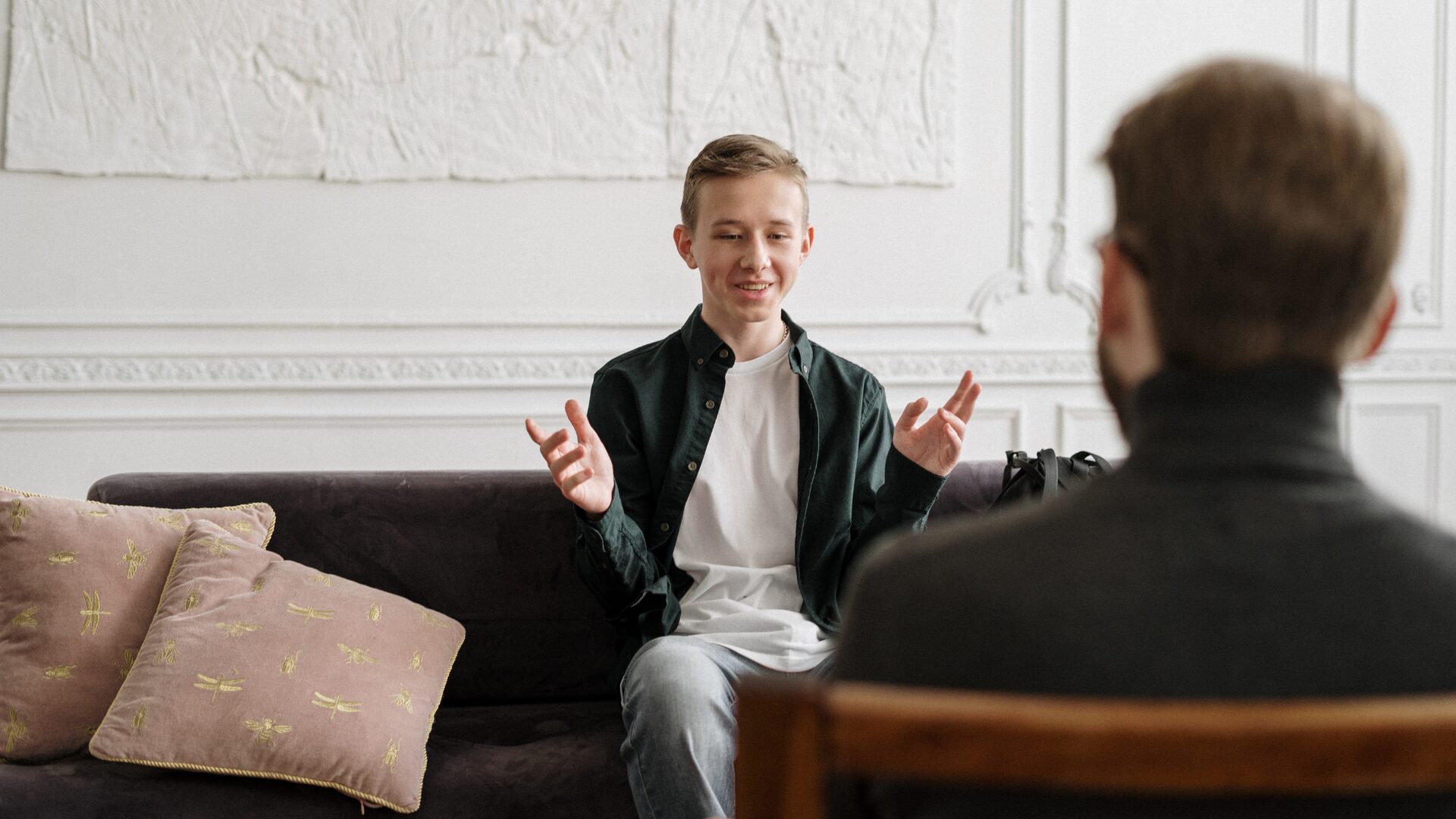
If you’ve been trying to go deeper into psychology beyond what’s covered in school, online programs can make that possible without needing to change your routine. You can stay where you are and still learn from university instructors, follow structured coursework, and start engaging with the subject more seriously. Online psychology programs for high school students give you access to that kind of learning while also introducing you to how the subject is taught at a higher level.
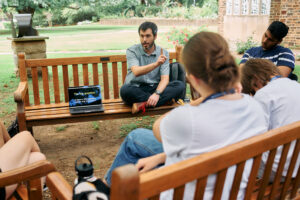
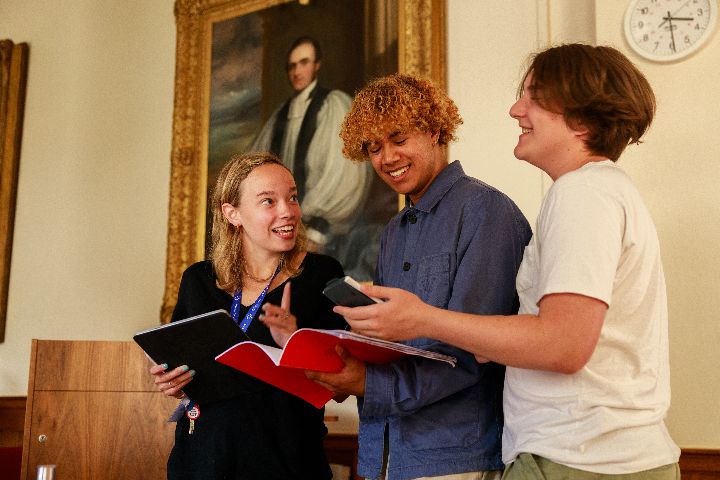
Picture yourself joining a live session where a concept is introduced, then explored through discussion and examples. You might read case studies, look at how experiments are designed, or try to understand ideas like cognitive biases and decision-making in real contexts. Some programs may also introduce basic data analysis or ask you to work through small research tasks. You listen, take notes, respond to questions, and gradually get more comfortable forming your own interpretations.
How do online psychology programs prepare you for college-level learning and careers?
Choosing the right program can take some thought. Some may rely mostly on recorded lectures with limited interaction, while others are more structured, with live classes, feedback, and opportunities to engage with both instructors and peers. Understanding how a program is delivered helps you find one that actually supports your learning.
Many online psychology programs are offered by universities and academic institutions. They usually combine lectures with discussions, written assignments, and sometimes project work. You may explore topics like mental health, cognition, or neuroscience while also learning how to approach research, structure arguments, and work through academic material.
Over time, you start adjusting to a different way of learning. You manage deadlines, keep up with coursework, and take more responsibility for how you engage with the subject. That shift, even in an online setting, can make the transition to college-level study feel more familiar.
With that, here are 15 online psychology programs for high school students that are worth applying to!
For in-person opportunities, you can consider psychology summer programs and psychology summer camps.
15 Online Psychology Programs for High School Students
1. Harvard Secondary School Program: Psychology and Neuroscience
Location: Some courses are available online
Cost: A non-refundable application fee of $75 plus $4,180 (4 credits) and $8,160 (8 credits); financial aid is available for U.S. citizens and permanent residents
Dates: June 20th – August 8th
Application Deadline: January 7th (Early application and priority financial aid deadline), February 11th (Regular application, financial aid, and international student deadline), April 1st (Late application deadline)
Eligibility: 10th to 12th graders around the world who are at least 16 years old but will not turn 19 before July 31st
As one of the most academically rigorous online psychology programs for high school students, this seven-week programme by Harvard Division of Continuing Education gives you the opportunity to understand the brain better, focusing on both the anatomical and psychological aspects of it. You can choose two courses related to psychology and neuroscience, helping you become familiar with the college curriculum that you can expect in the future.
You can choose from course options like Neurobiology, The Neuroscience of Learning, The Psychology of Eating, The Psychology of Close Relationships, Deductive Logic, and more. The program can be a space for you to learn how a person’s psychology influences their behavior. You will be choosing one 4-credit course that runs two days a week and an 8-credit course that runs five days a week.
Why it stands out: You take actual Harvard University courses for credit, not a watered-down high school track. The 4- and 8-credit structure mirrors a real college semester load.
2. Immerse Education’s Psychology Online Summer School

Location: Fully remote
Cost: Varies according to program; summer school scholarship available through our bursary programme
Dates: Available year-round
Application Deadline: Rolling admissions; multiple dates throughout the year
Eligibility: High school and secondary school participants aged 13-18 from anywhere in the world
In this online research program, you will immerse yourself in the growing field of psychology with professors from top institutions like the University of Cambridge to teach you. During your class hours, you will be introduced to some expert psychologists and their work in academics, thus inspiring you to choose a career in the field. You will also develop an understanding of concepts such as behavioral genetics, cognitive psychology, neuroscience, and more.
More importantly, you get to apply the different concepts you learned by completing an academic research paper covering a particular topic in psychology. This would also help you improve your academic writing and research skills. As a participant, you will benefit from one-on-one mentorship.
Why it stands out: The program has designed a curriculum that combines both subject study and research so that you can feel prepared for future academics and careers.
3. Clinical Neuroscience Immersion Experience (CNI-X) at Stanford University
Location: Virtual sessions via Zoom available
Cost: $1,725; scholarships available
Dates: June 8-19 (CNV-X Session 1) and June 22nd – July 3rd (CNV-X Session 2)
Application Deadline: December 15th – March 1st
Eligibility: High school students in the summers after 10th, 11th, or 12th grade from anywhere in the world
This is a 10-day rigorous program that introduces you to some of the fundamental and intriguing topics in neuroscience, psychiatry, and psychology. You will particularly become knowledgeable in principles of neuroscience, clinical neuropsychiatry, neuroscience research, psychiatric epidemiology, behavioral and social sciences, and more. In addition to participating in the seminars, the program will also engage you in a capstone project.
For this, you will collaborate with other participants from your session to come up with a solution for a particular issue in psychiatry, psychology, or neuroscience. Though this is a neuroscience program, Stanford encourages students interested in other subject areas like law, sociology, medicine, psychology, engineering, business, fine arts, and more to join.
Why it stands out: Direct exposure to ongoing work inside the Stanford Department of Psychiatry and Behavioral Sciences. The capstone pushes you into applied problem-solving in clinical contexts.
4. Brown Pre-College Online: Psychology and Health: Emotions, Behaviors, and Disease
Location: Online via Canvas, Brown’s learning management system; mostly asynchronous
Cost: A non-refundable fee of $80 plus $4,656; application fee waiver and scholarships available
Dates: July 6-24; optional live session times will be announced at the start of the course
Application Deadline: May 8th
Eligibility: Students worldwide completing grades 9 to 12, ages 14 to 18 by June 14th
Among online psychology programs for high school students, Brown’s Psychology and Health course stands out for connecting mental processes with physical wellbeing. You will study how psychology affects short-term and long-term illness, daily habits such as eating, sleeping, and exercising, and substance use. You will also learn how stress and physiological functioning are connected, and how managing stress can support both mental and physical health.
You will also study how important sleep is to the proper functioning of your brain. By the end of the course, you will have the answers to some of the pressing questions you may have, such as why you feel tired in the mornings, why some activities are addictive while some are hard to even start, and more that help you understand how the brain processes information.
Why it stands out: Even if you don’t end up majoring in psychology in the future, this course can be quite useful, as you will learn some tips that you can apply to improving your daily lifestyle.
5. Brown Pre-College Online: Psychopathology: Investigating the Biology and Psychology of Mental Illness
Location: Online via Canvas, Brown’s learning management system; mostly asynchronous
Cost: A non-refundable fee of $80 plus $3,364; application fee waiver and scholarships available
Dates: June 29th – July 10th or July 13-24
Application Deadline: May 8th
Eligibility: Students around the world completing grades 9 to 12, ages 14 to 18 by June 14th
If you are ever curious about the roles that biology, genetics, and the environment play in a person’s mood, the way they think, and their predisposition to a certain disease, then you will find this course intriguing. This course’s syllabus will combine both psychology and neurobiology, thus helping you gain a basic understanding of neuroscience from a biological angle and certain mental disorders from a clinical point of view.
Precisely, it helps you understand how psychology and biology are connected and how they both impact an individual’s mental health. You will spend the first week learning about the cellular, chemical, hormonal, anatomical, and physiological components of the brain. In the following week, the program will teach you how psychologists use counseling sessions to treat mental disorders.
Why it stands out: You move from brain systems and hormones to diagnosis and treatment methods within a two-week sequence.
6. Columbia University Pre-College Programs: True Crime: Introduction to Forensic Psychology
Location: Online session available
Cost: A non-refundable application fee of $80 plus $4,017; financial aid available
Dates: July 6-17
Application Deadline: May 18th; extended
Eligibility: Rising 9th through 12th graders from anywhere in the world
For students interested in law, criminal justice, and behaviour, Columbia’s True Crime course adds a forensic angle to online psychology programs for high school students. It explores the connection between criminal justice and science, helping you discover how psychologists try to decode criminal minds and what drives criminal behaviour. You will dive into the psychological principles, research techniques, legal aspects, and behaviourism used in criminal investigations.
The course will ensure that you develop a practical understanding of all these concepts by engaging you in discussions using case studies and news stories. Given the course’s curriculum, it can be fascinating to students interested in psychology, legal studies, social work, or criminal justice.
Why it stands out: You apply forensic psychology frameworks to real case studies within a course run by Columbia University.
7. Tri-State Psychotherapy Group Summer Program for Psychology and Social Work
Location: Virtual
Cost: $800
Dates: July 6-31
Application Deadline: Not publicly available; program is typically filled by April 7th
Eligibility: Open to all high school students
This four-week virtual program gives you an insight into the world of psychology and social work.You would spend 90 minutes every week attending live lectures conducted by licensed clinicians who cover topics focused on psychology, counseling, and mental health. You can expect to learn about cognitive behavioral therapy, developmental psychology, psychopharmacology, psychodynamic psychotherapy, and more.
The program will also engage you in hands-on activities and require you to do some independent study on your own time. Some of the other skills you will learn in the program include therapeutic skills by observing mock therapy sessions and clinical documentation skills.
Why it stands out: Once you finish the program, you will receive a personalized recommendation letter from the Tri-State Psychotherapy Group that can strengthen your college and career applications.
8. UCLA Summer Pre-college Focus Series: Critical Thinking
Location: Virtual
Cost: $3,201; total estimated fee; need- and merit-based scholarships available for students from California
Dates: July 13-31
Application Deadline: July 3rd
Eligibility: 9th-12th graders from anywhere in the world
Offered as part of UCLA’s Summer Session, this pre-college focus series allows you to dive into some advanced topics in today’s contemporary media while learning to strengthen your critical thinking skills. For this purpose, the program will cover the basics of both the theoretical and practical aspects of critical thinking. You will also learn how to use logical and probability theory to assess the proper use of AI.
Moreover, the syllabus will cover topics like the psychology of reasoning, deductive and inductive logic, the relationship between reasoning and logic, and more. You will earn college credits in Phil 9 (Principles of Critical Reasoning) for your participation in the course. Additionally, you will be invited to participate in a media literacy and journalism workshop hosted by the University of Queensland.
Why it stands out: The program will assign you short problem sets that you can use to practice what you have learned in the program, plus you will write a research article for the same purpose.
9. Cornell Online Summer: Introduction to Psychology
Location: Online
Cost: A non-refundable application fee of $75 plus $5,820; financial aid available
Dates: June 22nd – July 31st
Application Deadline: January 12th – May 5th
Eligibility: 11th and 12th graders from anywhere in the world, ages 15-19
As a subject, psychology gives you the answer to several questions, especially those about the human mind, how people think, and make decisions, etc. Psychology has relied on scientific research to discover the answers and continues to do so. This Cornell course is your chance to study how psychology has changed over time, touching on its history and some of the new discoveries in the field.
The course gives you practical knowledge of the tools and techniques used by industry experts to study the human mind, with the use of examples such as how industry experts study the transition of a child’s brain over time. Overall, this program is highly suitable for students who want to understand the science of psychology better.
Why it stands out: The course will introduce you to the research that is being done surrounding perception, memory, intelligence, morality, sexuality, mental illness, religion, language, and creativity by psychologists.
10. Northwestern University: Psychology: Inside Diagnosis and Treatment

Location: Online
Cost: $1,895; need-based scholarships available
Dates: Multiple 2-week and 4-week cohorts available
Application Deadline: Varies by the cohort
Eligibility: High school students from all nationalities who are at least 13 years old
In this pre-college online program, you will study how psychology has helped professionals understand that people’s behavior is connected to their mental health and how practitioners choose the right treatment plan for their patients. By teaching you this, the program aims to give you a basic foundation of clinical psychology.
The syllabus will cover the different theories and approaches you should know in the field of psychology. This will include studying different mental health diagnoses, such as obsessive-compulsive disorder (OCD), schizophrenia, etc., and how professionals test and treat patients with mental health issues. You will also dive into cognitive behavioral therapy.
Why it stands out: The program ensures that you gain an in-depth understanding of psychology by having experts from the field, including psychiatrists, clinical psychologists, family therapists, and more, teach you.
11. University of Cambridge Introduction to Cognitive Psychology and Neuropsychology
Location: Online via edX
Cost: Free to audit
Dates: Flexible schedule; 5 weeks
Application Deadline: Rolling admissions
Eligibility: Open to high school students from anywhere in the world
Offered by the University of Cambridge, this online course explores the study of human cognition. You will study psychology as an independent subject and as a discipline with a strong connection to the nervous system that has helped professionals understand how the brain, mind, and behavior are interlinked.
In turn, you will also learn how the three interact with the environment and influence how people think, act, and feel. The syllabus will dive into some of the primary cognitive functions, like memory, language, attention, and perception, and how they impact each other. You will also observe how scientists study and conduct research around these cognitive functions. By the end of the program, you will know the main methods professionals use to study the mind.
Why it stands out: The course introduces you to research methods, such as using neuroimaging techniques and studying patients with brain damage,e to study human psychology.
12. Remote Internships at American Psychological Association
Location: Remote
Cost: Participants either earn credits or a stipend
Dates: Year-round opportunities; Spring, Summer, Fall, Winter
Application Deadline: Openings available all year round
Eligibility: Open to high school students who are from a state where the APA is a registered employer and are eligible for remote work as defined in APA’s Flexible Work policy; students from select states are ineligible to apply; see the list here
Through the American Psychological Association’s internship program, you have the opportunity to take on roles across research, communications, operations, publication, and more within the organization. In other words, by becoming a remote intern for APA, you form a strong foundation in the field of psychology while studying how psychology influences other fields. It is a program that combines hands-on work with structured educational activities.
Most of the tasks given to you in the program will help you gain practical knowledge of how you can use psychological principles to help benefit individuals and society. Despite being a remote internship program, APA ensures that you can form strong connections with several psychology professionals.
Why it stands out: Working remotely for the American Psychological Association, you will explore the different traditional and non-traditional career paths in the world of psychology.
13. The University of Texas Southwestern Medical Center: Inspiring Careers in Mental Health
Location: Virtual
Cost: Free
Dates: 2 weeks in June
Application Deadline: Late September to Early February
Eligibility: 9th to 12th graders around the world and rising college first-years
In this free online program, you will dive into the rapidly evolving field of mental health. Simultaneously, the program will expose you to the different professions you can choose if you are interested in studying mental health. These include psychotherapy, neuropsychological testing, neuroscience, interventional psychiatry, and community psychiatry.
You gain a better understanding of what individuals in these roles do in their jobs regularly. During the program, you will also get to network with people who work in the mental health field, such as licensed clinical social workers, neuropsychologists, physician assistants, and psychiatrists.
Why it stands out: The program assigns prerequisite reading, ensuring that you can enter the sessions with some basic knowledge so that the discussions are captivating and engaging from the first day.
14. Summer at UChicago: Foundations of Psychological Research
Location: Online
Cost: An application fee of $75 plus $4,980; need-based financial aid available
Dates: July 7th – July 23rd
Application Deadline: February 11th; Priority Deadline, and March 12th; Regular Deadline
Eligibility: 9th to 11th graders from anywhere in the world
Summer at UChicago’s Foundations of Psychological Research is a strong research-focused choice within the various online psychology programs for high school students, especially if you are considering future study in psychology, neuroscience, or the social sciences. The course introduces primary theories and techniques used in psychology, helping you understand the science behind thoughts, emotions, and behaviour.
The course will make use of academic papers published by psychology scholars to teach you about the different research designs and how you can come up with your research plan. All of what you learned will culminate in a final project where you pick a question you are curious about and use a psychological study to answer it.
Why it stands out: This course provides you with the opportunity to engage in discussions with experimental psychologists, thereby creating opportunities for you in the field of psychological research.
15. UCLA Neuroscience High School Virtual Summer Program
Location: Virtual
Cost: Free
Dates: June 15th – July 23rd
Application Deadline: February 9th
Eligibility: Rising 11th and 12th graders from around the world
This program is aimed at students who show a strong interest in psychology, science, or medicine. It lets you explore some of the interesting aspects of the brain and nervous system. During the six weeks of the program, you will attend live seminars where you will learn different topics in neuroscience, with a special focus on Alzheimer’s disease and related dementias.
With three three-week sessions scheduled each week, your classes will consist of group activities, discussions with medical professionals and researchers in the field, and more, in addition to the seminars. Some of the collaborative activities you can expect to do in the program include critically analyzing neuroscience academic papers and participating in virtual lab activities that teach you different research tools and methods.
Why it stands out: UCLA hosts Neurology Grand Rounds as part of the program, thus allowing you to learn neurology topics that you need to know to succeed in today’s field, directly from clinicians and researchers.
Turn Online Psychology Study Into University Confidence
A strong online psychology programme should train you to read studies, question evidence, and explain behaviour clearly beyond recorded lectures.
These 15 online psychology programs for high school students include Harvard credit courses, Stanford clinical neuroscience, Brown health psychology, Columbia forensic psychology, and Cambridge cognitive psychology.
Together, they help you compare clinical, research, forensic, neuroscience, and mental health pathways before shaping your application story.
Ready to strengthen that story? Explore our University Preparation blogs for personal statement ideas, interview strategies, academic writing tips, and supercurricular inspiration.