15 Online Research Opportunities for High School Students

Research can sometimes feel like the kind of activity that’s reserved for labs, libraries, and long academic papers: a distant, university-type endeavor. Even as a high school student, you might be deeply curious about a subject and eager to go beyond the material in the classroom. Here’s where online research opportunities for high school students might help you explore research in a meaningful way.
Picture a scenario where you can combine flexibility with academic depth. You can explore a really advanced topic, develop your own project, and work closely with mentors in the process. Imagine weekly meetings with a university researcher, guiding your scholarly inquiry. Now, picture doing all those things from wherever you are: that’s the promise of online research opportunities.
Now, you might be time-bound with school, extracurriculars, and other commitments. But that’s where the flexibility of online research can offer a genuinely rare advantage: gone are the travel and relocation costs, and you can spend your time growing academically at your own pace. You can see what academic life really looks like, all while remaining grounded in your current routine.
How do you choose the right online research opportunity?
There are a variety of programs out there, but not all of them offer meaningful mentorship or genuinely rigorous academic experiences. Some can even feel like mere enrichment classes, offering just a little more than an introduction to the process. This is why it is crucial to identify the good programs: the ones that provide real structure and the opportunity to produce a piece of scholarship that you can actually be proud of.
You can find online research programs catering to a variety of fields. STEM, humanities, engineering, and computer science are just some examples of them. Such programs can pair you up with professors, graduate students, or experienced mentors.
You’ll learn to ask strong research questions, analyze information, build sound arguments, and create original pieces of scholarship. Along the way, you’ll also nurse your intellectual independence and experience confidence boosts.
To get you off to a good start, we’ve curated a list of 15 online research opportunities for high school students. They’ve been selected for their academic rigor, quality mentorship, and ability to provide meaningful learning experiences.
1. UCI School of Medicine Summer Online Research Program
Location: Online
Cost/Stipend: $2,290
Dates: Two three-week sessions: June 23rd – July 11th and July 14th – August 1st
Application Deadline: Rolling admissions
Eligibility: High school students ages 15 to 18 with a minimum GPA of 3.3 interested in healthcare research
The Summer Online Research Program at UCI School of Medicine offers one of the more structured online research opportunities for high school students interested in medical research methods and evidence-based medicine. You’ll learn to critically evaluate medical literature, understand ethical research conduct involving human subjects, and write organized research reports.
You’ll engage via emails, Zoom meetings, and podcasts. You’ll submit research abstracts to national meetings where you may receive co-authorship if accepted. Undergraduate and postgraduate coaches guide you throughout the program. Scholarships are awarded based on financial need and academic merit, prioritizing students from underserved Southern California communities.
Why it stands out: Its structured mentorship model mirrors a university research apprenticeship, rare at the high school level.
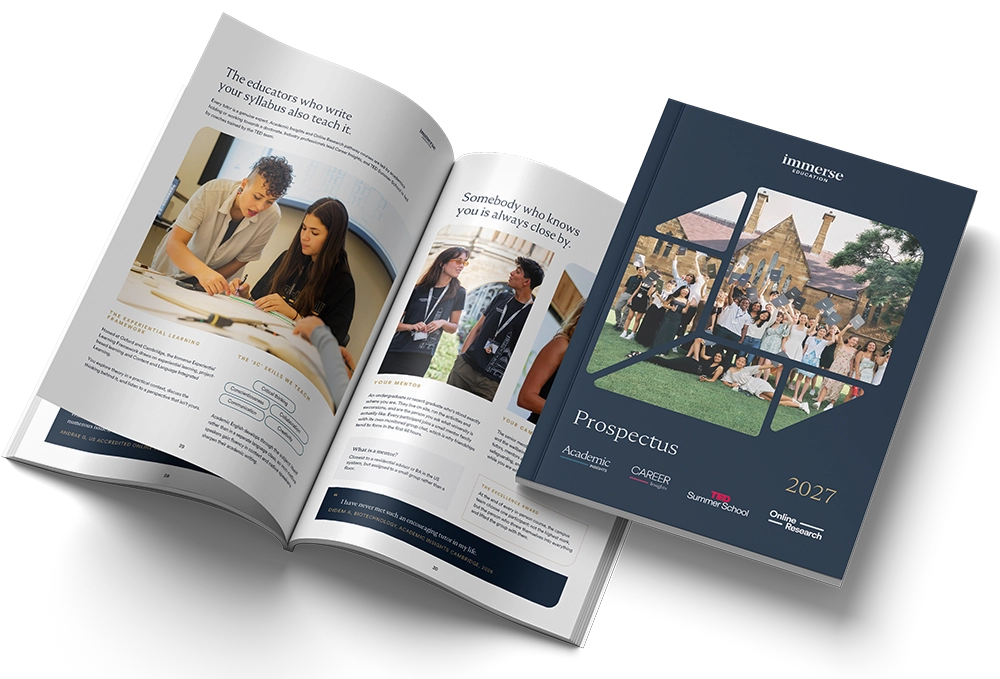
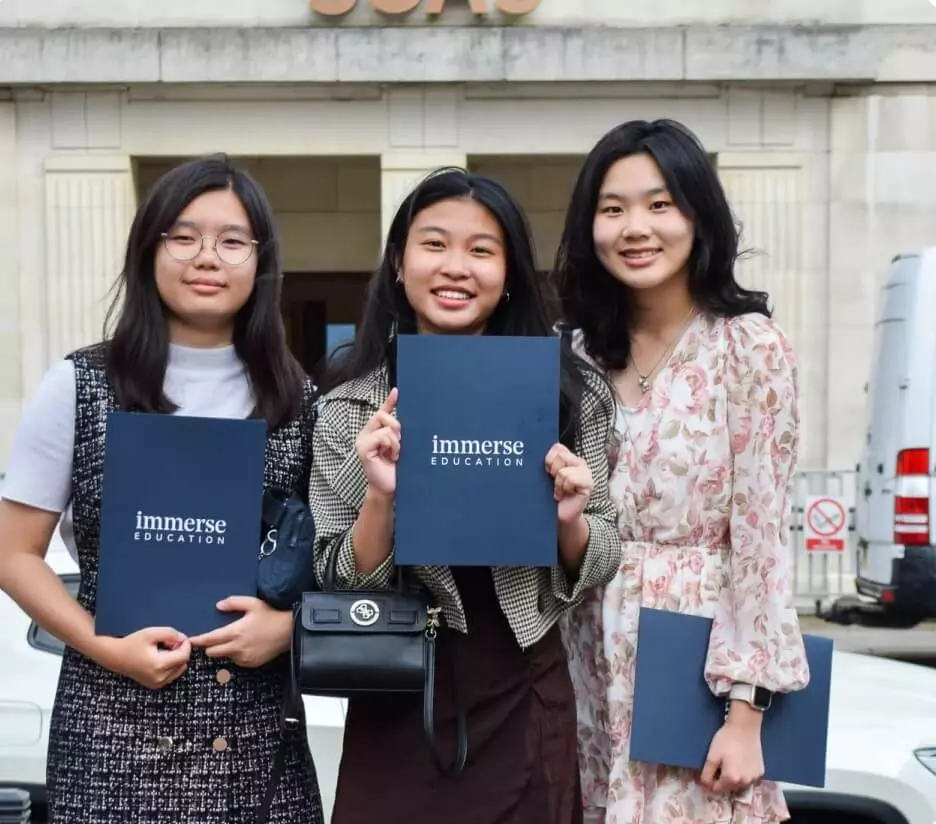
2. Immerse Education’s Online Research Pathway

Location: Fully remote
Cost/Stipend: Varies by program type
Dates: Flexible; multiple cohorts per year
Application Deadline: Rolling admissions, with multiple dates throughout the year
Eligibility: Students worldwide aged 13–18 (accredited options require age 14+)
This programme enables students to conduct university-level research across over 20 subjects, making it one of the most academically rigorous online research opportunities for high school students. Participants work intensively with tutors from Oxford, Cambridge, and Ivy League universities in a one-on-one setting. The program’s structure includes comprehensive academic guidance, research methodology instruction, and academic writing coaching.
You’ll produce an extended research paper, which they may have the opportunity to publish or present at an online symposium, emulating professional academic processes. Optional accredited tracks allow you to receive college credit recognized by U.S. and U.K. institutions. The program emphasizes the development of independent research skills and fosters a deep understanding of chosen topics, preparing participants for future academic challenges.
Why it stands out: You’ll get access to 1:1 Oxbridge- or Ivy-style research supervision culminating in a publishable academic paper and optional 8 UCAS points or 3 college credits.
3. Lumiere Research Scholar Program
Location: Fully remote
Cost/Stipend: Approximately $2,500–$5,200, depending on program track
Dates: Fall, winter, spring, and summer cohorts
Application Deadline: Rolling, with closing dates about one month before each start
Eligibility: Students aged 14-18 worldwide
Lumiere guides you through an extensive research cycle mentored by PhD candidates and postdoctoral scholars. You’ll learn to formulate precise research questions, conduct systematic literature reviews, engage with relevant methodologies, and analyze data when applicable. The program includes workshops on academic writing, citation standards, and ethical research practices.
By the program’s end, you’ll deliver a substantive research paper designed to meet peer-reviewed publication criteria. The iterative feedback process sharpens your analytical skills and academic communication, helping you gain confidence and readiness for university research. The program’s emphasis on scholarly rigor and mentorship supports you in producing work of publishable quality.
Why it stands out: You’ll be able to produce graduate-style research papers with individualized guidance from PhD-level mentors.
4. Stanford University Mathematics Camp (SUMaC)
Location: Stanford, California – residential and online options
Cost/Stipend: $3,750
Dates: 3 weeks across June – July
Application Deadline: Rolling, with closing dates about one month before each start
Eligibility: Rising high school juniors and seniors globally with strong mathematical ability
SUMaC offers an intensive and advanced exploration of mathematics beyond the typical high school curriculum through lectures, guided research, and group problem-solving. Program I covers topics like abstract algebra, number theory, error-correcting codes, and cryptography. Program II involves more advanced topics such as algebraic topology.
You’ll engage in daily classes, problem sets, and research projects under the guidance of Stanford instructors and teaching assistants. The program emphasizes college-level rigor and promotes collaboration among mathematically talented peers. The online program maintains academic depth with a faster pace and virtual community-building.
Why it stands out: You’ll be immersed in deep, proof-based mathematics rarely taught before college.
5. Stanford AIMI Summer Research Internship
Location: Virtual — online program
Cost/Stipend: $850
Dates: June 16-27
Application Deadline: February 28th
Eligibility: U.S. high school students entering grades 9-12
This intensive summer program provides high school students with hands-on experience working on real AI projects focused on medical imaging and healthcare applications. You’ll join project-based groups mentored by Stanford faculty and graduate students, attend expert-led lectures on AI fundamentals, ethics, and machine learning, and gain exposure to cutting-edge medical AI research.
Workshops also cover career development and research presentation skills. The program emphasizes practical skills in Python, TensorFlow, and data analysis within the healthcare context. It offers opportunities to engage with Stanford researchers and connect with peers passionate about AI in medicine.
Why it stands out: You’ll work directly with researchers shaping the future of medical imaging and machine learning.
6. MIT PRIMES-USA
Location: United States — remote program for high school students outside Greater Boston
Cost/Stipend: Free
Dates: Year-long research program running throughout the calendar year with four phases: advanced reading, active research, independent summer study, and final write-up
Application Deadline: December 1st
Eligibility: High school juniors and sophomores from the U.S. (or equivalent home-schooled students) with exceptional mathematical ability and motivation for research
PRIMES-USA offers students the opportunity to engage in original mathematical research under mentorship from MIT and affiliated faculty, representing one of the most prestigious online research opportunities for high school students in mathematics. The program includes an advanced reading period to prepare for research, an active research phase with regular meetings, a flexible summer for independent work, and a writing phase.
At the end, you’ll present at a conference and submit your final paper. The program encourages applications from female students, underrepresented minorities, and economically disadvantaged backgrounds. You must have computer access and will be held to high standards of academic integrity.
Why it stands out: Its publication record, mentor quality, and rigor make it one of the most prestigious math research pathways available.
7. MIT THINK Scholars Program
Location: United States — virtual mentorship and resources
Cost/Stipend: Free
Dates: Annual cycle with weekly mentorship throughout the spring semester; finalists invited for a 4-day in-person visit to the MIT campus
Application Deadline: January 1st
Eligibility: U.S. full-time high school students, especially from under-resourced backgrounds
The MIT THINK Scholars Program supports high school students who have already begun independent inquiry, making it a distinctive option among online research opportunities for high school students focused on student-designed STEM projects. You can receive up to $1,000 in funding and weekly technical mentorship from MIT undergraduates to help develop your projects further.
The program culminates with optional participation in an all-expenses-paid visit to MIT, where you present your research, tour labs, and engage with MIT faculty and peers. This initiative fosters innovation, networking, and knowledge, aiming to make STEM research accessible to passionate students who may lack resources.
Why it stands out: You’ll be getting funding for STEM projects designed by you, rather than being assigned predefined research topics.
8. Veritas AI
Location: Fully remote
Cost/Stipend: Varies by program
Dates: Flexible scheduling per cohort
Application Deadline: Rolling admissions with multiple cohort start dates
Eligibility: Students across the world aged 14–18 interested in AI and computer science
Founded by Harvard graduate students, Veritas AI provides specialized online programs for high school students eager to explore artificial intelligence and machine learning. The AI Scholars program covers core concepts across 10 sessions, blending foundational theory with practical, project-based learning.
If you’re ready for a deeper challenge, the AI Fellowship offers one-on-one mentorship with researchers from leading universities and guides you through completing an independent research project. You will also receive support in preparing and submitting your work to high school research journals. Together, these programs deliver rigorous academic and writing experience while helping you explore potential research pathways and future careers in AI and computer science.
Why it stands out: You’ll build portfolios in machine learning, deep learning, or real-world AI applications rarely accessible to teens.
9. Stanford AIMI Academic Year Research Internship
Location: Virtual — online program
Cost/Stipend: $4,800
Dates: September 29th – June 5th
Application Deadline: September 10th
Eligibility: High school students across the U.S. with interest and aptitude in AI and medicine
This internship provides high school students with hands-on experience working on meaningful AI projects applied to healthcare, guided by Stanford mentors and researchers. The program includes weekly mentorship meetings, lectures on AI fundamentals, ethical considerations in medical AI, and opportunities to engage with experts in health AI through special talks.
You’ll learn to work with real clinical data, develop machine learning tools, and understand the impact of AI on disease detection and diagnosis. It culminates in a student showcase during Stanford Health AI Week, where you’ll present your research. The program nurtures technical skills, scientific inquiry, and ethical understanding in AI for medicine.
Why it stands out: Its long-term structure allows students to contribute meaningfully to ongoing, publishable research.
10. Harvard-Smithsonian Science Research Mentoring Program (SRMP)
Location: Cambridge, Massachusetts (in-person and virtual mentorship)
Cost/Stipend: Free; students receive stipends
Dates: Year-long program from September to May with weekly meetings and monthly advisory sessions
Application Deadline: To be announced
Eligibility: Students enrolled at Cambridge Rindge & Latin School, committed for the full academic year
The SRMP offers high school students an immersive experience conducting independent astrophysics research, standing out among the various online research opportunities for high school students seeking exposure to real scientific data and professional research environments. You’ll work in small teams on cutting-edge projects, gaining hands-on exposure to scientific research processes while collaborating closely with mentors from diverse backgrounds.
The program culminates in presentations at a symposium hosted by Harvard University. SRMP emphasizes scientific inquiry, critical thinking, communication skills, and mentorship. You’ll get to engage with professional scientists and real-world astrophysics research early in students’ academic journeys.
Why it stands out: You’ll work with real astronomical data and produce research posters presented to the scientific community.
11. American Psychological Association (APA) Internships
Location: Remote
Cost/Stipend: Unpaid internships with academic credit options
Dates: Year-round internship opportunities across spring, summer, fall, and winter sessions
Application Deadline: Varies by internship
Eligibility: Students enrolled at least part-time in an academic institution; U.S. work eligibility required, with some state restrictions
The APA internship program offers remote and paid positions in varied departments, including policy, research, communications, operations, publishing, and education. You’ll work under direct supervision, gaining practical skills relevant to psychology professions. You’ll engage in workshops on graduate school applications, networking, resume writing, and federal advocacy.
You must submit a combined cover letter, resume, and writing sample, and you may need to provide additional documents such as work permits for minors. Only selected candidates are contacted for interviews, and the program adheres to equal employment opportunity standards. The program emphasizes applying psychological theory to practice and developing a professional network.
Why it stands out: You’ll gain hands-on exposure to psychological science within the world’s leading psychology organization.
12. Stanford Program for Inspiring the Next Generation of Women in Physics (SPINWIP)
Location: Virtual — online video meetings
Cost/Stipend: Free
Dates: July 7-25
Application Deadline: To be announced
Eligibility: High school students around the world in grades 9-11
SPINWIP is an outreach program by the Stanford Physics Department aimed at engaging high school girls and gender minority students with physics. You’ll be exposed to cutting-edge research in quantum physics, quantum computing, astrophysics, and cosmology. You’ll learn to code in Python and apply it to physics projects.
The curriculum involves lectures by Stanford professors, collaborative small group projects led by Stanford undergraduates, and workshops on college planning and career development. The program fosters mentorship relationships with Stanford community members, emphasizing inclusion and diversity without requiring prior physics or coding experience.
Why it stands out: It prioritizes young women and gender-expansive students, giving them direct access to Stanford physicists and hands-on physics experiences in a highly supportive environment.
13. MITES Semester
Location: Primarily remote with an on-campus conference
Cost/Stipend: Free
Dates: Late June – Early August (6 weeks)
Application Deadline: February 1st
Eligibility: U.S. high school juniors from underrepresented STEM groups
MITES Semester fosters STEM research skills and college readiness through mentorship, project-based learning, and career seminars. You will engage in online courses and research projects under the guidance of MIT faculty and alumni. You will take an intensive project-based course and a core course in Calculus, Physics, Computer Science, or Science Writing & Communication.
The program culminates in a multi-day residential conference at MIT, where you’ll present research and participate in networking events. You will also receive college application guidance, including mock interviews and essay reviews. MITES Semester emphasizes support for students historically underrepresented in STEM, providing resources and community to support academic success.
Why it stands out: You’ll be joining a strong alumni community (90% in selective universities), which can help you make more informed academic choices and shape your academic future.
14. EnergyMag Virtual Internships
Location: Remote
Cost/Stipend: Free (unpaid internships)
Dates: Half-time internships run for 2–8 weeks (summer); quarter-time internships run for 1–9 months (year-round)
Application Deadline: Rolling applications throughout the year
Eligibility: High school (sophomores, juniors, seniors) and college students meeting academic and application requirements
EnergyMag offers virtual internships focused on renewable energy storage, combining scientific and business research. You’ll conduct topic-specific research, engage with industry experts, analyze data, and produce publishable reports under mentor guidance. The internships aim to develop professional skills such as research, communication, information synthesis, and professional networking.
You must apply with a statement of interest, participate in interviews, provide writing samples and academic performance details, and meet GPA thresholds. At the end, you’ll receive a Letter of Accomplishment summarizing their contributions.
Why it stands out: You’ll get access to opportunities normally hidden from high schoolers, spanning renewable energy, engineering, and tech.
15. Medical Research: Evaluating Claims and Facts | Northwestern Pre-College Online Program
Location: Online
Cost/Stipend: $1,895
Dates: Flexible 2-week or 4-week sessions starting at various times
Application Deadline: Varies by course
Eligibility: Students around the world aged 13 and up
This course teaches you how to critically evaluate medical research claims presented in traditional and social media. It covers medical research methods, ethical standards in human research, and strategies to assess the reliability of published studies. You’ll learn how to identify misinformation and develop skills to analyze medical journal articles using a strategic approach.
The program includes insights from MDs and PhDs, focusing on evolving medical knowledge, reproducibility, and the impact of media on public understanding. It culminates in a capstone project where you’ll investigate a medical claim, compare it with original research, and rewrite the claim with an evidence-based perspective.
Why it stands out: Its integration with the Feinberg School of Medicine exposes you to modern clinical and lab research environments.



How Online Research Builds Academic Confidence
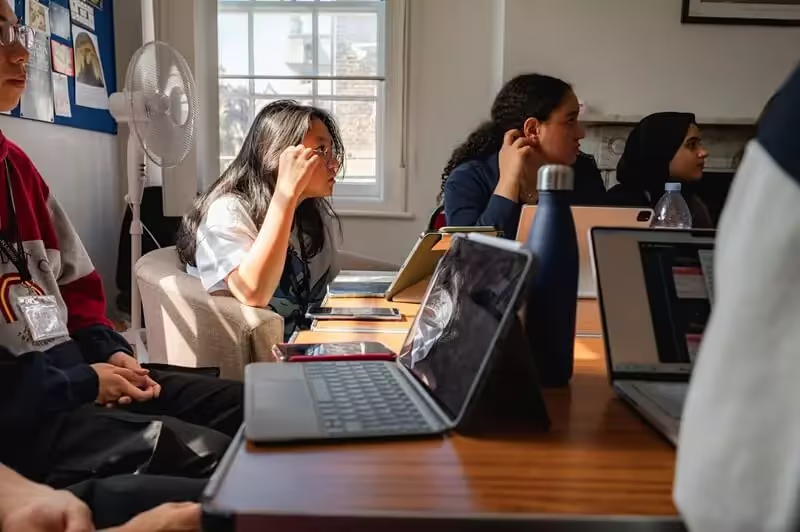
Online research programmes give you the space to explore advanced ideas while developing independence in how you think, question, and analyse information.
Through close mentorship and structured inquiry, you learn how academic work is shaped, challenged, and refined. That process builds confidence in your ability to engage at a higher level.
For many learners, Online Research Opportunities for High School Students provide an early window into university-style thinking and sustained academic commitment.
If you’re beginning to consider what comes next, our University Preparation blogs offer thoughtful guidance on building academic readiness and approaching higher education with clarity.
Join the Immerse Education 2027 Essay Competition
Follow the instructions to write and submit your best essay for a chance to be awarded a 100% scholarship.





Unlock Inspiring Opportunities with the Immerse Education Newsletter
Join our newsletter to stay ahead with exclusive updates, exciting programme highlights, and expert insights from the world of immersive education.
Learn how Immerse can transform your life
An in-depth overview of our university and career preparation programmes
Get a glimpse into the life of an Immerse participant
Find the right programme for you with sample timetables, location showcases, and more