
 Русский (RU)
 Українська (UK)
 Türkçe (TR)
 Italiano (IT)
 Français (FR)
 Português (PT)
 中文 (中国) (ZH)
 Español (ES)
 日本語 (JA)
 ไทย (TH)
 Deutsch (DE)
 Ελληνικά (EL)
 Polski (PL)
 Bahasa Indonesia (ID)
 Nederlands (NL)
 العربية (AR)
 한국어 (KO)

You may already be familiar with core areas of psychology from school, such as memory, behaviour, and cognition. What often remains less visible is how these ideas are tested, challenged, and applied in real-world settings. Psychology extends beyond theory into research, data analysis, and critical evaluation, areas that shape how we understand human behaviour in practice. Psychology summer schools for high school students offer a structured way to explore this side of the subject in depth.
Many of these programs take place on university campuses, giving you direct exposure to academic life in an in-person setting. You experience structured teaching, collaborative learning, and independent study in an environment similar to that of undergraduate students. Alongside subject knowledge, you develop skills such as critical thinking, analytical reasoning, and academic communication.
How do you choose the right psychology summer school for high school students?
Not every program offers the same experience. Some are broad and introductory, while others expect you to engage more closely with academic material. Some programs focus on discussion and analysis, and others are built around structured coursework or research exposure. Choosing the right program depends on what you are trying to gain. If you are looking to move beyond basic concepts, then the structure of the program becomes important.
Many universities and institutions offer psychology summer schools for high school students, but they vary in how they approach the subject. Some combine lectures with case studies and group discussions. Others focus more on independent work or research-based learning. You may explore areas such as cognitive psychology, behavioural science, mental health, or neuroscience, but the way these topics are taught can differ.
These programs can act as a foundation for your college journey, offering a clear sense of what studying psychology at a top university is like in person. To help you get started, we’ve curated a list of 15 psychology summer schools for high school students.
For more options, you can check out psychology summer camps.
15 Psychology Summer Schools for High School Students
1. Stanford Institutes of Medicine Summer Research Program (SIMR)
Location: Stanford University, Stanford, CA
Cost: No program cost for accepted students; $50 application fee with fee waivers available for students with family income under $80,000 or special circumstances; limited needs-based stipends may be available
Acceptance rate/cohort size: Highly selective; the program typically enrolls around 50 students
Dates: June 8th – July 30th
Application Deadline: Applications open in December; deadline is February 21st
Eligibility: High school juniors or seniors who are at least 16 years old by the start of the program; international students are eligible if they are attending a U.S. high school
SIMR is an 8-week summer internship where you work on hands-on biomedical research under the direct guidance of a one-to-one mentor in a Stanford lab. You can apply to one of eight research areas, including neuroscience, which makes the program especially relevant if you are interested in psychology through brain science, cognition, or behavior. The program combines mentor-guided lab work with lectures, workshops, and research training that introduce you to how scientific investigation is conducted in a university setting.
You work with real research teams rather than in a simulated classroom setting, which gives you direct exposure to the pace and expectations of Stanford-level research. The experience concludes with a research poster presentation, so you also build experience explaining your methods and findings in a formal academic format.
Why it stands out: It places you in a real Stanford research lab with one-to-one mentorship, helping you understand how neuroscience and biomedical research are actually conducted at a top university.
2. Immerse Education’s Psychology Summer School
Location: Sydney, Singapore, Cambridge, Oxford, Toronto, London, and Online
Cost: Varies by format; summer school scholarship available through our bursary programme
Acceptance rate/cohort size: Selective; an average of 7 participants per class
Dates: Multiple 2-week sessions between July and August
Application Deadline: Rolling admissions until cohorts are filled
Eligibility: Students aged 13-18, open to international students
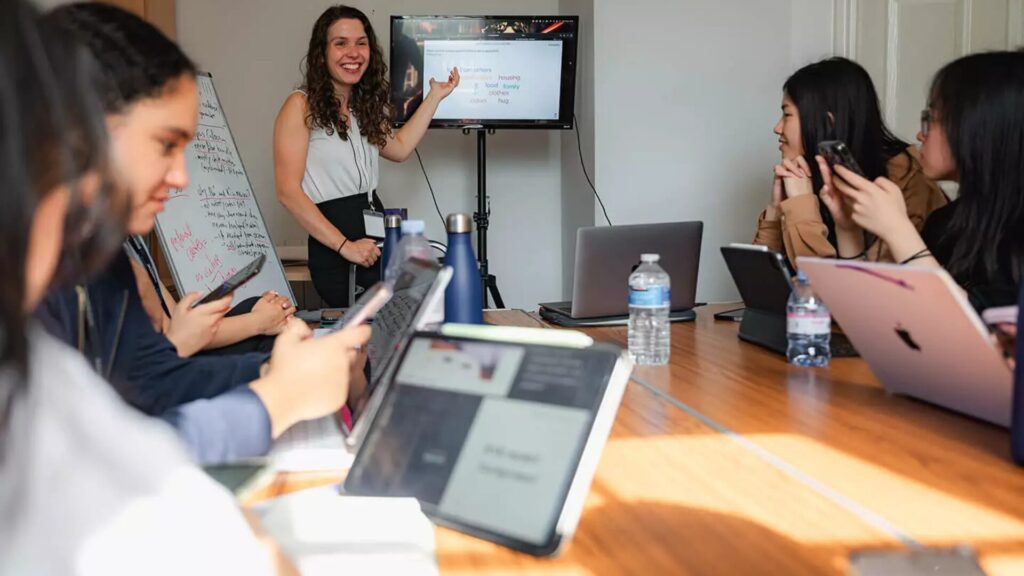
Among the more academically focused psychology summer schools for high school students, the Academic Insights Programme allows you to study psychology through small-group tutorials, seminars, and applied learning activities in a university setting. You explore topics such as cognitive psychology, mental health, and behavioural science through case studies, guided discussions, and structured academic tasks. You participate in discussion-based classes and complete a Personal Project with detailed academic feedback, closely reflecting how work is evaluated at top universities.
Alongside academics, you live on campus, take part in excursions, and interact with an international cohort, giving you a broader view of student life. The tutorial-style teaching and small cohort size mirror a learning style where ideas are developed through discussion rather than lectures alone. The program concludes with a certificate of completion, which can be included in academic portfolios and college applications.
Why it stands out: You’ll get an early start at university life and academics because the program includes an independent project, discussion-based classes, and living at a college campus.
3. Research Science Institute (RSI) – Massachusetts Institute of Technology (MIT)
Location: Massachusetts Institute of Technology (MIT), Cambridge, MA
Cost: Fully funded (tuition, housing, meals covered
Acceptance rate/cohort size: Extremely selective; 80-100 students selected from thousands of applicants ( <5%)
Dates: Late June – early August (6 weeks)
Application Deadline: December (typically early December)
Eligibility: High school juniors; open to international students through a separate application process
RSI is a 6-week research program where you move from classroom learning into independent scientific research under the guidance of MIT faculty, researchers, and affiliated institutions. The program begins with a week of intensive STEM lectures, after which you are placed in a lab or research group to work on a specific project, which can include cognitive science, neuroscience, or computational approaches to human behavior, depending on mentor availability.
You conduct literature reviews, analyze data, and work closely with your mentor to develop a research question and methodology. You complete a full-length research paper and present your findings in a conference-style symposium, mirroring the expectations of undergraduate and early graduate research. The program also includes writing workshops, seminars, and peer discussions that strengthen your ability to communicate complex ideas clearly.
Why it stands out: It gives you a complete, end-to-end research experience at MIT, closely replicating how academic research is conducted at the university level.
4. Harvard Secondary School Program (SSP) – Psychology & Neuroscience
Location: Harvard University, Cambridge, MA (residential, commuter, and online options available)
Cost: Approximately $4,000-$15,735+ depending on format and credits; $75 application fee; limited financial aid available
Acceptance rate/cohort size: Moderately selective; large program with multiple course sections (class sizes vary)
Dates: 4-week and 7-week sessions typically running June – August
Application Deadline: Early January (priority financial aid); final deadlines extend into spring (rolling until full)
Eligibility: High school students aged 16+ who will graduate in the next 2-3 years; open to international students
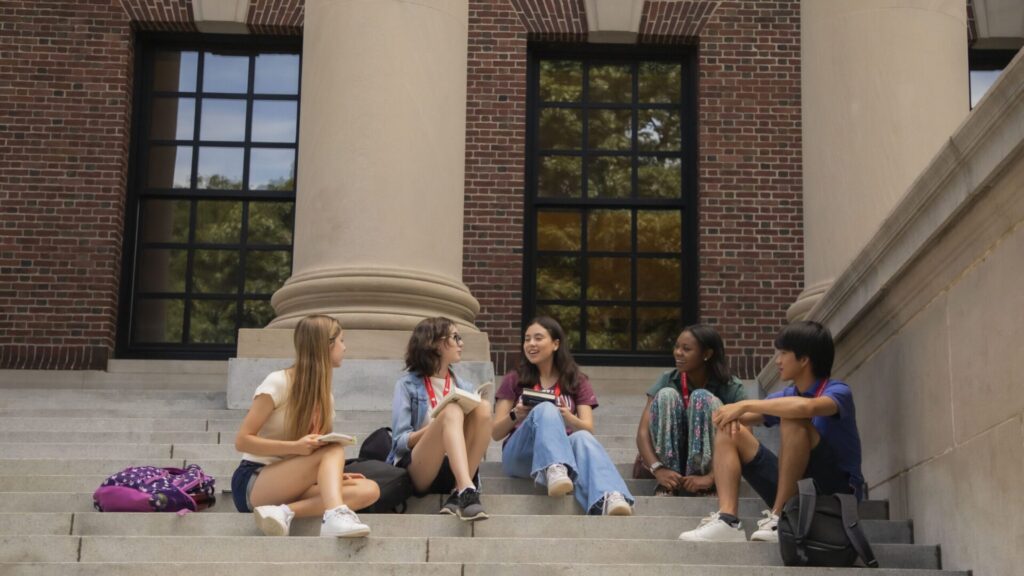
As one of the most prestigious psychology summer schools for high school students, Harvard’s Secondary School Program allows you to enrol in college-level courses in psychology and neuroscience alongside other high school students in a university setting. You can choose from subjects such as cognitive psychology, neurobiology, and the study of behaviour, depending on course availability each summer. The coursework follows Harvard’s academic standards, requiring you to complete readings, assignments, and exams similar to undergraduate expectations.
You experience the pace and structure of real college classes, which helps you understand how psychology is taught at a rigorous academic level. Upon completion, you may request a transcript listing your coursework, grades, and number of credits earned.
Why it stands out: It lets you take Harvard-level psychology and neuroscience courses for credit while experiencing the academic expectations and structure of an Ivy League university.
5. Pre-University Psychology – King’s College London
Location: London, UK (King’s College London campus)
Cost: £3,195 tuition; £3,965 residential; £65 application fee
Acceptance rate/cohort size: Not publicly specified
Dates: July 6th – July 10th
Application Deadline: April 10th
Eligibility: Students aged 16-17 in the final years of high school; CEFR B2 English proficiency required; open to international students with proof of proficiency
King’s College London’s Pre-University Psychology course gives you a short, intensive introduction to psychology at the undergraduate level through lectures, seminars, and applied activities. You explore core theories, research methods, and approaches to understanding psychological disorders, following a structure modeled on King’s BSc Psychology curriculum.
The program includes a mix of group discussions, independent research tasks, and guided academic work, helping you engage with concepts more actively than in a typical classroom setting. You are also introduced to how psychological research is framed and evaluated in a university context. Students who complete the program receive a non-credit Certificate of Completion.
Why it stands out: It offers a condensed experience of studying psychology at a research-led university, helping you understand academic expectations and teaching styles at a top institution.
6. Columbia University – BRAINYAC (Brain Research Apprenticeships in New York at Columbia)
Location: Columbia University Irving Medical Center, New York, NY
Cost: No cost; stipend provided
Acceptance rate/cohort size: Highly selective; limited cohort (exact acceptance rate not publicly available)
Dates: Multi-week summer program (typically July – August; exact dates vary)
Application Deadline: Early spring (typically March; varies each year)
Eligibility: High school students (primarily from New York City public schools); not open to international students
BRAINYAC is a neuroscience-focused research program where you work directly with Columbia faculty and researchers on projects related to brain science, neurology, and mental health. The program begins with a seminar series that introduces you to core concepts in neuroscience, including brain structure, cognition, and neurological disorders. You are then matched with a research lab, where you assist with ongoing projects, gaining exposure to experimental methods, data collection, and analysis.
You engage in lab-based work within a medical research setting, which allows you to see how neuroscience research is conducted in clinical and academic environments. The experience concludes with a research presentation, where you communicate your findings and reflect on your work.
Why it stands out: It places you in a Columbia medical research lab, allowing you to work on real neuroscience projects while learning directly from clinicians and researchers in a hospital-based setting.
7. Sutton Trust Summer School – UCL Psychology and Human Development
Location: London, UK (University College London campus)
Cost: Free (fully funded, including accommodation and meals)
Acceptance rate/cohort size: Not publicly specified
Dates: August 12th – August 16th
Application Deadline: Not publicly specified; applications typically open earlier in the year
Eligibility: Current Year 12 students at UK state-maintained schools; not open to international students
This residential summer school at UCL introduces you to psychology and human development through structured academic sessions led by university faculty. You attend lectures and seminars covering topics such as cognitive development, social behavior, and lifespan psychology, along with foundational ideas in behavioral science.
The program also includes sessions on research methods and evidence evaluation, helping you understand how psychological knowledge is developed and tested. You take part in group discussions and interactive workshops that reflect the discussion-based learning style used in UK universities. Living on campus allows you to experience both the academic and social aspects of university life over the course of the week.
Why it stands out: It offers a fully funded residential experience that combines academic exposure with a realistic introduction to university life at a leading research institution.
8. University of Toronto’s Summer Psychology Research Initiative (SPRINT)
Location: Toronto, Canada (St. George campus, University of Toronto)
Cost: Free
Acceptance rate/cohort size: Not publicly specified
Dates: Late July (approximately the last two weeks of July)
Application Deadline: Not publicly specified
Eligibility: High school students residing in Ontario; not open to international students
The University of Toronto’s SPRINT program offers you a short-term, research-focused introduction to psychology through structured academic sessions and workshops. Over the course of roughly ten days, you participate in lectures, panel discussions, and interactive sessions covering research methods, data literacy, and core areas within psychological science.
The program places a strong emphasis on understanding how research is designed, analyzed, and interpreted, helping you build foundational skills in critical thinking and scientific reasoning. You also engage with peers in a collaborative learning environment that encourages discussion and exploration of ideas. A key component of the initiative is its focus on equity, diversity, and inclusion, with programming designed to support students from underrepresented backgrounds in psychology.
Why it stands out: Emphasizes research literacy, statistical thinking, and inclusive academic engagement, offering a strong conceptual foundation in contemporary psychological science.
9. Pre-University: Social Sciences – University of Edinburgh Pre-University Summer School
Location: Edinburgh, UK (University of Edinburgh, Holyrood Campus)
Cost: £5,250 (includes tuition, accommodation, meals, and activities)
Acceptance rate/cohort size: Not publicly specified
Dates: June 29th – July 10th
Application Deadline: May 19th (17:00 BST)
Eligibility: Students aged 16-18 in their final years of high school; open to international students; English proficiency equivalent to IELTS 6.5 recommended
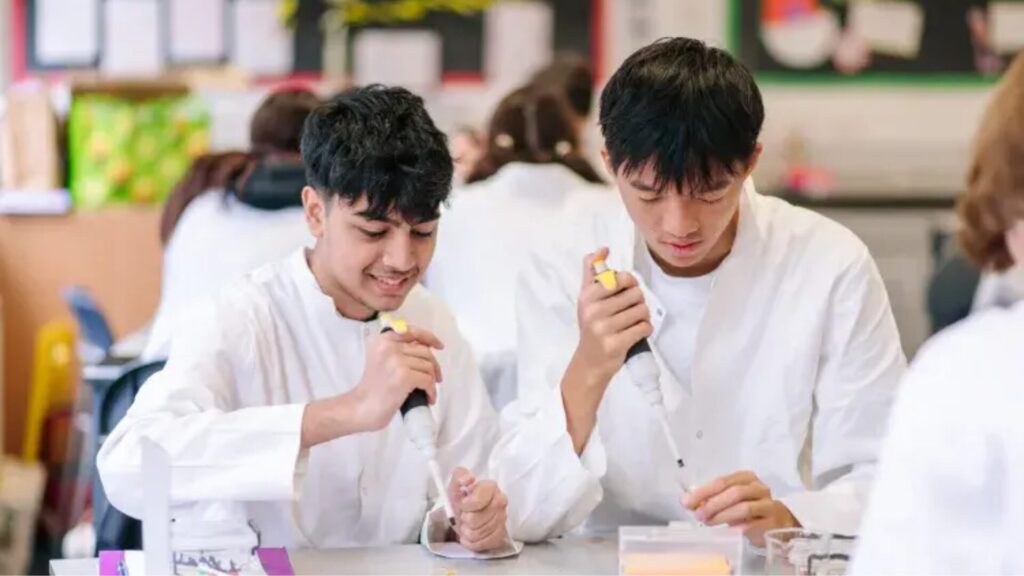
The University of Edinburgh’s Pre-University Social Sciences program introduces you to core disciplines such as economics, politics, social policy, and social anthropology through university-style teaching. You take part in lectures and small-group tutorials that mirror undergraduate learning, helping you understand how social scientists analyze behavior, institutions, and policy. The program also includes research-oriented tasks and interdisciplinary discussions, allowing you to explore how different fields connect when studying real-world issues.
Educational visits, such as to the Scottish Parliament and archival collections, provide context by linking academic ideas to practical applications. Living on campus gives you a sense of university routines and expectations, alongside structured academic engagement. By the end, you develop a clearer understanding of analytical approaches used in social sciences and related areas like psychology.
Why it stands out: It integrates academic coursework with real-world exposure and residential experience, offering a well-rounded introduction to studying social sciences at the university level.
10. UNIQ Experimental Psychology – University of Oxford
Location: Oxford, UK (University of Oxford colleges)
Cost: Free (travel, accommodation, and meals typically covered)
Acceptance rate/cohort size: Highly selective; cohort size not publicly specified
Dates: July 20th – July 24th
Application Deadline: January 13th
Eligibility: Year 12 students at UK state schools who meet widening participation criteria; not open to international students
The UNIQ Experimental Psychology programme at Oxford introduces you to psychology through a combination of lectures, seminars, and discussion-based sessions led by university academics. Over five days, you explore topics such as cognition, development, mental health, and research methods, reflecting the structure of undergraduate teaching.
The sessions emphasize analytical thinking and evidence-based reasoning, helping you understand how psychologists investigate behavior and interpret findings. You also take part in collaborative academic and social activities, allowing you to engage with peers in a supportive learning environment. Staying in an Oxford college gives you direct exposure to university life, including shared spaces and community routines.
Why it stands out: It offers a fully funded residential experience focused on academic rigor while supporting students from underrepresented backgrounds in accessing university-level psychology.
11. Child Mind Institute – Youth Mental Health Academy (YMHA)
Location: New York, NY (Child Mind Institute; primarily in-person with structured programming)
Cost: No cost; stipend provided
Acceptance rate/cohort size: Selective; limited cohort size (exact acceptance rate not publicly available)
Dates: Summer session typically runs July – August (multi-week program)
Application Deadline: Spring (typically March-April; varies by year)
Eligibility: High school students; primarily open to students based in the U.S. (especially New York); international students are not eligible
The Youth Mental Health Academy (YMHA) is a multi-year training program that introduces you to psychology, psychiatry, and mental health research through structured coursework and mentorship. The summer component focuses on foundational topics such as mental health disorders, clinical psychology, and the science behind diagnosis and treatment. You attend lectures, participate in discussions, and engage with professionals working in mental health and research.
The program emphasizes both academic learning and career exploration, helping you understand how psychology is applied in clinical and research settings. Over time, you also gain access to mentorship, internships, and research opportunities that extend beyond the summer experience.
Why it stands out: It combines structured mental health education with long-term mentorship and career exposure, giving you a sustained pathway into psychology and clinical research.
12. Stanford Pre-Collegiate Summer Institutes – Topics in Neuroscience
Location: Stanford University (online format)
Cost: Approximately $3,050-$3,200; no stipend; limited financial aid available
Acceptance rate/cohort size: Selective; small class sizes (typically 12-20 students per course)
Dates: Multiple 2-week sessions between June and July
Application Deadline: Applications open in January; rolling admissions until courses are filled
Eligibility: Students in grades 8-11 (must meet academic readiness requirements); open to international students
This course allows you to study neuroscience through a focused, single-subject curriculum delivered in a small, discussion-based classroom setting. You explore topics such as brain structure, neural communication, cognition, and neurological disorders, connecting biological processes to behavior and psychology. The program emphasizes active learning through readings, discussions, and assignments that mirror introductory university coursework.
You engage deeply with one subject over two weeks, which helps you move beyond surface-level understanding and develop analytical thinking in neuroscience. Classes are taught by experienced instructors, and you receive detailed feedback on your work, helping you refine your academic skills.
Why it stands out: It offers an in-depth, university-style neuroscience course in a small cohort, allowing you to explore how brain science connects to psychology through focused academic study.
13. UC Berkeley Pre-College Scholars Summer Program – Psychology Track
Location: UC Berkeley, Berkeley, CA, and Virtual
Cost: Varies by format; some scholarships available
Acceptance rate/cohort size: Selective
Dates: May – August (multiple sessions available)
Application Deadline: March 10th (Residential) | June 2nd (Commuter/Virtual)
Eligibility: Students who have completed 10th or 11th grade and are 16 years of age with a minimum 3.0 GPA, and are open to international students
This program allows you to take undergraduate-level courses in psychology or neuroscience at UC Berkeley, either in person or online. You enroll in lower-division classes such as introductory psychology or brain science, studying alongside other students and learning directly from university faculty.
The coursework follows the structure and expectations of college academics, giving you exposure to how psychological concepts are taught, analyzed, and applied at the university level. If you choose the residential option, you also experience campus life through workshops, extracurricular activities, and organized trips, helping you understand the broader college environment.
Why it stands out: You’ll be taught by top faculty and work on an independent project, giving you a complete experience of future university life.
14. Wake Forest Summer Immersion – Psychology Institute
Location: Wake Forest University, Winston-Salem, NC (residential, on-campus)
Cost: $3,500 tuition; no college credit awarded; Certificate of Completion issued upon finishing the program
Acceptance rate/cohort size: Not publicly specified
Dates: Two sessions – July 12-17 and July 19-24 (Sunday-Friday, overnight)
Application Deadline: Applications open November 1st; rolling admissions
Eligibility: Current 9th-12th grade students; open to international students
The Wake Forest Summer Immersion Psychology Institute introduces you to the science of mind and behavior through a hands-on, lab-style week on campus, led by Wake Forest psychology faculty. You explore topics such as emotions, sensation and perception, the disordered brain, the psychology of addiction, and the magic of neuroscience through a curriculum designed by Dr. Christian Waugh and Dr. Melissa Maffeo, both full-time professors in the Wake Forest psychology department.
The program includes a guided sheep brain dissection, a sensory perception lab, brain training and neuroplasticity exercises, and a real observational study you conduct off-campus, giving you direct exposure to how psychological research is designed and carried out. You also attend sessions on careers in psychology, helping you understand the range of directions the field can take. The week concludes with a team research presentation, where you communicate your findings to peers and instructors.
Why it stands out: It combines genuine lab experiences, including a sheep brain dissection and a self-conducted observational study, with faculty-led teaching in a residential university setting, giving you a hands-on feel for what psychology research actually looks like in practice.
15. University of Pennsylvania Pre-College Program – Introduction to Experimental Psychology
Location: University of Pennsylvania, Philadelphia, PA (residential and online options available)
Cost: Residential: starts at approximately $13,648 for 1 course unit (includes $8,000 program fee + tuition + general fee); Online: starts at approximately $8,248 for 1 course unit; $75 application fee
Acceptance rate/cohort size: Selective; cohort size not publicly specified
Dates: Residential: approximately July 1st – August 9th; Online Session I: May 26th – July 1st; Online Session II: July – August
Application Deadline: January 31st (priority); rolling afterwards
Eligibility: Current 10th-11th grade students with a minimum 3.5 GPA; open to international students
Penn’s Pre-College Program allows you to enroll in Introduction to Experimental Psychology, a credit-bearing undergraduate course (PSYC 0001) taught by Penn faculty, and study alongside current Penn undergraduates. The course covers psychology’s three core areas: the biological basis of behaviour, the cognitive basis of behaviour, and individual and group bases of behaviour, with topics including neuropsychology, learning, cognition, development, personality disorders, and social psychology.
You follow the same syllabus, attend the same lectures, and complete the same assignments as Penn undergraduates, which gives you a direct experience of Ivy League academic expectations. In the residential format, you live in Penn’s supervised dormitories and have access to campus facilities, extracurricular activities, and organised trips. Upon completion, the course appears as a graded entry on an official University of Pennsylvania transcript.
Why it stands out: You take an actual Penn undergraduate psychology course for real college credit, graded and transcripted by the University of Pennsylvania, one of the most prestigious academic institutions available through a pre-college summer programme.
From Studying Behaviour to Understanding Yourself
Psychology becomes more interesting when you begin connecting theories, research, and behaviour to the way people think, feel, communicate, and respond.
Psychology summer schools for high school students create that opportunity by turning academic curiosity into deeper reflection, sharper thinking, and more serious engagement.
As you explore case studies, discussions, and research, you start noticing how psychology can shape empathy, confidence, communication, and everyday self-awareness.
Want to grow in confidence, communication, leadership, and self-awareness long after the programme ends? Explore our Personal Development blogs for practical guidance and fresh perspective.