15 Research Internships for High School Students
When you’re in high school, summer doesn’t have to mean stepping away from learning altogether. It can also be a time to ask bigger questions, explore subjects more deeply, and experience how knowledge is created beyond the classroom. If you are curious, motivated, and eager to challenge yourself, research internships for high school students offer a powerful way to do exactly that.
Imagine spending your summer working alongside researchers, contributing to real projects, analyzing data, or helping investigate questions that don’t yet have clear answers. Research internships for high school students aren’t just about learning facts: they’re about learning how knowledge is built, tested, and refined, much like it is at the university level.
Even if you’re not yet certain about your future major or career, research internships can help you explore interests in a meaningful, hands-on way. They offer a chance to develop independence, critical thinking, and problem-solving skills while gaining exposure to academic and professional research environments.
What kinds of research internships for high school students are available?
We know that not all opportunities offer the same level of depth or mentorship. Some may feel observational or loosely structured, making it hard to gain real insight or experience. That’s why choosing matters, so you can pick out the research internships that best align with your interests.
Various institutions and organizations offer internships in STEM, social sciences, humanities, and interdisciplinary research designed specifically for high school students. You might assist with experiments, literature reviews, data collection, or independent research projects under the mentorship of experienced professionals.
You’ll be challenged to think critically, communicate clearly, and take ownership of your work. To make the search easier, we’ve curated a list of 15 Research Internships for High School Students. They’ve been selected for their academic value, mentorship quality, and the meaningful research exposure they provide.



15 Research Internships For High School Students
1. Science and Engineering Apprenticeship Program (SEAP) at the Department of Navy (DoN)
Location: At participating Department of the Navy laboratories across the U.S.
Cost/Stipend: Stipend of $4,000 for a new participant; $4,500 if you are returning
Acceptance rate/cohort size: Around 300 internship slots available each year
Dates: 8 weeks during the summer
Application Deadline: Typically around November 1st
Eligibility: U.S. high school students who have completed grade 9, aged 16+ by internship start
If you are passionate about science, engineering, or technology and want practical research experience, SEAP lets you work alongside professional scientists and engineers on real projects in Naval labs. You will spend your summer on meaningful research tasks, develop practical lab skills, and build mentorship connections that can shape your future academic and career pathway. The program not only introduces you to research environments beyond the classroom but also helps you understand how science and engineering are applied in national infrastructure and defense.
Because placements are competitive, your application will be reviewed on academic performance, recommendations, essays, and how well your interests align with available labs. Many past participants have pursued STEM degrees and careers after their SEAP experience. By joining this internship, you get a unique look into how professional research teams solve complex problems while refining your own skills and goals.
Why it stands out: It offers hands-on experience in naval and marine engineering/science, helping you get a sense of defense-sector research and applied STEM work.
2. Immerse Education’s Career Insights Summer School
Location: Cambridge, London, New York, San Francisco, Singapore, Sydney, and Tokyo
Cost/Stipend: Varies; summer school scholarship available through our bursary programme
Acceptance rate/cohort size: Multiple summer cohorts with rolling admissions
Dates: 2 weeks during the summer
Application Deadline: Multiple summer cohorts with rolling admissions
Eligibility: High school students all over the world aged 15-18
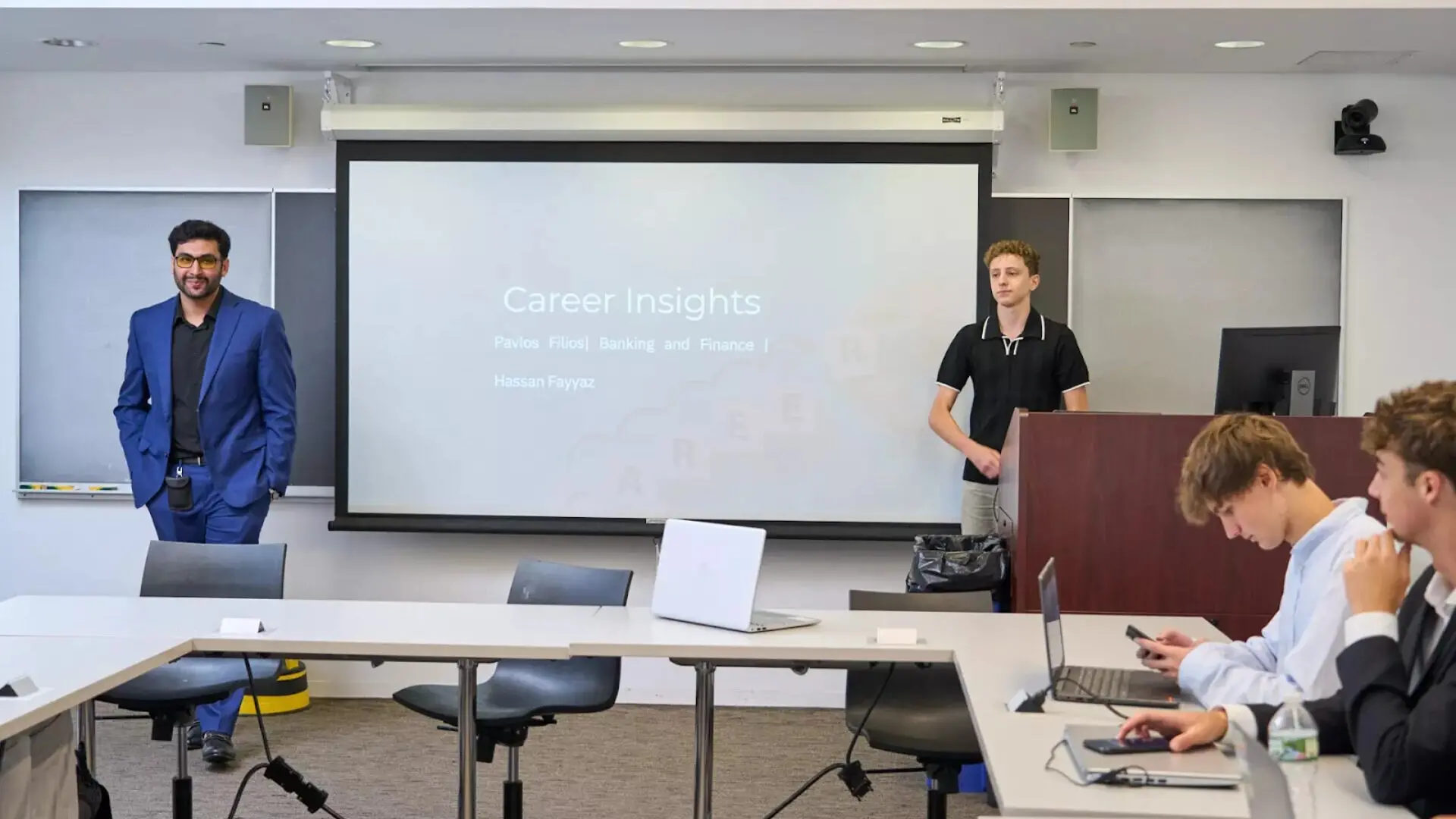
The Career Insights Program lets high school students explore careers in major global industry hubs. The program lets you dive into hands-on exploration in your chosen field within the context of a global city known for its strength in that industry. It can be a powerful way to test drive your interests, gain confidence, and build connections that support your ambitions after high school.
Participants engage in project-based learning with established companies, attend interactive workshops, and visit offices, factories, and headquarters. The program also includes in-person weekly 1:1 career coaching sessions and sessions where you will receive personalized feedback on your resume and overall profile. You’ll also present your findings to industry experts at the end of the program. You can find more details about the application here!
Why it stands out: It lets you explore practical, real-world applications of academic subjects and career fields, helping you see how professional pathways operate beyond the classroom.
3. Stanford Institutes of Medicine Summer Research Program (SIMR)
Location: Stanford University, Stanford, CA
Cost/Stipend: Free to attend; participants receive a stipend; exact stipend amount may vary
Acceptance rate/cohort size: Highly selective
Dates: June 8th – July 30th
Application Deadline: February 21st
Eligibility: High school juniors or seniors aged 16+ by the start of the program; must be U.S. citizens or permanent residents
If you are eager to dive into real biomedical research, SIMR offers a rare chance to spend your summer working in a world-class research lab under the direct guidance of Stanford faculty, postdocs, and graduate mentors. You will be working on a project in one of several research areas, such as immunology, neurobiology, cancer biology, cardiovascular science, stem cell research, genetics, bioinformatics, or bioengineering. Daily work in the lab will allow you to learn authentic research techniques and contribute meaningfully to ongoing scientific investigations.
Beyond lab work, you will attend seminars, engage in discussions, and present your findings at a poster session open to the Stanford community. The program emphasizes practical experience, scientific curiosity, and deepening your understanding of how research happens in a professional environment.
Why it stands out: Its deep connections to Silicon Valley make it easier to transition to interdisciplinary courses such as biomedical entrepreneurship or AI-driven health research.
4. Berkeley Lab, QCaMP
Location: Bay Area, CA, and Albuquerque and Santa Fe, NM
Cost/Stipend: Stipends of $500 per week
Acceptance rate/cohort size: Highly selective
Dates: June 29th – July 24th
Application Deadline: March 21st
Eligibility: High school students aged 16+ and must live somewhat near Berkeley, CA, or Albuquerque, NM
If you’re curious about cutting-edge subjects like quantum physics and next-generation computing, QCaMP gives you an immersive introduction tailored to high school learners. Over the course of the four-week summer experience, you will engage with practical modules that explore quantum phenomena such as superposition, entanglement, and real-world quantum circuits. You’ll interact with scientists and engineers from national labs and research institutions, learning how quantum concepts connect to computing challenges and emerging technologies.
Through collaborative workshops and guided activities, you will begin forming a foundation in quantum information science that many traditional high school classes don’t offer. Being part of QCaMP can spark a deeper interest in STEM, help you discover new academic pathways, and build confidence as you explore a field at the forefront of scientific innovation.
Why it stands out: It provides immersive quantum science and research experiences, helping you explore cutting-edge physics and quantum computing concepts.
5. NIH High School Summer Internship Program (HS-SIP)
Location: Various NIH campuses
Cost/Stipend: Stipends are adjusted annually
Acceptance rate/cohort size: Highly competitive; specific acceptance rate not disclosed
Dates: 8-10 weeks during the summer
Application Deadline: February 18th
Eligibility: U.S. citizen or permanent resident; enrolled at least half-time as a senior in high school; 18+ years
The National Institute of Health (NIH) High School Summer Internship Program (HS-SIP) allows you, as a high school senior, to engage in full-time biomedical research under the mentorship of NIH scientists. You will join a research group directed by a Principal Investigator and contribute to ongoing projects in fields such as biology, chemistry, neuroscience, bioinformatics, or other health-related sciences.
Throughout the internship, you will practice essential research techniques, attend professional development events, and have the opportunity to present your work to peers and mentors. Overall, the experience not only deepens your understanding of biomedical science but also helps you build confidence and connections that can support your future academic path. If interested, you may start your application process here.
Why it stands out: It lets you work alongside federal researchers on meaningful biomedical projects, helping you gain lab experience that stands out on applications.
6. University of Texas MD Anderson Cancer Center Summer Program
Location: MD Anderson Cancer Center, Houston, TX
Cost/Stipend: $7,200 stipend for the full 10-week program
Acceptance rate/cohort size: Competitive, with only up to 6 students selected
Dates: June 1st – August 7th
Application Deadline: January 14th
Eligibility: High school senior in Texas, aged 18+ by program start
If you are passionate about biomedical science and want a deep dive into real research, this summer program places you right inside one of the nation’s leading cancer research centers, working alongside MD Anderson faculty. Over ten weeks, you will spend your weekdays in a laboratory environment carrying out meaningful tasks that deepen your understanding of scientific investigation and prepare you for future work in health-related fields.
The experience is built around hands-on involvement, where you will contribute to ongoing research projects and gain familiarity with the workflows integral to biomedical studies. At the end of the session, you will share your work through presentations that reflect your summer’s efforts and learning. Here is the application link.
Why it stands out: It places you in cancer research labs at a leading NCI-designated center, helping you build real-world biomedical research skills.
7. Idaho National Laboratory Internship
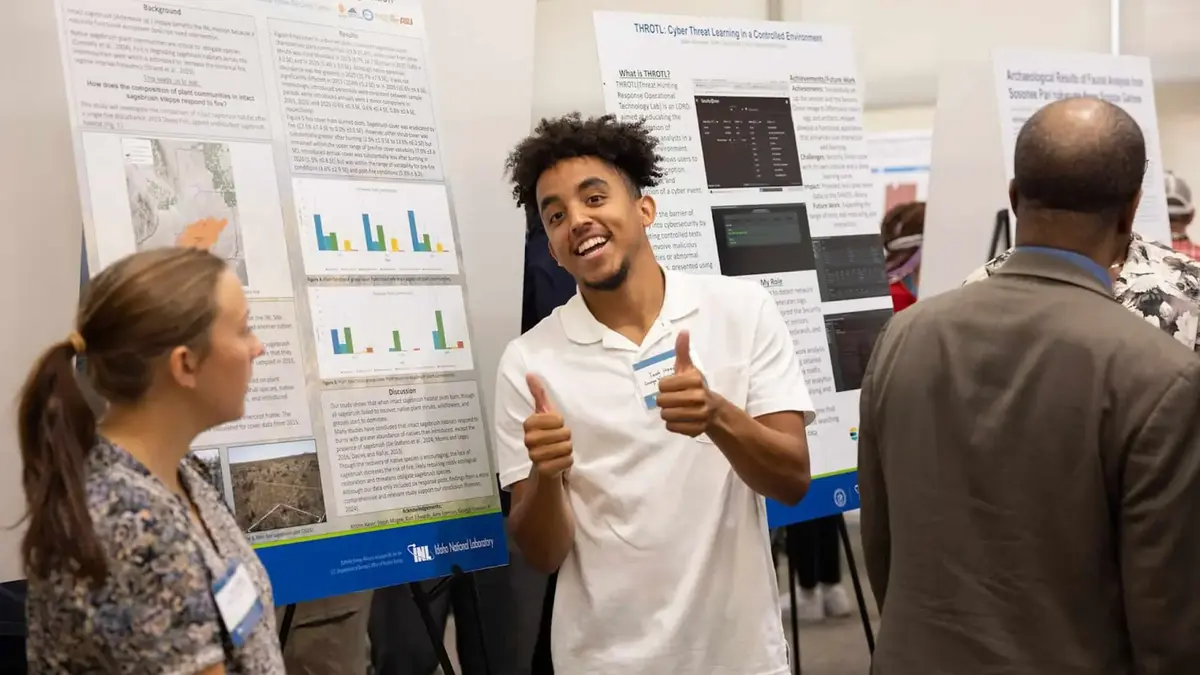
Location: Idaho National Laboratory, Idaho Falls, ID
Cost/Stipend: Paid internship; stipend details not specified
Acceptance rate/cohort size: Highly competitive; specific acceptance rate not disclosed
Dates: 6-8 weeks during summer (typically mid-June to early August)
Application Deadline: February 28th
Eligibility: U.S. citizens/ permanent residents, aged 16+, rising high school juniors or seniors, GPA 3.0+
If you are excited about applying your classroom knowledge to real research problems, INL’s High School Internship Program is one of the few research internships for high school students that places you directly alongside experienced scientists and engineers in a national laboratory setting. During the summer, you will contribute to projects in areas like nuclear science, cybersecurity, environmental science, and energy, gaining hands-on experience you simply cannot get in a typical classroom.
You will be paired with a mentor who guides your work and supports your learning, allowing you to sharpen both technical and professional skills. Beyond the core scientific work, the program helps you build confidence by enabling you to see how research contributes to solving complex real-world problems. This experience can also make your college applications stand out and help clarify your future academic and career goals.
Why it stands out: It offers hands-on experience in nuclear energy and advanced engineering research, helping you see how national-lab science operates.
8. Microsoft Discovery Program
Location: Microsoft offices in Redmond, Washington, or Atlanta, Georgia
Cost/Stipend: Paid internship
Acceptance rate/cohort size: Selective
Dates: 4 weeks during the summer
Application Deadline: Typically around February
Eligibility: Graduating high school senior aged 16+ who live and attend high school within 50 miles of Redmond, Washington, or live and attend high school around Atlanta, Georgia
If you are curious about technology and want to experience life inside one of the world’s largest tech companies, the Microsoft Discovery Program lets you spend a summer working on real technical projects with professional software engineers and industry mentors. You will learn foundational concepts in computing and build professional skills that prepare you for future careers in tech.
Throughout the four weeks, you will work collaboratively, gain insight into workplace culture at Microsoft, and be part of a team that values curiosity and innovation. Because the internship is short but intense, you will also receive career guidance and participate in workshops that help you grow your communication and problem-solving abilities.
Why it stands out: It gives you early exposure to tech innovation and corporate projects, helping you develop practical skills in software and product thinking.
9. Stanford STaRS Internship Program
Location: Stanford University, Stanford, CA
Cost/Stipend: Free
Acceptance rate/cohort size: Approximately 20 people each summer
Dates: June 15th – August 7th
Application Deadline: November 30th
Eligibility: U.S. high school students aged 16+
If you want a genuine taste of biomedical research, the STaRS Internship invites you into Stanford’s laboratory environment, where you can take part in meaningful scientific discovery. During the summer, you will work closely with experienced researchers on real projects that explore topics in healthcare and reconstructive science. The experience emphasizes hands-on learning, letting you practice core lab techniques like imaging, histology, and genotyping while building confidence in scientific methods.
Alongside your research, you will attend workshops, engage in community activities, and prepare a final presentation that showcases your findings. This opportunity can be a valuable addition to your academic journey if you are serious about a future in science or medicine. Expect to grow not just technically but also professionally, as you connect with mentors and develop a deeper understanding of how research contributes to solving complex health problems.
Why it stands out: It gives you exposure to surgical science and translational research, helping you see how clinical innovations are developed and tested.
10. Geosciences Bridge Program at the University of Maryland Eastern Shore
Location: University of Maryland Eastern Shore (UMES) in Princess Anne, MD
Cost/Stipend: $500 per week stipend
Acceptance rate/cohort size: Selective
Dates: 6-week summer session
Application Deadline: Typically in early spring
Eligibility: Graduating high school seniors; must be U.S. Citizens or Permanent Residents
If you want to explore what it feels like to study earth, ocean, and atmospheric sciences in a true research environment, the UMES Geosciences Bridge Program gives you that chance before you even start college. Over six weeks on campus, you will participate in lectures, field trips, and practical activities covering areas like physical oceanography, marine chemistry, atmospheric science, and GIS/remote sensing.
You will practice with real scientific tools and techniques, gaining a strong foundation that makes transitioning to college much easier. By the end of the summer, you’ll not only deepen your knowledge of Earth systems but also build confidence and clarity about your future career in STEM.
Why it stands out: It gives you exposure to Earth science and geoscience research; helpful if you’re interested in geology, climate, or environmental science early on.
11. Biorocket Research Internship Program at Genspace
Location: Genspace community biology lab in Brooklyn, NY
Cost/Stipend: $2,000 stipend for completing the program
Acceptance rate/cohort size: Selective
Dates: Duration of 6 months (including one spring and one summer session)
Application Deadline: Applications open from November 1st; typically end around January
Eligibility: Aged 16+; live in NYC or attend a NYC Public or Charter School within 45 mins of Genspace
If you want to jump into real biotechnology research as a high school student, the BioRocket Research Internship gives you a unique chance to learn in a professional lab environment while still in school. Over six months, you will gain laboratory experience working on projects that explore modern biological techniques such as genetic engineering and DNA analysis under the mentorship of experienced scientists. Beyond regular coursework, you’ll build valuable communication skills through science outreach, engaging science presentations, field trips, and tours of labs and biotech workplaces.
You’ll also connect with peers who share your curiosity and passion for science while developing a deeper understanding of how research careers work in practice. By the end of the program, you will have worked on a research project that can strengthen your confidence and help your future college applications. Here’s the application link.
Why it stands out: It allows you to engage in community-driven biotech experimentation, helping you understand how real biological systems are used in creative research.
12. Science Research Mentoring Program (SRMP)
Location: Center for Astrophysics | Harvard & Smithsonian (CfA), Cambridge, MA
Cost/Stipend: Free, and students receive a stipend
Acceptance rate/cohort size: Competitive
Dates: Typically from September to May
Application Deadline: Varies
Eligibility: High school students enrolled at Cambridge Rindge and Latin School (CRLS)
If you’re fascinated by astronomy and want an authentic research experience before college, SRMP gives you a chance to work on real astrophysics projects with professional scientists from Harvard and MIT. Over the course of the school year, you’ll be paired with a mentor and a small team of peers, diving into data analysis, computational work, or observational research that mirrors what professional researchers do. You’ll attend regular check-ins, participate in seminars and workshops, and build skills in scientific thinking, problem-solving, and research communication.
At the end of your year in the program, you will present your findings in a symposium held at a Harvard venue, sharing your work with scientists and your peers. Because this program runs across an academic year and involves serious commitment, it’s ideal if you’re ready to balance research with your schoolwork and enthusiastic about exploring space science in depth.
Why it stands out: It pairs you with astrophysics researchers, helping you contribute to authentic astronomical research and data analysis.
13. Hutton Junior Fisheries Biology Program
Location: Various locations across the U.S., Canada, Mexico, and Puerto Rico
Cost/Stipend: $3,000 stipend
Acceptance rate/cohort size: Highly competitive; specific acceptance rate not disclosed
Dates: Typically 8 weeks during the summer
Application Deadline: January 25th
Eligibility: Current juniors and seniors around the world; at least 16+ years old
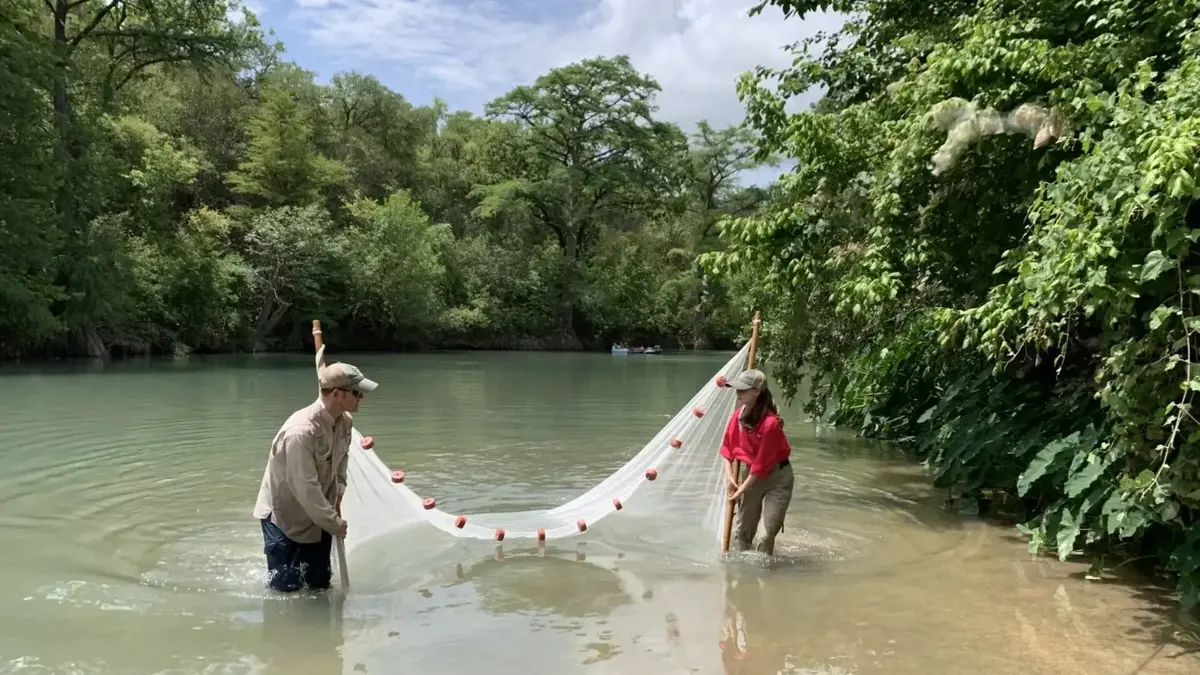
If you are drawn to outdoor science and want to learn what real field research feels like, the Hutton Junior Fisheries Biology Program places you directly with fisheries professionals as a Hutton Scholar. You will spend your summer working on projects that might include surveying fish populations, testing water quality, aiding habitat restoration, or collecting ecological data under expert mentorship.
Over the eight weeks, you will gain valuable insight into aquatic ecosystems and conservation work, all while building technical skills. You will work in labs and out in the field, developing your confidence as a young scientist. Hutton also connects you with a wider community of students and professionals and encourages you to think about future careers in biology, ecology, or environmental science.
Why it stands out: It immerses you in fisheries biology and ecological fieldwork, giving real-world exposure to conservation, marine biology, and environmental research.
14. Air Force Research Laboratory (AFRL) Scholars Program
Location: Air Force Research Laboratory (AFRL) research sites across the U.S.
Cost/Stipend: Paid internship
Acceptance rate/cohort size: Competitive and selective
Dates: Varies from project to project
Application Deadline: January 10th
Eligibility: High school students aged 16+ with a minimum GPA of 3.0 on a 4.0 scale from the U.S.
If you’re excited to explore research in science, engineering, or technology within a Department of the Air Force environment, the AFRL Scholars Program gives you a chance to work with real scientists and engineers on cutting-edge projects. During the summer, you will be fully engaged in participative research across areas such as aerospace systems, materials science, data analytics, or advanced electronics, contributing meaningfully to real laboratory work. You work full-time alongside experienced mentors who guide you through technical tasks and help you understand how professional research operates outside the classroom.
Beyond your research duties, you’ll be part of broader program events, networking opportunities, and technical seminars that expand your exposure to STEM careers. Overall, participating in this internship deepens your practical skills and gives you valuable experience that can shape your future academic and professional goals.
Why it stands out: It places you in aerospace research environments, helping you work on high-level STEM projects with professional scientists and engineers.
15. J. Craig Venter Institute (JCVI) High School Internship
Location: J. Craig Venter Institute’s campuses in Rockville, MD, and La Jolla, CA
Cost/Stipend: Paid internships
Acceptance rate/cohort size: Approximately 25 interns selected annually across all levels
Dates: 10-15 weeks during summer months (May–August); specific dates vary annually.
Application Deadline: Opportunities for the summer internship are usually announced in March
Eligibility: 16+ age; eligibility to work in the U.S.
If you want a genuine immersion into cutting-edge genomics research, the JCVI Summer Internship Program offers a unique chance to work shoulder-to-shoulder with leading scientists in a professional research environment. You will be paired with a dedicated mentor and contribute to projects that explore areas like genomic medicine, infectious diseases, environmental genomics, synthetic biology, and bioinformatics. Week-to-week, you will gain hands-on experience with advanced lab techniques and modern scientific tools while attending workshops, journal clubs, and professional development sessions.
Finally, you will present your research at a poster session, demonstrating your findings and communication skills to the JCVI community. Because this program integrates real research responsibilities with personalized mentorship, it can strongly deepen your appreciation for scientific inquiry and support your future goals in STEM.
Why it stands out: It offers opportunities in genomic and computational biology research, helping you explore how cutting-edge sequences drive scientific discovery.
Join the Immerse Education 2027 Essay Competition
Follow the instructions to write and submit your best essay for a chance to be awarded a 100% scholarship.
Exploring Futures Through Research
Research is often the first time learning feels real. You are no longer studying answers, but standing at the edge of questions that matter.
In these environments, curiosity becomes action. You test ideas, make mistakes, and discover what it feels like to contribute rather than observe.
These research internships for high school students offer a glimpse into how futures are built through effort, persistence, and inquiry. They reveal not just what you can study, but how you want to work.
If that sense of discovery resonates, explore our Career Exploration blogs. They are designed to help you connect experiences like these to meaningful academic and career pathways.






Unlock Inspiring Opportunities with the Immerse Education Newsletter
Join our newsletter to stay ahead with exclusive updates, exciting programme highlights, and expert insights from the world of immersive education.
Learn how Immerse can transform your life
An in-depth overview of our university and career preparation programmes
Get a glimpse into the life of an Immerse participant
Find the right programme for you with sample timetables, location showcases, and more