15 Stem Research Opportunities for High School Students
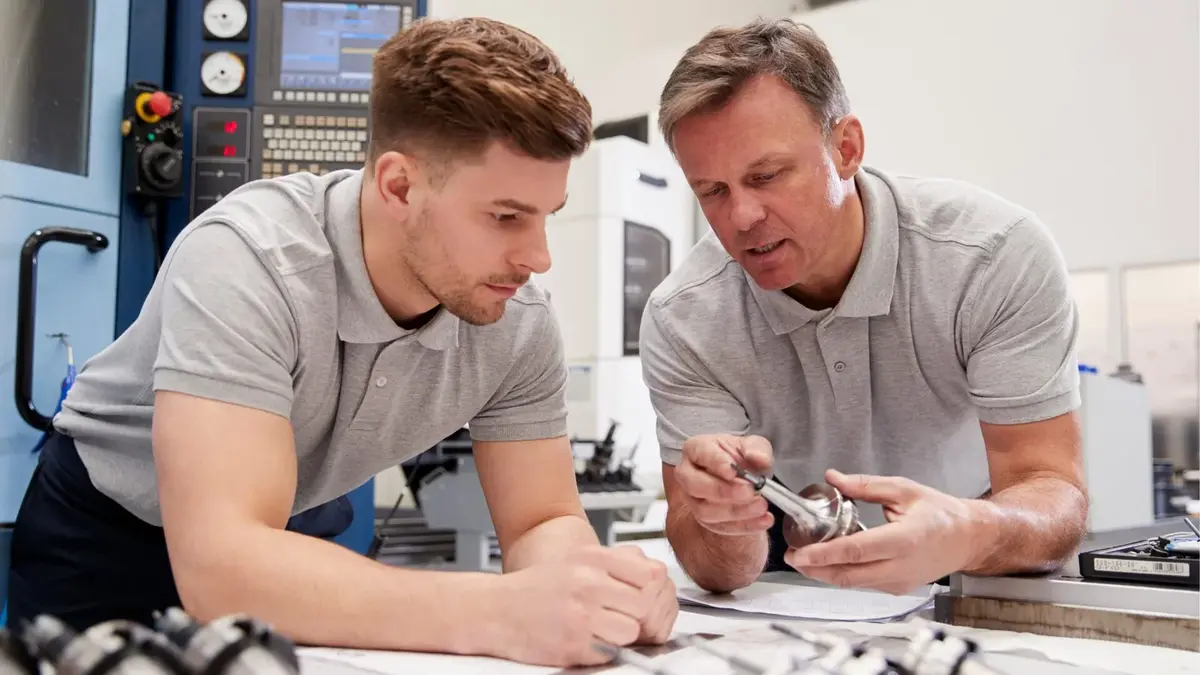
If you’re a high school student interested in STEM, it can sometimes feel difficult to move beyond textbooks and classroom experiments. You might excel in your STEM classes, but still wonder what research looks like. STEM research opportunities for high school students can help you determine whether a future in STEM is right for you.
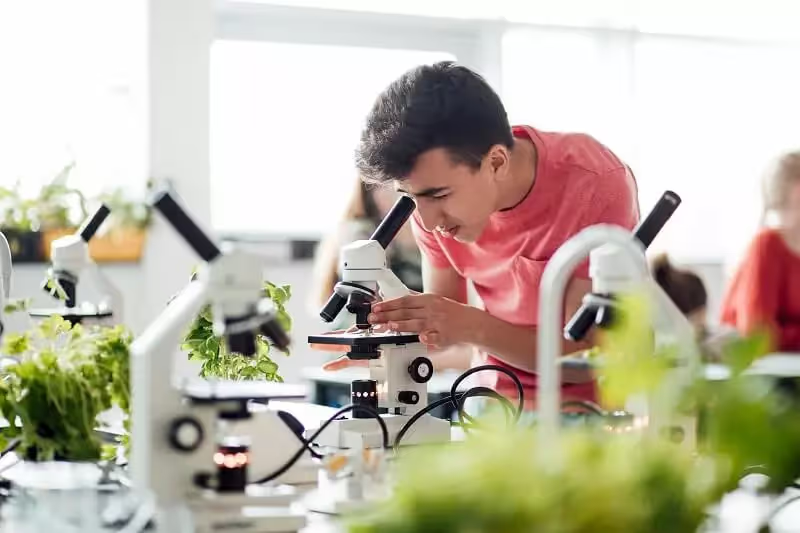
Picture yourself working in a lab under the guidance of experienced researchers, or working in groups to contribute to ongoing projects. STEM research opportunities are more than just textbook learning: you’ll understand how discoveries are made and how ideas turn into innovation.
You will get a behind-the-scenes look at academic and professional STEM pathways. You will gain exposure to lab environments, research methodologies, and problem-solving approaches that mirror what you’d encounter at university level.
What kinds of STEM research opportunities for high school students are available?
We get it, not all STEM programs offer the same opportunities. Some can be too superficial or disconnected from meaningful research. That’s why the right guidance is more important, so you can decide which STEM research opportunities are the best for you.
Across universities, research institutes, and educational organizations, there are numerous STEM opportunities that prioritize hands-on learning, mentorship, and genuine intellectual engagement. Through these programs, you’ll develop critical thinking skills, learn how to communicate scientific ideas, and build experience that boosts your future college applications.
Once the program starts, you’ll have to work hard to succeed. However, we’ve saved you some effort for now. To help you decide, we’ve compiled a list of 15 STEM Research Opportunities for High School Students. They’ve been picked for their academic rigor, mentorship quality, and the ability to provide an authentic research experience.


15 STEM Research Opportunities for High School Students
1. MIT’s Research Science Institute (RSI)
Location: Massachusetts Institute of Technology, Cambridge, MA
Cost/Stipend: Free except an application fee of $75 (fee waiver available)
Acceptance rate/cohort size: Highly selective (> 2.5%)
Dates: 6 weeks, specific dates to be announced
Application Deadline: December 10th
Eligibility: High school juniors who are at least 16 years of age; international students from participating countries are accepted
RSI is a highly selective, six-week residential program at MIT that blends advanced STEM coursework with a full research internship. You begin with intensive college-level classes in subjects such as math, computer science, engineering, and the natural sciences to build foundational knowledge for your project.
You’ll work with professional scientists on original investigations that may involve algorithms, machine learning, computational biology, systems engineering, or other advanced fields. Throughout the program, you read scientific literature, design your methodology, and analyze data using professional research practices. In the final week, you produce a formal research paper and deliver a conference-style presentation evaluated by experts.
Why it stands out: It is widely regarded as one of the most competitive STEM research opportunities for high school students, offering full-cycle research mentorship at MIT.
2. Immerse Education’s Online Engineering Programme
Location: Virtual
Cost: Varies; summer school scholarship available through our bursary programme
Acceptance rate/cohort size: Selective
Application Deadline: Rolling admissions; flexible dates
Program Dates: 2 weeks during the summer
Eligibility: Students worldwide aged 13-18 currently enrolled in middle or high school
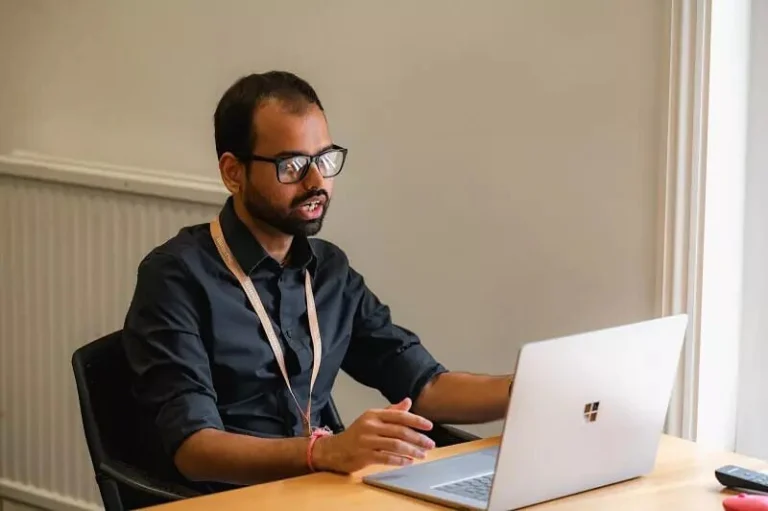
The Immerse Education Engineering Online Research Programme lets high school students explore engineering from anywhere in the world through a structured online experience. You will work in one-to-one tutorials with an expert tutor, learning core principles of engineering, design, innovation, and problem-solving while gaining insights that go beyond the typical school curriculum.
The programme centres on an independent research project you choose and develop with guidance from your tutor, giving you real experience in academic planning, investigation, and technical communication. By the end of the programme, you’ll complete a personal project, receive personalised feedback, and earn a certificate of achievement. You could also gain a Letter of Recommendation from your tutor, which could help with university applications and future portfolios.
Why it stands out: It gives you the chance to work on real engineering research projects with expert mentors, helping you build practical technical skills and early exposure to professional engineering thinking.
3. Science and Engineering Apprenticeship Program (SEAP) at the Department of the Navy (DoN)
Location: Multiple lab locations are available across the country
Cost/Stipend: No cost / Stipend of $4,000 for new participants, $4,500 for returning participants
Acceptance rate/cohort size: Selective
Dates: Eight weeks during the summer, with the option to extend for up to two more weeks
Application Deadline: November 1
Eligibility: High school students who have completed at least 9th grade, are at least 16 years old, and are U.S. citizens. Students should check the specific lab’s additional requirements or exceptions
The SEAP is an eight-week research internship that places high school students inside the Department of Navy laboratories to work directly with professional scientists and engineers. You contribute to active research in computer science, applied mathematics, robotics, cybersecurity, AI, and engineering, depending on the available projects.
Daily work typically involves hands-on technical tasks, like software prototyping, data modeling, algorithm development, or robotics programming, paired with structured guidance from mentors. You also gain experience using research tools, documenting results, and understanding how federal labs approach long-term technology development. With placements across more than 38 Navy labs in the U.S., SEAP gives you an inside look at how scientific research informs national defense, advanced systems engineering, and government-driven innovation.
Why it stands out: SEAP gives high school students direct access to federal research environments rarely available at this stage, especially in computing and engineering fields.
4. Stanford Institutes of Medicine Summer Research Program (SIMR)
Location: Stanford University, Stanford, CA
Cost/Stipend: $40 application fee; The application fee will be waived if your gross family income is under $80,000. All students are given a $500 minimum stipend. Stipends of $2500 and above are given on a needs-based system from special grants.
Acceptance rate/cohort size: 50 students
Dates: June 8th – July 30th
Application Deadline: February 21st
Eligibility: Must be juniors or seniors in the graduating class of this or next year, at least 16 years old by the program’s start date, and currently living in the U.S. while attending high school as U.S. citizens or permanent residents with a green card
SIMR is an eight-week research program where you work in a Stanford School of Medicine laboratory alongside faculty, postdocs, and research scientists on a medically focused project. You gain hands-on experience in areas such as bioengineering, stem cell biology, bioinformatics, immunology, neurobiology, cancer biology, and genetics. Throughout the program, you receive training in laboratory safety, experimental design, and core scientific techniques used in biomedical research.
You will spend most of your time contributing to an ongoing research project, learning how data is generated, analyzed, and interpreted in a professional lab setting. The program also gives you structured exposure to scientific communication through weekly meetings and culminates in a formal poster presentation summarizing your findings.
Why it stands out: You work directly within Stanford’s medical research ecosystem, gaining access to high-level labs and real biomedical research workflows rarely available to high school students.
5. Johns Hopkins’ ASPIRE Program
Location: Johns Hopkins University Campus, Baltimore, MD
Cost/Stipend: None
Acceptance rate/cohort size: >10%
Dates: June 23,24,25 – August 21st
Application Deadline: February 15th
Eligibility: U.S. high school junior or senior who is at least 15 years of age with a minimum 2.8 GPA. Check more details here
The ASPIRE Program places high school juniors and seniors inside a professional STEM environment where you work directly with APL staff mentors on real technical projects. You’ll spend the summer building problem-solving skills through hands-on tasks in Python programming, robotics, virtual modeling, software development, or engineering design.
The internship requires 30–40 hours per week on-site. You’ll get a realistic view of how research teams operate, how projects evolve, and how technical communication works. Instead of prioritizing GPA or extensive prior experience, ASPIRE looks for motivated students who can think creatively, take initiative, and learn independently.
Why it stands out: ASPIRE offers one of the rare high-school programs where you take on meaningful engineering and research tasks inside a real national research lab, rather than a simulated classroom project.
6. Anson L. Clark Scholar Program
Location: Texas Tech University, Lubbock, TX
Cost/Stipend: None except a $25 application fee / $750 stipend
Acceptance rate/cohort size: 12 students
Dates: June 21st – August 6th
Application Deadline: February 16th
Eligibility: High school students from the U.S. who are at least 17 years old by the start of the program
The Anson L. Clark Scholar Program is a highly selective seven-week residential research experience where you work directly with Texas Tech University faculty on an independent project. You can pursue research in biology, cancer biology, chemistry, computer science, engineering, physics, humanities, or the social sciences, depending on your academic interests.
Most of your time is spent in labs or academic settings, developing practical skills in experimental methods, data collection, and analytical techniques. The program includes weekly seminars, guest lectures, and field trips that expose you to different research areas and professional pathways.
Why it stands out: It offers one of the most immersive, faculty-level research experiences available to high school students, with direct mentorship and full integration into an active research group.
7. Carnegie Mellon’s AI Scholars
Location: Carnegie Mellon University in Pittsburgh, Pennsylvania
Cost/Stipend: None
Acceptance rate/cohort size: Selective
Dates: June 20th – July 18th
Application Deadline: February 1st
Eligibility: 11th-grade student at the time of application; U.S. citizen or permanent resident with a current U.S. green card; At least 16 years old by the program start date
Carnegie Mellon’s AI Scholars is a fully funded, four-week residential program designed for rising high school seniors interested in building a strong foundation in artificial intelligence. You take college-level courses taught directly by CMU faculty, explore core computing and AI concepts, and work on hands-on group research projects that mirror real-world problem-solving. The experience includes faculty lectures, industry field trips, career exploration sessions, and a structured writing workshop that helps you develop a polished college application essay.
A virtual pre-program Python course ensures all students, regardless of coding background, are ready for the on-campus curriculum. Ongoing mentorship from faculty and graduate students supports your academic and personal growth throughout the program.
Why it stands out: It’s one of the only fully funded AI-focused programs led by top-tier university faculty, offering both technical depth and structured college-readiness support in a single, research-driven experience.
8. Simons Summer Research Program
Location: Stony Brook University, Stony Brook, NY
Cost/Stipend: No cost / Students will receive a stipend
Acceptance rate/cohort size: Selective
Dates: June 29th – August 7th
Application Deadline: February 5th
Eligibility: High school juniors who are at least 16 years old and U.S. citizens or permanent residents
The Simons Summer Research Program is one of the most competitive STEM research opportunities for high school students, pairing participants with Stony Brook University faculty on active research projects. You’ll conduct focused research in biochemistry, computer science, pharmacology, geosciences, astronomy, and engineering. You’ll join an active research group, take responsibility for a defined project, and gain experience with professional laboratory techniques, data collection, and scientific analysis.
Throughout the program, you also attend weekly faculty research talks, workshops, and lab tours that deepen your understanding of scientific inquiry and academic pathways. The experience culminates in a written abstract and a research poster presented at a closing symposium.
Why it stands out: It offers one of the most structured and immersive high school research experiences in the country, pairing students with real university labs and expecting them to contribute meaningfully to ongoing scientific projects.
9. Carnegie Mellon’s CS Scholar
Location: Carnegie Mellon University in Pittsburgh, Pennsylvania
Cost/Stipend: None
Acceptance rate/cohort size: Selective
Dates: June 20th – July 18th
Application Deadline: February 1st
Eligibility: 10th-grade student at the time of application; U.S. citizen or permanent resident with a current U.S. green card; At least 16 years old by the program start date
Carnegie Mellon’s CS Scholars is a fully funded, four-week residential program designed for rising high school sophomores who want an early, structured introduction to computer science. You take college-level coursework in programming and mathematical foundations while working on hands-on group projects that mirror real problem-solving in computing.
The program integrates research exposure, faculty lectures, industry visits, and weekly college-prep seminars, giving you a balanced mix of technical training and academic readiness. Mentorship from CMU faculty and graduate students, along with workshops focused on personal statements and career exploration, helps you build clarity about future pathways. The experience concludes with a capstone symposium where you present your project to the CMU community.
Why it stands out: It’s one of the only fully funded, research-enriched CS programs specifically designed for rising sophomores, offering early mentorship and a pathway into CMU’s AI Scholars program the following year.
10. University of Chicago Data & Computing Summer Lab
Location: University of Chicago, Chicago, IL
Cost/Stipend: No cost; stipend paid
Acceptance rate/cohort size: Selective
Dates: June 15th – August 7th
Application Deadline: January 12th
Eligibility: High school students located in the Chicago area
This program pairs high school students with UChicago faculty and research mentors working in computer science, climate science, public policy, biomedical research, and materials science. You spend the summer embedded in an active research lab, contributing to real projects that strengthen your skills in data analysis, computational methods, and research design.
The program introduces you to tools and workflows commonly used in academic and industry settings, helping you understand how data informs real-world decisions. You’ll participate in professional development workshops and ongoing communication training that prepares you to present your findings clearly and confidently. The experience culminates in a final video presentation delivered at a symposium.
Why it stands out: You work on impactful, real-world research from day one and gain direct mentorship in applied data science—rare opportunities for high school students.
11. NIST Summer High School Intern Program
Location: NIST campuses in Gaithersburg, MD, and Boulder, CO
Cost/Stipend: None
Acceptance rate/cohort size: Selective
Dates: June 22nd – August 7th
Application Deadline: January 26th
Eligibility: U.S. citizens who are current high school juniors or seniors at the time of application, with a minimum GPA of 3.0
At the NIST Summer High School Intern Program, one of the most rigorous STEM research opportunities for high school students, you’ll work directly with NIST scientists and engineers on real, ongoing research problems. You may be placed in labs specializing in materials science, chemistry, physics, applied mathematics, or information technology. Throughout the internship, you’ll build practical skills in areas like Python programming, electronics, data analysis, and experimental design while learning how research teams structure, test, and evaluate scientific work.
The program offers a rigorous, professional setting where you’re expected to contribute meaningfully, communicate with mentors, and navigate challenges independently. It’s designed for students who want to understand the realities of STEM research rather than observe from the sidelines.
Why it stands out: NIST gives high school students rare access to federal research labs, allowing you to contribute to nationally relevant projects alongside scientists working at the forefront of measurement science and technology.
12. Princeton University’s AI4ALL Program
Location: Princeton University, Princeton, NJ
Cost/Stipend: None
Acceptance rate/cohort size: Selective
Dates: July 9th – July 30th
Application Deadline: April 9th
Eligibility: Rising 11th-grade students who live in the United States and Puerto Rico and who qualify as low-income
Princeton’s AI4ALL Program introduces you to the technical foundations of artificial intelligence while emphasizing the ethical and societal impacts of AI systems. You’ll attend daily lectures from Princeton faculty, participate in hands-on labs, and explore how machine learning models are built, tested, and evaluated. The program also gives you exposure to current research areas through guided group projects that apply AI to real-world challenges.
Along the way, you’ll collaborate with peers, learn directly from mentors, and engage in discussions about fairness, algorithmic bias, and the social implications of emerging technologies. Community-building activities and mentorship sessions help you understand what AI research looks like in a university setting. The program is designed to broaden participation in AI and provide strong support for students from underrepresented backgrounds.
Why it stands out: It blends technical AI training with a strong focus on ethics, diversity, and real-world responsibility, giving you a more complete understanding of how AI shapes society.
13. Kenan Fellows High School Summer Internships at the University of Florida Health
Location: Wertheim UF Scripps Institute, Jupiter, FL
Cost/Stipend: No cost / $4,480 stipend
Acceptance rate/cohort size: Admissions are competitive
Dates: June 5th – July 31st
Application Deadline: March 1st
Eligibility: U.S. citizens or permanent residents who will begin their junior or senior years in a Palm Beach or Martin County high school in the fall of that year; 16 years old by the first day of the program; minimum GPA of 3.0
The Kenan Fellows High School Summer Internship is a selective nine-week program designed for juniors and seniors interested in biological and chemical research. You begin with an intensive one-week training course that introduces essential biomedical research techniques, preparing you for hands-on work in the lab. Throughout the program, you conduct basic biomedical research, learning experimental design, data analysis, and the scientific process in a professional environment.
Your experience is supported by weekly seminars that broaden your understanding and introduce you to ongoing scientific work across UF Health. The internship concludes with the submission of a scientific abstract, along with an oral and poster presentation showcasing your research findings.
Why it stands out: This internship offers a structured blend of foundational training, guided research, and professional scientific communication. It gives you the chance to contribute to active biomedical projects while building real research skills valued in university labs and STEM careers.
14. BRAINYAC
Location: Columbia University Zuckerman Institute, New York, NY
Cost/Stipend: No cost / Information not provided
Acceptance rate/cohort size: Selective
Dates: Typically runs from July to August
Application Deadline: October 31st
Eligibility: High school sophomores and juniors residing in NYC who are nominated by BRAINYAC’s partner programs
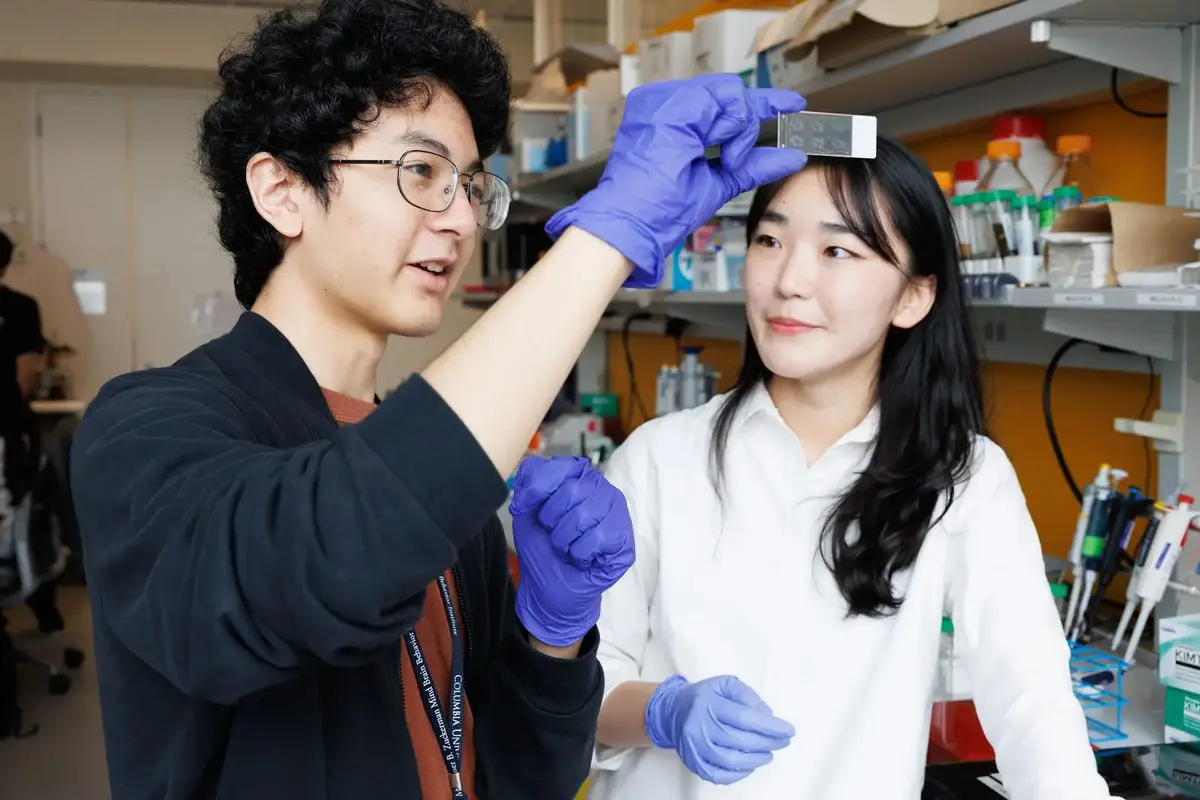
In this program, you work directly inside a Columbia University neuroscience lab, gaining hands-on experience with real research tasks. You explore core areas of brain science, including neuroanatomy, data analysis, and scientific communication, while contributing to ongoing projects. The structure of the program gives you consistent exposure to lab routines, research tools, and the way scientific questions are investigated at the university level.
You also interact closely with Columbia researchers who guide your work, help you refine technical skills, and offer insight into careers in neuroscience and medicine. By the end, you’ll develop a clearer understanding of how scientific discoveries are made and what it feels like to be part of an active research community.
Why it stands out: This program is uniquely focused on neuroscience and gives you direct mentorship from scientists at one of the world’s leading research institutions.
15. Carl B. & Florence E. King Foundation High School Summer Program
Location: MD Anderson Cancer Center, Houston, TX
Cost/Stipend: No cost / $7,200 stipend (10-week program), $6,480 stipend (9-week program)
Acceptance rate/cohort size: Up to 6 students
Dates: June 1st – August 7th
Application Deadline: January 14th
Eligibility: Current Texas high school seniors age 18 + by program start
This is a selective 10-week research experience designed for high school students interested in biomedical sciences and allied health careers. You spend full-time weekdays working in an MD Anderson Cancer Center laboratory, where you contribute to a real research project under the mentorship of a faculty member. The program focuses heavily on core scientific principles, hands-on experimentation, and understanding how scientific investigations are designed, executed, and interpreted.
You’ll attend seminars led by MD Anderson faculty that introduce you to a range of biomedical fields and research methods. You also participate in program-wide activities such as abstract writing, poster presentations, and elevator-pitch competitions. The program concludes with a final presentation and celebration, allowing you to showcase your work and reflect on your growth.
Why it stands out: This program offers rare, full-day immersion at one of the world’s leading cancer research centers, giving high school students access to advanced biomedical environments typically reserved for university-level researchers.
Join the Immerse Education 2027 Essay Competition
Follow the instructions to write and submit your best essay for a chance to be awarded a 100% scholarship.
Turning STEM Research Into University Readiness
Research changes how learning feels. Instead of following instructions, you start asking your own questions and testing real ideas.
Through these STEM research opportunities for high school students, you experience the pace, independence, and curiosity that define university-level study. You learn how setbacks shape progress and why clear thinking matters.
These programmes also give context. They help you see which subjects excite you beyond the classroom and how academic interests translate into future pathways.
If you’re thinking ahead, our University Preparation blogs explore how to reflect on research experiences and use them thoughtfully when planning your next academic steps.





Unlock Inspiring Opportunities with the Immerse Education Newsletter
Join our newsletter to stay ahead with exclusive updates, exciting programme highlights, and expert insights from the world of immersive education.
Learn how Immerse can transform your life
An in-depth overview of our university and career preparation programmes
Get a glimpse into the life of an Immerse participant
Find the right programme for you with sample timetables, location showcases, and more