
 Русский (RU)
 Українська (UK)
 Türkçe (TR)
 Italiano (IT)
 Français (FR)
 Português (PT)
 中文 (中国) (ZH)
 Español (ES)
 日本語 (JA)
 ไทย (TH)
 Deutsch (DE)
 Ελληνικά (EL)
 Polski (PL)
 Bahasa Indonesia (ID)
 Nederlands (NL)
 العربية (AR)
 한국어 (KO)

If you are trying to move beyond what you learn in school and see how STEM actually works in real settings, summer is usually the best time to start. With fewer academic pressures, you can step into environments where the focus is not just on understanding concepts, but on using them. One of the most practical and beneficial ways to do that is by taking up summer STEM jobs for high school students.
Picture yourself helping organise data for a small research project, assisting with basic tasks in a lab, or supporting a local team with technical work. You might not be leading anything yet, but you are inside the process. You start noticing how people approach problems, how work is divided, and how even small tasks contribute to something bigger.
What kinds of summer STEM jobs are available for high school students?
With so many options, it’s easy to assume all roles offer similar experiences, but that’s not the case. Some jobs are repetitive and limited to routine work, while others give you a closer look at how real projects function. It helps to look for roles where you can observe and participate, even in small ways. That’s why getting the right information is important, so you can identify the most useful opportunities.
Most summer STEM jobs fall into a few broad areas. Some are research-based, where you assist with data collection or lab preparation. Others are more applied, like tutoring, IT support, or entry-level coding work. You may also find opportunities in environmental projects, healthcare settings, or with local startups and small businesses.
The value usually comes from being part of a working environment. You learn how deadlines are handled, how teams communicate, and how responsibilities are shared. Over time, this gives you a more realistic sense of what working in STEM might actually involve.
To make things easier, here are 15 STEM summer jobs for high school students.
For adjacent opportunities, you can consider online STEM programs. For a research focus, you can check out STEM research opportunities.
15 STEM Summer Jobs for High School Students
1. Stanford Institutes of Medicine Summer Research (SIMR) Program
Location: Stanford School of Medicine, Stanford, CA
Cost: $50 non-refundable application fee; Students receive a minimum stipend of $500; students from underrepresented groups will receive at least $1,500
Application Deadline: February 21st
Dates: June 8th – July 30th
Eligibility: High school juniors and seniors at least 16 years old, who are U.S. citizens or permanent residents
The Stanford Institutes of Medicine Summer Research Program is one of the most research-intensive STEM summer jobs for high school students, offering eight weeks of guided research in biomedical science. During this time, you are placed in a laboratory where you learn how experiments are designed, how data is handled, and how findings relate to medical questions. You work with graduate students and postdoctoral researchers, which helps you understand how research teams function in an academic setting.
Your experience depends on your lab placement. Research areas may include stem cell biology, cancer research, immunology, neuroscience, or bioengineering. Alongside your lab work, you attend weekly lectures and sessions that introduce different paths within medicine and research, including clinical and academic careers.
Why it stands out: The program provides exposure to interdisciplinary areas, including the overlap between medicine, technology, and data science.
2. Immerse Education’s Career Insights Summer School
Location: Cambridge, London, New York, San Francisco, Singapore, Sydney, and Tokyo
Cost: Varies; summer school scholarship available through our bursary programme
Application Deadline: Multiple summer cohorts with rolling admissions
Dates: 2 weeks during the summer
Eligibility: High school students aged 15-18; international students welcome
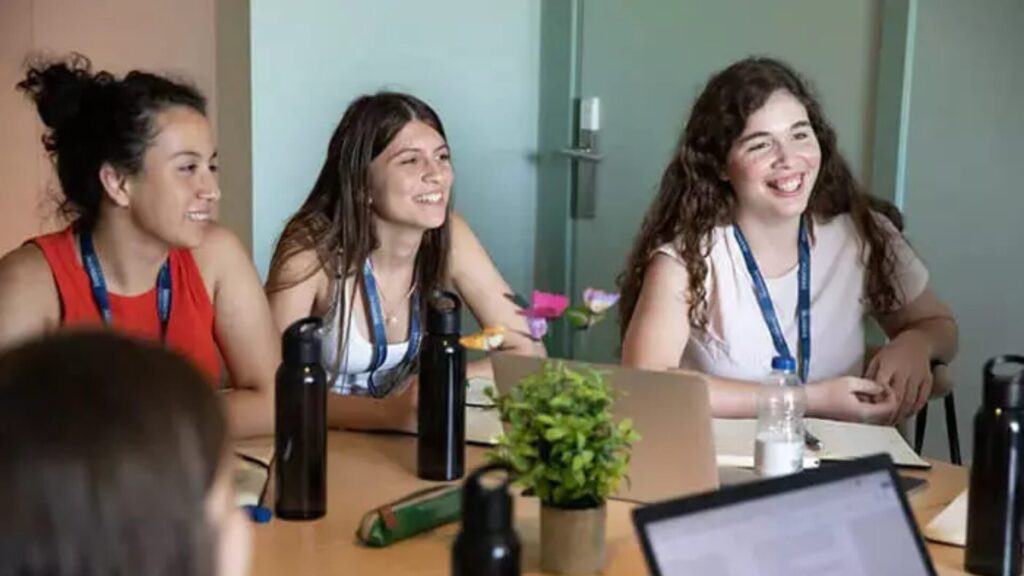
The Career Insights Programme is a STEM-focused experience designed to introduce you to workplace applications of science and technology. During the program, you work on practical projects related to fields such as engineering, medicine, and computing, allowing you to see how these areas are applied in professional settings. You take part in workshops, site visits, and structured activities led by industry professionals.
These may include visits to offices, laboratories, research centres, or engineering facilities, where you observe how teams operate and how projects are carried out. The program also gives you exposure to different STEM pathways, including engineering, environment and sustainability, medicine, software development, gaming, and artificial intelligence. The experience concludes with a final presentation, where you share your project outcomes with professionals.
Why it stands out: You’ll explore real STEM careers through hands-on projects, company visits, and personalised career coaching from industry experts.
3. HOPP Summer Student Program
Location: Memorial Sloan Kettering Cancer Centre, Manhattan, NY
Cost: $1,200 stipend provided
Application Deadline: February 6th
Dates: June 29th – August 21st
Eligibility: High school juniors who are 14 or older by June, are legally authorised to work in the U.S., live within 25 miles of Memorial Sloan Kettering Cancer Centre in Manhattan, New Jersey, New York, or Connecticut, and have a 3.5 GPA in science courses
The HOPP Summer Student Program is an eight-week program that introduces you to translational cancer research. During the program, you are matched with a principal investigator and placed in either a biomedical or computational lab. You take part in assigned research tasks and contribute to ongoing projects, gaining an understanding of how research is conducted in this field.
Along with your lab work, you attend training sessions, facility tours, and discussions on research methods. These activities help you see how different approaches are used to study cancer. Group sessions also cover topics such as laboratory techniques, data analysis, and standard practices in oncology research.
Why it stands out: You gain direct experience working in a cancer research lab while learning from professionals about both the scientific and practical aspects of oncology research.
4. Science and Engineering Apprenticeship Program (SEAP) at the Department of the Navy (DoN)
Location: There are several lab locations to choose from across the U.S.
Cost: No cost. Stipends for new participants: $4,000 | Returning participants: $4,500
Application Deadline: Summer internship applications open on August 1st and close on November 1st every year
Dates: The internship lasts eight weeks (with the possibility of extending up to two additional weeks)
Eligibility: You need to be a high school student who has completed at least Grade 9 and is still enrolled in school, though taking college-level classes is allowed. Graduating seniors can also apply. You must be at least 16 years old by the start of the program and be a U.S. citizen
The Science and Engineering Apprenticeship Program is an eight-week summer program where you are placed in a Department of the Navy laboratory. During this time, you assist with ongoing research projects and gain exposure to how scientific and engineering work is carried out in a government setting.
As a participant, you are selected through an application process that considers your academic record, written responses, recommendations, and stated interests in STEM fields. During the program, you work with scientists and engineers, observe research processes, and develop a clearer understanding of how technical work is applied in areas related to naval technology.
Why it stands out: You gain experience working in a government research lab while being introduced to applications of science and engineering in a defense-related context.
5. ASPIRE Internship at the Johns Hopkins Applied Physics Laboratory (APL)
Location: Johns Hopkins Applied Physics Laboratory campus, Laurel, MD, and Virtual
Cost: Free
Application Deadline: February 15th
Dates: June 23rd – August 21st
Eligibility: High school juniors or seniors who are U.S. citizens, minimum age: 15 years; minimum 2.8 GPA. More information available here
The ASPIRE Program is a summer program that introduces you to different STEM career paths through project-based work. During the program, you are paired with mentors from the Applied Physics Laboratory and take part in assignments and problem-solving activities that reflect real workplace tasks.
You spend around 30–40 hours per week on-site, working on projects and learning how technical knowledge and collaboration are applied in a professional setting. The program also gives you opportunities to interact with staff members, ask questions, and observe how teams approach research and development challenges.
Why it stands out: You explore STEM careers through consistent, hands-on work while interacting directly with mentors in a professional research setting.
6. Houston Methodist’s Summer Internship Program
Location: Houston Methodist Hospital, Texas Medical Center, Houston, TX
Cost: None. A stipend is provided
Application Deadline: January 30th
Dates: June 8th – July 31st
Eligibility: U.S. high school juniors and seniors with a minimum 3.5 GPA who will be at least 16 years old by the start of the program are eligible to apply
The Houston Methodist Summer High School Research Internship is a summer program that introduces you to medical research in a hospital setting. During the internship, you work with faculty and researchers on laboratory projects related to areas such as immunology, cell biology, and disease processes.
As part of the program, you learn basic research methods, data analysis, and scientific writing. You also attend sessions focused on professional skills and have opportunities to interact with researchers and peers. At the end of the program, you present your work at a symposium, which helps you practice explaining scientific findings clearly.
Why it stands out: You gain practical insight into how research conducted in a hospital setting supports patient care and medical advancements.
7. Medical Student Research Internship Program
Location: Scripps Research Translational Institute, La Jolla, CA
Cost: No cost / Stipend paid, amount not specified
Application Deadline: March 30th
Dates: June 1st – August 7th OR June 15th – August 7th
Eligibility: High school students worldwide who are at least 16 by the internship’s start date
This 10-week program introduces you to translational science and precision medicine. You take part in sessions on topics such as digital health, clinical genomics, community engagement, and study design and analysis. You also have the opportunity to observe the development of clinical trials, from initial planning to interpreting results.
Your specific research activities depend on your mentor and may involve working with genomic or clinical data. The program concludes with a presentation where you explain a scientific concept to your peers, giving you practice in communicating research clearly.
Why it stands out: You gain exposure to the full process of translational research, from study design to data analysis, while developing skills in both research and scientific communication.
8. MIT Research Science Institute (RSI)
Location: Massachusetts Institute of Technology (Cambridge, MA)
Cost: Free, but a $75 application fee; Stipend provided (amount not specified)
Application Deadline: December
Dates: June 28th – August 8th
Eligibility: 11th grade high school students; minimum age: 16 years; international students welcome
The MIT Research Science Institute is a summer program that combines advanced STEM coursework with independent research for high school students. You begin with an intensive week of classes covering subjects such as biology, chemistry, engineering, mathematics, physics, and humanities, taught by experienced instructors.
Afterwards, you spend several weeks conducting an individual research project under the guidance of mentors. The program concludes with written and oral presentations of your work. Alongside academic activities, you may participate in field trips to science and technology facilities in the Boston area.
Why it stands out: You experience the full research process , from advanced coursework to independent investigation and presentation , while working alongside researchers at MIT, all without program fees.
9. Research Start – University of Chicago and Partner Institutions
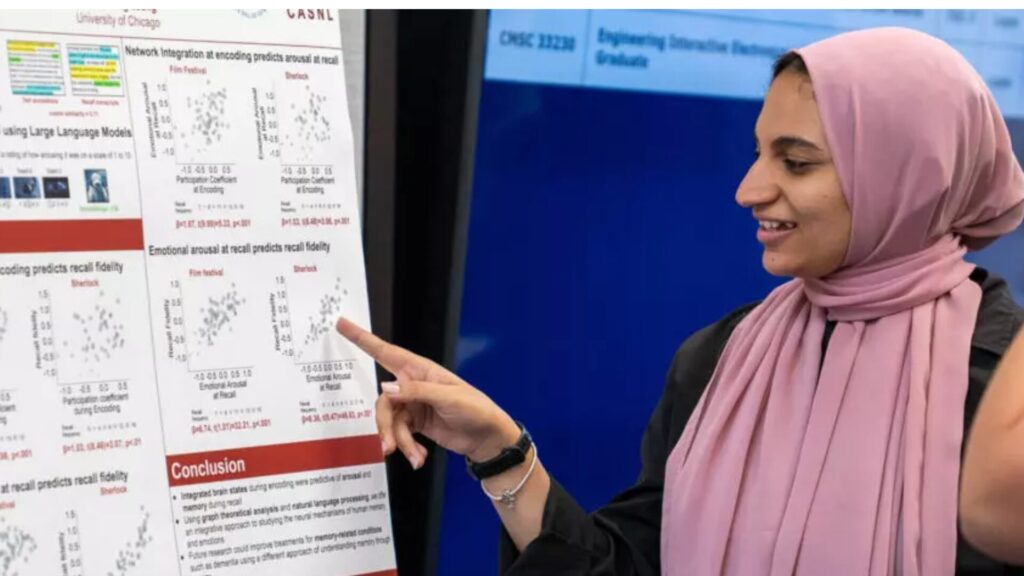
Location: Chicago and the Urbana-Champaign area
Cost: No cost; $3,000 stipend
Application Deadline: Typically in January
Dates: June 15th – August 7th
Eligibility: High school juniors and seniors who are at least 16 years of age at the start of the program and are residents of Illinois or Lake County, Indiana
The ResearchStart Program is a program that gives you hands-on experience in cancer research by placing you in a laboratory at a participating university. You work on projects in areas such as cancer immunology, bioengineering, or therapeutics, following lab protocols and completing assigned tasks under supervision.
The program also includes workshops and lectures to build research skills, along with guidance from faculty and peer mentors. You participate in sessions on professional development and learn about different career paths in biomedical science. The program ends with a symposium where you present your research findings to mentors and peers.
Why it stands out: You gain direct experience in a university lab, working on ongoing cancer research projects while receiving mentorship and learning about biomedical science careers.
10. Princeton University Laboratory Learning Program
Location: Princeton University, Princeton, NJ
Cost: Free
Application Deadline: March 15th
Dates: Five weeks during the summer
Eligibility: High school students; minimum age: 16 years; U.S. citizens or permanent residents attending a local NJ high school
The Princeton University Laboratory Learning Program is a full-time, in-person research opportunity for local high school students. You work on ongoing projects under the guidance of Princeton faculty and research staff, gaining experience in scientific and engineering practices. At the end of the program, you submit a two-page report summarising your research.
Project topics vary each year depending on faculty involvement, giving you exposure to different areas of study. This program is designed for high school students who want to engage in active research and learn directly from experienced professionals.
Why it stands out: You gain hands-on experience contributing to active Princeton research projects while receiving direct mentorship from faculty and research staff.
11. Stanford Center for Artificial Intelligence in Medicine and Imaging (AIMI) Summer Research Internship
Location: Virtual
Cost: $2,400 + $45 Application fee; Full aid available for family income <$80,000
Application Deadline: February 20th
Dates: Session A: June 15-26; Session B: July 6-17
Eligibility: High school students; minimum age: 14 years; must be permanent U.S. residents
The AIMI Summer Research Internship is a two-week virtual program for high school students that introduces you to artificial intelligence applications in healthcare. You take part in lectures covering both foundational and technical concepts, work on hands-on group projects, and receive guidance from Stanford student leaders and researchers.
The program also includes “Meet the Expert” sessions with speakers from academia, industry, non-profit, and government sectors. You can engage in social activities and receive a certificate upon completion.
Why it stands out: You gain exposure to AI in healthcare through structured lectures, collaborative projects, and mentorship from Stanford researchers and industry experts.
12. Stony Brook University’s Simons Summer Research Program
Location: Stony Brook University, Stony Brook, NY
Cost: No tuition fee; A stipend is provided
Application Deadline: February 5th
Dates: June 29th – August 7th
Eligibility: High school juniors; minimum age: 16; must be U.S. citizens or permanent residents
The Simons Summer Research Program is a summer program that allows high school students to participate in hands-on research in science, engineering, or mathematics. You are paired with a faculty mentor, join a research group, and contribute to an ongoing project.
Throughout the program, you attend weekly research discussions, workshops, and special events, and take part in tours that provide insight into university life. The program concludes with a poster symposium where you present a research abstract and poster summarising your work.
Why it stands out: You gain direct experience working on a research project with a faculty mentor and develop skills in presenting your findings to an academic audience.
13. NASA Johnson Space Center’s Texas High School Aerospace Scholars (HAS)
Location: Combination of virtual learning and an in-person experience at Johnson Space Centre, Houston, TX
Cost: Free
Application Deadline: September 27th
Dates: Virtual learning: October – April; In-person: June – July
Eligibility: High school juniors residing in Texas and attending a Texas high school; U.S. citizens
The High School Aerospace Scholars Program is a year-long program that introduces you to NASA’s work in space exploration, aeronautics, and Earth science. You take part in a five-month online learning experience covering topics such as coding, engineering, and computer-aided design.
Top-performing students are invited to the five-day virtual “Moonshot” experience, where they receive guidance and mentorship from NASA engineers and scientists. The most successful teams from Moonshot may also be invited to attend a fully funded residential program at NASA’s Johnson Space Centre.
Why it stands out: You gain hands-on exposure to NASA missions, develop technical skills, and receive mentorship directly from NASA professionals.
14. Genspace’s Biorocket Research Internship
Location: Genspace, Brooklyn, NY
Cost: Free; $2,000 stipend
Application Deadline: Application opens on November 1st
Dates: July 6th – August 14th (tentative)
Eligibility: High school students ages 16 and above attending a New York City Public or Charter school
The Genspace Biorocket Research Internship is one of the more specialised STEM summer jobs for high school students, introducing you to genetic engineering and biotechnology over six months. You work in laboratories, participate in research projects, and learn practical biology and engineering techniques under the guidance of scientist mentors.
The program also includes career guidance, lab and biotech company tours, and opportunities to collaborate with other students on summer research projects. You can develop science communication skills and connect with a network of teen research internships for further opportunities.
Why it stands out: You gain practical experience in genetic engineering while collaborating on research projects and learning directly from professional scientists.
15. Hutton Junior Fisheries Biology Program
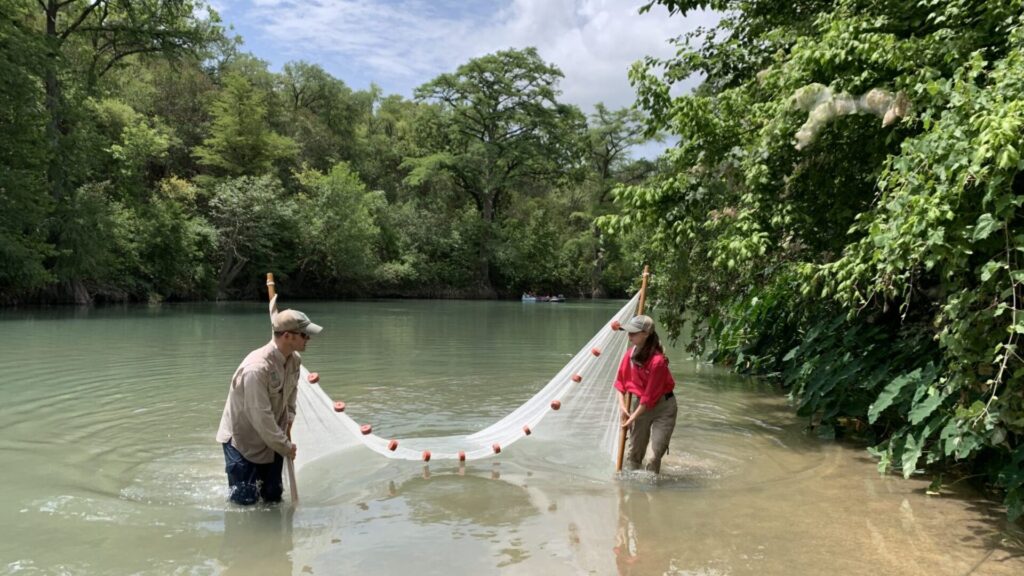
Location: Multiple locations across the U.S., Canada, Mexico, Puerto Rico, and the Pacific Islands
Cost: Free; a $3,000 stipend is paid
Application Deadline: January 25th
Dates: Eight weeks in the summer; Exact dates are decided by students and mentors
Eligibility: Rising high school seniors and college freshmen; Minimum age: 16 years; Must be a US, Canadian, Mexican, or Pacific Island resident
The Hutton Junior Fisheries Biology Program is a program sponsored by the American Fisheries Society (AFS) that introduces you to fisheries and aquatic science. You work alongside fisheries professionals and gain practical experience in environmental monitoring and conservation.
During the program, you take part in activities such as fish population surveys, snorkelling, water quality testing, electrofishing, and data analysis. While there are no formal prerequisites, prior coursework in ecology, biology, conservation, or geology can be helpful.
Why it stands out: You gain hands-on experience in fisheries and aquatic science while learning directly from professionals in conservation and environmental management.
From Summer STEM Work to Future Paths
Some summers give you rest, but others change how you think, especially when work experience turns STEM from school subjects into something practical and real.
That is the value of STEM summer jobs for high school students: they show how research, technology, and teamwork come together beyond the classroom.
You begin to notice what suits you, which environments energise you, and which problems you actually want to solve for yourself later.
Follow that momentum into our Career Exploration blogs, where new industries, unexpected roles, and clearer next steps can start to feel exciting and possible ahead.