15 Summer Tech Internships for High School Students

If you’re a high school student interested in technology, you’ve probably noticed how quickly the tech world moves. From apps and software to artificial intelligence and data systems, technology shapes nearly every industry. However, understanding what working in tech is like can be hard from a classroom alone. That’s where summer tech internships for high school students come in.
Imagine contributing to a coding project, assisting with product development, or learning how tech teams collaborate to solve complex problems. These internships give you firsthand exposure to how technology is built, tested, and improved in professional settings.
Even if you already enjoy coding or problem-solving, internships help you see how those skills translate into real work. You’ll gain insight into workplace expectations, project timelines, and the collaborative nature of tech roles, helping shape how you think about future study and careers.
What are summer tech internships for high school students?
We know that some internships offer limited responsibility or focus more on observation than meaningful learning. That’s why careful research matters, so you can identify the tech internships that are most suited to your interests.
Across startups, tech companies, research labs, and educational organizations, you’ll find summer tech internships that introduce students to fields like software engineering, data science, cybersecurity, robotics, and IT systems. Whether you’re just starting out or already building technical skills, these internships allow you to learn directly from professionals and gain practical experience.
You’ll be challenged to adapt, learn quickly, and take initiative once the internship starts. However, we’ve saved you some work now. To make the process easier, we’ve created a list of 15 Summer Tech Internships for High School Students. They’ve been picked for their learning value, mentorship opportunities, and exposure to the tech industry.
1. Research Science Institute (RSI)
Location: MIT Cambridge, Massachusetts
Cost/Stipend: Free
Dates: June 28th – August 8th, details here
Application Deadline: December 10th
Eligibility: Domestic high school students in the middle of their junior year (third year, or grade 11). And, international students have their own selection procedure & selection schedule
The Research Science Institute (RSI) at MIT is a cost-free six-week STEM program. During the first phase, you will attend specialized lectures, workshops, and seminars to gain an opportunity for networking. You’ll review academic texts and contemporary journal articles relevant to your topic of the assigned specific research projects. You’ll conduct your assigned research in the lab under the expert supervision of mentors for the rest of the program.
In the end, you’ll prepare an academic conference-level paper and oral presentation and present your findings to the Institute. In addition, you’ll tour various Boston field trips and science and technology facilities. At the conclusion, an external panel of Boston-area scientists from academia and industry will recognize five papers and five presentations with special commendation.
Why it stands out: You’ll conduct research at MIT Laboratory, network with Nobel laureates and entrepreneurs, and give a final presentation to a panel of Boston-area scientists.
2. Immerse Education’s Software Development & AI Summer School
Location: UC Berkley, San Francisco
Cost/Stipend: Varies; summer school scholarship available through their bursary programme
Dates: 5th Jun – 11th Jul, 19th Jul – 1st Aug
Application Deadline: Multiple summer cohorts with rolling admissions
Eligibility: High school students worldwide aged 15-18
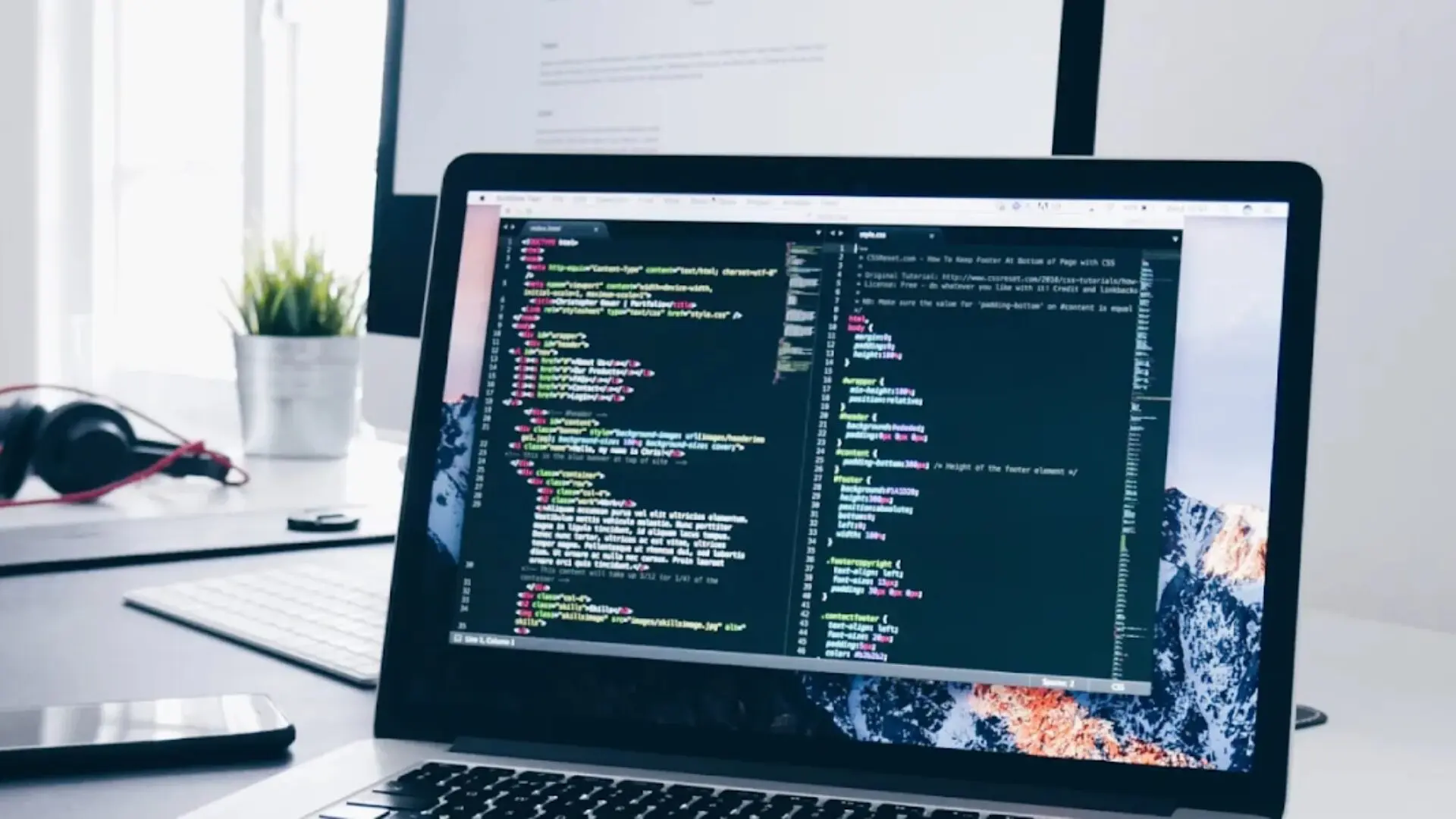
The Immerse Education Software Development & AI Summer School is designed as one of the most immersive summer tech internships for high school students interested in software engineering and artificial intelligence. You will study in small groups of around 7–10 students with expert tutors, gaining hands-on experience in coding, AI concepts, problem-solving, and software design through structured, project-based learning.
You may find yourself building software projects, developing simple machine-learning models, or presenting a working prototype that showcases your technical skills. Alongside your academic work, the programme often includes real-world insights through industry visits and career skills sessions that prepare you for future study or tech careers. By the end of the programme, you’ll complete a personal project, receive written feedback from your instructors, and earn a certificate of achievement reflecting your growth and experience.
Why it stands out: It blends practical coding skills with artificial intelligence applications, helping you build real-world software and machine learning experience before college.
3. MIT’s Beaver Works Summer Institute
Location: Massachusetts Institute of Technology, Cambridge, MA
Cost/Stipend: $2,350 for families earning $150,000 or more. For qualifying families, it is free. More details here
Dates: July 6th – August 12th
Application Deadline: March 30th
Eligibility: Students in grades 9-12 must live and attend high school physically in the United States for the entire program
High school students seeking deep technical immersion can participate in MIT’s Beaver Works Summer Institute, one of the most rigorous summer tech internships for high school students in the United States. The program offers specialised courses that help you master practical STEM skills and apply them to real-world cybersecurity, engineering, and systems challenges through collaborative, mentor-led projects.
You will solve real-world challenges while learning and developing skills like critical thinking and teamwork. You will develop modern tech skills and explore future jobs and courses in STEM. The program extends into the fall with two countrywide challenges where you will complete the project under professional mentorship.
Why it stands out: Every fall, you can participate in two countrywide competitions under expert mentorship.
4. Women’s Technology Program (WTP) at MIT
Location: MIT campus, Cambridge, Massachusetts
Cost/Stipend: Free for students with family income $120,000 or less, more details here
Dates: June 27th – July 25th
Application Deadline: December 15th
Eligibility: High school students worldwide currently in grade 11; must live in the U.S. year-round
The four-week Women’s Technology Program at MIT is a hands-on learning program for high school students. The program offers practical learning and experience in mechanical engineering while being mentored by MIT graduate and undergraduate students. You will participate in problem-solving, design activities, and projects like trajectories, structures, CAD, programming, heat transfer, and manufacturing principles to develop your skills.
You’ll visit labs, engineering companies like Google, EPAM Continuum, and participate in measurement activities and workshops. You will work in pairs with MIT mentors on a poster project based on your interest from various areas of mechanical engineering. By the end, you will have a portfolio to showcase for future college and job applications. More details are here.
Why it stands out: You will gain practical engineering experience, tour major companies like Google and EPAM Continuum, and create a portfolio.
5. Carnegie Mellon University’s AI Scholars
Location: Carnegie Mellon University, Pittsburgh, Pennsylvania
Cost/Stipend: Free
Dates: June 20th – July 18th
Application Deadline: February 1st
Eligibility: Domestic students must be at least 16 years old and be in either their junior or senior year of high school
The AI Scholar Program at Carnegie Mellon University offers a fundamental and core study of artificial intelligence. You will experience college-level study in AI taught by CMU faculty, prepare for college through seminars, and explore the ongoing research projects of faculty and graduate students.
The program includes a virtual pre-program Python course, research projects, writing workshops, and interactive discussions designed to support your personal growth- exploring careers and academic path, college life, and networking. You will gain hands-on experience through working on group research projects, field trips to tech companies, and networking with industry professionals. At the end, you will finally present your research project.
Why it stands out: You will work on research projects with CMU faculty, develop networks with industry professionals, and explore future education and careers.
6. NIST Summer High School Internship Program (SHIP)Summer High School Internship Program (SHIP)
Location: National Institute of Standards and Technology Campuses, Gaithersburg, Maryland, and Boulder, Colorado
Cost/Stipend: Free
Dates: June 22nd – Aug 7th
Application Deadline: January 26th
Eligibility: U.S. high school juniors or seniors during the application period, and must have a minimum GPA of 3.0
The Summer High School Internship Program (SHIP) is a seven-week internship at the National Institute of Standards and Technology (NIST) for high school students interested in science research. You will learn and work with expert faculty scientists and engineers on a cutting-edge research project to solve a research problem. NIST is divided into six laboratories focusing on physical and engineering sciences that provide industry with essential measurement tools, data, and technology.
You can choose one of the six research laboratories of your interest, like the Engineering Laboratory, the Information Technology Laboratory, the Material Measurement Laboratory, the NIST Center for Neutron Research, the Physical Measurement Laboratory, and the Communications Technology Laboratory. NIST offers very few SHIP research opportunities in the biological or life sciences.
Why it stands out: You will conduct cutting-edge research with faculty scientists and engineers to solve research problems.
7. Johns Hopkins ASPIRE

Location: Johns Hopkins Applied Physics Laboratory (APL), Laurel, Maryland.
Cost/Stipend: Free
Dates: June 23rd – August 21st
Application Deadline: February 15th
Eligibility: For high school students during the program with a minimum 2.8 GPA. Student must be a U.S citizen (green card holders are not eligible)
The ASPIRE STEM Outreach program at the Johns Hopkins Applied Physics Laboratory functions as one of the most applied summer tech internships for high school students interested in engineering, computing, and defence technologies. Designed as an intensive educational experience, the programme pairs you with APL mentors to work on hands-on projects involving coding, robotics, and real-world problem solving.
The program requires 30-40 hours per week working on projects like coding and robotics, defense systems, and social impact projects. You will work directly with professional mentors on projects focusing on hands-on learning and problem-solving rather than just grades. You will explore different STEM career paths for future academic and professional careers.
Why it stands out: You’ll work one-on-one with APL faculty on unique projects tailored to your interests, gaining real-world experience.
8. Stanford AIMI Summer Research Internship
Location: Online
Cost/Stipend: $2,400, financial aid available
Dates: Session A: June 15th – July 26th; Session B: July 6th – July 17th
Application Deadline: February 20th
Eligibility: Students must be at least 14 years old and currently enrolled in a U.S. high school in grades 9-12. Students must commit to the entire two-week program and attend every day in full. A strong preference towards students with a strong computer science, math, and/or biology background.
The Stanford Center for Artificial Intelligence in Medicine and Imaging (AIMI) Summer Research Internship is a standout option among the various summer tech internships for high school students interested in AI and healthcare innovation. This online programme explores how artificial intelligence is applied in medical imaging and public health, combining lectures, guided research projects, and mentorship from Stanford researchers.
You will attend lectures on the fundamentals of AI in healthcare, hands-on group sessions, conduct research projects, and social activities. Throughout the two weeks, you will be mentored by Stanford student leads and researchers who provide guidance on your projects. The program includes ‘Meet the Expert’ sessions led by academicians, industry professionals, and public officials. Upon completing the program in full attendance, you will receive a Certificate of Completion.
Why it stands out: You will explore AI research and public healthcare, mentored by Stanford students, and network with academicians, industry professionals, and public officials.
9. UCSD’s Research Experience for High School Students (REHS)
Location: UCSD San Diego Supercomputer Center, UC San Diego Campus, La Jolla, CA
Cost/Stipend: Free; Research project: $1500
Dates: June 8th – July 31st
Application Deadline: March 15th
Eligibility: The program is focused on high school students in grades 10-12 from San Diego County
The Research Experience for High School Students at the San Diego Supercomputer Center is a program where you study computational science and hands-on research. You can work on a research project, work with UCSD mentors, and learn how to conduct computational research, create and test hypotheses, and draw conclusions. You will participate in lab meetings and group discussions, and network with mentors.
The program helps you to navigate research or career interests through a research project with the help of software instruction, group discussions, and practical readings. If you are accepted into a Research Project, you must pay a $1,500 registration fee, but if you participate in a Non-Research Project, the registration fee is waived. At the end, you will create a poster summarizing your experience, highlighting your research, and outlining your future career interests.
Why it stands out: You’ll work and network with UCSD faculty and researchers on research projects while gaining computational skills.
10. Northeastern University’s Young Scholars Program (YSP)

Location: Northeastern Boston Campus, Boston, MA
Cost/Stipend: Free
Dates: June 22nd – July 30th
Application Deadline: March 2nd
Eligibility: Students must be current high school juniors who are U.S. Citizens or permanent Massachusetts residents living within commuting distance of Northeastern University.
The Young Scholars Program at Northeastern University is a free program exploring the fields of science, health sciences, and engineering. You can participate in Industry experts and graduate students on diverse topics, including robotics, laser technology, biotechnology, and environmental protection. The program offers career and academic counseling led by program coordinators and mentors. You go on field trips to companies and organizations like Biogen, Massachusetts Clean Energy Center, and MIT to observe professional engineers on the job while exploring college life.
Why it stands out: You gain hands-on lab experience, receive academic and career counseling, and participate in seminars and field trips.
12. NASA-Space Physical Sciences Internship
Location: Glenn Research Center (GRC), Cleveland, Ohio
Cost/Stipend: Free
Dates: Not specified yet
Application Deadline: February 27th
Eligibility: US Citizen Only, for students in Grade 12.
The Space Physical Sciences Internship at NASA GRC offers a deep understanding and hands-on experience in projects on physics, combustion science, and soft matter, contributing directly to NASA’s missions. You can participate in projects across four areas. In the two-phase, you will be helping engineers and scientists with data analysis, prototyping, and data collection for systems involving boiling and condensation.
Combustion science is where you help scientists with fuel testing and data analysis, and work on the project Flammability Materials on the Moon. Soft matter research covers using AI and engineering skills and conducting a research project focused on polymers, colloids, and granular media. In NASA hardware displays, you will assess and document returned hardware from the Space Shuttle and ISS to create public displays that explain the science behind these missions.
Why it stands out: You’ll work on real NASA spaceflight experiments and contribute to the projects that are sent to the International Space Station.
12. Texas Tech University – Anson L. Clark Scholars Program
Location: Texas Tech University, Lubbock, Texas
Cost/Stipend: $750 stipend
Dates: June 21st – August 6th
Application Deadline: February 16th
Eligibility: High school juniors and seniors who are at least 17 years old by the start of the program. Students must also hold U.S. citizenship or permanent residency
The Anson Clark Scholars Program at TTU is for high school students, providing an opportunity to study a wide range of courses from STEM to history and develop skills. The program includes courses like biology and cancer biology, as well as engineering, computer science, and physics, led by expert faculty.
You can conduct practical research, participate in social activities and seminars, and tour field trips. You will develop STEM skills, critical thinking, and explore future career and academic choices. The program is free, and you can receive a stipend of $750 upon completing the research project.
Why it stands out: You’ll work with faculty on a research project across diverse fields and earn a stipend of $750.
13. Aspiring Scientists Summer Internship Program (ASSIP)
Location: George Mason University (GMU), Virginia
Cost/Stipend: $1299 for three college course credits
Dates: June 18th – August 12th
Application Deadline: February 15th
Eligibility: Interns must be at least 15 years old. There is no maximum age limit, provided the intern does not graduate from university before or during the internship. International students are welcome to apply
The Aspiring Scientists Summer Internship Program (ASSIP) provides hands-on experience and one-on-one working opportunities with university faculty researchers. You will work on research using cutting-edge technologies and equipment, and develop scientific and communication skills. The expert faculty help you explore STEM career choices through discussion forums and meetings.
You will develop creative skills required for research and earn three college credits from George Mason University. Successful research may lead to your project being featured in journal publications or presentations at professional symposiums. The program covers a wide variety of fields, from astronomy to renewable energy and scientific business and enterprise.
Why it stands out: You will experience working one-on-one with GMU faculty, earn college credits, and gain opportunities to publish in scientific journals
14. Seattle Children’s Hospital Research Training Program
Location: Seattle Children’s Research Institute, Seattle, WA
Cost/Stipend: $2,000 stipend
Dates: July 13th – August 7th
Application Deadline: March 8th
Eligibility: High school students worldwide currently in 10th grade (rising junior). Must live within commuting distance of downtown Seattle
The Research Training Program (RTP) at Seattle Children’s Research Institute is an opportunity for high school students to build a foundation in biomedical research for future careers. You’ll work in a research laboratory on microscopy, agarose gel electrophoresis, immunoassays, isolating white blood cells, and polymerase chain reaction in a professional environment in the Institute.
You’ll cover topics like biochemistry, immunotherapy, gene editing, and infectious diseases. You’ll conduct your own project, develop skills and participate in workshops, and explore further career options in the field. Upon completion, you’ll receive a stipend of $2,000 and give a final oral presentation.
Why it stands out: You will develop skills while conducting a research project at Seattle Children’s Research Institute, learn the PCR technique, and receive a $2000 stipend.
15. NASA’s GeneLab for High Schools (GL4HS) Program
Location: Virtual
Cost/Stipend: Free
Dates: June 2nd – August 29th (tentative, previous year based)
Application Deadline: April 9th (tentative)
Eligibility: US territories Puerto Rico, Guam, the U.S. Virgin Islands, Northern Marianas, and U.S high school students in 11th or 12th grade. Students must have taken at least one high school biology course (AP Biology is not a requirement of this program), and a Minimum GPA of 3.0
GeneLab for High Schools (GL4HS) is a flexible online summer program where high school students study NASA space biology and bioinformatics. You’ll receive training in NASA space biology and omics-based research, the use of bioinformatics tools and methods in data analysis, and the development of presentation skills.
The program offers a Basic Level course, after the completion of which you can work on an optional Capstone project where you in a team of four will analyze bioinformatics data, prepare a hypothesis-based research presentation using datasets analysis from OSDR. Upon the completion of the program, you’ll present your proposal and receive a Capstone Certificate after presentation.
Why it stands out: You will analyze bioinformatics datasets from the Open Science Data Repository, and a fully funded trip to the annual ASGSR conference will be awarded to the top three student teams.




Learning Today for Tomorrow’s Careers
Technology moves fast, but early exposure helps you understand how ideas become products, teams collaborate, and innovation turns curiosity into practical problem-solving.
Structured internships bridge classroom learning with real projects, showing how coding, data, and design operate inside professional environments where expectations, deadlines, and teamwork shape outcomes.
Through these summer tech internships for high school students, you gain mentorship, responsibility, and insight into how collaboration, iteration, and feedback drive technological progress in daily work.
To continue learning, explore our Educational Innovation blogs for emerging trends, teaching insights, edtech tools, and guidance that connects early tech experience to future-ready career pathways globally.
Join the Immerse Education 2027 Essay Competition
Follow the instructions to write and submit your best essay for a chance to be awarded a 100% scholarship.







Unlock Inspiring Opportunities with the Immerse Education Newsletter
Join our newsletter to stay ahead with exclusive updates, exciting programme highlights, and expert insights from the world of immersive education.
Learn how Immerse can transform your life
An in-depth overview of our university and career preparation programmes
Get a glimpse into the life of an Immerse participant
Find the right programme for you with sample timetables, location showcases, and more