
 Русский (RU)
 Українська (UK)
 Türkçe (TR)
 Italiano (IT)
 Français (FR)
 Português (PT)
 中文 (中国) (ZH)
 Español (ES)
 日本語 (JA)
 ไทย (TH)
 Deutsch (DE)
 Ελληνικά (EL)
 Polski (PL)
 Bahasa Indonesia (ID)
 Nederlands (NL)
 العربية (AR)
 한국어 (KO)
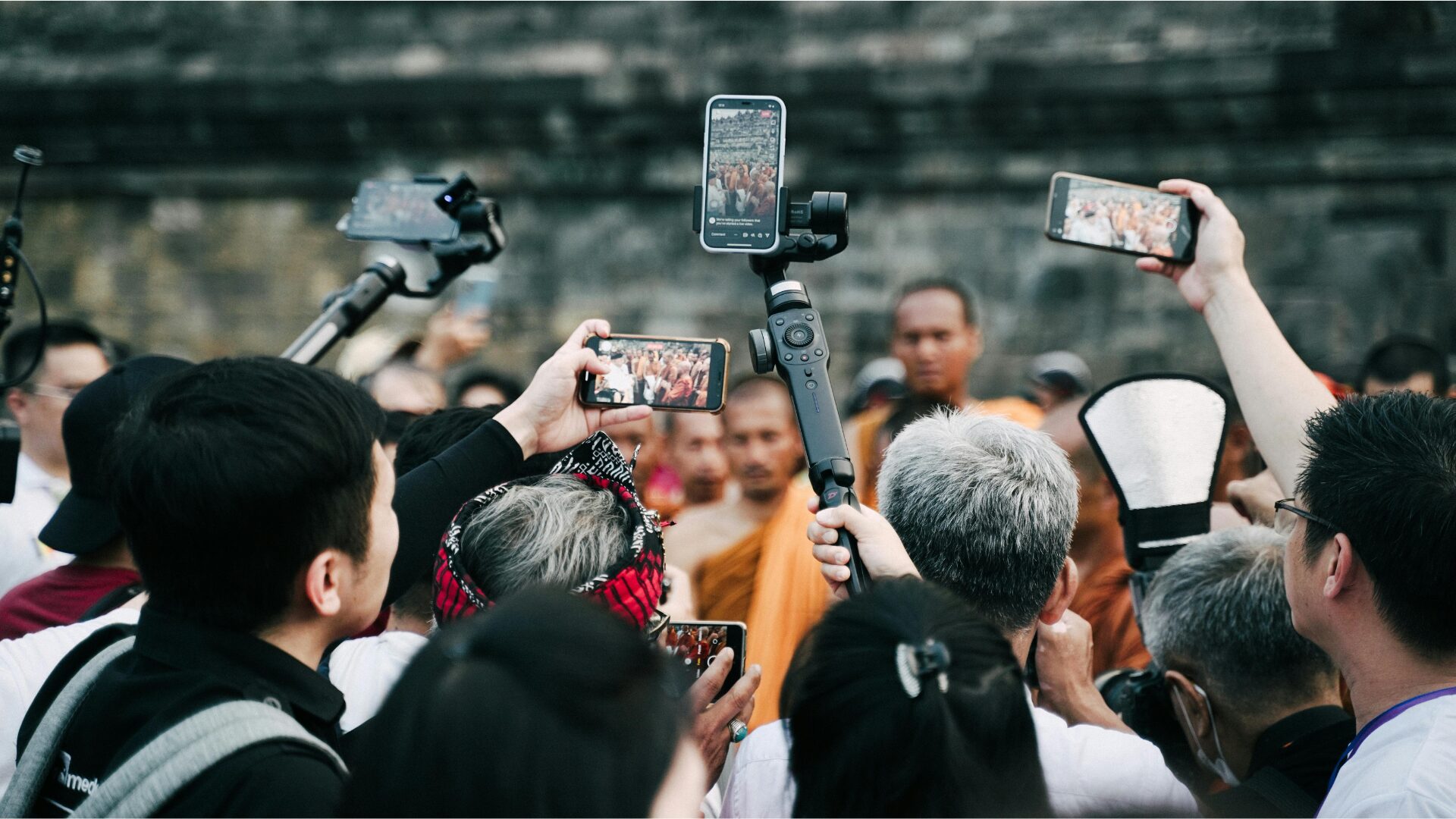
The School of the New York Times runs NYC Summer Academy, a pre-college summer school in New York for high school students aged 15–18.
Unlike online enrichment courses, this programme takes place on campus and across the city, using visits and events to extend learning.
The programme offers journalism and related subjects taught by Times journalists and industry experts, with both day and residential options.
Here’s a comprehensive guide to The School of the New York Times’ NYC Summer Academy in 2026.
Course Breakdown
| Programme option | Who’s it for? | Duration | Research areas | Outcomes | Cost (2026) |
| Day Student (NYC Summer Academy) | Students aged 15–18 who want a daytime programme in New York City, while arranging their own accommodation. | 2 weeks (per term) | Journalism and related subject areas, with the city used as a learning environment through visits and events. | Subject learning taught by Times journalists and industry experts, plus city-based experiences alongside other participants. | $6,195 (per two-week course) |
| Residential Student (NYC Summer Academy) | Students aged 15–18 who want accommodation and a fuller activities schedule alongside the academic programme. | 2 weeks (per term) | Journalism and adjacent themes such as media, culture, technology, sports, fashion, and business, depending on the course catalogue. | Residential experience in dorm-like facilities in NYC, with staff oversight and evening/weekend programming. | $7,695 (per two-week course) |
Note: Check their official website for their current pricing.
Curriculum Deep Dive
NYC Summer Academy organises learning around a single course per two-week term, spanning journalism and adjacent themes such as media, culture, technology, and business. The School frames the curriculum around current issues and real-world context, so course content stays connected to what students see in public life.
Teaching tends to feel workshop-led rather than lecture-heavy. Instructors introduce practical frameworks, then guide students through discussion, exercises, and applied tasks that build skill through repetition and feedback. The School highlights teaching from reporters, editors, and other industry experts, which often brings industry examples into daily sessions.
This summer programme in New York also extends learning beyond the classroom through planned city experiences. New York functions as a learning environment, so students connect ideas from class to observation and discussion in real settings.
This structure can suit students who learn best by doing, especially when concepts feel more tangible outside a traditional classroom.
Why Choose The School of the New York Times?
The School of the New York Times positions NYC Summer Academy as a pre-college programme built around New York City. It suits participants who want to explore journalism and related subjects through taught sessions and guided city experiences.
The programme emphasises learning from working professionals, including Times journalists and other industry experts with practical insight.
It also uses site visits, events, and cultural touchpoints to connect classroom learning with the realities of modern media. Families can choose day or residential attendance, which supports different levels of independence, supervision, and daily structure. The provider also flags small classes and limited capacity, so students benefit from choosing terms and courses early.
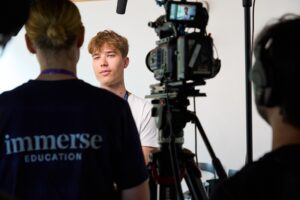
While NYC Summer Academy focuses on reporting, media craft, and city-based learning, Immerse Education’s New York TED Summer School, in partnership with TED, focuses on storytelling, communication, and confident delivery.
Participants shape an original idea, refine a clear narrative, and practise until their voice feels natural. They finish with a TED-style talk that captures both message and presence.
TED Summer School also runs in London and Singapore, so participants can choose the city that best matches their goals and travel plans. Each location delivers the same two-week arc, with purposeful coaching and a final performance focus.
If travel does not work, Virtual TED Summer School offers the same guided build from idea to delivery, in a format that stays accessible anywhere.
Who Is NYC Summer Academy Best For?
NYC Summer Academy suits students aged 15–18 who feel curious about journalism and want to explore it in New York City. It also works well if you want to branch into adjacent themes such as media, culture, technology, sports, fashion, and business, depending on the course catalogue.
You are likely a strong fit if you want learning led by working professionals. The School teaches courses through reporters, editors, and other industry experts, so you build skills with real-world context and current examples. You gain insight into how stories take shape, how audiences respond, and how media connects to public life.
You may also thrive here if you learn best through experience, not only classroom discussion. This summer school uses New York City as a learning environment, with planned experiences that extend what you study into the wider city. This format can suit you if you enjoy noticing detail, asking questions, and forming opinions based on what you observe.
This programme tends to work especially well for you if you are:
- An aspiring journalist or editor who wants to practise reporting, writing, and newsroom-style thinking.
- A creative storyteller drawn to culture, politics, or current affairs, and keen to sharpen your voice.
- A student creator already running a school paper, blog, podcast, or social project, and ready for fast feedback.
- A city learner energised by museums, neighbourhoods, and real-world observation beyond a single campus.
- An international student who wants a structured US pre-college experience with day or residential options.
Key Features of The School of the New York Times
NYC Summer Academy offers a broad course menu that extends beyond journalism into media, technology, arts, culture, sports, fashion, business, and more. The provider frames learning around current issues that shape public life.
Courses are taught by reporters, editors, and other industry experts, with an emphasis on practical insight and professional context. The School also highlights faculty chosen for both expertise and teaching ability.
This summer programme in New York pushes learning beyond a traditional classroom, using NYC as the setting for subject exploration through planned experiences. Families can choose day or residential attendance, with residential participants staying in dorm-style accommodation that includes building security, staff support, and evening and weekend activities.
The programme also advertises limited need-based scholarships and payment plans, which can help families manage the overall cost.
Advantages
- New York Times newsroom connection. The School of the New York Times offers learning shaped by a globally recognised journalism brand, which Immerse does not claim.
- Journalism-first focus. NYC Summer Academy centres reporting and media craft across journalism and adjacent subjects, rather than public speaking as a core outcome.
- Practitioner-led teaching. Courses are taught by Times journalists and other industry experts, giving students access to working professionals in the field.
- City as classroom. The programme builds learning around New York through planned experiences and site-based learning, which can appeal to students who thrive outside traditional classrooms.
- Day and residential choice. Families can select day or residential attendance, which can suit different budgets, supervision needs, and travel plans.
Disadvantages
- Limited location flexibility. NYC Summer Academy runs in New York City only, so families who want alternative global campuses need to look elsewhere.
- No dedicated virtual version. The programme presents an in-person experience in NYC, which can limit access for students who cannot travel for two weeks.
- Narrower outcomes for non-journalism goals. The academic focus sits in journalism and adjacent media themes, so it may not suit students seeking a broader academic pathway.
- Limited academic accreditation. The programme does not advertise university credit or formal academic certification beyond completion documentation.
The School of the New York Times vs TED Summer School in NYC
Alongside our in-person Academic Insights and Career Insights pathways and our Online Research Programme, Immerse Education also offers TED Summer School in both residential and virtual formats.
This pathway suits students who want a defined, tutor-led experience to shape ideas, build confidence, and communicate clearly, from home or in a global city.
| Feature | The School of the New York Times: NYC Summer Academy | TED Summer School in NYC |
| Age Range & Audience | Ages 15–18 (high school students in grades 10–12 and graduating seniors). | Ages 15–18 for residential New York sessions (virtual option supports ages 14–18). |
| Admissions | Online application with short-answer response, transcript/report card, and a non-refundable application fee. | Selective admissions focused on motivation and curiosity, with a 200–250 word response or a 90-second video option. |
| Teaching & Mentorship | Taught by Times journalists and industry experts, with learning shaped by professional practice. | Delivered by trained tutors, mentors, and guest speakers, with guidance aligned to TED standards in storytelling and idea sharing. |
| Class Size | Not consistently stated as a fixed number, but the provider signals small classes and limited capacity. | Organised in small cohorts, averaging around 7 students, allowing time for individual feedback. |
| Academic Depth | Journalism and adjacent subject exploration, typically through a two-week course with city-based learning. | A structured two-week pathway from idea to impact, with explicit learning outcomes in research, narrative, and delivery. |
| Career Pathways & Outcomes | Strong fit for students considering journalism, media, or related creative industries in a NYC setting. | Designed for students who want to level-up communication skills for all contexts, including interviews, scholarships, leadership, and future academic or career pathways. |
| Credit / Recognition | Does not prominently position formal academic credit as a core feature of the programme. | Offers a completion experience centred on a high-quality recorded talk, with positioning for university and scholarship use. |
| Deliverables | Skills development and subject learning outcomes vary by course and catalogue theme. | A professionally recorded TED-style talk, with structured support across scripting, delivery, and visual design. |
| Learning Environment | On-campus in NYC, using the city for site visits, events, and applied learning. | Hosted at Barnard College, Columbia University, with a focused residential environment and curated NYC experiences. |
| Cultural & Industry Exposure | New York functions as the programme’s classroom, supporting experiential learning through planned activities. | Includes guided city experiences and guest speakers, with location highlights tailored to New York. |
| Online Options | Does not present a dedicated virtual version of the NYC Summer Academy experience. | Offers a virtual programme that brings the two-week TED journey to students worldwide. |
| Best For | Students who want journalism-led learning in New York, with practitioner teaching and city immersion. | Students who want to build confidence and clarity in communication, culminating in a polished, recorded final talk. |
Is The School of the New York Times Worth It?
NYC Summer Academy can be worth it for students who want a journalism-led programme in New York City, with learning grounded in real media practice. The School of the New York Times highlights teaching from Times journalists and industry experts, which many families view as a strong differentiator. The connection to a recognised newsroom brand can feel meaningful for students already considering media-related pathways.
This summer school in New York also appeals to students who prefer applied learning. It positions New York City as an extension of the classroom, encouraging participants to connect reporting themes to what they observe across the city. For teenagers who enjoy discussion, analysis, and cultural context, this format can feel dynamic and relevant.
That said, value depends on long-term goals. If your focus sits less on reporting and more on confident idea-sharing, you may want to explore alternatives such as Immerse Education’s TED Summer School in New York.
Immerse Education’s TED Summer School in New York, delivered in partnership with TED, guides participants through a two-week journey from idea development to a final TED-style talk. The programme places structured coaching, narrative clarity, and stage presence at its core, helping students leave with a polished recorded talk and stronger confidence in public speaking.
New York itself offers a wide range of summer opportunities. Students can explore subjects from Media and Journalism, to Media and Marketing, to Engineering, Architecture and Design, and many more through Immerse Education’s Career Insights programme, where participants gain an inside look at each industry and develop a clearer understanding of what roles in the field actually involve.
Alternatives to The School of the New York Times
- Immerse Education – TED Summer School (New York): A two-week programme delivered in partnership with TED, built around storytelling, communication, and a final TED-style talk.
- Immerse Education – New York Summer School: Career-focused summer courses where you step inside real industries in Manhattan, with options such as Media and Journalism, Marketing and Entertainment, and Fashion and Design.
- Columbia Scholastic Press Association Summer Journalism Workshop (Columbia University): A journalism workshop hosted at Columbia with in-person and virtual options, focused on practical newsroom skills for student publications.
- NYU Precollege: A pre-college option where you can take college-level courses in New York, including journalism-related study, with in-person and online formats.
How to Apply
- Choose your term and course – Review the NYC Summer Academy course options and decide whether you want the day or residential route.
- Complete the online application – Submit the form as a first-time applicant and answer the required short-response prompts.
- Upload your school record – Add your most recent transcript or report card. The School notes that transcripts must be in English and do not need to be official.
- Pay the application fee and add English proof if needed – Submit the non-refundable application fee, then provide proof of English proficiency if you are not a native English speaker, either through test scores or an admissions consultation.
- Apply early and track deadlines – The School advises applying as early as possible, with Summer Academy applications opening in early fall.
Application Strategy and Timeline
NYC Summer Academy applications typically open in early fall, and the 2026 NYC course catalogue flags 29 September as the opening date. Aim to shortlist your preferred term and course before then, because you will make faster choices once places start filling.
To help you plan with confidence, here is an application strategy and timeline you can follow to secure your preferred place.
- Late September to October (when applications open): Start with course fit. Choose one course you genuinely want, then pick a realistic backup. Complete the short-answer response early, so you can edit with a clear head rather than rushing.
- November to 1 December (early-bird window): If you know you plan to attend, enrolling by 1 December can unlock a $500 early-bird discount. Use this period to finalise travel budgeting and decide between day and residential.
- December to February (strengthen your application): Submit a complete application in one go to avoid delays. You will need the application form, a short answer, the $50 non-refundable fee, and a recent transcript or report card in English. If English is not your first language, prepare proof of proficiency or plan an admissions consultation.
- March to April (final checks and deadlines): If you want financial support, apply early. The School states scholarships are limited and awarded until funds run out. It also promotes an “apply by” final enrolment deadline of 30 April, so treat April as your hard stop.
- After acceptance (planning like a pro): Read payment and refund terms before you commit, then lock in travel planning. If you plan to enrol in more than one term, note the $500 discount on each additional term and map your summer schedule early.
Final Thoughts
NYC Summer Academy suits students who want a journalism-led summer in New York, guided by working professionals and city-based learning.
You benefit most if you enjoy writing, discussion, and noticing how stories shape culture, politics, and everyday life.
But if you want a clearer personal output, choose a programme that trains your voice, sharpens your narrative, and builds delivery confidence.
New York is loud, so make your idea louder: develop, refine, and deliver a TED-style talk with real authority at Immerse Education’s New York TED Summer School.