
 Русский (RU)
 Українська (UK)
 Türkçe (TR)
 Italiano (IT)
 Français (FR)
 Português (PT)
 中文 (中国) (ZH)
 Español (ES)
 日本語 (JA)
 ไทย (TH)
 Deutsch (DE)
 Ελληνικά (EL)
 Polski (PL)
 Bahasa Indonesia (ID)
 Nederlands (NL)
 العربية (AR)
 한국어 (KO)

As a high school student thinking about internships, you might be curious about what real work looks like beyond assignments and exams. Unpaid internships for high school students can feel unclear at first: what do you actually do, and how much will you learn? In reality, strong internships go far beyond observation, giving you chances to assist with research, contribute to larger projects, use tools like spreadsheets, coding platforms, or design software, and communicate your ideas professionally.
Picture yourself contributing to a research project, helping organize data for a startup, drafting content for a nonprofit, or sitting in on team discussions where decisions are being made. These experiences give you a closer look at how different fields operate day to day. You also begin to build practical skills like problem-solving, collaboration, and independent thinking while getting a feel for university-level or industry expectations.
How do you choose the right unpaid internships for high school students?
It can be difficult to figure out which internships are actually worth your time. Some opportunities are loosely structured or limited to basic administrative work, which means you might not gain much beyond surface-level exposure. That’s why it helps to be selective and focus on programs that are designed with learning in mind.
Unpaid internships can act as a foundation for your academic journey by giving you a clearer sense of what a subject looks like at the professional level in an affordable and structured setting. Many organizations, research groups, and companies offer internships that combine hands-on work with learning. You might explore fields like science, technology, business, media, or public policy, depending on your interests. Some internships are more academic and research-focused, while others lean toward industry exposure and practical skills.
To make your search easier, we’ve put together a list of 15 unpaid internships for high school students. These have been selected based on their structure, level of involvement, and opportunities for hands-on learning and mentorship.
15 Unpaid Internships for High School Students
1. U.S. Department of Energy (DOE) – Student Experience Program
Location: Washington, D.C., Golden, Colorado, and various Department of Energy locations
Cost/Stipend: None
Acceptance rate/cohort size: Selective; cohort size varies based on host office capacity
Dates: Year-round terms (Fall: August-December, Spring: January-May, Summer: June-August) lasting 8-16 weeks
Application Deadline: Varies by semester and host office via Handshake
Eligibility: Enrolled at least half-time in a high school or accredited educational institution; maintain a minimum 2.0 GPA; secure permission from the educational institution; be a U.S. citizen or U.S. national; not open to international students
In this internship, you will engage in an 8- to 16-week experiential learning internship tailored to your academic interests and career goals across fields like STEM, cybersecurity, information technology, and public affairs. Throughout the program, you will work alongside Department of Energy professionals, contributing to practical projects related to energy innovation, federal policymaking, or business operations.
Your daily responsibilities involve assisting with technical or administrative workflows, conducting data analysis, and supporting operational systems within your assigned host office. By participating, you will develop practical workplace competencies, gain exposure to federal government operations, and build professional networks within the national energy sector.
Why it stands out: It offers high school students a rare opportunity to gain hands-on federal government experience while directly exploring diverse career pathways ranging from STEM and cybersecurity to public policy within the national energy sector.
2. Immerse Education’s Career Insights Summer School
Location: Cambridge, London, New York, San Francisco, Singapore, Sydney, and Tokyo
Cost: Varies; summer school scholarship available through our bursary programme
Acceptance rate/cohort size: Selective; an average of 7 participants per class
Dates: 2 weeks during the summer
Application Deadline: Multiple summer cohorts with rolling admissions
Eligibility: High school students aged 15-18; open to international students
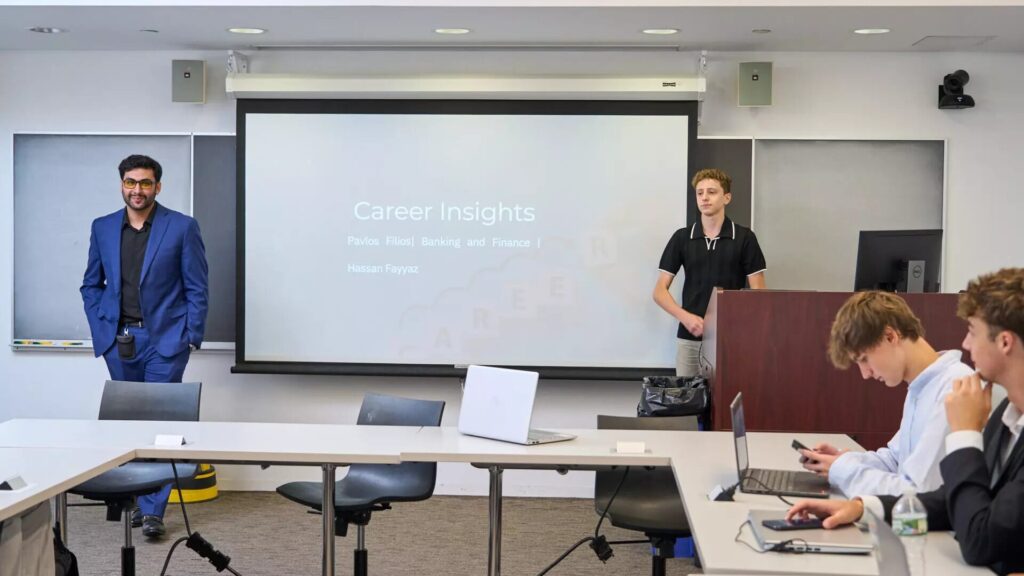
The Career Insights Program lets high school students explore careers in major global industry hubs. The Unpaid track is designed to give students direct exposure to real-world Unpaid workflows and professional environments. Participants engage in project-based learning with established companies, attend interactive workshops, and visit offices, factories, and headquarters.
The program also includes weekly 1:1 career coaching sessions and personalized feedback on your resume and overall profile. You’ll present your findings to industry experts at the end of the program. You can find more details about the application here.
Why it stands out: You’ll gain direct industry exposure, build a professional network, and receive a certificate you can include in your college applications and work profile.
3. National Park Service (NPS) – Youth Volunteers-In-Parks (VIP)
Location: Various National Park Service sites nationwide
Cost/Stipend: None
Acceptance rate/cohort size: Highly accessible; over 27,000 youth and young adult volunteers engaged annually
Dates: Year-round opportunities with varying term lengths
Application Deadline: Varies by specific park opening; applications generally reviewed on a rolling basis
Eligibility: Ages 15-18 for most high school placements; requires signed parental or legal guardian consent for minors; open to international students
For students interested in conservation-focused unpaid internships for high school students, the Youth Volunteers-In-Parks program offers hands-on experience across National Park Service sites. You assist park rangers with visitor services by answering questions, guiding educational tours, and staffing community outreach events. Your professional experience also extends to environmental stewardship, where you maintain trail infrastructure, remove invasive plant species, and support ecosystem monitoring.
In addition to fieldwork, you support cultural resource management by documenting historical artifacts and assisting with data entry in park laboratories. Through these diverse workplace responsibilities, you build practical skills in public speaking, environmental science, and project management.
Why it stands out: It empowers high school students to gain professional conservation experience while accumulating documented service hours that satisfy graduation and scholarship requirements.
4. Project Write Now Teen Internship Program
Location: Monmouth County, NJ (in-person and virtual options depending on role)
Cost: Unpaid (community service hours provided)
Acceptance rate/cohort size: Broadly Accessible / Small Cohort
Dates: Mandatory virtual training in early July (July 7-9, depending on track); internship runs throughout the summer
Application Deadline: Rolling from February until filled (first-come, first-served)
Eligibility: High school students (in-person roles require local Monmouth County, NJ residency; not open to international students
Through the Project Write Now Teen Internship, you can choose between roles like teaching assistant, editorial assistant, or participating in a journalism-focused interview project. You’ll start with a short virtual training where you learn core skills like lesson planning, editing, or interviewing, depending on your track.
After that, you’ll apply those skills in real settings, whether that’s teaching younger students, creating content for a literary magazine, or writing narrative profiles. The program is relatively small, with some roles limited to under 10 students, so your work tends to be hands-on and closely guided. Your final pieces may be published, especially if you’re part of the editorial or interview track.
Why it stands out: It focuses on writing, publishing, and storytelling, which is less common compared to research-focused internships.
5. League of Women Voters – Local Chapter Internships
Location: Varies by local League of Women Voters chapter across the U.S.
Cost/Stipend: None
Acceptance rate/cohort size: Selectivity varies by location; small local cohorts
Dates: Aligned with fall, spring, or summer academic terms, depending on the chapter
Application Deadline: Rolling admissions or seasonal deadlines set by individual chapters
Eligibility: High school student; interest in civic engagement, voting rights, or public policy; local residency usually required by the specific chapter; not open to international students
The League of Women Voters offers one of the more community-based unpaid internships for high school students, giving you direct exposure to civic engagement and public policy work. You assist in organizing voter registration drives, scheduling candidate forums, and distributing nonpartisan election materials. Your daily responsibilities often include tracking local legislation, drafting community newsletters, and maintaining voter outreach databases. You collaborate directly with chapter members to manage social media communications and coordinate public policy advocacy events.
Through this hands-on workplace experience, you develop practical skills in public communication, political research, and campaign organization. You gain a comprehensive understanding of the democratic process and local government operations while contributing directly to voter education efforts.
Why it stands out: It provides highly localized, nonpartisan political experience that allows high school students to directly impact voter turnout and civic education in their own communities.
6. U.S. Courts – Judiciary Volunteer Program
Location: Varies across participating federal court districts and circuits nationwide
Cost/Stipend: None
Acceptance rate/cohort size: Competitive selection process; small district-specific cohorts
Dates: Typically scheduled during summer terms or academic semesters based on local court needs
Application Deadline: Rolling basis or by local seasonal deadlines
Eligibility: Currently enrolled high school students; strong academic standing; able to pass a federal background check; not open to international students
If you are looking for unpaid internships for high school students with legal and civic exposure, the U.S. Courts Judiciary Volunteer Program places you inside the federal judicial system through administrative and operational support roles. You assist judicial officers, clerks, and court staff with daily office operations, including organizing case files, answering public inquiries, and processing legal mail. You utilize court databases and electronic filing systems to locate and update public records.
You also observe courtroom proceedings, gaining firsthand exposure to legal protocols, case management workflows, and trial mechanics. You develop professional communication and data management skills while operating within a highly secure and confidential environment. This internship builds a practical foundation in civic operations and federal court administration.
Why it stands out: It provides rare behind-the-scenes access to federal courtroom proceedings and clerkship operations for secondary students.
7. USDA Animal and Plant Health Inspection Service (APHIS) – Student Volunteer Program
Location: Various USDA APHIS and Marketing and Regulatory Programs (MRP) facilities nationwide
Cost/Stipend: None
Acceptance rate/cohort size: Dependent on available agency projects; variable cohort size
Dates: Flexible schedules determined by mutual agreement between the intern and supervisor
Application Deadline: Rolling admissions; materials must be submitted at least three business days prior to onboarding
Eligibility: At least 14 years of age; enrolled not less than half-time in an accredited high school, trade school, or university; maintain a cumulative GPA of 2.0 or higher; secure school permission if completing the internship for course credit; not open to international students
As an intern in the USDA APHIS Student Volunteer Program, you gain hands-on exposure to federal careers within the Marketing and Regulatory Programs. You work directly with agency supervisors to design a structured assignment that aligns your academic goals with real-world public service operations. Your daily responsibilities involve shadowing federal employees, supporting agricultural and regulatory projects, and assisting with operational workflows in various agency departments.
You develop practical workplace skills while navigating federal compliance protocols, technical systems, and administrative processes. Ultimately, you build a professional network within the federal government and acquire foundational experience that can be credited toward future civil service employment.
Why it stands out: It allows participants to customize their internship schedules while earning verifiable federal work experience that can be credited toward future civil service employment applications.
8. USC Dornsife Center for the Political Future and Wrigley Institute for Environment and Sustainability: High School Summer Internship Program
Location: Virtual
Cost/Stipend: No cost, no stipend
Dates: June 1st – August 1st
Application Deadline: May 19th
Eligibility: High school students worldwide with a minimum GPA of 3.5; graduating seniors are not eligible
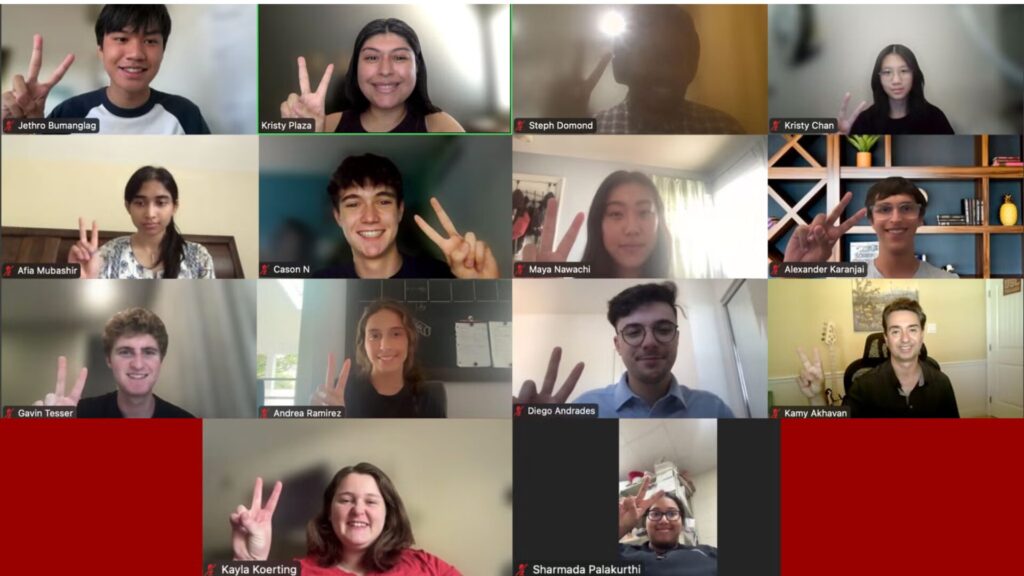
The USC Dornsife Center for the Political Future High School Summer Internship Program is a competitive research and policy internship for high school students. Over the summer, you’ll select a bill connected to environmental policy or sustainability, whether it has passed, stalled, or is still moving through the legislature.
You’ll complete two main projects: a legislative policy memo and a legislative process analysis. This work helps you understand how political systems influence environmental decision-making. Students who finish the program successfully may have one assignment published online and receive recognition as a ‘Summer Research Intern’.
Why it stands out: It provides experience in public policy research and political studies, helping you understand how civic institutions and campaigns work.
9. Juvenile Court of Metropolitan Nashville High School Internship
Location: Nashville, Tennessee
Cost/Stipend: None
Acceptance rate/cohort size: Competitive selection; small cohort
Dates: Typically conducted during the summer and academic terms
Application Deadline: Rolling basis
Eligibility: Currently enrolled in high school; resident of Davidson County or the surrounding area; strong interest in the legal system; not open to international students
In this internship, you engage directly with the daily operations of the local judicial system through this hands-on workplace experience. Throughout the internship, you observe courtroom proceedings, gaining firsthand exposure to juvenile justice and legal advocacy. You assist court clerks and administrative staff with essential document management, case filing, and organizational workflows.
By shadowing judges, legal professionals, and probation officers, you learn how cases are processed from intake to resolution. You also utilize standard office software and digital administrative tools to help maintain accurate court records.
Why it stands out: It provides a rare firsthand observation of juvenile court processes and practical administrative experience within a major metropolitan judicial system.
10. Department of Veterans Affairs (VA) – Student Volunteer Program
Location: Various VA Medical Centers and clinics nationwide
Cost/Stipend: None
Acceptance rate/cohort size: Facility-dependent; large national cohort
Dates: Year-round with dedicated summer sessions
Application Deadline: Rolling based on local facility needs
Eligibility: High school students; minimum age of 14, depending on the specific location; willing to complete health screenings and orientation; not open to international students
In this internship, you participate in diverse administrative, clinical support, and customer service operations within a federal healthcare environment at local VA medical centers. You assist staff with patient transport, greeting visitors, and navigating the facility using official hospital protocols. Depending on the specific department assignment, you manage filing systems, deliver lab specimens, or support recreation therapy events for veterans.
You interact directly with medical professionals and patients, gaining practical exposure to hospital workflows, patient care standards, and administrative procedures. You also build a documented service record that qualifies you for the national James H. Parke Memorial Scholarship.
Why it stands out: It immerses you directly in federal healthcare operations, offering broad exposure to both clinical and administrative hospital workflows while serving the veteran community.
11. U.S. International Trade Commission (USITC) Student Volunteer Program
Location: Washington, DC (varies by placement)
Stipend: None
Acceptance rate/cohort size: Not specified
Dates: Typically 3-4 months (summer or school year options)
Application Deadline: Rolling basis
Eligibility: Enrolled at least half-time in an accredited high school, vocational school, or college/university; U.S. citizens only; students under 18 require a valid work permit; not open to international students
As a student volunteer, you’ll work within a federal agency and gain exposure to how government offices operate. Your responsibilities depend on your assigned department, but may include administrative support, research, or assisting with ongoing projects related to trade and policy. The program is flexible, with part-time or full-time schedules depending on your agreement.
A major part of the experience is understanding how federal agencies function and how policy-related work is carried out. You’ll also gain early exposure to careers in government, economics, and international trade. The experience is more observational and support-based compared to structured internships.
Why it stands out: It offers direct exposure to a federal agency environment, which is relatively uncommon for high school-level internships.
12. U.S. Department of Education (ED) – Student Volunteer Unpaid Internship Program
Location: Washington, D.C., and regional U.S. offices
Cost/Stipend: None
Acceptance rate/cohort size: Selective; cohort size varies by office and term
Dates: 8-10 weeks during Fall, Winter/Spring, or Summer terms
Application Deadline: Varies by term (e.g., May 1st – July 31st for Fall, September 1st – November 30th for Winter/Spring)
Eligibility: Enrolled at least half-time in an accredited educational institution; at least 16 years of age; have permission from the currently enrolled institution to participate; open to international students
As an intern at the U.S. Department of Education, you will gain direct professional experience in federal policy and public administration. You will tackle a broad range of workplace responsibilities, including conducting policy research, drafting memorandums, and organizing administrative workflows.
Throughout the program, you collaborate with federal employees to analyze educational issues and prepare briefing materials using standard office software and enterprise digital systems. You also assist in organizing stakeholder communications, managing data tracking, and supporting daily operational tasks across various departmental divisions. Ultimately, this internship equips you with practical administrative skills and a comprehensive understanding of federal education initiatives.
Why it stands out: It provides ambitious high school students with a structured opportunity to gain direct workplace experience and develop essential administrative skills within a major federal government agency.
13. FAA Student Volunteer Service Program
Location: Various FAA offices across the United States
Stipend: None
Acceptance rate/cohort size: Not specified
Dates: Year-round (spring, summer, fall, winter sessions)
Application Deadline: Rolling basis
Eligibility: Students aged 16+ enrolled at least half-time in high school, college, or vocational programs; must be U.S. citizens; not open to international students
Through this program, you’ll take on educational work assignments within the Federal Aviation Administration, depending on your placement and academic background. Your tasks may include assisting with administrative work, supporting research, or contributing to aviation-related projects. The experience is designed to align with your field of study, giving you exposure to how aviation systems and federal operations work.
You’ll gain insight into aviation-related careers while working within a large federal agency. The program focuses more on learning and exposure rather than structured training or formal instruction. Schedules vary and are typically arranged with your assigned office.
Why it stands out: It provides early access to aviation-related work environments and federal agency operations without requiring prior experience.
14. Carnegie Mellon’s Summer Academy for Math and Science (SAMS)
Location: Carnegie Mellon University (Pittsburgh, PA)
Cost/Stipend: Free
Acceptance rate/cohort size: Competitive
Dates: June 20th – August 1st
Application Deadline: February 1st
Eligibility: High school sophomores or juniors from underrepresented communities, minimum age: 16 years; U.S. citizens or U.S. permanent residents
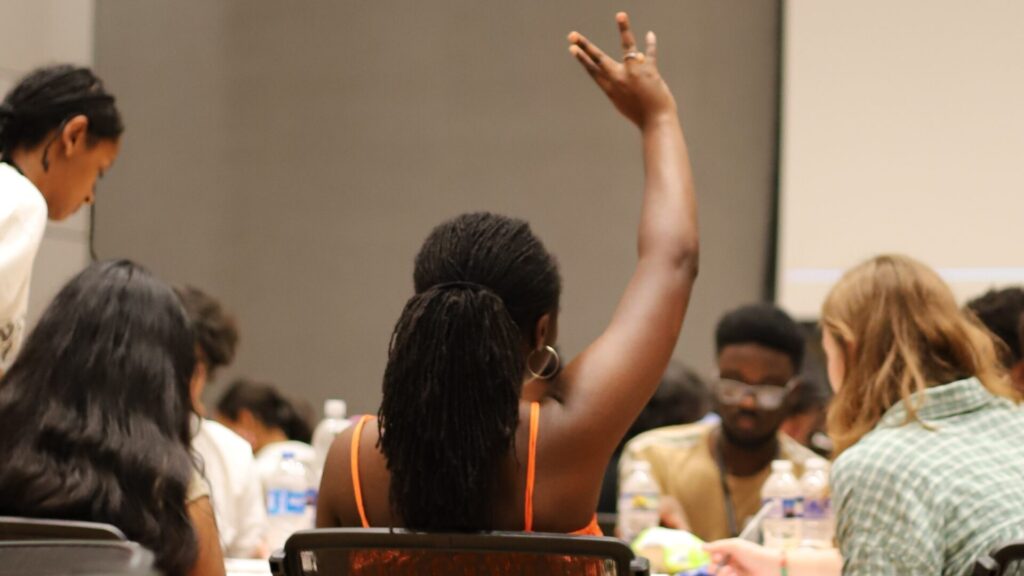
The Summer Academy for Math and Science (SAMS), led by the Centre for Student Diversity and Inclusion, will offer you an in-depth understanding of STEM. You’ll work on hands-on projects, get to interact with renowned faculty, and attend classroom sessions.
The program curriculum is divided into three parts and equips you with the skills and knowledge to pursue a career in STEM. You’ll attend an award ceremony and present your STEM projects at the SAMS Research Symposium.
Why it stands out: It offers long-term mentoring, helping you better craft competitive applications for selective STEM & math university programs.
15. U.S. Government Accountability Office (GAO) – Student Volunteer Program
Location: Washington, D.C., and field offices nationwide, including Atlanta, Boston, Chicago, Dallas, Denver, Huntsville, Los Angeles, Norfolk, Seattle, and San Francisco
Cost/Stipend: None
Acceptance rate/cohort size: Competitive; size varies by office and departmental needs
Dates: Year-round opportunities with flexible durations based on academic schedules
Application Deadline: Rolling basis via USAJOBS or direct office inquiry
Eligibility: Enrollment in an accredited high school, trade school, or technical school; minimum 16 years of age; good academic standing; U.S. citizenship required; not open to international students
In this internship, you gain direct exposure to the legislative branch’s “congressional watchdog” by assisting GAO staff with objective, non-partisan research and administrative tasks. Throughout the program, you perform data entry, organize project files, and support the preparation of materials for federal audits or evaluations. You utilize standard office productivity software and internal digital databases to manage information and document findings under the supervision of experienced analysts.
These responsibilities help you build professional communication skills and a fundamental understanding of how the federal government maintains accountability. This experience provides a rare high-school-level entry point into the world of public policy and governmental oversight.
Why it stands out: It provides high school students with the unique opportunity to contribute to the mission of a non-partisan agency that influences national policy and improves government operations.
Turn Workplace Exposure Into Smarter Choices
The value of an internship is not always in the title; it is often in the meetings you observe, tasks you attempt, and questions you start asking.
Unpaid internships for high school students can reveal how research, policy, healthcare, law, conservation, writing, and government work actually function beyond classroom descriptions.
Even small responsibilities can teach you what kind of pace, people, problems, and environments suit you best.
Ready to turn early workplace experience into clearer career direction? Explore our Career Exploration blogs for practical insights on industries, skills, study routes, and future pathways.