


 Русский (RU)
 Українська (UK)
 Türkçe (TR)
 Italiano (IT)
 Français (FR)
 Português (PT)
 中文 (中国) (ZH)
 Español (ES)
 日本語 (JA)
 ไทย (TH)
 Deutsch (DE)
 Ελληνικά (EL)
 Polski (PL)
 Bahasa Indonesia (ID)
 Nederlands (NL)
 العربية (AR)
 한국어 (KO)

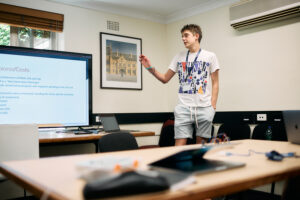
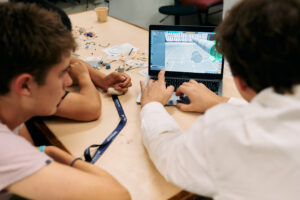
If you’re a high school student interested in engineering, you’ve probably started noticing how engineering shapes nearly every part of modern life, from sustainable cities and medical devices to robotics, aerospace systems, artificial intelligence, and clean energy technologies. Engineering summer schools in Canada give students the opportunity to explore the field through hands-on learning and real-world problem-solving.
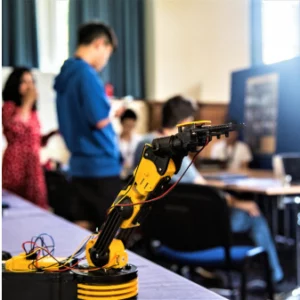
Imagine spending your summer building robots, designing prototypes, coding autonomous systems, experimenting in university labs, or collaborating with peers on engineering challenges inspired by real industry problems. These programs go beyond textbook learning, helping students experience the creativity, collaboration, and technical thinking that define engineering disciplines.
How to choose the right engineering summer schools in Canada as a high schooler?
Of course, not all engineering summer schools provide the same level of rigor or hands-on engagement. Some focus mainly on lectures and demonstrations, while others prioritize project-based learning, laboratory work, mentorship, and design challenges that allow students to actively apply what they learn. Finding the right program can make a major difference in both your confidence and your understanding of the field.
Across Canada, universities and educational organizations offer exceptional engineering summer opportunities specifically designed for high school students. Whether you’re exploring engineering for the first time or already considering a future STEM career, these programs can help you strengthen your technical foundation while gaining exposure to university-level learning and innovation.
To help you explore the best options, we’ve compiled a list of 15 Engineering Summer Schools in Canada for High School Students. They’ve been selected for their academic quality, hands-on projects, and exposure to cutting-edge engineering fields.
For adjacent opportunities, consider the online engineering program and summer programs in Canada.
15 Engineering Summer Schools in Canada for High School Students
1. SHAD Canada
Location: 30+ Canadian university campuses
Cost/Stipend: CAD $7,495 (in-person); $3,955 (virtual) for domestic students; CAD $11,950 (in-person); $6,715 (virtual) for international students; financial aid available
Acceptance rate/cohort size: Highly selective
Dates: July 5-31 (in-person); July 6-31 (virtual option)
Application Deadline: January 5th
Eligibility: Students worldwide currently in Grade 10 or 11 (Secondaire IV or V in Quebec)
SHAD is Canada’s longest-running STEAM and entrepreneurship summer program for high school students, placing participants at university campuses across the country for a 27-day intensive experience in science, technology, engineering, arts, and mathematics. Each summer cohort is built around an applied societal challenge theme, and students work in teams to design, prototype, and pitch solutions over the course of the program, applying engineering and business thinking to a problem with measurable social impact.
You’ll attend faculty-led sessions in subjects related to the year’s theme, tour university research facilities, and hear from industry professionals, government scientists, and entrepreneurs throughout the month. SHAD is one of the most selective engineering summer schools in Canada for high school students, placing participants inside an active university research environment.
Why it stands out: It places you on a campus for a full month alongside a nationally selected cohort of peers. Acceptance carries measurable weight on university applications.
2. Immerse Education’s Toronto Engineering Summer School

Location: Trinity College, University of Toronto, Toronto, Canada
Cost: Varies; summer school scholarship available through our bursary programme
Acceptance rate/cohort size: Highly selective
Application Deadline: Multiple summer cohorts; rolling admissions
Program Dates: 2 weeks during the summer
Eligibility: Students worldwide aged 13-18 currently enrolled in middle or high school
As part of Immerse Education’s Academic Insights Program, the engineering summer program in Toronto introduces you to undergraduate-level study in a structured and supportive setting. You will learn in small groups of around 7–10 students, guided by tutors with academic experience, including those affiliated with the University of Toronto. The program includes university-style lectures alongside a weekly one-on-one tutorial, giving you space to review material and ask questions in more depth.
Over the course of the program, you will examine core ideas across electrical, mechanical, and civil engineering. Sessions include workshops on topics such as energy systems and sustainable technologies, along with collaborative design tasks that encourage problem-solving and practical thinking. You will also complete an individual project, which is assessed with written feedback. At the end of the program, you will receive a certificate of completion. You can find more details about the application here.
Why it stands out: You’ll study under expert academics, be guided daily by a university student mentor, complete a project you can show in future applications, and experience genuine university college life, with other campuses worldwide as alternatives.
3. Sunnybrook Focused Ultrasound High School Summer Research Program
Location: Sunnybrook Health Sciences Centre, Toronto, ON (affiliated with the University of Toronto)
Cost/Stipend: No cost; stipend paid
Acceptance rate/cohort size: Highly selective
Dates: Beginning July 6th through August; exact end date confirmed upon acceptance
Application Deadline: February 20th
Eligibility: Students in Grade 11 or 12, or Grade 10 students who will be 16 by July 1st; must be eligible to work in Canada (valid SIN required)
The Sunnybrook Focused Ultrasound (FUS) High School Summer Research Program is a paid summer placement inside one of Canada’s leading hospital-based research institutes, where high school students contribute to active biomedical engineering projects in a functioning laboratory environment. Depending on your placement within the FUS lab, your work may focus on engineering and technology development, experimental lab procedures, or programming tasks related to focused ultrasound systems used in non-invasive surgical research.
You’ll work Monday through Friday at full-time hours, with supervision from graduate students and research staff who guide your technical work throughout the summer. Applications require a cover letter, resume, application form, transcript, and a teacher evaluation submitted directly by your teacher.
Why it stands out: It places you inside a functioning hospital research lab, working full-time hours alongside graduate students on active biomedical engineering projects.
4. WISEST Summer Research Program
Location: University of Alberta, Edmonton, AB
Cost/Stipend: No cost; paid research position
Acceptance rate/cohort size: Selective
Dates: July 2nd – August 13th
Application Deadline: Part 1(Google Form): March 23rd; Part 2(Video Questionnaire): April 1st
Eligibility: Grade 11 students who are young women, gender-diverse, Indigenous, or racialized; Canadian Social Insurance Number required
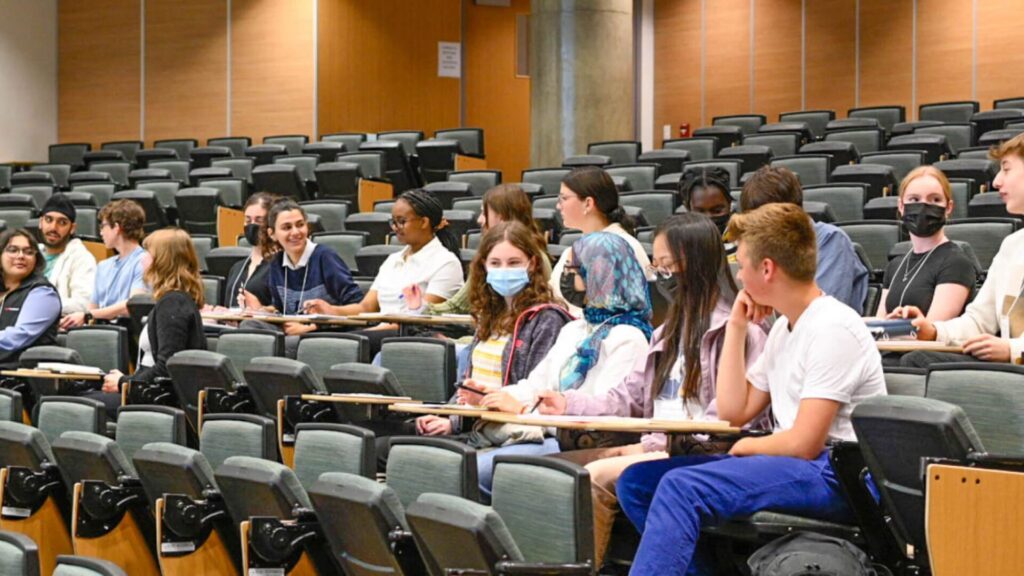
The WISEST Summer Research Program at the University of Alberta is a six-week paid placement that embeds Grade 11 students in university research labs across STEM disciplines, with a focus on fields where their demographic group is historically underrepresented. As a participant, you’ll be matched with a faculty lab working in areas such as engineering, computing, environmental science, or health technology, and you’ll spend the six weeks contributing to the lab’s active research under the direct supervision of a graduate student or faculty member.
The program includes weekly workshops that supplement your lab work with sessions on scientific communication, networking, and navigating post-secondary STEM programs. Indigenous participants can apply for travel and accommodation subsidies within the application form.
Why it stands out: It embeds you in a University of Alberta faculty lab for six weeks with paid, supervised research experience. The program has been placing students in labs for over 40 years, specifically in fields where their demographic is underrepresented.
5. Alberta Innovates High School Youth Researcher Summer Program (HYRS)
Location: University of Alberta, University of Lethbridge, and the University of Calgary
Cost/Stipend: Paid for 30-35 hours/week for 6 weeks
Acceptance rate/cohort size: Competitive; cohort size varies by institution
Dates: Varies by institution
Application Deadline: Varies by institution
Eligibility: Students currently enrolled in Grade 11 in Alberta; must have completed (or be enrolled in) Mathematics 20-1 or 20-2, Biology 20, and one additional Grade 11 science course
The Alberta Innovates HYRS program is a government-funded, six-week paid research placement that places top Grade 11 students from Alberta inside university labs working on projects at the intersection of technology and health innovation. Participants are matched with a faculty host at an Alberta post-secondary institution and embedded in a research team for the full six weeks, gaining supervised experience in areas including biomedical engineering, materials science, and computational science.
HYRS is among the most financially accessible engineering summer schools in Canada for high school students interested in health technology and biomedical research. Beyond research experience, HYRS provides structured professional development to help participants understand STEM career pathways and navigate the transition to post-secondary education.
Why it stands out: It’s government-funded and pays an hourly wage, making it one of the most financially accessible paid research placements available to high school students in Canada.
6. Blueprint
Location: University of Toronto, St. George Campus, Toronto, ON
Cost/Stipend: Free; all program costs covered by the Faculty of Applied Science & Engineering
Acceptance rate/cohort size: Selective
Dates: July 6-31 (in-person summer program); biweekly engagement events: October–February
Application Deadline: April 12th
Eligibility: Students in Grades 10 or 11 who self-identify as Black; Canadian citizens or permanent residents only
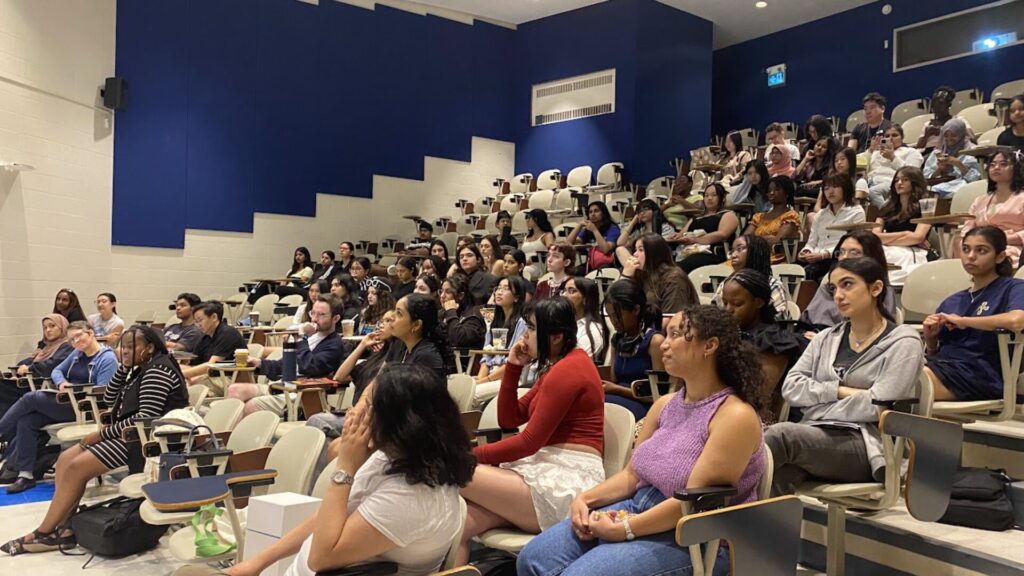
Blueprint is a four-week summer engineering enrichment program run by the University of Toronto’s Faculty of Applied Science and Engineering, designed specifically for Black high school students interested in STEM. During the summer program, you’ll participate in two engineering-focused courses taught by University of Toronto faculty and students, along with community-building events and excursions that introduce you to the university environment at St. George Campus in downtown Toronto.
The program extends into the academic year, with accepted students continuing to participate in biweekly workshops covering leadership training and preparation for post-secondary applications. Modest travel bursaries are available for students who require support getting to campus.
Why it stands out: It is free and continues into the academic year with biweekly workshops, giving engineering students sustained access to the University of Toronto’s faculty and community well beyond the summer.
7. McDonald Institute Summer of Science
Location: Queen’s University, Kingston, ON
Cost/Stipend: Free
Acceptance rate/cohort size: Selective
Dates: July 7th – 9th; July 14th – 16th; July 21st – 23rd; August 4th – 6th (Tuesday, Wednesday, and Thursday afternoons for 4 weeks)
Application Deadline: Student letter of interest accepted on a rolling basis; teacher reference letter due May 13th
Eligibility: High school and middle school students around the world (including students graduating in June of the program year)
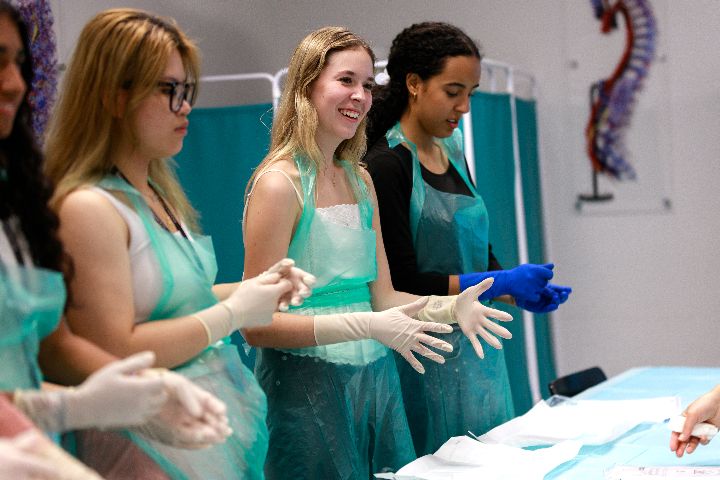
The McDonald Institute Summer of Science is a free afternoon program at Queen’s University run in partnership with the Carbon to Metal Coating Institute (C2MCI), focused on the physical sciences and materials engineering. You’ll work with undergraduate students and researchers through hands-on experiments designed to reflect how working scientists actually approach problems, covering topics in physics, materials science, and the research process.
Sessions are intentionally small, and instructors are undergraduate students who bridge the gap between high school content and university-level scientific thinking.
Why it stands out: It’s free and held on a university campus. Sessions are small, and instructors come from an active materials engineering research institute at Queen’s University.
8. DEEP Summer Academy
Location: University of Toronto, St. George Campus, Toronto, ON
Cost/Stipend: $732/week (domestic); $1,111/week (international) + application fees
Acceptance rate/cohort size: Competitive; limited spots per session
Dates: Session A: July 6-10; Session B: July 13-17; Session C: July 20-24; Session D: July 27-31; Session E: August 10-14
Application Deadline: March 3rd – April 13th (final round)
Eligibility: Grades 9-12; Grade 11/12 applicants must have completed Grade 11 math and both chemistry and physics by June; international students are welcome to apply
DEEP Summer Academy is a week-long engineering and science program run by the University of Toronto’s Faculty of Applied Science and Engineering, where each course is designed and taught by a U of T graduate student around their specific area of research. This means each session takes you into a different corner of current engineering and science inquiry, from biomedical engineering and environmental systems to robotics and computational design, rather than following a fixed curriculum.
Students attend from Monday through Friday on campus, working through hands-on activities and laboratory experiments structured around the instructor’s own graduate research. Applications are considered in 2 rounds starting in March, and students who apply to both DEEP and CREATE at U of T Engineering pay no additional application fee.
Why it stands out: Each course is designed and taught by a graduate student based on their own research area, giving you a direct look at what graduate-level engineering work involves before you’ve started a degree.
9. University of Waterloo Catalyst
Location: University of Waterloo, Waterloo, ON
Cost/Stipend: $732 + HST; bursaries available
Acceptance rate/cohort size: 25 students per session; three sessions offered
Dates: Three sessions: July 6-17, July 20-31, and August 10-21
Application Deadline: January 16th; February 13th
Eligibility: High school students from all nationalities who will be entering Grade 10 or higher in September
Catalyst is a two-week interdisciplinary summer program run by the University of Waterloo’s Engineering Outreach office, designed to develop leadership and problem-solving skills in high school students through a community and project-based learning model. You’ll work in small teams to tackle a structured community challenge, moving through stages of problem definition, stakeholder analysis, solution design, and presentation.
The program operates on the premise that engineering problems are rarely purely technical, and the curriculum incorporates elements of communication, ethics, and interdisciplinary collaboration alongside hands-on engineering work. Bursaries are available for students who need financial support, and early-round applicants have priority access to session spots.
Why it stands out: It’s run by one of Canada’s top-ranked engineering faculties and offers a residential option, so you can live on campus at Waterloo for two weeks.
10. UBC Geering Up High School Engineering Programs
Location: University of British Columbia, Vancouver, BC (also offered at UBCO Kelowna and South Surrey)
Cost/Stipend: $440-$500/week (varies by program theme and location)
Acceptance rate/cohort size: Selective
Dates: Weekly from July to August
Application Deadline: Sunday of the week before the camp begins
Eligibility: Local high school students (grades 9-12) and grade 8 students
UBC Geering Up is the engineering outreach program of the University of British Columbia’s Faculty of Applied Science, offering week-long summer camps for high school students on the Vancouver, Kelowna, and South Surrey campuses. The program is structured to expose you to multiple engineering disciplines in a single week rather than focusing on a single specialty, providing a broad introduction to mechanical, electrical, software, and environmental engineering through distinct hands-on projects.
UBC Geering Up is one of the few engineering summer schools in Canada for high school students that runs a dedicated all-girls week each summer, providing an environment specifically designed for girls and young women who want to explore STEM alongside peers at the same stage.
Why it stands out: It runs programs across three BC campuses and includes a dedicated all-girls engineering week each summer.
11. Western Engineering Summer Academy (WESA)
Location: Western University, London, ON
Cost/Stipend: $350/week
Acceptance rate/cohort size: Open enrolment
Dates: Multiple weeks in July-August; a dedicated Grades 10-12 cohort runs in Week 7
Application Deadline: On a first-come basis
Eligibility: Grades 7-12; international students can apply
The Western Engineering Summer Academy (WESA) is Western University’s week-long engineering summer program for students in Grades 7 through 12, run by the Faculty of Engineering’s outreach office in London, Ontario. Each day runs from 9:00 a.m. to 3:30 p.m. and covers a different aspect of engineering through hands-on building challenges, campus tours, and meetings with faculty and staff from Western’s engineering departments.
The program is open to all skill levels. It requires no prior engineering background, making it accessible to students who want an introductory look at university engineering before committing to more selective or costly programs. Western also runs a “Just for Girls” week for girls and young women in Grades 7 to 12 interested in exploring STEM in an all-female environment.
Why it stands out: It requires no application and is open across grade levels, making it one of the most accessible engineering programs at a Canadian university.
12. McMaster Engineering Immersive Experience
Location: McMaster University, Hamilton, ON
Cost/Stipend: None; varies
Acceptance rate/cohort size: Open registration; no application required
Dates: Multiple weeks from July to August
Application Deadline: Available until full
Eligibility: Domestic and international students entering Grades 9-12 as of September
The McMaster Engineering Immersive Experience (EIE) is a summer program run by McMaster University’s Faculty of Engineering in Hamilton, Ontario. It is designed specifically for high school students who want exposure to advanced STEM topics in a university setting. Participants rotate through advanced lab sessions in biology, chemistry, physics, 3D printing, and soldering.
You will be guided by undergraduate students from McMaster’s engineering programs who serve as camp instructors and mentors. A companion program, the Engineering Design Studio (EDS), runs concurrently for the same grade range and focuses on a week-long design challenge where you can ideate, prototype, and present a solution to a structured engineering problem.
Why it stands out: It’s led entirely by McMaster engineering undergraduates, giving you direct access to students who recently went through the same admissions process you’re preparing for.
13. University of Ottawa Faculty of Engineering Summer Programs
Location: University of Ottawa, Ottawa, ON
Cost/Stipend: $375/week ($305/week for 4-day weeks)
Acceptance rate/cohort size: Selective
Dates: Multiple weeks throughout July
Application Deadline: Rolling
Eligibility: Grades 9-12; international students are welcome to apply
The University of Ottawa Faculty of Engineering offers week-long summer programs for high school students covering six engineering disciplines. They include mechanical, civil, electrical, chemical, software, and computer engineering, with courses taught in the university’s own engineering labs and classrooms.
You’ll work through a combination of classroom instruction and hands-on activities, with mentors drawn from U of Ottawa’s faculty, graduate students, and industry professionals who discuss their own career paths as part of the program. It covers all six disciplines through a rotating series of design and prototyping challenges, while specialty weeks focus on individual areas such as civil and environmental engineering or computer science and AI.
Why it stands out: It covers six engineering disciplines across separate weekly sessions and offers bilingual instruction, making it one of the few engineering summer programs in Canada that serves both English and French-speaking students.
14. The Ocean and Climate Innovation Program
Location: Dalhousie University, Halifax, NS
Cost/Stipend: Registration deposit: $50; bursaries available for eligible students
Acceptance rate/cohort size: Selective
Dates: Summer; exact dates TBA
Application Deadline: TBA
Eligibility: Domestic high school students entering Grades 9-12 in the coming fall
The Ocean and Climate Innovation Program is an engineering-focused summer program hosted by Dalhousie University in Halifax, Nova Scotia. As a participant, you’ll design and build remotely operated vehicles (ROVs) while learning the fundamentals of ocean technology, climate data analysis, and artificial intelligence applications in marine environments.
The curriculum also covers climate data literacy and ocean engineering principles that reflect the active research happening at Dalhousie’s Oceanography and Engineering departments. Halifax’s position as a coastal research hub means the engineering problems explored in this camp are directly relevant to the ocean technology and offshore industries in Atlantic Canada.
Why it stands out: It culminates in a functioning ROV build, giving you a tangible outcome to point to.
15. CREATE: Engineering Design Challenges
Location: University of Toronto, St. George Campus, Toronto, ON
Cost/Stipend: $732/week (domestic); $1,111/week (international) + application fees
Acceptance rate/cohort size: Selective
Dates: July 6th – August 21st
Application Deadline: March 3rd (Round 1) through August 10th (Round 4)
Eligibility: Grades 9-12; Grade 9/10 applicants must have completed Grade 9 math and science; Grade 11/12 applicants must have completed Grade 11 math, chemistry, and physics; international students can apply
CREATE: Engineering Design Challenges is the University of Toronto Engineering Outreach program focused on the design and problem-solving side of engineering, distinct from the research emphasis of DEEP Summer Academy at the same faculty. Each week-long session is built around a specific engineering design brief, and you’ll work in a group to move through the full engineering design cycle.
Students accepted to CREATE can register for up to six week-long courses over the summer, allowing them to explore multiple engineering disciplines in a single summer within the same application. CREATE and DEEP share a joint application, so applying to both programs incurs only one application fee.
Why it stands out: You can register for up to six week-long sessions across the summer, covering different engineering disciplines each time.
Where Canadian Engineering Experience Can Take You Next
Robots, prototypes, lab tools, and design challenges can teach you something a textbook cannot: whether engineering feels exciting in practice.
The 15 engineering summer schools in Canada for high school students mentioned here offer that kind of practical insight through campus learning, teamwork, and research exposure.
Pay attention to what energises you most, whether it is biomedical innovation, robotics, sustainability, coding, aerospace, or hands-on design.
Where could those interests take you next? Explore our Study Abroad blogs for destination advice, application guidance, student life insights, and global planning support.