
 Русский (RU)
 Українська (UK)
 Türkçe (TR)
 Italiano (IT)
 Français (FR)
 Português (PT)
 中文 (中国) (ZH)
 Español (ES)
 日本語 (JA)
 ไทย (TH)
 Deutsch (DE)
 Ελληνικά (EL)
 Polski (PL)
 Bahasa Indonesia (ID)
 Nederlands (NL)
 العربية (AR)
 한국어 (KO)

As a high school student interested in medicine, the field can feel exciting yet overwhelming. Medical internships for high school students in 2026 can help you understand medicine beyond biology classes, showing how patient care, scientific research, diagnostics, laboratory work, and problem-solving come together in real healthcare settings.
Picture yourself observing clinical environments, learning basic diagnostic techniques, analysing research findings, or discussing healthcare challenges with mentors and peers. Through this kind of experience, you can build practical skills such as interpreting medical data, understanding research methods, learning basic laboratory procedures, developing communication skills, and examining how healthcare professionals approach decision-making.
Medical internships can act as a foundation for your academic journey by giving you a direct view of what medicine looks like at the professional level in a structured and accessible environment.
How do you choose the right medical internship for high school students in 2026?
Healthcare and medical research continue to evolve rapidly, with growing developments in areas such as biotechnology, artificial intelligence in healthcare, personalized medicine, and public health innovation. Universities, hospitals, and research institutions are increasingly creating opportunities for younger students to gain early exposure through research placements, clinical observations, and hands-on learning experiences. You’ll encounter areas such as clinical research, biomedical sciences, patient care systems, genetics, neuroscience, and emerging healthcare technologies.
To help simplify your search, we’ve put together a list of the 15 best medical internships for high school students in 2026, selected for their mentorship opportunities, practical exposure, and strong academic environments.
For related opportunities, consider the online medicine program.
15 Medical Internships for High School Students in 2026
1. Stanford Institutes of Medicine Summer Research (SIMR) Program
Location: Stanford University School of Medicine, Stanford, California
Stipend: $50 application fee applies; waivers are available / No stipend
Acceptance Rate/Cohort Size: Highly selective; approximately 50-60 students
Dates: June 8th – July 30th
Application Deadline: February 21st
Eligibility: Current high school juniors and seniors who are 16 years or older by the beginning of the program; applicants must currently live and attend high school in the United States and be U.S. citizens or permanent residents; not open to international students
As one of the most prestigious research-focused medical internships for high school students in 2026, Stanford Institutes of Medicine Summer Research Program lets you work alongside faculty members, postdoctoral researchers, and scientists on medically oriented projects across cancer biology, neuroscience, immunology, genetics, bioengineering, and stem cell research. The program places you within active research environments where you contribute to ongoing scientific work and learn how biomedical research is conducted.
Throughout the internship, you participate in seminars, career discussions, and mentorship activities while building skills in scientific thinking, laboratory methods, and research communication. You also present your work at the end of the program, giving you experience in communicating scientific findings and understanding the process behind academic research.
Why it stands out: You work directly on ongoing biomedical research projects within Stanford laboratories while receiving mentorship from researchers and medical scientists.
2. Immerse Education’s Medicine Summer School
Location: Cambridge, London, New York, Singapore, and Sydney
Cost: Varies; summer school scholarship available through our bursary programme
Application Deadline: Multiple summer cohorts with rolling admissions
Program Dates: 2 weeks during the summer
Eligibility: High school students across the globe aged 15-18; international students welcome
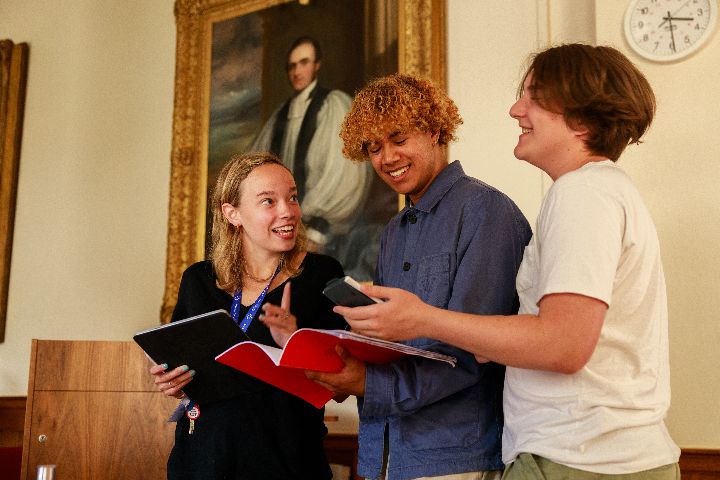
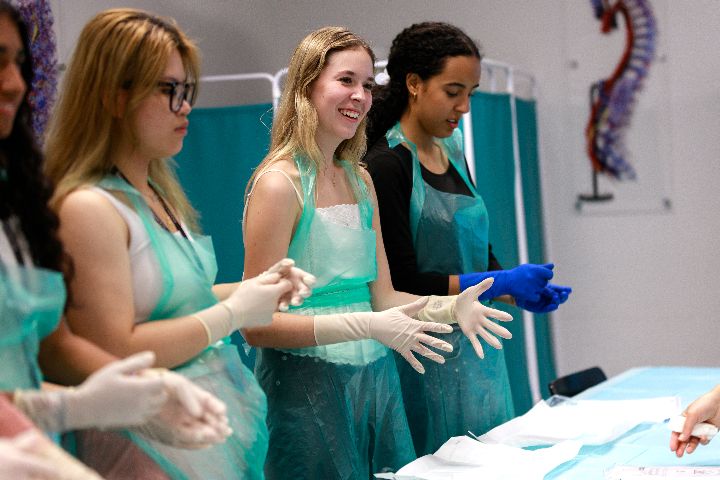
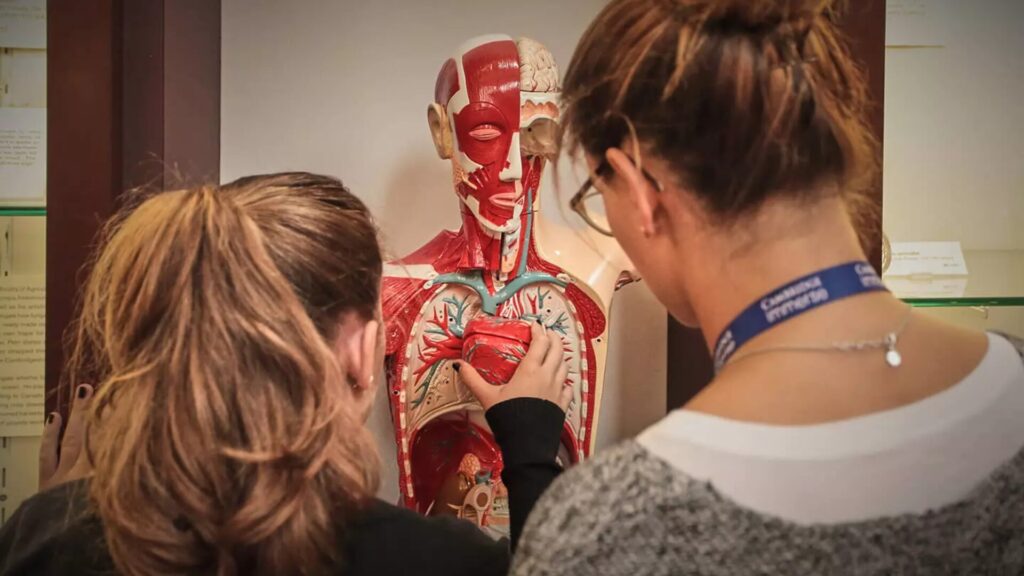
Immerse’s Medicine Career Insights Program lets high school students explore careers in major global industry hubs. You’ll participate in hands-on medical simulations, attend engaging classes, and critical discussions. You’ll receive guidance from experienced medical professionals and gain both clinical and critical thinking skills. You’ll not only gain theoretical knowledge about a medical career but also understand the development of treatment plans.
Participants engage in project-based learning with established companies, attend interactive workshops, and visit offices, factories, and headquarters. The program also includes in-person weekly 1:1 career coaching sessions and sessions where you will receive personalized feedback on your resume and overall profile. You’ll also present your findings to industry experts at the end of the program. At the conclusion of the program, you’ll receive a certificate. You can find more details about the application here!
Why it stands out: You’ll explore university-level concepts in fields like medicine and psychology, giving you early exposure to the academic pathways behind real careers.
3. Summer Internship Program – National Heart, Lung, and Blood Institute
Location: Bethesda, Maryland and Framingham, Massachusetts
Stipend: Paid, amount varies according to educational level
Acceptance Rate/Cohort Size: Highly selective; approximately 1,000 interns are selected annually across the entire program
Dates: 6-8 weeks during the summer; typically May – August
Application Deadline: Mid-to-late February
Eligibility: High school seniors and students at higher educational levels who are 18 years or older by the program start date; applicants must be U.S. citizens or permanent residents; not open to international students
In this program, you work under the guidance of an NHLBI principal investigator while contributing to projects in areas related to heart, lung, blood, and sleep research. You become part of an active laboratory environment where you engage with scientific methods, research questions, and ongoing investigations. The program also includes professional development activities, seminars, and mentoring sessions that introduce you to research pathways and careers in medicine and science.
By working closely with researchers and clinicians, you gain exposure to how laboratory discoveries contribute to broader medical understanding and healthcare advancements. Participants also develop experience in scientific communication and collaborative research environments.
Why it stands out: You work directly with NIH researchers while contributing to active biomedical research projects in a nationally funded scientific environment.
4. Child Health Research Internship – Children’s Hospital Colorado
Location: Anschutz Medical Campus, Aurora, Colorado
Stipend: $4,400
Acceptance Rate/Cohort Size: Highly selective; acceptance rate is not publicly available
Dates: June 1st – July 31st
Application Deadline: Early February
Eligibility: High school seniors who are 18 years or older by the start of the program and Colorado residents; not open to international students
The Summer Child Health Research Internship at Children’s Hospital Colorado introduces you to medical research through direct participation in child health-focused projects. You work alongside pediatric faculty and research mentors on studies connected to areas such as developmental biology, critical care, cardiology, endocrinology, and genetics. You become part of an active laboratory setting where you contribute to ongoing projects and learn research techniques used in biomedical studies.
Weekly seminars expose you to broader topics in child health research while helping you understand how laboratory findings connect with clinical care. You also prepare written and oral presentations at the end of the internship, giving you experience in communicating scientific ideas and presenting research findings.
Why it stands out: You work directly with pediatric researchers while gaining hands-on experience in active child health research projects within a hospital and university research environment.
5. High School Research Immersion Program at St. Jude Children’s Research Hospital
Location: St. Jude Children’s Research Hospital, Memphis, Tennessee
Stipend: $4,800
Acceptance Rate/Cohort Size: Highly selective; approximately 30-50 students are selected annually
Dates: June 1st – July 25th
Application Deadline: January 31st
Eligibility: Current high school juniors who will become rising seniors; applicants must be at least 16 years old, maintain a minimum 3.0 GPA, and attend schools in the Memphis-Shelby County area or surrounding counties in Tennessee, Mississippi, and Arkansas; not open to international students
In this internship, you work in pairs with research mentors and contribute to projects that may involve laboratory science, epidemiology, psychology, clinical research, or data science. You become involved in ongoing research work, gaining exposure to experimental design, data collection, and scientific investigation. The program also includes sessions with science educators that encourage reflection on scientific identity, research careers, and broader questions about representation in science.
You develop skills in scientific communication by preparing research presentations and sharing your findings through a final poster exhibition. The experience can help you understand how research supports medicine while providing early exposure to scientific and healthcare pathways.
Why it stands out: You work on mentored biomedical research projects at a leading pediatric research institution while gaining experience in both scientific investigation and research communication.
6. Houston Methodist’s Summer Internship Program
Location: Houston Methodist Research Institute, Houston, Texas
Stipend: None
Acceptance Rate/Cohort Size: Selective; cohort size varies annually
Dates: May 26th – July 31st
Application Deadline: January 30th
Eligibility: High school students who are at least 16 years old by the beginning of the program and legally authorized to work in the United States; not open to international students requiring sponsorship
In this program, you work with physician-scientists, researchers, and mentors while exploring areas connected to medicine, translational research, and healthcare innovation. You participate in ongoing projects and gain exposure to research techniques, data interpretation, and scientific problem-solving. Throughout the internship, you also attend seminars and professional development activities designed to introduce you to research careers and broader healthcare pathways.
By spending time within an active medical research environment, you gain a stronger understanding of how scientific discoveries move from laboratory research toward clinical applications and patient care. The program concludes with students presenting their work and reflecting on their research experience.
Why it stands out: You gain direct exposure to translational medical research while working alongside physician-scientists in an active healthcare research setting.
7. Summer Student Program – Memorial Sloan Kettering Cancer Center
Location: Memorial Sloan Kettering Cancer Centre, NY
Cost: $1,200 stipend
Dates: June 29th – August 21st
Application Deadline: February 6th
Eligibility: High school juniors who are 14 years or older by June, have a 3.5 grade point average in science subjects, are legally authorized to work in the U.S., and live within 25 miles of the main campus
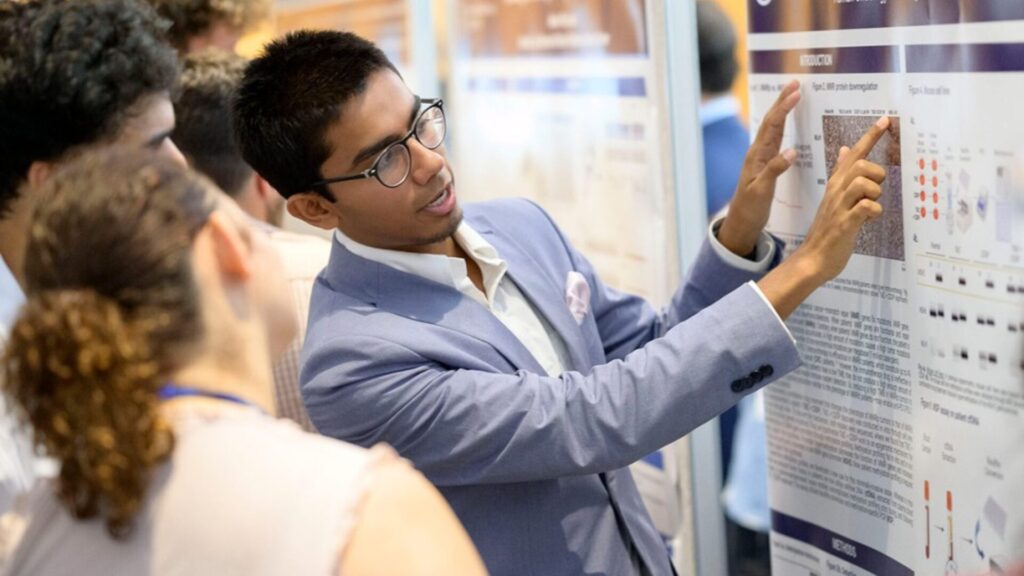
For students interested in independent biomedical research, the Memorial Sloan Kettering Summer Student Program is one of the more specialised medical internships for high school students in 2026. You’ll be matched with a mentor and take part in an eight-week lab-based internship in either biomedical or computational research, with work spanning cancer biology, structural biology, immunology, pharmacology, engineering, optics, and more.
Throughout the program, you’ll collaborate with research professionals, lead a self-directed project, and gain exposure to translational medicine through seminars and special events. Alongside hands-on research in a dynamic lab environment, the program supports your academic growth and personal development.
Why it stands out: It immerses you in cancer research under active faculty mentorship, helping you gain lab skills rarely available to high schoolers.
8. Simons Summer Research Program
Location: Stony Brook University, Stony Brook, New York
Stipend: Paid, amount not disclosed
Acceptance Rate/Cohort Size: Highly selective; approximately 40 students
Dates: June 29th – August 7th
Application Deadline: February 5th
Eligibility: Current high school juniors who are at least 16 years old by the program start date; applicants must be U.S. citizens or permanent residents and attend school in the U.S.; not open to international students
In this program, you work with faculty mentors and research teams across disciplines, including molecular biology, neuroscience, genetics, biomedical engineering, and other health-related areas. You become involved in ongoing research projects where you learn how scientific questions are developed, investigated, and interpreted. The program also includes workshops, research discussions, and professional development sessions designed to strengthen your understanding of scientific careers and research pathways.
By spending time within a university research environment, you gain experience in critical thinking, scientific communication, and understanding how research contributes to advances in medicine and healthcare. Participants conclude the program by presenting their research findings through a symposium and poster session.
Why it stands out: You work directly with university researchers on active scientific projects while gaining early exposure to the process behind biomedical discovery and medical research.
9. Magee-Womens Research Institute: High School Summer Internship Program
Location: Pittsburgh, Pennsylvania
Stipend: $1,800
Acceptance Rate/Cohort Size: Highly selective; approximately 8-10 students
Dates: June 15th – July 24th
Application Deadline: February
Eligibility: Current high school sophomores or juniors, age 16+, with primary residence in southwest Pennsylvania; not open to international students
This program matches you with a research mentor to work within an active laboratory environment while exploring areas related to women’s health, genetics, developmental biology, reproductive sciences, and clinical research. You contribute to ongoing research projects and gain exposure to laboratory methods, scientific investigation, and research-based problem-solving.
Throughout the internship, you also attend seminars and educational activities designed to introduce you to careers in medicine and biomedical science. By spending time in a research setting connected to healthcare and medical discovery, you gain a stronger understanding of how laboratory research supports clinical knowledge and future medical advancements.
Why it stands out: You gain hands-on exposure to biomedical research while working with mentors on projects focused on women’s health and medical science.
10. Montefiore Einstein High School Research Program in Cancer (BEYOND ALBERT)
Location: Montefiore Einstein Comprehensive Cancer Center, Bronx, New York
Stipend: $2,500
Acceptance Rate/Cohort Size: Highly selective; typically fewer than 20 students
Dates: Summer session: July – August; 8 weeks | Optional academic-year continuation: September – May
Application Deadline: January 12th
Eligibility: Students must be at least 16 years old, entering 11th or 12th grade, and attend high school in the Bronx; not open to international students
This program pairs you with mentors to work on projects related to cancer biology and broader biomedical sciences while learning how researchers investigate health-related questions. You spend time in laboratory settings where you gain exposure to research design, data analysis, and scientific methods used in medical research. The program also includes workshops on professional development, scientific communication, and career pathways in medicine and biomedical science.
You develop experience presenting your findings through research presentations and receive mentorship designed to support both scientific growth and college readiness. Students may also continue participating in an optional academic-year component focused on mentorship and continued development.
Why it stands out: You gain hands-on cancer research experience while receiving long-term mentorship and college-readiness support within an academic medical center.
11. Boston Medical Center – Junior Summer Volunteer Program
Location: Boston Medical Center, Boston, Massachusetts
Stipend: None
Acceptance Rate/Cohort Size: Selective; ~70 students
Dates: June 29th – August 21st
Application Deadline: Rolling until 100 forms are received
Eligibility: High school students aged 16-18 by the beginning of the program; applicants must meet immunization and hospital onboarding requirements; not open to international students
Not all medical internships for high school students in 2026 are centred on laboratory research; the Boston Medical Center Junior Summer Volunteer Program gives you a closer look at hospital service and patient support. You work with staff members across different departments, observe daily clinical operations, and take part in service-oriented responsibilities within a real healthcare setting. Throughout the program, you interact with healthcare professionals and learn how communication, teamwork, and patient-centered care contribute to hospital systems.
By spending time in a large medical environment, you gain a better understanding of the day-to-day realities of healthcare and the different roles involved in patient care. The experience can help you explore whether medicine, nursing, healthcare administration, or related fields align with your future interests.
Why it stands out: You gain early exposure to a real hospital setting while learning how different healthcare teams work together to support patient care.
12. Broad Summer Scholars Program (BSSP)
Location: Broad Institute of MIT and Harvard, Cambridge, Massachusetts
Stipend: $3,600
Acceptance Rate/Cohort Size: Highly selective; ~18 students
Dates: June 29th – August 7th
Application Deadline: January 21st
Eligibility: Rising high school seniors who attend high school in Massachusetts within commuting distance of the Broad Institute; applicants must have earned a ‘B’ or better in science and math classes and be U.S. citizens, permanent residents, or non-U.S. citizens with employment authorization; not open to international students
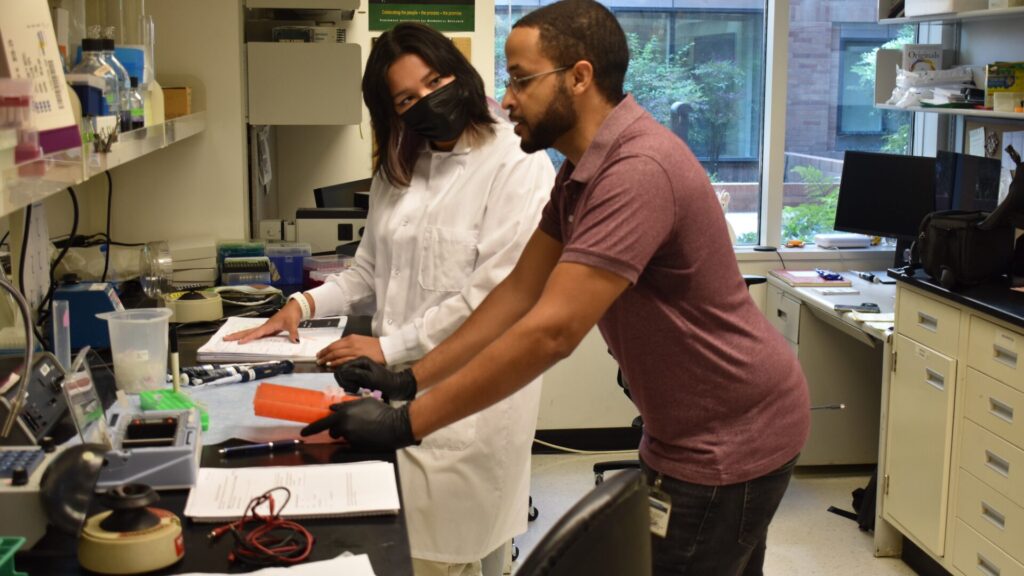
This program matches you with Broad scientists to contribute to original research in areas such as cancer biology, chemical biology, computational biology, infectious disease, psychiatric disease, and genomics. You work on an active research project while learning how scientists frame questions, analyze data, and communicate findings.
The program also includes scientific talks, career exploration sessions, a college fair, and social activities with peers who share an interest in science. At the end of the program, you present your research to the Broad community through a scientific poster session, helping you build confidence in research communication.
Why it stands out: You conduct original biomedical research with Broad scientists while gaining exposure to genomics, disease research, and scientific presentation.
13. Mayo Clinic’s Science Program for the Advancement of Research Knowledge (SPARK)
Location: Mayo Clinic, Jacksonville, Florida
Stipend: Paid, amount not disclosed
Acceptance Rate/Cohort Size: Highly competitive; cohort size varies annually based on faculty mentor availability
Dates: June 2nd – December 3rd
Application Deadline: December 31st
Eligibility: Rising high school juniors and seniors enrolled at schools in Duval County or St. Johns County, Florida; applicants must have a minimum 3.5 unweighted GPA and be available for the mandatory first two weeks of orientation and training; not open to international students
In this program, you work with Mayo Clinic mentors in research areas such as biochemistry and molecular biology, drug development, epidemiology, immunology, cancer biology, artificial intelligence, neuroscience, and regenerative sciences. During the summer, you spend at least 25 hours per week in mentor laboratories and continue additional research activities during the school year.
The program is designed to help you understand the research process, develop critical thinking skills, and practice professional conduct in a scientific setting. You also produce a competitive research project that may be entered into science fairs, giving you experience with scientific presentation and project development.
Why it stands out: You gain extended mentored research experience at Mayo Clinic while developing a science fair-ready biomedical research project.
14. Fred Hutch Summer High School Internship Program
Location: Fred Hutch Cancer Center, Seattle, Washington
Stipend: Paid, amount not disclosed
Acceptance Rate/Cohort Size: Highly competitive; approximately 20-30 students
Dates: June 22nd – August 14th
Application Deadline: March 13th
Eligibility: Students entering senior year of high school who are 16 years or older by the program start date; currently reside in Greater Seattle or surrounding areas; not open to out-of-state or international students
This program begins with two weeks of hands-on training in laboratory safety, research techniques, and an introduction to Fred Hutch’s scientific environment. For the remaining six weeks, you are paired with another intern and placed in a mentored Fred Hutch research group, where you participate in active research activities rather than only observing from the sidelines.
You also attend research seminars, professional development workshops focused on college and careers, and peer activities designed to support your growth as a student researcher. At the end of the program, you present your work to the Fred Hutch community, family, and friends, helping you build confidence in scientific communication.
Why it stands out: You receive paid, mentored research experience at a major cancer research center while building laboratory, career-readiness, and scientific presentation skills.
15. Denver Health Medical Career Collaborative
Location: Denver Health Medical Center, Denver, Colorado
Stipend: Colorado minimum wage
Acceptance Rate/Cohort Size: Highly competitive; 60-75 students across all sites
Dates: Two-year commitment spanning the student’s junior and senior years
Application Deadline: March 4th
Eligibility: Current high school sophomores in the Denver metro or Colorado Springs areas; not open to international students
In this program, you participate in experiences that may include shadowing opportunities, educational sessions, and interactions with healthcare professionals across different specialties. It emphasizes exposure to how hospitals function and how healthcare teams collaborate in real settings. Throughout the experience, you learn about different medical pathways and gain insight into the responsibilities associated with patient care and healthcare systems.
You also interact with physicians, nurses, and healthcare staff, helping you understand the teamwork and communication skills involved in medical environments. The program can help you explore whether medicine, nursing, public health, or other healthcare pathways align with your future academic goals.
Why it stands out: You gain exposure to multiple healthcare professions within a working hospital system while exploring different pathways in medicine and patient care.
Go Further With Your Interest in Medicine
Medicine becomes more meaningful when you connect textbook knowledge with research questions, clinical realities, patient communication, and scientific problem-solving in action beyond school science classes.
The medical internships for high school students in 2026 featured here can introduce biomedical research, diagnostics, healthcare systems, lab skills, and mentorship before university study.
Each experience can help you decide which medical interests feel strongest, from neuroscience and oncology to paediatrics, public health, or biotechnology and future study plans.
Want to keep building your knowledge after that first exposure? Read our Medicine Top Books Guide for inspiring, accessible books that deepen your understanding next.