

 Русский (RU)
 Українська (UK)
 Türkçe (TR)
 Italiano (IT)
 Français (FR)
 Português (PT)
 中文 (中国) (ZH)
 Español (ES)
 日本語 (JA)
 ไทย (TH)
 Deutsch (DE)
 Ελληνικά (EL)
 Polski (PL)
 Bahasa Indonesia (ID)
 Nederlands (NL)
 العربية (AR)
 한국어 (KO)
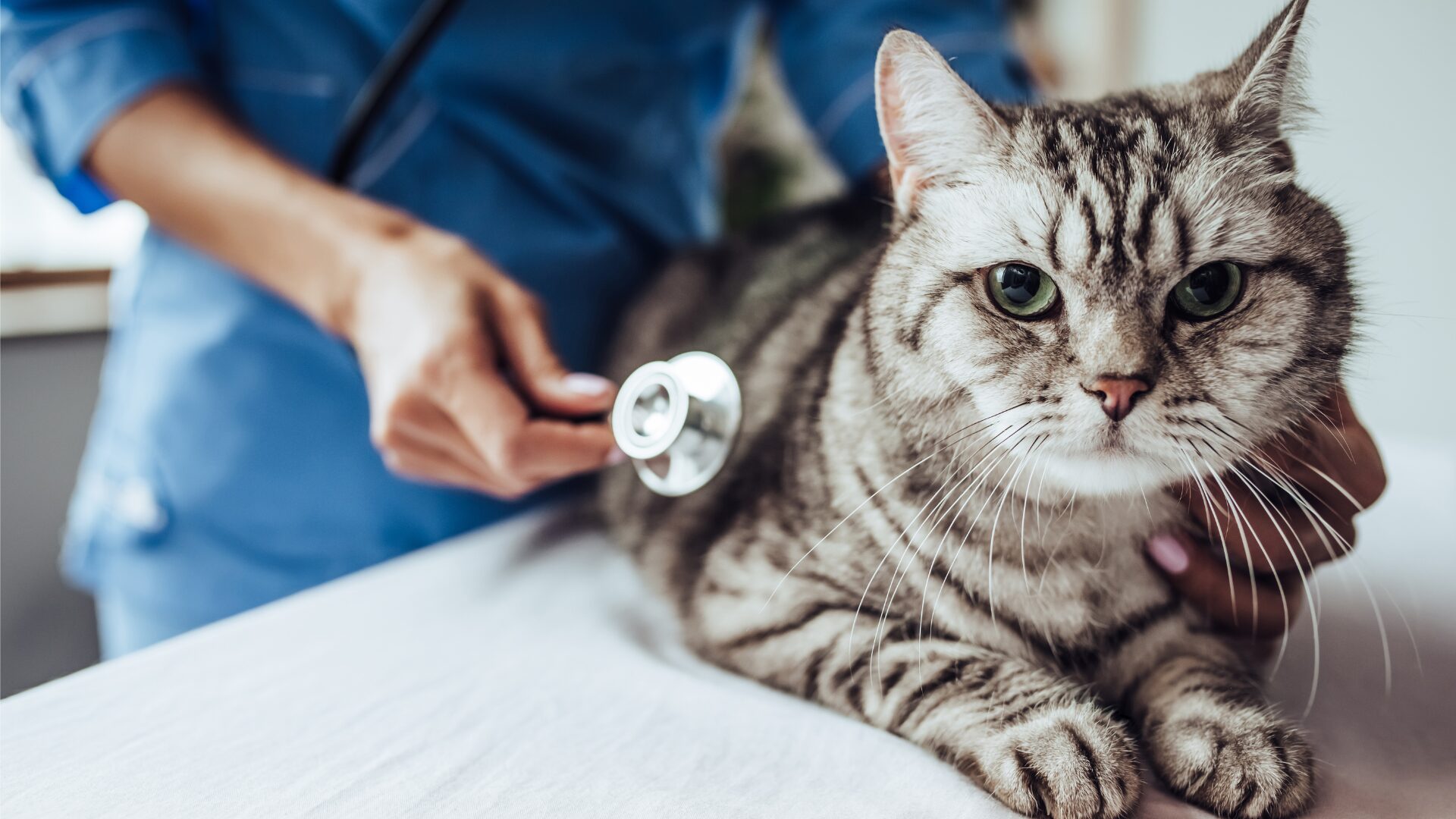
As a high school student interested in veterinary medicine, you may be wondering what a career working with animals actually looks like. While caring for pets is often the most visible part of the profession, veterinary medicine also involves scientific research, public health, surgery, diagnostics, and the study of diseases that affect both animals and humans. One of the best ways to explore the field beyond the classroom is through a veterinary medicine summer program.
Imagine spending your summer observing veterinary procedures, learning animal anatomy, working in research labs, or interacting with veterinarians and veterinary students. These programs allow you to explore different areas of animal health while gaining practical experience and a better understanding of the profession.
How do you choose the right veterinary medicine summer program?
Finding the right program can be challenging because opportunities vary widely in their focus and structure. Some programs emphasize hands-on animal care, while others focus on biomedical research, veterinary science, or public health. Certain programs offer direct access to veterinary schools and teaching hospitals, while others introduce students to the field through workshops, lectures, and laboratory experiences.
Many universities, veterinary schools, and research institutions offer summer programs designed specifically for high school students interested in animal health and medicine. Depending on the program, you may participate in laboratory activities, observe clinical work, learn about veterinary specialties, or explore emerging topics in animal science and biomedical research. S
To help you get started, we’ve compiled a list of the 15 best veterinary medicine summer programs for high school students.
For adjacent opportunities, consider the online medicine program.
Key takeaways
- The University of Tennessee’s Veterinary Summer Experience Program has an 8% acceptance rate, admitting just 12 students annually, and is restricted to Tennessee residents.
- Immerse Education’s Veterinary Medicine Summer School takes place at the University of Sydney, with multiple two-week sessions running from June through August, open to students worldwide aged 13 to 18.
- UMass Amherst’s Pre-Veterinary Medicine Program costs $4,119 for residential students or $2,337 for commuters and awards two college credits over a two week program.
- VetCAMP at North Carolina State University costs $750 for a day camp, $1,000 for an overnight camp, or $250 for a virtual option, admitting approximately 36 students per session.
- Colorado State University’s SciVet Summer Program caps enrollment at just 21 students, combining veterinary medicine with biology and environmental science over a single week.
- Purdue University’s Senior Boiler Vet Camp costs $1,600 and lets each of its 50 admitted students guide a real Humane Society shelter dog through a complete wellness journey.
- VetCamp at the University of Minnesota costs just $15, with fee waivers available, making it one of the most accessible veterinary exploration programs in this list.
- Program costs for veterinary medicine summer programs range from $15 at the University of Minnesota to over $1,800 for Tufts University’s Adventures in Veterinary Medicine program.
15 Veterinary Medicine Summer Programs for High School Students
1. University of Tennessee Veterinary Summer Experience Program (VSEP)
Location: University of Tennessee College of Veterinary Medicine, Knoxville, TN
Cost/Stipend: No cost / Stipend paid, amount not specified
Acceptance rate/cohort size: Approximately 8% acceptance rate; 12 students annually
Dates: June 9th – July 11th
Application Deadline: January 30th
Eligibility: Tennessee residents who are current high school juniors or seniors, at least 16 years old, with a minimum 3.0 GPA; not open to international students
The Veterinary Summer Experience Program combines four weeks of supervised shadowing at a veterinary practice with an intensive academic week at the University of Tennessee College of Veterinary Medicine. During the shadowing component, you’ll observe veterinary professionals in clinical settings and gain insight into the daily responsibilities of the profession. The on-campus experience includes seminars, structured learning activities, and opportunities to interact with faculty, veterinary students, and practicing veterinarians.
The program provides extensive exposure to real veterinary workplaces, allowing you to experience the profession beyond the classroom. Its combination of clinical shadowing and university-based instruction offers a realistic introduction to veterinary education and career pathways.
Why it stands out: The program combines extensive clinical shadowing with a fully funded veterinary college experience and is one of the most selective opportunities available to high school students.
2. Immerse Education’s Veterinary Medicine Summer School
Location: University of Sydney, Sydney, Australia
Cost: Varies by format; summer school scholarship available through our bursary programme
Acceptance rate/cohort size: Selective; small groups (average of 7 participants per class)
Dates: Multiple 2-week sessions across June – August
Application Deadline: Rolling admissions
Eligibility: Students aged 13-18; open to international students
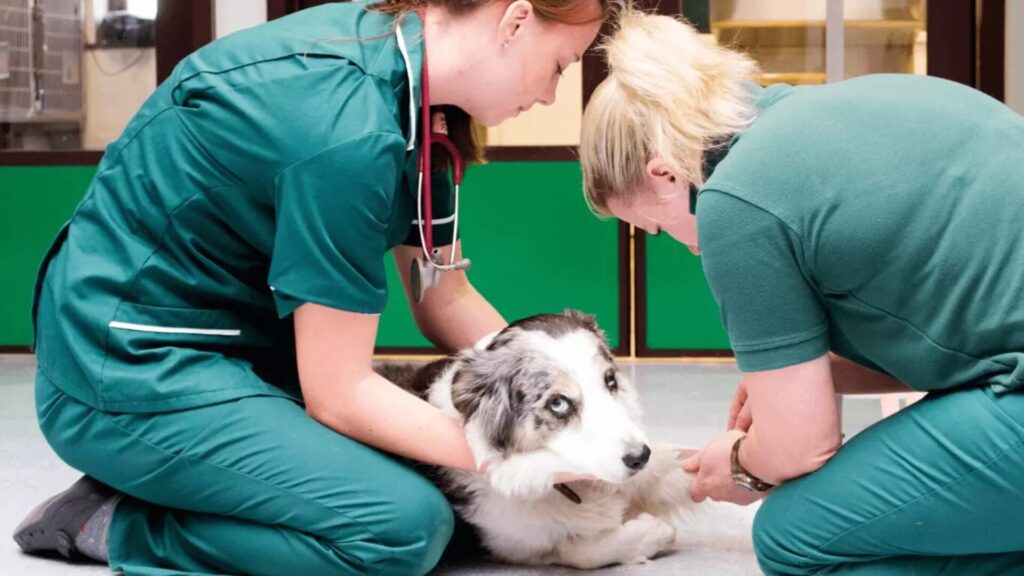
Immerse Education’s Veterinary Studies Summer Programme introduces you to the scientific and ethical foundations of veterinary medicine through university-style teaching and case-based learning. You explore topics such as animal physiology, disease diagnosis, treatment approaches, and animal welfare, guided by experienced tutors. The program uses seminars, group discussions, and real-world case studies to help you understand how veterinary professionals assess and treat different species.
You also develop analytical and communication skills through collaborative projects and guided assignments. The in-person experience includes living in a Cambridge college environment, giving you insight into university life while studying a specialized subject. By the end, you receive a certificate and personalized feedback, helping you evaluate your interest in pursuing veterinary science further.
Why it stands out: Offers a focused introduction to veterinary science in a university-style setting, combining subject-specific learning with a realistic preview of studying at a leading academic institution.
3. UMass Amherst Pre-Veterinary Medicine Program
Location: University of Massachusetts Amherst, Amherst, MA
Cost/Stipend: $4,119 (residential) | $2,337 (commuter) + $95 materials fee; scholarships are available
Acceptance rate/cohort size: Highly competitive; small groups
Dates: June 28th – July 11th
Application Deadline: May 15th
Eligibility: Rising high school juniors and seniors; open to international students
This two-week pre-veterinary program introduces students to the scientific and clinical foundations of veterinary medicine through a combination of coursework, labs, and field experiences. You’ll participate in rotations covering comparative anatomy, animal handling and restraint, veterinary pharmacology, clinical pathology, diagnostic imaging, parasitology, and wound management.
The program also includes visits to university farms, where you’ll work directly with livestock such as sheep, goats, cattle, and horses. You’ll gain hands-on experience across multiple areas of veterinary medicine while learning from university faculty and professionals in the field. Students who complete the program earn two college credits, providing an opportunity to experience university-level coursework while exploring veterinary science.
Why it stands out: The program combines hands-on veterinary training, livestock experience, and college credit in a comprehensive introduction to the field.
4. Advanced Veterinary Academy at the University of Missouri
Location: University of Missouri College of Veterinary Medicine, Columbia, MO
Cost/Stipend: $400
Acceptance rate/cohort size: Selective; cohort size not specified
Dates: June 8-12
Application Deadline: March 31st
Eligibility: High school juniors and seniors, age 16+, minimum 50 hours of veterinary job shadowing; minimum 2.7 GPA; open to international students
The Advanced Veterinary Academy offers students an immersive introduction to veterinary school through lectures, laboratory activities, and clinical observations. You’ll explore topics such as anatomy, pathology, radiology, toxicology, and public health while participating in activities that reflect components of the veterinary curriculum.
The program includes opportunities to observe small-animal rounds, analyze clinical pathology samples, and learn about diagnostic decision-making. One of the program’s most distinctive features is the opportunity to observe surgical procedures and experience aspects of veterinary training firsthand. You also participate in career-focused sessions that cover admissions requirements, interview preparation, and veterinary career options across multiple sectors.
Why it stands out: The program provides direct exposure to veterinary school coursework, clinical settings, and surgical observation opportunities.
5. AgDiscovery at Iowa State University
Location: Iowa State University, Ames, IA
Cost/Stipend: None
Acceptance rate/cohort size: Selective; cohort size not publicly available
Dates: July 13-17
Application Deadline: April
Eligibility: Students in grades 9-11, ages 15-17; not open to international students
In this program, you’ll participate in laboratory exercises, diagnostic testing, workshops, and field trips designed to showcase various aspects of animal health and disease prevention. The program is supported by Iowa State faculty and professionals from the USDA Animal and Plant Health Inspection Service, providing insight into both academic and government careers.
The curriculum explores veterinary medicine within a broader framework that includes agriculture, conservation, wildlife health, and public health. You gain practical experience through laboratory work, farm visits, and team-based projects while living on a university campus. The residential format also allows participants to experience college life while building connections with peers who share similar interests.
Why it stands out: The program uniquely combines veterinary medicine, agriculture, wildlife science, and public health through hands-on learning and mentorship from USDA professionals.
6. VetCAMP at North Carolina State University
Location: North Carolina State University, Raleigh, NC
Cost/Stipend: $750 (day camp); $1,000 (overnight camp); $250 (virtual camp)
Acceptance rate/cohort size: Highly competitive; ~36 spots per session
Dates: Week 1: July 6-10; Week 2: July 13-17; Virtual: June 22-26
Application Deadline: April 6th
Eligibility: Rising high school sophomores, juniors, seniors, and rising college freshmen who are at least 15 years old and U.S. residents; not open to international students
VetCAMP introduces students to veterinary careers through laboratory activities, animal interactions, and exposure to veterinary education pathways. You’ll participate in suture and dissection labs, learn small-animal clinic fundamentals, and work with animals including horses, sheep, and pigs at NC State’s Animal Education Units. The program also includes a tour of the College of Veterinary Medicine and discussions about pre-veterinary coursework and career planning.
Hands-on learning is central to the experience, allowing you to actively practice skills and engage with veterinary concepts. Working with multiple species gives you a broader understanding of the different areas within veterinary medicine. Throughout the week, you’ll learn directly from veterinary professionals while exploring potential academic and career pathways.
Why it stands out: The program combines practical veterinary skills training with direct exposure to a major veterinary school’s facilities and educational pathways.
7. Mississippi State University VetMed Summer Camp
Location: Mississippi State University, Starkville, MS
Cost/Stipend: $125 (one-day camp) | $400 (three-day camp) | $750 (overnight camp) + $25 application fee
Acceptance rate/cohort size: Selective; cohort size not specified
Dates: Multiple sessions are held throughout June
Application Deadline: Early February
Eligibility: One-day camp: Ages 10-14 | Three-day camp: Ages 13-17 | Overnight camp: Ages 15-17; open to international students
Mississippi State’s VetMed Summer Camps provide students with an introduction to veterinary medicine through laboratory activities, demonstrations, and discussions led by veterinary faculty and students. You’ll explore topics such as anatomy, microbiology, radiology, pathology, rehabilitation, and public health while learning how veterinarians care for animals and contribute to scientific research.
Multiple camp formats allow students to choose an experience that matches their age and interests. The curriculum introduces both clinical and research-focused aspects of veterinary medicine, giving you a broad view of the profession. You’ll gain exposure to a variety of veterinary specialties while interacting with experts and current veterinary students.
Why it stands out: Its multiple camp formats make veterinary medicine accessible to students at different ages and levels of experience.
8. Gator Vet Camp
Location: University of Florida College of Veterinary Medicine, Gainesville, FL
Cost/Stipend: $1,500 + $25 application fee; limited need-based scholarships are available
Acceptance rate/cohort size: Selective; cohort size not publicly disclosed
Dates: Session 1 (Rising 10th & 11th graders): June 7-12 | Session 2 (Rising 12th graders): June 21-26
Application Deadline: February 27th
Eligibility: Rising 10th – 12th grade students who reside and attend high school in the state of Florida; not open to international students
Gator Vet Camp is a residential summer experience designed to introduce students to veterinary medicine through hands-on learning and academic enrichment. You’ll participate in clinical labs, veterinary-focused coursework, and structured activities that mirror components of professional veterinary training. The program also provides opportunities to explore veterinary career pathways while experiencing life on a university campus.
You’ll engage directly with veterinary concepts through practical activities. The residential format allows students to experience both the academic and social aspects of a college environment while exploring veterinary medicine. Sessions are tailored by grade level to ensure age-appropriate instruction and expectations.
Why it stands out: It combines residential college-life experiences with hands-on veterinary education at one of the country’s leading veterinary schools.
9. Colorado State University SciVet Summer Program
Location: Colorado State University, Fort Collins, CO
Cost/Stipend: $1,800 residential | $1,200 commuter; scholarships are available
Acceptance rate/cohort size: Selective; capped at 21 students
Dates: June 22-26
Application Deadline: February 1st
Eligibility: High school students who are at least 15 years old by June 1st; open to international students
The SciVet Summer Program is a weeklong experience that combines veterinary medicine, biology, and environmental science through laboratory and field-based learning. You’ll conduct investigations using professional scientific tools while studying topics such as wildlife research, integrative veterinary medicine, equine-assisted therapy, water quality, and scientific illustration. The program includes laboratory visits, demonstrations, and outdoor activities that provide exposure to a wide range of scientific disciplines.
With only 21 students admitted, participants benefit from close interaction with faculty, researchers, and guest experts. The interdisciplinary curriculum helps you understand how veterinary medicine connects with broader issues in environmental and animal health. Throughout the week, you’ll engage in research-focused activities while developing scientific skills and knowledge.
Why it stands out: Its small cohort size and interdisciplinary approach provide students with personalized mentorship and exposure to veterinary science beyond traditional clinical settings.
10. Texas A&M AgriLife Veterinary Science Overnight Summer Camps
Location: Texas A&M University (College Station, TX), Tarleton State University (Stephenville, TX), and West Texas A&M University (Canyon, TX)
Cost/Stipend: Tarleton: $575, Texas A&M: $750, West Texas A&M: $575; scholarships and need-based assistance are available
Acceptance rate/cohort size: Competitive; approximately 30 students per location
Dates: Tarleton: May 27-29; Texas A&M: June 23-25; West Texas A&M: July 21-23
Application Deadline: March 1st
Eligibility: Students entering 9th – 12th grade for Tarleton and West Texas A&M; must be at least 15 years old by June 1st for Texas A&M; open to international students
These residential camps introduce students to veterinary medicine through hands-on learning experiences focused on animal health and veterinary science. You’ll participate in labs, demonstrations, and guided activities that cover animal handling, clinical concepts, and veterinary fundamentals. Faculty members and Extension educators lead sessions designed to expose students to careers in veterinary medicine, agriculture, diagnostics, and biomedical sciences.
The residential format encourages collaboration with peers while providing an immersive introduction to veterinary science. You gain practical experience with animal health concepts while learning about the educational pathways that lead to veterinary careers. Each location offers a slightly different experience while maintaining a strong focus on veterinary education.
Why it stands out: The program offers multiple campus locations and combines veterinary science with agriculture, diagnostics, and animal health education.
11. VetCAMP at the University of Georgia
Location: University of Georgia College of Veterinary Medicine, Athens, GA
Cost/Stipend: $1,000; limited need-based partial scholarships are available
Acceptance rate/cohort size: Selective; ~50+ students
Dates: May 31st – June 6th
Application Deadline: January 20th
Eligibility: High school students in grades 10-12, age 16+, who are U.S. students; not open to international students
VetCAMP is a weeklong residential program designed to help students evaluate whether veterinary medicine is the right career path for them. You’ll spend time inside a veterinary teaching hospital, diagnostic laboratories, and specialized research facilities while learning about the realities of veterinary education and practice. The program includes hands-on activities, facility tours, and opportunities to interact with veterinarians, faculty members, and current veterinary students.
The program focuses on helping you understand the academic rigor and professional expectations associated with veterinary medicine. You’ll gain firsthand exposure to clinical environments while exploring the diverse career opportunities available within animal health and veterinary science. Throughout the week, you’ll develop a clearer understanding of what veterinary school and the profession involve.
Why it stands out: The program emphasizes career readiness and professional exploration while providing access to a veterinary teaching hospital and its faculty.
12. Tufts University Adventures in Veterinary Medicine (AVM) High School Program
Location: Cummings School of Veterinary Medicine at Tufts University, North Grafton, MA
Cost/Stipend: $1,800; limited need-based aid is available
Acceptance rate/cohort size: Selective; typically 60-80 students per session
Dates: June 22-26
Application Deadline: Rolling admissions
Eligibility: Students in grades 9-12; open to international students
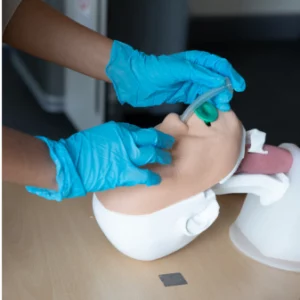
The Adventures in Veterinary Medicine program introduces students to veterinary medicine through practical skills training and case-based learning. You’ll learn animal handling techniques, conduct physical examinations, practice bandaging and suturing, and work with diagnostic imaging tools commonly used in veterinary settings. The program also incorporates simulation-based training that allows students to explore procedures such as ultrasound and intubation.
A major focus of the program is developing practical veterinary skills through active participation rather than observation alone. You’ll work through medical cases with peers, mirroring the collaborative problem-solving approach used in veterinary schools and clinical practice. By the end of the week, you’ll have gained a better understanding of both veterinary techniques and the decision-making process behind patient care.
Why it stands out: The program offers extensive hands-on clinical skills training using veterinary simulation equipment and case-based learning.
13. Purdue University College of Veterinary Medicine – Senior Boiler Vet Camp
Location: West Lafayette, Indiana
Cost/Stipend: $1,600; partial scholarships available
Acceptance rate/cohort size: Highly selective; 50 students
Dates: June 21-27
Application Deadline: February 2nd
Eligibility: Students entering 10th, 11th, or 12th grade in the fall; minimum age of 12 by June 1st; not open to international students
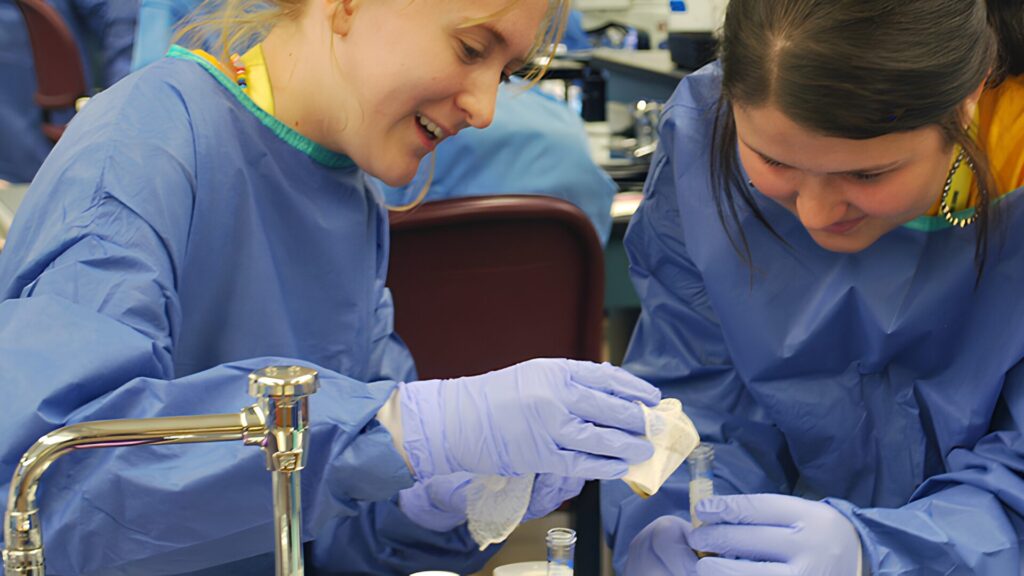
In this camp, you spend seven residential days at Purdue’s College of Veterinary Medicine caring for a shelter dog, guiding it from “Pooch to Prince or Princess” through full wellness care. Using a camp-issued stethoscope, you perform a canine physical exam to confirm your dog is healthy. You examine blood cells and enzymes in the diagnostic lab and identify internal and external parasites during a parasitology session.
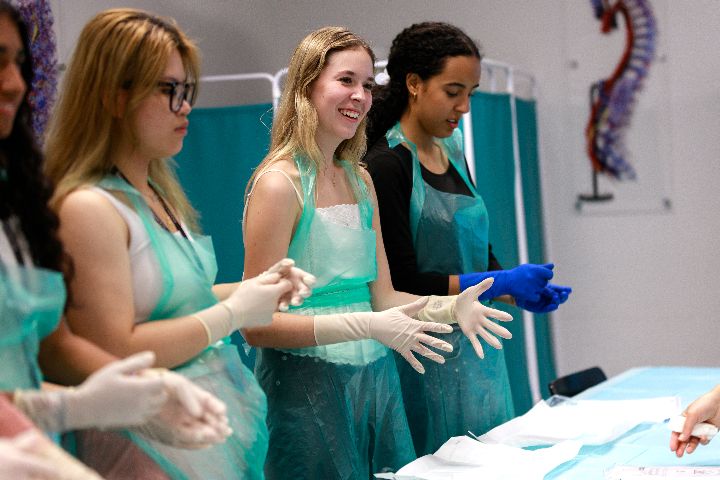
You scrub, gown, and glove for “The ABC’s of the OR,” study anatomy on a cadaver dog, and observe your dog’s spay or castration tableside. You also set up inhalant anesthesia, practice CPR and bandaging, tour the Purdue Veterinary Hospital, and receive vet school admissions guidance before presenting at closing ceremonies.
Why it stands out: It is described as the only camp of its kind in Indiana and lets each camper follow a real Humane Society dog through its complete wellness journey.
14. VetCamp at the University of Minnesota College of Veterinary Medicine
Location: University of Minnesota College of Veterinary Medicine, St. Paul, MN
Cost/Stipend: $15; fee waivers are available
Acceptance rate/cohort size: Open enrollment; cohort size not mentioned
Dates: June 10th, July 15th, and August 12th
Application Deadline: Varies by session (Registration opens periodically when dates are added to the website)
Eligibility: Students in grades 9-12; open to international students
VetCamp is a hands-on exploration program designed to introduce students to veterinary medicine and animal care. Led by current veterinary students, the program provides exposure to clinical concepts, veterinary education, and the realities of working in the profession. Activities focus on demonstrations, guided exercises, and discussions that help students understand how veterinarians care for animals and solve medical problems.
Because instruction is led by veterinary students, you gain firsthand insight into what veterinary school is like and how students prepare for the profession. The program emphasizes accessibility and career exploration, making it a useful starting point for students who are just beginning to explore veterinary medicine. Sessions are offered throughout the year, with summer opportunities depending on instructor availability.
Why it stands out: Its low cost and veterinary student-led instruction make it one of the most accessible veterinary exploration programs available.
15. Auburn University College of Veterinary Medicine / Auburn OPCE – 9th and 10th Grade Veterinary Camp
Location: Auburn University campus, Auburn, Alabama
Cost/Stipend: $1,300
Acceptance rate/cohort size: Competitive; roughly 150 applicants
Dates: June 22-26
Application Deadline: Mid-February
Eligibility: Rising 9th and 10th graders in the fall; open to international students
In this program, you explore the veterinary profession through hands-on sessions in classrooms, laboratories, and outdoor animal units. You rotate through public health, farm animals, exotics and wildlife, and companion-animal topics while studying anatomy and physiology and practicing surgery-prep skills. You visit Auburn’s raptor, equine, dairy, and beef facilities and learn how veterinarians approach research and everyday clinical care.
Faculty, staff, and current veterinary students mentor you on a range of career paths across the field. Living in campus dormitories with round-the-clock counselor supervision, you build teamwork and scientific reasoning while gaining a realistic picture of what veterinary training demands.
Why it stands out: It gives rising 9th and 10th-graders direct, residential access to a nationally known veterinary college’s raptor, equine, dairy, and beef facilities alongside mentoring from faculty and current veterinary students during a single week on campus.
Frequently Asked Questions
Are veterinary medicine summer programs open to international students?
Eligibility is mixed across this list. Several highly selective programs, including the University of Tennessee’s VSEP and VetCAMP at the University of Georgia, are not open to international students. However, programs like UMass Amherst’s Pre-Veterinary Medicine Program, Colorado State’s SciVet Summer Program, and Tufts University’s Adventures in Veterinary Medicine explicitly welcome international applicants. Immerse Education’s Veterinary Medicine Summer School is also open globally to students aged 13 to 18.
How much do veterinary medicine summer programs cost?
Costs range from very low to over $1,800 depending on program length and intensity. VetCamp at the University of Minnesota costs just $15, while day camps like Mississippi State’s VetMed Summer Camp start around $125. Longer, more intensive residential programs, like Tufts University’s Adventures in Veterinary Medicine or Purdue’s Senior Boiler Vet Camp, cost $1,600 to $1,800. Scholarships and need-based financial assistance are available for several programs, so check each listing closely.
Do veterinary medicine summer programs let you work directly with animals?
Yes, most programs on this list emphasize hands-on animal interaction rather than observation alone. Purdue’s Senior Boiler Vet Camp has you care for a real shelter dog through its wellness journey, while UMass Amherst’s program includes visits to university farms with livestock like sheep and cattle. VetCAMP at NC State lets you work with horses, sheep, and pigs directly. A few programs, like the University of Tennessee’s VSEP, focus more on shadowing veterinary professionals in clinical settings rather than direct animal handling.
What is the difference between a veterinary shadowing program and a hands-on veterinary camp?
Shadowing-focused programs, like the University of Tennessee’s Veterinary Summer Experience Program, have you observe practicing veterinarians in real clinical settings without performing procedures yourself. Hands-on camps, like VetCAMP at NC State or Purdue’s Senior Boiler Vet Camp, instead let you actively practice skills like suturing, physical exams, and animal handling under supervision. If you want a realistic preview of daily clinical work, shadowing is valuable; if you want to build tangible skills, a hands-on camp offers more direct practice.
How selective are veterinary medicine summer programs?
Selectivity varies considerably. The University of Tennessee’s VSEP has an 8% acceptance rate, and Colorado State’s SciVet Summer Program caps enrollment at 21 students. Other programs, like VetCamp at the University of Minnesota or Mississippi State’s VetMed Summer Camp, operate on more open enrollment with fewer applicants competing for each spot. Regardless of selectivity, meeting age and residency requirements precisely matters just as much as the overall strength of your application.
Is Immerse Education a good option for exploring veterinary medicine before college?
Immerse Education’s Veterinary Medicine Summer School at the University of Sydney is a strong choice if you want structured, university-style exposure to veterinary science without needing US residency. The two week program covers animal physiology, disease diagnosis, and animal welfare through seminars and case-based learning, guided by experienced tutors. With an average of just seven participants per class, you’ll also receive personalized feedback and a certificate, giving you a clearer sense of whether veterinary science is the right path before committing further.
Start Planning Your Veterinary Future Today
Veterinary experience can reveal whether your interest extends beyond animal care into diagnostics, surgery, research, public health, and the demands of scientific study at university.
The 15 veterinary medicine summer programs for high school students listed in this article offer structured ways to observe professionals, practise skills, and explore varied specialties directly.
Look for meaningful animal contact, qualified supervision, clear safety standards, thoughtful feedback, and activities that mirror the academic expectations of veterinary training in realistic settings.
Ready to plan your next academic step? Read our University Preparation blogs for guidance on subject choices, applications, study skills, and university readiness with confidence.