


 Русский (RU)
 Українська (UK)
 Türkçe (TR)
 Italiano (IT)
 Français (FR)
 Português (PT)
 中文 (中国) (ZH)
 Español (ES)
 日本語 (JA)
 ไทย (TH)
 Deutsch (DE)
 Ελληνικά (EL)
 Polski (PL)
 Bahasa Indonesia (ID)
 Nederlands (NL)
 العربية (AR)
 한국어 (KO)

London offers a wide range of Banking & Finance summer schools, each differing in academic depth, teaching style, practical experience, and career support.
With so many options available, choosing the right programme can feel overwhelming, especially when comparing class sizes, industry access, accommodation, and participant guidance.
In this article, we’ll explain what to look for, why London is an ideal setting, and how Immerse Education supports your academic and career goals.
First, let’s explore what makes a programme exceptional.
Key Takeaways
- London offers direct exposure to institutions and organisations shaping global finance, including the Bank of England, the London Stock Exchange, investment firms, fintech companies, and economic research bodies.
- A strong Banking & Finance Summer School should combine academic content with practical learning, experienced tutors, small classes, industry visits, career guidance, and age-appropriate participant support.
- Immerse Education’s Career Insights programme is designed for participants aged 15 to 18 and includes project-based learning, market analysis, investment strategy, fintech, ethical finance, and professional development.
- Participants build and present an investment portfolio for a client brief while developing financial reasoning, communication, teamwork, and presentation skills.
- Industry experiences linked to organisations such as Guinness Global Investors, St James’s Place, the Institute of Economic Affairs, and io.finnet help connect classroom learning with real financial careers.
- Our London Banking & Finance Summer School costs £5,995 for the non-residential option and £7,495 for the residential option, with the best choice depending on accommodation needs and preferred support.
What Makes a Banking and Finance Summer School the Best?
With many institutions offering Banking & Finance Summer Schools, it’s important to compare their academic content, practical activities, tutor expertise, and participant support.
Here, we’ll explore the key qualities you should look for when choosing a provider.
1. A Curriculum That Goes Beyond Financial Theory
A strong institution should teach how banks operate, how financial markets respond to events, how investors assess risk, and how businesses raise and manage capital.
It should also use case studies, portfolio exercises, valuation tasks, and fintech discussions to show how financial concepts shape real decisions across banking, investment, and business.
2. Practical, Career-Focused Learning
Instead of relying on lectures alone, effective programmes place you in realistic financial scenarios. For example, you might react to market news, compare companies, or build an investment case.
By analysing data, challenging assumptions, presenting recommendations, and responding to feedback, you practise the judgement, communication, and teamwork expected in banking and finance, while discovering which roles and responsibilities genuinely interest you before making future study decisions confidently.
3. Experienced Tutors and Industry Insight
Experienced tutors do more than explain formulas. Instead, they connect risk pricing, market behaviour, and company valuation to real banking and investment decisions.
Industry insight also helps you understand how analysts prepare recommendations, how teams respond to changing markets, and which technical and interpersonal skills different finance careers require before you begin choosing university subjects, internships, or longer-term professional pathways with confidence.
4. A Programme Suited to the Participant’s Age
Age matters because a programme designed for university students may assume prior knowledge, move too quickly, or provide limited supervision for younger participants.
Look for clear age requirements, appropriate academic expectations, and structured support. As a result, the experience can build confidence without creating unnecessary pressure. It should also balance independence with guidance throughout academic sessions, residential life, and excursions.
5. A Safe and Supportive Residential Experience
Beyond academics, younger participants need a residential setting with trained staff, clear safeguarding procedures, secure accommodation, and reliable support throughout the day.
The best programmes explain supervision arrangements, emergency contacts, medical support, curfews, room allocation, and excursion rules before enrolment, while also giving you enough independence to build confidence, manage your time, and form friendships within a welcoming international community during your time in London.
Banking and Finance
In-person
Dive into global finance in London, one of...

Banking and Finance
In-person
Master financial concepts in New York, the beating...

Why Study Banking and Finance in London?
After considering the curriculum, teaching, and support a programme should provide, it is equally important to think about where that learning takes place.
Here’s why London offers an exceptional environment for studying banking and finance:
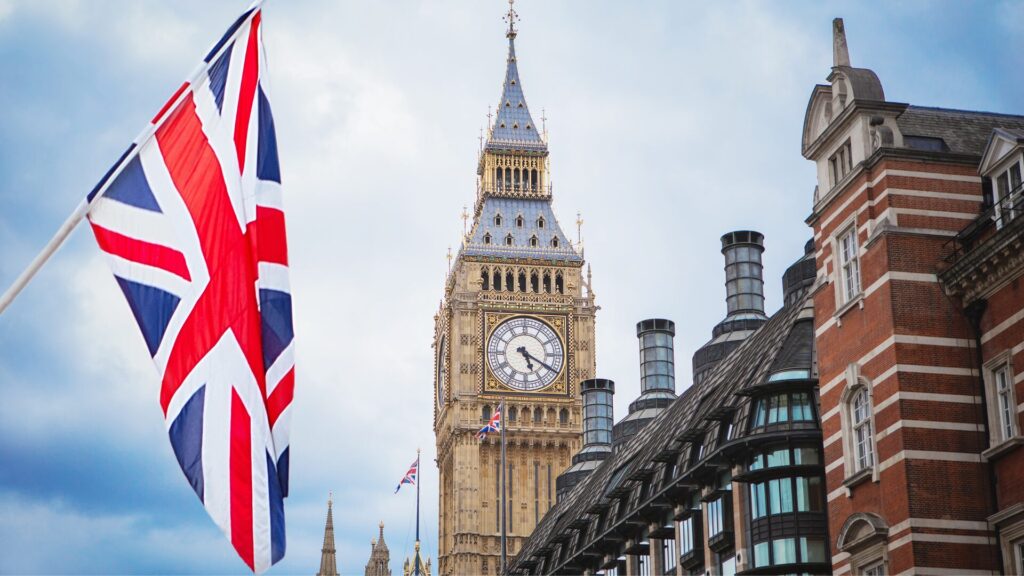
- A Leading Global Financial Centre: London remains one of the world’s foremost financial centres, recognised for its international connections, open markets, and concentration of financial expertise.
- The Bank of England: Based in the City of London, the UK’s central bank manages monetary policy and supports financial stability, giving you a relevant setting for understanding interest rates, inflation, and banking regulation.
- The London Stock Exchange: Tracing its roots to seventeenth-century coffee houses, the London Stock Exchange has built trusted markets since 1801 and now supports electronic trading.
- A Global Foreign Exchange Hub: London is a major centre for foreign exchange, offering valuable context for exploring currency markets, international trade, and the movement of capital between countries.
- Exposure to International Financial Institutions: Banks, investment firms, insurers, fintech companies, and professional services organisations operate across the city, reflecting the range of careers available within finance.
- Finance in a Real-World Setting: Studying near Threadneedle Street, Paternoster Square, Canary Wharf, and the Square Mile connects monetary policy, trading, investment, and regulation with real institutions.
Join the Immerse Education 2025 Essay Competition
Follow the instructions to write and submit your best essay for a chance to be awarded a 100% scholarship.

Why Immerse Education Is a Strong Choice
With so many institutions offering Banking & Finance Summer Schools, choosing the right one can feel overwhelming, so we’ve narrowed down the qualities that matter most.
Here’s what makes Immerse Education’s Banking & Finance Summer School in London the best choices for ambitious students.
1. Learn From Experienced Banking and Finance Professionals
Learning from tutors with academic and industry experience helps you see how financial theory applies to decisions in banking, investment, and global markets.
At our Banking & Finance Summer School, Simran Ghera brings an MSc in Banking and Finance from King’s College London and a first-class degree in International Accounting and Finance.
Her experience as an Equity Research Analyst for the King’s Investment Fund, alongside roles in accounting and financial operations, gives participants insight into financial analysis and market behaviour.
2. Experience Finance Through Industry Visits
London becomes part of the classroom through industry visits that show you how finance, policy, and technology operate beyond theory.
At the Institute of Economic Affairs, previous participants explored think tank careers and policy advocacy, gaining insight into economic research. A visit to io.finnet introduced blockchain and digital finance, helping participants examine how emerging technologies are reshaping financial services.
These experiences connect academic learning with real organisations, professional roles, and current industry challenges, making career exploration more informed and practical.
3. Build and Present an Investment Strategy for a Real-World Brief
Your learning culminates in a real-world project where you construct an investment portfolio shaped by global market trends and a specific client brief.
Using analysis, discussion, and hands-on simulation, you develop a clear investment strategy, justify your financial recommendations, and present your reasoning with confidence.
The project tests how well you evaluate risk, respond to evidence, and turn complex ideas into decisions. As a result, you gain a concrete example of applied finance work to discuss in future university or career conversations.
4. Receive One-to-One Career Coaching
In addition to our academic sessions and industry visits, our one-to-one career coaching gives you dedicated time to explore your interests, strengths, and future ambitions in banking and finance.
With tailored guidance from an experienced tutor, you can identify suitable career paths and the skills you still need to develop. This helps you create a practical roadmap for university and beyond.
This personalised support helps you leave the programme with greater clarity, stronger confidence, and a more informed sense of direction.
5. Explore Banking, Investment, Fintech and Ethical Finance
From central banking to blockchain, the programme introduces you to the forces shaping both traditional finance and its future.
You’ll examine monetary policy, financial regulation, market trends, and investment strategies. You’ll also explore ethical banking, sustainability, and AI’s growing influence on financial services.
Case studies and discussions help you consider how innovation affects payment systems, risk, access, and globalisation, while also challenging you to weigh commercial goals against social and environmental responsibilities across modern financial institutions and rapidly evolving global markets.
6. Develop Career Skills in a Small, Supportive Learning Environment
With an average class size of seven participants, you have more opportunities to ask questions, test ideas, and receive focused feedback throughout the programme.
Small-group discussions encourage you to explain financial reasoning, challenge different perspectives, and build confidence when presenting recommendations.
Professional development sessions also cover employer research, communication, teamwork, CVs, cover letters, and job-search strategies, helping you strengthen the practical skills expected in future university applications, internships, and finance careers while developing greater clarity and professional self-awareness over time.
7. Follow a Career Programme Shaped by the Gatsby Benchmarks
Career preparation should be structured, not left to chance. Immerse Education’s Career Insights model reflects the eight Gatsby Benchmarks. These include employer encounters, workplace experiences, career information, personal guidance, and links between learning and future roles.
This framework gives every activity a clear purpose by connecting academic sessions, industry visits, coaching, and professional development. It helps you make informed decisions about university subjects, internships, and long-term careers in banking and finance.
How Does Immerse Compare With Other London Finance Summer Schools?
After seeing what sets our programme apart, it helps to compare those strengths against the broader qualities students should expect from a leading summer school.
Here’s how our Banking & Finance Summer School stands out from the competition.
| Comparison Area | Immerse Education | Other Institutions |
| Programme Content | A broad curriculum covering financial markets, banking, investment, fintech, ethical finance, sustainability, and monetary policy. | A narrower focus on general finance, economics, or introductory business topics. |
| Teaching Quality | Sessions led by tutors with strong academic backgrounds and relevant experience in banking, finance, research, and financial operations. | Teaching quality and professional experience can vary between institutions. |
| Class Size | An average class size of seven participants, supporting discussion, individual feedback, and active participation. | Larger groups with less time for personalised guidance and questions. |
| Practical Learning | Project-based sessions, market analysis, investment tasks, case studies, and a final portfolio project based on a client brief. | Mostly lecture-based teaching with fewer opportunities to apply financial concepts. |
| Career Support | One-to-one coaching, professional development sessions, employer research, CV guidance, and support with future career planning. | General career talks or group guidance without personalised coaching. |
| Industry Exposure | Visits and workshops connected to organisations such as the Institute of Economic Affairs, Guinness Global Investors, and io.finnet, alongside interaction with professionals. | Industry exposure may be limited to guest talks or optional visits. |
| Overall Value | A combination of academic learning, practical experience, career guidance, industry insight, and residential life in London. | Value may depend more heavily on classroom teaching, location, or programme length alone. |
Who Is the Programme Best For?
Our programme is designed for ambitious participants aged 15 to 18 who want to explore banking, investment, financial markets, and possible career paths before university.
It is especially well suited to you if you enjoy analysing data, evaluating risk, discussing economic trends, or understanding how banks and investors make decisions.
Through small-group teaching, practical projects, industry visits, and career coaching, you can explore your interests. You can also gain greater clarity on whether finance, economics, accounting, or business suits your future.
Is a Banking and Finance Summer School Worth It?
Yes, a Banking & Finance Summer School can be worthwhile. It lets you explore the subject before committing to university study or a future career.
At Immerse Education, you analyse financial markets, build an investment portfolio, and gain industry insight through experiences linked to organisations such as Guinness Global Investors and St James’s Place.
These opportunities help you understand how investment decisions are assessed, how portfolios are reviewed, and how financial professionals communicate recommendations.
Combined with one-to-one career coaching and project work, they give you evidence for deciding whether banking, economics, accounting, or business suits your ambitions.
FAQs
Which Course Is Best for Banking and Finance?
A finance or accounting and finance degree is usually the most direct option if you want to study investment, financial markets, banking operations, valuation, and corporate decision-making. Economics, mathematics, and business can also lead to finance careers.
The right course depends on what interests you most. Finance suits students interested in markets, while accounting focuses on financial reporting. Economics explores policy, and mathematics supports quantitative pathways such as actuarial science.
What Is the Highest-Paying Job in Banking and Finance?
Senior positions in investment banking, private equity, hedge funds, and asset management are often among the highest-paying roles in the financial sector. In the UK, senior corporate investment bankers may earn base salaries of £150,000 or more, with bonuses potentially increasing total compensation.
These careers can also involve long hours, competitive recruitment, demanding deadlines, and responsibility for major transactions or investments. Salary should therefore be considered alongside the work itself, the required skills, progression opportunities, and the lifestyle associated with each role.
Is Banking and Finance a Good Career for the Future?
Banking and finance can offer strong career prospects if you enjoy analysing information, solving problems, following markets, and making evidence-based decisions. The sector includes investment banking, asset management, risk, compliance, fintech, accounting, and corporate finance.
Technology, regulation, sustainability, and changing customer expectations continue to reshape the industry. Developing adaptable skills in financial analysis, communication, and data interpretation prepares you for established roles. Ethical decision-making also supports emerging opportunities.
Do I Need to Be Good at Maths to Study Banking and Finance?
You need to be comfortable working with numbers, but advanced mathematics is not required for every banking and finance pathway. Many courses use percentages, ratios, interest calculations, statistics, financial statements, and basic financial modelling.
More quantitative subjects, including financial mathematics, actuarial science, and some economics degrees, may require stronger mathematical preparation. Always review university entry requirements and course modules before applying, as expectations can differ considerably between institutions and programmes.
What Is the Difference Between Banking, Finance, Economics, and Accounting?
Banking focuses on financial institutions and services such as lending, deposits, payments, investment products, and monetary activity. Finance examines how individuals and organisations raise, invest, allocate, and manage money.
Economics studies markets, government policy, consumer behaviour, and the distribution of resources, while accounting focuses on recording, reporting, auditing, and interpreting financial information. These subjects overlap, but each approaches financial decisions from a different perspective and can lead to different career paths.
How Much Does Our Banking & Finance Summer School in London Cost?
Our non-residential London Banking & Finance Summer School costs £5,995, while our residential option costs £7,495. The residential fee includes accommodation and broader pastoral support. Meanwhile, the non-residential option suits participants with suitable accommodation in London.
Before enrolling, review what the programme includes, such as meals, academic sessions, industry visits, activities, supervision, and learning materials. Also check whether transfers, insurance, or other additional costs are covered.
Conclusion
Choosing the best summer school in London for banking and finance means looking beyond location to academic depth, practical learning, industry access and support.
Our programme brings these elements together through small-group sessions, investment projects, career coaching and visits to Guinness Global Investors and St James’s Place.
You can test your interests, build financial judgement, and understand how professionals analyse markets, manage portfolios, and present recommendations. This insight can guide your university and career decisions.
Ready to enrol? Explore our London Banking & Finance Summer School and discover how an immersive experience can turn your curiosity into clear goals, practical skills and confidence.