
 Русский (RU)
 Українська (UK)
 Türkçe (TR)
 Italiano (IT)
 Français (FR)
 Português (PT)
 中文 (中国) (ZH)
 Español (ES)
 日本語 (JA)
 ไทย (TH)
 Deutsch (DE)
 Ελληνικά (EL)
 Polski (PL)
 Bahasa Indonesia (ID)
 Nederlands (NL)
 العربية (AR)
 한국어 (KO)

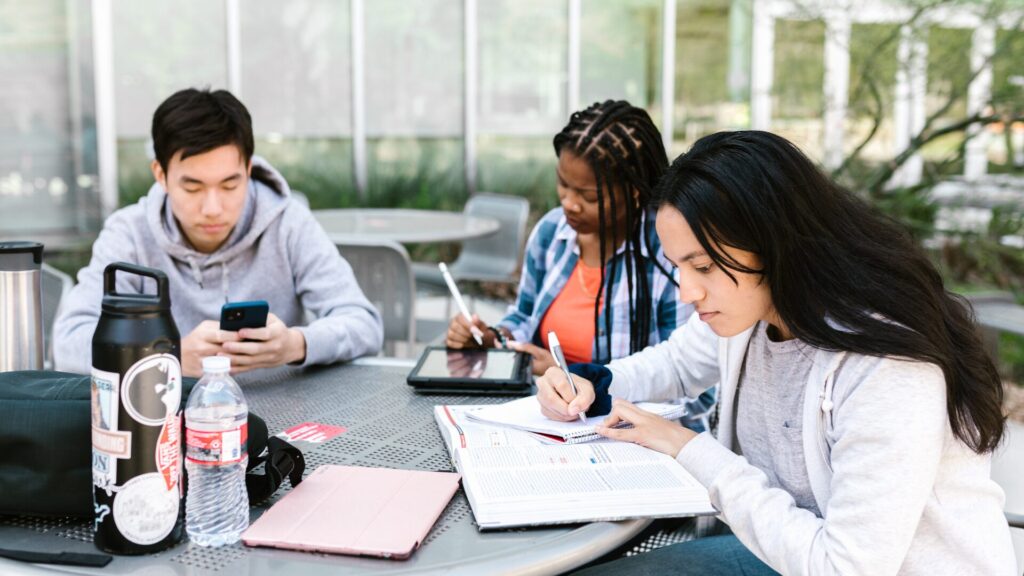
As a high school student interested in research, you may feel both excited and uncertain about taking your first step into the field. Fall research programs for high school students offer a structured way to explore subjects that spark your curiosity while building advanced skills beyond the traditional classroom. Through practical projects, scientific tools, and guided investigation, you can begin to understand how research works in real academic and professional settings.
You’ll learn how to formulate hypotheses, conduct experiments, analyse data, and communicate your findings clearly. Many opportunities also give you a glimpse into academic life at leading institutions, where you can work with experienced mentors and collaborate with peers who share your interests. This supportive environment can strengthen your confidence while encouraging new ideas, deeper thinking, and academic growth.
How do you choose the right fall research programs for high school students?
With so many programs available, it can be daunting to select the right one for your interests and goals. Some programs may not align with specific academic pursuits, while others may lack practical application and mentorship.
Choosing the right fall research program requires evaluating a few key factors to ensure it fits your academic goals and busy schedule. First, prioritize mentor quality by seeking programs that pair you with active researchers or PhDs who specialize in your specific field. Next, assess outcome clarity; strong programs outline exactly what you will produce, such as a formal research paper or a presentation, rather than just promising vague experience.
You must also consider accessibility and format, ensuring the time commitment, whether virtual or in-person, is actually manageable alongside your regular schoolwork. Finally, select a program that aligns closely with your genuine interests, so you stay motivated throughout the fall semester.
To help you choose, we’ve drawn up a list of 15 fall research programs for high school students worth exploring.
Key takeaways
- The Seattle Lab Secondary Research Opportunities Program is entirely free and pairs students with university mentors over a 12 week capstone project, but is restricted to Washington state residents.
- Immerse Education’s Academic Insights Programme spans six locations, including Oxford, Cambridge, and Boston, with small classes of seven to 10 students open to students worldwide aged 13 to 18.
- The Aspiring Scholars Directed Research Program costs $1,070 per term, or free for students meeting financial need criteria, and welcomes both beginners and international students into pre-collegiate research.
- PNNL’s High School Academic-Year Internship runs from August through May and pairs students one-on-one with a Department of Energy scientist, earning elective credit toward graduation.
- MIT PRIMES is a fully funded, year-long mathematics research program requiring at least 10 hours of weekly research, though it is not open to international students.
- The Johns Hopkins APL ASPIRE program accepts fewer than 10 percent of new applicants and restricts eligibility to residents of select Maryland counties, parts of Virginia, or Washington, DC.
- The City Limits Investigative Internship Program pays a $500 stipend over eight weeks and has trained more than 150 students in investigative journalism since 2014.
- Nearly every fall research program listed restricts eligibility to US citizens or specific regional residents, with the Aspiring Scholars Directed Research Program and Immerse Education’s Academic Insights Programme standing out as options open to international students.
15 Fall Research Programs for High School Students
1. Seattle Lab Secondary Research Opportunities Program
Location: Virtual/Remote (Culminates in a poster presentation at the Seattle Science Lab Symposium)
Cost/Stipend: None
Dates: October – January
Application Deadline: Mid-to-late August
Eligibility: Students who live in Washington, are in grades 9-12, and have an interest in STEM; not open to international students
Among the more structured fall research programs for high school students, the Secondary Research Opportunities Program guides you through a personalised 12-week capstone project with experienced university mentors. You will meet weekly to brainstorm, plan, and refine your project while developing a clear research process. The experience culminates in a science symposium, where you will present your findings and strengthen your public speaking and professional presentation skills.
The collaborative environment promotes critical thinking and an appreciation for scientific inquiry across various fields. Additionally, you will engage in self-directed learning, which enhances your research capabilities. By the end of the program, you’ll develop project management, analytical, and communication skills.
Why it stands out: It uniquely connects high school students with experienced university mentors during a rigorous 12-week capstone project, culminating in their ability to present original research at the prestigious Seattle Science Lab Symposium.
2. Immerse Education’s Online Summer School

Location: Fully remote
Cost: Varies; summer school scholarship available through our bursary programme
Acceptance rate/cohort size: Selective; 1:1 learning
Application Deadline: Rolling admissions; multiple dates throughout the year
Program Dates: Flexible; multiple cohorts in a year.
Eligibility: Students around the world aged 13-18 (accredited options require age 14+)
The Online Research Program offers high school students the opportunity to conduct rigorous research with tutors from Oxford, Cambridge, and Ivy League universities. You will work with your tutor to explore a subject of your choice in depth and write an academic research paper. The program is offered in 1:1 and small group formats, and you can choose to receive college credit from universities in the US and the UK.
The virtual research program is offered in over 20 subjects, including artificial intelligence, chemistry, psychology, economics, computer science, creative writing, philosophy, and more. At the end of the program, you’ll receive a written evaluation from your tutor, an opportunity to publish your research, and an invitation to present at the Immerse Online Symposium. You can find examples of papers Immerse students have worked on here. You can find more details about the application here.
Why it stands out: You’ll get access to 1:1 Oxbridge- or Ivy-style research supervision culminating in a publishable academic paper.
3. Project TRUE Internship
Location: Bronx, New York, USA
Stipend: $350
Dates: September – December
Application Deadline: Late February
Eligibility: High school sophomore or junior in good standing; resident of the Bronx; eligible to work in the United States; not open to international students
The Project TRUE Internship offers students the opportunity to engage in meaningful field research at the renowned Bronx Zoo. Collaborating with college students, scientists, and educators, you’ll work on authentic research projects aimed at enhancing the understanding of New York City’s diverse wildlife. Throughout the program, you receive mentorship and training in research methods, focusing on urban ecology while gaining invaluable hands-on experience.
Daily activities include collecting data, analyzing results, and presenting your findings to both peers and professionals in the scientific community. This immersive environment fosters collaboration and creativity. By the end of the program, you’ll develop critical thinking, teamwork, and effective communication skills.
Why it stands out: Its immersive field research experience at the Bronx Zoo allows interns to collaborate with professionals on authentic urban ecology projects while receiving mentorship and a stipend.
4. Student Historian Internship Program
Location: New York City, USA
Stipend: $1,200
Dates: October 28th – June 16th
Application Deadline: August 23rd
Eligibility: High school students entering grades 10, 11, or 12 who live in and attend school in the New York City metro area, including parts of New York, New Jersey, and Connecticut; valid employment certificate (working papers) required; not open to international students
In this internship, you explore the field of digital humanities, gaining insights from professional museum staff. The program emphasizes rigorous research, fostering a deep understanding of American history while developing vital historical thinking and communication skills. You participate in hands-on activities, creating imaginative digital projects that share your findings with a broader audience.
This collaborative environment fosters creativity and encourages critical analysis. By the end of the program, you’ll develop advanced research, writing, and digital expertise, equipping you with transferable skills valuable for future academic and professional endeavors.
Why it stands out: It provides high school interns with a comprehensive hands-on research experience at The New York Historical Society, culminating in a stipend for completed innovative digital projects that communicate their historical findings.
5. Mayor’s Office Internship Program
Location: New York City, USA
Stipend: $17 per hour
Dates: October to April
Application Deadline: Usually mid-to-late August
Eligibility: Students who are 16 years or older and New York City residents; open to international students who have U.S. work authorization and meet the NYC residency requirement within 90 days of employment
The Mayor’s Office Internship Program offers high school students the unique opportunity to gain hands-on experience within various city departments. Throughout the internship, you engage in meaningful assignments that provide insights into the functions of local government. You also attend a bi-weekly Speaker Series featuring city officials, fostering informative dialogues about civic issues and governance.
Working collaboratively on a community service project, you apply your learning in real-world contexts, enhancing your engagement with the community. This dynamic environment promotes personal growth and a deeper understanding of public service. By the end of the program, you’ll develop teamwork, communication, and problem-solving skills vital for any career.
Why it stands out: It provides interns with direct access to a bi-weekly Speaker Series featuring influential city officials such as Deputy Mayors and Commissioners, enhancing their understanding of local governance.
6. EnergyMag Virtual Internship
Location: Online
Stipend: None
Dates: Flexible. Half-time: 2-8 weeks, ~20 hours/week. Quarter-time: 1-9 months, ~8 hours/week
Application Deadline: Rolling basis
Eligibility: Sophomores, juniors, and seniors only; GPA over 3.25; at least one honors science or honors English class; open to international students
In this internship, you engage in research and analysis projects centered on renewable energy and the energy storage industry. Conducting all work online provides you with flexible hours and direct mentorship from experienced professionals. Throughout the internship, participants undertake hands-on activities that allow them to dive deep into relevant topics, enhancing their understanding of this rapidly changing field.
You will learn to conduct thorough research, analyze data, and develop effective communication strategies. This immersive environment fosters collaboration and innovation. By the end of the program, you’ll develop strong analytical, research, and writing skills that are highly transferable to various career paths.
Why it stands out: It emphasizes real-world experience, allowing students to conduct impactful research in the renewable energy sector while receiving a Letter of Accomplishment that highlights their contributions and enhances their resumes.
7. Aspiring Scholars Directed Research Program
Location: Fremont, California, USA
Cost: $1,070 per term ($0 if financial need criteria are met); partial and full scholarships are available for underrepresented or socioeconomically disadvantaged students
Dates: September 1st – January 15th
Application Deadline: August 15th
Eligibility: High school students (grades 9-12) with a strong interest in STEM; no prior research experience required; open to international students
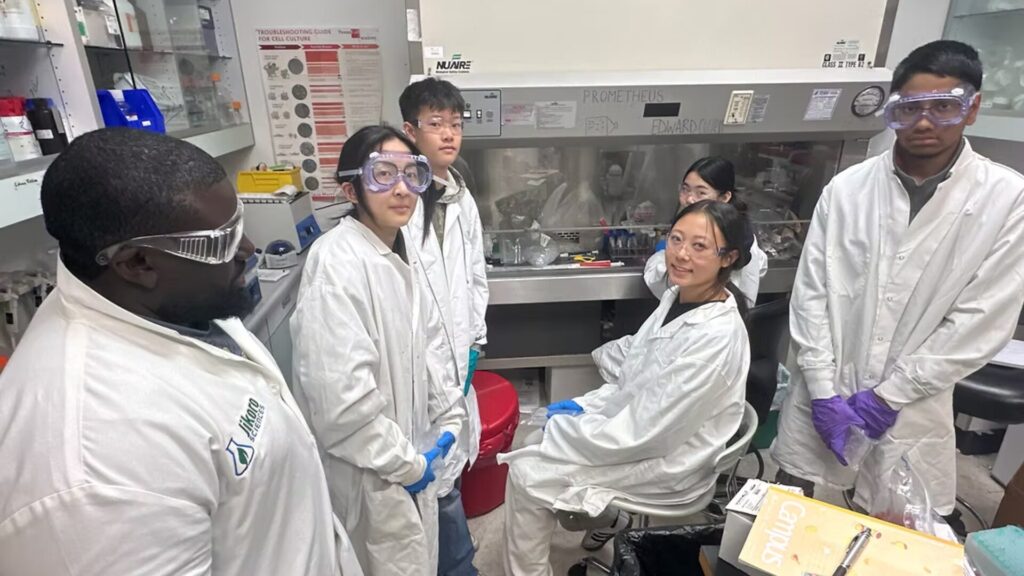
The Aspiring Scholars Directed Research Program offers students a unique opportunity to explore pre-collegiate research across a variety of scientific disciplines. With mentorship from experienced scientists and researchers, you engage in hands-on activities that involve working on real-world projects. These projects can lead to significant outcomes, including publications and presentations at academic conferences.
The collaborative environment encourages you to refine your research skills while delving deeply into topics you are passionate about. This program empowers aspiring scientists and engineers to make meaningful contributions in their fields. By the end of the program, you’ll develop critical thinking, analytical, and communication skills.
Why it stands out: It provides high school students with hands-on experience on real-world research projects that often result in publications and presentations at academic conferences, significantly enhancing their college readiness and professional development.
8. City Limits Investigative Internship Program
Location: Bronx, USA
Stipend: $500
Dates: 8 weeks starting October 15th
Application Deadline: July
Eligibility: NYC residents; sophomores, juniors, or seniors at a NYC public, charter, or homeschool; not open to international students
The City Limits Investigative Internship Program immerses participants in the world of investigative journalism, offering hands-on training and guidance from seasoned professionals. Through workshops and real-world reporting assignments, you learn crucial journalistic skills, including research, writing, and interviewing. You engage in activities that involve exploring community issues and reporting significant stories that impact residents.
This program fosters a collaborative learning environment, encouraging interns to interact with peers and mentors alike. The experience not only enhances your reporting capabilities but also deepens your understanding of the societal challenges facing communities. By the end of the program, you’ll develop critical thinking, effective communication, and storytelling skills.
Why it stands out: It involves a hands-on training approach and has successfully trained over 150 students since its inception in 2014, equipping them with essential skills in investigative journalism.
9. PNNL High School Academic-Year Internship
Location: Richland, Washington (Pacific Northwest National Laboratory campus)
Stipend: Paid hourly, rate not disclosed
Acceptance rate/cohort size: Competitive; cohort size not published
Dates: August – May
Application Deadline: June
Eligibility: Currently enrolled high school student able to attend school for half a day and work up to 4 hours a day, 5 days a week at the laboratory; enrollment in the high school’s work-based learning program; cumulative GPA of 3.0 or higher from the beginning of 9th grade; students under 18 are not eligible to work in laboratory spaces and may be restricted from certain field work; not open to international students
As a High School Research Intern at PNNL, you spend half your school day in regular classes and work up to four hours a day, five days a week, at the laboratory alongside a scientist mentor in a specific research area. You contribute to real Department of Energy research, with past placements spanning areas such as computational materials modeling and the development of computational tools for materials discovery.
Your experience includes laboratory demonstrations, field trips, and communications and career awareness workshops, alongside leadership development activities. PNNL also coordinates with your school’s work-based learning program so the internship earns elective credits toward graduation.
Why it stands out: It gives you a paid, 36-week research position at a U.S. Department of Energy national laboratory during the school year, pairing you one-on-one with a PNNL scientist mentor while you earn elective credit toward graduation.
10. FPRI Internship Opportunities
Location: Philadelphia, PA, USA or Remote
Stipend: None
Dates: October – December
Application Deadline: July 23rd
Eligibility: High school students, college students, and recent graduates; open to international students
Interning with the Foreign Policy Research Institute (FPRI) offers you a unique opportunity to immerse yourself in the world of foreign relations. Through this program, you forge valuable connections within the foreign relations community while honing industry-specific skills.
You have the chance to attend inspiring seminars, engage in key events, and contribute to research papers, some of which may achieve publication. This hands-on experience provides a comprehensive understanding of global policy issues and the mechanics of international relations. By the end of the program, you’ll develop research, analytical, and networking skills.
Why it stands out: It not only offers unparalleled access to weekly seminars with esteemed guest speakers from the foreign relations community but also provides interns the opportunity to contribute to research papers that may be published.
11. Headquarters Student Internship Program
Location: Washington, D.C., United States
Stipend: None
Dates: September – December
Application Deadline: June
Eligibility: High school students who are U.S. citizens and maintain student eligibility and enrollment throughout the duration of the internship; not open to international students
The Headquarters Student Internship Program provides high school students with the opportunity to engage in unpaid internships at the U.S. Department of the Treasury. During your time here, you will participate in a variety of hands-on activities, including data analysis, research, and drafting reports that support the department’s important mission.
This experience broadens your understanding of how government operations work and also enhances your leadership, management, and analytical skills. Working alongside experienced professionals, you will collaborate on meaningful projects and gain exposure to potential federal career paths.
Why it stands out: It allows high school students to apply for internships in up to three different offices, facilitating diverse professional experiences and immediate engagement in vital government functions.
12. Ally Pond – Field Biology Internships
Location: Douglaston, NY, USA
Cost: $200; financial aid is available upon request
Dates: September 26th – October 31st
Application Deadline: August 1st
Eligibility: Current high school students who are at least 14 years old and capable of participating in outdoor activities for a minimum of 2 hours; open to international students
The Field Biology Internship provides students with immersive experiences in Queens, NYC, allowing them to explore diverse ecosystems where they apply theoretical knowledge to tangible real-world issues. Through collaboration with experienced professionals, you develop skills in data collection, environmental observation, and effective communication.
The program includes a series of interactive classes and culminates in a final presentation where interns showcase their research findings. Working in various ecological environments, you will refine your analytical thinking and problem-solving abilities. By the end of the program, you’ll develop critical research skills, effective public speaking, and enhanced teamwork capabilities.
Why it stands out: It combines immersive field experiences in diverse New York City ecosystems with rigorous academic engagement, requiring a commitment to at least 5 out of 6 classes and culminating in a substantive final presentation of research findings.
13. Careers in Science (CiS) Intern Program
Location: California Academy of Sciences, San Francisco, USA
Stipend: Above SF minimum wage
Dates: Available year-round
Application Deadline: April 1st
Eligibility: Currently enrolled full-time as a 9th or 10th grade student in an SFUSD school, maintain a GPA of 2.5 and a grade of C or higher in science and math, able to obtain a valid work permit, commit to all attendance requirements for 2 or 3 years, able to commute to the Academy; not open to international students
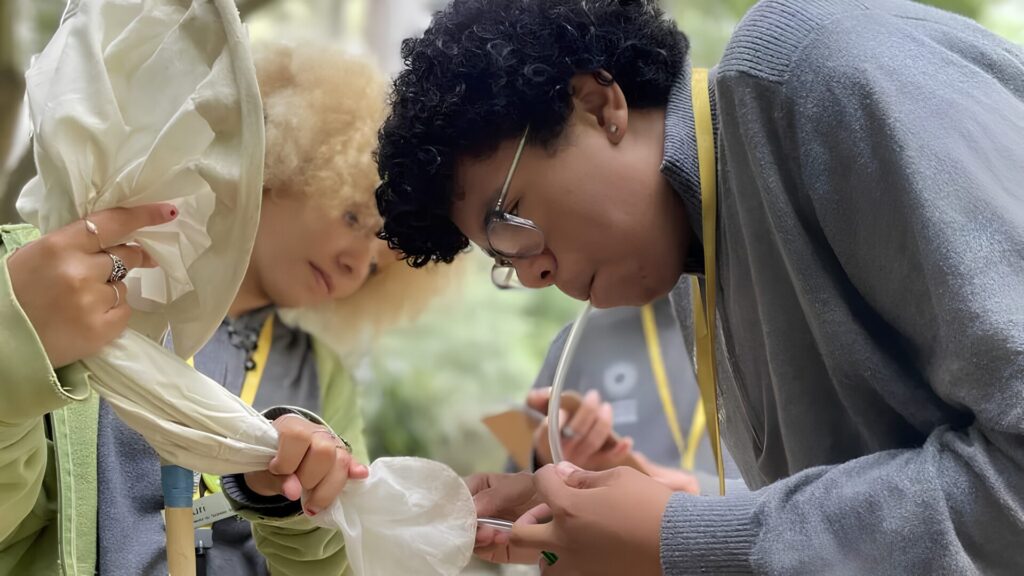
This program offers you a unique opportunity to engage with science while gaining practical experience. Interns will actively learn and teach science through hands-on outdoor fieldwork, leading educational experiences for visitors, and collaborating on various scientific projects. Throughout the program, you will attend workshops focused on developing essential skills like STEM communication and teamwork.
The supportive environment fosters growth and encourages interns to connect with Academy experts, enhancing their critical thinking and research capabilities. By the end of the program, you’ll develop strong communication skills, effective teamwork, and robust research competencies to prepare for future educational and career paths.
Why it stands out: It integrates hands-on outdoor fieldwork and collaborative scientific projects, enabling high school students to acquire practical skills and engage directly with renowned researchers.
14. MIT PRIMES
Location: Cambridge, Massachusetts (MIT campus) for Greater Boston students, with remote mentoring via teleconferencing for non-local U.S. students
Cost/Stipend: None
Dates: Year-long program
Application Deadline: December 1st
Eligibility: High school sophomores and juniors, including home-schooled students of the same age; residence in the United States, with Greater Boston students meeting mentors in person and other U.S. students meeting online; demonstrated extraordinary mathematical ability, potential for original research; not open to international students
In this program, you work on unsolved problems in mathematics under the guidance of academic mentors, usually MIT graduate students or postdoctoral scholars. You begin with an advanced reading phase, submitting a five-page reading report before advancing to active research. You then conduct original research for at least 10 hours per week, including a 1.5-hour weekly mentor meeting, learning to form conjectures, prove results, and use sophisticated computer systems.
You present your findings at the mid-October PRIMES conference and write a final paper posted on the PRIMES website. Your paper may be submitted to national science competitions or professional research journals for publication.
Why it stands out: It gives high school students a rare, mentored, year-long experience of genuine mathematical research at MIT, culminating in a conference presentation and a final paper that may be sent to professional research journals for publication.
15. Johns Hopkins University Applied Physics Laboratory – ASPIRE High School Mentoring Program
Location: Johns Hopkins University Applied Physics Laboratory, Laurel, Maryland
Cost/Stipend: None
Acceptance rate/cohort size: Highly selective; cohort size varies by year depending on mentor availability
Dates: Summer session runs June 23rd – August 21st; selected students may continue through the academic year from September 15th to May with mentor approval
Application Deadline: February 15th
Eligibility: High school juniors or seniors during participation (rising juniors and seniors may apply); at least 15 years of age by June 1st; U.S. citizenship required (green card holders are not eligible); minimum 2.8 GPA; permanent residence in select Maryland counties, the Virginia areas of Alexandria, Arlington, or Fairfax, or the District of Columbia; not open to international students
As an ASPIRE intern, you are paired with an APL staff mentor to complete research projects, solve problems, and apply technical and interpersonal skills in a hands-on, professional laboratory environment. You conduct independent, mentor-guided research at one of the nation’s premier applied research laboratories, working through a full project cycle from problem definition to results.
Placements span research areas such as exploratory development, alternative computing, biological and chemical sciences, human and machine intelligence, and physics and materials. Your experience culminates in a research poster presented at the ASPIRE Student Showcase. With mentor approval, you may extend your research into the academic year.
Why it stands out: It immerses you in authentic, mentor-guided research at the Johns Hopkins Applied Physics Laboratory, where fewer than 10% of new applicants are accepted, and your independent project culminates in a capstone poster presentation at the ASPIRE Student Showcase.
Frequently asked questions: Fall research programs for high school students
Are fall research programs for high school students open to international students?
Most fall research programs restrict eligibility to US citizens or permanent residents, including MIT PRIMES, PNNL’s Academic-Year Internship, and the Johns Hopkins APL ASPIRE program. The Aspiring Scholars Directed Research Program and the FPRI Internship Opportunities are notable exceptions, both open to international students. Immerse Education’s Academic Insights Programme is also open globally, though it runs during the summer rather than fall.
Do fall research programs pay a stipend?
Some do, though many operate on a cost or free basis instead. The Student Historian Internship Program pays $1,200, the Mayor’s Office Internship Program pays $17 per hour, and Project TRUE offers a $350 stipend. Others, like the FPRI Internship and the Headquarters Student Internship Program at the Treasury Department, are unpaid. Check each program’s stipend details closely, since paid and unpaid research opportunities are often mixed together in general searches.
How long do fall research programs typically run?
Program length varies considerably, from a few weeks to a full academic year. The City Limits Investigative Internship Program runs just eight weeks, while the Student Historian Internship Program and PNNL’s Academic-Year Internship both extend from fall through the following spring or summer. MIT PRIMES is the most extensive option, running as a full year-long commitment with ongoing mentor meetings.
How selective are fall research programs for high school students?
Selectivity ranges widely. The Johns Hopkins APL ASPIRE program accepts fewer than 10 percent of new applicants, and MIT PRIMES requires demonstrated extraordinary mathematical ability. Other programs, like the Seattle Lab Secondary Research Opportunities Program or Ally Pond’s Field Biology Internship, are less centrally selective and instead focus on regional eligibility and a genuine interest in the subject matter.
What kind of research do fall program participants actually do?
The work varies significantly by host institution. PNNL interns contribute to Department of Energy projects like computational materials modeling, while MIT PRIMES participants work on unsolved problems in mathematics with a graduate student mentor. Project TRUE interns conduct urban ecology fieldwork at the Bronx Zoo, and the Student Historian Internship Program has you build digital humanities projects using museum collections. Most programs conclude with a formal presentation, poster, or published paper.
Is Immerse Education a good option if you can’t find a fall research program that fits?
Immerse Education’s Academic Insights Programme is worth considering if geographic or citizenship restrictions rule out many of the fall-specific programs on this list. The two week summer program places you in small groups of seven to 10 students across six global locations, working on a personal project with tutors from top universities. You’ll receive written feedback and a certificate of completion, giving you research-adjacent experience even outside the fall semester.
Turn Research Experience Into University Readiness
Working with mentors, analysing data, presenting findings, and completing an independent project can strengthen the academic habits you will need at university.
These fall research programs for high school students also help you explore subjects in greater depth while developing critical thinking, communication, and time-management skills.
As you compare opportunities, consider the mentor support, final outcomes, eligibility requirements, and weekly commitment to choose an option that fits your goals.
Ready to prepare for the next stage of your academic journey? Visit our University Preparation blogs for practical advice on applications, study skills, university life, and making confident choices about your future.