
 Русский (RU)
 Українська (UK)
 Türkçe (TR)
 Italiano (IT)
 Français (FR)
 Português (PT)
 中文 (中国) (ZH)
 Español (ES)
 日本語 (JA)
 ไทย (TH)
 Deutsch (DE)
 Ελληνικά (EL)
 Polski (PL)
 Bahasa Indonesia (ID)
 Nederlands (NL)
 العربية (AR)
 한국어 (KO)

As a high school student interested in engineering, the subject can feel both exciting and broader than it first appears. Engineering internships in Asia for high school students can help you see how design thinking, prototyping, computational tools, teamwork, and real-world problem-solving shape the field beyond classroom physics and mathematics.
Picture yourself working on a prototype in a lab, using CAD software to visualise designs, learning how materials behave under different conditions, or discussing technical challenges with researchers and engineers. Through this kind of experience, you can gain exposure to skills such as CAD design, prototyping methods, design processes, materials science fundamentals, data analysis, and collaborative problem-solving while seeing how engineering works outside the classroom.
How do you choose the right engineering internship in Asia for high school students?
Engineering internships can act as a foundation for a high schooler’s academic journey, giving them a direct feel for what a specific subject looks like at the professional level, in an affordable and structured setting.
Asia is also becoming an increasingly compelling place to explore engineering. The region brings together rapid technological development, major research institutions, large-scale manufacturing ecosystems, and globally influential industries across fields such as robotics, electronics, renewable energy, infrastructure, and artificial intelligence.
To help you choose, we’ve put together a list of the 15 Engineering Internships in Asia for High School Students. These programs were selected for their practical exposure, structured learning experiences, and opportunities to build technical skills early.
For adjacent opportunities, consider the online engineering program, programs in Singapore, and internships in Japan.
15 Engineering Internships in Asia for High School Students
1. Nanyang Technological University (NTU) Youth Summer Programme
Location: Nanyang Technological University, Singapore
Cost: Approximately S$1,100 – S$1,500 per run
Acceptance rate/cohort size: Selective; approximately 40-60 students per discipline/run Dates: Run 1: June 22-26; Run 2: July 20-24
Application Deadline: Run 1: March 16th; Run 2: May 25th
Eligibility: High school and pre-university students; open to international applicants who meet academic and language requirements
Nanyang Technological University’s Youth Summer Programme introduces you to engineering and technology-focused subjects within one of Asia’s leading science and engineering universities. Depending on the program offerings each year, you may explore areas such as engineering, robotics, coding, artificial intelligence, innovation, and data science through lectures, workshops, and practical activities. The curriculum emphasizes how technical concepts are used to solve real-world challenges through design, analysis, and computational thinking.
Project-based learning and hands-on activities help you understand how engineering ideas move from theory into practical applications. Sessions are typically delivered by NTU faculty and university instructors, exposing you to the structure and pace of university-level learning. The experience can be particularly useful if you want to understand how engineering intersects with emerging technologies and future industry pathways.
Why it stands out: It places you inside one of Asia’s strongest STEM universities, where mathematics is taught in connection with engineering, analytics, and emerging technologies.
2. Immerse Education’s Tokyo Engineering Summer School

Location: Tokyo, Japan
Cost: Varies; summer school scholarship available through our bursary programme
Acceptance rate/cohort size: Selective; an average of 7 participants per class
Application Deadline: Multiple summer cohorts with rolling admissions
Program Dates: 2 weeks during the summer
Eligibility: High school students aged 15-18; open to international students
The Career Insights Program lets high school students explore careers in major global industry hubs. The Engineering track is designed to give students direct exposure to real-world engineering workflows and professional environments. Participants engage in project-based learning with established companies, attend interactive workshops, and visit offices, factories, and headquarters.
The program also includes weekly 1:1 career coaching sessions and personalized feedback on your resume and overall profile. You’ll present your findings to industry experts at the end of the program. You can find more details about the application here.
Why it stands out: You’ll gain direct industry exposure, build a professional network, and receive a certificate you can include in your college applications and work profile.
3. National University of Singapore (NUS) Summer Science Institute – Youth Summer Programmes
Location: National University of Singapore, Singapore
Cost: Singaporean & PR: SGD 2,725; ASEAN Students: SGD 3,978.50; International Students: SGD 5,450
Acceptance rate/cohort size: Selective; cohort size depends on the programme chosen
Dates: Typically 1-week residential blocks running between June and August
Application Deadline: Rolling admissions
Eligibility: High school and pre-university students aged 15 to 18 years old; fluent in English; open to international students
The National University of Singapore Youth Summer Programmes allow you to explore engineering and technology-related subjects in a university setting at one of Asia’s leading institutions. Depending on the program offered each year, you may study areas such as engineering design, robotics, coding, data analytics, artificial intelligence, and other STEM-focused topics through lectures, workshops, and project-based learning.
Hands-on activities and applied projects help connect technical knowledge with real-world problem-solving and innovation. Sessions are generally taught by university faculty and academic staff, giving you exposure to undergraduate-style learning. Studying on campus also introduces you to university facilities and an international student environment.
Why it stands out: It combines strong academic credibility with access to one of Asia’s top universities, allowing you to explore mathematics and quantitative fields in a real campus setting.
4. Sakura Science High School Program (Japan Science and Technology Agency)
Location: Various universities, laboratories, and research institutions across Japan
Cost: None
Acceptance rate/cohort size: Highly Selective; ~50-80 students per batch
Dates: Multiple short-term sessions held during the year, including summer opportunities, depending on the host schedule
Application Deadline: Varies by host institution and application cycle
Eligibility: High school students (Grades 10, 11, or 12), aged 15-18, with high academic standing in STEM and first-time visitors to Japan; open to international students
The SAKURA Science High School Program is an international exchange initiative organized by the Japan Science and Technology Agency (JST) that introduces students to Japan’s research and innovation ecosystem. Depending on the host institution, you may engage with areas such as robotics, engineering, artificial intelligence, advanced manufacturing, or broader STEM research through lectures, laboratory visits, and practical activities.
The program emphasizes direct interaction with researchers and hands-on exposure to scientific and engineering environments rather than classroom learning alone. Through collaborative activities with Japanese students and faculty, you gain insight into both research culture and technological development in one of Asia’s leading engineering and innovation hubs.
Why it stands out: It is a government-backed, fully funded program that gives students rare access to Japanese universities and research labs while learning alongside international peers.
5. University of Hong Kong (HKU) Summer Institute
Location: University of Hong Kong, Hong Kong
Cost/Stipend: Varies by course; accommodation may be available at an additional cost for eligible students aged 15 and above
Acceptance rate/cohort size: Selective; cohort size varies by course
Dates: June 15th – July 31st
Application Deadline: April 3rd for non-local students; May 31st for local students
Eligibility: Secondary school students, including S3-S6 / Year 11-13 / Grades 9-12 for many senior secondary courses; open to international students
The HKU Summer Institute gives you the opportunity to study engineering and technology-related subjects through university-style courses at the University of Hong Kong. Depending on the course selected, you may explore areas such as engineering, artificial intelligence, data science, physics, STEAM, and computational problem-solving through lectures, workshops, and practical projects.
Project-based activities and applied sessions help you understand how engineering principles connect to research, technology, and innovation. Some courses offer academic credit while others are designed as enrichment experiences, so the structure varies by program. Because many courses are open to international participants, you also study alongside students from different educational and cultural backgrounds.
Why it stands out: It offers access to HKU’s campus and faculty-led summer courses, helping you connect with applied fields such as data science, AI, engineering, and scientific research.
6. National University of Singapore – Singapore Thailand Science Immersion Programme (STSIP)
Location: National University of Singapore (NUS), Singapore
Cost/Stipend: S$2,850 (~$2,100 USD) including academic activities, accommodation, meals, and local transportation
Acceptance rate/cohort size: Approximately 40 students; acceptance rate is not publicly available
Dates: May 5th – May 10th
Application Deadline: February 28th
Eligibility: Students in Grades 9-12 aged 15+; designed primarily for Thai students
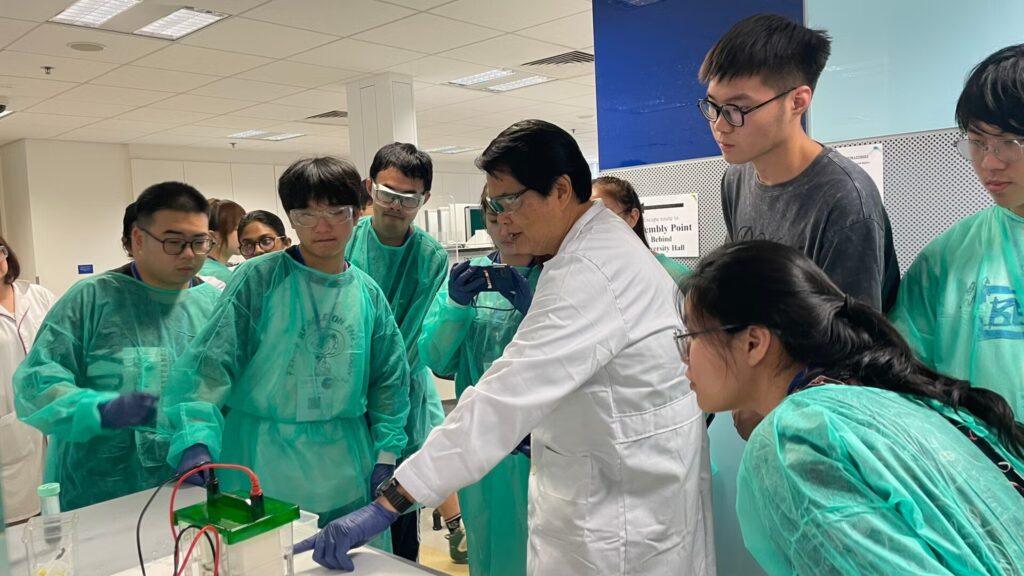
The Singapore Thailand Science Immersion Programme (STSIP) introduces you to STEM and engineering concepts through university-level lectures, laboratory experiences, and applied workshops at NUS. You participate in sessions covering areas such as computing, nanotechnology, physics, mathematics, physiology, and scientific experimentation while learning directly from university faculty and researchers. Hands-on workshops and demonstrations help connect technical concepts with real-world applications rather than presenting them only through lectures. Beyond academics, you experience campus life through residential activities and guided cultural experiences while interacting with peers from different backgrounds. Participants who meet attendance and assessment requirements receive an NUS certificate upon completion.
Why it stands out: You’ll gain exposure to university laboratories and advanced research technologies while experiencing how STEM and engineering concepts are taught within one of Asia’s leading universities.
7. Stanford Pre-Collegiate Summer Institutes – Engineering Courses
Location: Stanford University (online)
Cost/Stipend: Approximately $3,050-$3,300 per course; limited financial aid available
Acceptance rate/cohort size: Selective; class sizes typically range from 12-20 students
Dates: Multiple 2-week sessions between June and July
Application Deadline: Applications open in January; rolling admissions until courses are filled
Eligibility: Students in grades 8-11; open to international students
Stanford Pre-Collegiate Summer Institutes is one of the more prestigious and academically rigorous engineering internships in Asia for high school students, offering engineering-focused courses that let you explore technical concepts through intensive, subject-specific study. Depending on the available offerings each year, you may study areas such as biomedical engineering, mechanical engineering principles, artificial intelligence, robotics, computer science, and applied technology.
The focused course structure allows you to explore one engineering topic in depth rather than moving broadly across multiple subjects. You also receive detailed feedback from instructors, helping you strengthen analytical thinking and problem-solving skills. The experience is particularly useful if you want early exposure to how engineering is approached in a university setting before selecting a future academic pathway.
Why it stands out: You’ll study a specialized engineering topic in a small classroom setting, closely mirroring the pace and depth of university-level coursework at Stanford.
8. Xi’an Jiaotong-Liverpool University (XJTLU) High School Summer Camp
Location: Xi’an Jiaotong–Liverpool University, Suzhou, China
Cost/Stipend: Not specified
Acceptance rate/cohort size: Not specified
Dates: Multiple summer sessions; dates vary by program
Application Deadline: Varies by session
Eligibility: High school students; open to domestic and international students
XJTLU’s High School Summer Camp introduces you to university-level learning through academic workshops, interactive classes, and project-based activities at an international university jointly established by Xi’an Jiaotong University and the University of Liverpool.. You participate in lectures and collaborative activities designed to help you understand how technical concepts are applied to practical situations.
The project-based structure allows you to explore engineering ideas through experimentation and problem-solving rather than learning only through theory. Because XJTLU is located in Suzhou Industrial Park—one of China’s major innovation and technology hubs—you also gain exposure to an environment connected with research and industry development. The program provides an early look into international university education while allowing you to interact with students from different academic and cultural backgrounds.
Why it stands out: You’ll study within an international university environment in one of China’s major technology and innovation centers while exploring engineering concepts through collaborative projects and applied learning.
9. Nanyang Technological University (NTU) – Inspiring NTU: Future Exploration Programme
Location: Nanyang Technological University, Singapore
Cost/Stipend: Not specified
Acceptance rate/cohort size: Not specified
Dates: Multiple sessions during the summer; dates vary by intake
Application Deadline: Varies by session
Eligibility: High school students; open to international students
NTU’s Inspiring NTU: Future Exploration Programme introduces you to university-level learning through workshops, lectures, and interactive activities across different academic disciplines. Students interested in engineering can explore topics connected to areas such as robotics, artificial intelligence, engineering design, sustainability, and emerging technologies depending on the track offered.
The program emphasizes applied learning, allowing you to move beyond classroom theory and understand how engineering ideas are translated into solutions and innovation. You also gain exposure to NTU’s campus facilities and academic environment while interacting with university staff and students. The experience can help you understand both engineering pathways and the broader university learning experience before college.
Why it stands out: You’ll gain exposure to engineering concepts within one of Asia’s leading technology universities while exploring how technical ideas connect to real-world innovation and future industries.
10. Ashoka University – Young Scholars Programme: Tech, Data & Computer Science (TDCS)
Location: Ashoka University, Sonipat, Haryana, India
Cost/Stipend: INR 85,000 + GST (~$1,000 USD)
Acceptance rate/cohort size: Limited cohort; acceptance rate not publicly available
Dates: May 18th – May 29th or June 1st – June 12th
Application Deadline: Rolling admissions; early application recommended
Eligibility: Students entering Grades 9-12 and recent Grade 12 graduates; open to domestic and international students
The Young Scholars Programme: Tech, Data & Computer Science (TDCS) introduces you to technology and engineering-related concepts through a residential learning experience at Ashoka University. You explore areas such as artificial intelligence, machine learning, robotics, computational thinking, algorithms, and coding through faculty-led sessions, workshops, and practical projects.
Hands-on projects and interactive activities allow you to move beyond theoretical concepts and experience how computational and engineering thinking are applied in real settings. The program also includes speaker sessions with innovators and founders, along with co-curricular activities and discussions with peers from different backgrounds. Participants receive a certificate upon successful completion of the program.
Why it stands out: You’ll explore emerging engineering and technology fields such as AI, robotics, and machine learning through practical projects while experiencing residential university life at one of India’s leading institutions.
11. HKUST Summer Institute

Location: Hong Kong University of Science and Technology, Clear Water Bay, Hong Kong
Cost: Tuition varies by programme and course selection; financial aid is available
Acceptance rate/cohort size: Highly Selective; limited cohort size
Dates: Multiple summer sessions are typically offered in June, July, and August
Application Deadline: May 31st
Eligibility: High school students in Grade 10-11 (or Year 11-12 / S4-S5); must usually be aged 16 or above for on-campus accommodation; open to international students
The HKUST Summer Institute is one of the more advanced and research-oriented engineering internships in Asia for high school students, giving you access to engineering-related subjects at one of Asia’s leading science and technology universities. Depending on the course you select, you may study areas such as artificial intelligence, computer science, robotics, data science, or applied mathematics through lectures, workshops, and project-based activities.
You engage with engineering ideas through practical applications rather than learning concepts only through theory. Sessions are taught by university faculty and instructors, giving you exposure to the pace and expectations of undergraduate study. Studying on the HKUST campus also provides insight into university life while allowing you to interact with an international student community and research-focused environment.
Why it stands out: It combines strong quantitative academics with one of Asia’s most respected STEM campuses, allowing you to study engineering, analytics, and emerging technologies.
12. GTE Summer School – Global Technology & Entrepreneurship Program
Location: Chōsei-gun, Chiba Prefecture, Japan (final presentation at Global Business Hub Tokyo)
Cost/Stipend: 99,000 JPY (~$670 USD); no stipend provided
Acceptance rate/cohort size: Approximately 40-50 students; acceptance rate is not publicly available
Dates: July 28th – July 31st (4 days, 3 nights)
Application Deadline: Late June
Eligibility: Junior high and high school students; open to domestic and international students
The GTE Summer School introduces you to engineering and innovation through workshops focused on technology, design thinking, entrepreneurship, and problem-solving. You work in teams with students from different backgrounds to identify a challenge and develop a practical solution supported by structured planning and mentorship.
You present your final project at Tokyo’s Global Business Hub, giving you exposure to how technical ideas can be developed and communicated in startup and innovation settings. Because teams are formed with unfamiliar peers, you also strengthen collaboration, communication, and project-management skills in a fast-paced environment. Participants receive a certificate upon completion.
Why it stands out: You’ll apply engineering and problem-solving concepts in a startup-focused setting while working with mentors and presenting ideas in a professional innovation environment.
13. University of Toronto XR Development with Unity
Location: Online
Cost/Stipend: Domestic students: CAD 732/week (~$535 USD); International students: CAD 1,111/week (~$810 USD); application fee: CAD 50-60
Acceptance rate/cohort size: Selective; cohort size not publicly available
Dates: July 6th – August 14th
Application Deadline: Applications typically close in spring
Eligibility: Students in Grades 9-12; open to international students
The DEEP (Da Vinci Engineering Enrichment Program) Summer Academy introduces you to engineering through advanced courses and project-based learning within the University of Toronto’s Faculty of Applied Science & Engineering. Depending on the course selected, you may explore areas such as robotics, biomedical engineering, nanotechnology, product design, artificial intelligence, and other emerging engineering topics.
The curriculum places strong emphasis on solving real-world challenges through experimentation, design thinking, and hands-on application. You also interact with students from different backgrounds while experiencing the pace and structure of university-level engineering education. Optional residence opportunities further allow you to experience campus life and the collaborative environment of a major engineering school.
Why it stands out: You’ll learn directly from graduate researchers while exploring specialized engineering fields through hands-on projects and research-focused coursework at one of Canada’s leading engineering schools.
14. MITES Semester (MIT Introduction to Technology, Engineering, and Science)
Location: Online
Cost: Free (Fully funded charity program)
Acceptance rate/cohort size: Selective
Program Dates: June – December
Application Deadline: Application typically opens in November; due February 1st
Eligibility: High school juniors (11th grade) who are U.S. citizens or U.S. permanent residents
During the summer STEM Immersion phase, you complete two online STEM courses while participating in live sessions, office hours, and community discussions. The program then continues into a College and Career Preparation phase during the academic year, where you attend webinars, small-group meetings, and workshops focused on college readiness and professional development.
Students are placed into smaller mentorship groups led by current undergraduates, creating a more structured and personalized learning environment. The summer component concludes with a Final Symposium, where you present your work and projects to members of the broader MIT community. Instead of formal grades or college credit, participants receive written evaluations from instructors that can provide additional context for future applications.
Why it stands out: It’s a rare national, online MIT-affiliated program that runs across both summer and fall, pairing substantial STEM coursework with sustained mentorship and college/career preparation—and it is free of charge
15. Stanford Program for Inspiring the Next Generation of Women in Physics (SPINWIP)
Location: Virtual
Cost/Stipend: Free; no stipend provided
Acceptance rate/cohort size: Selective; cohort size and acceptance rate are not publicly available
Dates: July 6th – July 24th
Application Deadline: Applications for the 2026 program are closed; applicants are notified by June 10th
Eligibility: High school students in grades 9-11 at the time of application; students from outside the U.S. can apply; students of any gender are welcome, with the program especially encouraging applications from students underrepresented in physics, first-generation students, students from under-resourced backgrounds, and rising juniors and seniors
SPINWIP is one of the more specialised and academically strong engineering internships in Asia for high school students, even though it is not a traditional placement. It introduces you to physics, coding, and research-adjacent STEM learning through Stanford-led lectures on quantum physics, quantum computing, astrophysics, and cosmology, while Python coding and small-group projects help build engineering-related problem-solving skills.
You also work in groups led by Stanford undergraduates and participate in college planning and career development workshops. Although this is not a traditional engineering internship, it can fit an engineering list because it develops technical foundations in coding, applied physics, and quantitative reasoning.
Why it stands out: You build physics and Python skills through Stanford-led lectures, mentorship, and small-group projects in a free virtual format.
From Engineering Internships to Stronger Applications
Engineering experience becomes more valuable when you can explain what you built, tested, improved, learned, questioned, and decided beyond ordinary classroom theory alone.
The 15 engineering internships in Asia for high school students above can help you connect design, prototyping, research, coding, robotics, and AI with real technical questions.
Those examples can strengthen applications by showing curiosity, resilience, teamwork, and clearer reasons for choosing engineering as your future academic direction with confidence.
Want to turn that experience into a stronger application? Visit our University Preparation blogs for personal statements, interviews, academic writing, entry requirements, and supercurriculars.