
 Русский (RU)
 Українська (UK)
 Türkçe (TR)
 Italiano (IT)
 Français (FR)
 Português (PT)
 中文 (中国) (ZH)
 Español (ES)
 日本語 (JA)
 ไทย (TH)
 Deutsch (DE)
 Ελληνικά (EL)
 Polski (PL)
 Bahasa Indonesia (ID)
 Nederlands (NL)
 العربية (AR)
 한국어 (KO)

Media and journalism are fields built around communication, storytelling, investigation, and understanding how information shapes public opinion. For high school students, media & journalism classes in the UK offer the chance to move beyond school essays or social media content and experience how reporting, broadcasting, and digital media production work in professional and academic settings.
You might learn how to conduct interviews, verify sources, write news articles, edit multimedia content, produce podcasts or video segments, and analyse how news organisations operate across print, television, and digital platforms. Many programmes in the UK also introduce students to media ethics, political communication, documentary storytelling, and the role journalism plays in shaping public discourse.
These classes help students develop practical communication and analytical skills while gaining firsthand exposure to university-style media and journalism education.
How do you choose the right media & journalism class in the UK for high school students?
These programs in the UK can act as a foundation for a high schooler’s college journey, giving them a taste of what university life is like at a top institution, in person. The UK is an especially compelling place to study media and journalism because it is home to globally influential news organizations, major publishing industries, and universities with strong traditions in politics, communication, and public debate.
Studying in cities such as London, Oxford, or Cambridge also exposes students to fast-moving media environments where journalism intersects with government, culture, law, and international affairs.
This list highlights 15 programs selected for their academic rigor, newsroom-style learning, mentorship opportunities, and exposure to real university-level media and journalism training.
For adjacent opportunities, consider the summer classes in London, summer classes in Oxford, and summer classes in Cambridge.
15 Media & Journalism Classes in the UK for High School Students
1. BFI Film Academy Specialist Courses – Film Programming
Location: Sheffield, England, UK
Cost/Stipend: None
Acceptance rate/cohort size: Competitive; exact cohort size not publicly disclosed
Dates: March 29th – April 4th
Application Deadline: February 28th
Eligibility: Ages 16-19 on the first day of the course; not enrolled in or committed to starting university when the course begins; open to UK-based applicants only; not open to international students
In this program, you will immerse yourself in how media, journalism, and distribution shape cinema audiences. Working alongside professionals from Little White Lies magazine, BIFA, and Sheffield DocFest, you study film marketing, audience engagement, and programming strategy as hands-on disciplines. You screen a diverse range of films and develop editorial thinking by examining how programmers frame, promote, and contextualise titles for different audiences.
Your team then designs and delivers a real film festival at Showroom Cinema, making collective decisions around selection, promotion, and audience outreach. Graduating into the BFI Film Academy Alumni network, you gain continued access to industry mentorship and career pathways across the UK screen sector.
Why it stands out: It pairs direct instruction from working film journalists, distributors, and festival programmers, including a digital editor from Little White Lies and the Marketing Co-ordinator at BIFA, with a publicly staged film festival that participants curate and deliver themselves at Showroom Cinema.
2. Immerse Education’s London Media & Journalism Summer School
Location: University College London, London, UK
Cost: Varies; summer school scholarship available through our bursary programme
Acceptance rate/cohort size: Selective; an average of 7 participants per class
Dates: 2 weeks during the summer
Application Deadline: Multiple cohorts with rolling admissions
Eligibility: Students aged 13-18 currently enrolled in middle or high school; open to international students
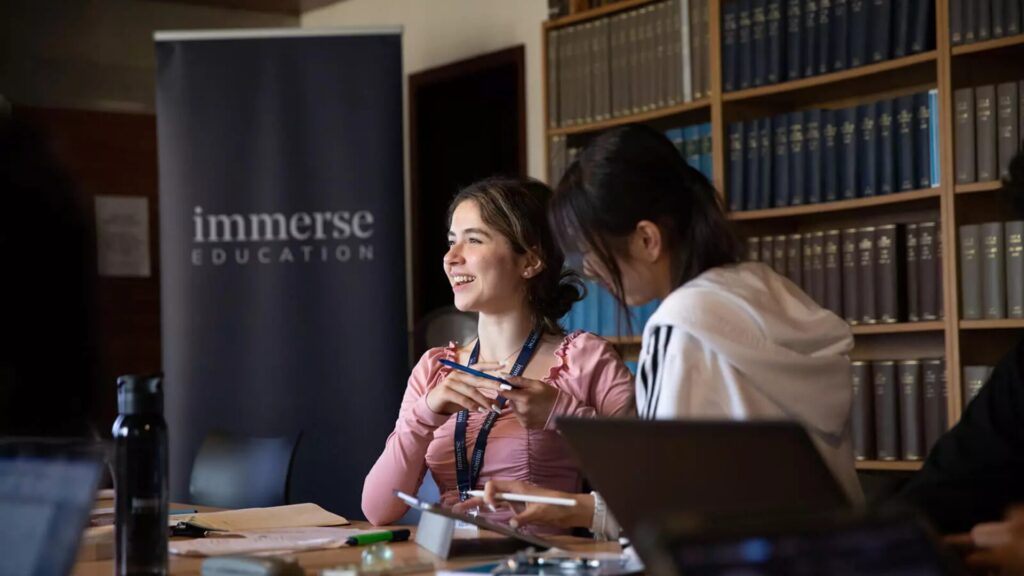
This two-week Media & Journalism programme is designed for students who want to move beyond theory and understand how stories are created, shaped, and distributed in today’s fast-changing media landscape. You’ll learn the fundamentals- news writing, reporting techniques, and media ethics, while working on practical assignments that mirror real newsroom challenges.
From crafting compelling stories to analysing digital media trends, the focus is on building skills you can apply immediately. The programme goes a step further with its Career Insights pathway.
Why it stands out: You’ll study under expert academics, be guided daily by a university student mentor, complete a project you can show in future applications, and experience genuine university college life, with other campuses worldwide as alternatives.
3. Journalism for 15–17 Year Olds – Nottingham Trent University
Location: Nottingham Trent University, City Campus, Nottingham, England
Cost/Stipend: £545; accommodation can be booked separately for £266 per week
Acceptance rate/cohort size: Non-selective; limited places available
Dates: July 20-24; July 27-31
Application Deadline: Rolling admissions
Eligibility: Students aged 15-17 at the time of the course; international students can attend
This short course gives you a practical introduction to news writing, newsgathering, interviewing, editing, and broadcast journalism. Among media & journalism classes in the UK for high school students, it offers a strong newsroom-style route into how stories move from an initial idea to publication or broadcast while working in NTU’s Centre for Broadcasting and Journalism. You explore different areas of journalism, including news, features, opinion, reviews, politics, sports, fashion, arts and culture, and music.
The course includes 25 contact hours with an experienced tutor, and you build written work throughout the week alongside a newsreel that can be shared on social media. This course is especially useful if you want to test whether journalism, media, PR, communications, or broadcasting could fit your future university plans.
Why it stands out: It gives you hands-on newsroom training at NTU, combining writing, interviewing, broadcast practice, portfolio work, and access to university journalism facilities.
4. Pre-University Summer School: Media, Communication and Digital Culture – King’s College London
Location: King’s College London, Strand Campus, London, England
Cost/Stipend: £3,195 + £65 application fee
Acceptance rate/cohort size: Selective; summer programs host roughly 1,500 students globally
Dates: July 13-17
Application Deadline: April 10th
Eligibility: Ages 16-17, in the final two to three years of high school, requiring a grade report, personal statement, and English proficiency (e.g., IELTS 4.5+ or CEFR B2); open to international students
King’s College London’s Media, Communication and Digital Culture pre-university course introduces you to how media industries, digital platforms, and communication systems shape contemporary society. You study topics such as social media, digital culture, online identities, communication theory, media representation, and the relationship between technology and public discourse.
The course combines lectures, seminars, collaborative discussions, and project-based learning that mirror the structure of undergraduate media studies. You also develop analytical and communication skills through debates, presentations, and critical examination of digital media trends. Students who complete the programme receive a King’s College London certificate of participation.
Why it stands out: It combines university-style seminars, digital culture analysis, and media theory at King’s College London while giving students experience of studying in central London.
5. Pre-University Summer School: Arts & Humanities – University of Warwick
Location: University of Warwick, Coventry, England
Cost/Stipend: £5,250 programme fee + £50 application fee
Acceptance rate/cohort size: Selective; cohort size varies by year
Dates: July 14-24
Application Deadline: May 31st
Eligibility: Students aged 16-17; open to international students who meet the English language requirements
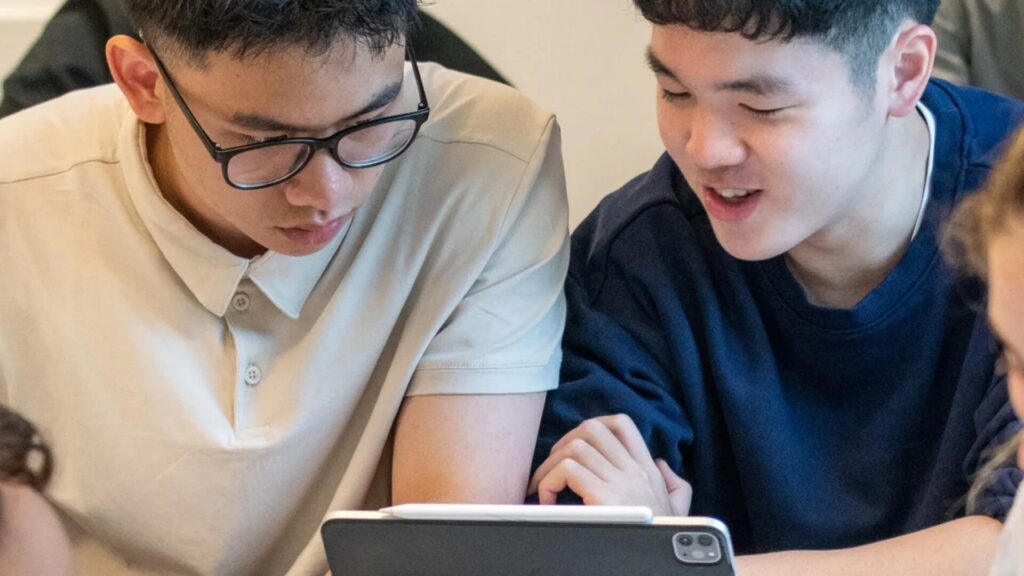
The University of Warwick’s Pre-University Summer School: Arts & Humanities allows you to explore subjects such as media, culture, communication, literature, history, and philosophy through university-style teaching and discussion. You participate in seminars, workshops, lectures, and collaborative academic activities designed to introduce the analytical and research methods used in humanities and communication-related disciplines.
Depending on the pathway and electives available, students examine how media and cultural narratives shape politics, identity, and public debate. The programme also includes independent study time, group projects, and academic support from Warwick faculty and tutors. Living on Warwick’s campus also gives students firsthand exposure to residential university life in the UK.
Why it stands out: It combines residential university life with seminar-style humanities teaching, helping students experience the discussion-based academic environment common in UK media and humanities degrees.
6. Falmouth University Creative Sparks – Script to Screen
Location: School of Film & Television, Penryn Campus, Cornwall, UK
Cost: £180
Acceptance rate/cohort size: First-come, first-served; 10-30 students per class
Dates: July 29-30
Application Deadline: Rolling admissions
Eligibility: Aged 14-17 on the first day of the course; all experience levels welcome; adequate spoken English required; open to international students
The Script to Screen course gives you a two-day, hands-on introduction to filmmaking and screen production at Falmouth University’s professional-standard School of Film and Television. You’ll begin in a production studio working on camera operation, lighting, directing, and crew collaboration, then move to a post-production suite to edit footage using Adobe Premiere. In the Foley Suite and Dubbing Theatre control room, you’ll re-record sound effects and work toward a final audio mix.
The second day concludes with a screening of your short film in the School’s 128-seat in-house cinema. You’ll also meet working screen industry professionals for practical career advice. You leave with a Falmouth University certificate of completion.
Why it stands out: It gives you direct access to industry-standard screen production facilities for a structured two-day filmmaking experience covering camera work, editing, and sound mixing, all guided by DBS-cleared university staff.
7. University of London, Goldsmiths – Art Summer School
Location: Goldsmiths, University of London campus, New Cross, London, UK
Cost/Stipend: None
Acceptance rate/cohort size: Competitive; cohort scale not publicly stated
Dates: July 27th – August 7th
Application Deadline: June 1st
Eligibility: Aged 16-18; currently studying at a state-funded sixth form or college in the UK; able to commute daily to the Goldsmiths campus; not open to international students
In this program, you work in a dedicated artist studio space alongside peers and current Goldsmiths students. The programme covers creative skills workshops, gallery and artist studio visits, 1-to-1 mentoring, and collaborative art-making that has included exploration of digital media alongside painting, sculpture, and installation. You receive portfolio and career guidance throughout, culminating in a public exhibition of your completed work.
The programme prioritises applicants from underrepresented backgrounds, including care-experienced young people and Pupil Premium students, reflecting Goldsmiths’ widening participation mission. Completing the course also earns you a guaranteed interview for Goldsmiths’ Fine Art programmes, provided you apply and meet the minimum entry criteria.
Why it stands out: It combines a fully free, 10-day studio arts experience, including hands-on digital media exploration, with a formal academic progression pathway.
8. Podcast Production for 15-17 Year Olds – Nottingham Trent University
Location: Nottingham, UK
Cost: £545
Acceptance rate/cohort size: Non-selective; limited class size
Dates: August 3-7
Application Deadline: Rolling registration until capacity is reached
Eligibility: Ages 15-17; 15-year-old attendees requiring campus accommodation must be accompanied by a parent or guardian; open to international students
In this program, you learn the essential skills required to develop, script, record, and edit an original podcast within a professional media environment. It adds an audio-focused option to this list of media & journalism classes in the UK for high school students, helping you master storytelling principles while gaining hands-on experience with recording equipment and editing software. The curriculum guides you from initial brainstorming and pitching to technical production and preparing content for major podcasting platforms.
You will also create a strategic plan to reach new audiences and build a strong portfolio piece to enhance your media credentials. Beyond technical training, you will receive personalised feedback from experienced journalism faculty and collaborate with peers who share a passion for broadcasting.
Why it stands out: It allows aspiring broadcasters to train directly inside a university-level Centre for Broadcasting and Journalism under the guidance of a university journalism course leader.
9. Cinema, Ideas and Society – University of St Andrews
Location: University of St Andrews, St Andrews, Scotland
Cost/Stipend: £6,850; full and partial scholarships are available
Acceptance rate/cohort size: Selective; cohort size not specified
Dates: July 11th – August 1st
Application Deadline: June 8th
Eligibility: High school students aged 16 to 18 upon arrival. Requires a B2 level of English; open to international students
The University of St Andrews’ Cinema, Ideas and Society summer course explores how film, media, and visual culture interact with politics, philosophy, identity, and society. You study cinema not only as entertainment, but also as a form of storytelling and cultural communication that shapes public opinion and social understanding.
Through lectures, seminars, screenings, and discussion-based classes, you analyze films and media texts while developing skills in interpretation, critical thinking, and academic argument. This program is valuable if you are interested in journalism, media studies, film criticism, communications, or cultural studies and want experience with university-style analytical learning.
Why it stands out: It combines film analysis, media criticism, and humanities-style discussion in a residential academic programme at one of the UK’s oldest universities.
10. TV Presenting for 15-17 Year Olds – Nottingham Trent University
Location: Nottingham Trent University, Nottingham, UK
Cost/Stipend: £545 course fee; optional accommodation costs £266 per week
Acceptance rate/cohort size: Non-selective; limited class size
Dates: July 27-31; August 3-7
Application Deadline: Rolling registration until capacity is reached
Eligibility: Students aged 15-17 at the time of the course; open to international students
In this program, you get a one-week, in-person introduction to television presenting for students interested in journalism and media. As one of the more broadcast-focused media & journalism classes in the UK for high school students, it combines studio and on-location presenting, pieces to camera, live and recorded interview techniques, autocue reading, voice work, performance coaching, and scriptwriting for bulletins. You also plan, design, and execute research in presenting contexts while learning to communicate clearly in a multi-camera studio environment.
Teaching takes place in NTU’s Centre for Broadcast and Journalism, where practical news training spans print, digital, radio, and television. One-to-one tutor feedback, 25 contact hours, social events, and a certificate of attendance support confidence, portfolio development, and future study decisions
Why it stands out: It gives you practical broadcast-journalism exposure in NTU’s Centre for Broadcast and Journalism, with studio work, location presenting, interview practice, autocue use, scriptwriting, and individual tutor feedback.
11. Art and Media Residential Summer School – University of Brighton
Location: Moulsecoomb and City campuses, University of Brighton, Brighton, England, UK
Cost/Stipend: None
Acceptance rate/cohort size: Selective; places limited
Dates: July 7-9
Application Deadline: May 17th
Eligibility: Year 12 or first year of sixth form or college; studying a level 3 qualification; 16 or 17 years old on 9th July; meet University of Brighton widening participation criteria; not open to international students
In this program, you’ll explore journalism, media, and film disciplines, guided by academic staff from the School of Art and Media. During the three-day residential, you’ll take part in taster sessions drawn from university-level courses in Journalism and Media and Film, alongside other art and media disciplines. Specialist facilities, including photographic studios, screen and digital printing, and craft workshops, give you hands-on exposure to professional media-making environments.
Outreach staff deliver guidance on university applications and portfolio building, with current student ambassadors sharing their firsthand experiences of studying at Brighton. Social activities and overnight stays in halls of residence round out each evening, helping you build friendships and develop a real sense of university life.
Why it stands out: It combines university-level journalism and media taster sessions, professional studio facilities, and hands-on application guidance in a fully free, residential format exclusively designed for Year 12 students who meet widening participation criteria.
12. Royal Conservatoire of Scotland Summer Schools – Film and Creative Arts Options
Location: Royal Conservatoire of Scotland, Glasgow, Scotland, UK
Cost: Tuition varies by course and duration; bursaries are available
Acceptance rate/cohort size: Selective; 12-20 students
Dates: Multiple one-week sessions available across June, July, and August
Application Deadline: Rolling admissions
Eligibility: High school students (ages 12-17); specific courses are subdivided into age brackets: 12-14 and 15-17; open to international students
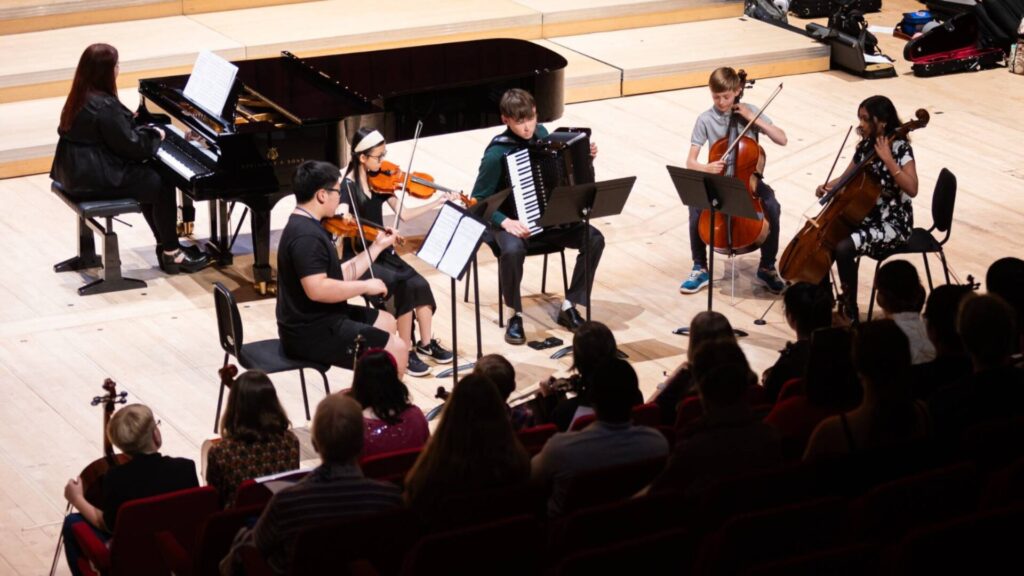
The Royal Conservatoire of Scotland Summer Schools provide intensive creative programs in filmmaking, screen acting, performance, production, and broader visual storytelling pathways. You train in studio and workshop settings, with guidance from professional practitioners and conservatoire faculty. Depending on the course, you may learn to direct, perform on camera, interpret scripts, collaborate on productions, or develop creative projects.
Instead of passive lectures, programs emphasize practical work, feedback, and confidence-building through rehearsal or project-based learning. The camps are especially beneficial if you are interested in film, acting, screen performance, or creative arts studies at the university level.
Why it stands out: It places you inside a top conservatoire environment where film and performance are taught through practical studio training led by working creative professionals.
13. International Summer School – University for the Creative Arts (UCA)
Location: UCA Farnham, UK
Cost: £2,690 (£2,420 early bird by March 31st)
Acceptance rate/cohort size: Selective; cohort scale depends on studio capacity and group enrollments
Dates: July 13-24 (Programme 1); August 3-14 (Programme 2)
Application Deadline: June 1st
Eligibility: Ages 16-25 for individual applicants; ages 16-17 for group applications with an appointed chaperone; creative and design interests; open to international students
At the University for the Creative Arts International Summer School, you engage directly with cutting-edge media and visual storytelling techniques. You explore how language and visual elements shape modern communication across the creative industries. Throughout the intensive coursework, you gain hands-on experience with advanced media tools, including 360-degree capture, motion-capture performance, and virtual production using LED walls.
You actively develop your descriptive and analytical skills by interpreting visual material and collaborating in specialised immersive labs. Additionally, you learn to integrate AI tools into your creative workflows for prompt writing and visual referencing. The academic program culminates in a recorded short visual presentation, allowing you to effectively articulate your original perspectives.
Why it stands out: It provides rare access to industry-standard immersive environments, including virtual prototyping and spatial audio suites, while emphasising active communication and visual storytelling over formal academic writing.
14. BFI Film Academy Specialist Course: Camera and Lighting – University of Lincoln
Location: University of Lincoln, Brayford Pool Campus, Lincoln, UK
Cost/Stipend: None
Acceptance rate/cohort size: Competitive; 30 places
Dates: April 6-13
Application Deadline: February 28th
Eligibility: Students aged 16-19 on the first day of the course; UK residents; not currently at university or enrolled at university when the course starts; no previous BFI Film Academy Specialist or Craft Skills course attendance; not open to international students
In this program, you study cinematography as a practical media-production craft, and not only as a general film-appreciation course. Across seven in-person days, you learn camera, lighting, and grip through lectures, tailored masterclasses, technical workshops, and hands-on filming tasks. You work with industry-standard facilities and an ARRI Alexa cinema camera, while exploring sustainability in cinematography, colour grading, and the DIT pipeline.
The course also includes film screenings, discussions with peers, guest talks from camera assistants and gaffer/spark roles, and filming with professional actors. You leave with footage and project files that can support a portfolio.
Why it stands out: It combines a free, residential specialist course with hands-on cinematography training, industry-standard equipment, professional guest input, and portfolio-ready footage.
15. UCL Pre-University Online Courses for High School Students
Location: Online, hosted by University College London (UCL)
Cost: £990
Acceptance rate/cohort size: Selective; maximum of 14 students per class
Dates: July 17: IT Induction; program: July 20-31
Application Deadline: June 15th
Eligibility: High school students aged 16-18; must be a non-native English speaker; minimum 70% GPA; open to international students
UCL’s Pre-University Online Courses for High School Students give you access to short university-style courses across humanities, social sciences, media, communication, and related disciplines. Depending on the course selected, you may explore topics such as digital culture, communication, storytelling, media analysis, global issues, or academic writing through lectures, seminars, readings, and discussion activities.
The courses are designed to introduce you to the pace and expectations of undergraduate learning while allowing you to study remotely with peers from different countries. You also gain exposure to research-based teaching methods commonly used at UK universities, including independent analysis, collaborative discussion, and reflective assignments.
Why it stands out: It gives you flexible access to UCL’s university-style online learning environment across multiple humanities and communication-related subjects.
How Journalism Classes Can Shape Your Career Thinking
Start with the byline, the interview question, the sound edit, the camera angle. Each small choice teaches you what media work demands.
That is why the 15 media & journalism classes in the UK for high school students listed here matter: they let you test the craft before choosing the career.
Maybe you leave drawn to investigative reporting. Maybe it is broadcast presenting, podcast production, film criticism, digital culture, or media ethics.
Want to know where those interests could lead? Explore our Career Exploration blogs for role ideas, skill maps, and practical next steps.