
 Русский (RU)
 Українська (UK)
 Türkçe (TR)
 Italiano (IT)
 Français (FR)
 Português (PT)
 中文 (中国) (ZH)
 Español (ES)
 日本語 (JA)
 ไทย (TH)
 Deutsch (DE)
 Ελληνικά (EL)
 Polski (PL)
 Bahasa Indonesia (ID)
 Nederlands (NL)
 العربية (AR)
 한국어 (KO)

If you’re interested in medicine, you’ve probably encountered it through biology classes or discussions about healthcare careers. But medicine extends far beyond textbooks; it involves observation, research, communication, and understanding how healthcare systems function in real-world settings. Medicine courses in Japan for high school students can be one way to explore the field more deeply through structured academic and practical learning.
Imagine spending your summer studying anatomy in a university classroom, learning about medical research methods, or observing how healthcare professionals approach patient care. These courses often introduce you to areas such as clinical shadowing, anatomy, healthcare systems, and research methodology, while also helping you build skills in analysis, communication, and scientific thinking. You may participate in workshops, simulations, or collaborative projects that reflect how medicine is studied at the university level.
Now, place that experience in Japan, where advanced healthcare systems, medical technology, and research institutions shape the learning environment. Medicine programs in Japan can act as a foundation for your college journey, giving you a taste of what university life is like at a top institution.
Why is Japan a compelling place to study medicine as a high school student?
Japan is known for its strong healthcare infrastructure, advanced medical technology, and research-driven universities. Students can gain exposure to how medicine is practiced in a country that emphasizes precision, innovation, and public healthcare systems.
The experience also offers cultural and academic immersion. Studying medicine in Japan allows you to engage with different approaches to healthcare, research, and education while experiencing university life in an international setting.
To help you explore your options, we’ve curated a list of 15 Medicine Courses in Japan for High School Students. They’ve been selected for their academic depth, practical exposure, and mentorship opportunities.
For adjacent options, consider the online medicine program and summer courses in Japan.
15 Medicine Courses in Japan for High School Students
1. Immerse Education’s Tokyo Medicine Summer School
Location: Tokyo, Japan
Cost/Stipend: Varies; summer school scholarship available through the bursary programme
Dates: 2 weeks during the summer
Application Deadline: Multiple summer cohorts; rolling admissions
Eligibility: Students worldwide aged 13-18 currently enrolled in middle or high school
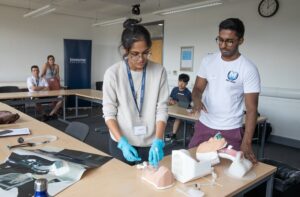
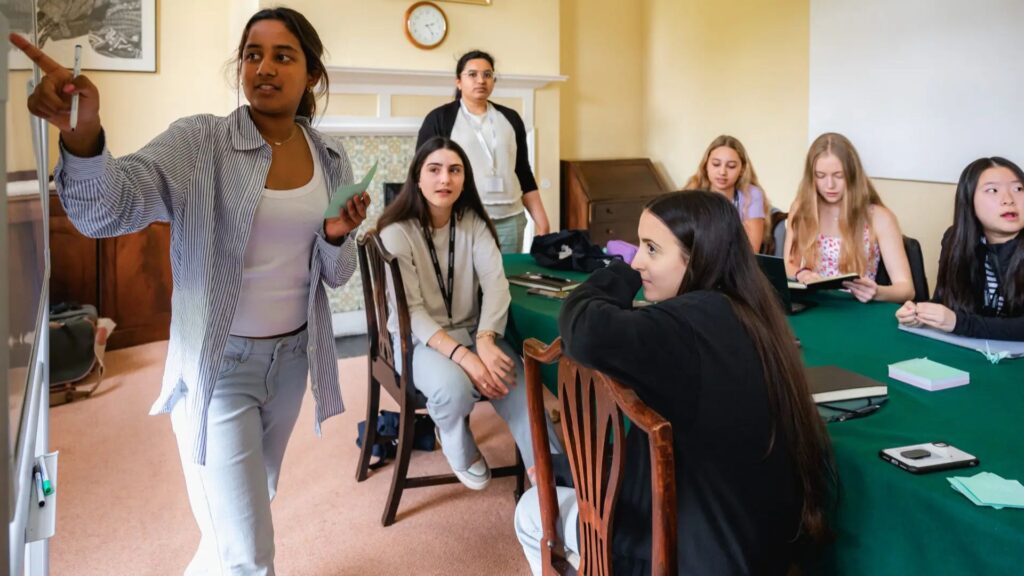
Immerse Education’s Medicine Summer Programme allows international high school students to study medicine in Japan. You’ll engage in a two-week learning experience, attend classes in small cohorts, and work on an individual research project. You’ll explore a range of topics, including diagnostics, anatomy, public health, and clinical ethics.
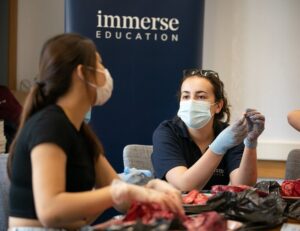
You’ll explore medicine in a real-world perspective through simulation-based learning experiences. You’ll attend lectures, engage in discussions on case studies, and participate in interactive workshops. The program will give you the chance to learn from tutors with experience working in hospitals and research laboratories.
Why it stands out: You’ll study topics like anatomy, diagnostics, and public health while learning through medical simulations and case-study discussions.
2. Keio University Medical Science Education Project
Location: Keio University School of Medicine (Yokohama/Tokyo Campuses), Japan
Cost/Stipend: None
Acceptance rate/cohort size: Selective (50 selected students initially; 15 students go to advanced research )
Dates: 1-year program, starting from August
Application Deadline: April 1st – July 31st
Eligibility: High school students in Japan
The Keio University Medical Science Education Project is one of the more research-focused medicine courses in Japan for high school students, introducing participants to interdisciplinary healthcare research at Keio University. Selected students attend foundational lectures, laboratory training sessions, and English scientific paper reading workshops focused on medicine, healthcare innovation, and biomedical science.
A smaller group then progresses into advanced research inside Keio’s medical laboratories, where students work on projects that may lead to English-language publications or presentations at international conferences. The curriculum also explores modern topics such as global health, public health, big data in medicine, and international scientific collaboration, helping you understand how medicine connects with technology and data science.
Why it stands out: You get the chance to conduct advanced medical research at Keio University with opportunities for international conference presentations and scientific publication.
3. Tokyo Academics Student Research Program
Location: Tokyo, Japan or Remote
Cost/Stipend: Varies by project length
Acceptance rate/cohort size: Unspecified
Dates: Flexible 10-week to 16-month projects
Application Deadline: Rolling
Eligibility: Middle and High school students worldwide
The Tokyo Academics Student Research Program gives you the opportunity to conduct an independent research project in areas such as medicine, biomedical science, technology, or related STEM fields under expert mentorship. You work through key stages of the research process, including experimental design, data collection, data analysis, and academic writing, while developing a deeper understanding of how scientific investigations are conducted.
If you choose a medicine-focused topic, you may explore patient-centered or laboratory-based research while strengthening skills in scientific reasoning and problem-solving. Throughout the program, mentors guide you in producing a structured academic paper and refining your ability to communicate complex ideas clearly. You may also have the opportunity to publish their work in academic journals or present their findings at international conferences.
Why it stands out: You gain early exposure to real academic research with opportunities for publication and conference presentation.
4. Osaka University SEEDS Program
Location: Osaka University, Osaka, Japan
Cost/Stipend: None
Acceptance rate/cohort size: ~130 students
Dates: August through February (Spanning the initial lecture phase and the final research phase)
Application Deadline: April to May
Eligibility: High school students around the world
The Osaka University SEEDS Program stands out among the many medicine courses in Japan for high school students for its focus on advanced academic research through lectures, laboratory experiences, and mentorship from active university researchers. You begin by attending interactive sessions that explore how scientists approach research questions, solve problems, and design investigations across science and humanities fields. Students who progress to the advanced stage join a university laboratory, where they conduct experiments, analyze data, and work alongside professors and graduate students on research projects.
If you choose the life sciences track, you may explore topics connected to biology, genetics, human systems, and biomedical research, making it especially relevant for students interested in medicine. The program concludes with a formal research paper and a presentation at an academic conference, giving you firsthand experience with the university research process.
Why it stands out: You move beyond classroom learning by conducting real university-level research and presenting your findings in a conference setting.
5. SAKURA SCIENCE High School Program
Location: Multiple research institutions and universities in Japan
Cost/Stipend: None
Acceptance rate/cohort size: Unspecified
Dates: 1-week courses (specific dates may vary)
Application Deadline: NA
Eligibility: High school students from around 14 countries
The SAKURA SCIENCE High School Program (SSHP) is one of the most globally focused medicine courses in Japan for high school students, offering a one-week international exchange experience through classes, lab visits, and interactions with leading researchers and scientists. You attend lectures and workshops led by experts, including Nobel laureates, while visiting universities, research institutes, and laboratories that may expose you to areas such as neuroscience, biomedical research, and community medicine.
The program combines academic learning with cultural exchange, allowing you to collaborate and connect with Japanese high school students through group activities and discussions. Alongside scientific exploration, you gain insight into how research and innovation are approached within Japan’s academic and healthcare systems. The experience also helps you build global perspectives, communication skills, and a deeper understanding of interdisciplinary science fields connected to medicine.
Why it stands out: You explore STEM and medicine-related research in Japan while learning directly from scientists and researchers in a global exchange environment.
6. Kyoto University ELCAS Program
Location: Kyoto University (Yoshida and Katsura Campuses), Kyoto, Japan (or online via Zoom)
Cost/Stipend: None
Acceptance rate/cohort size: No information provided
Dates: In-person: August 19-21; Online: July 29-30
Application Deadline: Various deadlines based on registration type. Check details here
Eligibility: High school students residing in Japan
The Kyoto University ELCAS Program is an intensive short-term academic experience where you explore advanced research methods through either a 2-day online lecture series or a 3-day in-person laboratory practicum at Kyoto University. If you choose a medicine-related pathway, you can explore biomedical concepts through data collection, lab-based experiments, and collaborative analysis with peers.
The program gives you access to professional scientific equipment and introduces you to how university-level research is conducted from hypothesis to data interpretation. By the end, you gain a realistic preview of academic research life, helping you understand whether a future in medicine or biomedical science aligns with your interests.
Why it stands out: You experience authentic university-level research at Kyoto University while working directly with researchers in a real lab environment.
7. Keio Summer Bio College(KSBC)
Location: Keio University Tsuruoka Town Campus
Cost/Stipend: 30,000 YEN
Acceptance rate/cohort size: 18 students
Dates: July 27-29
Application Deadline: May 20th – June 19th
Eligibility: Keio Integrated Education High School students
The Keio Summer Bio College (KSBC) is a hands-on biotechnology program where high school students explore modern life science research through practical laboratory training at Keio University. You participate in experiments related to genetics, proteomics, genomic data analysis, and drug testing while learning how advanced biomedical research is conducted in professional lab settings.
The program introduces you to core laboratory techniques such as protein extraction, peptide digestion, mass spectrometry, and experiments involving cultured cells and anticancer drugs. Alongside the lab work, you attend lectures by researchers and university faculty while touring advanced research facilities connected to bioscience and biotechnology. Through collaborative activities and discussions with researchers and other students, you also gain insight into future pathways in medicine, biotechnology, and life science research.
Why it stands out: You gain direct exposure to advanced biotechnology techniques and biomedical experiments usually taught at the university research level.
8. RIKEN BDR Hands-On Life Science Workshop
Location: RIKEN Center for Biosystems Dynamics Research (BDR), Kobe Campus, Kobe, Japan
Cost/Stipend: None
Acceptance rate/cohort size: No information
Dates: 1 day during the summer (usually in August)
Application Deadline: No information
Eligibility: High school students residing in Japan
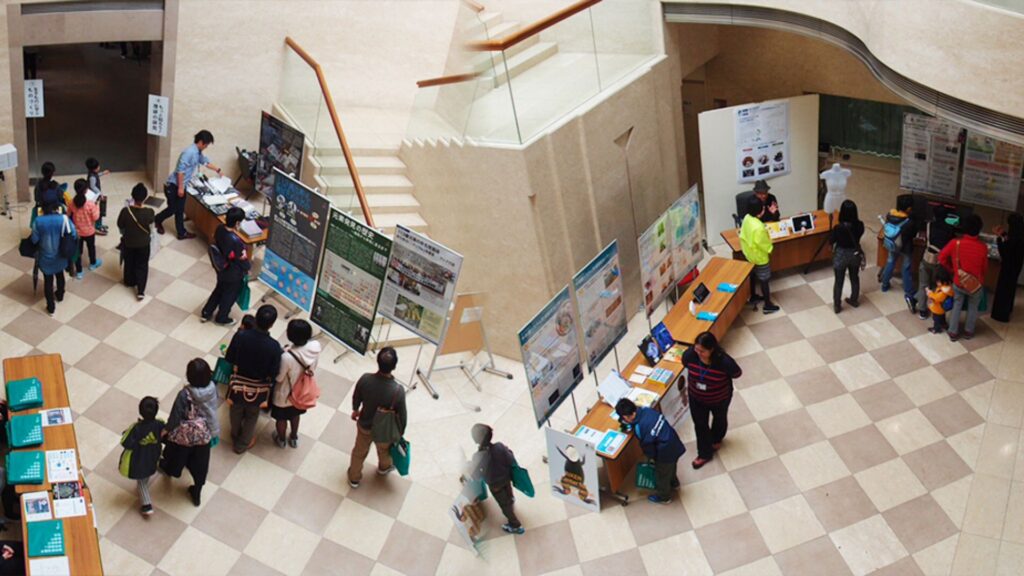
The RIKEN BDR Hands-On Life Science Workshop is a one-day immersive program where you step inside professional government laboratories at the RIKEN Center for Biosystems Dynamics Research to explore core concepts in modern life sciences and biomedical research. You work directly with advanced lab equipment such as PCR machines and microscopes while performing experiments like DNA extraction and genetic analysis.
You also attend researcher-led lectures and lab tours that explain how real scientific investigations are conducted in professional settings. At the end of the program, you interact with scientists to discuss research pathways and potential academic directions in life science and medicine.
Why it stands out: You gain direct, hands-on exposure to real genetic analysis inside a professional research laboratory environment in Japan.
9. Harvard Medical School Pre-College: Biochemistry: From Molecules to Medicine
Location: Virtual
Cost/Stipend: $1,895; No stipend
Acceptance rate/cohort size: No information
Dates: Multi-length courses available throughout the year
Application Deadline: One week before the programs start
Eligibility: High school students worldwide older than 13
The Harvard Medical School Biochemistry: From Molecules to Medicine course introduces you to the molecular foundations of medicine by exploring how biochemical processes influence health, disease, and modern treatments. You study topics such as metabolism, enzyme function, cellular energy production, protein structure, and signaling pathways to understand how cells operate at a microscopic level.
Through lessons on organelles, membranes, and molecular communication, you build a deeper understanding of the biological mechanisms that drive human health and medical science. The online format gives you exposure to advanced biomedical concepts typically taught in university-level pre-med and life science courses.
Why it stands out: You explore the molecular and cellular science behind medicine through a rigorous Harvard Medical School curriculum.
10. Johns Hopkins University: Global Health Leaders Conference
Location: Virtual
Cost/Stipend: $99; No stipend
Acceptance rate/cohort size:
Dates: June 23rd – July 16th
Application Deadline: April 1st
Eligibility: Any student in grades 9-12 from any country
The Johns Hopkins University Global Health Leaders Conference introduces you to the fields of global health, public health, and medicine through lectures, discussions, and sessions led by experts and healthcare leaders from around the world. You explore major healthcare challenges such as disease prevention, health equity, healthcare systems, and public health research while learning how medicine intersects with policy and global development.
Through interactive sessions and expert-led discussions, you gain insight into how research, collaboration, and leadership contribute to improving health outcomes worldwide. The program is especially valuable if you are interested in understanding medicine from a broader global and societal perspective rather than only clinical practice.
Why it stands out: You learn directly from global health experts while exploring how medicine, policy, and public health connect on an international scale.
11. High School Students Bio-Summit in Tsuruoka
Location: Hybrid; in person in Tsuruoka and online
Cost/Stipend: None; Award will be provided
Acceptance rate/cohort size: Competitive
Dates: August 8-27
Application Deadline: July 27th
Eligibility: High school students in Japan
The High School Students Bio-Summit in Tsuruoka is a bioscience research conference where high school and technical college students from across Japan present their scientific research projects and discuss the future of bioscience and healthcare innovation. You share your research findings or project ideas through formal presentations while receiving feedback from young researchers and scientists working in different scientific fields.
The program encourages deeper discussions around biology, biotechnology, and life sciences, making it especially relevant for students interested in medicine, biomedical research, or healthcare-related innovation. Alongside the academic sessions, you participate in networking and exchange activities with other students, university researchers, and graduate students who are passionate about science.
Why it stands out: You present your own bioscience research while directly interacting with researchers and students from across Japan in a conference-style setting.
12. Wake Forest University: Online Medical Programs for High School Students
Location: Virtual
Cost/Stipend: $1,595; No stipend
Acceptance rate/cohort size: NA
Dates: Multiple 2- and 4-week sessions
Application Deadline: Rolling
Eligibility: High school students aged 13 and up worldwide
The Wake Forest University Online Medical Programs introduce you to a wide range of healthcare and medical science fields through flexible online courses taught by medical doctors and university faculty from Wake Forest University. You can explore subjects such as sports medicine, cancer biology, psychology, women’s health, bioscience, and other specialized medical topics while learning directly from professionals in the field.
Throughout the program, mentors guide you through course concepts and support you as you complete assignments and develop a final capstone project connected to your area of study. Because the courses are self-paced and available year-round, you can explore multiple areas of medicine while building foundational knowledge for future pre-med or healthcare studies.
Why it stands out: You can explore multiple specialized medical fields online while learning directly from practicing doctors and university faculty.
13. Kyushu University Future Creation Scientist Development Project (QFC-SP)
Location: Kyushu University, Fukuoka, Japan
Cost/Stipend: None
Acceptance rate/cohort size: Competitive
Dates: July to August for 4 days (2-3 sessions a day× 4 days); You can continue with 3 months or 11 months of research
Application Deadline: April 20th – May 18th
Eligibility: Students who are enrolled in high school, junior high, and high school integrated secondary education schools; must be living locally in Japan
The Kyushu University Future Creation Scientist Development Project (QFC-SP) is a long-term research training program where you study advanced STEM topics and develop practical scientific research skills under the guidance of university academics at Kyushu University. If you pursue a medicine-related theme, you may work on projects connected to life sciences, biology, biomedical science, or health-focused research areas.
During the program, you conduct experiments, analyze findings, and prepare an academic manuscript explaining your methods and results. The experience concludes with a poster presentation session where students share their research with peers and university experts.
Why it stands out: You gain extended, year-long research experience inside university laboratories while building skills in scientific investigation and academic presentation.
14. Georgetown University: Pre-College Online Program – Medicine

Location: Online
Cost/Stipend: $1,895; No stipend
Acceptance rate/cohort size: Unspecified
Dates: Multiple 1-week intensives, 2-week sessions, and 4-week sessions throughout the year
Application Deadline: One week before the program starts
Eligibility: Students ages 13 and up worldwide
The Georgetown University Pre-College Online Program in Medicine introduces you to the structure of modern healthcare by exploring how multidisciplinary medical teams diagnose, treat, and support patients across different conditions. Through case studies focused on kidney transplants, vascular disease, and cancer, you examine treatment plans while learning how physicians, specialists, and healthcare professionals collaborate in real clinical settings.
The course also explores topics such as genetic testing, complementary and integrative medicine, and the science behind different treatment approaches, helping you understand medicine beyond textbooks. Alongside video lessons and expert insights, you complete a capstone project where you design a healthcare team and apply what you’ve learned to a patient scenario.
Why it stands out: You explore real patient case studies and learn how multidisciplinary healthcare teams work together in modern medicine.
15. University of Michigan’s Anatomy Specialization
Location: Online (via Coursera)
Cost/Stipend: Free
Acceptance rate/cohort size: Open enrollment
Dates: Self-paced (2 months to complete)
Application Deadline: Open all year round
Eligibility: Open to high school students from all over the world
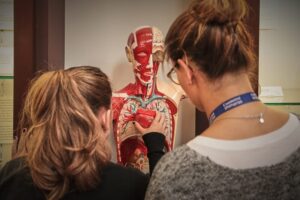
The University of Michigan Anatomy Specialization introduces you to human anatomy through a structured, systems-based approach that helps you understand how the body is organized and how different organs work together to maintain health. You study major organ systems, including musculoskeletal, cardiovascular, respiratory, nervous, gastrointestinal, endocrine, reproductive, urinary, and integumentary systems while learning how each system contributes to overall human function.
The course uses detailed visual models and multimedia resources to help you connect anatomical structures with their physiological roles in a clear, applied way. As you progress, you build a strong foundation in biomedical knowledge that is essential for future medical or pre-med studies.
Why it stands out: You gain a complete systems-level understanding of human anatomy through detailed visual learning tools designed for medical-level comprehension.
Discover Where Medicine Could Take You Next
A medicine course in Japan can give you more than subject knowledge. It can show how anatomy, diagnostics, public health, and clinical ethics connect.
The medicine courses in Japan for high school students featured here include experiences at Tokyo, Keio, Osaka, Kyoto, RIKEN, and other research-led institutions.
Through lab work, simulations, case studies, conference presentations, and research projects, you can start identifying the medical pathways, destinations, and academic environments that suit you.
To explore those next steps, visit our Study Abroad blogs for expert guidance on destinations, subject choices, application tips, and global university options.