
 Русский (RU)
 Українська (UK)
 Türkçe (TR)
 Italiano (IT)
 Français (FR)
 Português (PT)
 中文 (中国) (ZH)
 Español (ES)
 日本語 (JA)
 ไทย (TH)
 Deutsch (DE)
 Ελληνικά (EL)
 Polski (PL)
 Bahasa Indonesia (ID)
 Nederlands (NL)
 العربية (AR)
 한국어 (KO)
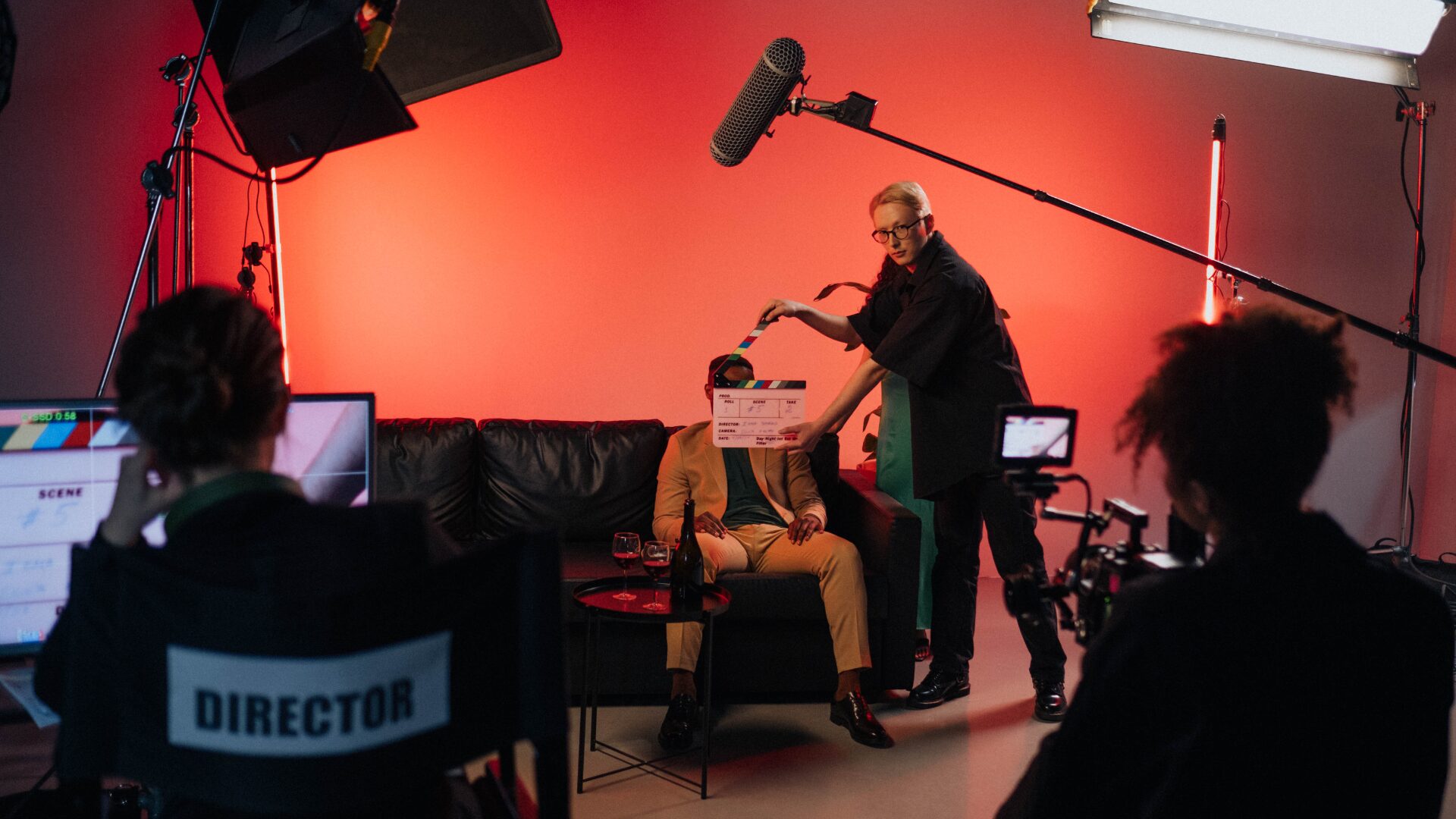
In high school, exploring your interests beyond the classroom can be a great way to spend your free time, especially when those interests point toward a creative future. Pre-college film programs in Europe for high school students can help you develop real skills, explore what you are genuinely interested in, and build the kind of experience that makes your college application stand out.
If you are interested in acting, directing, screenwriting, or producing films, major film and acting schools, arts universities, production houses, and independent organisations run learning opportunities designed for high schoolers. Even if you have already made short films on your own or taken media classes at school, a structured experience pushes you further by helping you develop skills like cinematography, screenwriting, directing, film editing, and production, while giving you a genuine preview of what studying film at university or film school actually feels like.
What kinds of pre-college film programs are there in Europe for high school students?
Programs in Europe can give you a real foundation in filmmaking while immersing you in some of the world’s most storied creative cultures. Imagine spending your summer on a university campus in London, Paris, or Rome, learning how to write a screenplay, operate a camera, or cut a scene in an editing suite used by actual film students. You may work alongside peers from across the world on a short film, sit in on a lecture by a working director, or walk through the same city streets that have served as backdrops for some of cinema’s most iconic moments.
Not every program is the same, and it can be hard to figure out which ones are worth your time. Some are more technical, others lean toward theory and film history, and a few combine hands-on production with cultural excursions to festivals, studios, or film archives.
To make things easier, we have put together a list of 15 pre-college film programs in Europe for high school students. Each program on this list is selected for its academic depth, hands-on learning opportunities, and the quality of exposure they offer to European filmmaking culture.
For adjacent options, consider the film & animation summer program.
Key Takeaways
- Tuition for these programs ranges from free, as with NFTS Academy Residential, to around £3,295 for a two-week residential course at Central Film School London.
- Most options are based in the UK, in cities including London, Glasgow, Bournemouth, and Cornwall, alongside French and Belgian programs in Paris, Nice, Cannes, Rennes, and Brussels.
- Age eligibility spans a wide range: UAL’s Filmmaking for 11 to 15 Year Olds accepts students from age 11, while Royal Conservatoire of Scotland’s Introduction to Filmmaking has no upper age limit.
- Program length varies from five days, as with Arts University Bournemouth’s Creative Video and VFX course, to two full weeks at programs like MetFilm School and ESRA Junior Program.
- Several programs issue formal credentials on completion, including academic credit from EICAR, a digital badge and certificate from UAL, and an official Summer Course Certificate from Arts University Bournemouth.
- International students are accepted at nearly every program on this list, with the exception of NFTS Academy Residential, which is limited to UK residents aged 16 to 19.
- Almost every program ends with a public screening of finished student work, including courses at Falmouth University, London Film Academy, and Central Film School London.
- Immerse Education’s Film Summer School is one of the few programs that combines film theory and hands-on production with academic mentorship and bursary support, making it accessible to a broad age range of 13 to 18.
15 Pre-College Film Programs in Europe for High School Students
1. National Film and Television School Academy Residential
Location: National Film and Television School (NFTS), Beaconsfield + Moor Hall Conference Centre, Cookham, England
Cost: Free
Dates: Online weekend: February 28th – March 1st; Main craft residential component: March 31st – April 10th; Script writing sessions for screenwriting participants: December 6-7
Application deadline: Screenwriting: November 9th; Other crafts: January 4th
Eligibility: Students, ages 16-19 on the first day of the main residential, who are UK residents
NFTS Academy is a selective program that combines an online weekend meeting and an 11-day main residential experience, where you will work in a production team of nine people to create short films from script to screen. You will choose a craft from options such as directing, producing, screenwriting, cinematography, sound, editing, and production design, and receive track-specific mentorship from professionals and top filmmakers through masterclasses and workshops.
You and your team will develop scripts, plan productions, shoot on location, and edit the shot films over the two weeks. The program also includes a trip to Pinewood Studios and professional development workshops on entering the film industry. Your finished films will be screened at a cinema with industry representatives, friends, and family in attendance.
Why it stands out: It offers intensive mentorship from established industry professionals and the opportunity to create and present a short film at no cost!
2. Immerse Education’s Film Studies Summer School
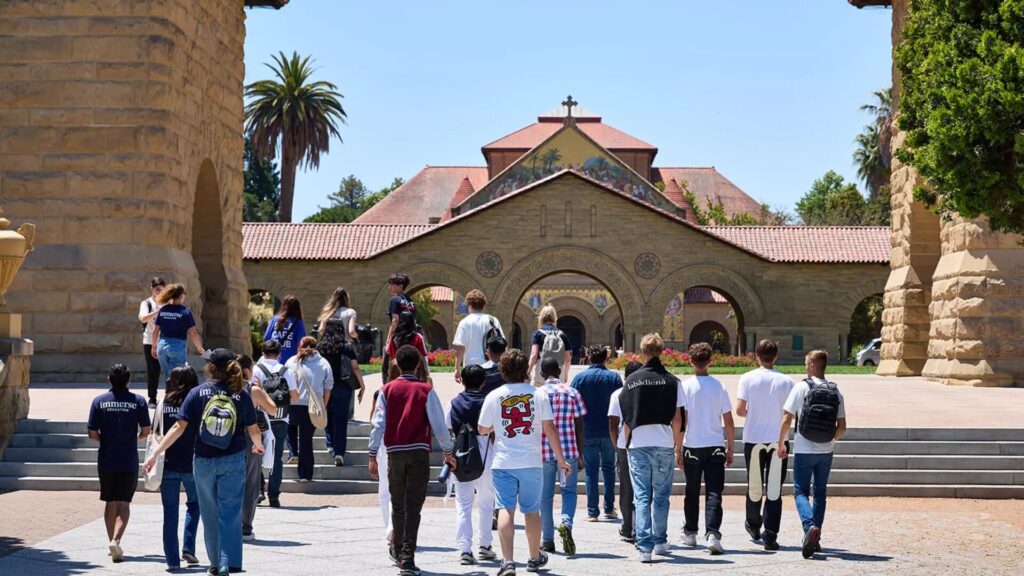
Location: Oxford, and London
Cost: Varies; summer school scholarship available through our bursary programme
Acceptance rate/cohort size: Selective; an average of 7 participants per class
Application deadline: Multiple summer cohorts with rolling admissions
Dates: Two weeks during the summer
Eligibility: High school students from around the globe, ages 13-18
As one of the most academically focused pre-college film programs in Europe for high school students, this two-week program is designed for students who are passionate about visual arts and storytelling, providing an introduction to the world of film production. The curriculum combines both the theoretical and practical aspects of filmmaking. That said, you will be introduced to the history of filmmaking, and you will cover various topics, including film theory, narrative structure, visual languages, and more.
Simultaneously, the program will engage you in hands-on projects that teach you the different techniques filmmakers use to turn a script into a captivating scene. You will also gain practice in critically analysing a film. Learning is often done through discussions, research projects, and hands-on workshops. Ultimately, this program helps you understand filmmaking and cinema better.
Why it stands out: You will study under expert academics, work closely with a university student mentor, explore a UK university campus, and complete a project you can show in future applications.
3. Royal Conservatoire of Scotland’s Summer Schools: Filmmaking
Location: Royal Conservatoire of Scotland, Glasgow, Scotland
Cost: £335
Dates: July 6-10
Application deadline: Rolling
Eligibility: Students, ages 15-17; open to international students
This one-week summer school at the Royal Conservatoire of Scotland walks you through the full filmmaking process, from learning to build and use camera equipment to shooting and editing your own scenes. You will take on various roles within a film crew during the week, from director and 1st Assistant Director to Script Supervisor and Boom Operator.
The first two days focus on camera equipment and how framing drives a story, drawing on examples from classic and contemporary films, and shoot days let you plan, film, and edit short scenes from film and television. The week ends with a re-shoot of an iconic cinema scene; past students have tackled sequences from Baby Driver, The Dark Knight, Inception, and Wayne’s World. You will leave with access to all footage shot during the week and an edited short scene to take home.
Why it stands out: You will try every job on a film set, gain real experience in shooting and presenting your work, and learn how to work with professional film equipment on a university campus.
4. Arts University Bournemouth’s Filmmaking and Production
Location: Arts University Bournemouth (AUB), Poole, Dorset, UK
Cost: £1,799 (course only) | £2,635 (with accommodation and catering)
Dates: August 3-14
Application deadline: Not specified
Eligibility: Students, ages 15-17; international students may be eligible
If you want a course that takes you from script to finished film over two weeks, AUB’s Filmmaking and Production program covers the full production process, both creative and technical sides. You will explore a range of crew roles, get to work with live actors on set, and take on directing responsibilities during the shoot. Within small groups, you will develop a screenplay for a short fiction film and take part in pre-production tasks such as casting and narrative development, and then conduct the live film shoot and work on post-production.
You will also participate in a portfolio review session where experienced AUB tutors will provide feedback on your work, which can lead to an offer of a place at the university. The program wraps with a private screening of completed films for AUB staff and students. If you complete the program with full attendance, you will receive an official AUB Summer Course Certificate outlining the course content and study hours,
Why it stands out: You will gain filmmaking experience, develop portfolio-ready work, and get a chance to secure an offer to study at AUB.
5. Falmouth University’s Script to Screen
Location: Falmouth University’s Penryn Campus, Cornwall, UK
Cost: £180
Dates: Multiple two-day sessions available each year
Application deadline: Rolling
Eligibility: Students, ages 14-17; international student eligibility not specified
If you are curious about filmmaking but not sure which part of the process interests you most, Falmouth University’s Script to Screen is a practical two-day starting point. You will work across the School of Film and Television’s professional facilities, starting in a production studio with cameras and lighting, then moving to a post-production suite for editing and colour grading, and spending time in a Foley Suite and Dubbing Theatre for hands-on post-production sound work.
On the second day, the course will wrap up with a screening at Falmouth’s own purpose-built cinema, where short films made during the program are showcased. You will be taught by DBS-cleared Falmouth staff throughout.
Why it stands out: You get access to the professional-standard facilities, including a dedicated Foley Suite, Dubbing Theatre, and screening cinema that Falmouth uses to train its undergraduate film students.
6. MetFilm School’s Young Filmmakers Academy
Location: MetFilm School campus in London, UK, or Brighton, UK
Cost: £995
Dates: July 27th – August 7th (London or Brighton) | August 10-21 (Only London)
Application deadline: Not specified
Eligibility: Students, ages 14-17; London program applicants must be under 18 for the entire course duration; international student eligibility not specified
MetFilm School’s Young Filmmakers Academy is a hands-on option among the many pre-college film programs in Europe for high school students, offering a two-week, full-time course that covers the core skills involved in creating screen content. You will explore the on-set routine while working alongside other students on various exercises, rotating roles, and building an understanding of how a production actually comes together from idea to finished piece. During the first week, you will learn the fundamentals of filmmaking, including story structure, screenplay formatting, directing techniques, camera operation, sound recording with boom poles and shotgun microphones, and basic editing with Adobe Premiere Pro.
In the second week, you will apply these skills to complete a collaborative short film shoot over two days, then move on to post-production to edit your material. Throughout the course, you will gain experience in visual storytelling, directing actors, lighting, and audio, while pitching your own ideas for the final production. By the end of the course, you will have worked as part of a professional crew and created a finished short film to add to your portfolio.
Why it stands out: You will learn filmmaking from industry professionals while working on a real two-day film production as part of an actual crew.
7. Central Film School London’s Future Filmmakers Summer Camp
Location: Central Film School, London, UK
Cost: Day camper: £1,395 | Residential: £3,295
Dates: July 20-31 | August 3-14
Application deadline: Rolling
Eligibility: Students, ages 14-17; international students can apply
This two-week summer camp lets you explore one of two pathways: Filmmaking or Acting. Both pathways cover the complete production workflow from script conception to final edit through hands-on workshops and training exercises led by industry filmmakers and expert tutors. If you choose the Filmmaking Pathway, you will learn cinematography, directing, sound design, and editing, and in the Acting Pathway, you will develop performance and screenwriting skills.
Throughout the course, you will explore visual storytelling techniques and work on practical projects that build your technical knowledge. Your experience will culminate in creating a final short film project. Throughout the two weeks, you will have the opportunity to connect with other young filmmakers and actors from around the world while gaining insight into the film and television industry.
Why it stands out: It offers two distinct pathways tailored to aspiring filmmakers or actors, allowing you to focus on your creative interests and participate in the collaborative final film project.
8. ESRA Junior Program Introductory Film and Audiovisual Courses
Location: ESRA campuses in France (Paris, Nice & Cannes, or Rennes) or Belgium (Brussels)
Cost/Stipend: Not specified; brochure containing details available upon request
Dates: Session 1: June 29th – July 10th | Session 2: July 20-31
Application deadline: Not specified
Eligibility: Students in grades 9-12; international student eligibility not specified
The ESRA Junior Program offers a two-week introduction to film and sound at ESRA campuses across France and Belgium. You will choose between the Film track or the Sound track and work through a mix of theoretical coursework and hands-on group projects under the guidance of ESRA instructors. The first week is classroom and lab-based, covering the history of cinema, screenwriting, and directing, alongside practical sessions in camera, lighting, and editing labs to prepare you for the shoot.
In week two, you will spend two days filming on location and indoors as part of a full crew, then move directly on to post-production, where you will edit your footage, work on sound design, and complete your final mix using professional software. The program concludes with a group screening of all finished projects, with your name in the credits.
Why it stands out: You can choose between a film and sound focus area, get hands-on film production experience, and learn from ESRA instructors in a film school environment.
9. EICAR Summer Workshop: French Film Culture & Filmmaking
Location: EICAR, Paris, France
Cost: €1,950
Dates: June 29th – July 10th
Application deadline: Rolling admissions opening in late October
Eligibility: Open to aspiring filmmakers from around the world; no age restriction or prior experience specified
EICAR’s two-week Paris Summer Workshop adds a French cinema-focused pathway to this list of pre-college film programs in Europe for high school students, combining classroom instruction with cultural exploration of French cinema and the city itself. In the first week, you will explore screenwriting fundamentals, directing basics, film grammar, and visual storytelling. You will also participate in a location-scouting session in which you will trace the same streets walked by Agnès Varda’s character in Cléo, and attend a film screening at the Luxor Cinema.
Week two moves on to production, letting you work with other participants on full-day collaborative shoots, post-production editing and sound work, and a visit to the French Cinémathèque, all culminating in a finished short film. At the end, you will attend a final screening ceremony where your work will be showcased. You will earn 2 ECTC credits upon completing the workshop.
Why it stands out: You will gain hands-on filmmaking experience, earn credits, and help develop a short film that will be screened, all in two weeks.
10. Royal Conservatoire of Scotland’s Summer Schools: Introduction to Filmmaking
Location: Royal Conservatoire of Scotland, Glasgow, Scotland
Cost: £635
Dates: August 10-14
Application deadline: Not specified
Eligibility: Students and adults, ages 16 and up, from around the world; no prior experience required
In the Introduction to Filmmaking summer school at the Royal Conservatoire of Scotland, you will explore different roles, tools, and tasks within filmmaking over a week. You will work with film production equipment and rotate through various crew roles, from director and 1st Assistant Director to Script Supervisor and Boom Operator. The first two days will cover basics like camera equipment and how framing tells a visual story, drawing on examples from classic and contemporary cinema. The next few days are dedicated to shoots, where you will plan, film, and edit short scenes.
The experience ends with a group re-shoot of an iconic film scene, with opportunities to edit the shot scene. In previous years, students have worked on sequences from Scream, Psycho, The Apartment, and The Social Network. You will leave with access to all footage from the week and a completed, edited scene.
Why it stands out: Its role rotation format, combined with references drawn from classic Hollywood and genre cinema, lets you explore various aspects of filmmaking within the context of real examples in a collaborative environment.
11. University of the Arts London Film-Making Short Course
Location: University of the Arts London (UAL), Central Saint Martins, Kings Cross, London, UK
Cost: Starts at £660
Dates: July 20-24 | August 10-14 | December 14-18 | April 5-9
Application deadline: Open till full
Eligibility: Students, ages 16-18; international student eligibility not specified
This one-week filmmaking course at UAL offers you a practical introduction to filmmaking, editing, and visual storytelling in one of UAL’s flagship colleges. You will work on creative exercises and tutorials covering topics like critical thinking, editing, storytelling, devising templates from existing works, and audience engagement.
You will develop a film portfolio of your strongest sequences across the week, including at least one sizzle reel that’s ready to upload and share. The course is collaborative, with opportunities to work alongside peers on campus. At the end, you will receive a UAL digital badge and certificate of attendance.
Why it stands out: You will learn about visual storytelling while working on campus and getting a preview of academics at an arts school.
12. London Film Academy’s Young Filmmakers’ Academy
Location: London Film Academy, London, UK
Cost: 1-week: £595 | 2-week: £995
Dates: August 3-14 | August 17-28
Application deadline: Rolling
Eligibility: Students, ages 13-17; international students can apply, but they must have a B2 level of English proficiency
The London Film Academy’s Young Filmmakers’ Academy is one of the more production-focused pre-college film programs in Europe for high school students, offering a one- or two-week course that places you within a class of 12 students to explore different areas involved in film production. You will rotate through key crew roles during production, including that of a director, cinematographer, sound recordist, boom operator, clapper loader, and videographer, while also working with professional actors on shoot days. The one-week course focuses on smartphone filmmaking using LFA’s iPhone camera kit, covering writing, directing, and editing.
The two-week version offers exposure to industry-standard digital cameras, covering basics like sensor sizes, lens selection, lighting setups, and professional sound recording in a studio setting. Both tracks end with editing sessions using Adobe Premiere Pro and a final screening in LFA’s in-house cinema to an audience of friends and family invited on the last day. You will receive a downloadable link to your finished film to add to your portfolio.
Why it stands out: You will gain hands-on film shooting and editing experience while learning within small groups and walk away with a film credit on a short film.
13. Arts University Bournemouth’s Animation Program
Location: Arts University Bournemouth, Bournemouth, England, UK
Cost: £1,799 (course fee) | £2,635 (course fee + housing and meals) | £2,970 (course fee + accommodation, meals, and airport taxi fare)
Dates: August 3-14
Application deadline: Not specified
Eligibility: Students ages 15-17; international students with an intermediate level of English are eligible
This two-week course at Arts University Bournemouth lets you explore both traditional and digital animation techniques while working on producing your own short animated film. You will cover the 12 principles of animation, along with areas like scriptwriting, stop motion, cut-out techniques, storyboarding, pixilating, hand-drawn 2D animation, and post-production editing.
You will work with industry-standard equipment, including professional armatures and light boxes, in the university’s animation studios to create original animated work. The pieces you create will be compiled into a portfolio that you can use for college applications. Evening and weekend extracurricular activities, along with a weekend cultural excursion, are part of the experience. If you attend the full program, you will receive a certificate from AUB.
Why it stands out: It lets you explore every stage of animation, from writing to editing the final film, and lets you leave with a completed animated short you can add to your profile.
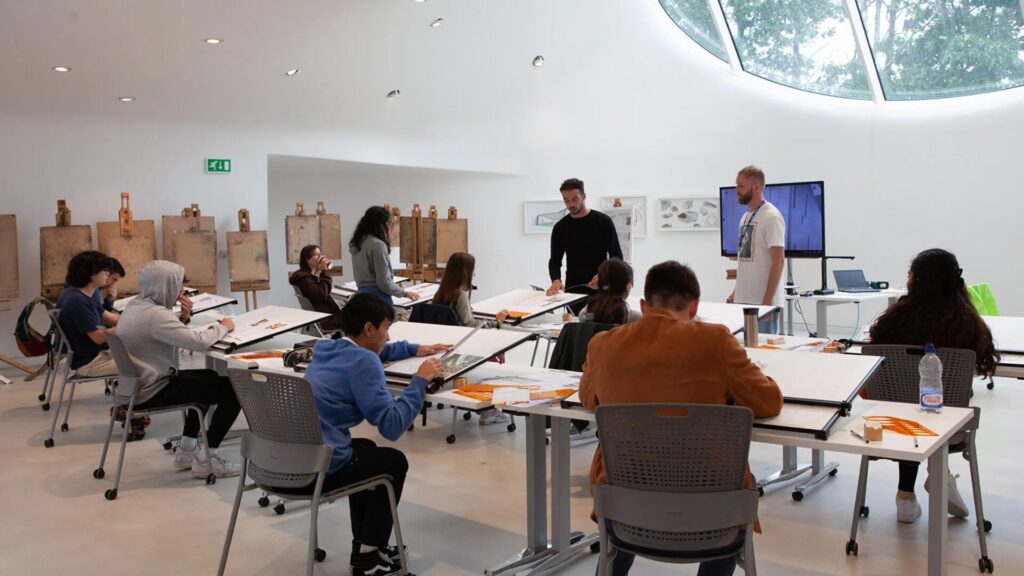
14. Arts University Bournemouth’s Creative Arts Summer School – Creative Video and VFX: Summer Feature Film
Location: Arts University Bournemouth, Bournemouth, England, UK
Cost: £389
Dates: August 17-21
Application deadline: Not specified
Eligibility: Students, ages 12-15; international student eligibility is not specified
This five-day course at Arts University Bournemouth is designed to help you learn the basics of video production and visual effects (VFX). Each day includes six hours of instruction, with breaks built in. During the week, you will work with professional cameras, lighting equipment, green screens, and Adobe Premiere Pro software while planning, shooting, and editing your own short film.
You will work in a group, taking turns to film and act. By the end of the week, you and your group will complete the short film. The course wraps up with an exhibition on Friday afternoon, where you will share your work with friends and family who will be invited to watch the films. You can also request a certificate of completion at the end if you attend sessions every day.
Why it stands out: It lets you build digital art skills while working on a collaborative film and showcase your work to a real audience!
15. UAL Filmmaking for 11-15-Year-Olds Short Course
Location: UAL Central Saint Martins, Kings Cross, London
Cost: £750
Dates: July 27-31
Application deadline: Not specified
Eligibility: Students, ages 11-15; international student eligibility is not specified
For younger students exploring pre-college film programs in Europe for high school students, this one-week course at UAL is designed for 11- to 15-year-olds who want to explore filmmaking and creative media in a real art school environment. Learning from UAL instructors on campus alongside peers, you will develop skills in filmmaking, editing, storytelling, critical thinking, and presentation.
You will focus on building a portfolio of your strongest sequences, including at least one sizzle reel that’s ready to upload and share. At the end, you will receive a UAL digital badge and certificate of attendance. You will leave with a portfolio piece and experience in collaborating in a professional studio environment.
Why it stands out: You get an early introduction to university-level film education while using the same campus facilities as UAL’s degree students.
Frequently Asked Questions: Pre-College Film Programs in Europe
What is a pre-college film program?
A pre-college film program is a short, structured course that teaches high school students the practical and theoretical sides of filmmaking before they apply to university. These programs typically cover screenwriting, cinematography, directing, and editing, often using the same facilities and instructors that train undergraduate film students. Most run between one and two weeks during the summer. Students usually leave with a finished short film or scene for their portfolio or college application.
Do I need prior filmmaking experience to apply?
No, most of these programs are designed for beginners and require no prior experience. Royal Conservatoire of Scotland’s Introduction to Filmmaking and EICAR’s Summer Workshop both explicitly welcome students with no filmmaking background. Programs like Immerse Education’s Film Summer School are also built to start from the basics, covering film history and visual language before moving into hands on workshops. A genuine interest in storytelling matters more than past coursework.
How much do pre-college film programs in Europe cost?
Costs range from free to around £3,295 for a two week residential course. Day programs without housing tend to fall under £1,000, while two week courses with accommodation and meals often run between £1,800 and £2,970. Immerse Education’s Film Summer School offers bursary support that can reduce costs for eligible students. It’s worth checking each program’s website directly, since fees and financial aid can change between sessions.
What age do I need to be to apply?
Age requirements depend on the specific program, ranging from 11 years old up to no upper limit at all. Younger applicants can look at UAL’s Filmmaking for 11 to 15 Year Olds or Arts University Bournemouth’s Creative Video and VFX course. Students aged 16 to 19 have the widest selection, including NFTS Academy Residential and most UK university based courses. Immerse Education’s Film Summer School covers one of the broadest ranges, accepting students from 13 to 18.
Can international students attend these programs?
Yes, the large majority of these programs accept international students, with one key exception. NFTS Academy Residential is limited to UK residents between 16 and 19 years old, so students outside the UK should look elsewhere. London Film Academy’s Young Filmmakers’ Academy requires a B2 level of English for non native speakers. Most other programs, including those at Arts University Bournemouth, EICAR, and ESRA, are open globally without additional language requirements specified.
Will I actually make a short film during the program?
Yes, nearly every program on this list ends with a finished short film, scene, or animation. Students typically work through pre-production, a live shoot, and post-production editing, often rotating through crew roles like director, camera operator, or sound recordist. Many programs close with a public screening for staff, family, or industry guests, and some, like London Film Academy, provide a downloadable copy of the finished film for your portfolio.
Do these programs help with college applications?
Yes, several of these programs are designed specifically to strengthen a college application or portfolio. Arts University Bournemouth’s Filmmaking and Production course includes a portfolio review session that can lead directly to a university offer, and UAL’s short courses provide a digital badge plus a portfolio of finished sequences. A completed short film or documented production experience gives admissions officers concrete evidence of initiative in a competitive applicant pool.
What’s the difference between a one-week and a two-week course?
A one-week course generally focuses on a single skill area or gives a broad overview of filmmaking, while a two-week course allows time for a full production cycle from script to final edit. London Film Academy’s one-week track centres on smartphone filmmaking, while its two-week version introduces industry-standard digital cameras and more advanced lighting and sound setups. A one-week course is a lower-commitment way to test whether filmmaking interests you.
Building Your Film Profile Beyond the Classroom
Film summer study can help you move beyond casual interest by giving you finished work, sharper storytelling skills, and practical creative direction.
The 15 pre-college film programs in Europe for high school students in this guide cover screenwriting, directing, cinematography, editing, animation, sound, and production.
By creating scenes, short films, portfolios, and screenings, you can show initiative while discovering which parts of filmmaking feel most exciting.
Ready to connect your film experience to real creative futures? Explore our Career Exploration blogs for clear guidance on roles, pathways, skills, and next steps across the film, media, and creative industries with confidence today.